RESEARCH AND INNOVATION

Combining Histopathologic and Gene-Expression Profiling for Risk Stratification of Nodal Metastasis in Colorectal Cancer
Watsaphon Tangkullayanone, Nutchavadee Vorasan, Amphun Chaiboonchoe, Atthaphorn Trakarnsanga, Pariyada Tanjak, Thanawat Suwatthanarak, Woramin Riansuwan, Kullanist Thanormjit, Onchira Acharayothin, Asada Methasate, Yusuke Kinugasa, Bhoom Suktitipat, Vitoon Chinswangwatanakul Abstract Objective: To identify gene-expression features associated with lymph node metastasis (LNM) in colorectal cancer (CRC) and to develop a transcriptomic-clinical predictive model for preoperative nodal assessment. Materials and Methods : A total of [...]
อ่านเพิ่มเติมYield and Properties of Collagen from Nile Tilapia (Oreochromis niloticus) Scales: Effects of Ultrasonic Pretreatment on Pepsin-Aided Extraction
Phanat Kittiphattanabawon, Hideki Kishimura, Soottawat Benjakul, Wonnop Visessanguan Abstract The yield and characteristics of collagen from Nile tilapia scale pretreated with ultrasound at 40 kHz for 2 h before pepsin-aided extraction for 12-72 h (US collagen) were investigated compared to collagen from the scales without ultrasonic pretreatment (non-US collagen). Both collagens’ yields increased with prolonged extraction time (P<0.05). Nevertheless, the [...]
อ่านเพิ่มเติมIdentifying GFAP-expressing cell susceptibility to SARS-CoV-2 infection using human iPSC-derived neural cells
Nithi Asavapanumas, Phaewa Chaiwijit, Ampa Suksatu, Saroj Kasemsinsup, Nongluk Saikachain, Juthamard Chantaraamporn, Suchanan Chieowisaman, Sarintip Nguantad, Damita Jevapatarakul, Narita Thungsatianpun, Tanapat Pornsukjantra, Tanida Chokpanuwat, Suwimon Manopwisedjaroen, Kanit Bhukhai, Patompon Wongtrakoongate, Suradej Hongeng, Ponpan Matangkasombut, Varodom Charoensawan, Arunee Thitithanyanont Abstract Neurological manifestations are common in COVID-19. However, a key limitation to understanding the mechanisms and developing new therapeutic approaches is the [...]
อ่านเพิ่มเติมDual Targeting of FAP-Directed Nanoparticles and FRα-Specific CAR-T Cells Induces Additive Anti-Tumor Effects in Triple-Negative Breast Cancer
Tanva Thongkleang, Suyanee Thongchot, Kamonlatth Rodponthukwaji, Piriya Luangwattananun, Kwanruthai Tadpetch, Pa Thai Yenchitsomanus, Peti Thuwajit, Primana Punnakitikashem, Chanitra Thuwajit Abstract Triple-negative breast cancer (TNBC) is an aggressive malignancy with limited treatment options. It lacks hormone receptors and human epidermal growth factor receptor 2. The immunosuppressive tumor microenvironment (TME), particularly cancer-associated fibroblasts (CAFs), significantly hinders chimeric antigen receptor (CAR)-T cell therapy [...]
อ่านเพิ่มเติมImpact of thiamin supplementation on thiamin pyrophosphate effect and cardiac function in pediatric heart disease patients on diuretics: a randomized controlled trial
Rathaporn Sumboonnanonda, Chodchanok Vijarnsorn, Puthita Saengpanit, Chatchawan Srisawat, Kwanjai Chotipanang, Sarawut Junnu, Supawan Kunnangja, Hathaichanok Rukprayoon, Phakkanan Phuangphan, Bordeesuda Suiwongsa, Sompong Liammongkolkul, Phakwan Laohathai, Narumon Densupsoontorn Abstract Background and Aims :Thiamin is a water-soluble vitamin essential for energy metabolism. Patients on long-term diuretics, particularly those with heart disease, are at risk of thiamin deficiency (TD) due to increased urinary loss, [...]
อ่านเพิ่มเติมComparative evaluation of stability, efficacy, and sterility in five repackaged intravitreal anti-vascular endothelial growth factor medications
Panintorn Thunwiriya, Tanaporn Phetruen, Phaewa Chaiwijit, Chaiyawat Tonawannakorn, Kanokwan Dekham, Nalumon Thadtapong, Soraya Chaturongakul, Varodom Charoensawan , Sittinan Chanarat, Danaya Pakotiprapha, Prut Hanutsaha Abstract Intravitreal injection anti-vascular endothelial growth factor (VEGF) drugs offer significant benefits for individuals with retinal diseases, yet high cost and limited availability impede widespread use. Compounding and repackaging present a potential strategy for better drug utilization; [...]
อ่านเพิ่มเติมAppendicolith detection in dual-energy CT of adult acute appendicitis: comparing portovenous phase and virtual noncontrast with true noncontrast images
Rathachai Kaewlai, Jitti Chatpuwaphat, Sasima Tongsai, Piyachai Siriphiphatcharoen, Papasorn Wattanakul, Patcharaporn Thaisuriyo, Dhanawin Wongsaengchan, Napakadol Noppakunsomboon, Shanigarn Thiravit. Abstract Objectives: Appendicoliths are associated with failed nonoperative management in acute appendicitis and are used to exclude patients from this treatment. This study evaluated whether portovenous phase (PVP) and virtual noncontrast (VNC) images from rapid-kVP-switching dual-energy CT (rsDECT), alone or combined, can [...]
อ่านเพิ่มเติมClostridioides difficile infection increases in-hospital mortality, length of stay, and hospital cost but not 30-day mortality in cirrhotic patients
Aunchalee Jaroenlapnopparat,Vitchapong Prasitsumrit, Ben Ponvilawan, Palapun Waitayangkoon , Nipith Charoenngam Abstract Background and aim: Clostridioides difficile infection (CDI) is a leading cause of nosocomial infection and is associated with both higher morbidity and mortality. Cirrhotic patients are more susceptible to CDI because of impaired gut immune response, use of proton pump inhibitor, and frequent hospitalization. We aim to investigate the [...]
อ่านเพิ่มเติมMitochondrial DNA sequence diversity in Kedayan population
HashomMohd Hakim, Japareng Lalung, AungWin Tun, Patcharee Lertrit, Supannee Kaewsutthi, Citra Manela, Fika Tri Anggraini, Abd Rashid Nur Haslindawaty, Che Ghazali Norul Hajar, Hisham Atan Edinur Abstract The Kedayan is an indigenous population in Borneo who speak the Austronesian language, and majority of them live in Sabah and Sarawak on the Malaysian side of the island. In this study, we [...]
อ่านเพิ่มเติมSaccharification of carrot pomace and use as nutrient source for the production of ꞵ-cryptoxanthin by Pantoea anthophila FL1_IS5
Sopida Korkerd, Savitri Vatanyoopaisarn, Wonnop Visessanguan, Benjawan Thumthanarak, Caroline L. Perez, Vilai Rungsardthong, Solange I. Mussatto Abstract Carrot pomace represents a rich source of nutritional components such as polysaccharides, dietary fiber, phenolic compounds, and ꞵ-carotene, which can be utilized as alternative sources to produce value-added products. In this research, carrot pomace was hydrolyzed to release monosaccharides and utilized to produce [...]
อ่านเพิ่มเติมEnhanced physical, mechanical and barrier properties of chitosan films via tannic acid cross-linking
Supachok Tanpichai, Kitti Yuwawech, Ekachai Wimolmala, Yanee Srimarut, Weerapong Woraprayote, Yuwares Malila Abstract Growing environmental concerns over the extensive use of petroleum-based polymer packaging have spurred interest in the development of bio-based alternatives. In this work, the incorporation of tannic acid as a cross-linker into chitosan at concentrations of 0-60 wt% was explored. The resulting cross-linking between chitosan chains induced [...]
อ่านเพิ่มเติมPhotothermally triggered double-layer hydrogels containing curcumin-loaded pullulan derivatives for controlled drug delivery and wound healing
Punnida Nonsuwan, Preeyaporn Plaimee Phiboonchaiyanan, Verisa Chowjarean, Premjit Limpamanoch, Supaporn Santhan, Namon Hirun, Pakorn Kraisit Abstract The development of advanced wound healing materials has garnered significant interest due to their potential to enhance therapeutic outcomes. This study presents a novel double-layer hydrogel system for the controlled release of curcumin under near-infrared (NIR) irradiation. The bottom layer, designed to incorporate curcumin, [...]
อ่านเพิ่มเติมA pyrimido-indole derivative promotes the differentiation of hematopoietic stem and progenitor cells from human-induced pluripotent stem cells by modulating YAP/Hippo signaling pathway
Palida Saleepimol, Gorawin Chaiyakitpattana, Benjamin Ongnok, Pongpon Phuwakanjana, Tanida Chokpanuwat, Phaewa Chaiwijit, Veeravat Changkeb, Klodthida Yanukun, Nontaphat Thongsin, Methichit Wattanapanitch, Nithi Asavapanumas, Alisa Tubsuwan, Nareerat Sutjarit, Suradej Hongeng, Kanit Bhukhai Abstract Hematopoietic stem and progenitor cell (HSPC) therapy effectively treats hematological disorders, such as hemoglobinopathies, aplastic anemia, and leukemias. However, limited HSPC availability and loss of stemness restrict clinical application, [...]
อ่านเพิ่มเติมTranscriptomic analysis reveals time-of-day-specific genes and gene regulatory networks in response to chilling stress in sorghum
Kanjana Laosuntisuk, Amaranatha Vennapusa, Impa M. Somayanda, S. V. Krishna Jagadish & Colleen J. Doherty Abstract Sorghum is a versatile crop with many uses, ranging from human consumption to biofuel production. In the U.S., sorghum experiences heat stress during flowering in the summer. Several strategies have been developed to reduce yield loss caused by heat stress. One of the most [...]
อ่านเพิ่มเติมA proof-of-concept study using a graphene oxide-bovine serum albumin nanocomposite-based electrochemical aptasensor platform for Salmonella typhimurium detection from chicken meat
Settasart Sonna, Chatchawan Srisawat, Sakda Jampasa, Orawon Chailapakul, David J Hampson , Nuvee Prapasarakul Abstract Salmonella Typhimurium (ST) is an important food-borne pathogen, particularly in chicken meat, making its rapid detection essential for food safety. Conventional detection methods are slow and equipment-intensive, creating the need for sensitive and portable alternatives. We developed a rapid, ultrasensitive, and portable electrochemical aptasensor platform [...]
อ่านเพิ่มเติมAnti-cancer activity of Kaempferia galanga L.–loaded polydopamine nanoparticles against colorectal cancer
Paweena Dana, Anukul Taweechaipaisankul, Yodsathorn Wongngam, Suttipun Sungsuwan, Walailuk Chonniyom, Saksorn Klibaim, Prattana Tanyapanyachon, Monthira Rattanatayarom, Onuma Phoraksa, Udom Asawapirom, Primana Punnakitikashem, Duangporn Polpanich, Nattika Saengkrit Abstract Kaempferia galanga L. (KGL) is an aromatic ginger that has been used as a medicinal plant. Specifically, KGL possesses anti-inflammatory, antioxidant, anti-bacterial, and anti-cancer effects. However, the key component of KGL, ethyl p‑methoxy [...]
อ่านเพิ่มเติมExtracellular vesicles: A comprehensive review of classification, isolation, characterization, and cargo loading
Chanatip Metheetrairut, Ladawan Khowawisetsut, Punnida Nonsuwan, Primana Punnakitikashema, Kovit Pattanapanyasat Abstract Extracellular vesicles (EVs) are submicron membrane-bound structures released from various cell types into extracellular space. EVs are divided by biogenesis into exosomes, microvesicles and apoptotic bodies; moreover, they can also be subtyped into natural, engineered and hybrid EVs. EVs play a vital role in cell-to-cell communication, allowing cells to [...]
อ่านเพิ่มเติมBiocalcium phosphate powders prepared from threadfin bream (Nemipterus hexodon) bone: Properties and comparison with calcined fish bone powder
Patchanee Petrat, Sappasith Klomklao, Wonnop Visessanguan, Soottawat Benjakul, Hideki Kishimura Abstract Threadfin bream bones, often discarded by the fish processing industry, contain valuable components such as collagen calcium and phosphorus. Converting these bones into biocalcium phosphate can enhance their value. Characteristics of biocalcium phosphate powder derived from threadfin bream bones were investigated and compared with those of calcined fish bone [...]
อ่านเพิ่มเติมBiological properties of reverse ankyrin engineered for dimer construction to enhance HIV-1 capsid interaction
On-Anong Juntit, Umpa Yasamut, Supachai Sakkhachornphop, Koollawat Chupradit, Weeraya Thongkum, Chatchawan Srisawat, Tawan Chokepaichitkool, Prachya Kongtawelert, Chatchai Tayapiwatana Abstract Background: Assembly and budding in the late-stage of human immunodeficiency virus type 1 (HIV-1) production rely on Gag protein polymerization at the inner leaflet of the plasma membrane. We previously generated a monomeric ankyrin repeat protein (Ank1D4) that specifically interacts with [...]
อ่านเพิ่มเติมDistinct systemic immune responses in asymptomatic and symptomatic dengue virus infection
Waradon Sungnak, Natnicha Jiravejchakul, Tiraput Poonpanichakul, Chawinya Trakoolsoontorn, Sirawit Srikor, Anunya Opasawatchai, Jantarika Arora, Damita Jevapatarakul, Narita Thungsatianpun, Sarintip Nguantad, Juthamard Chantaraamporn, Pattarakul Pakchotanon, Nuntaya Punyadee, Thaneeya Duangchinda, Panisadee Avirutnan; DENFREE Thailand; Juthathip Mongkolsapaya, Kerstin B Meyer, Oranart Matangkasombut, Varodom Charoensawan, Sarah A Teichmann, Ponpan Matangkasombut; DENFREE Thailand Consortium Abstract A comprehensive understanding of human systemic immune responses to mosquito-borne [...]
อ่านเพิ่มเติมInvestigating tumour heterogeneity in a melanoma arising in congenital melanocytic nevus using in situ spatial gene expression analysis
Jutapak Jenkitkonchai, Kittiporn Punuch , Teerapat Paringkarn, Teerapat Wannawittayapa, Manop Pithukpakorn, Panitta Sitthinamsuwan, Manasmon Chairatchaneeboon, Varodom Charoensawan Abstract Melanoma is one of the most aggressive skin cancers with high mortality rates.1 It frequently exhibits high heterogeneity, with diverse genetic and phenotypic characteristics, which often complicate accurate diagnosis, classification and treatment planning.2 A previous study showed that melanoma tumours with high [...]
อ่านเพิ่มเติมAntiviral and virucidal activities against SARS-CoV-2 and antibacterial properties of bile acids and their salts with naturally occurring organic cations of l-carnitine, creatinine, and choline
Chavalit Varongkriengkrai, Nopporn Chutiwitoonchai, Nontaphat Leerach, Sanya Sureram, Tam Pooprasert, Thammarat Aree, Sakda Khoomrung, Chulabhorn Mahidol, Somsak Ruchirawat, Prasat Kittakoop Abstract Bile acids have many roles in biological systems, and they have received great attention recently. Bile from a cow, known as gall, together with garlic, wine, and leeks, is used in the traditional medicine recipe of Bald’s Leechbook, a [...]
อ่านเพิ่มเติมHigher Plasma Kynurenine to Tryptophan Correlates with an Increased Incidence of Mild Cognitive Impairment in Treated Metabolic Syndrome Patients
Narumol Jariyasopit, Tiwat Phochmak, Siriphan Manocheewa, Kwanjeera Wanichthanarak, Suphitcha Limjiasahapong, Nichapa Kleebkomut, Yongyut Sirivatanauksorn, Vorapan Sirivatanauksorn, Arintaya Phrommintikul, Nipon Chattipakorn, Siriporn Chattipakorn, Sakda Khoomrung Abstract An increase in cognitive impairment was observed in metabolic syndrome (MetS) patients. Although alterations in metabolomic profiles have been identified as potential plasma/serum biomarkers of mild cognitive impairment (MCI) and MetS, findings remain inconsistentprobably due [...]
อ่านเพิ่มเติมWhole exome sequencing and rare variant association study to identify genetic modifiers, KLF1 mutations, and a novel double mutation in Thai patients with hemoglobin E/beta-thalassemia
Chattree Hantaweepant, Bhoom Suktitipat, Manop Pithukpakorn, Yingyong Chinthammitr, Chanin Limwongse, Nawaporn Tansiri, Surasak Sawatnatee, Chayamon Takpradit, Wannaphorn Rotchanapanya, Saranya Pongudom, Kanyaporn Charoenprasert, Kittiphong Paiboonsukwong, Wichuda Thamprasert, Narumol Nolwachai, Wanlapa Rattanasawat, Busakorn Sae-Aeng, Nisachon Khorwanichakij, Putchong Saetow, Supawee Saengboon, Krittichat Kamjornpreecha, Wikanda Pholmoo, Boonyanuch Dujjawan, Noppadol Siritanaratkul Abstract Objectives: Clinical manifestations of patients with Hemoglobin E/beta-thalassemia vary from mild to severe [...]
อ่านเพิ่มเติมProlonged Egg Supplement Advances Growing Child’s Growth and Gut Microbiota
Sophida Suta, Apinya Surawit, Pichanun Mongkolsucharitkul, Bonggochpass Pinsawas, Thamonwan Manosan, Suphawan Ophakas, Tanyaporn Pongkunakorn, Sureeporn Pumeiam, Kitti Sranacharoenpong, Sawannee Sutheeworapong, Patcha Poungsombat, Sakda Khoomrung, Pravit Akarasereenont, Iyarit Thaipisuttikul, Bhoom Suktitipat, Korapat Mayurasakorn Abstract Protein-energy malnutrition still impacts children’s growth and development. We investigated the prolonged effects of egg supplementation on growth and microbiota in primary school children. For this study, [...]
อ่านเพิ่มเติมInduction of fetal hemoglobin: Lentiviral shRNA knockdown of HBS1L in β0-thalassemia/HbE erythroid cells
Sukanya Chumchuen, Orapan Sripichai, Natee Jearawiriyapaisarn, Suthat Fucharoen, Chayanon Peerapittayamongkol Abstract Imbalanced globin chain output contributes to thalassemia pathophysiology. Hence, induction of fetal hemoglobin in β-thalassemia and other β-hemoglobinopathies are of continuing interest for therapeutic approaches. Genome-wide association studies have identified three common genetic loci: namely β-globin (HBB), an intergenic region between MYB and HBS1L, and BCL11A underlying quantitative fetal [...]
อ่านเพิ่มเติมReal-world evidence of cisplatin versus carboplatin in patients with locally advanced nasopharyngeal carcinoma receiving concurrent chemoradiotherapy: A multicenter analysis
Arunee Dechaphunkul, Pongwut Danchaivijitr, Rungarun Jiratrachu, Tanadech Dechaphunkul, Chatsuda Sookthon, Chuleeporn Jiarpinitnun, Chatchanok Paoin, Jiraporn Setakornnukul, Bhoom Suktitipat, Poompis Pattaranutaporn, Nuttapong Ngamphaiboon Abstract Background: Though concurrent chemoradiotherapy (CCRT) with cisplatin remains a standard of care for patients with locally advanced nasopharyngeal carcinoma (LA-NPC), carboplatin has alternatively been used without sufficient supportive evidences. Thus, we evaluated an efficacy and tolerability of [...]
อ่านเพิ่มเติมThe KRAS-Mutant Consensus Molecular Subtype 3 Reveals an Immunosuppressive Tumor Microenvironment in Colorectal Cancer
Pariyada Tanjak, Amphun Chaiboonchoe, Tharathorn Suwatthanarak, Onchira Acharayothin, Kullanist Thanormjit, Jantappapa Chanthercrob, Thanawat Suwatthanarak, Bundit Wannasuphaphol, Kemmapon Chumchuen, Bhoom Suktitipat, Somponnat Sampattavanich, Krittiya Korphaisarn, Ananya Pongpaibul, Naravat Poungvarin, Harald Grove, Woramin Riansuwan, Atthaphorn Trakarnsanga, Asada Methasate, Manop Pithukpakorn, Vitoon Chinswangwatanakul Abstract Colorectal cancers (CRC) with KRAS mutations (KRASmut) are frequently included in consensus molecular subtype 3 (CMS3) with profound metabolic [...]
อ่านเพิ่มเติมValidation of a Thai semiquantitative food frequency questionnaire (semi-FFQ) for people at risk of metabolic syndrome
Nattvara Nirdnoy, Kitti Sranacharoenpong, Apinya Surawit, Bonggochpass Pinsawas, Pichanun Mongkolsucharitkul, Tanyaporn Pongkunakorn, Thamonwan Manosan, Suphawan Ophakas, Sophida Suta, Sureeporn Pumeiam, Korapat Mayurasakorn; Siriraj Health Study Group Collaborators Siriraj Health Study Group : Winai Ratanasuwan, Mayuree Homsanit, Keerati Charoencholvanich, Bhoom Suktitipat, Chalermchai Mitrpant, Manop Pithukpakorn, Prapat Suriyaphol, Rungroj Krittayaphong, Prasert Auewarakul, Boonrat Tassaneetritap, Naravat Poungvarin Abstract Background: Food frequency questionnaires (FFQ) [...]
อ่านเพิ่มเติมDeep learning facilitates multi-data type analysis and predictive biomarker discovery in cancer precision medicine
Vivek Bhakta Mathema, Partho Sen, Santosh Lamichhane, Matej Orešič, Sakda Khoomrung Abstract Cancer progression is linked to gene-environment interactions that alter cellular homeostasis. The use of biomarkers as early indicators of disease manifestation and progression can substantially improve diagnosis and treatment. Large omics datasets generated by high-throughput profiling technologies, such as microarrays, RNA sequencing, whole-genome shotgun sequencing, nuclear magnetic resonance, [...]
อ่านเพิ่มเติมRevisiting chloroplast genomic landscape and annotation towards comparative chloroplast genomes of Rhamnaceae
Kwanjeera Wanichthanarak, Intawat Nookaew, Phongthana Pasookhush, Thidathip Wongsurawat, Piroon Jenjaroenpun, Namkhang Leeratsuwan, Songsak Wattanachaisaereekul, Wonnop Visessanguan, Yongyut Sirivatanauksorn, Narong Nuntasaen, Chutima Kuhakarn, Vichai Reutrakul, Pravech Ajawatanawong, Sakda Khoomrung Abstract Background: Massive parallel sequencing technologies have enabled the elucidation of plant phylogenetic relationships from chloroplast genomes at a high pace. These include members of the family Rhamnaceae. The current Rhamnaceae phylogenetic [...]
อ่านเพิ่มเติมiPSC-based approach for human hair follicle regeneration
Chinnavuth Vatanashevanopakorn, Thanutchaporn Sartyoungkul Abstract Hair follicles (HFs) are a multifunctional structure involved in physical protection, thermoregulation, sensational detection, and wound healing. Formation and cycling of HFs require dynamic interaction between different cell types of the follicles. Although the processes have been well studied, the generation of human functional HFs with a normal cycling pattern for clinical utilization has yet [...]
อ่านเพิ่มเติมElectrochemical aptasensor detection of electron transfer flavoprotein subunit beta for leptospirosis diagnosis
Uraiwan Kositanont, Chatchawan Srisawat, Sirinapa Sripinitchai, Charin Thawornkuno, Thanyarat Chaibun, Sinthu Karunaithas, Chamras Promptmas, Benchaporn Lertanantawong Abstract Electron transfer flavoprotein subunit beta (ETFB) of Leptospira interrogans is a biomarker for diagnosing leptospiral infection. Thus, the ETFB-specific nuclease-resistant RNA aptamer ETFB3-63 was developed and used in an electrochemical aptasensor to assay ETFB. Although the majority of reported biosensors detect various genes [...]
อ่านเพิ่มเติมExploiting nanopore sequencing for characterization and grading of IDH-mutant gliomas
Thidathip Wongsurawat, Piroon Jenjaroenpun, Panatna Anekwiang, Tantip Arigul, Wichayapat Thongrattana, Azemat Jamshidi-Parsian, Gunnar Boysen, Prapat Suriyaphol, Bhoom Suktitipat, Prajak Srirabheebhat, Pornsuk Cheunsuchon, Jantima Tanboon, Intawat Nookaew, Sith Sathornsumetee Abstract The 2021 WHO Classification of Central Nervous System Tumors recommended evaluation of cyclin-dependent kinase inhibitor 2A/B (CDKN2A/B) deletion in addition to codeletion of 1p/19q to characterize IDH-mutant gliomas. Here, we demonstrated [...]
อ่านเพิ่มเติมMass spectrometry-based analysis of gut microbial metabolites of aromatic amino acids
Narumol Jariyasopit, Sakda Khoomrung Abstract Small molecules derived from gut microbiota have been increasingly investigated to better understand the functional roles of the human gut microbiome. Microbial metabolites of aromatic amino acids (AAA) have been linked to many diseases, such as metabolic disorders, chronic kidney diseases, inflammatory bowel disease, diabetes, and cancer. Important microbial AAA metabolites are often discovered via [...]
อ่านเพิ่มเติมInfluence of Prolonged Whole Egg Supplementation on Insulin-like Growth Factor 1 and Short-Chain Fatty Acids Product: Implications for Human Health and Gut Microbiota
Sophida Suta, Suphawan Ophakas, Thamonwan Manosan, Orranich Honwichit, Suvimol Charoensiddhi, Apinya Surawit, Tanyaporn Pongkunakorn, Sureeporn Pumeiam, Pichanun Mongkolsucharitkul, Bonggochpass Pinsawas, Sawannee Sutheeworapong, Patcha Puangsombat, Sakda Khoomrung, Korapat Mayurasakorn Abstract The gut microbiota exert a profound influence on human health and metabolism, with microbial metabolites playing a pivotal role in shaping host physiology. This study investigated the impact of prolonged egg [...]
อ่านเพิ่มเติมAnti-Xanthine Oxidase 5′-Hydroxyhericenes A-D from the Edible Mushroom Hericium erinaceus and Structure Revision of 3-[2,3-Dihydroxy-4-(hydroxymethyl)tetrahydrofuran-1-yl]-pyridine-4,5-diol
Tawatchai Thongkongkaew, Narumol Jariyasopit, Sakda Khoomrung, Siraprapa Siritutsoontorn, Sarawut Jitrapakdee, Prasat Kittakoop, Somsak Ruchirawat Abstract Hericium erinaceus is an edible mushroom with diverse pharmaceutical applications. Although this mushroom is an attractive source of natural products for cancer treatment, little is known about the bioactive compounds from this mushroom, which may possess antibreast cancer activity. Here, we report the isolation and [...]
อ่านเพิ่มเติมCharacterizing Different Modes of Interplay Between Rap1 and H3 Using Inducible H3-depletion Yeast
Peerapat Khamwachirapithak, David Guillaume-Schoepfer, Pakkanan Chansongkrow, Sarah A Teichmann, Philip A Wigge, Varodom Charoensawan Abstract Histones and transcription factors (TFs) are two important DNA-binding proteins that interact, compete, and together regulate transcriptional processes in response to diverse internal and external stimuli. Condition-specific depletion of histones in Saccharomyces cerevisiae using a galactose-inducible H3 promoter provides a suitable framework for examining transcriptional [...]
อ่านเพิ่มเติมSericin-Based Poly(Vinyl) Alcohol Relieves Plaque and Epidermal Lesions in Psoriasis; a Chance for Dressing Development in a Specific Area
Khwanchanok Tuentam, Pornanong Aramwit, Onrapak Reamtong, Suangsuda Supasai, Urai Chaisri, Kamonpan Fongsodsri, Rungnapha Yamdech, Napatara Tirawanchai, Passanesh Sukphopetch, Sumate Ampawong Abstract The noncontagious immune-mediated skin disease known as psoriasis is regarded as a chronic skin condition with a 0.09–11.4% global prevalence. The main obstacle to the eradication of the disease continues to be insufficient treatment options. Sericin, a natural biopolymer [...]
อ่านเพิ่มเติม
Multi-Pass Arrival Time Correction in Cyclic Ion Mobility Mass Spectrometry for Imaging and Shotgun Lipidomics
Pattipong Wisanpitayakorn, Narumol Jariyasopit, Kassaporn Duangkumpha, Jun Xian Goh, Martin E Palmer, Yongyut Sirivatanauksorn, Sakda Khoomrung Abstract Direct-infusion mass spectrometry (DI-MS) and mass spectrometry imaging (MSI) are powerful techniques for lipidomics research. However, annotating isomeric and isobaric lipids with these methods is challenging due to the absence of chromatographic separation. Recently, cyclic ion mobility mass spectrometry (cIM-MS) has been proposed [...]
อ่านเพิ่มเติม
19
Dec
Dec
Disproportionately Increasing Incidence of Inflammatory Bowel Disease in Female Patients and the Elderly: An Update Analysis from the Global Burden of Disease Study 2021
Pojsakorn Danpanichkul, Kwanjit Duangsonk, Agnes H Y Ho, Passisd Laoveeravat, Chawinthorn Vuthithammee, Disatorn Dejvajara, Vitchapong Prasitsumrit , Thanida Auttapracha, Busara Songtanin, Panu Wetwittayakhlang, Rashid N Lui, Gursimran Singh Kochhar, Siew C Ng, Francis A Farraye, Karn Wijarnpreecha Abstract Introduction: To update the global burden of inflammatory bowel disease (IBD) using data from the Global Burden of Disease 2021. Methods: Data [...]
อ่านเพิ่มเติม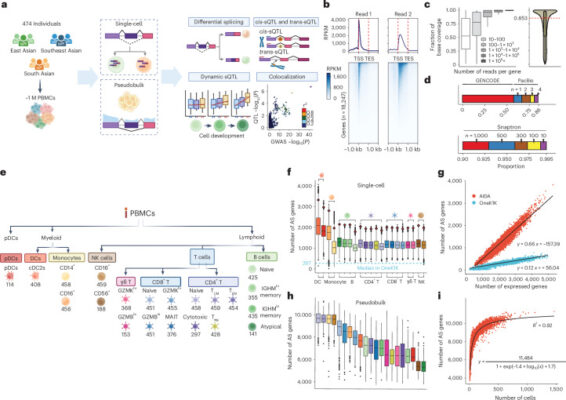
Single-cell RNA sequencing of peripheral blood links cell-type-specific regulation of splicing to autoimmune and inflammatory diseases
Chi Tian, Yuntian Zhang, Yihan Tong, Kian Hong Kock, Donald Yuhui Sim, Fei Liu, Jiaqi Dong, Zhixuan Jing, Wenjing Wang, Junbin Gao, Le Min Tan, Kyung Yeon Han, Yoshihiko Tomofuji, Masahiro Nakano, Eliora Violain Buyamin, Radhika Sonthalia, Yoshinari Ando, Hiroaki Hatano, Kyuto Sonehara; Asian Immune Diversity Atlas Network; Xin Jin, Marie Loh, John Chambers, Chung-Chau Hon, Murim Choi, Jong-Eun Park, [...]
อ่านเพิ่มเติม
17
Dec
Dec
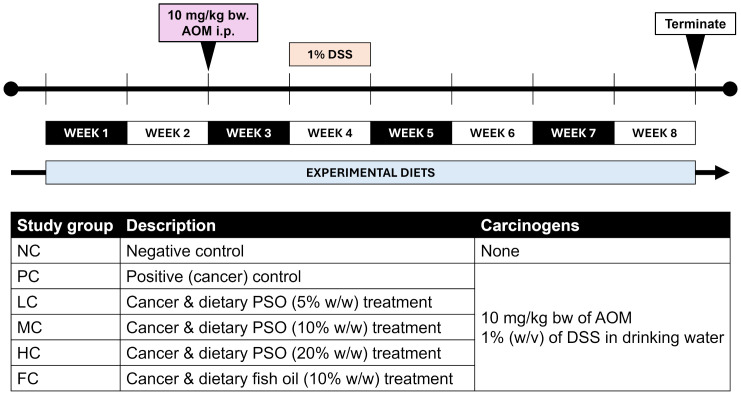
Cold-pressed extraction of perilla seed oil enriched with alpha-linolenic acid mitigates tumour progression and restores gut microbial homeostasis in the AOM/DSS mice model of colitis-associated colorectal cancer
Chawin Korsirikoon, Peerapa Techaniyom, Aikkarach Kettawan, Thanaporn Rungruang, Chanatip Metheetrairut , Pinidphon Prombutara, Aurawan Kringkasemsee Kettawan Abstract The present investigation explores into the influence of dietary nutrients, particularly alpha-linolenic acid (ALA), a plant-derived omega-3 fatty acid abundant in perilla seed oil (PSO), on the development of colitis-associated colorectal cancer (CRC). The study employs a mouse model to scrutinize the effects [...]
อ่านเพิ่มเติม
17
Dec
Dec
Metabolic and genetic risk factors associated with pre-diabetes and type 2 diabetes in Thai healthcare employees: A long-term study from the Siriraj Health (SIH) cohort study
Pichanun Mongkolsucharitkul, Apinya Surawit, Thamonwan Manosan, Suphawan Ophakas, Sophida Suta, Bonggochpass Pinsawas, Tanyaporn Pongkunakorn, Sureeporn Pumeiam, Winai Ratanasuwan, Mayuree Homsanit, Keerati Charoencholvanich, Yuthana Udomphorn, Bhoom Suktitipat, Korapat Mayurasakorn Abstract Background The study of non-communicable diseases (NCDs) in a developing country like Thailand has rarely been conducted in long-term cohorts, especially among the working-age population. We aim to assess the prevalence [...]
อ่านเพิ่มเติมCAIM: coverage-based analysis for identification of microbiome
Daniel A Acheampong , Piroon Jenjaroenpun , Thidathip Wongsurawat , Alongkorn Kurilung , Yotsawat Pomyen , Sangam Kandel , Pattapon Kunadirek , Natthaya Chuaypen , Kanthida Kusonmano , Intawat Nookaew Abstract Accurate taxonomic profiling of microbial taxa in a metagenomic sample is vital to gain insights into microbial ecology. Recent advancements in sequencing technologies have contributed tremendously toward understanding these [...]
อ่านเพิ่มเติมIs Exon Skipping a Viable Therapeutic Approach for Vascular Ehlers–Danlos Syndrome with Mutations in COL3A1 Exon 10 or 15?
Sasiwimon Utama, Jessica M. Cale, Chalermchai Mitrpant, Sue Fletcher, Steve D. Wilton, May T. Aung-Htut Abstract Vascular Ehlers–Danlos syndrome or Ehlers–Danlos syndrome type IV (vEDS) is a connective tissue disorder characterised by skin hyperextensibility, joint hypermobility and fatal vascular rupture caused by COL3A1 mutations that affect collagen III expression, homo-trimer assembly and secretion. Along with collagens I, II, V and [...]
อ่านเพิ่มเติมGLIMMERS: glioma molecular markers exploration using long-read sequencing
Wichayapat Thongrattana , Tantip Arigul , Bhoom Suktitipat , Manop Pithukpakorn , Sith Sathornsumetee , Thidathip Wongsurawat , Piroon Jenjaroenpun Abstract Summary The revised WHO guidelines for classifying and grading brain tumors include several copy number variation (CNV) markers. The turnaround time for detecting CNVs and alterations throughout the entire genome is drastically reduced with the customized read incremental approach [...]
อ่านเพิ่มเติม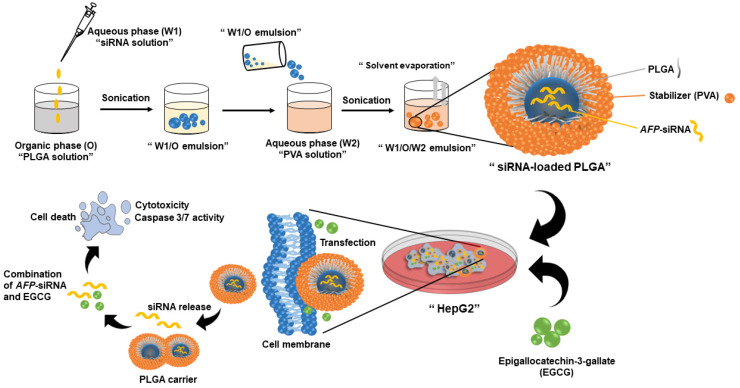
Epigallocatechin Gallate Potentiates the Anticancer Effect of AFP-siRNA-Loaded Polymeric Nanoparticles on Hepatocellular Carcinoma Cells
Kamonlatth Rodponthukwaji, Ponpawee Pingrajai, Saranrat Jantana, Seri Taya, Kongpop Duangchan, Kytai T Nguyen, Chatchawan Srisawat , Primana Punnakitikashem Abstract To develop a potential cancer treatment, we formulated a novel drug delivery platform made of poly(lactic-co-glycolic) acid (PLGA) and used a combination of an emerging siRNA technology and an extracted natural substance called catechins. The synthesized materials were characterized to determine [...]
อ่านเพิ่มเติม
17
Dec
Dec
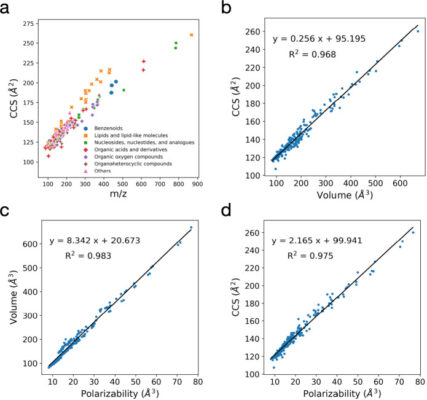
Accurate Prediction of Ion Mobility Collision Cross-Section Using Ion’s Polarizability and Molecular Mass with Limited Data
Pattipong Wisanpitayakorn, Sitanan Sartyoungkul, Alongkorn Kurilung, Yongyut Sirivatanauksorn, Wonnop Visessanguan , Nuankanya Sathirapongsasuti, Sakda Khoomrung Abstract The rotationally averaged collision cross-section (CCS) determined by ion mobility-mass spectrometry (IM-MS) facilitates the identification of various biomolecules. Although machine learning (ML) models have recently emerged as a highly accurate approach for predicting CCS values, they rely on large data sets from various instruments, [...]
อ่านเพิ่มเติม
17
Dec
Dec
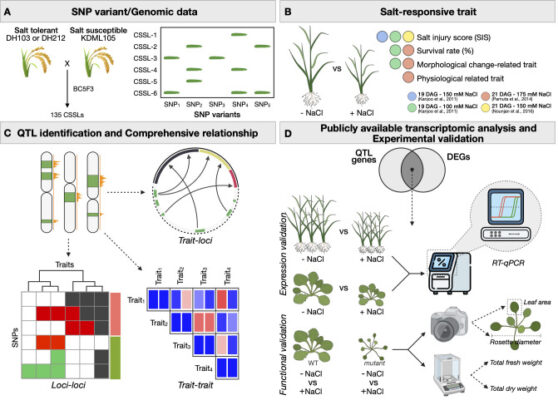
Comparative quantitative trait loci analysis framework reveals relationships between salt stress responsive phenotypes and pathways
Sunadda Phosuwan, Noppawan Nounjan, Piyada Theerakulpisut, Meechai Siangliw, Varodom Charoensawan Abstract Soil salinity is a complex abiotic stress that involves several biological pathways. Hence, focusing on a specific or a few salt-tolerant phenotypes is unlikely to provide comprehensive insights into the intricate and interwinding mechanisms that regulate salt responsiveness. In this study, we develop a heuristic framework for systematically integrating [...]
อ่านเพิ่มเติม
17
Dec
Dec
A Precision Therapy Approach for Retinitis Pigmentosa 11 Using Splice-Switching Antisense Oligonucleotides to Restore the Open Reading Frame of PRPF31
Janya Grainok, Ianthe L. Pitout, Fred K. Chen, Samuel McLenachan, Rachael C. Heath Jeffery, Chalermchai Mitrpant, Sue Fletcher Abstract Retinitis pigmentosa 11 is an untreatable, dominantly inherited retinal disease caused by heterozygous mutations in pre-mRNA processing factor 31 PRPF31. The expression level of PRPF31 is linked to incomplete penetrance in affected families; mutation carriers with higher PRPF31 expression can remain [...]
อ่านเพิ่มเติมData processing solutions to render metabolomics more quantitative: case studies in food and clinical metabolomics using Metabox 2.0
Kwanjeera Wanichthanarak , Ammarin In-on , Sili Fan , Oliver Fiehn , Arporn Wangwiwatsin , Sakda Khoomrung Abstract In classic semiquantitative metabolomics, metabolite intensities are affected by biological factors and other unwanted variations. A systematic evaluation of the data processing methods is crucial to identify adequate processing procedures for a given experimental setup. Current comparative studies are mostly focused on [...]
อ่านเพิ่มเติม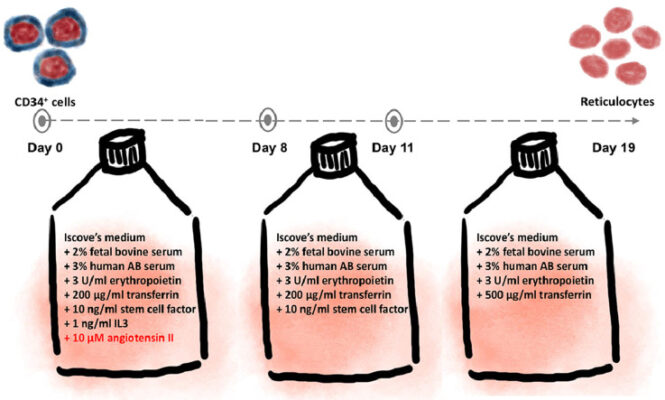
Angiotensin II promotes erythroid proliferation in a three-stage erythroid culture system
Saiphon Poldee , Chanatip Metheetrairut , Wichit Suthammarak, Kongtana Trakarnsanga Abstract At present, the numbers of cultured erythroid cells obtained from culture systems are not on a scale that can be used for therapeutics since the cultured erythroid cells have limited proliferation capacity. Stromal cells are believed to play important roles during erythropoiesis. Our previous study shows that factors secreted [...]
อ่านเพิ่มเติม
17
Dec
Dec
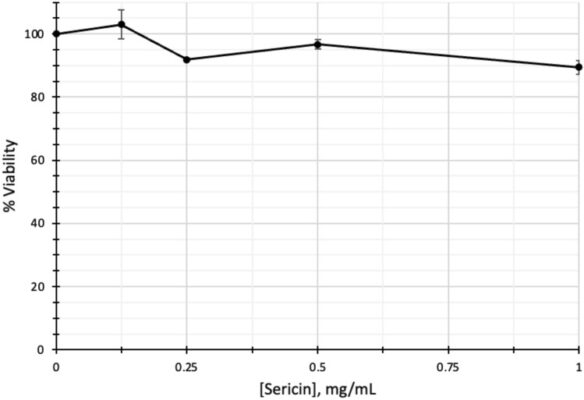
Transcriptomic screening of novel targets of sericin in human hepatocellular carcinoma cells
Jiraporn Jantaravinid, Napatara Tirawanchai, Sumate Ampawong, Kanchana Kengkoom, Anchaleekorn Somkasetrin, Vorthunju Nakhonsri, Pornanong Aramwit Abstract Sericin, a natural protein derived from Bombyx mori, is known to ameliorate liver tissue damage; however, its molecular mechanism remains unclear. Herein, we aimed to identify the possible novel targets of sericin in hepatocytes and related cellular pathways. RNA sequencing analysis indicated that a low [...]
อ่านเพิ่มเติม
17
Dec
Dec
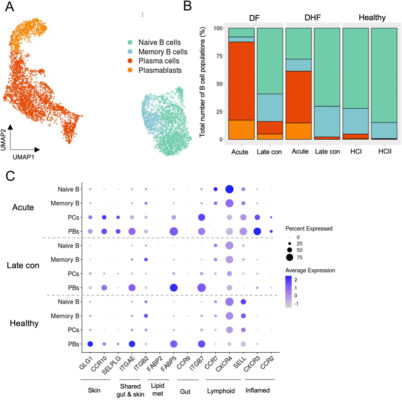
Single-cell RNA sequencing reveals the expansion of circulating tissue-homing B cell subsets in secondary acute dengue viral infection
Jantarika Kumar Arora, Ponpan Matangkasombut, Varodom Charoensawan, Anunya Opasawatchai; DENFREE Thailand Collaborators DENFREE Thailand : Anavaj Sakuntabhai, Pratap Singhasivanon, Swangjit Suraamornkul, Tawatchai Yingtaweesak, Khajohnpong Manopwisedjaroen, Nada Pitabut Abstract The roles of antibodies secreted by subsets of B cells in dengue virus (DENV) infection have been extensively studied, yet, the contribution of tissue-homing B cells to antiviral immunity remains unclear. In [...]
อ่านเพิ่มเติม
17
Dec
Dec
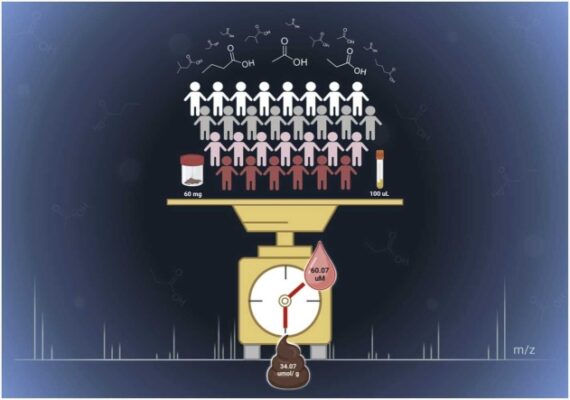
Quantifying fecal and plasma short-chain fatty acids in healthy Thai individuals
Weerawan Manokasemsan, Narumol Jariyasopit, Patcha Poungsombat, Khwanta Kaewnarin, Kwanjeera Wanichthanarak, Alongkorn Kurilung, Kassaporn Duangkumpha, Suphitcha Limjiasahapong, Yotsawat Pomyen, Roongruedee Chaiteerakij, Rossarin Tansawat, Chatchawan Srisawat, Yongyut Sirivatanauksorn, Vorapan Sirivatanauksorn, Sakda Khoomrung Abstract Short-chain fatty acids (SCFAs) are involved in important physiological processes such as gut health and immune response, and changes in SCFA levels can be indicative of disease. Despite the [...]
อ่านเพิ่มเติม
17
Dec
Dec
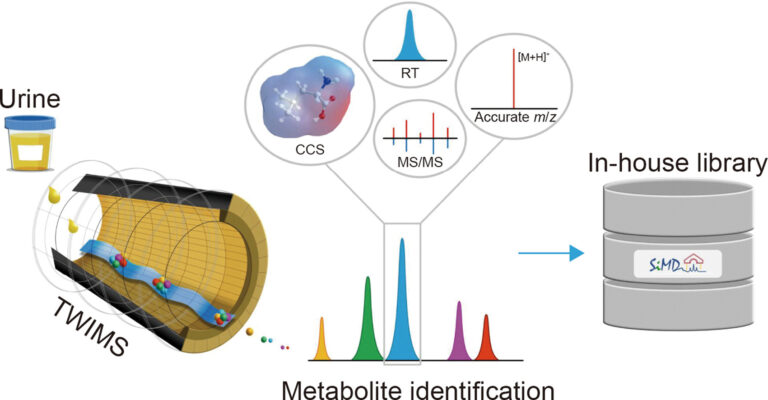
Measurement of very low-molecular weight metabolites by traveling wave ion mobility and its use in human urine samples
Alongkorn Kurilung, Suphitcha Limjiasahapong, Khwanta Kaewnarin, Pattipong Wisanpitayakorn, Narumol Jariyasopit, Kwanjeera Wanichthanarak, Sitanan Sartyoungkul, Stephen Choong Chee Wong, Nuankanya Sathirapongsasuti, Chagriya Kitiyakara, Yongyut Sirivatanauksorn, Sakda Khoomrung Abstract The collision cross-sections (CCS) measurement using ion mobility spectrometry (IMS) in combination with mass spectrometry (MS) offers a great opportunity to increase confidence in metabolite identification. However, owing to the lack of sensitivity [...]
อ่านเพิ่มเติม
17
Dec
Dec
Identification of RNF213 as a Potential Suppressor of Local Invasion in Intrahepatic Cholangiocarcinoma
Khajeelak Chiablaem, Artit Jinawath, Jiratchaya Nuanpirom, Jantarika Kumar Arora, Sirawit Nasaree, Thanastha Thanomchard, Nilubon Singhto, Pamorn Chittavanich, Bhoom Suktitipat , Varodom Charoensawan, Arthit Chairoungdua, Jim Jinn-Chyuan Sheu, Kazuma Kiyotani, Jisnuson Svasti, Yusuke Nakamura, Natini Jinawath Abstract Intrahepatic cholangiocarcinoma (ICC) is a lethal cancer with poor survival especially when it spreads. The histopathology of its rare intraductal papillary neoplasm of the [...]
อ่านเพิ่มเติม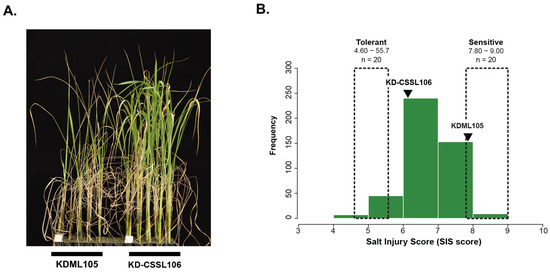
Identification of Candidate Genes for Salt Tolerance at Seedling Stage in Rice Using QTL-Seq and Chromosome Segment Substitution Line-Derived Population
Jiraporn Leawtrakun, Wanchana Aesomnuk, Srisawat Khanthong, Reajina Dumhai, Decha Songtoasesakul, Sunadda Phosuwan, Jiratchaya Nuanpirom, Varodom Charoensawan, Jonaliza L. Siangliw, Vinitchan Ruanjaichon, Theerayut Toojinda, Samart Wanchana, Meechai Siangliw, Siwaret Arikit Abstract Rice is a staple food for more than half of the world’s population. However, the pervasive problem of salinity is severely undermining rice production, especially in coastal and low-lying areas [...]
อ่านเพิ่มเติม
17
Dec
Dec
Discovery of procyanidin condensed tannins of (-)-epicatechin from Kratom, Mitragyna speciosa, as virucidal agents against SARS-CoV-2
Sanya Sureram, Nopporn Chutiwitoonchai, Tam Pooprasert, Watchara Sangsopha, Suphitcha Limjiasahapong, Narumol Jariyasopit, Yongyut Sirivatanauksorn, Sakda Khoomrung, Chulabhorn Mahidol, Somsak Ruchirawat, Prasat Kittakoop Abstract Kratom, Mitragyna speciosa, is one of the most popular herbs in the West and Southeast Asia. A number of previous works have focused on bioactive alkaloids in this plant; however, non-alkaloids have never been investigated for their [...]
อ่านเพิ่มเติมInvestigating common mutations in ATP7B gene and the prevalence of Wilson’s disease in the Thai population using population-based genome-wide datasets
Paravee Own-Eium, Donniphat Dejsuphong, Prin Vathesatogkit, Piyamitr Sritara, Thanyachai Sura, Wichai Aekplakorn, Bhoom Suktitipat, Jakris Eu-Ahsunthornwattana Abstract Wilson’s disease (WD) is a rare metabolic disorder caused by variations in the ATP7B gene. It usually manifests hepatic, neurologic, and psychiatric symptoms due to excessive copper accumulation. The prevalence of WD and its common variants differ across populations. This study aimed to [...]
อ่านเพิ่มเติม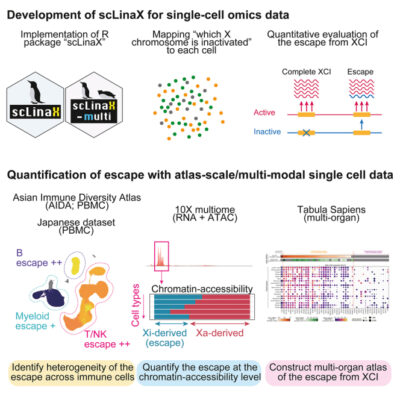
Quantification of escape from X chromosome inactivation with single-cell omics data reveals heterogeneity across cell types and tissues
Yoshihiko Tomofuji, Ryuya Edahiro, Kyuto Sonehara, Yuya Shirai, Kian Hong Kock, Qingbo S Wang, Shinichi Namba, Jonathan Moody, Yoshinari Ando, Akari Suzuki, Tomohiro Yata, Kotaro Ogawa, Tatsuhiko Naito, Ho Namkoong, Quy Xiao Xuan Lin, Eliora Violain Buyamin, Le Min Tan, Radhika Sonthalia, Kyung Yeon Han, Hiromu Tanaka, Ho Lee; Asian Immune Diversity Atlas (AIDA) Network; Japan COVID-19 Task Force; Biobank [...]
อ่านเพิ่มเติม
17
Dec
Dec
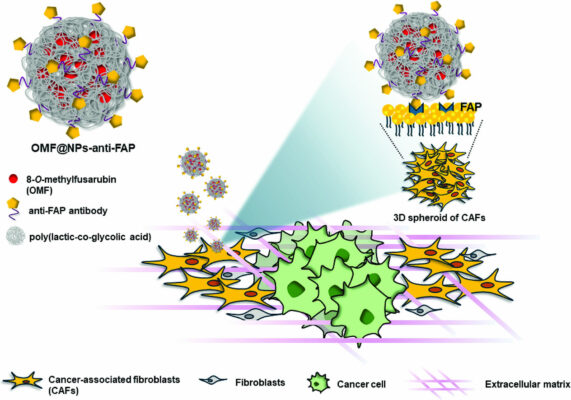
Development of cancer-associated fibroblasts-targeting polymeric nanoparticles loaded with 8-O-methylfusarubin for breast cancer treatment
Kamonlatth Rodponthukwaji, Suyanee Thongchot, Suttikiat Deureh, Tanva Thongkleang, Mattika Thaweesuvannasak, Kornrawee Srichan, Chatchawan Srisawat , Peti Thuwajit, Kytai T. Nguyen, Kwanruthai Tadpetch, Chanitra Thuwajit, Primana Punnakitikashem Abstract Cancer-associated fibroblasts (CAFs) are abundant stromal cells residing in a tumor microenvironment (TME) which are associated with the progression of tumor. Herein, we developed novel CAFs-targeting polymeric nanoparticles encapsulating a synthetic 8-O-methylfusarubin (OMF) [...]
อ่านเพิ่มเติม
17
Dec
Dec
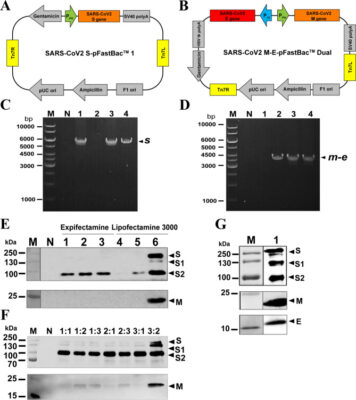
Immunogenicity of intraperitoneal and intranasal liposome adjuvanted VLP vaccines against SARS-CoV-2 infection
Monrat Chulanetra, Primana Punnakitikashem, Kodchakorn Mahasongkram, Wanpen Chaicumpa, Kantaphon Glab-Ampai Abstract Humans get SARS-CoV-2 infection mainly through inhalation; thus, vaccine that induces protective immunity at the virus entry site is important for early control of the infection. In this study, two anionic liposome (L)-adjuvanted VLP vaccines against SARS-CoV-2 were formulated. Baculovirus-Sf21 insect cell system was used for production of VLPs [...]
อ่านเพิ่มเติม
17
Dec
Dec
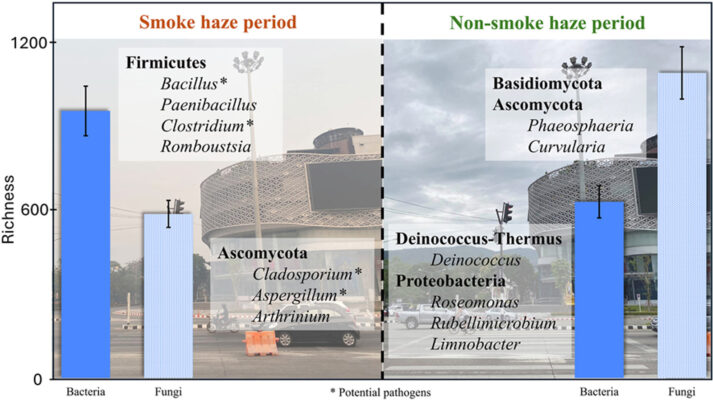
Characterization of airborne microbial communities in northern Thailand: Impacts of smoke haze versus non-haze conditions
Nuttipon Yabueng, Chakriya Sansupa, Nuttapol Noirungsee, Pavidarin Kraisitnitikul, Sarana Chansuebsri, Radshadaporn Janta, Sakda Khoomrung, Terd Disayathanoowat, Somporn Chantara Abstract Data on airborne microorganisms, particularly in Southeast Asia, are more limited compared to chemical data. This study is the first to examine the community and diversity of microorganisms on PM2.5 in an urban area of Northern Thailand during both smoke haze [...]
อ่านเพิ่มเติม
17
Dec
Dec
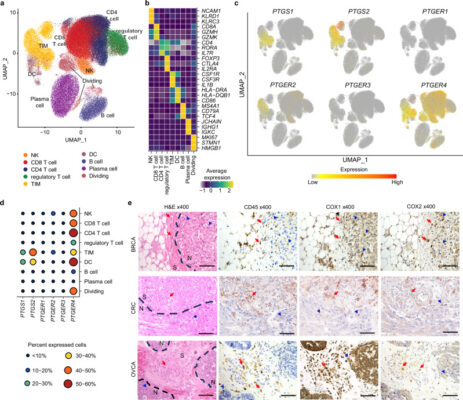
Prostaglandin E2-EP2/EP4 signaling induces immunosuppression in human cancer by impairing bioenergetics and ribosome biogenesis in immune cells
Siwakorn Punyawatthananukool, Ryuma Matsuura, Thamrong Wongchang , Nao Katsurada, Tatsuaki Tsuruyama, Masaki Tajima, Yutaka Enomoto, Toshio Kitamura, Masahiro Kawashima, Masakazu Toi, Koji Yamanoi, Junzo Hamanishi, Shigeo Hisamori, Kazutaka Obama, Varodom Charoensawan, Dean Thumkeo, Shuh Narumiya Abstract While prostaglandin E2 (PGE2) is produced in human tumor microenvironment (TME), its role therein remains poorly understood. Here, we examine this issue by comparative [...]
อ่านเพิ่มเติม
17
Dec
Dec
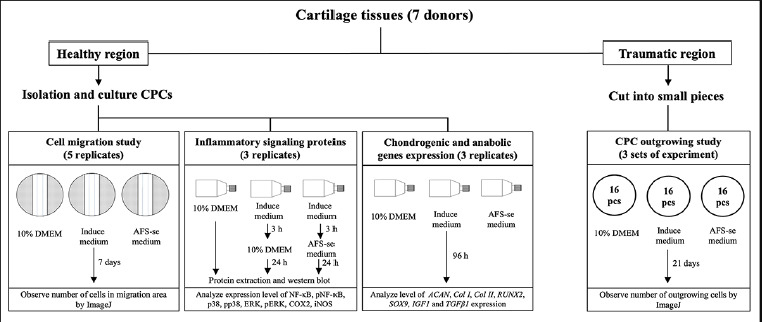
MSC secretome from amniotic fluid halts IL-1β and TNF-α inflammation via the ERK/MAPK pathway, promoting cartilage regeneration in OA in vitro
Supatra Klaymook, Napatara Tirawanchai, Suparat Wichitwiengrat, Puttachart Chuaynarong, Sasiprapa Thongbopit, Keerati Chareancholvanich, Tatsanee Phermthai Abstract Osteoarthritis (OA) is a degenerative disease that causes chronic pain and disability worldwide. This disease is mainly caused by IL-1β and TNF-α, which lead to cartilage degradation and inhibit the repair capacity of damaged cartilage. Recent studies have shown that amniotic fluid mesenchymal stem cells [...]
อ่านเพิ่มเติม
17
Dec
Dec
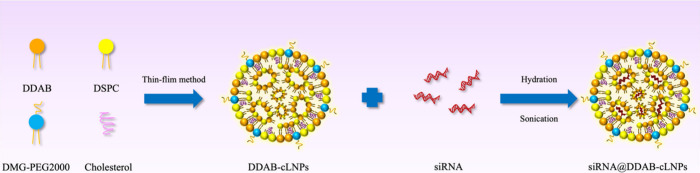
Development of Small Interfering RNA Loaded Cationic Lipid Nanoparticles for the Treatment of Liver Cancer with Elevated α-Fetoprotein Expression
Kongpop Duangchan, Nathachit Limjunyawong, Kamonlatth Rodponthukwaji, Teeranai Ittiudomrak, Mattika Thaweesuvannasak, Natsuda Kunwong, Chanatip Metheetrairut , Vorapan Sirivatanauksorn , Yongyut Sirivatanauksorn, Prawat Kositamongkol, Prawej Mahawithitwong, Chutwichai Tovikkai, Kytai T Nguyen, Chatchawan Srisawat , Primana Punnakitikashem Abstract α-Fetoprotein (AFP) is an oncogenic glycoprotein that is overexpressed in most patients with liver cancer. Moreover, it significantly affects tumorigenesis and progression, particularly by inhibiting [...]
อ่านเพิ่มเติม
17
Dec
Dec
In vitro comparison of cerumenolytic efficacy: 2.5 % sodium bicarbonate versus 0.5 % sodium docusate based on cerumen weight gain
Cheerasook Chongkolwatana, Paiboon Sureepong, Kunkanya Chansomboon, Navarat Kasemsuk, Chatchawan Srisawat Abstract Objective: This study aimed to compare the cerumenolytic efficacy of 2.5 % sodium bicarbonate prepared in-house with that of commercially available 0.5 % sodium docusate, utilizing cerumen weight gain and disintegration degree as metrics. Methods: Cerumen samples were collected from patients at an otorhinolaryngology outpatient clinic at a tertiary [...]
อ่านเพิ่มเติม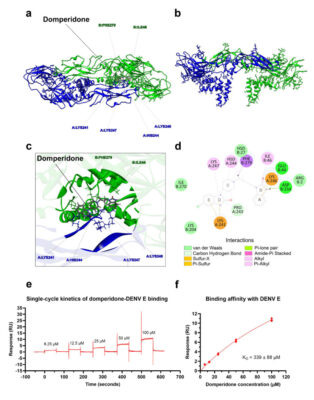
Domperidone inhibits dengue virus infection by targeting the viral envelope protein and nonstructural protein 1
Nuttapong Kaewjiw, Thanawat Thaingtamtanha, Damini Mehra, Wanida Chawnawa, Tanapan Prommool, Chunya Puttikhunt, Adisak Songjaeng, Kessiri Kongmanas, Panisadee Avirutnan, Prasit Luangaram, Chatchawan Srisawat , Sittiruk Roytrakul, Stephan A Bäurle, Sansanee Noisakran Abstract Dengue is a mosquito-borne disease caused by dengue virus (DENV) infection, which remains a major public health concern worldwide owing to the lack of specific treatments or antiviral drugs [...]
อ่านเพิ่มเติม
17
Dec
Dec
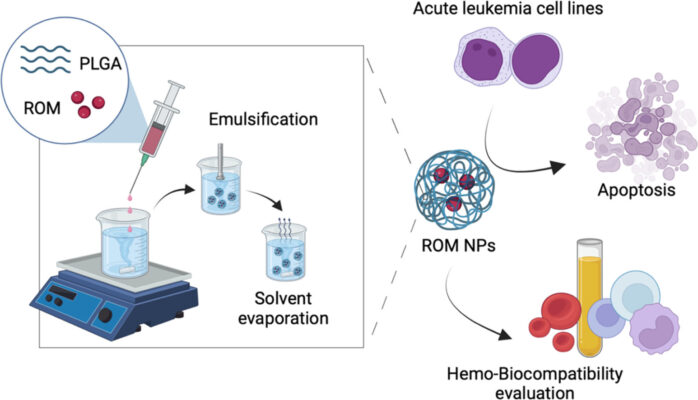
Enhancement of the in vitro anti-leukemic effect of the histone deacetylase inhibitor romidepsin using Poly-(D, L-lactide-co-glycolide) nanoparticles as a drug carrier
Pinyadapat Aroonthongsawat, Siriphan Manocheewa, Chatchawan Srisawat , Primana Punnakitikashem , Yaneenart Suwanwong Abstract The goal of this work is to develop a delivery system for histone deacetylase inhibitor (HDACi) romidepsin (ROM) using Poly(D, L-lactide-co-glycolide) as a carrier and evaluate its anti-leukemic effects. Romidepsin-loaded nanoparticles (ROM NPs) required for this purpose were fabricated using a single emulsion-solvent evaporation technique. Their physical [...]
อ่านเพิ่มเติม
17
Dec
Dec
Production of recombinant electron transfer flavoprotein beta subunit protein and its application in a lateral flow assay for early diagnosis of leptospirosis
Uraiwan Kositanont, Charin Thawornkuno, Athisri Sitthipunya, Worawan Dachavichitlead, Chanwit Tribuddharat, Suppalak Brameld, Galayanee Doungchawee, Benchaporn Lertanantawong, Chatchawan Srisawat Abstract Leptospirosis is a major cause of acute febrile illness, often presenting with non-specific symptoms that can lead to misdiagnosis. Early laboratory diagnosis is essential for confirmation to avoid misdiagnosis and ensure appropriate management. This study aimed to identify and produce a [...]
อ่านเพิ่มเติม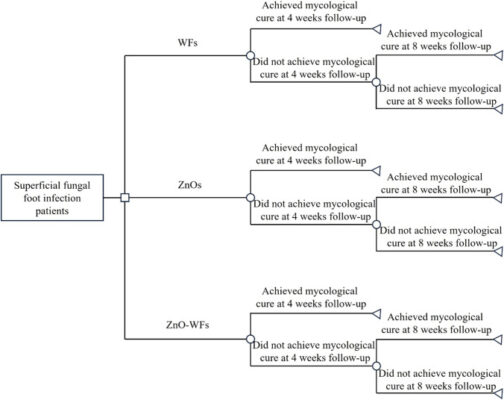
Efficacy, Safety, and Cost-effectiveness of Zinc Oxide Nanoparticles in Whitfield’s Spirit Solution for Treating Superficial Fungal Foot Infections: A Randomized Controlled Trial
Charussri Leeyaphan, Primana Punnakitikashem , Bordeesuda Suiwongsa, Phojana Komesmuneeborirak, Piriyaporn Chongtrakool, Nattanichcha Kulthanachairojana, Pichaya Limphoka, Thrit Hutachoke, Phuwakorn Saengthong-Aram, Pantaree Kobkurkul, Supisara Wongdama, Bawonpak Pongkittilar, Lalita Matthapan, Chatisa Panyawong, Waranyoo Prasong, Akkarapong Plengpanich, Natsuda Kunwong, Kamonlatth Rodponthukwaji, Sumanas Bunyaratavej Abstract Introduction: A novel antifungal formulation combining zinc oxide nanoparticles and Whitfield’s spirit solution (ZnO-WFs) was developed to enhance the treatment [...]
อ่านเพิ่มเติม
17
Dec
Dec
Enhanced Anticancer Effects Through Combined Therapeutic Model of Macrophage Polarization and Cancer Cell Apoptosis by Multifunctional Lipid Nanocomposites
Kamonlatth Rodponthukwaji, Ladawan Khowawisetsut, Nathachit Limjunyawong, Natsuda Kunwong, Kongpop Duangchan, Sirinapa Sripinitchai, Sith Sathornsumetee, Tam Nguyen, Chatchawan Srisawat, Primana Punnakitikashem Abstract Although the mono-anticancer therapy approach particularly directly targeting tumors is still common, this conventional method is generally deemed not effective and insufficient. In tumor microenvironment (TME), tumor-associated macrophages (TAMs, referred to as M2-polarized) play a crucial role in creating [...]
อ่านเพิ่มเติมAsian diversity in human immune cells
Kian Hong Kock , Le Min Tan, Kyung Yeon Han, Yoshinari Ando, Damita Jevapatarakul, Ankita Chatterjee, Quy Xiao Xuan Lin, Eliora Violain Buyamin, Radhika Sonthalia, Deepa Rajagopalan, Yoshihiko Tomofuji, Shvetha Sankaran, Mi-So Park, Mai Abe, Juthamard Chantaraamporn, Seiko Furukawa, Supratim Ghosh, Gyo Inoue, Miki Kojima, Tsukasa Kouno, Jinyeong Lim, Keiko Myouzen, Sarintip Nguantad, Jin-Mi Oh, Nirmala Arul Rayan, Sumanta Sarkar, [...]
อ่านเพิ่มเติมInvestigation of southern Thailand sweet pickled mango metabolic profiles related to deterioration
Niken Indrati, Natthaporn Phonsatta, Patcha Poungsombat, Sakda Khoomrung, Atikorn Panya, Punnanee Sumpavapol Abstract Southern Thailand sweet pickled mango (MBC) is a famous delicacy and economically important for the local communities. This study aimed to elucidate important metabolites related to MBC deterioration at 4 °C (STR4) and 30 °C (STR30). The results show that deterioration of MBCs was linked to increased [...]
อ่านเพิ่มเติม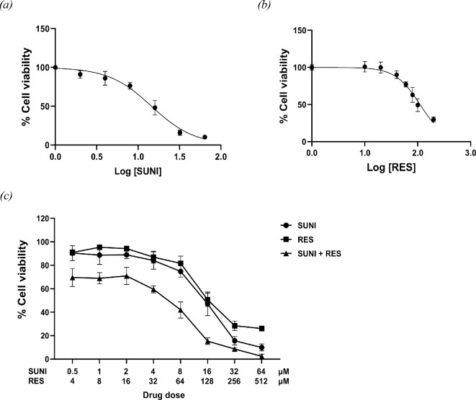
Synergistic anticancer activity of resveratrol-loaded polymeric nanoparticles and sunitinib in colorectal cancer treatment
Punnida Nonsuwan, Nattarika Niwetbowornchai, Kanyanut Insawang, Natsuda Kunwong, Kornrawee Srichan, Chatchawan Srisawat, Paweena Dana, Nattika Saengkrit, Kytai T Nguyen, Primana Punnakitikashem Abstract The development of novel and effective treatment strategies, particularly through drug combinations, can significantly enhance therapeutic outcomes. This study explores the innovative combination of resveratrol (RES), a phenolic compound, with sunitinib (SUNI), a multitarget tyrosine kinase inhibitor, for [...]
อ่านเพิ่มเติม
16
Dec
Dec
Comprehensive germline and somatic profiling of high-risk Thai breast cancer via next-generation sequencing
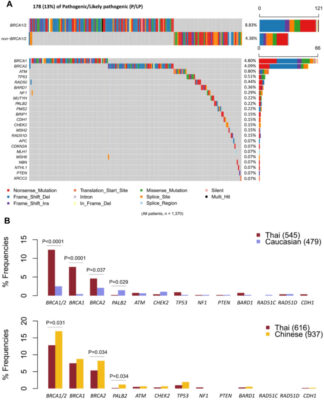
Kornyok Kamdee, Ekkapong Roothumnong, Wanna Thongnoppakhun, Krittiya Korphaisarn, Panee Nakthong, Peerawat Dungort, Chutima Meesamarnpong, Supakit Wiboontanasarn, Warisara Tansa-Nga, Kittiporn Punuch, Khontawan Pongsuktavorn, Warunya Tititumjariya, Chittapat Lertbussarakam, Jantanee Wattanarangsan, Jiraporn Sritun, Numpueng Ridchuayrod, Manop Pithukpakorn, Bhoom Suktitipat Abstract Breast cancer genomic landscapes differ across ethnic groups, yet the somatic profile of Thai breast tumours has remained uncharacterised. This study analysed 1676 [...]
อ่านเพิ่มเติม
16
Dec
Dec
Genomic Assessment, Metabolic Profile Mapping, and Anti-Helicobacter pylori Activity of Lactococcus lactis SK2-659 from Thai Fermented Green Mustard (Pak-kad-dong)
Engkarat Kingkaew, Weerapong Woraprayote, Jaruwan Sitdhipol, Ratha-Korn Vilaichone, Wonnop Visessanguan , Somboon Tanasupawat Abstract Probiotics play crucial roles in promoting gut health, enhancing immunity, and combating pathogenic microorganisms, with increasing interest in their applications in the food and therapeutic industries. Lactococcus lactis, a well-known lactic acid bacterium, has emerged as a promising candidate owing to its probiotic traits and safety [...]
อ่านเพิ่มเติม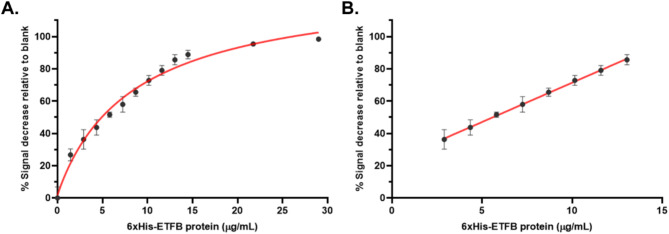
Performance of electrochemical aptasensor as antigen test in clinical samples for early diagnosis of leptospirosis
Uraiwan Kositanont, Benchaporn Lertanantawong, Kanitha Patarakul, Sirinapa Sripinitchai , Charin Thawornkuno, Thanyarat Chaibun, Chahya Kreangkaiwal, Wassa Waiwinya, Chamras Promptmas, Chatchawan Srisawat Abstract Early diagnosis of leptospirosis is critical for timely treatment and effective disease management. This study evaluated the diagnostic performance of a novel electrochemical aptasensor targeting the electron transfer flavoprotein subunit beta (EtfB) of Leptospira interrogans in clinical samples [...]
อ่านเพิ่มเติม
16
Dec
Dec
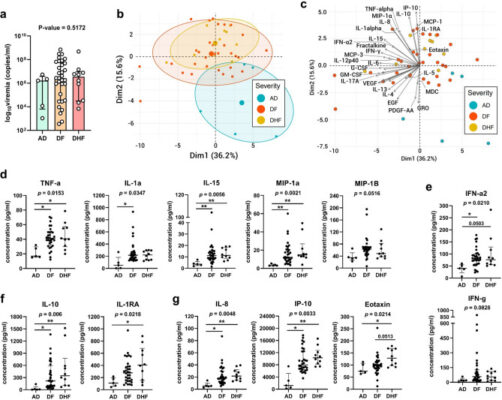
Cytokine and chemokine kinetics in natural human dengue infection as predictors of disease outcome
Natnicha Jiravejchakul, Wilawan Chan-In, Walairat Thuncharoen; DENFREE Thailand; Waradon Sungnak, Varodom Charoensawan , Vimvara Vacharathit, Ponpan Matangkasombut Abstract Dengue is an important tropical disease with considerable global impact. Despite this, there remains an urgent need for reliable biomarkers to predict disease severity, as well as effective antiviral drugs and targeted treatments. In this study, we conducted a comprehensive profiling of [...]
อ่านเพิ่มเติม
16
Dec
Dec
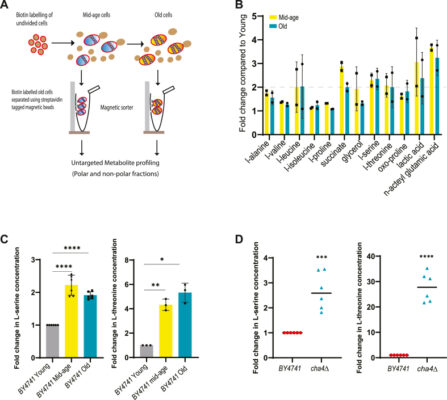
Perturbations in L-serine metabolism regulate protein quality control through the sensor of the retrograde response pathway RTG2 in Saccharomyces cerevisiae
Kanika Saxena, Rebecca Andersson, Per O Widlund, Sakda Khoomrung, Sarah Hanzén, Jens Nielsen, Navinder Kumar, Mikael Molin, Thomas Nyström Abstract Cellular protein homeostasis relies on a complex network of protein synthesis, folding, sub-cellular localization, and degradation to sustain a functional proteome. Since most of these processes are energy-driven, proteostasis is inescapably afflicted by cellular metabolism. Proteostasis collapse and metabolic imbalance [...]
อ่านเพิ่มเติม
16
Dec
Dec
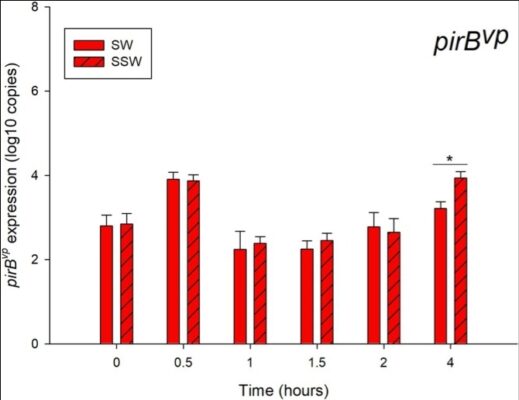
Pathogenic Characteristics of Shrimp Early Mortality Syndrome (EMS)-Causing Vibrio parahaemolyticus: A Comparative Transcriptomic Study Suggests the Relationship Between Metabolic Fitness and Virulence Gene Expression
Nalumon Thadtapong, Varodom Charoensawan, Vanvimon Saksmerprome, Soraya Chaturongakul Abstract Vibrio parahaemolyticus (VP) is a major bacterial species that causes early mortality syndrome (EMS) in shrimps. EMS can be classified into two groups based on histological signs of hepatopancreatic tissues, i.e., acute hepatopancreatic necrosis disease (AHPND) and non-AHPND. To investigate how toxin-producing AHPND and toxin-lacking non-AHPND VP could lead to EMS, [...]
อ่านเพิ่มเติม
04
Feb
Feb
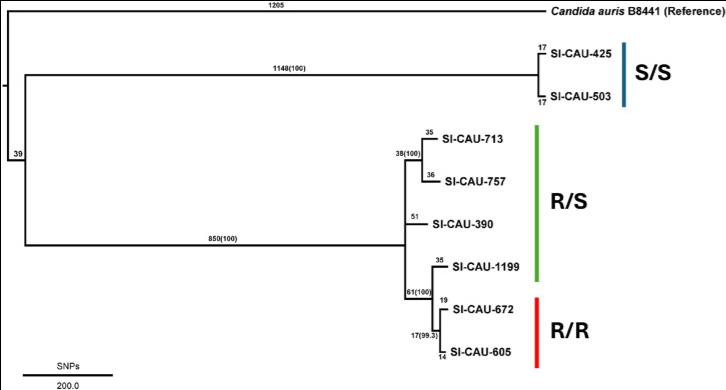
A study of genomic complexity underlying multidrug resistance in Candida auris strains in Thailand
Korawit Opassathian, Nawarat Boonmee, Saowanee Swangkaew, Piroon Jenjaroenpun, Thidathip Wongsurawat, Worarat Kruasuwan, Popchai Ngamskulrungroj, Chalermchai Mitrpant Abstract Candida auris, one of the emerging multidrug-resistant Candida species, was first discovered in 2009 from the ear canal of a patient in Tokyo, Japan. Since then, several studies exhibit the possible threats of C. auris due to its versatile resistance to frontline antifungal [...]
อ่านเพิ่มเติม
06
Jan
Jan
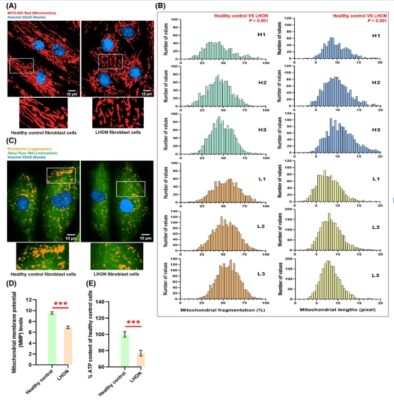
Metformin promotes mitochondrial integrity through AMPK‐signaling in Leber’s hereditary optic neuropathy
Chatnapa Panusatid, Rapasviranda Soiyangsuk, Maneeluck Tanadjindarat, Chayanon Peerapittayamongkol Abstract Leber’s hereditary optic neuropathy (LHON) is a maternally inherited disorder caused by mitochondrial DNA mutations in complex I of the respiratory chain, leading to impaired ATP production, mitochondrial fragmentation, and oxidative stress that contribute to vision loss. This study investigated the potential repurposing of metformin, a widely used antidiabetic drug, in [...]
อ่านเพิ่มเติม
06
Jan
Jan
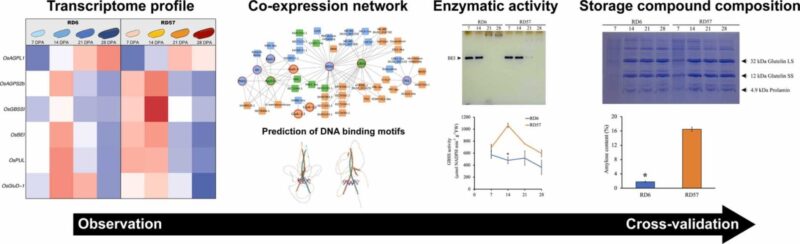
Unveiling distinct storage composition and starch properties in developing indica rice grains via transcriptional profiling and enzymatic activity analysis
Wichian Sangwongchai, Kwanjeera Wanichthanarak, Ammarin In-on, Supidcha Natee, Chamaiporn Champasri, Nutcha Sa-ingthong, Diane M. Beckles, Sakda Khoomrung, Maysaya Thitisaksakul Abstract The starch and protein in rice grains determine their nutritional value, eating and cooking quality (ECQ), and potential applications as a biopolymer. Building on previously identified functional differences between two Thai indica cultivars, waxy RD6 and high-amylose RD57, we examined [...]
อ่านเพิ่มเติม
06
Jan
Jan
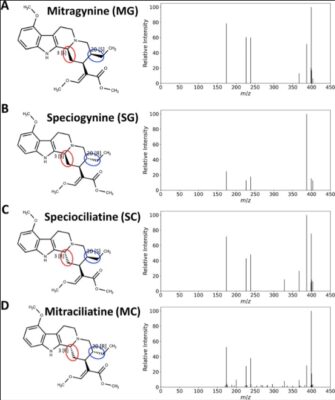
Spatial Mapping of Stereoisomeric and Isobaric Alkaloids in Mitragyna speciosa Tissues by High-Resolution DESI-cIM-MS
Pattipong Wisanpitayakorn, Adchata Konsue, Thanutchaporn Sartyoungkul, Ammarin In-On, Yongyut Sirivatanauksorn, David R Gang, Prasat Kittakoop, Sakda Khoomrung Abstract Conventional mass spectrometry imaging (MSI), even when combined with low-resolution ion mobility, lacks the resolving power to distinguish stereoisomers. To address this limitation, we developed a high-resolution desorption electrospray ionization cyclic ion mobility mass spectrometry (DESI-cIM-MS) method for in situ separation and [...]
อ่านเพิ่มเติม
06
Jan
Jan
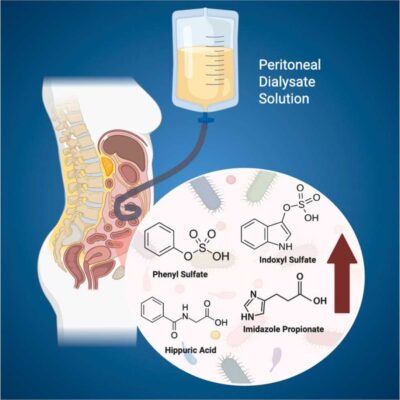
LC-MS/MS identifies elevated imidazole propionate and gut-derived metabolite alterations in peritoneal dialysis patients
Weerawan Manokasemsan, Narumol Jariyasopit, Kwanjeera Wanichthanarak, Patcha Poungsombat, Alongkorn Kurilung, Suphitcha Limjiasahapong, Kajol Thapa, Yongyut Sirivatanauksorn, Sukit Raksasuk, Thatsaphan Srithongkul, Chagriya Kitiyakara, Sakda Khoomrung Abstract We developed a robust LC–MS/MS method for the simultaneous quantification of 16 uremic toxins (UTs) and 14 bile acids (BAs) in plasma and fecal samples within a single method. The method demonstrated high sensitivity, broad [...]
อ่านเพิ่มเติม
06
Jan
Jan
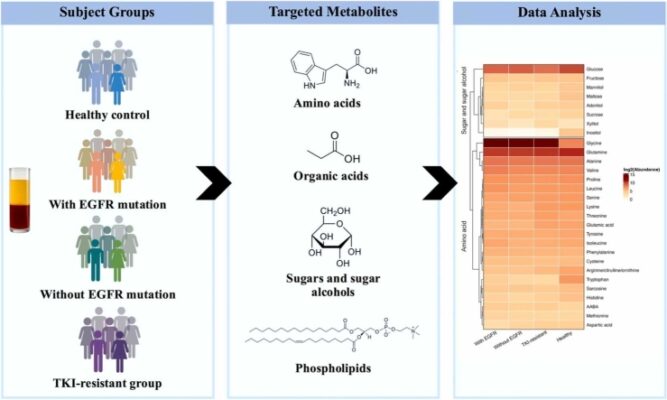
Plasma metabolomic analysis in Thai EGFR-mutated non-small cell lung cancer patients
Lucksamon Thamlikitkul, Kwanjeera Wanichthanarak, Siriphan Manocheewa, Suphitcha Limjiasahapong, Natthaporn Phonsatta, Sujichon Thangvichien, Atikorn Panya, Yongyut Sirivatanauksorn, Naravat Poungvarin, Sakda Khoomrung Abstract Lung cancer remains the leading cause of cancer-related mortality worldwide, underscoring the urgent need for non-invasive approaches to improve diagnosis, patient stratification, and therapeutic monitoring. Metabolic reprogramming driven by oncogenic alterations-particularly Epidermal Growth Factor Receptor (EGFR) mutations in non-small [...]
อ่านเพิ่มเติม
02
Dec
Dec
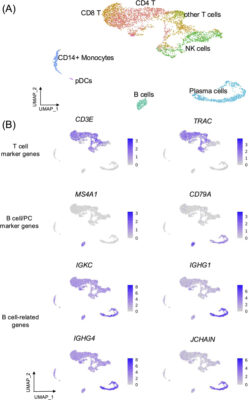
Understanding and mitigating the impact of ambient mRNA contamination in single-cell RNA-sequencing analysis
Jantarika Kumar Arora, Louisa K James, Varodom Charoensawan Abstract Droplet-based single-cell RNA sequencing (scRNA-seq) frequently encounters significant challenges from contamination of cell-free mRNAs, known as “ambient mRNAs”, which can substantially distort single-cell transcriptome data interpretation to a large extent. In this study, we investigate the impact of ambient mRNA contamination on differential gene expression and biological pathway enrichment analyses, using [...]
อ่านเพิ่มเติม
02
Dec
Dec
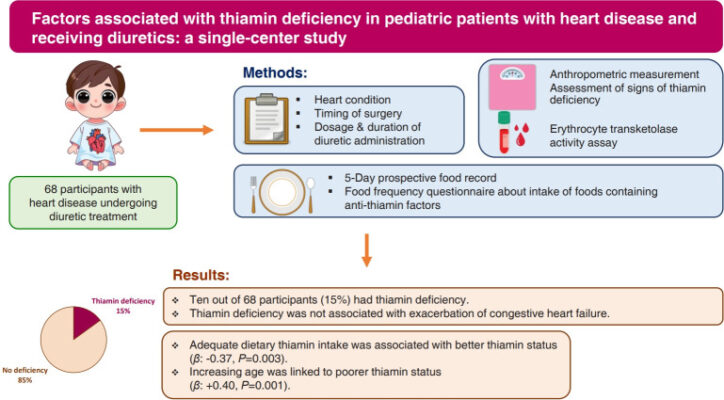
Factors associated with thiamin deficiency in pediatric patients with heart disease and receiving diuretics: a single-center study
Phakwan Laohathai, Rathaporn Sumboonnanonda, Puthita Saengpanit, Chodchanok Vijarnsorn, Chatchawan Srisawat , Kwanjai Chotipanang, Sarawut Junnu , Supawan Kunnangja, Hathaichanok Rukprayoon, Phakkanan Phuangphan, Sompong Liammongkolkul , Arthima Phaokong, Narumon Densupsoontorn Abstract Background: Thiamin deficiency (TD) manifesting clinically as wet beriberi can significantly impair a patient’s cardiac function. Children with heart disease who are receiving diuretic treatment may be at increased risk [...]
อ่านเพิ่มเติม
02
Dec
Dec
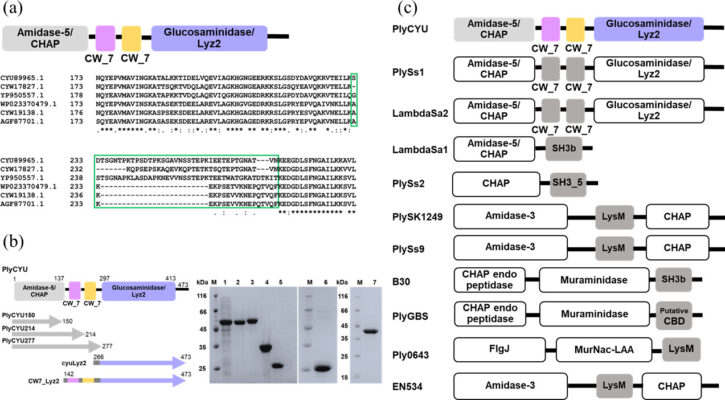
PlyCYU endolysin targeting Streptococcus agalactiae exhibits a CHAP activity and a glucosaminidase domain mediating multimerization
Sakunrat Ubonprasert, Wachiraporn Wachiradusit, Wichai Pornthanakasem, Warangkhana Songsungthong, Aritsara Jaruwat, Sasina Premjaichon, Tanaporn Uengwetwanit, Rinrada Suntivich, Konrawee Thananon, Kanyarat Suksomjaisaman, Jeerus Sucharitakul, Chutathip Puyprom, Tamonwan Lotangchanintra, Kanokwan Salamteh, Kittikhun Wangkanont, Channarong Rodkhum, Wonnop Visessanguan , Pimchai Chaiyen, Penchit Chitnumsub, Ubolsree Leartsakulpanich Abstract Bacteriophage endolysins are attractive alternatives to antibiotics owing to their rapid action, host specificity, and unlikeliness of resistance [...]
อ่านเพิ่มเติม
29
Nov
Nov
MicroRNA profiles of four induced pluripotent stem cell lines derived from distinct tissues
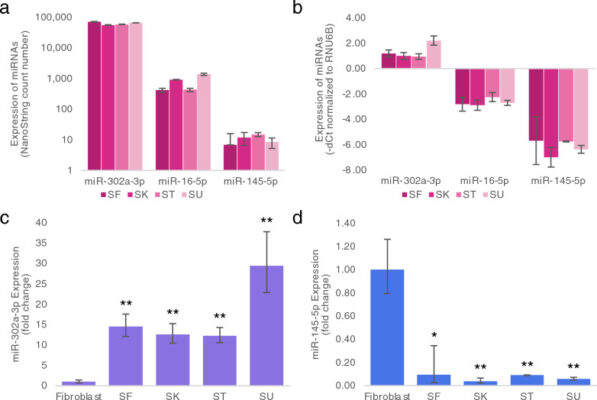
Kongtana Trakarnsanga , Nutchavadee Vorasan, Nutnicha Tantarungsee , Methichit Wattanapanitch, Chinnavuth Vatanashevanopakorn, Bhoom Suktitipat , Chanatip Metheetrairut Abstract Objective: Induced pluripotent stem cells (iPSCs) are generated from a vast number of adult cell types. While they all acquired embryonic stem cell (ESC)-like properties during reprogramming, differences in certain characteristics, including differentiation potential, remained. These differences are hypothesized to be due [...]
อ่านเพิ่มเติม
29
Nov
Nov
LC-QTOF-MSE with MS1-based precursor ion quantification and SiMD-assisted identification enhances human urine metabolite analysis
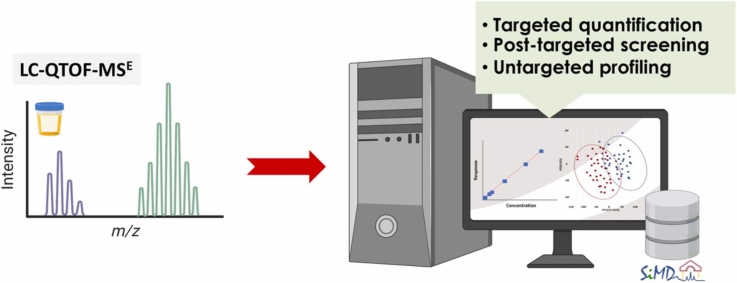
Alongkorn Kurilung, Suphitcha Limjiasahapong, Kwanjeera Wanichthanarak, Weerawan Manokasemsan, Khwanta Kaewnarin, Kassaporn Duangkumpha, Siriphan Manocheewa, Rossarin Tansawat, Roongruedee Chaiteerakij, Intawat Nookaew, Yongyut Sirivatanauksorn, Sakda Khoomrung Abstract This study presents the development and validation of a liquid chromatography-quadrupole-time-of-flight mass spectrometry method with data-independent acquisition (LC-QTOF-MSE) for targeted quantification, post-targeted screening, and untargeted metabolite profiling. Using MS1-based precursor ion quantification, the method demonstrated [...]
อ่านเพิ่มเติม
08
Nov
Nov
Novel nuclease-resistant RNA aptamer for polyhistidine-tagged proteins and its application in electrochemical aptasensor detection
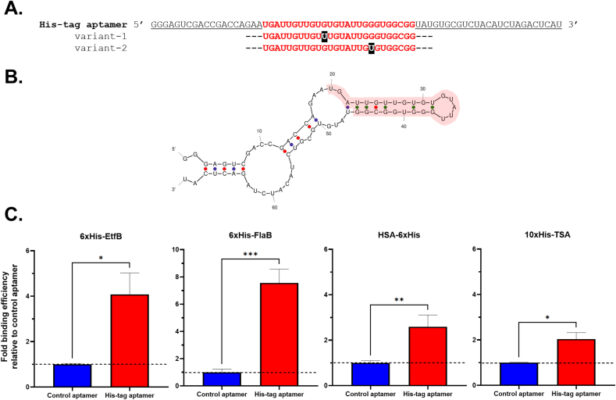
Sirinapa Sripinitchai , Benchaporn Lertanantawong, Thanyarat Chaibun, Chamras Promptmas, Charin Thawornkuno, Uraiwan Kositanont, Chatchawan Srisawat Abstract The polyhistidine (His) tag is one of the most widely used tags for protein expression, detection, and purification. Aptamers targeting the His tag have been developed for various applications, including western blotting, flow cytometry, immunohistochemistry, and immunoprecipitation, due to their advantages over His-tag antibodies. [...]
อ่านเพิ่มเติม
08
Nov
Nov
Metformin modulates the unfolded protein responses, altering lifespan and health-promoting effects in UPR-activated worms
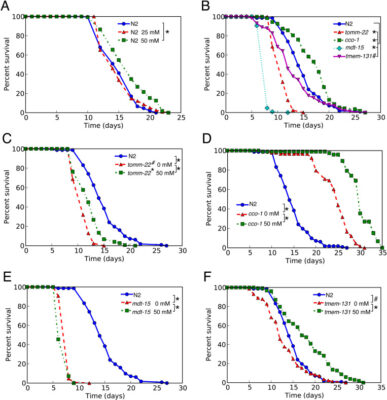
Jerald Tan, Chutipong Chiamkunakorn, Kanpapat Boonchuay, Yiying Shi, Bart P Braeckman, Wichit Suthammarak Abstract Metformin has been demonstrated to extend lifespan in various model organisms, and its molecular effects are observed in the cytoplasm and multiple organelles, including mitochondria. However, its association with the unfolded protein response (UPR) and its impact on stress resistance and locomotion remain uncertain. In this [...]
อ่านเพิ่มเติม
03
Oct
Oct
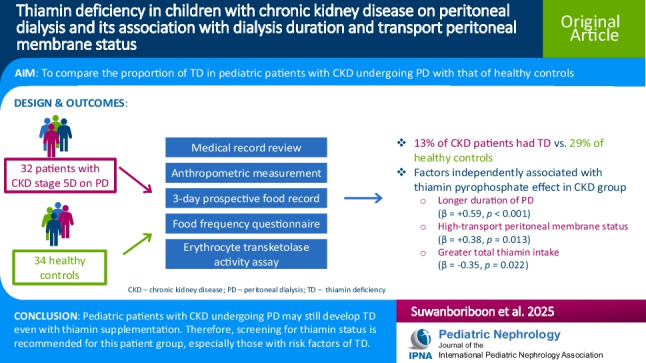
Thiamin deficiency in children with chronic kidney disease on peritoneal dialysis and its association with dialysis duration and transport peritoneal membrane status
Wipawee Suwanboriboon, Thanaporn Chaiyapuk, Intraparch Tinnabut, Gornmigar Sanpawitayakul, Chatchawan Srisawat , Sarawut Junnu, Sompong Liammongkolkul, Kwanjai Chotipanang, Hathaichanok Rukprayoon, Phakwan Laohathai, Narumon Densupsoontorn Abstract Background: Patients with chronic kidney disease (CKD) stage 5D receiving peritoneal dialysis (PD) are at risk for thiamin deficiency (TD). This study compared the proportion of TD in pediatric CKD patients undergoing PD with that in [...]
อ่านเพิ่มเติม
03
Oct
Oct