Cellular immunotherapy and Autophagy modulation for cancer treatment
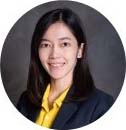
Lect.Dr.Suyanee Thongchot
Ph.D. (Medical Biochemistry and Molecular Biology)
Our mission is to study and develop the knowledge and technology use in the cellular immunotherapy for cancer treatment for improve the better outcomes for clinical patients. We are interested in the role and the involvement of the regulation of autophagy lysosomal pathway in cancer and tumor microenvironment which can effectively improve the efficacy of cancer immunotherapy. Moreover, We focus on conducting research with 3D patient-derived organoids (PDOs) and cell line-derived organoids (CDOs) for personalized therapeutic insights, which are promising model for the advancement to use instead of PDOs to inform clinical research of personalized therapeutic responses.
Our Accomplishment
- Drug hypersensitivity: Our team is already established in vitro tests for routine service to identify culprit drug(s) in immediate and delayed-type drug hypersensitivity.
- Clinical problems: Our team is the first group in the world to establish in vitro tests to identify antibodies against botulinum toxin as tools to evaluate botulinum toxin treatment failure. Our group also established the test to detect anti-FcεRI antibodies for chronic urticarial investigation.
Future direction
- Leader of drug hypersensitivity in south east Asia
- World leader of botulinum toxin treatment failure study
- Supporting laboratory for Centers of reference and excellence in urticarial (UCAREs)
- Collaborative laboratory form physician to solve clinical problems related to immunology
Research Interest
Brief research fields of interest
 01 Chimeric antigen receptor (CAR)-T cells
The innovation and modification of CAR-T cell platforms for solid tumors.
02 Dendritic cells (DCs)-based adoptive T cells
The identification of tumor-associated antigens (TAAs) to develop and generate as the target for T cell therapy, for examples, SmartDCs-mesothelin activated specific T cells for destroy cancer cells.
03 Peptide-based vaccines
The identification of tumor-specific antigens (TSAs) or Neoantigens using whole genome and whole transcriptome sequencing to Develop the individual cancer patients’ “personalized medicine” approach.
04 Autophagy-lysosomal pathway
Molecular mechanisms, biological functions, and applications in autophagy-related therapeutics.
05 3D patient-derived organoids (PDOs)
Committed to extending the research to patient-derived organoids (PDOs) and cell line-derived organoids (CDOs) for personalized therapeutic insights.
Publications
People


Contact