Kwanjeera Wanichthanarak, Intawat Nookaew, Phongthana Pasookhush, Thidathip Wongsurawat, Piroon Jenjaroenpun, Namkhang Leeratsuwan, Songsak Wattanachaisaereekul, Wonnop Visessanguan, Yongyut Sirivatanauksorn, Narong Nuntasaen, Chutima Kuhakarn, Vichai Reutrakul, Pravech Ajawatanawong, Sakda Khoomrung Abstract Background: Massive parallel sequencing technologies have enabled the elucidation of plant phylogenetic relationships from chloroplast genomes at a high pace. These include members of the family […]
Category Archives: Research Innovation
Chinnavuth Vatanashevanopakorn, Thanutchaporn Sartyoungkul Abstract Hair follicles (HFs) are a multifunctional structure involved in physical protection, thermoregulation, sensational detection, and wound healing. Formation and cycling of HFs require dynamic interaction between different cell types of the follicles. Although the processes have been well studied, the generation of human functional HFs with a normal cycling pattern […]
Uraiwan Kositanont, Chatchawan Srisawat, Sirinapa Sripinitchai, Charin Thawornkuno, Thanyarat Chaibun, Sinthu Karunaithas, Chamras Promptmas, Benchaporn Lertanantawong Abstract Electron transfer flavoprotein subunit beta (ETFB) of Leptospira interrogans is a biomarker for diagnosing leptospiral infection. Thus, the ETFB-specific nuclease-resistant RNA aptamer ETFB3-63 was developed and used in an electrochemical aptasensor to assay ETFB. Although the majority of […]
Thidathip Wongsurawat, Piroon Jenjaroenpun, Panatna Anekwiang, Tantip Arigul, Wichayapat Thongrattana, Azemat Jamshidi-Parsian, Gunnar Boysen, Prapat Suriyaphol, Bhoom Suktitipat, Prajak Srirabheebhat, Pornsuk Cheunsuchon, Jantima Tanboon, Intawat Nookaew, Sith Sathornsumetee Abstract The 2021 WHO Classification of Central Nervous System Tumors recommended evaluation of cyclin-dependent kinase inhibitor 2A/B (CDKN2A/B) deletion in addition to codeletion of 1p/19q to characterize […]
Narumol Jariyasopit, Sakda Khoomrung Abstract Small molecules derived from gut microbiota have been increasingly investigated to better understand the functional roles of the human gut microbiome. Microbial metabolites of aromatic amino acids (AAA) have been linked to many diseases, such as metabolic disorders, chronic kidney diseases, inflammatory bowel disease, diabetes, and cancer. Important microbial AAA […]
Sophida Suta, Suphawan Ophakas, Thamonwan Manosan, Orranich Honwichit, Suvimol Charoensiddhi, Apinya Surawit, Tanyaporn Pongkunakorn, Sureeporn Pumeiam, Pichanun Mongkolsucharitkul, Bonggochpass Pinsawas, Sawannee Sutheeworapong, Patcha Puangsombat, Sakda Khoomrung, Korapat Mayurasakorn Abstract The gut microbiota exert a profound influence on human health and metabolism, with microbial metabolites playing a pivotal role in shaping host physiology. This study investigated […]
Tawatchai Thongkongkaew, Narumol Jariyasopit, Sakda Khoomrung, Siraprapa Siritutsoontorn, Sarawut Jitrapakdee, Prasat Kittakoop, Somsak Ruchirawat Abstract Hericium erinaceus is an edible mushroom with diverse pharmaceutical applications. Although this mushroom is an attractive source of natural products for cancer treatment, little is known about the bioactive compounds from this mushroom, which may possess antibreast cancer activity. Here, […]
Peerapat Khamwachirapithak, David Guillaume-Schoepfer, Pakkanan Chansongkrow, Sarah A Teichmann, Philip A Wigge, Varodom Charoensawan Abstract Histones and transcription factors (TFs) are two important DNA-binding proteins that interact, compete, and together regulate transcriptional processes in response to diverse internal and external stimuli. Condition-specific depletion of histones in Saccharomyces cerevisiae using a galactose-inducible H3 promoter provides a […]
Khwanchanok Tuentam, Pornanong Aramwit, Onrapak Reamtong, Suangsuda Supasai, Urai Chaisri, Kamonpan Fongsodsri, Rungnapha Yamdech, Napatara Tirawanchai, Passanesh Sukphopetch, Sumate Ampawong Abstract The noncontagious immune-mediated skin disease known as psoriasis is regarded as a chronic skin condition with a 0.09–11.4% global prevalence. The main obstacle to the eradication of the disease continues to be insufficient treatment […]
Research Innovation
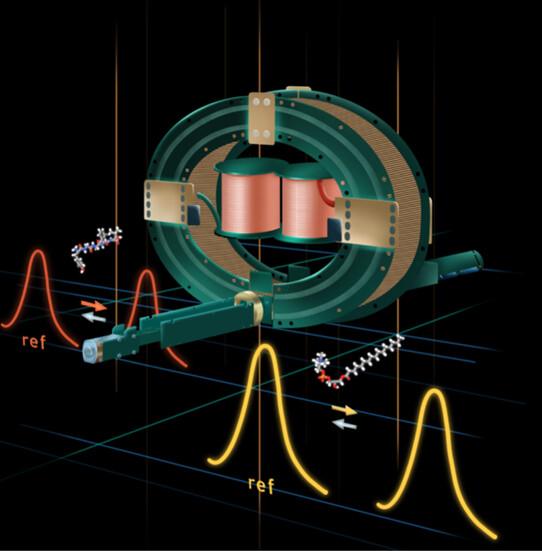
Multi-Pass Arrival Time Correction in Cyclic Ion Mobility Mass Spectrometry for Imaging and Shotgun Lipidomics
19
Dec
Dec
Pattipong Wisanpitayakorn, Narumol Jariyasopit, Kassaporn Duangkumpha, Jun Xian Goh, Martin E Palmer, Yongyut Sirivatanauksorn, Sakda Khoomrung Abstract Direct-infusion mass spectrometry (DI-MS) and mass spectrometry imaging (MSI) are powerful techniques for lipidomics research. However, annotating isomeric and isobaric lipids with these methods is challenging due to the absence of chromatographic separation. Recently, cyclic ion mobility mass […]