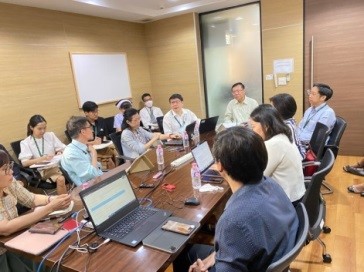
Siriraj Integrated Center of Excellence (SiCOE) regarding Siriraj Hospital is the medical service hub for specific groups of patients in terms of diseases or procedures. Thanks to collaborations from diverse experts, SiCOE can deliver adequate treatments and satisfaction to service recipients. Proven evidence show treatments have been continuously improved to conform to service recipients’ benefit.

As collaborations from diverse departments and staff are essential for driving SiCOE forward, the Working Committee for Siriraj Integrated Center of Excellence (SiCOE) had been therefore entitled on February 15th, 2018 by the Faculty of Medicine Siriraj Hospital Announcement No. 590/2561. On December 15th, 2020, the Faculty Committee Resolution No. 23/2563 approved establishing Siriraj Integrated Center of Excellence Sustainable Excellence, Together (SiCOE-SET) which acted as a supporting team and enhanced Siriraj Hospital’s Center of Excellence (COE) to be upgraded to Siriraj Integrated Center of Excellence (SiCOE).

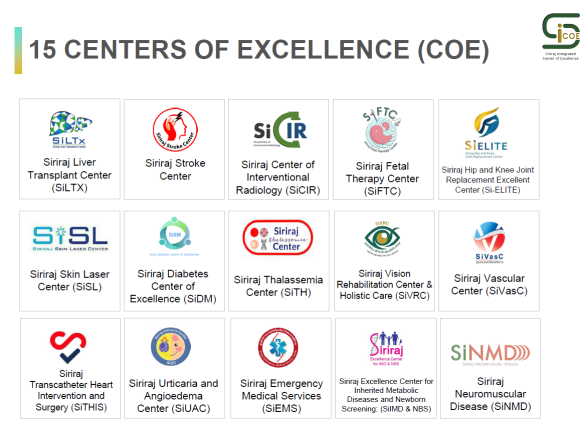
Each Center of Excellence is compared as various kinds of vigorous plants. Faculty of Medicine Siriraj Hospital, Mahidol University has altogether 15 Centers of Excellence (COE) consist of the following list:

  1. 1. Siriraj Diabetes Center of Excellence: SiDM
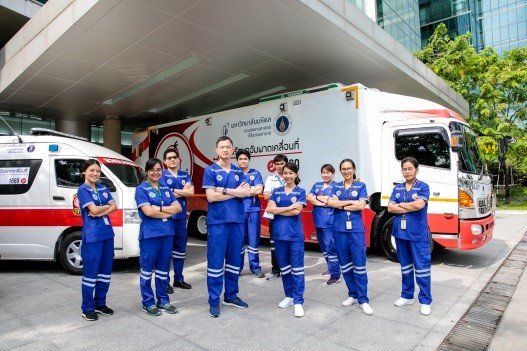
  2. 2. Siriraj Emergency Medical Services: SiEMS
  3. 3. Siriraj Fetal Therapy Center: SiFTC
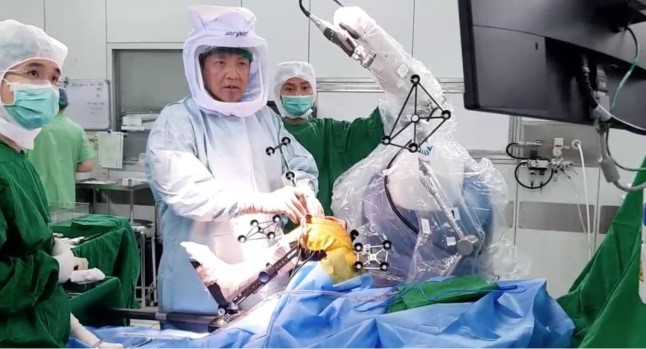
  4. 4. Siriraj Hip and Knee Joint Replacement Excellent Center: Si ELITE
  5. 5. Siriraj Excellence Center for Inherited Metabolic Diseases and Newborn Screening: SiIMD & NBS
  6. 6. Siriraj Center of Interventional Radiology: SiCIR
  7. 7. Siriraj Liver Transplant Center: SiLTx
  8. 8. Siriraj Center of Neuromuscular Disease: SiNMD
  9. 9. Siriraj Skin Laser Center: SiSL
  10. 10. Siriraj Stroke Center: SiStroke
  11. 11. Siriraj Thalassemia Center: SiTH
  12. 12. Siriraj Transcatheter Heart Intervention and Surgery: SiTHIS
  13. 13. Siriraj Urticaria and Angioedema Center: SiUAC
  14. 14. Siriraj Vascular Center: SiVasC
  15. 15. Siriraj Vision Rehabilitation Center & Holistic Care: SiVRC

SiCOE will affect directly in different three ways as follows:

  1. Patients will obtain excellent and accessible services through all health care coverages.
  2. Thai society will obtain accurate and reliable medical knowledge.
  3. There will be various and distinctive bodies of knowledge from other national and international centers of excellence in aspects of services, research and development, and academic excellence.

The four essential principles to support and drive SiCOE-SET team are as below.

  1. Creating means to develop SiCOE into an excellence center by applying Malcolm Baldrige Management Framework for each center including strategy, customer focus, and means to develop.
  2. Sustainability means to support excellence centers creation in sustainable approaches which accord to systematic work process. The executives also need to have long-term plans and successors for sustainable service and adaptable to changes in Thai and world societies.
  3. Excellence means integrated three missions of the Faculty of Medicine Siriraj Hospital including medical services, academic education, and research and innovation. These integrations will support each other and lead SiCOE to be both a distinguishing centers of excellence and prototype in national and international circles.
  4. Together means working coordinatively among centers of excellence and SiCOE-SET team. The SiCOE-SET team will support many work aspects like strategic development, workshops arrangement, coordination with other related departments.


SiCOE-SET Team members comply with “Creating Sustainable Excellence, Together” as their core value. For the recent 2-3 years, we have been working with 15 centers of excellence in many activities as following examples:

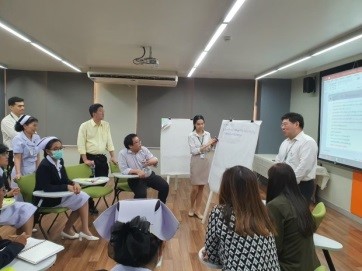
  1. Workshop SWOT analysis for analyzing mutual strength, weaknesses, opportunities and threatens among centers of excellence in order to initiate brainstorming for the first step of further development.
  2. Workshop strategic planning in a big group and small group activities for analyzing and strategy making. It is aimed to be manuals in order to achieve visions which can be updated every 3-5 years.
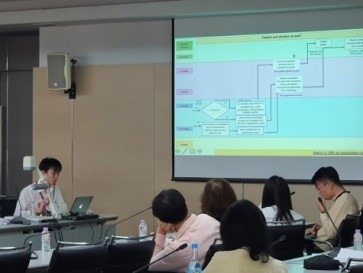
  3. Workshop service blueprint for brainstorming with staff from various departments to have a lean process.
  4. SiCOE-SET Weekly meeting for activities and progress updates of each center.
  5. Other activities are based on each center’s contexts and factors.


In the future, we intend to encourage drives excellent centers of all specialties in Siriraj Hospital to achieve patients’ utmost benefit. This will also comply with No. 3 of UN-SDG Good Health and Well-Being
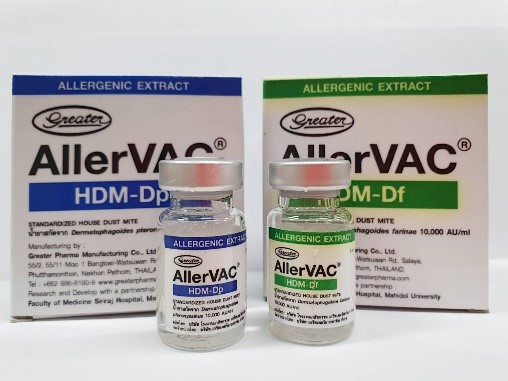
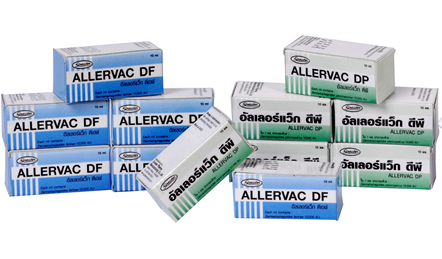
Allergy is one of the most important chronic diseases. If the treatment is not appropriate, it may result in a long-term impact on the quality of life of the patient. Previously, the diagnosis of allergies relied on various imported reagents which are expensive. Moreover, some allergens are not substances that Thai people allergic to. Therefore, there are collaborations in many specialists, including medical doctors, scientists, and pharmaceutical companies, in the research and development of diagnostic tests and therapeutic vaccines. This collaboration results in an effective diagnostic test kit and therapeutic vaccine.

The prevalence of allergy in Thailand comparing to the world is around 20 – 40% and the percentage at Siriraj Hospital is at a high level comparing to the hospitals all over the world.

“Allergy can affect patient’s quality of life as it may lead to comorbidities such as sleep apnea, snoring, and asthma as well”

Siriraj takes allergy into account very seriously as same as the prevalence number of allergy patients in Thailand. There are 3 principles in taking care of patients with allergies. First, identify whether or not the patient is an allergy to something. Second, medication and the last principle are to use the substance that patients allergy to and put into their bodies to make them less allergic.

“In order to identify that is the patient allergic to something, we need a diagnostic test and if the patient doesn’t respond well to the medication, then we need the therapeutic vaccine. This has inspired us as a team to invent the diagnostic test and proper treatment for our patients”

The key success of this breakthrough innovation seems to be the huge support from Siriraj Executive Board and a multidisciplinary team.

The scientists, physicians, as well as staff are working together and overcome many obstacles. The main obstacle that we have overcome is the endorsement of the Thailand FDA on mass production of our vaccine. With the great support from faculty and staff, we gained approval and now standing in front of all ASEAN countries in this field”

What Thai people will receive from this breakthrough innovation is they can know that what makes them allergic by using the diagnostic test kit and receive proper treatment by the therapeutic vaccine which allows them to live their lives like normal people.

“This is what we call translational research from the laboratory to the bedside and to clinical practice”

The disadvantage of the therapeutic vaccine required the patients to come to the hospital every week to receive an allergen at an increasing rate every week to create immunization on what the patient is allergic to. However, the pros of this therapeutic vaccine seem to be much more worthwhile than the cons.

“This is the only way that can permanently cure the allergy in the patients for the rest of their life even though the drawback requires them to come to our hospital for 4 – 5 years. We also need to be careful in giving the patients an allergen otherwise the overdose of a vaccine may result in an asthmatic attack or shock. In this matter, we are having the team monitor the amount of the vaccine and respond rate carefully”

The road of the therapeutic vaccine in Thailand is just the beginning and there are many more exciting innovations to pop out in the future. One of the future development is eradicating the cons of the therapeutic vaccine nowadays.

“We have nearly completed the non-injection vaccine which we will try to launch in the near future so this can allow the patients to vaccinate themselves at home under the medical prescription order i.e. intranasal vaccine and sublingual delivery”

Working together with mutual trust is the motto of Prof. Pongsakorn and his multidisciplinary team.

“As a team, we are all optimistic about the obstacles and push our efforts together with trust to recreate good things to our society and benefits of mankind”

Stroke is the second most common cause of death after cancer and the leading cause of disability in the Thai population! However, if a diagnosis and treatment are made in a timely manner, there is a high chance of full recovery.

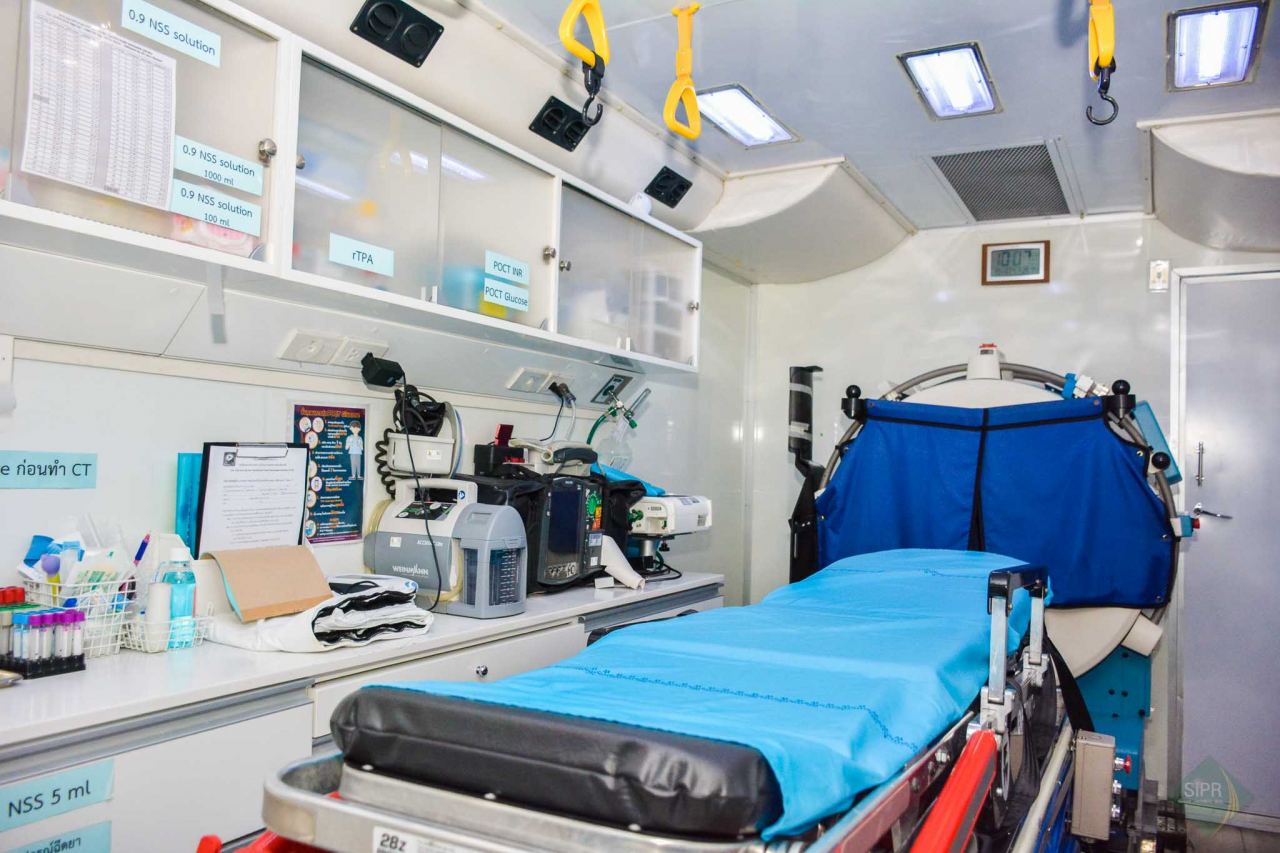
Siriraj Hospital has developed the treatment process for acute stroke through the stroke fast track, allowing the thrombolytic therapy to be given to the patient within 30 minutes after arriving at the hospital for treatment! But, the patients who live in a long distance from the hospital, may not be able to receive the treatment in that “golden hour”, therefore, Siriraj Stroke Center has developed a treatment for patients with acute ischemic stroke by using a mobile stroke unit, a bus equipped with medical equipment for treating stroke patients and a telemedicine facility, which enables responders to consult with doctors at the hospital and provide treatment on-site. The mobile unit also has a special CT scanner equipped with WiFi and 5G technology, which allows transmitting the scans of a patient’s brain to the medical specialist.

The SirirajMobile Stroke Unit is developed by the Faculty of Engineering and Faculty of Medicine Siriraj Hospital, Mahidol University, incorporating mechanisms from medical engineering and 5G technology into the hospital’s telemedicine system. This is like bringing a hospital into a community, as the unit can reduce mortality and disability rates. It can be used to treat patients with stroke symptoms. They can be treated within four hours of the onset of symptoms. Siriraj Mobile StrokeUnit started to provide the services on May 18th, 2018, for 24 hours/day and 7 days/week. Up until now, more than 200 patients have received the services, 60 % were fully recovered within 90 days.

The key outcomes in line with the UN Sustainable Development Goals are Goal #10 Reduce inequality and Goal #3 Good Health and Well–Being.

The advancement of the Human Genome Project has initiated the new medical discipline called “Genomic Medicine” which brings genomic information to treat the patients. The technological advancement of the Next Generation Sequencing (NGS) can decipher the human genome quickly and cheaply. It came from the new concept called “Precision Medicine” that uses the genomic information together with other information of the patients to explain the different diseases individually and to primarily select the most appropriate treatment. Cancer is a good example as it is caused by the abnormalities in the genome to change the normal cell to a cancer cell. To test the abnormalities in cells not only diagnoses cancer better but also helps to select the targeted cancer therapy for each patient precisely and specifically which brings a positive response to the treatment.

Due to the mentioned reasons, the team of researchers and doctors who care for the cancer patients at the Faculty of Medicine Siriraj Hospital have started to work together as the research network called “Cancer Precision Medicine” since 2016 at Siriraj Center of Research Excellence (SiCORE) and separated into two teams: SiCORE – Precision Medicine and SiCORE – Systems Pharmacology (SiSP).

For the past four years, Siriraj started precision medicine in oncology from nothing until now that we can complete all the process loop. In every procedure, we rely on teamwork from diverse departments and divisions inside Siriraj. For the next step, we aim to encourage the wide-range treatment of genomic medicine and precision medicine in oncology. Accordingly, Siriraj was chosen to be the main organization in the integrated action plan of genomics in Thailand which our researchers are an important part of the team in research, service, education, data management, ethics and policy, and as a coordinating center to drive the genomics, especially in cancer syndrome, in the national level. Additionally, Siriraj has cooperation with other external sectors such as the Department of Medical Services, Ministry of Public Health, private hospitals, and other medical schools to support, share the experience, exchange knowledge, and push the genomic medicine and precision medicine in oncology to become the main medication of cancer treatment in the future. Thus, the major consequence is consistent with the 3rd goal – Good Health and Well-Being of the 17 Sustainable Development Goals to ensure healthy lives and promote well-being for all at all ages.
Mission/Activities of Siriraj Genomics

  1. 1. To coordinate between medical professors and researchers from each department and research group to allocate the clinical data and specimen collection for the Thailand genomics project, and to manage the Thailand genomics project at the Faculty level.
  2. To serve the clinical genome test and to coordinate with the related laboratory such as Molecular Genetics Laboratory, Pathology Laboratory, Department of Clinical Pathology, Department of Medicine, Department of Pediatrics, and Siriraj Biobank for the specimen collection and management in the project, and to serve the genome test for the physicians and patients
  3. To coordinate with Bioinformatics and Data Management for Research Unit for data collection, database establishment and management, and genome data analysis along with the clinical data
  4. To coordinate with related departments and divisions to provide the training course for staff who work in medical genetics; medical professional, consultant, multi-professional in medical genetics, molecular biology, and molecular pathology, and bioinformatician, through various educational programs; Doctor of Medicine Program, Residency/Fellowship Training Program, Master and Ph.D. Program in Medical Bioinformatics and Precision Medicine, and Short Training Program in Genetics
  5. To be representative of Siriraj to drive the integrated action plan of genomics in Thailand


Performance

1. Collaboration

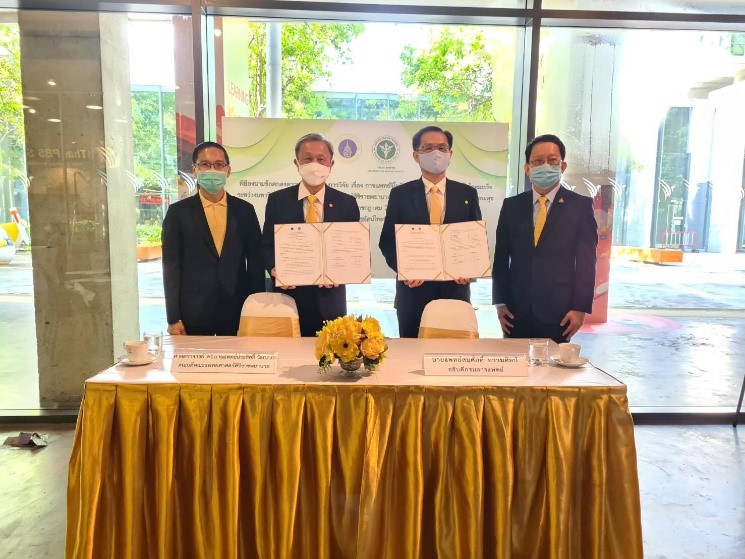
  • To initiate the cooperation in genomics medicine between the Faculty of Medicine Siriraj Hospital and other hospitals under the Department of Medical Services which had the MOU signing ceremony between Department of Medical Services, Ministry of Public Health, and the Faculty of Medicine Siriraj Hospital, Mahidol University on July 22, 2020, at Thai Public Broadcasting Service (Thai PBS), Bangkok
  • To establish the network of genome tests in cancer patients between Siriraj Hospital and other hospitals around the country such as Rajavithi Hospital, Chulabhorn Hospital, Vajira Hospital, Klang Hospital, Samutprakarn Hospital, Surin Hospital, Saraburi Hospital, Sawanpracharak Hospital, Buddhachinaraj Hospital, Chonburi Hospital, Chonburi Cancer Hospital, etc. Now, over 1,300 patients have investigated and participated in this project

2. Research Fund

  • Siriraj Genomics has steadily got the research fund (Flagship category) and Thai Challenge Fund (ทุนท้าทายไทย) of 366 million Baht since 2016 for the precision medicine in oncology and Thailand genomics project against the cancer. In 2020, the 149 million Baht was funded to support the research.

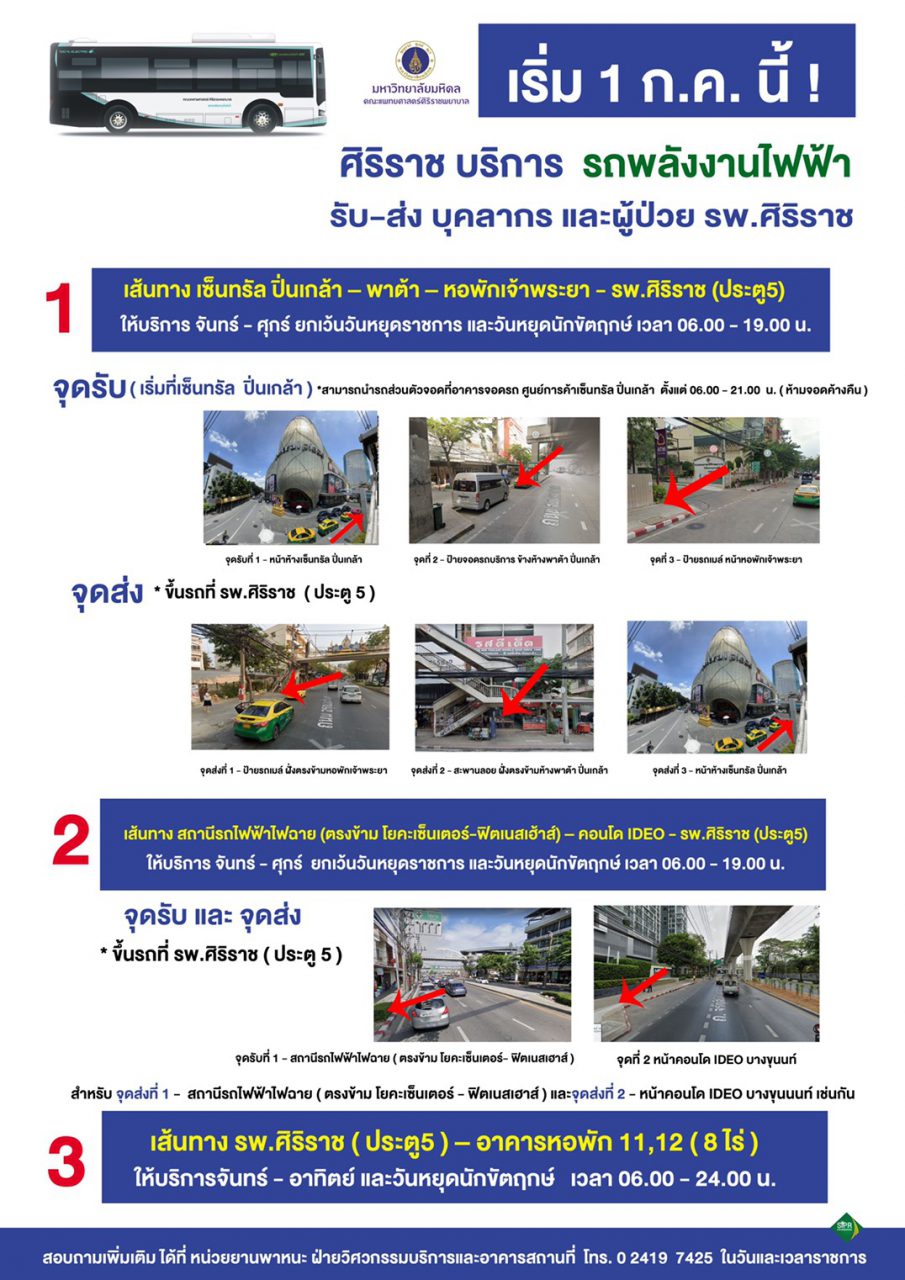
July 1st, 2021, Faculty of Medicine Siriraj Hospital, Mahidol University, has launched its new routes of “all-electric” shuttle bus services for Siriraj’s patients and personnel, the first route is a 9.1km link between Siriraj Hospital (gate no.5) and Central Plaza Pinklao, the second route, a 6.1km link between Siriraj Hospital (gate no.5) and the Metropolitan Rapid Transit (MRT) Fai Chai Station, and the third is a 0.5km route between Siriraj Hospital (gate no.5) and Siriraj’s 8-Rai Dormitory. #siriraj #unsdg

In the year 2021, the Faculty of Medicine Siriraj Hospital has initiated the campaign “Say no to plastic straws and single-use of plastic bowls” to reduce the plastic waste in Siriraj Hospital. The campaign was an integrated collaboration between the Division of Facilities and Environmental Management, the Division of Corporate Social Responsibility, CEO Gen.7, and the subcommittee of the Green Hospital project.

We, Siriraj Hospital, would like to call all personnel in the hospital for the cooperation to ban the use of plastic straws, reduce and reuse if necessary.

Plastic straws create a big negative impact on the environment. 8 million tons of plastics flow into the ocean every year, plastic straws merely comprise 0.025% of the total. Straws become a life-threatening danger to marine life and pose a significant environmental threat to our oceans and the world. There are over 100,000 marine lives and at least a million birds dying because of eating plastic.

Moreover, 500 million straws were used in only one country like the U.S. This type of plastic takes almost 200 years to decompose, and despite breaking apart into smaller pieces, the plastic itself will never fully dissolve. This means that even after two hundred years the plastic will still exist in some form, it will just be invisible to the human eye, meaning it will likely be ingested by marine life or potentially by humans.

Fluid Therapy was a standard treatment for patients with septic shock. But, recent retrospective evidence suggests the efficacy of early norepinephrine administration during resuscitation. However, there was limited information from prospective randomization trials to support this postulation.

The research was set up to conduct a Randomized Control Trial to evaluate the hypothesis that early low-dose norepinephrine in adults with sepsis with hypotension increases shock control compared with standard care.

The results of this clinical trial demonstrated a significant association between early norepinephrine and increased shock control. Further studies are needed to confirm these findings before this approach can be introduced in clinical resuscitation practice. Future studies should investigate the effect of early norepinephrine on organ dysfunction and mortality.


Cholangiocarcinoma (CCA) remains a serious public health concern in Thailand due to the highest incidence and mortality rate in the world, as high as 6,000 – 10,000 fatalities/year! The patients usually die in distress within 6 months after detection due to a lack of effective pharmacological treatment. Currently, the only effective treatment is surgical treatment but can perform in a small number of patients. So, the research of effective medications for the patient is extremely important and should be prioritized first.

There are many Cholangiocarcinoma cases in Thailand, around 8 out of 10 Cholangiocarcinoma cases in the World!. There’s a lot of effort to prevent and to surveillance, the number of patients for the past decade but the number of cases is unlikely to decline. So, researching for an effective treatment is one of the key elements to the fight against this disease.

This is the collaboration between the Faculty of Medicine Siriraj Hospital and Faculty of Medicine, Khon Kaen University. This recent discovery in CCA research has shown magnificent results and give some hope for Cholangiocarcinoma patients. The “CDK4-Cyclin D1 inhibitors” such as Palbociclib, Ribociclib, and Abemaciclib are effective and already been used in the clinic for several types of cancer i.e. breast cancer, with lower toxic compare to other chemotherapeutic agents. The Palbociclib, Ribociclib, and Abemaciclib are usually conveniently taken orally once a day, with relatively safer profiles compared to the chemotherapeutic agents. This is a giant leap in the Cholangiocarcinoma treatment.

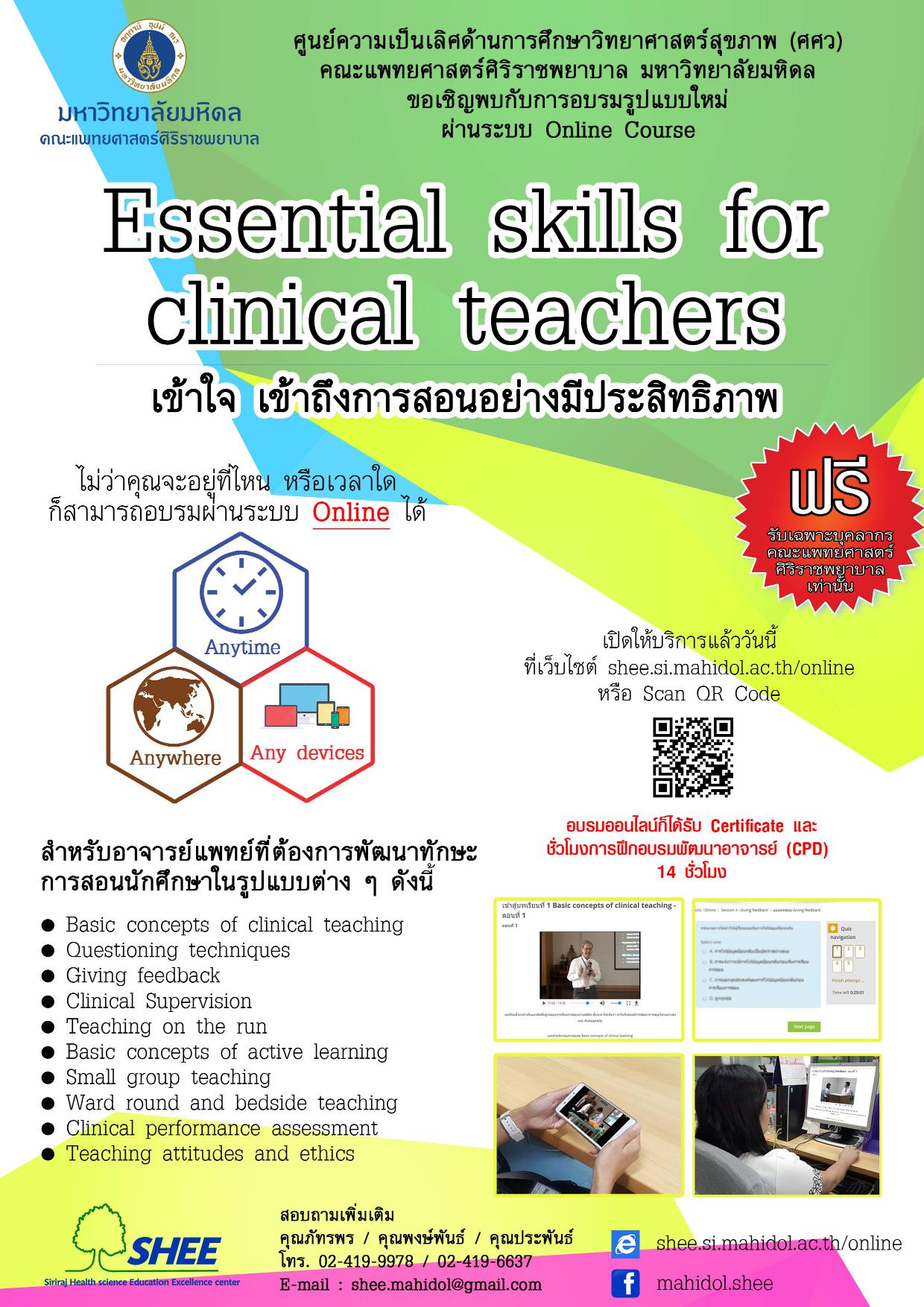
The essential factor in quality development for the “Doctor of Medicine” program is the development of clinical teachers, especially in clinical science. Clinical Science is a broad foundation of interdisciplinary medical knowledge and skills such as clinical practice and professional attitude toward real patients. The development of the teaching model for the clinical years is an essential part of the “Doctor of Medicine” program.

The Essential Skills for Clinical Teachers online course has started from December 25th, 2018 to the present. The objectives are to understand the fundamental of clinical teachings as follow,

  1. Participants can create a teaching model suited to the behavioral objective of each subject.
  2. Participants can explain and insert ‘Professionalism’ and ‘Attitude’ during the class.
  3. Participants possess a variety of clinical teaching skills and providing appropriate feedback to the students.

Online multimedia course “Essential Skills for Clinical Teachers” via Siriraj’s online course website https://shee.si.mahidol.ac.th/online/. The course contains 10 lessons and 5 evaluation tests. Participants must pass all of the tests within 80% of the score or better. The certificate of completion will be delivered to the participants after the completion

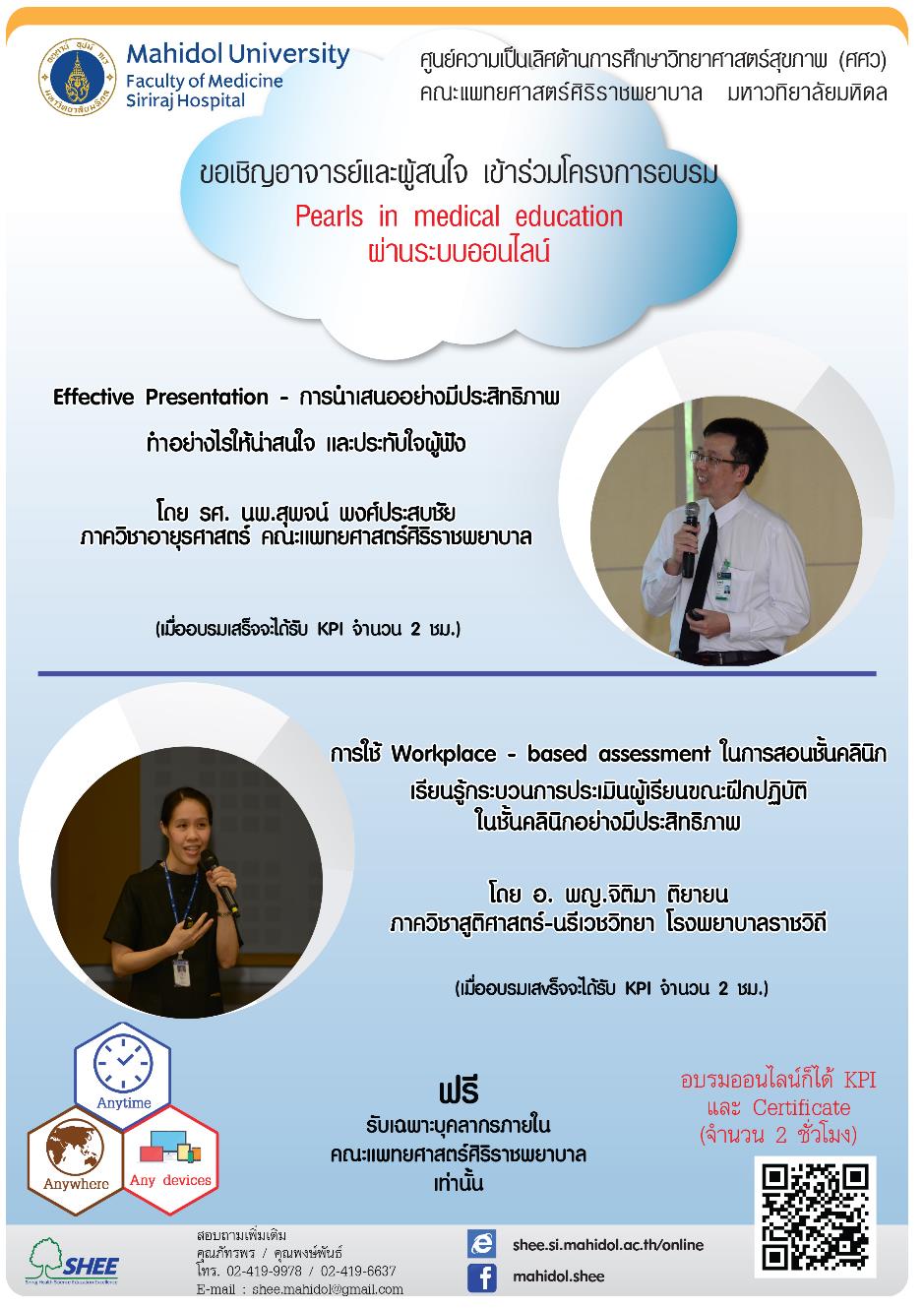
Asynchronous (on-demand) online course “Effective presentation by Assoc.Prof. Support Pongprasobchai from Department of Medicine, Faculty of Medicine Siriraj Hospital” via Siriraj’s online course website https://shee.si.mahidol.ac.th/online/. The course contains downloadable materials and instructional videos including 5 evaluation tests. Participants must pass all of the tests within 80% of the score or better. The certificate of completion will be delivered to the participants after the completion.

The event has been started from December 25th, 2018 to the present. The target groups are the lecturers from Siriraj and other institutes such as medical schools, university-affiliated hospitals, clinical medical education centers, and health science institutes.