Gallery
Click to view or download the gallery.
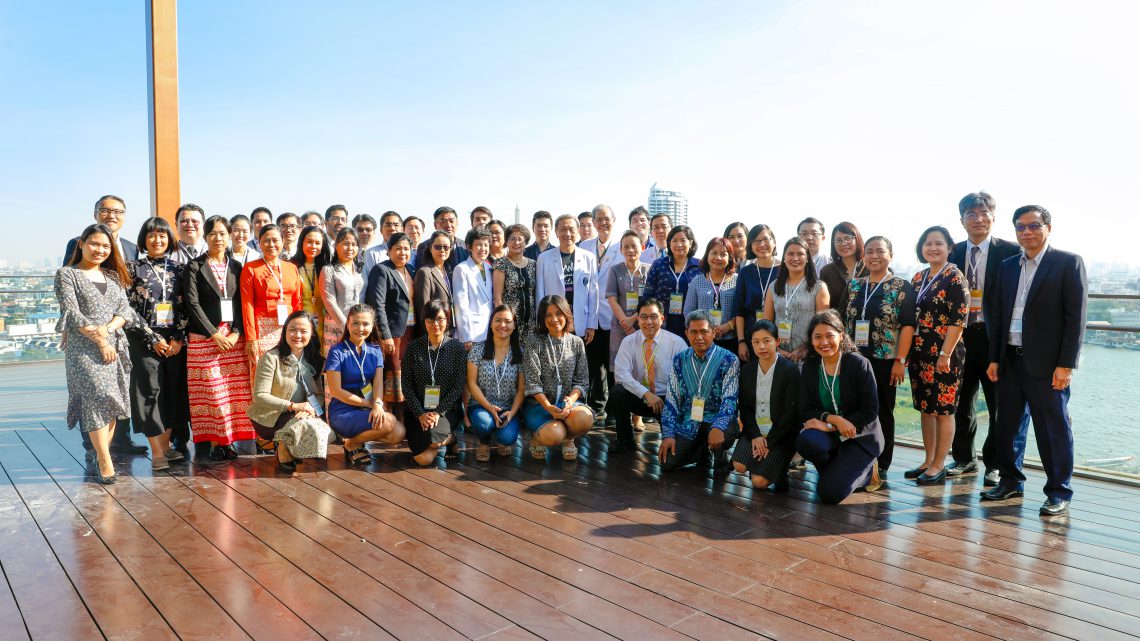
The 1st ASEAN Interprofessional Education (IPE) Workshop 2018 on December 13, 2018.
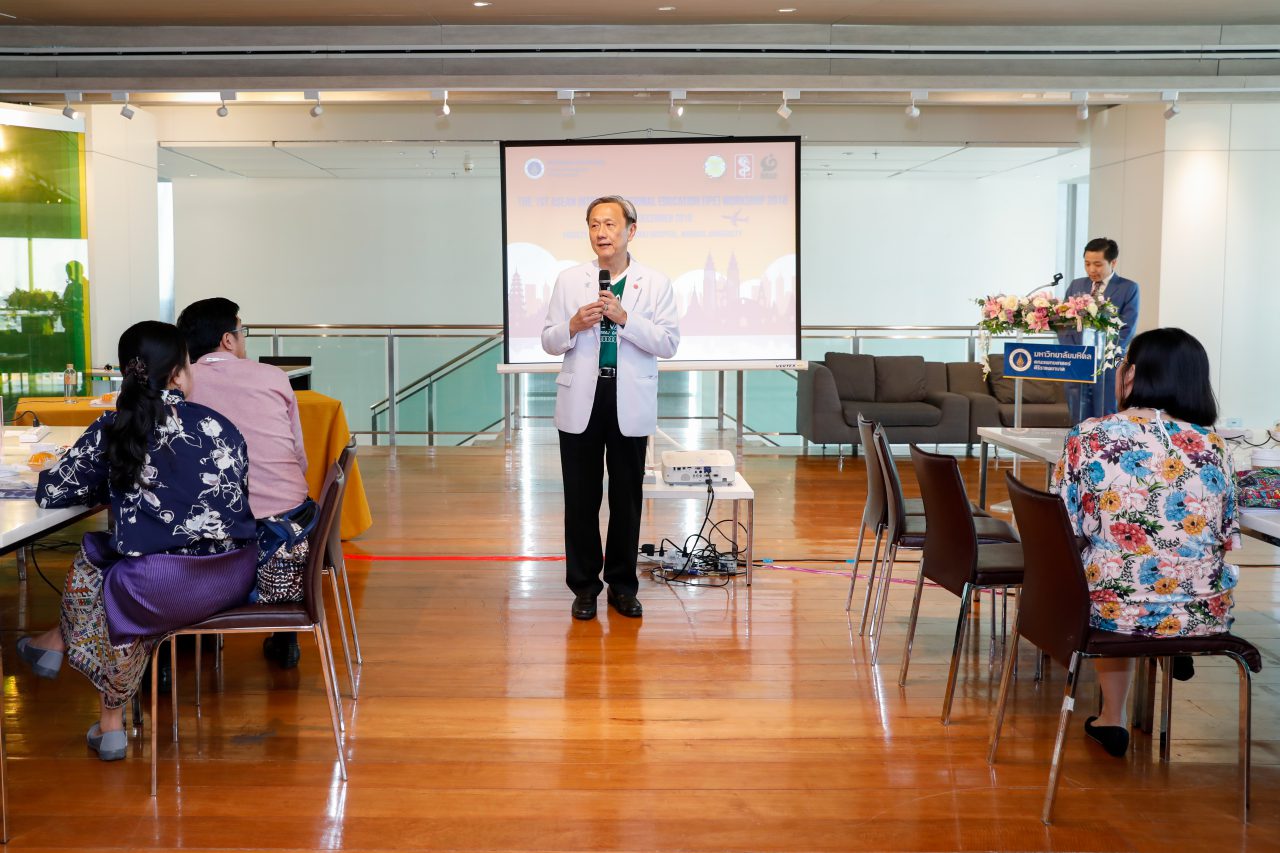
The 1st ASEAN Interprofessional Education (IPE) Workshop 2018 on December 14, 2018.
Click to view or download the gallery.
The 1st ASEAN Interprofessional Education (IPE) Workshop 2018 on December 13, 2018.
The 1st ASEAN Interprofessional Education (IPE) Workshop 2018 on December 14, 2018.
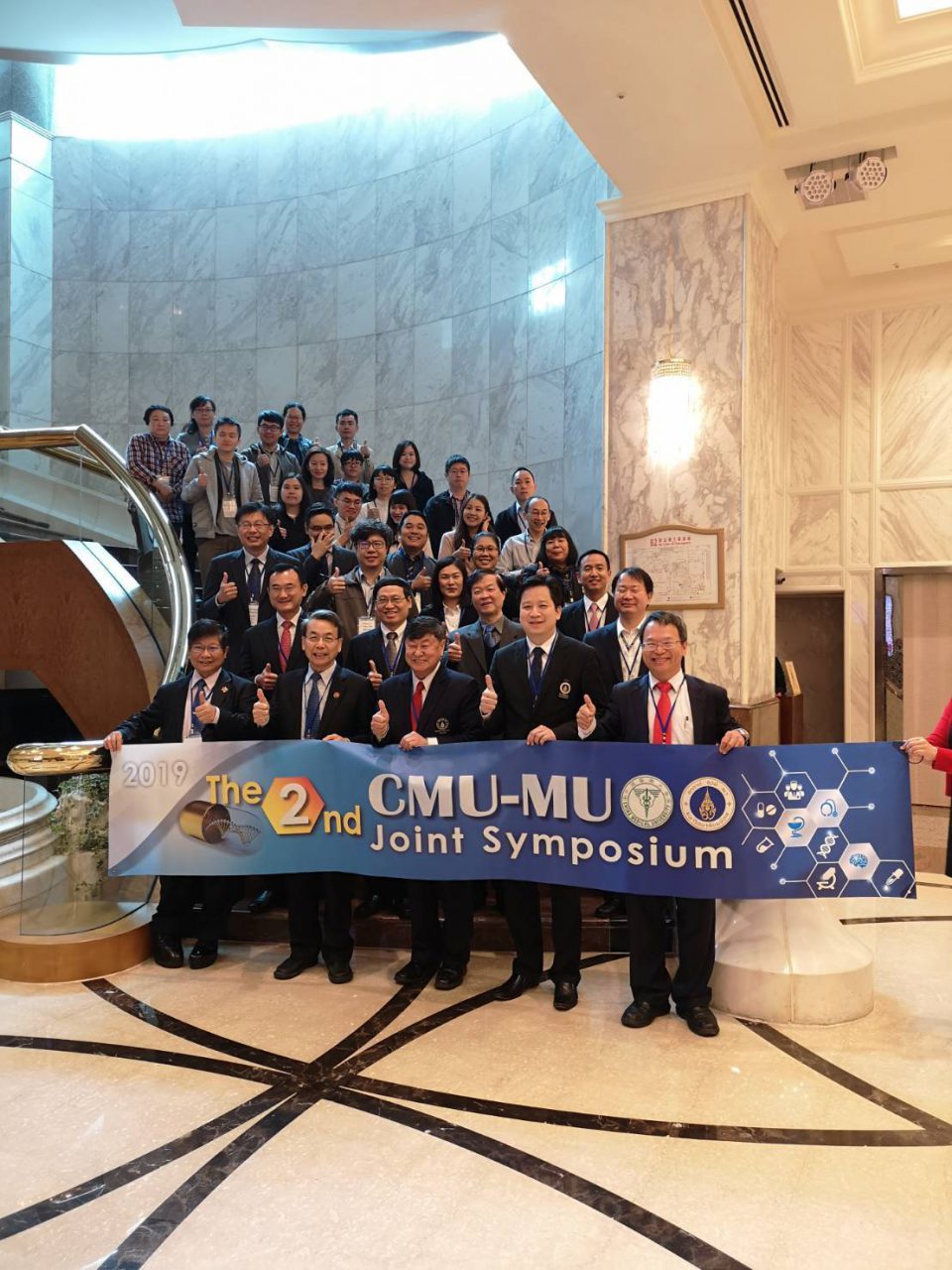
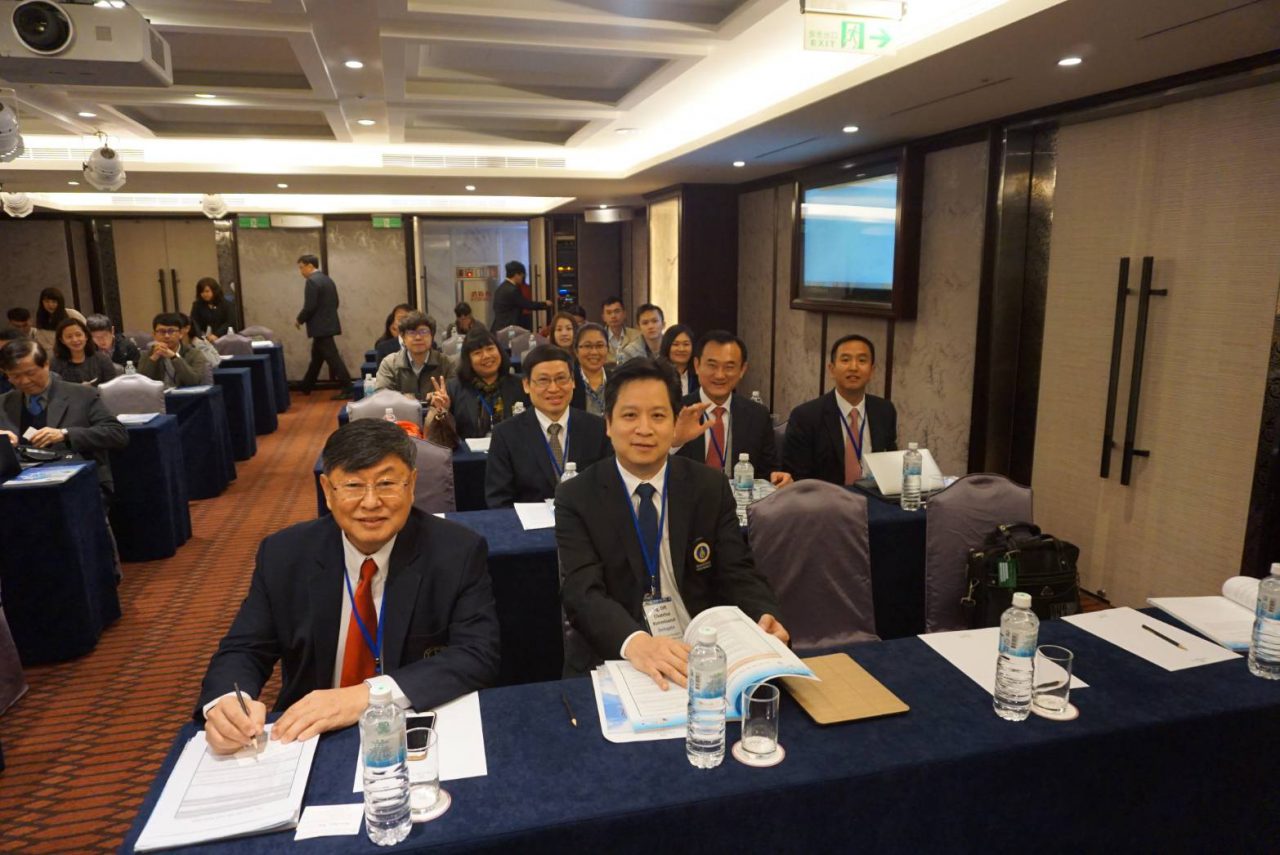
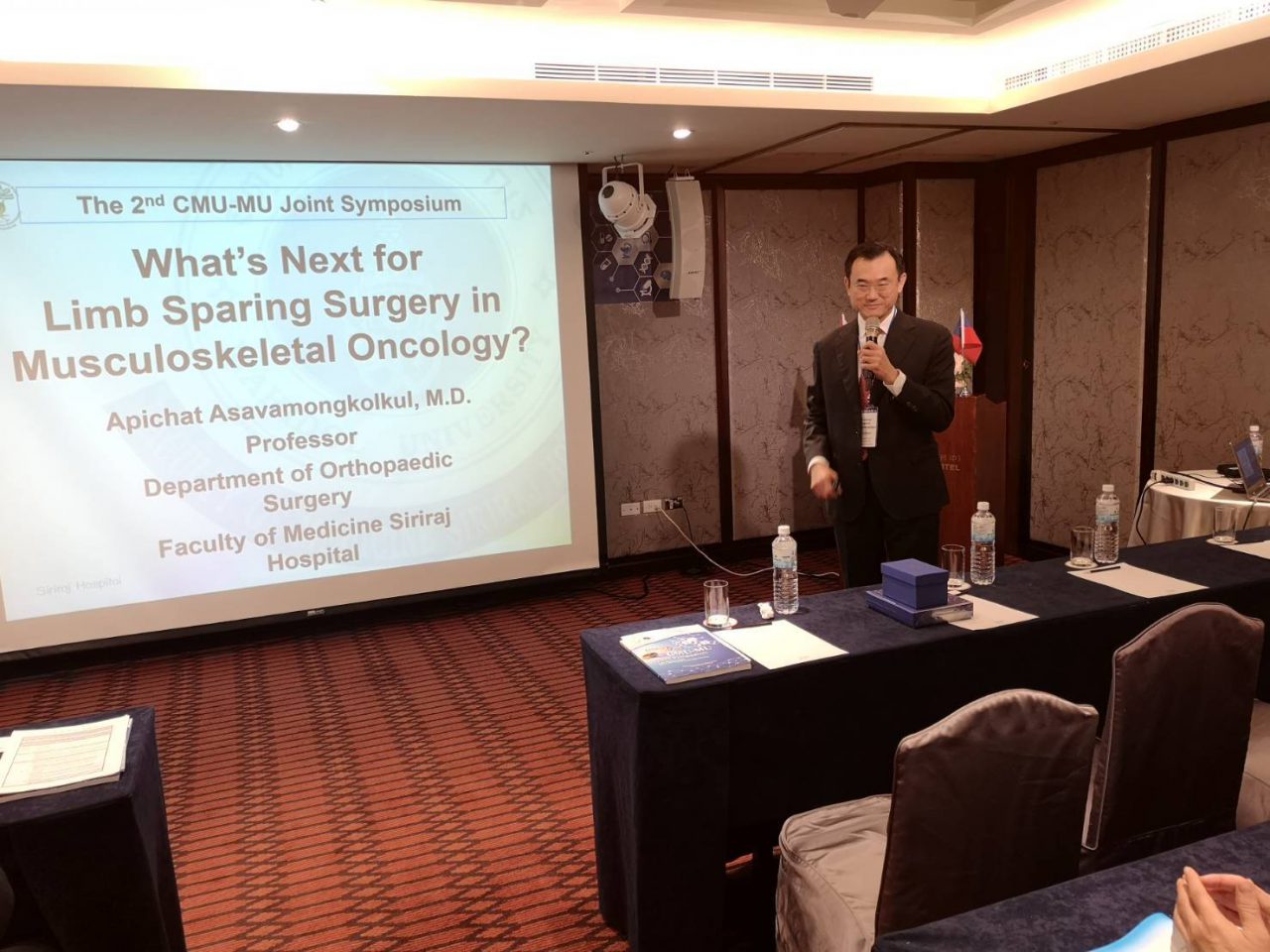
During January 3rd – 4th, 2019, Prof. Banchong Mahaisavariya, Acting President of Mahidol University along with the administrative member from Mahidol University and Faculty of Medicine Siriraj Hosptial, namely, Prof. Apichat Asavamongkolkul, Deputy Dean of Administration, Prof. Prasert Assantachai, Deputy Dean, Assoc. Prof. Dr. Pravit Akarasereenont, Chairman of Center of Applied Thai Traditional Medicine, and Assoc. Prof. Sith Sathornsumetee, Assistant Dean for International Relations, attended the 2nd CMU – MU Symposium at China Medical University, Taiwan.
The 2nd CMU – MU Symposium was co-hosted by China Medical University and Mahidol University, in order to provide the platform for exchange and update knowledge in Cancer, Stem Cell, Geriatric, Traditional Medicine, Public Health, and Neuroscience. The symposium was seasoned by many interesting lectures delivered by both sides. On this occasion, the group from Mahidol University received a very warm welcome by Prof. Dr. Liang-Yo Yang, Dean of School of Medicine, China Medical University.
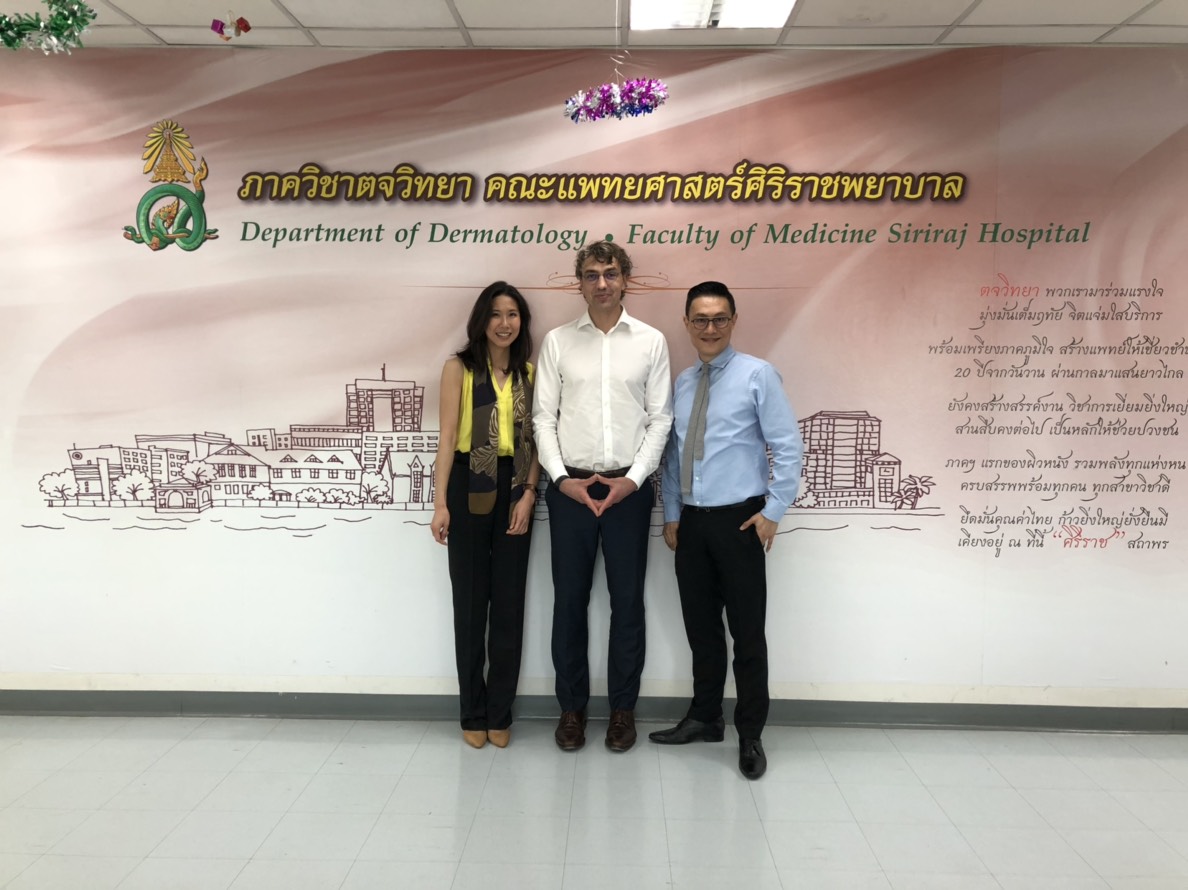
On January 3rd, 2019, Dr. Hans-Joachim Laubach, the president of the European Society for Lasers and Energy-based Devices (ESLD) visited Siriraj’s Department of Dermatology and gave a lecture to our Dermatology residents and fellows in Dermatologic Surgery.
The original waterfront gazebo of Siriraj was made of wood in the reign of HM King Rama V after 1888 (BE2431). The gazebo was a western-style pavilion facing Chaopraya River with the tall square tower flanked on its side. Its gable was attached with the hospital nameplate written both in Thai, “ศิริราชพยาบาล” and in English “Siriraj Hospital.” The fence of the extending pontoon was made of lath painted in complete white.
Around 1923-1945 (BE2466-2488), Rockefeller Foundation had provided the grant support to Siriraj Hospital for the enlarge and extend hospital facilities. Thereby, Phra Saroj Ratana Nimman and Luang Wisarn Silpaka had been designated by Ministry of Public Instruction (currently the Ministry of Education) to be in charge of the architectural work of the new buildings including the new gazebo of Siriraj Hospital. The project had completed and ready to receive the royal visit of HM King Prajadhipok (King Rama VII) and HM Queen Rambai Barni in 1927 (BE2470).
The new gazebo was rebuilt as the open-sided building in the Renaissance style. Apart from the Ionic columns and the solid arch on each side, the construction was adorned with ornamental balustrade and cornices made of concrete. Past 80 years, the gazebo of Siriraj was operated as a public pier for the ferry crossing. With the replacement of a new pier at Wanglung market area (known as Wanglung Pier), the ferry service at Siriraj’s gazebo was discharge.
อันเนื่องจากปก ศาลาท่าน้ำศิริราช
ศาลาท่าน้ำหลัง ปัจจุบันนี้เป็นการก่อสร้างหลังที่ 2 ส่วนอาคารหลังแรกทำด้วยไม้ สร้างในรัชสมัยพระบ่ทสมเด็จพระจุลจอมเกล้าเจ้าอยู่หัว รัชกาลที่ 5 หลังปี พ.ศ. 2431 เป็นอาคารทรงตะวันตก พร้อมหอสูด้านข้าง ด้านหน้าจั่วมีป้ายสองภาษา เขียนว่า “ศิริราชพยาบาล” และภาษาอังกฤษ “Siriraj Hospital” ส่วนตัวท่าเรือเป็นไม้ระแนงทาสีขาวโดยตลอด
จนเมื่อ พ.ศ.2466-2488 มูลนิธิร๊อกกี้เฟลเลอร์ ได้ให้ทุนก่อสร้างอาคารแก่โรงพยาบาลศิริราช ดังนั้น กระทรวงธรรมการได้มอบหมายให้พระสาโรชรัตนนิมมานก์ และหลวงวิศาลศิลปกรรม ออกแบบอาคารในโรงพยาบาลและศาลาท่าน้ำ และพร้อมรับเสด็จพระบาทสมเด็จพระปกเกล้าเจ้าอยู่หัวพร้อมด้วยพระราชินี ในปี .พ.ศ.2470
ศาลาท่าน้ำแห่งใหม่นี้ เป็นอาคารทรงโถงแบบเรเนซองส์ หัวเสาแบบไอโอนิค พร้อมซุ้มโค้งสี่ด้านสร้างอย่างแข็งแรง พร้อมลูกกรง ลูกแก้วปูนรอบอาคาร ปัจจุบันมีอายุกว่า 80 ปี และต่อมาใช้เป็นท่าเรือข้ามฟากของประชาชน ต่อมาได้สร้างท่าวังหลังขึ้นข้างโรงพยาบาลทำให้ท่าเรือแห่งนี้ว่างลง