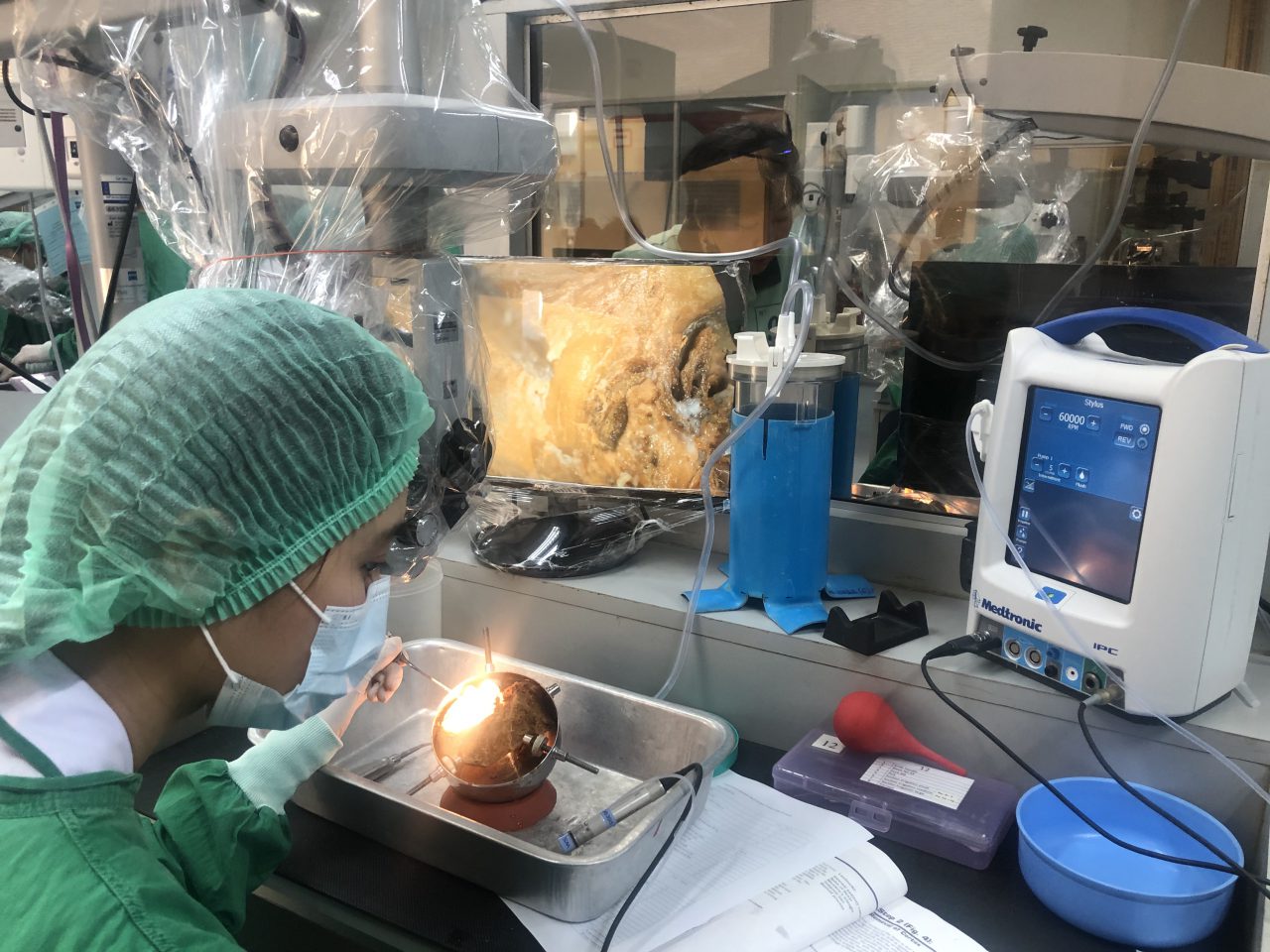
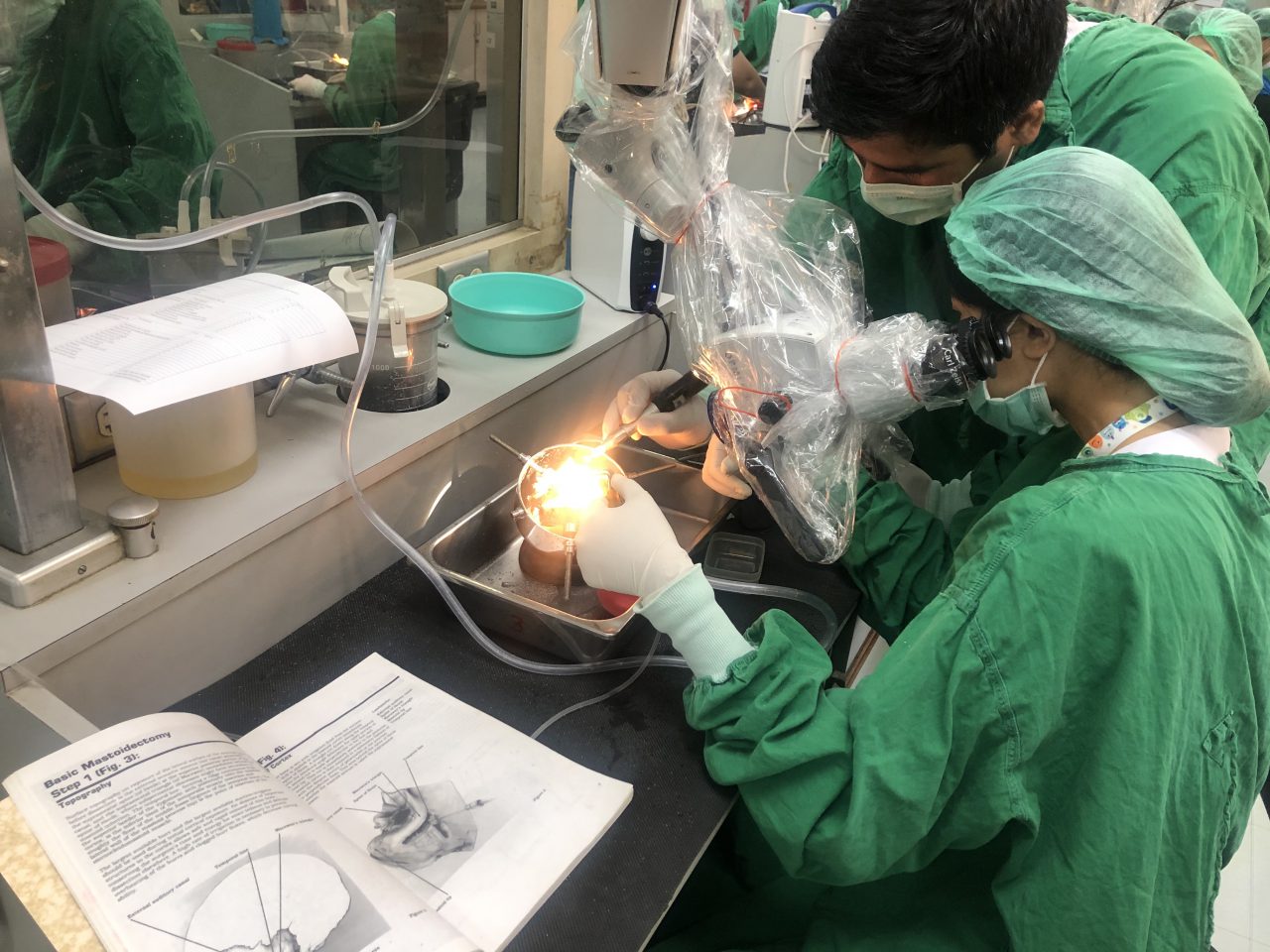
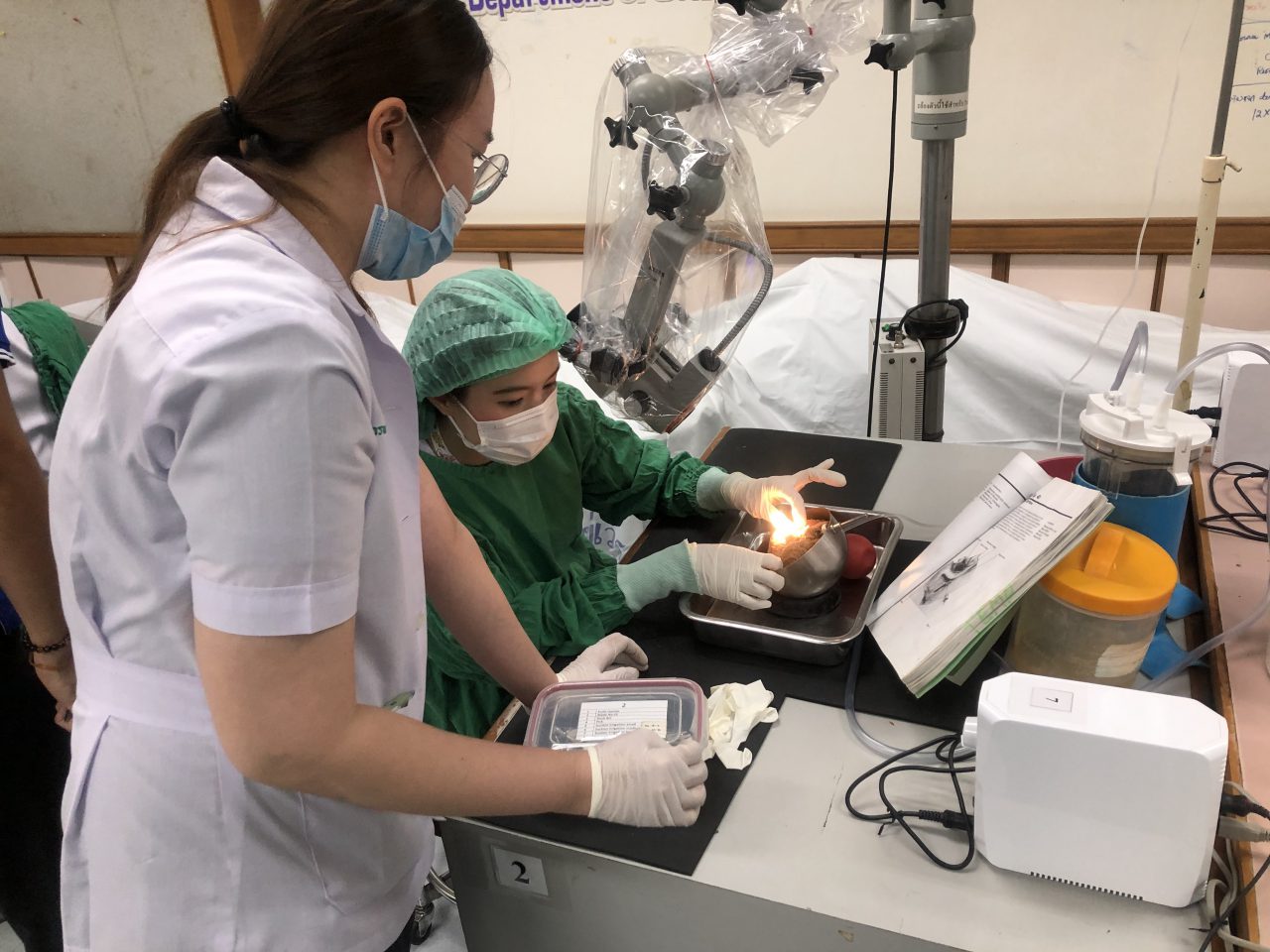
During December 19th – 20th, 2020, Otological Center: Bangkok Unit, Department of Otorhinolaryngology, , Faculty of Medicine Siriraj Hospital organized Temporal Bone Course at Chalermphrakiet Building, 1st floor, Siriraj Hospital for ENT residents.
Due to COVID-19 situation, we are unfortunately could not organize for an international course this year. Hopefully, we are willing to hold on the International Temporal Bone Surgical Dissection Course next year.


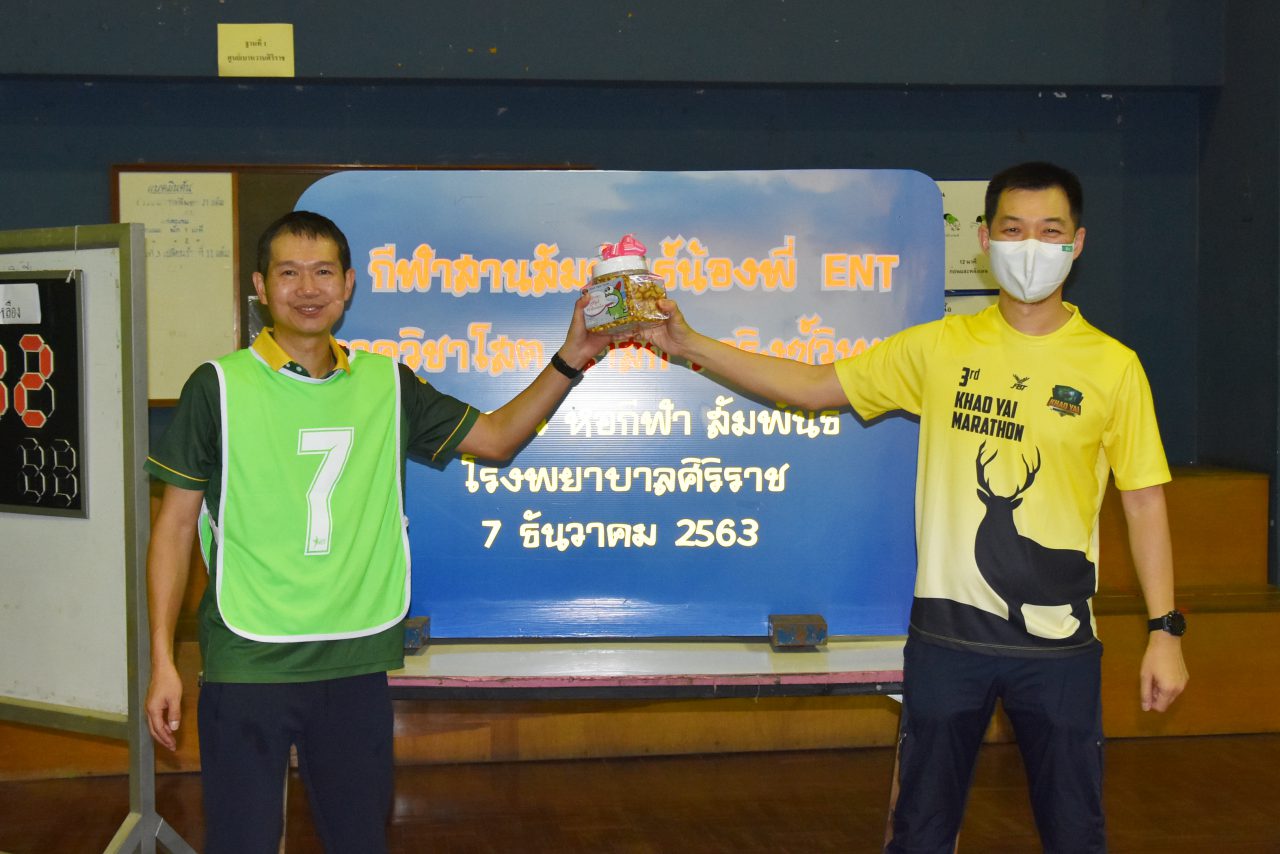
ENT sport day was held on Monday, December 7th, 2020 at Siriraj Gymnesium Building. The day was filled with lots of fun sport activities and challenges. Department faculties, fellows and residents had fun and enjoyed themselves on that day.
On behalf of Department of Otorhinolaryngology, we would like to thank everyone for your participation and contribution towards the great success to this event.




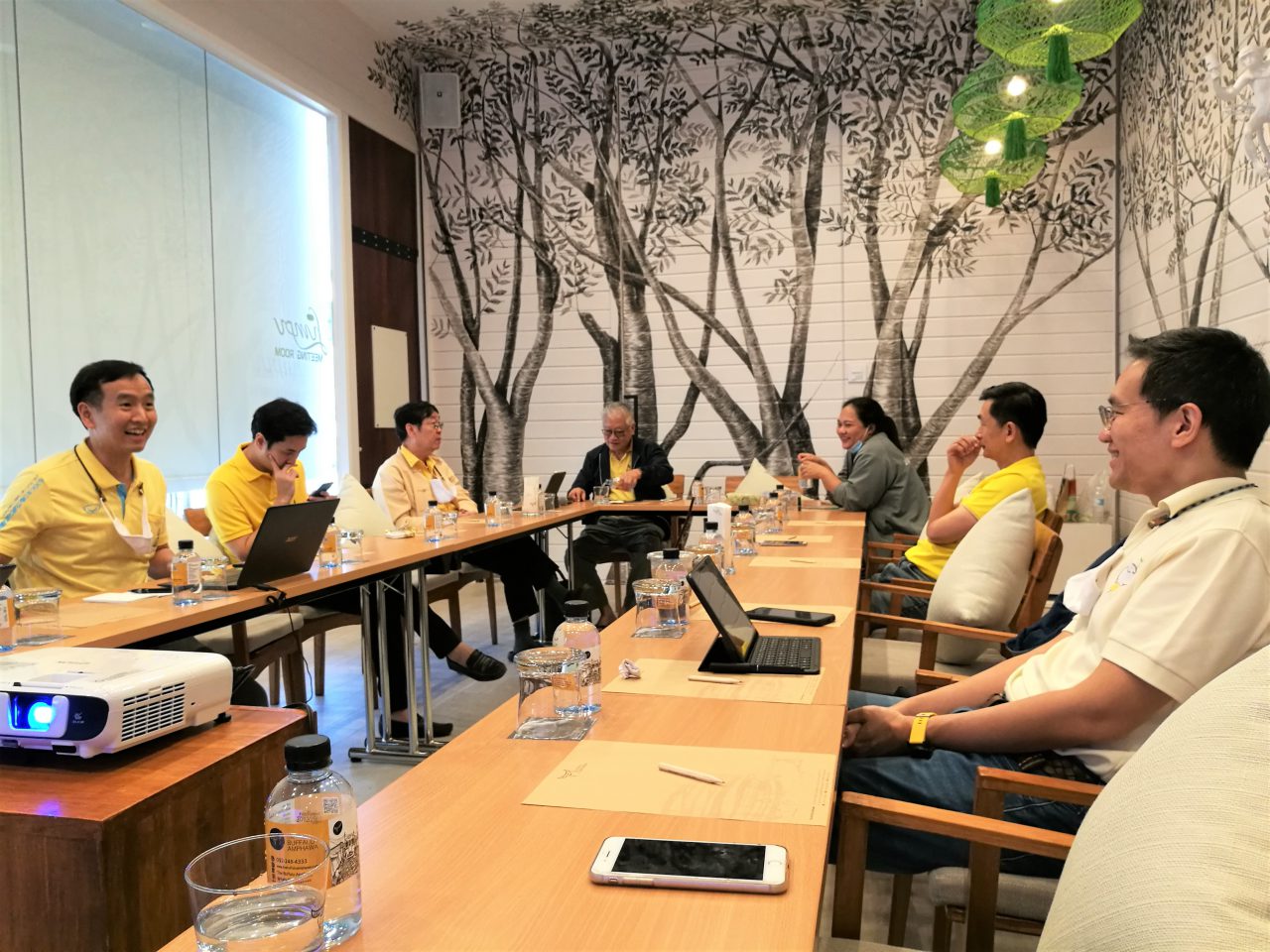
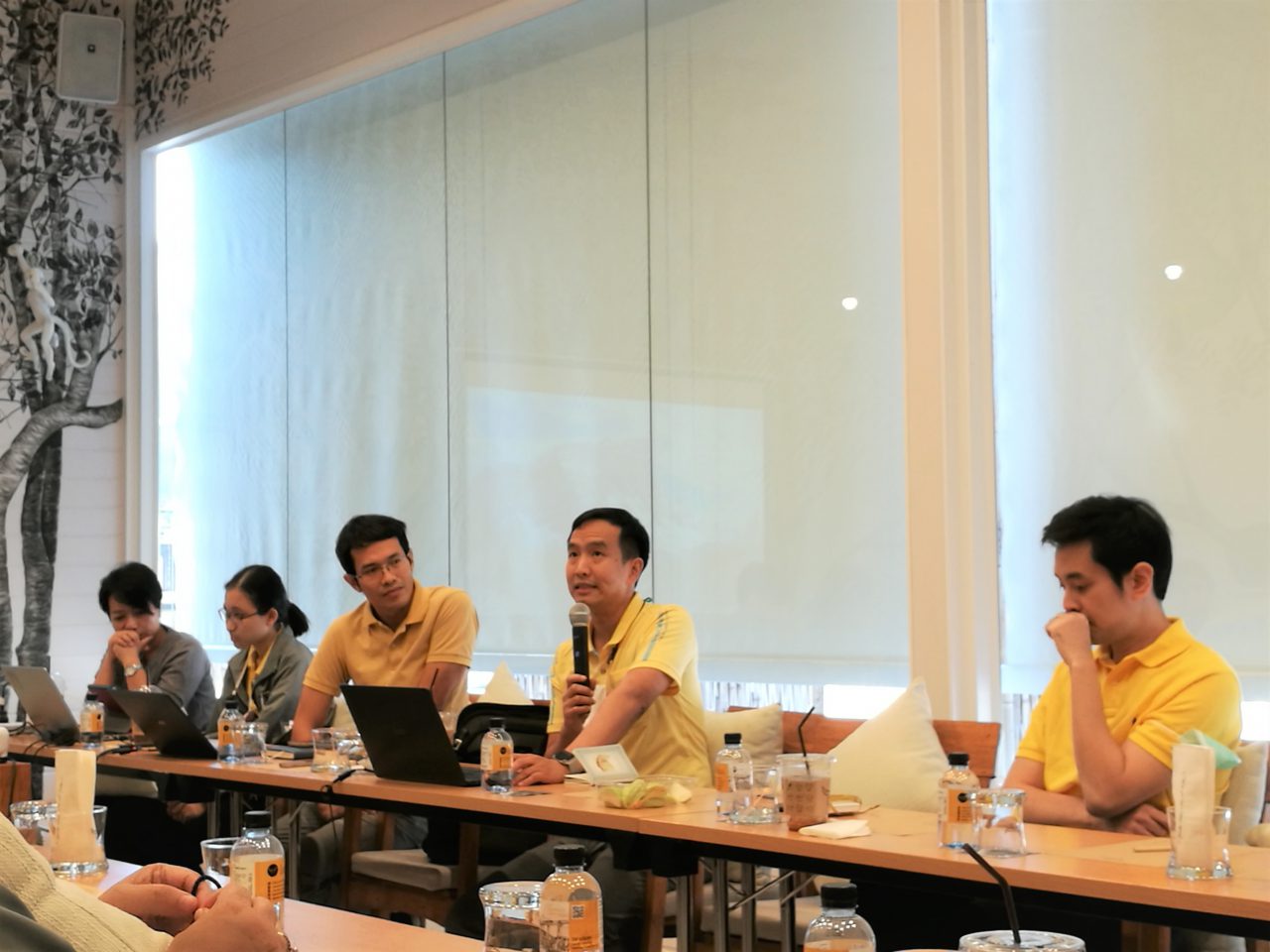
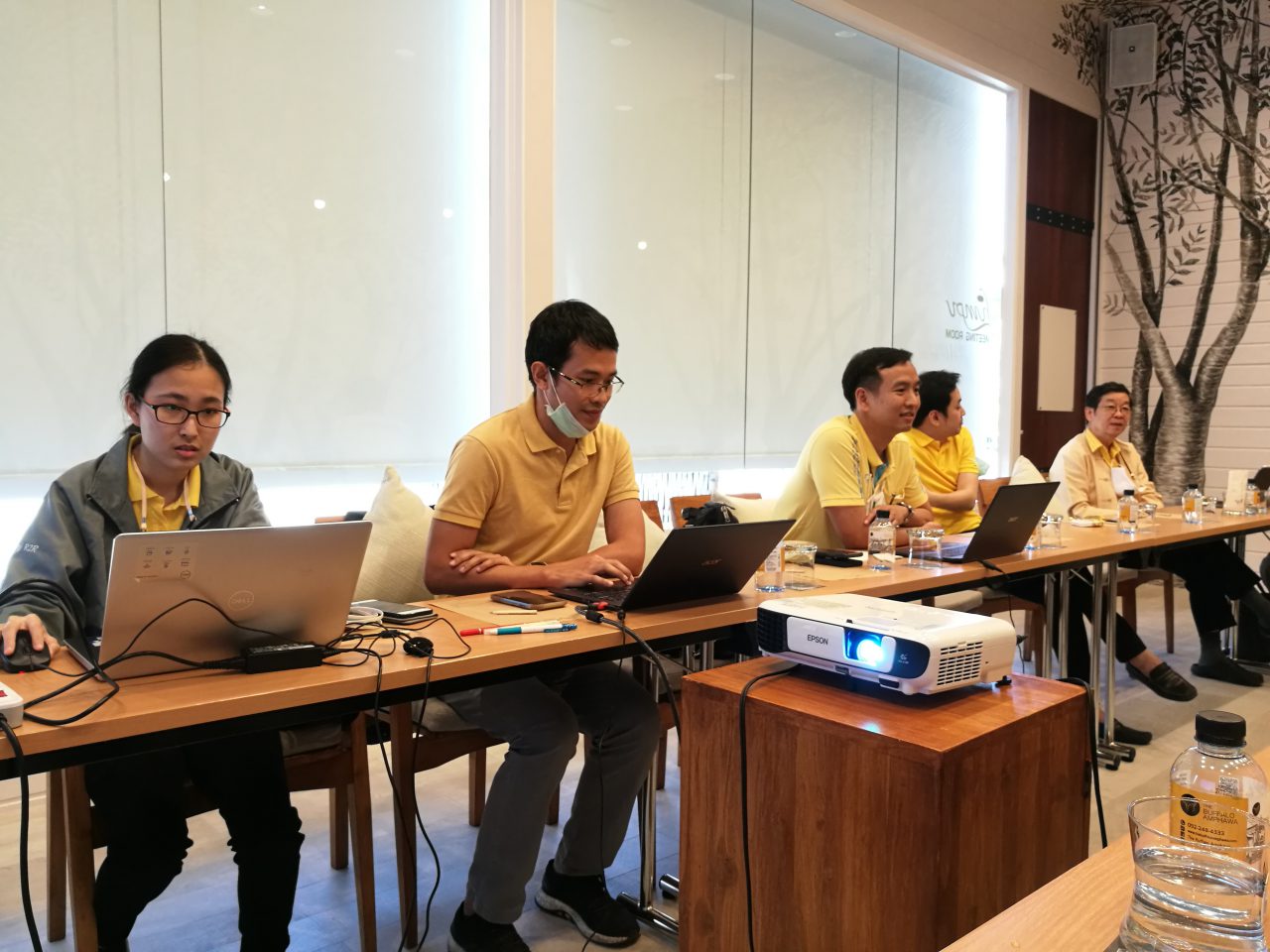
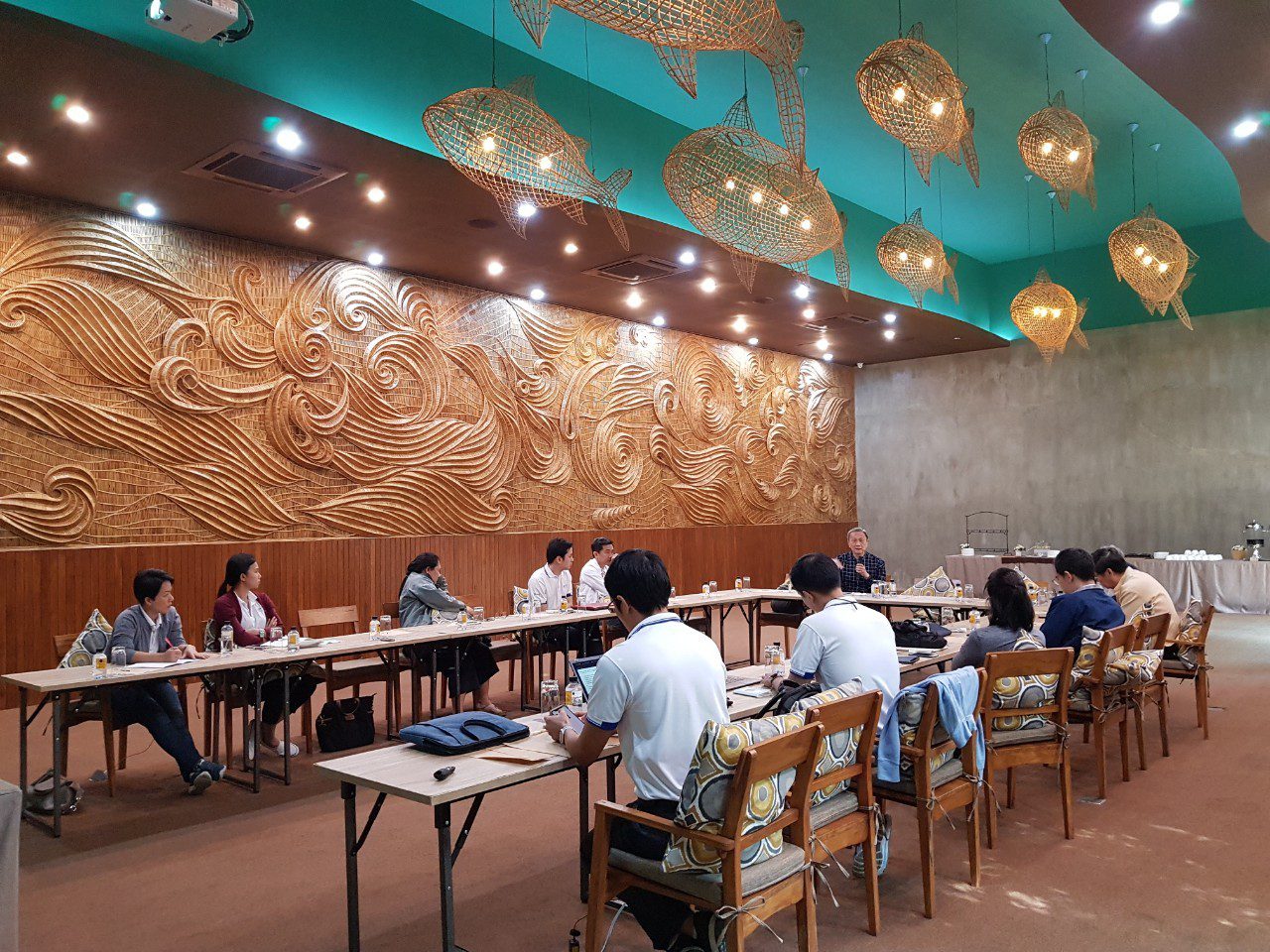
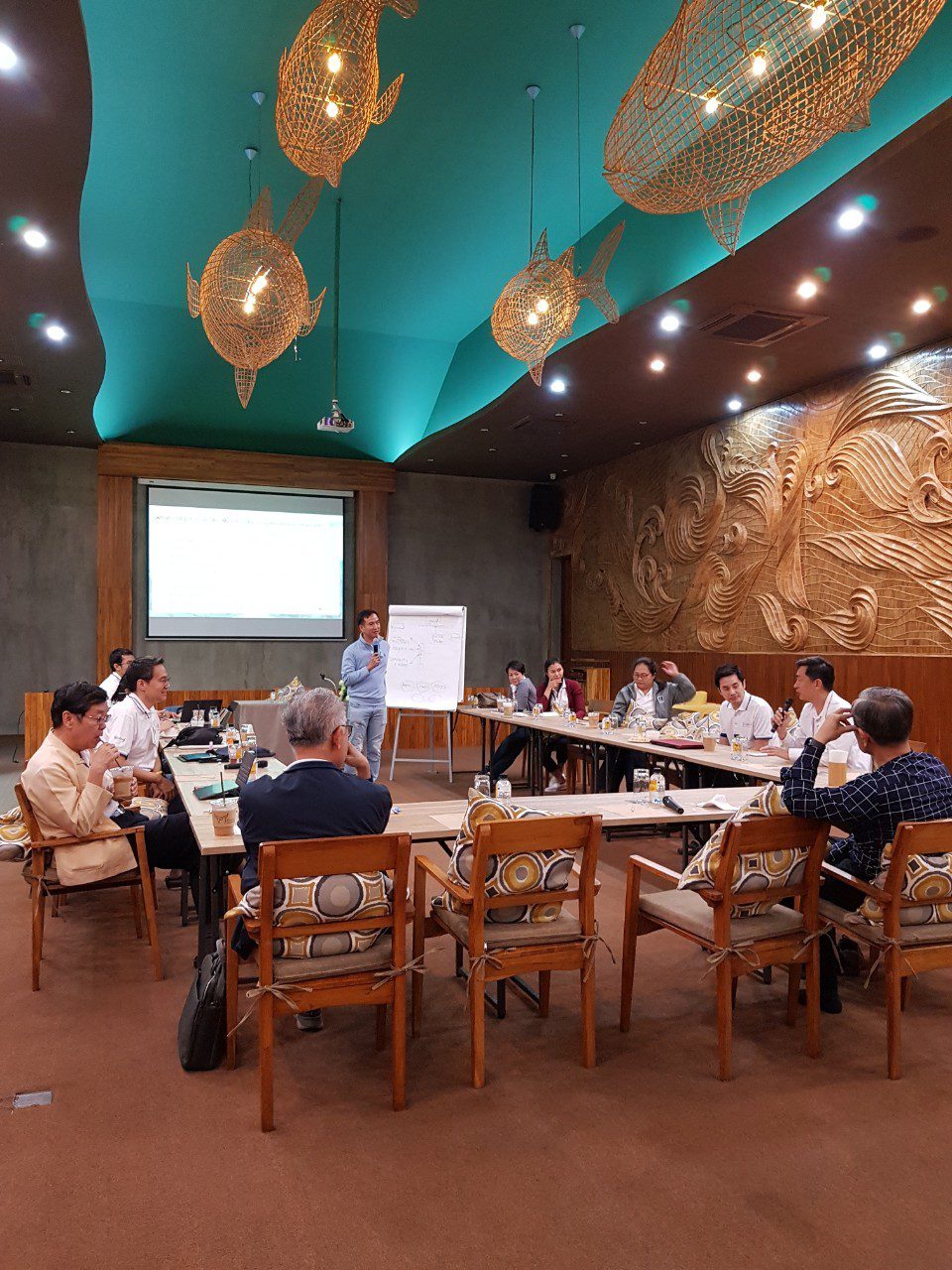
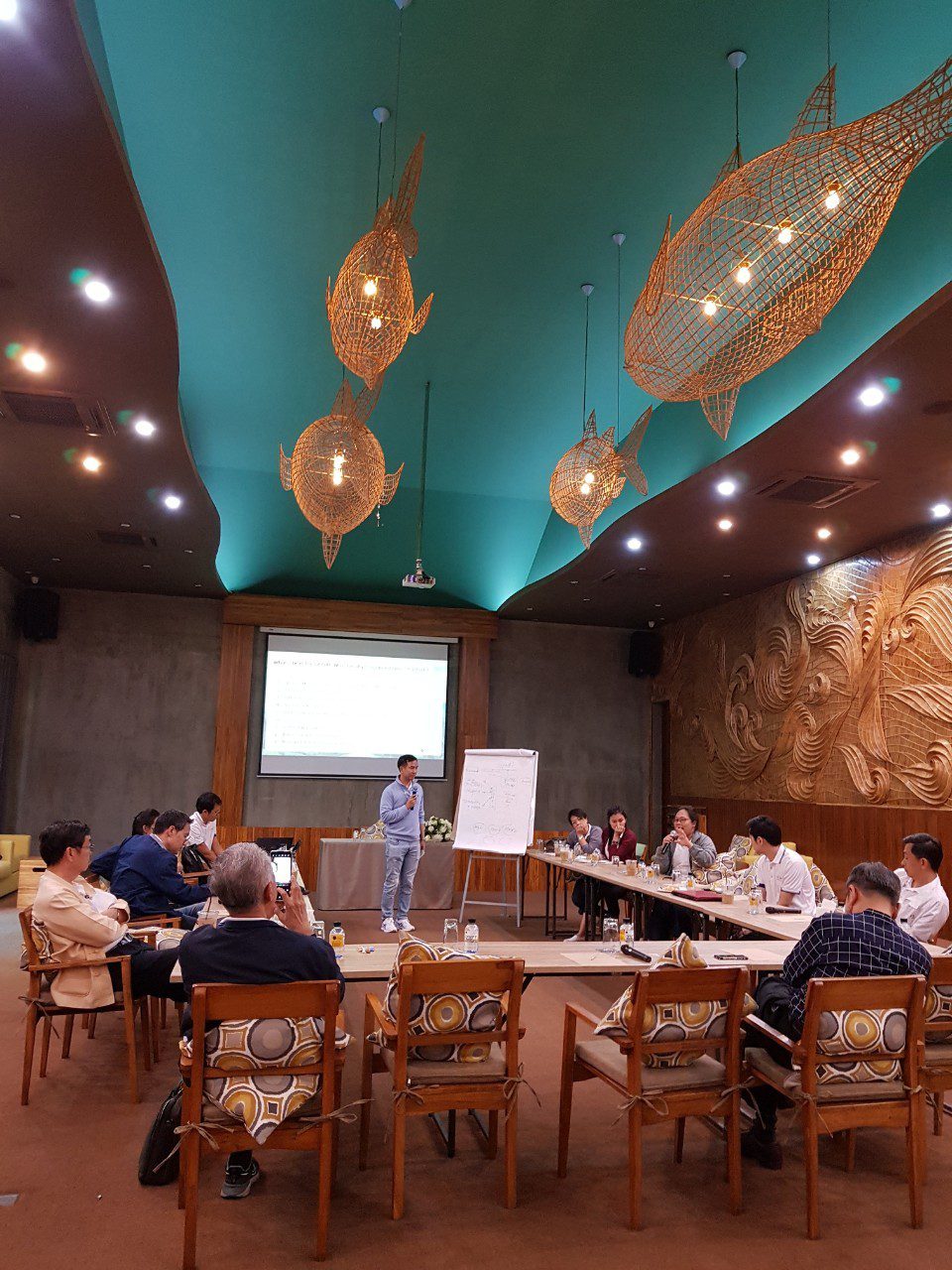
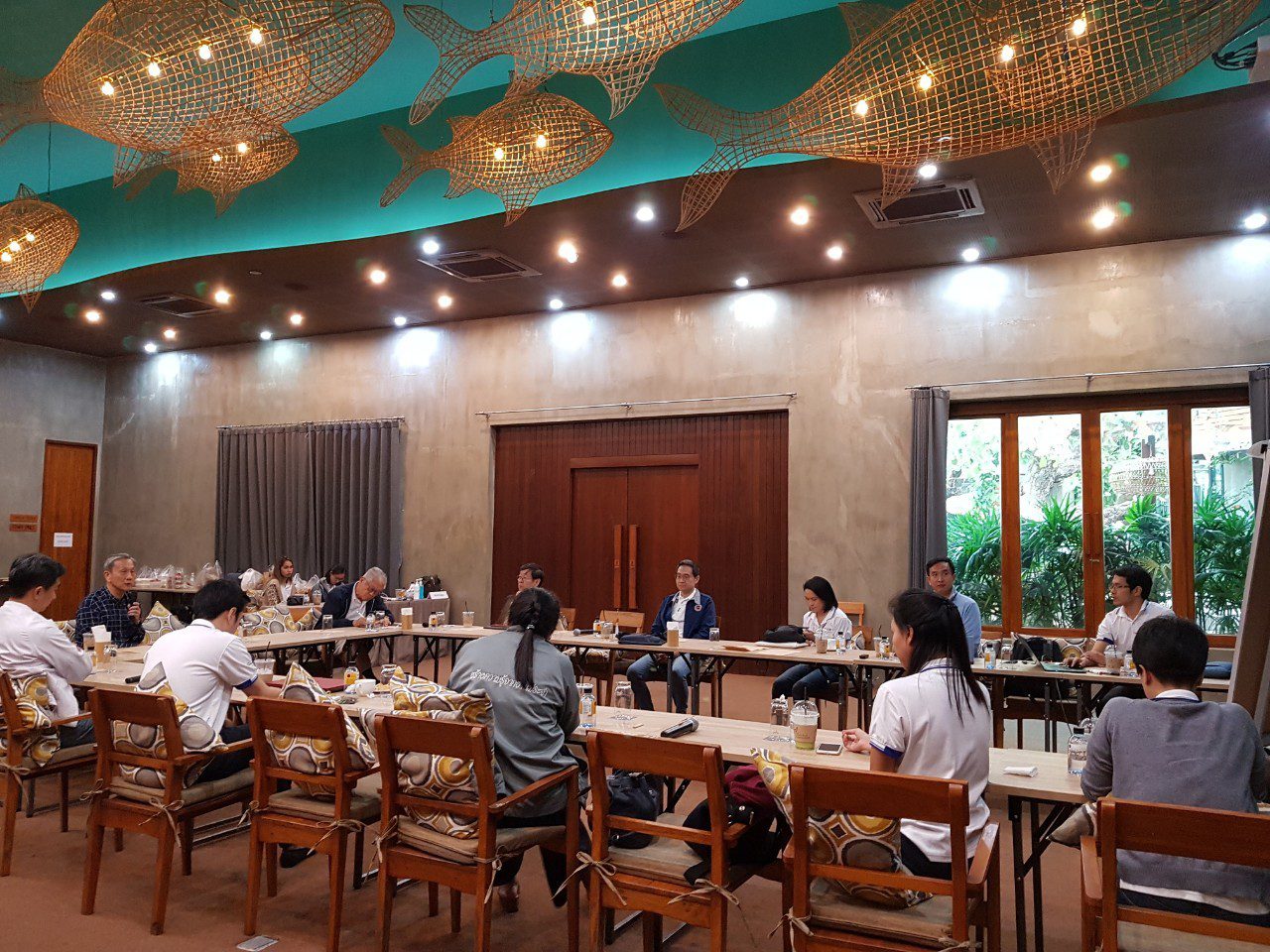
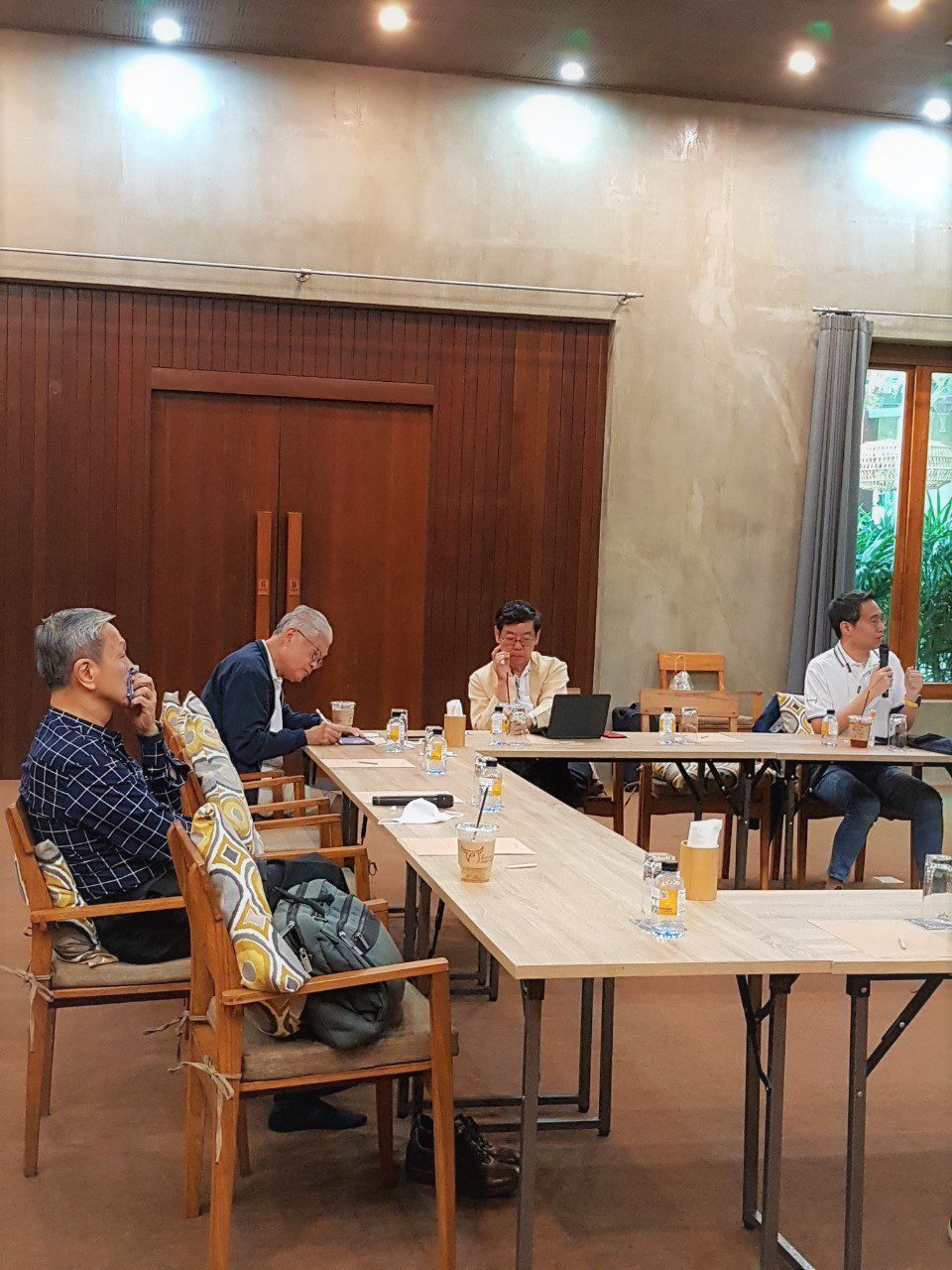
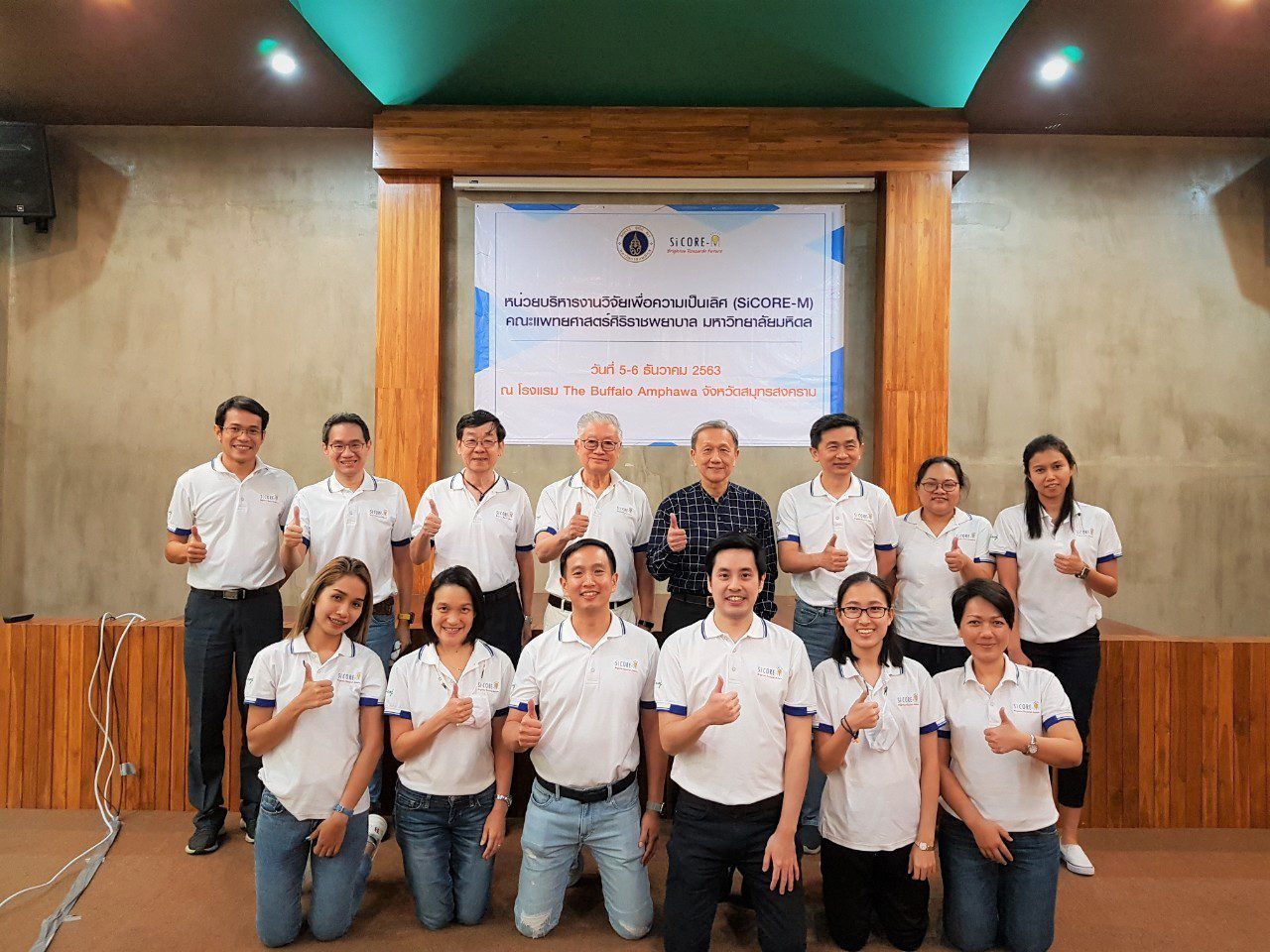
During December 5th–6th, 2020, Prof. Dr. Prasit Watanapa, Dean of Faculty of Medicine Siriraj Hospital preside over the annual seminar along with Prof. Dr. Prasert Auewarakul,
Prof. Dr. Vicharn Panich, Dr. Somsak Chunharas and Siriraj Center of Research Excellence Management (SiCORE–M). Our SiCORE-M Annual Seminar this year take place at The Buffalo Amphawa, Sumutsongkram province, showcases the recent progress and achievements. In addition, the prospective strategic planning, future operational structure and plan for SiCORE-M unit have been discussed.


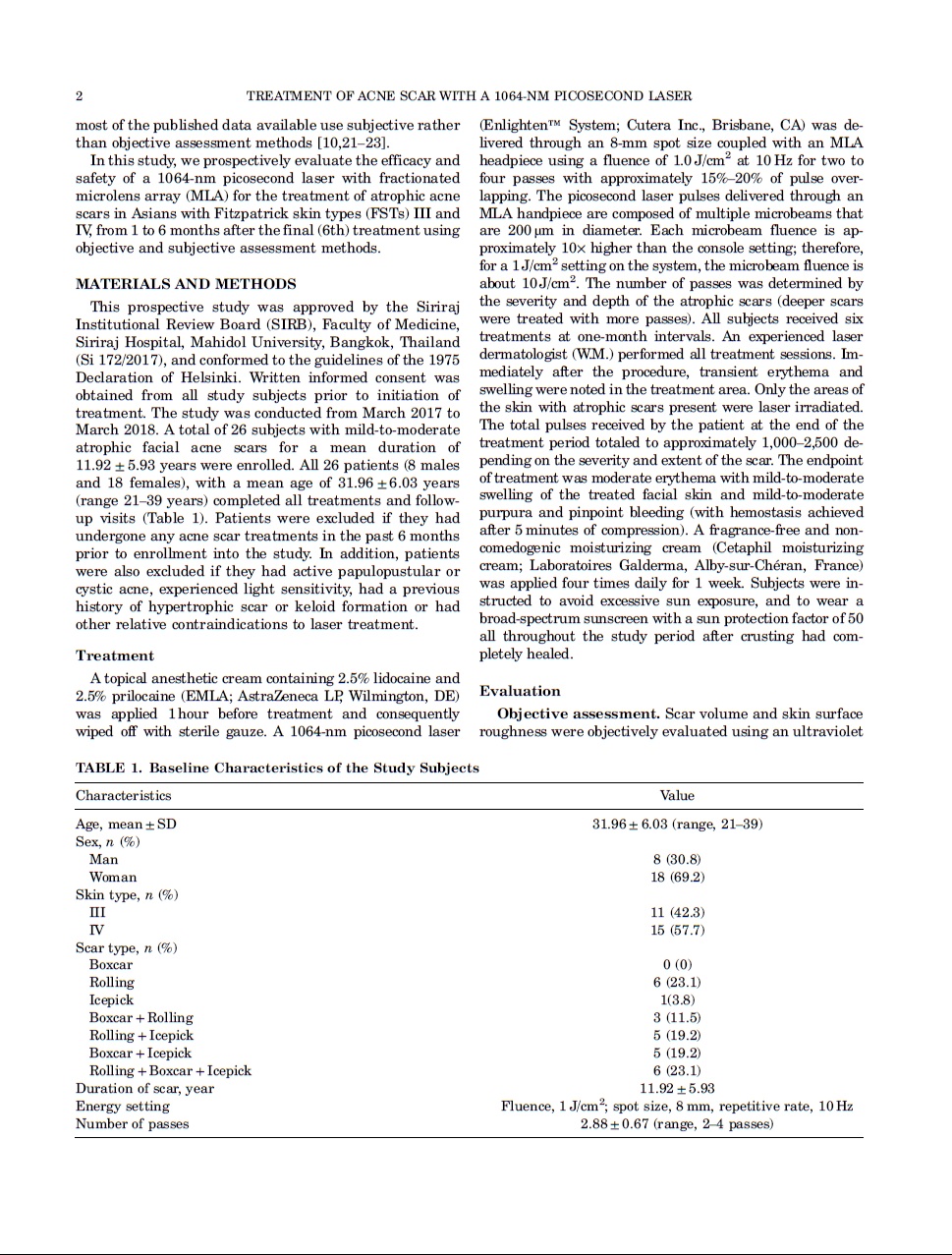
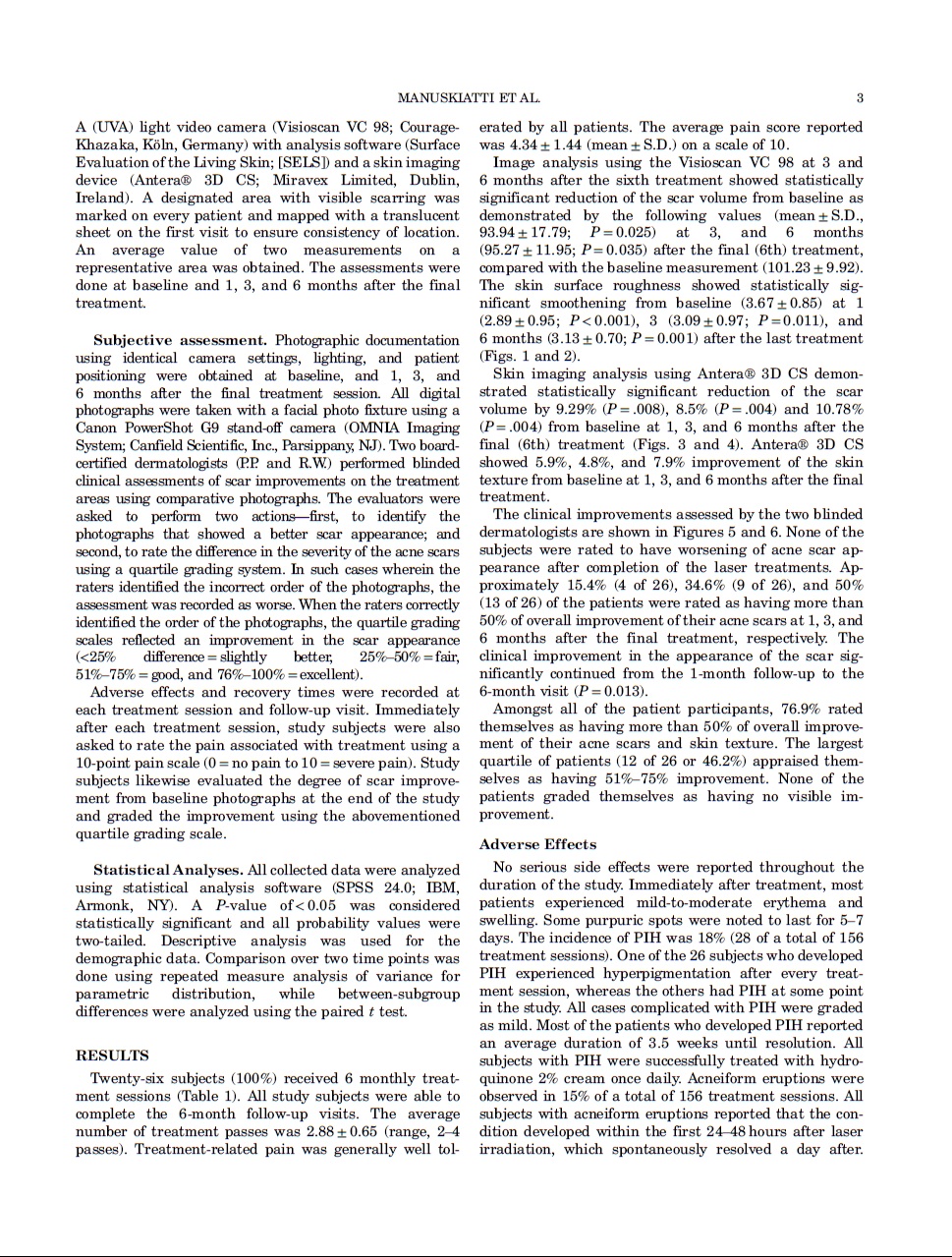
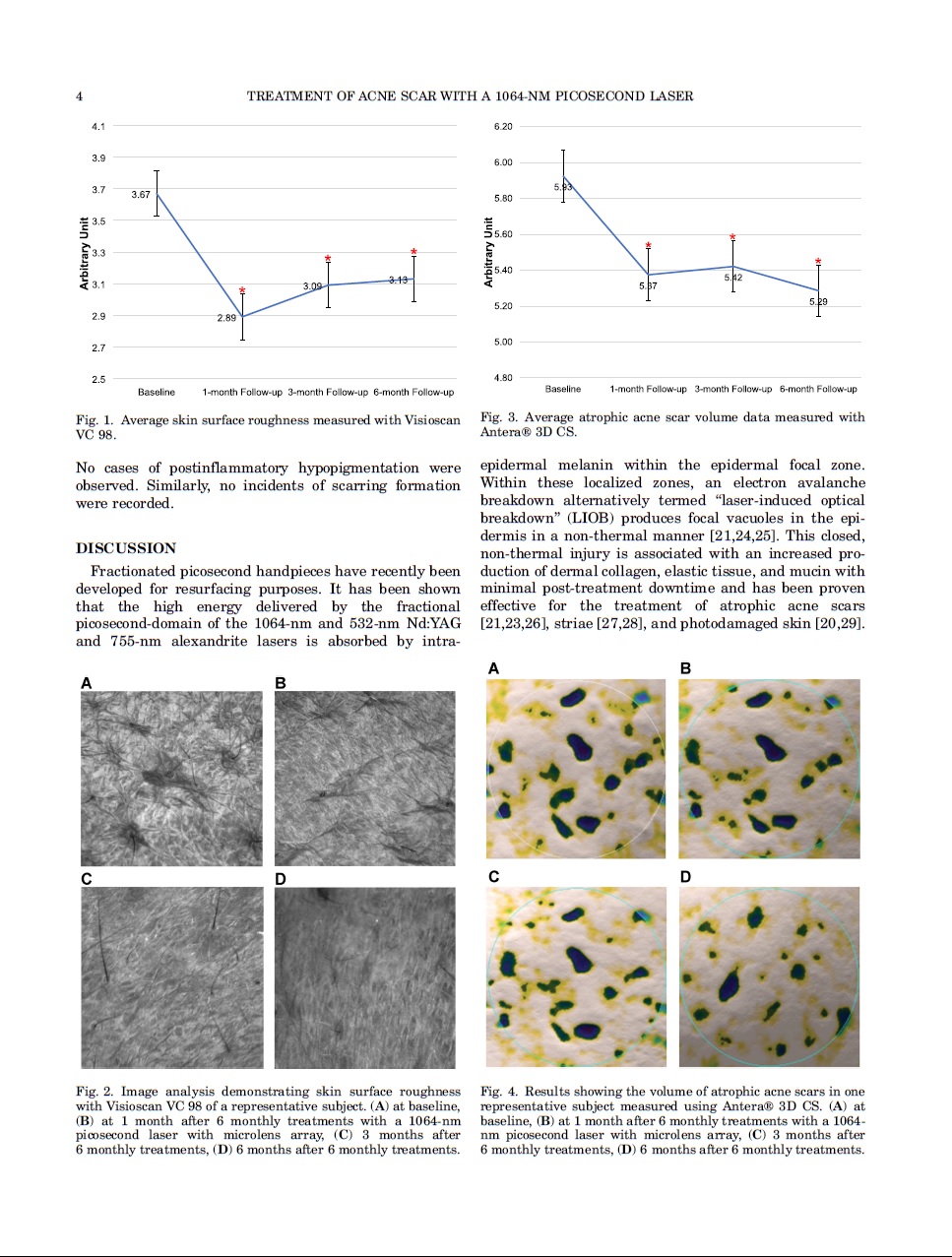
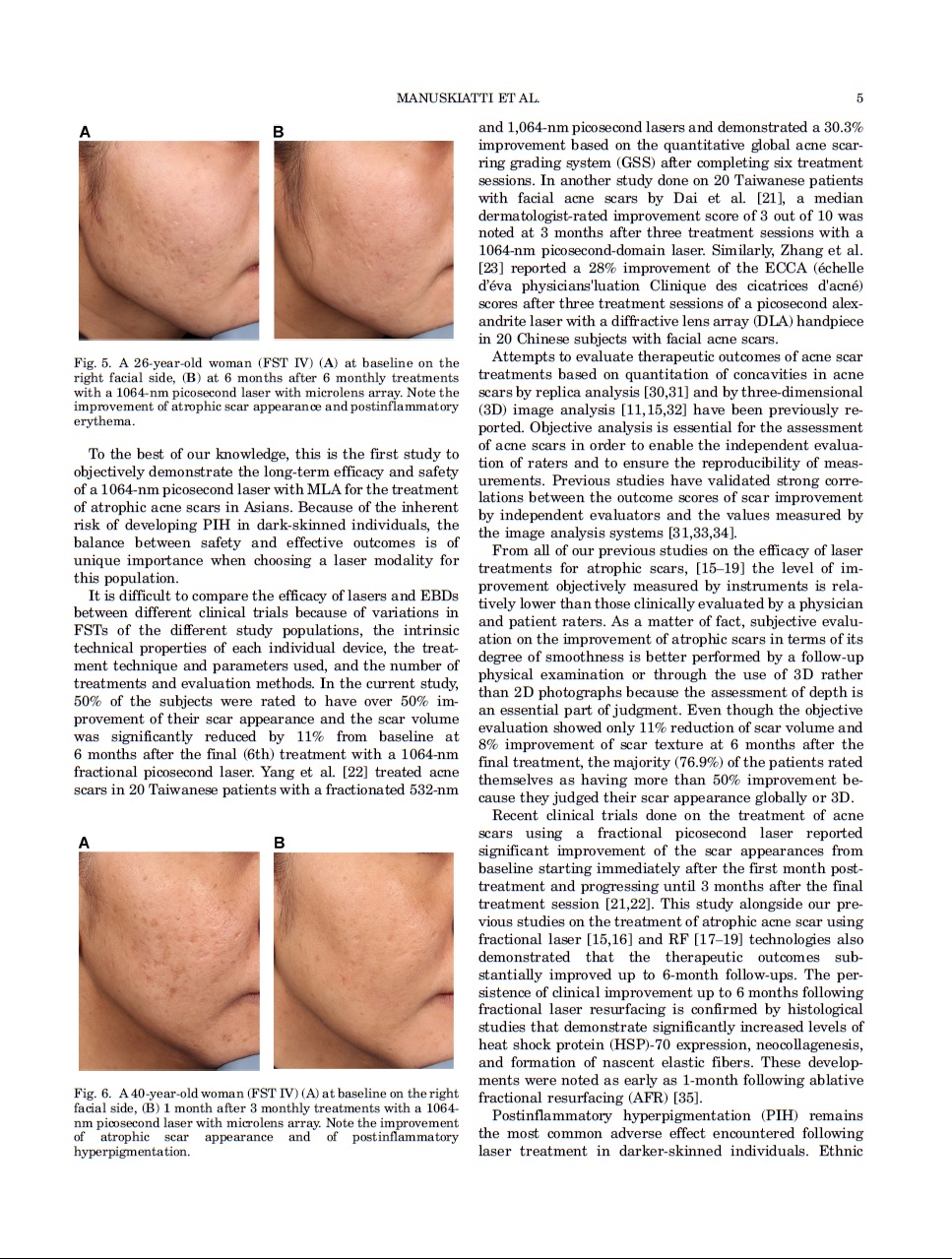
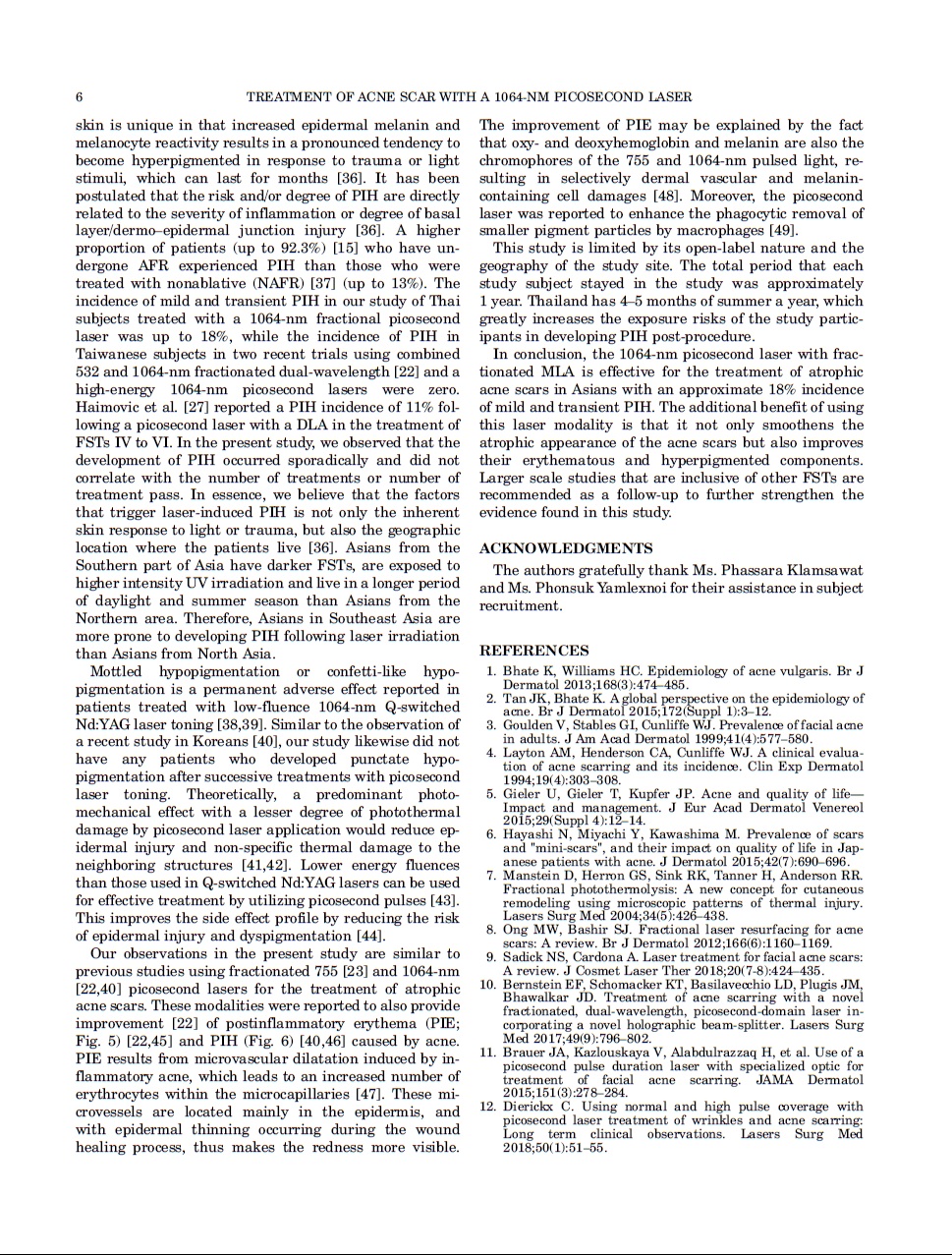
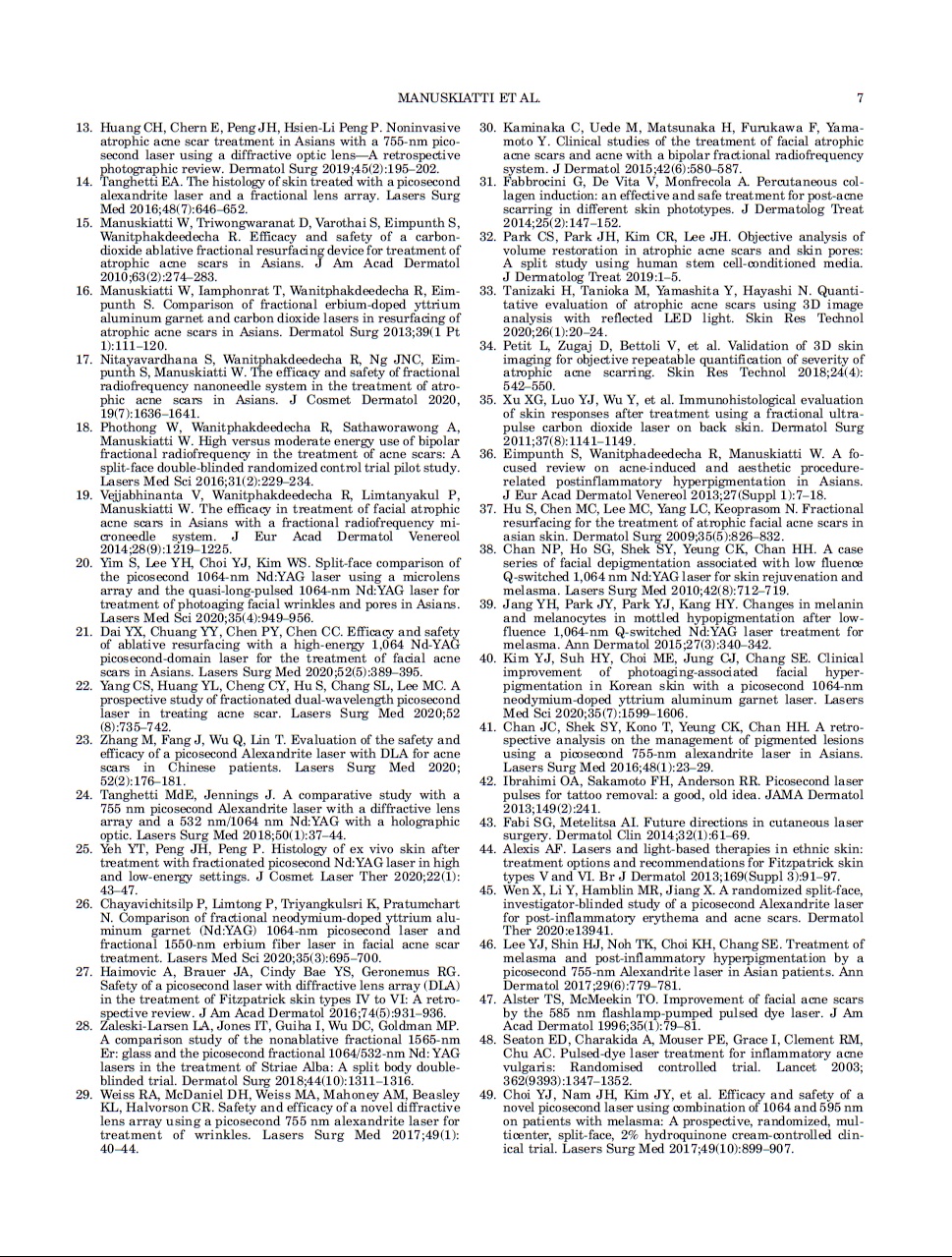
A clinical report on the topic “Objective and Long‐Term Evaluation of the Efficacy and Safety of a 1064‐nm Picosecond Laser With Fractionated Microlens Array for the Treatment of Atrophic Acne Scar in Asians” by Prof. Woraphong Manuskiatti, Dr. Preawphan Punyaratabandhu, Dr. Ploypailin Tantrapornpong, Dr. Chadakan Yan, and Dr. Kathryn Anne G. Cembrano, from Department of Dermatology, Faculty of Medicine Siriraj Hospital, Mahidol University, was selected by the Editor of Lasers in Surgery and Medicine as an Editor’ s Choice for the January 2021 issue! Congratulations!
Drug-resistant Infections: The Silent Pandemic We Must Tackle Now
By Dr. Manica Balasegaram, Dr. Joanne Liu and Professor Detlev Ganten
The unchecked growth of drug-resistant infections is a silent pandemic with long-term implications for global health security. As the world reels from the impact of COVID-19, it would be a tragedy not to apply the lessons we are learning to the fight against drug resistance.
Drug-resistant “superbug” infections kill an estimated 700,000 people each year, a number set to rise to 10 million per year by 2050 as drug resistance grows and weakens our ability to treat even common infections. A worrying number of infections are becoming harder – and sometimes impossible − to treat due to drug resistance. The consequences of not addressing the silent pandemic of drug-resistant infections now could result in a future where we are unable to treat common infections like pneumonia, urinary tract infections and infections in newborns. There is an opportunity now to avert this potential catastrophe through strong leadership, collaboration and investment in measures to counteract drug resistance.
COVID-19 has been our first experience of a pandemic in a generation that has been both devastating and far-reaching. It has highlighted that governments must be willing to make substantial and long-term investments in preparedness to tackle global health crises. With limited tools to prevent or treat COVID-19, the pandemic has disrupted health systems and global economies in ways the world has not seen before. Despite solutions being at hand, a similar situation could be on the cards for the evolving pandemic of drug-resistant infections unless urgent action is taken to address decades of disinvestment in late-stage antibiotic research and the lack of access to antibiotic treatments.
If COVID-19 has taught us one important lesson, it is that pandemic preparedness requires a global coordinated effort, and no country can do it alone. Strengthening our ability to fight drug-resistant infections requires a sustained, coordinated response, which must also ensure affordable access to solutions. Particularly critical to tackling drug-resistant infections is the One Health concept, recognising the importance of connecting the health of people to both the health of animals and our shared environment. Drug-resistant infections move silently within populations and between animals, humans and environments; they do not know boundaries, and neither should our responses.
Recognising the critical role antibiotics plays in modern medicine, including pandemic responses such as COVID-19, the German government recently announced additional funding for the Global Antibiotic Research and Development Partnership (GARDP), a not-for-profit developing new treatments for antibiotic-resistant infections, bringing its total investment in GARDP to 60 million Euros. Germany also hosted the World Health Summit in Berlin end October, a forum where leading academics, politicians, global health experts and private sector representatives came together to address pandemic preparedness, universal health coverage, health systems strengthening, and universal access to health.
We are also seeing some progress in collaborative initiatives to address drug resistance, such as plans to develop a new European biomedical research agency to protect against future cross-border threats. There are also signs the private sector is recognising the failure of business as usual in tackling this silent pandemic. This includes the establishment of the AMR Action Fund, a new initiative that aims to bring 2−4 new antibiotics to patients by 2030. However, these initiatives will not be enough without a drastic change in approach from governments and the private sector.
COVID-19 has reinforced the concept of a global community, where our health and well-being are inextricably linked regardless of where we live. Solutions will therefore only be successful if they are available to everyone around the world, including those in low- and middle-income countries, and if their reality, know-how and capacity are part of a comprehensive response. Ensuring universal R&D, equitable, and affordable access to solutions needs to be a cornerstone of pandemic preparedness and response.
Overseas development aid will be critical to support the much-needed solutions to prevent the devastating effects from drug-resistant infections in populations that are already vulnerable, mostly in countries with limited resources. This aid will also be an essential investment for the preparedness and response to this silent pandemic in donor countries.
The evolving pandemic of drug-resistant infections has the potential to cripple the world in the same way that COVID-19 has done this year. However, unlike with COVID-19, we know what it will take to combat drug resistance and that meaningful change can be achieved with sufficient political will and resources. There is an opportunity now to significantly step up our response to drug-resistant infections and prepare ourselves to handle the unpredictable and silent nature of the pandemic, where the true extent of damage done remains somewhat invisible.
The fight against drug-resistant infections will rely on governments seizing this opportunity to develop a more robust, coordinated and equitable approach to pandemic preparedness and global health security. Our success in fighting this pandemic will depend on the motivation now to secure investment and ensure access to solutions like better surveillance of resistant infections, tests to identify resistance and treatments like novel antibiotics.
Dr. Manica Balasegaram is the Executive Director of GARDP. Dr. Joanne Liu is Pediatric Emergency Physician at the University of Montreal, and former International President of Médecins Sans Frontières. Professor Detlev Ganten is the Founding President of the World Health Summit and Chairman of the Board of the Charité Foundation.
The Global Antibiotic Research and Development Partnership (GARDP) is a not-for-profit organization developing new treatments for drug-resistant infections that pose the greatest threat to health. GARDP created by the World Health Organization (WHO) and Drugs for Neglected Diseases initiative (DNDi).
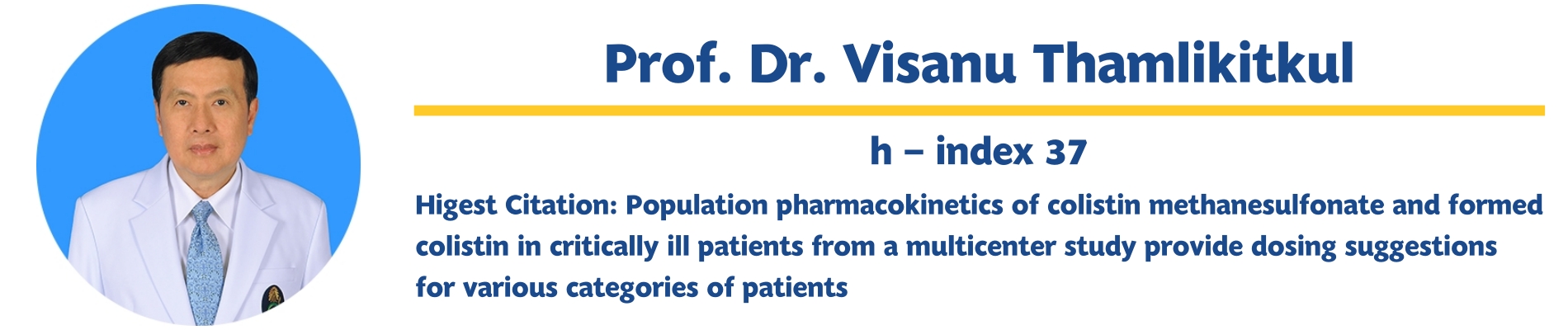
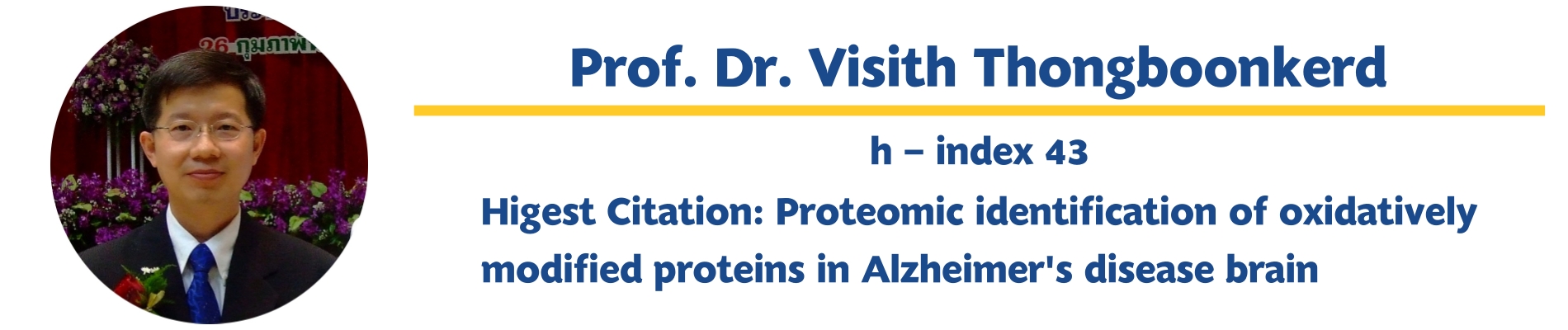
Congratulations to the 4 scientists from Siriraj Hospital who were ranked by The World’s Top 2% Scientist by Stanford University !!
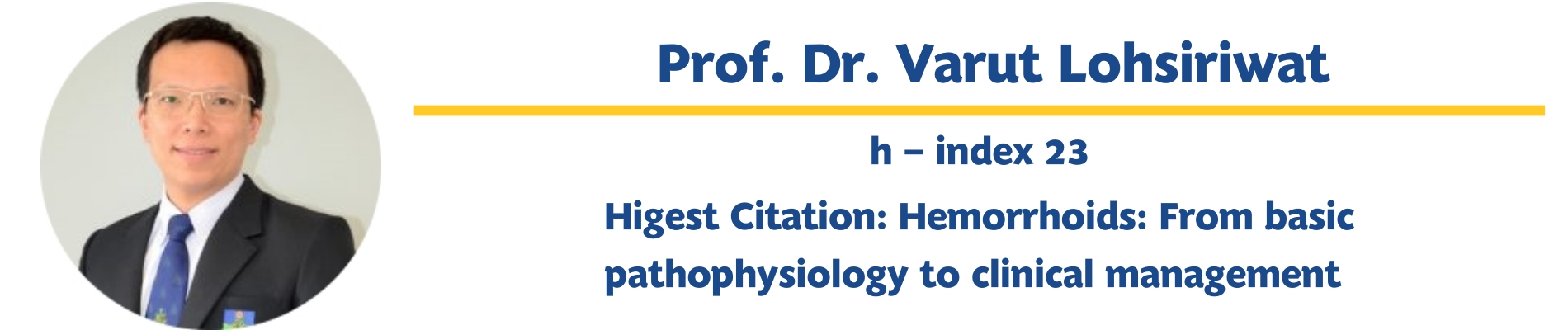
The 4 Siriraj scientists, namely, Prof. Dr. Varut Lohsiriwat (92 publications & 1,600 citations) from the Department of Surgery, Prof. Niphon Poungvarin (113 publications & 1,653 citations) from the Department of Medicine, Prof. Dr. Visith Thongboonkerd (237 publications & 8,462 citations), and Prof. Dr. Visanu Thamlikitkul (227 publications & 5,378 citations) from Office of Research and Development, Faculty of Medicine Siriraj Hospital were listed on the World’s Top 2% Scientists by Stanford University.
The names of scientists contain over 150,000 names from around the world whose publications are most often cited by other authors. The ranking announced 29 scientists from various faculties in Mahidol University including Siriraj. The ranking reflected the strategy of Siriraj which aims to become excellent in the field of research in order to provide better healthcare services with new knowledge, technology, and innovation in the near future!

#irsiriraj #siirnews #worldstopscientistsbystanforduniversity
The Nature Index is a database of author affiliations and institutional relationships. The index tracks contributions to research articles published in 82 high-quality natural science journals, chosen by an independent group of researchers.
The Nature Index provides absolute and fractional counts of article publication at the institutional and national level and, as such, is an indicator of global high-quality research output and collaboration. Data in the Nature Index are updated regularly, with the most recent 12 months made available under a Creative Commons licence. The database is compiled by Nature Research.
Nature Index metrics
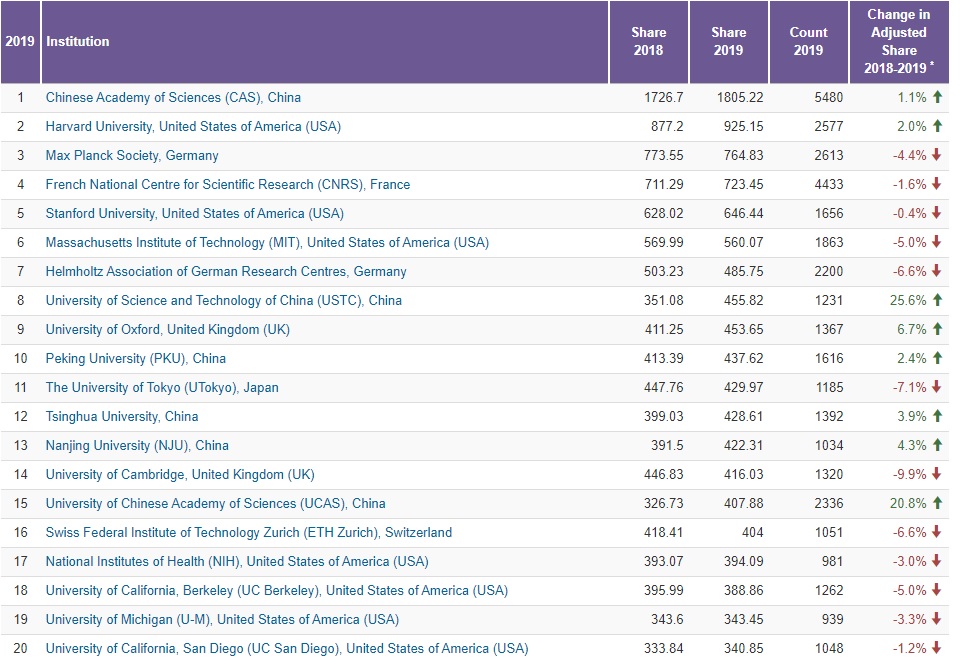
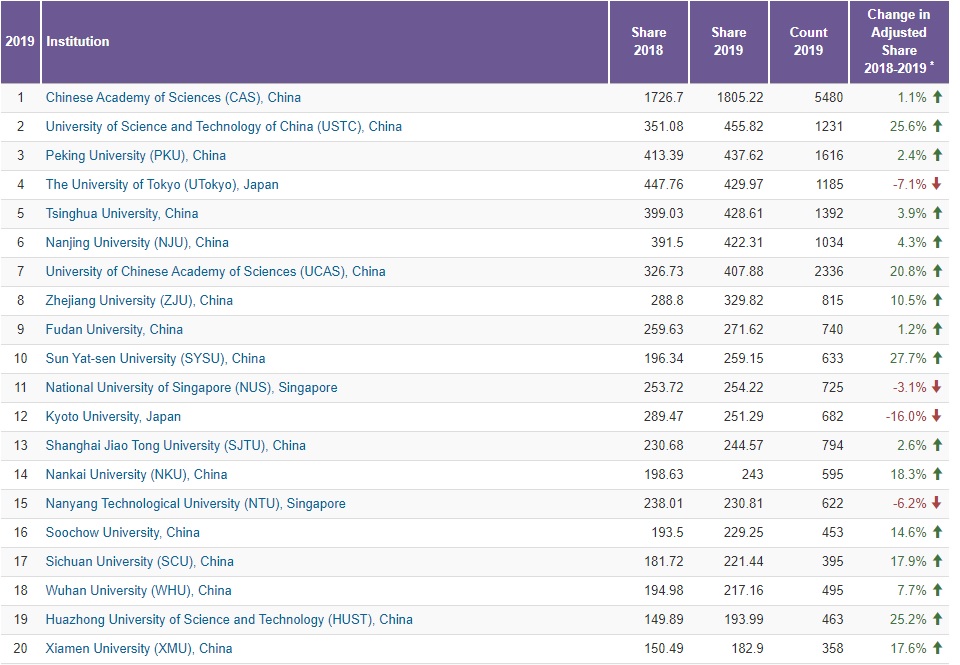
The Nature Index uses article count (called Count) and fractional count (called Share) to track research output. A country/region or an institution is given a Count of 1 for each article that has at least one author from that country/region or institution. This is the case regardless of the number of authors an article has, and it means that the same article can contribute to the Count of multiple countries/regions or institutions.
To glean a country’s, a region’s or an institution’s contribution to an article, and to ensure they are not counted more than once, the Nature Index uses a fractional count, referred to as Share, which takes into account the share of authorship on each article. The total Share available per article is 1, which is distributed among all authors under the assumption that each contributed equally. For instance, an article with 10 authors means that each author receives a Share of 0.1. For authors who are affiliated with more than one institution, the author’s Share is then split equally between each institution. The total Share for an institution is calculated by summing the Share for individual affiliated authors. The process is similar for countries/regions, although complicated by the fact that some institutions have overseas labs that will be counted towards host country/region totals.
These institutions achieved the highest overall research output in the Nature Index from August 2019 – September 2020.
2020 tables: Global Institutions – All Sciences
2020 tables: Asia Pacific Institutions – All Sciences
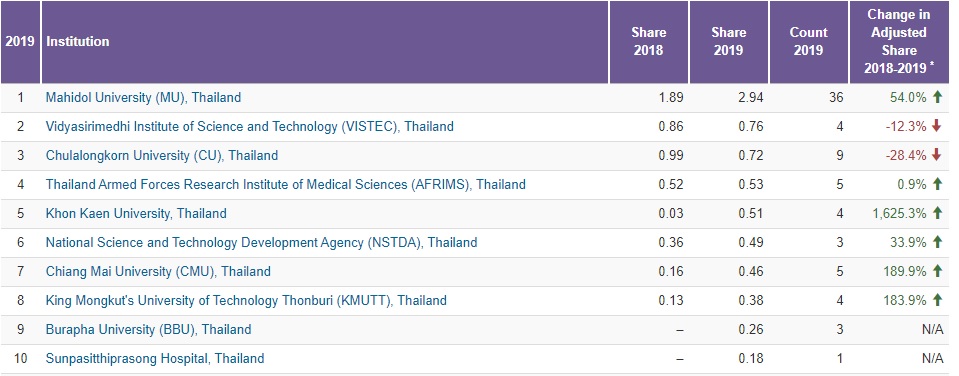
For the Nature Index Rankings of Thailand’s Institutions in “Life Sciences”. These institutions achieved the highest overall research output in the Nature Index from August 2019 – September 2020, Mahidol University was ranked No.1 in Thailand!
2020 tables: Institutions – Life Sciences
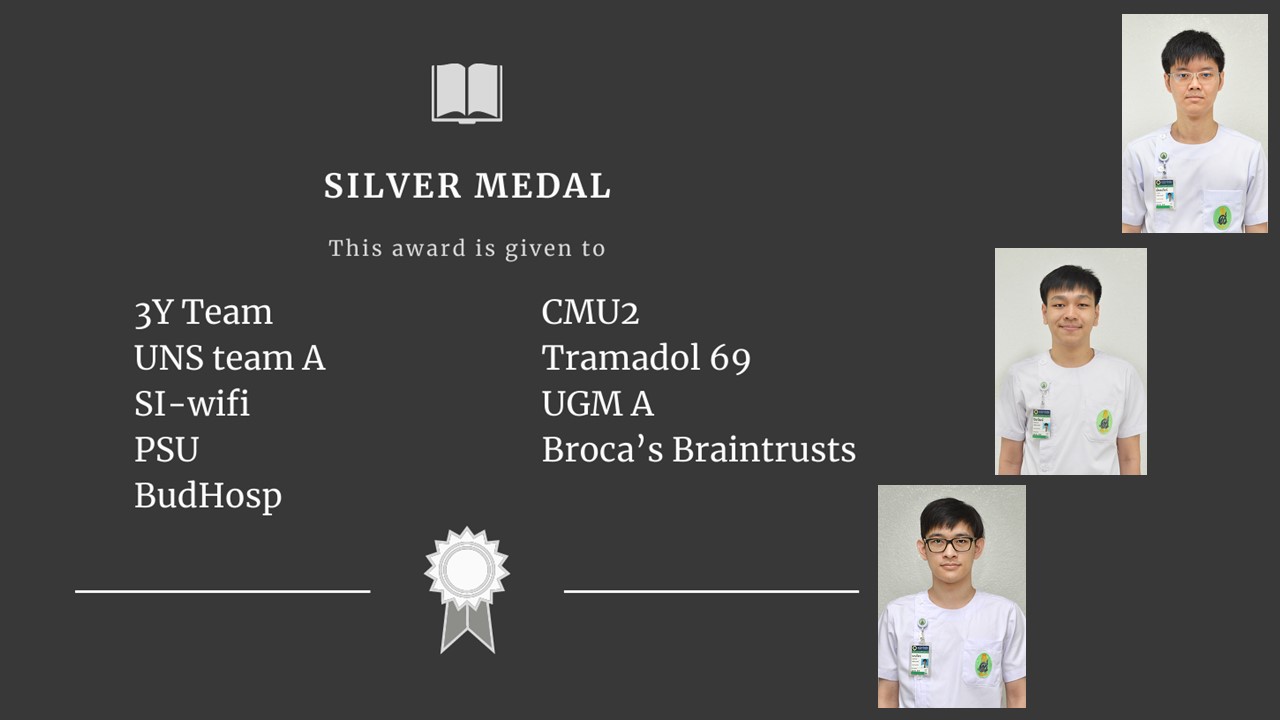
Congratulations to six of Siriraj’s medical students: Mr. Theerajate Phongsuphan, Mr. Supawat Tirawanitkul, and Mr. Pavarist Rai, aka Team PepoInwZa, the winner (gold medal and 1st prize) of “Khon Kaen University’s International Challenge of Emergency Medicine and Related Basic Science 2020”, and another team who won the silver medal: Mr. Aukapatra Jaruchaiyong, Mr. Norapat Limsirorat, and Mr. Piyawat Jaikitsuwan, aka Team Si-WIFI. May this reward be an acknowledgment of their clinical knowledge on emergency medicine, great teamwork, cooperation, and communication skills.
Congratulations!

The Siriraj Skin Laser Center, Department of Dermatology, Faculty of Medicine Siriraj Hospital, Mahidol University is now accepting applicants for Fellowship in Laser and Dermatologic Surgery, 2021.
Course competencies:
– Mentorship by our trained and esteemed staff
– Clinical rotations in the fully equipped Siriraj Skin Laser center, Hair transplantation center, and Mohs’ micrographic surgery suites
– Continuing and progressive year-round learning through cadaver workshops and hands-on workshops for lasers, energy-based devices, and injectables.
– Research collaborations and pursuits with and under the supervision of world-renowned researchers of the field.
Interested applicants may contact kanok.kul@outlook.com or call 662-419-9922 for application forms, application details, and other inquiries.
#dermatologyfellowship #fellowshipprogram #sirirajdermatology