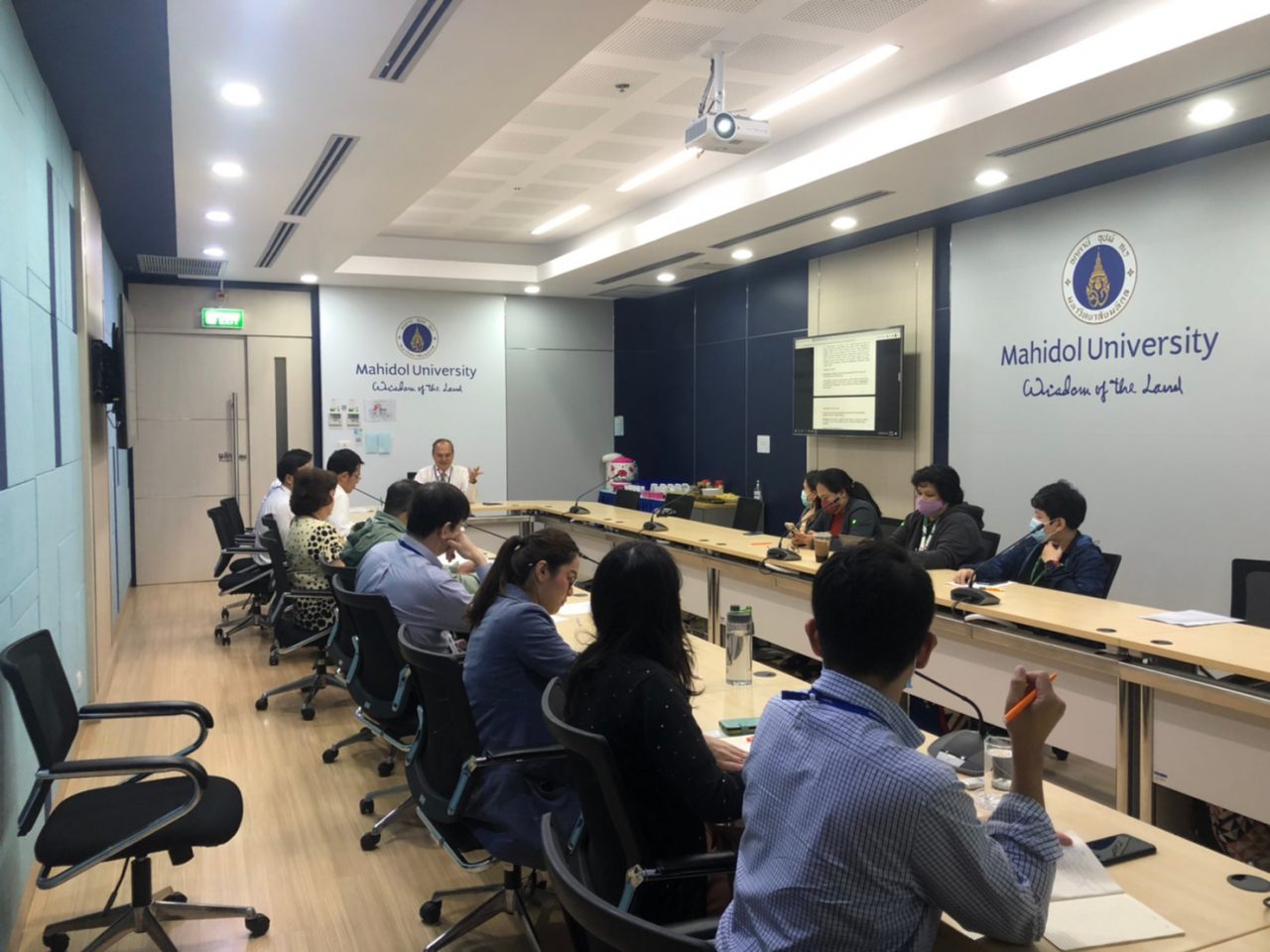
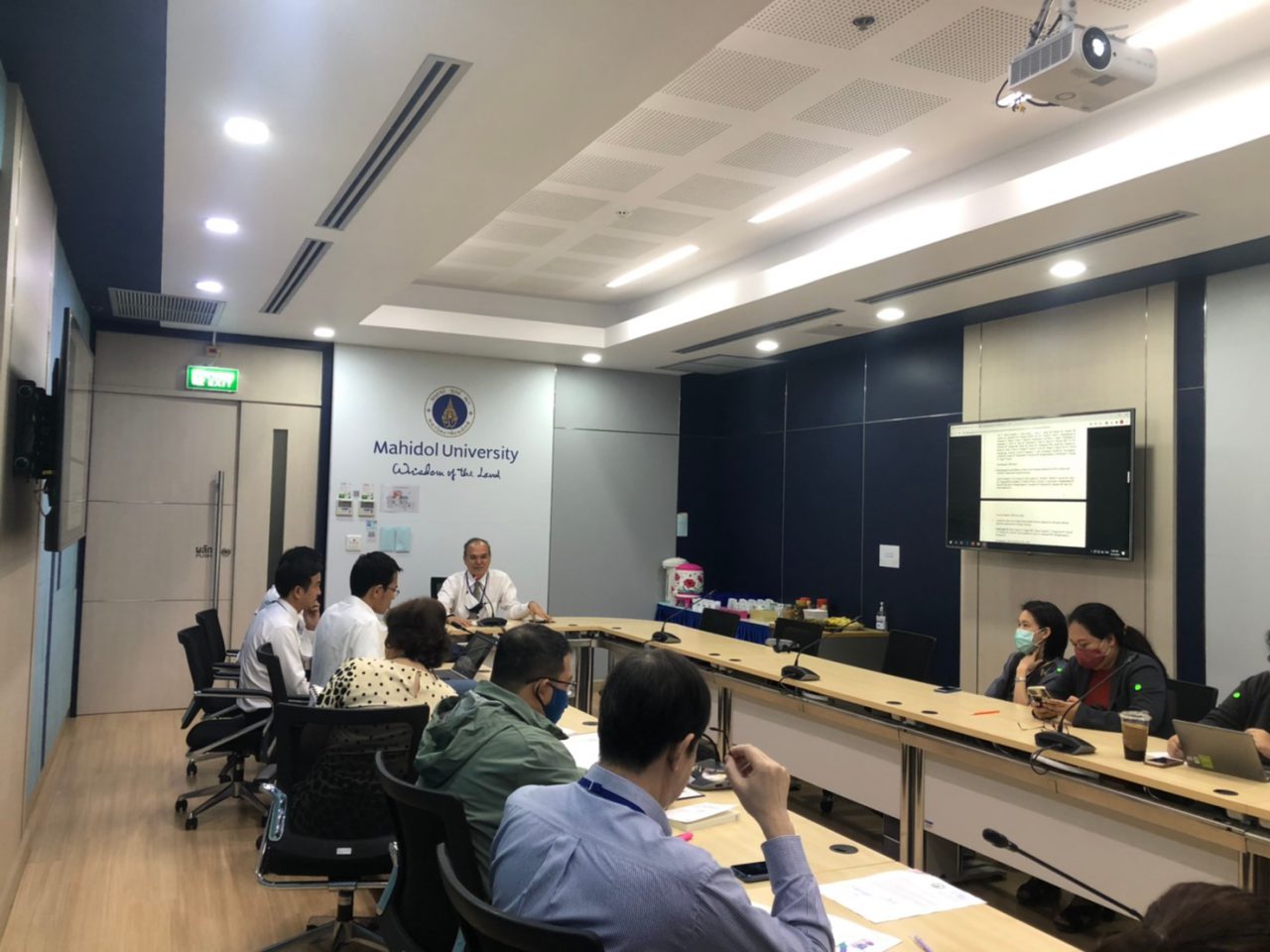
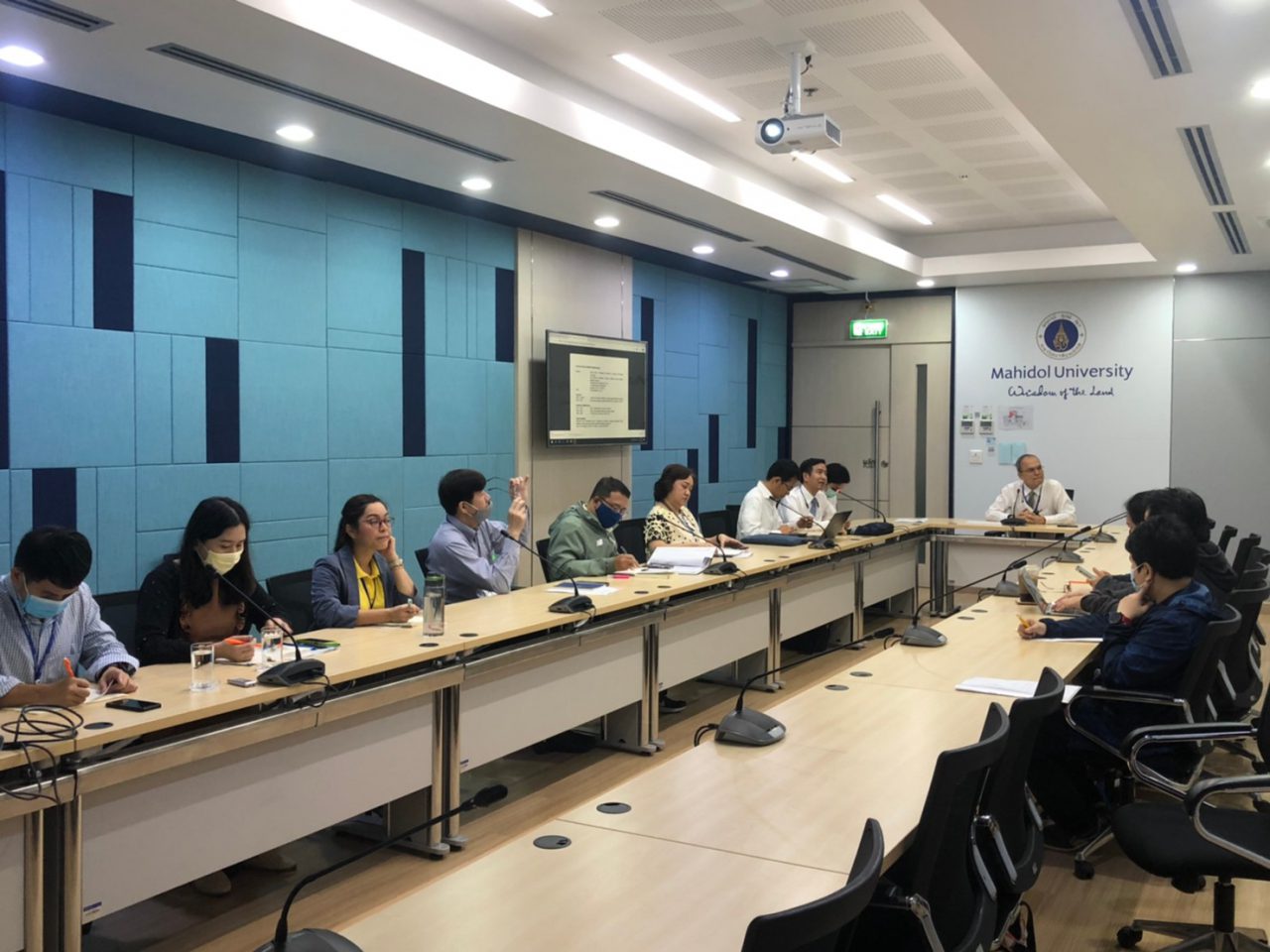
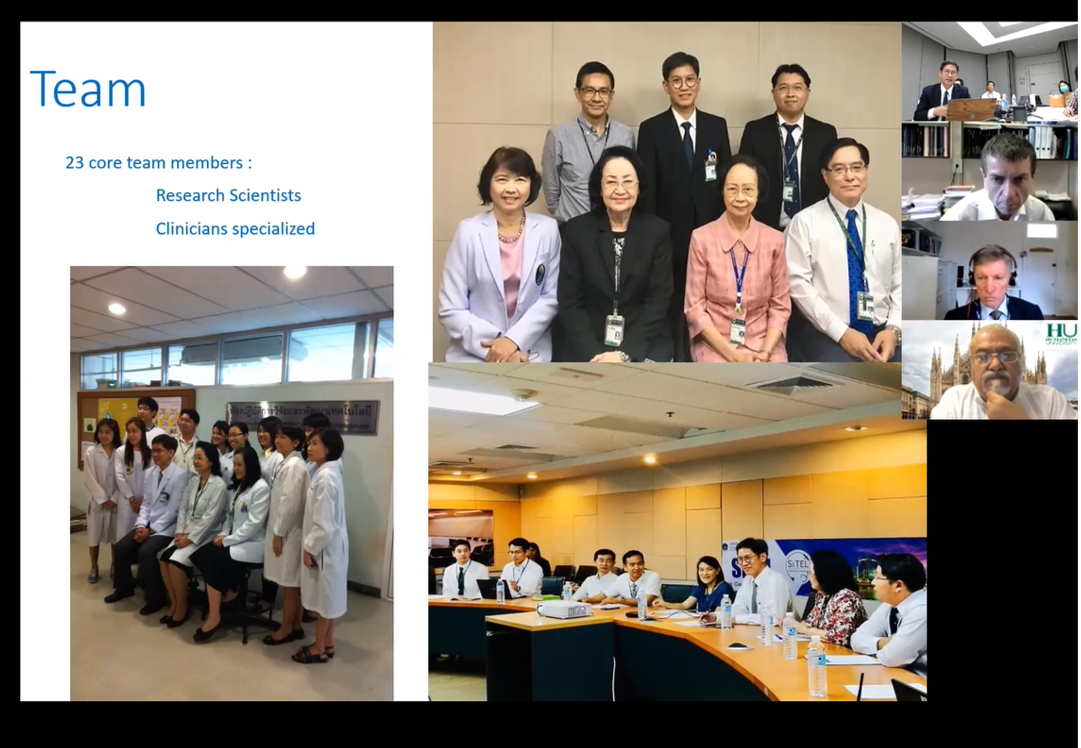
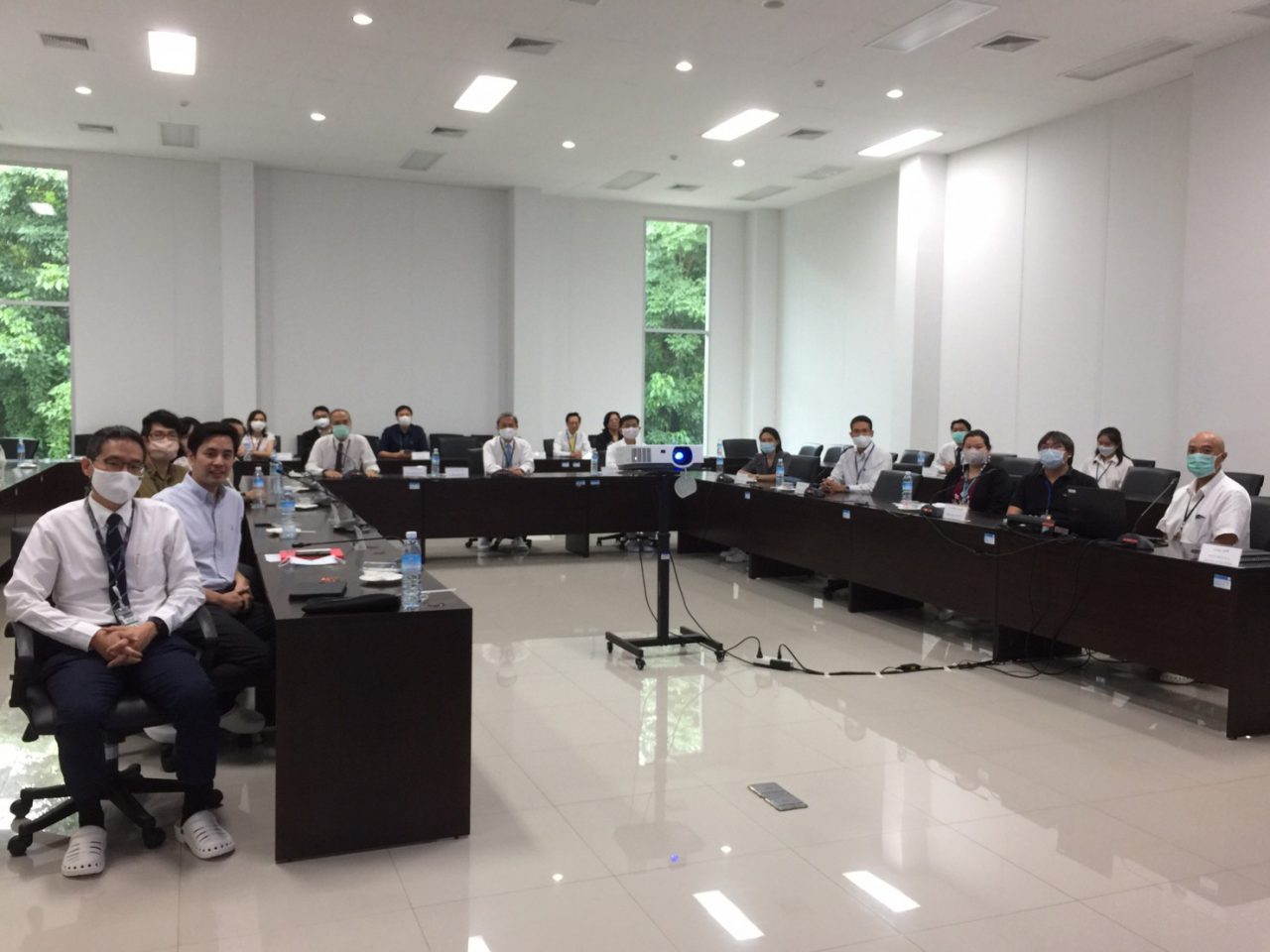
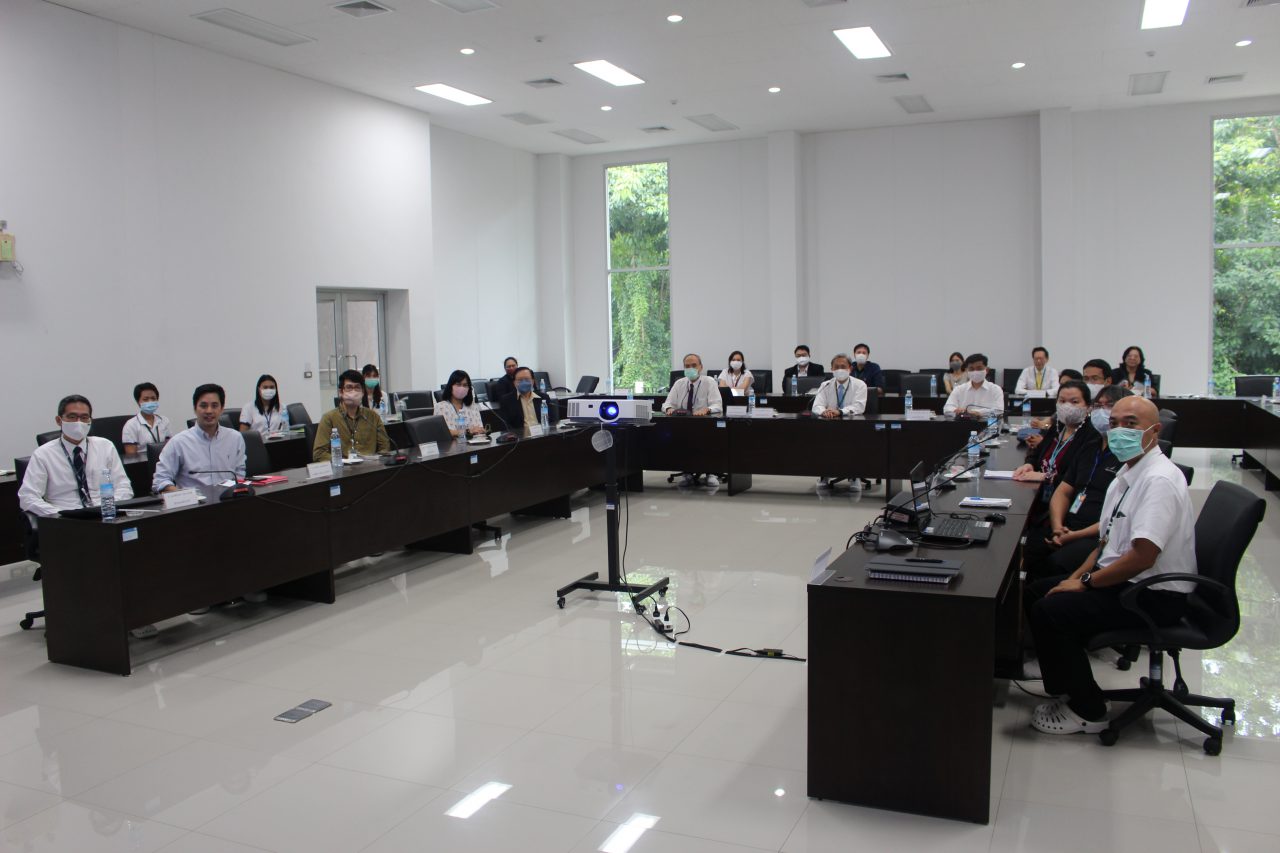
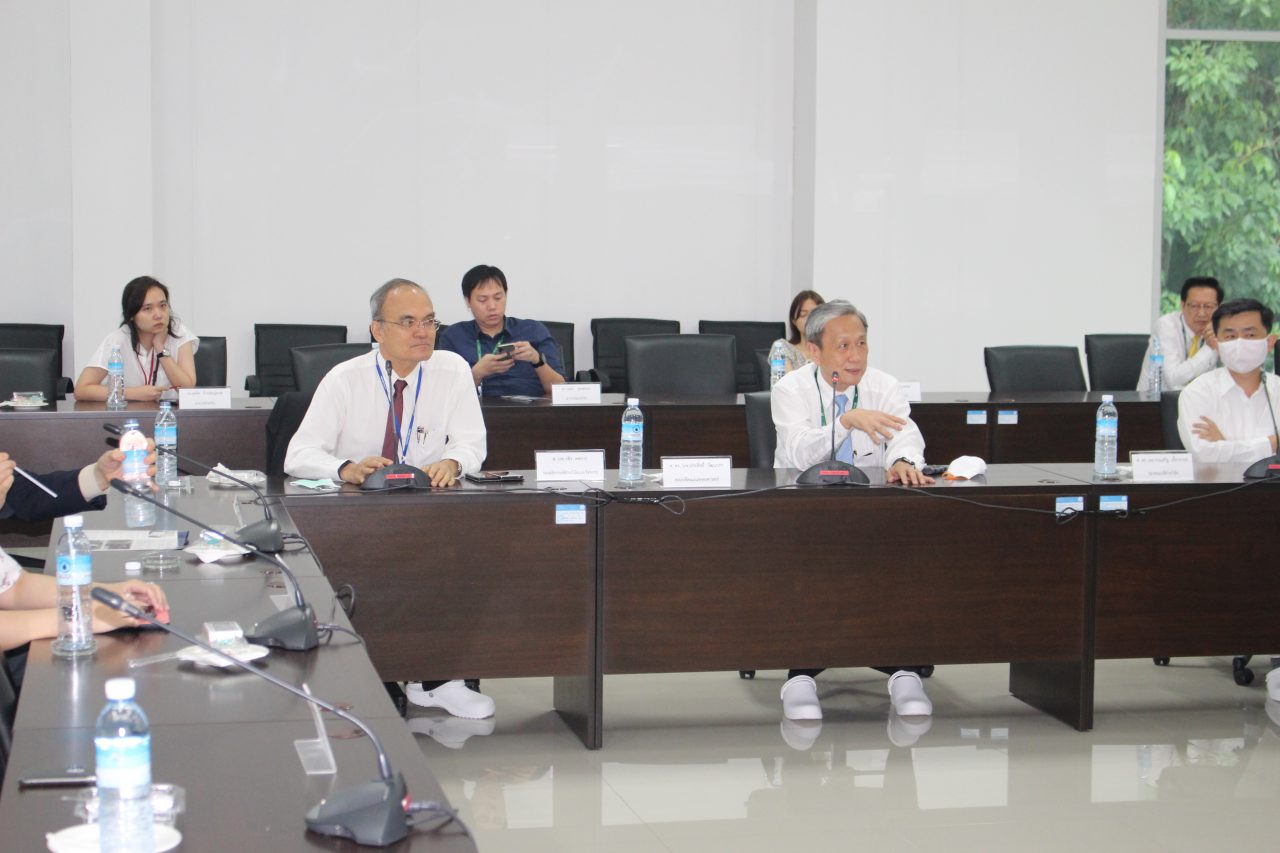
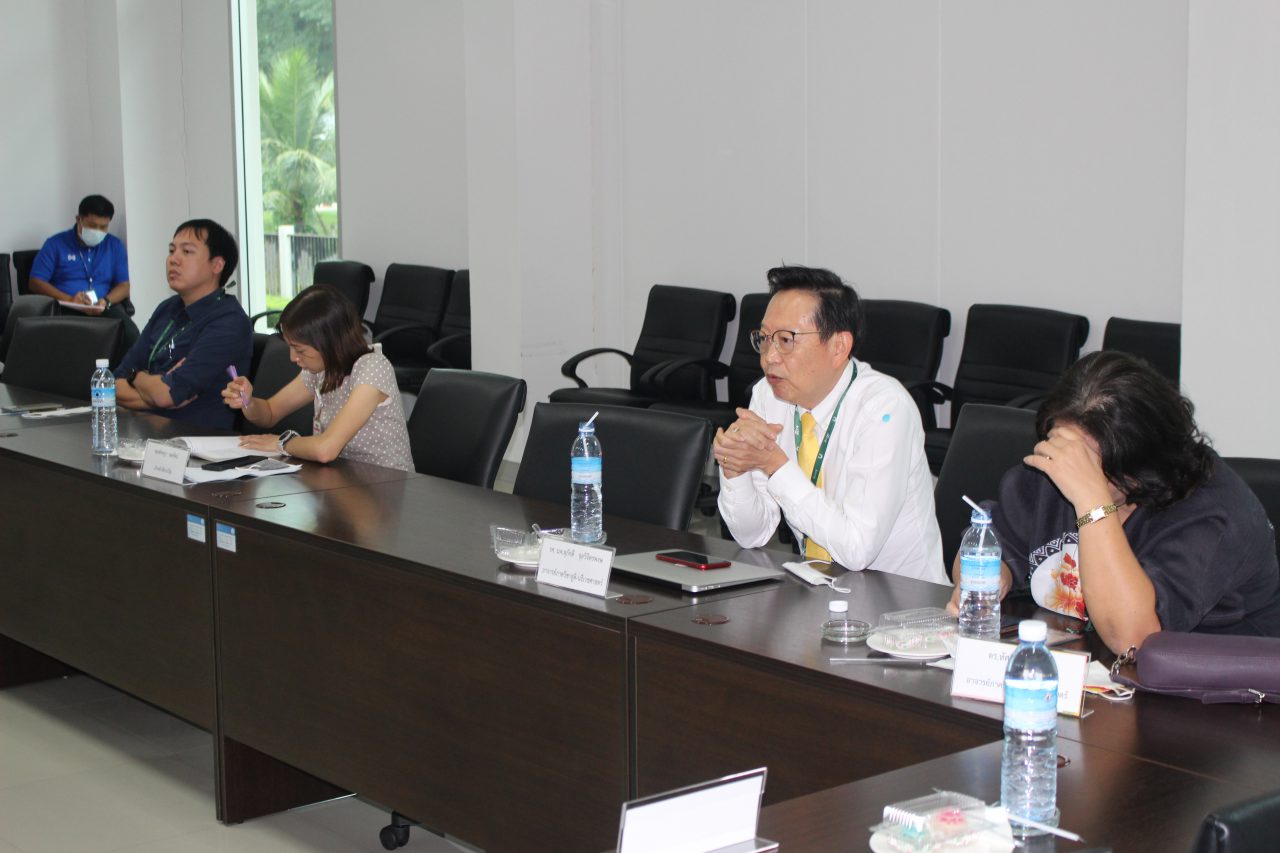
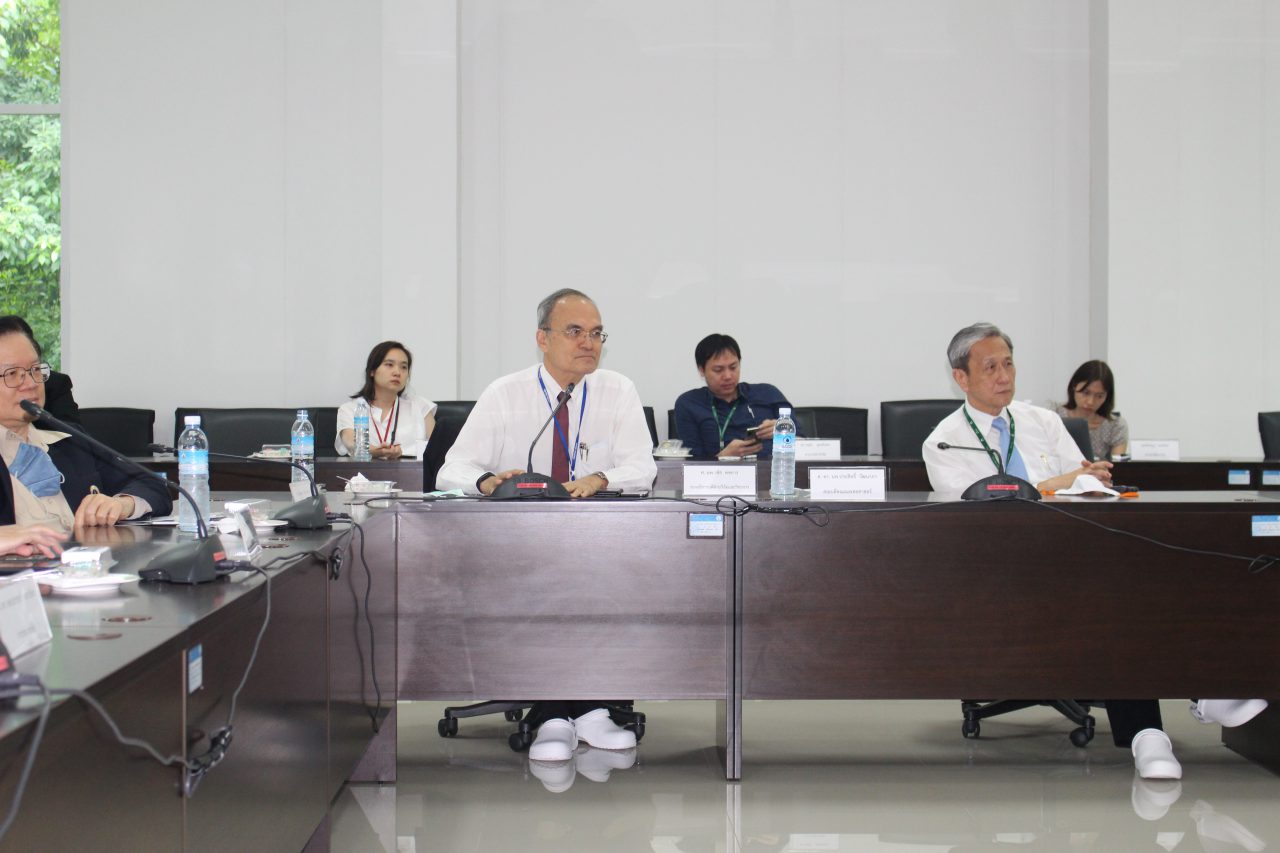
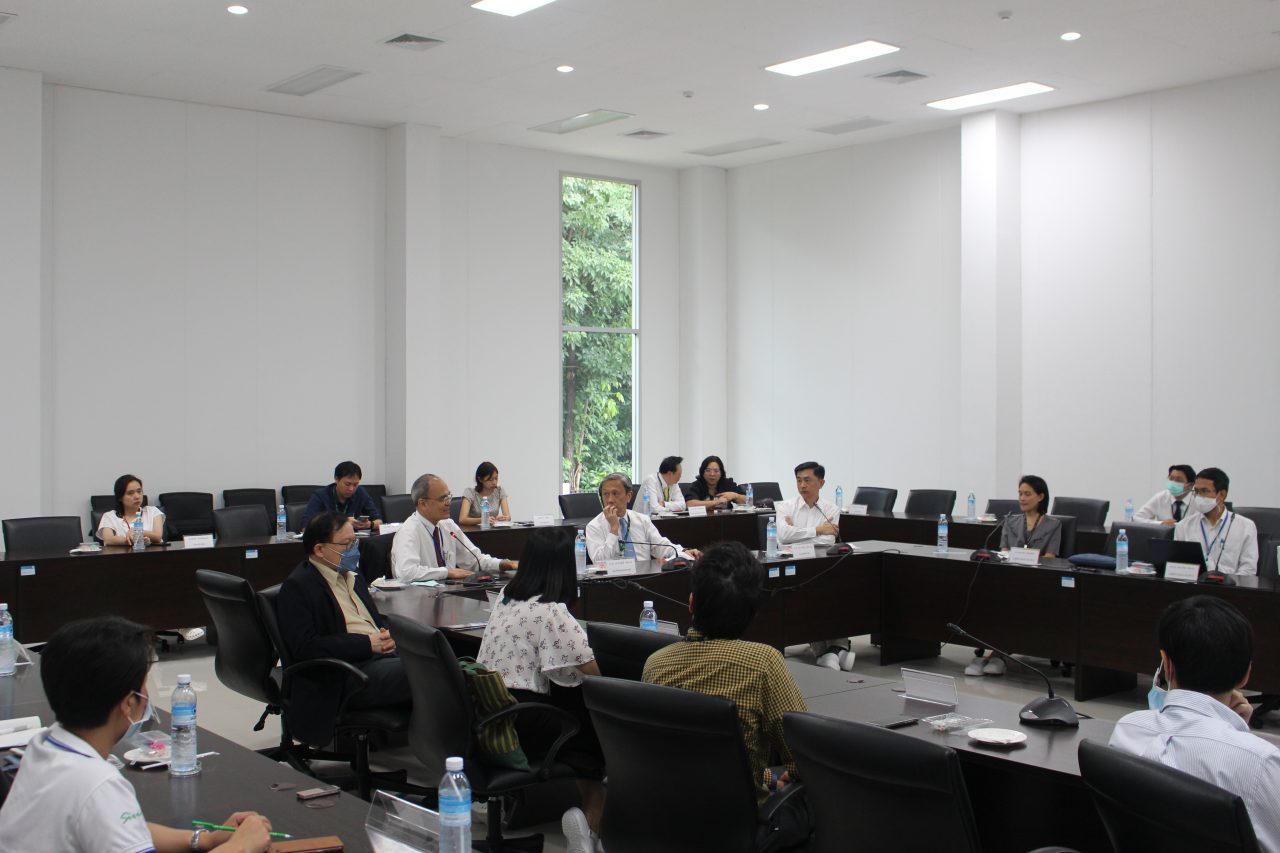
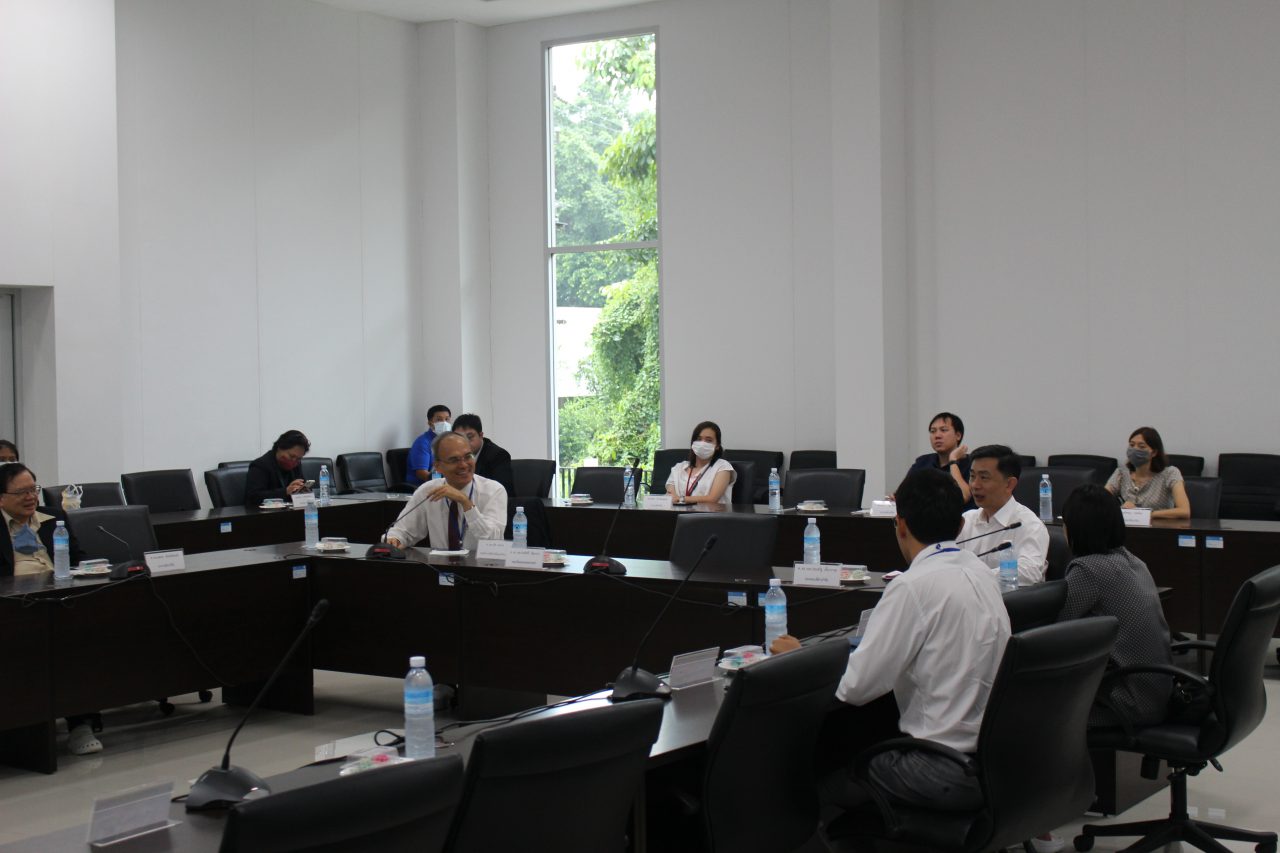
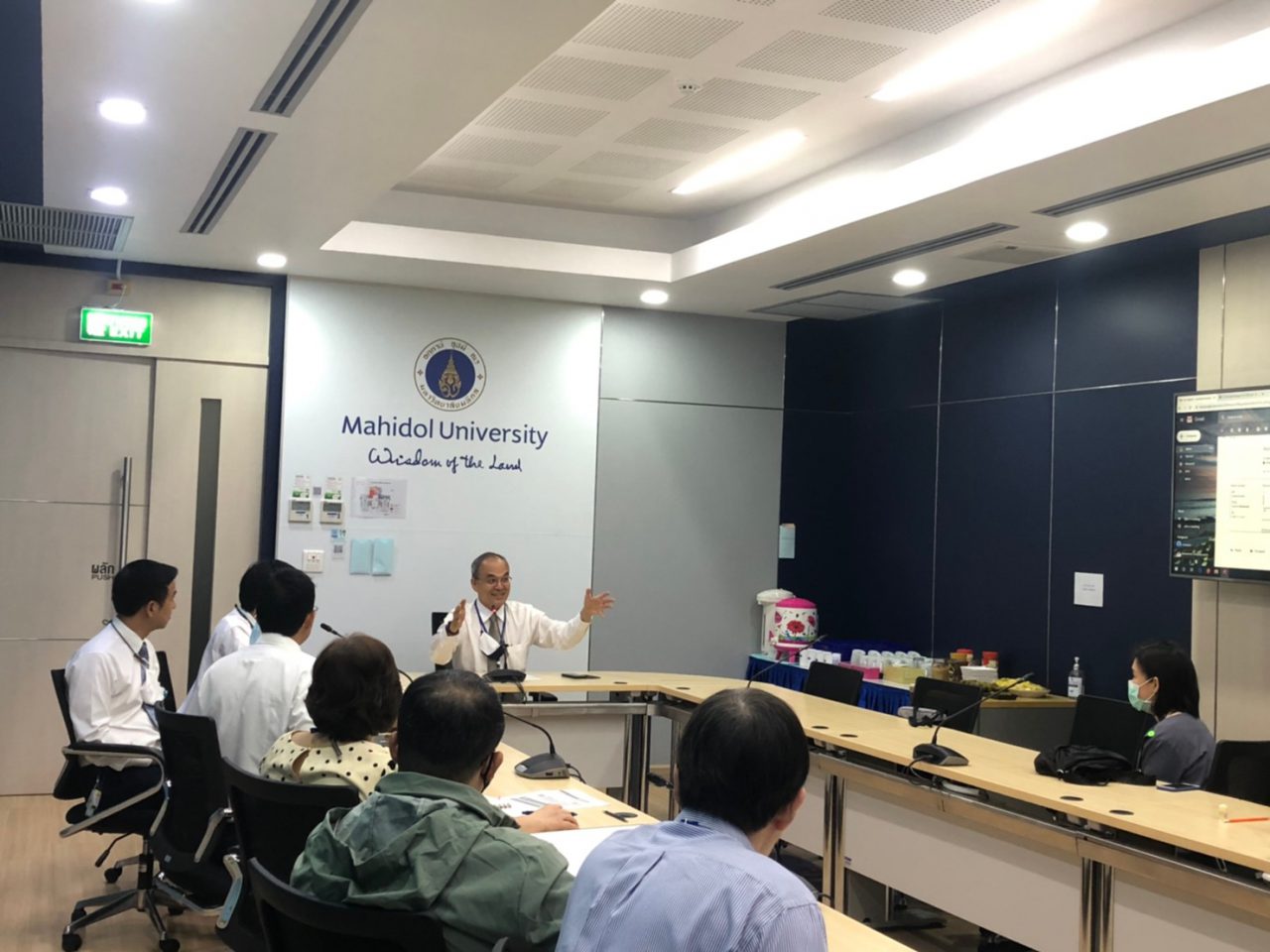
On October 19th, 2020, Siriraj Center of Research Excellence Management (SiCORE-M) team led by Assoc. Prof.Sith Sathornsumetee, Manager and team, Mrs.Sarinya Ngamtipvatana Head of from Research Department along with 2 representatives from the Human Resources Department visited the Research Administration Division and Human Resource Division, Mahidol University.
On this occasion, all the attendees were honored by Prof. Dr.Vachira Kochakarn, Vice President for Research and Academic Affairs to welcome and provide information during the meeting about the supporting guideline for research personnel from the Mahidol university. As always, it was an honor and a pleasure to learn from Research Administration Division and Human Resource Division. Lastly, we would like to express our profound gratitude to them for having offered us this great opportunity for discussion as well as the warm welcome and useful advice given to us.

United Nations Public Service Awards 2021

Submission Rules and Guidelines

The United Nations Public Service Awards (UNPSA) recognizes excellence in public service at the local, regional, and national levels. It was launched in 2003 to promote and support innovations in public service delivery with the adoption of the 2030 Agenda for Sustainable Development and its Sustainable Development Goals (SDGs), the UNPSA is focused on promoting and recognizing transformative action that promotes creativity and innovation in public service delivery and the work of public sector institutions to enhance effectiveness, transparency, and inclusiveness to leave no one behind.

The UNPSA is managed by the United Nations Department of Economic and Social Affairs (UNDESA), through its Division for Public Institutions and Digital Government (DPIDG), in collaboration with the United Nations Entity for Gender Equality and the Empowerment of Women (UN-Women).

PURPOSE

The purpose of the UNPSA is to promote and reward innovation and excellence in public services in support of the realization of the SDGs and the principle of leaving no one behind, which is at the core of the 2030 Agenda. It takes into account the various development levels of countries while reflecting the universal nature of the SDGs.

Through a global competition that promotes the role, professionalism, and visibility of public service, the UNPSA aims to:
✔ Highlight innovations in governance
✔ Reward excellence in the public sector
✔ Motivate public servants to further promote innovation
✔ Enhance professionalism in the public service
✔ Raise the image of public service
✔ Collect and disseminate successful practices for possible replication

ELIGIBILITY

✔ The Award is open to all public-sector institutions at the national, sub-national and local levels from all UN member states. In the case of partnerships (including civil society, private sector, academia, etc.), the nominee must be a public-sector institution.

✔ Both self-nomination and nomination by third parties are accepted. Applications should be made by an organization.

✔ The initiative must be innovative and relevant to one of the UN Public Service Awards categories 3

✔ The initiative must have been implemented for a minimum of two years, with demonstrated and documented impact.

✔ The application must be duly filled out.

✔ The submission must include all the required supporting documents.

✔ The initiative must not have already received a UNPS Award.

✔ To avoid conflict of interest, the initiative must not be implemented by the United Nations System.

CATEGORIES

The objective of the UNPSA is to recognize efforts that advance effective, efficient, transparent, accountable, innovative, and citizen-centered public governance, administration, and services for sustainable development, in line with SDG 16.

Effective, accountable, and transparent institutions are essential to achieving all the 17 Goals and to ensuring efficient and quality public service delivery. They play a critical role in efforts to enhance access to services such as quality education (SDG 4), healthcare (SDG 3), water and sanitation (SDG 6), affordable and clean energy (SDG 7), as well as efforts to leave no one behind, as through enhancing opportunities for decent work (SDG 8), achieving gender equality and empowering girls and women (SDG 5 ), tackling inequality (SDG 10), and promoting partnerships (SDG 17).

While targeted efforts to meet individual Goals are needed, the highly integrated nature of all the Goals calls for institutional frameworks and mechanisms that work to foster collaboration and harmonization between government agencies, policies, and with other stakeholders to achieve the SDGs. At the same time, new and burgeoning forms of innovation, such as, but not limited to, ICTs, can be leveraged by public sector institutions to provide engaging and efficient ways to reach citizens and meet development objectives across all areas.

With this in mind, four categories (below) have been selected for the 2021 UNPSA. Submissions under each category should be aligned with the 2030 Agenda, demonstrating their relevance to the SDGs and should be innovative, demonstrating positive impact, sustainability, adaptability, and stakeholder engagement (see ‘Evaluation Criteria’ for more details).

Category 1: Fostering innovation to deliver inclusive and equitable services for all including through digital transformation

The category on fostering innovation to deliver inclusive and equitable services for all promotes innovative ways to increase access to quality and affordable public services, especially to those living in poverty and the most vulnerable. Delivering inclusive and equitable services requires many public sector institutions to both reform and transform their service delivery mechanisms so as to enhance effectiveness and efficiency in public service delivery. This can be through the use of a digital-by-design approach and/or the promotion of digital transformation which adopts innovative approaches and applications of existing and frontier technologies aimed at enhancing public service delivery and public administration while also taking into consideration affordable access to digital networks. A focus on user needs in public service design and delivery rather than on technology solutions and on inclusion, equity, integration, and diversity sit at the heart of delivering people-centric services.

Category 2: Enhancing the effectiveness of public institutions to reach the SDGs

The category on enhancing the effectiveness of institutions to reach the SDGs promotes institutional frameworks that enhance transparency and accountability as well as facilitate harmonization and collaboration in government policies. This category aims to recognize efforts to enhance the effectiveness of institutions in pursuit of the SDGs, underscoring the linkages among many of the SDGs via integrated policies and development plans. The category also focuses on enhancing transparency and accountability of public institutions, including through efforts to enhance open government data approaches, participatory decision making, and engagement. Efforts to enhance the effectiveness of institutions to reach the SDGs may also be harnessed through digital transformation which adopts strategic approaches and applications of existing and frontier technologies aimed at enhancing public administration, including through promoting interoperability among institutions and enabling government platforms’ use as communication and consultation tools.

Category 3: Promoting gender-responsive public services to achieve the SDGs

The category on promoting gender-responsive public services to achieve the SDGs promotes innovative public policies and services that address the specific needs of women and girls. Gender-responsive public services play a critical role in reducing poverty and inequality and advancing the rights of women and girls. These services require enabling policy and legislative frameworks, institutional structures, and administrative capacities for their full implementation. They also require leveraging digital and new technologies to ensure innovation, effectiveness, and accessibility, as well as building digital literacy and skills. Initiatives should address gender equality and the empowerment of women and girls at all stages of planning, budgeting, implementation, and monitoring and evaluation.

Category 4: Institutional preparedness and response in times of crisis

This category aims to recognize efforts to ensure rapid and effective institutional responses and the continuation and enhancement of public service delivery in times of crisis. Strengthening resilience by ensuring that people, societies, and institutions have the resources, capacities, and knowledge to limit, anticipate, absorb, and adapt to shocks, underpins all the SDGs. Governments are responsible for pursuing policies to build resilience and assist those most affected. Crisis preparedness is central to ensuring that governments can act quickly and effectively during crisis, such as those brought on by natural disasters, climate change, health pandemics, conflict, economic shocks and more. Ensuring the continuation of public services and the ramping up of service delivery to the most vulnerable in an effective and efficient manner is critical. Preparedness requires strategic planning and forecasting, effective use of new and existing technologies, including through the development and use of artificial intelligence, open data, big data, analytics, blockchains, machine learning, cloud computing and the Internet of Things, and the allocation of appropriate budget and resources. Initiatives should address how institutions have responded to crisis through the provision, enhancement and adaptation of services.

HOW TO APPLY

Who can nominate? Public sector institutions, schools of public administration, UN agencies (only for initiatives which they have not supported), universities, non-governmental organizations and private sector entities.

Who can be nominated? All public institutions at the national, sub-national, and local level from all UN member states are eligible to apply. In the case of public-private partnerships, the lead nominee must be a public-sector institution.

What is the application process? Application can only be submitted through the Online Application Form at the UNDESA/DPIDG website https://publicadministration.un.org/unpsa/en/

For technical assistance, please contact the UNPSA team by email UNPSA@un.org

The deadline for submitting an application is November 18th, 2020.

The Online Application Form must be fully completed. All fields must contain the requested information. In the event that any field is left blank, or if the answer does not directly correspond to the question asked, the initiative will not be evaluated.

The applications can be made only in one of the six UN official languages (Arabic, Chinese, English, French, Russian, and Spanish). However, it would be preferable, if possible, that applications be submitted in one of the working languages of the United Nations Secretariat, which are English and French. Application and/or supporting documents in a language other than one of the six UN official languages will not be accepted.

What supporting documents are needed?

1. Evaluation Report: An internal or external evaluation/audit report or similar documentation of the initiative is required.

The evaluation report must include:
✔ Executive Summary: Brief summary of the report
✔ Scope: What the evaluation aims to measure
✔ Methods: How the evaluation is conducted by explaining methodology used
✔ Findings and recommendation: Main findings of the evaluation and recommendations

2. (Optional) Up to five additional supplementary materials can be provided to demonstrate and highlight the initiative’s impact and outcome. This could be in the form of case studies, programme or policy briefs, project documents, newspaper articles or publications, outreach materials, videos, selection for other awards, etc.

If more than five supplementary materials are provided, evaluators will choose five at random to review. Therefore, it is within the nominees’ interest to limit material to five. Supplementary materials must be in one of the six UN official languages (by way of translation, subtitles, etc.) to be considered.

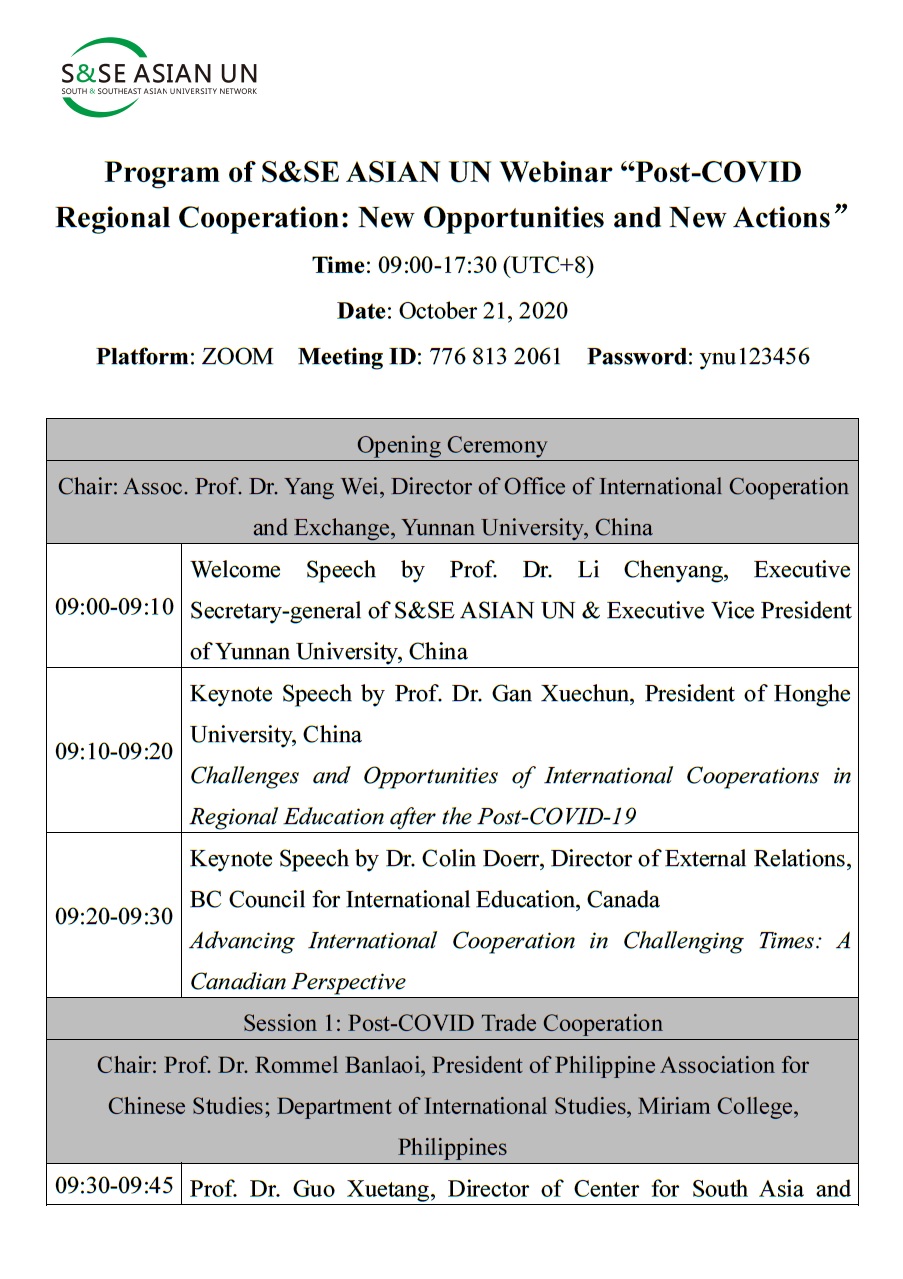
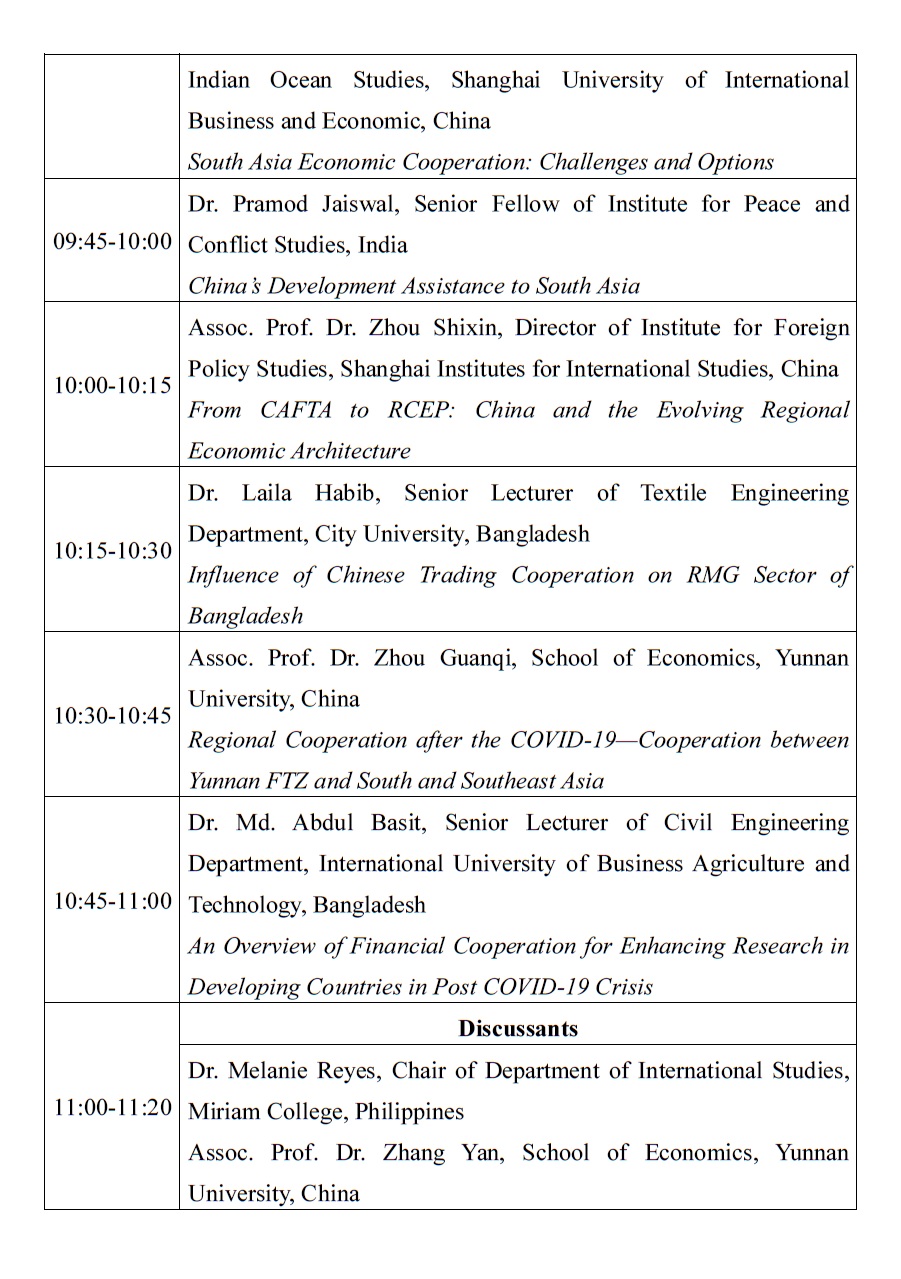
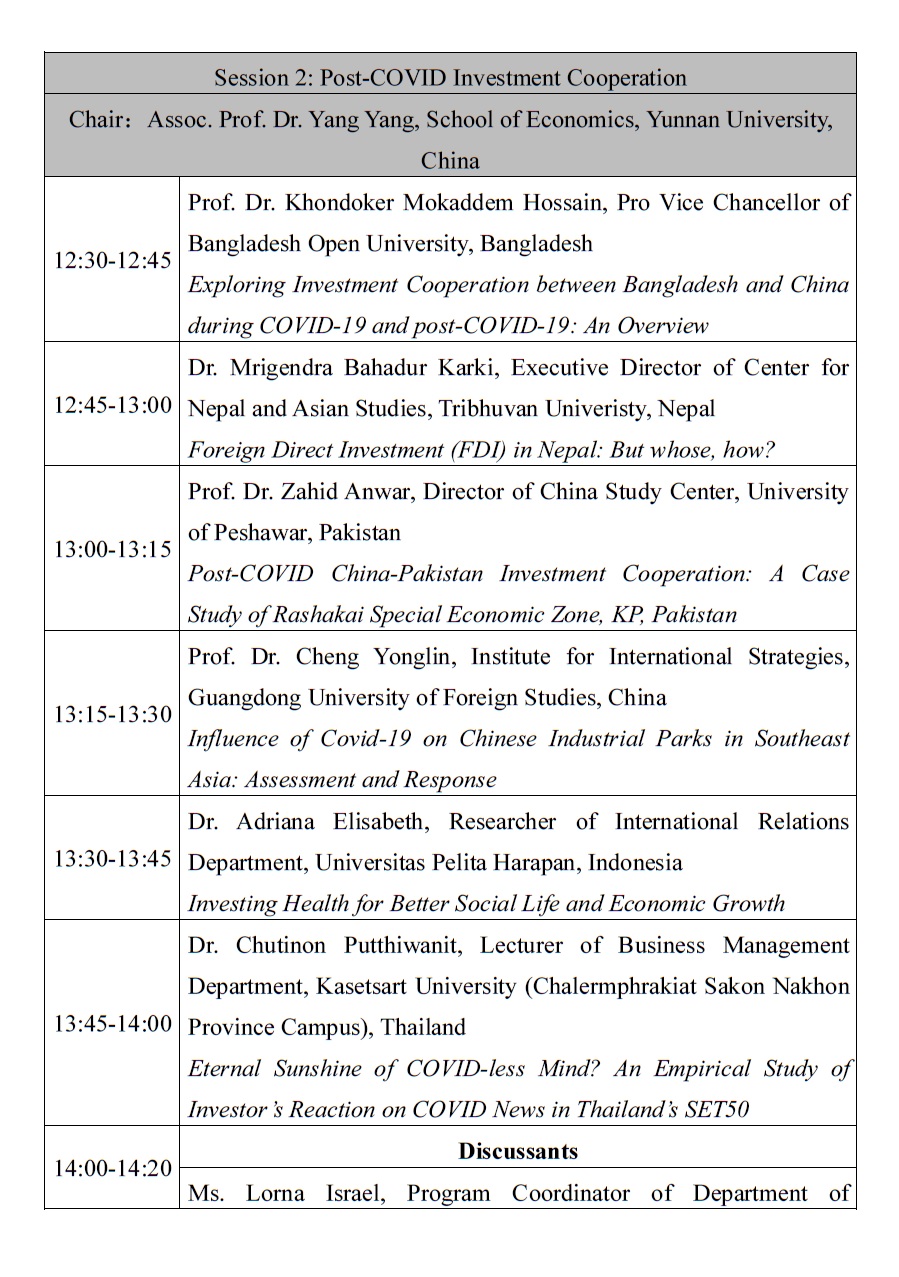
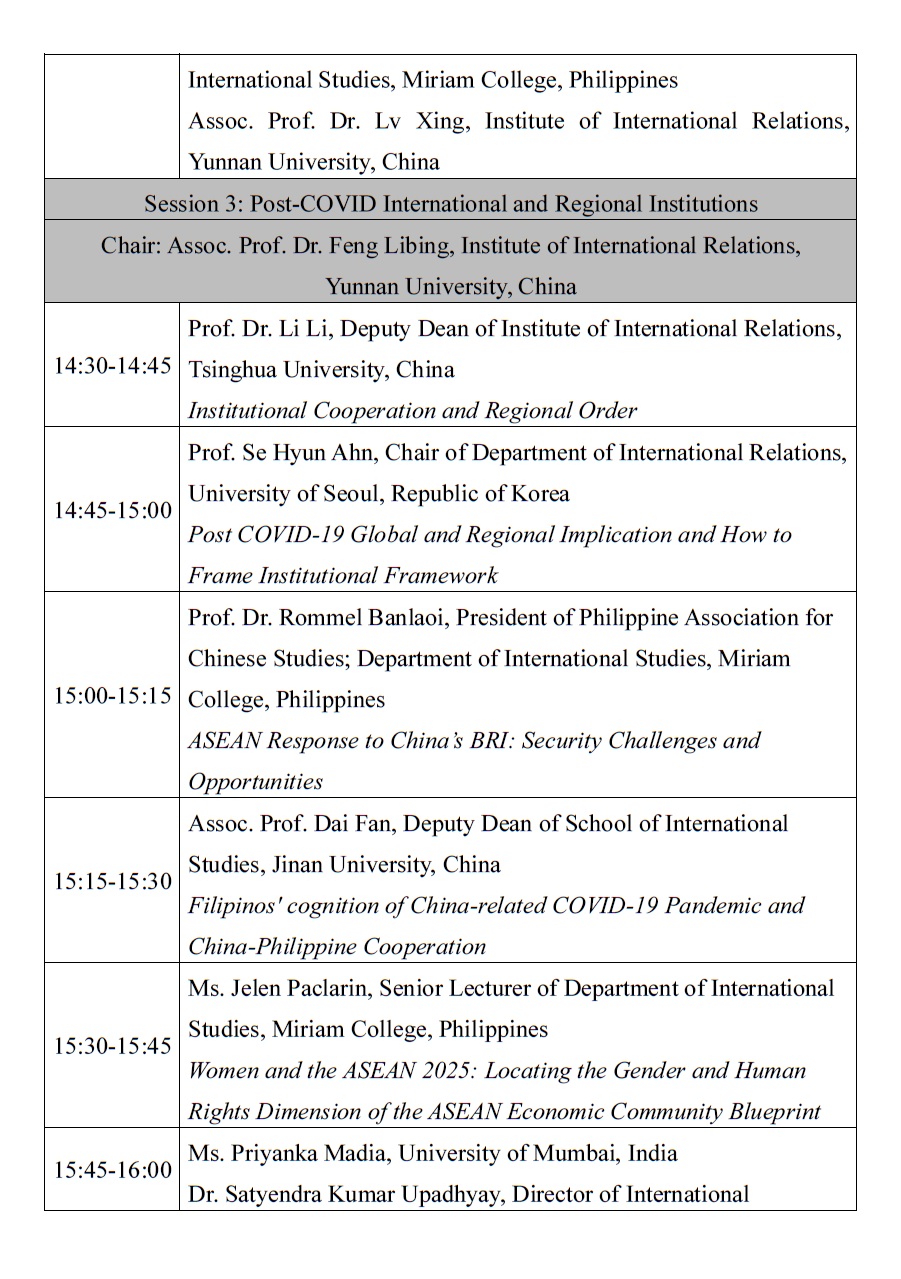
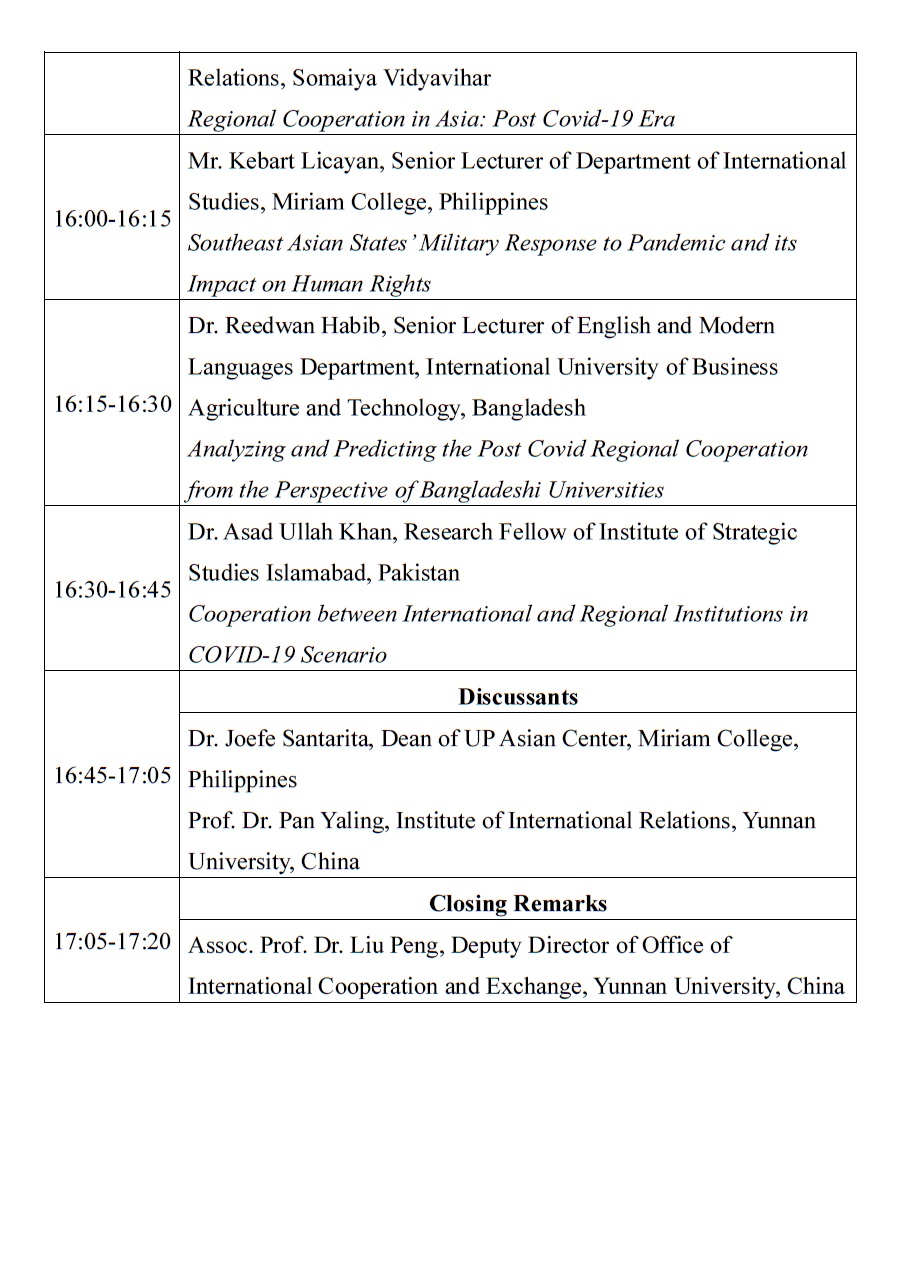
The South and Southeast Asian University Network (S&SE ASIAN UN) webinar “Post-COVID Regional Cooperation: New Opportunities and New Actions” is going to be held on October 21st, 2020. The Webinar Program warmly invite scholars, faculties, and students from Mahidol University to join the webinar online via Zoom link: https://zoom.com.cn/j/7768132061

Meeting ID: 776 813 2061
Password: ynu123456

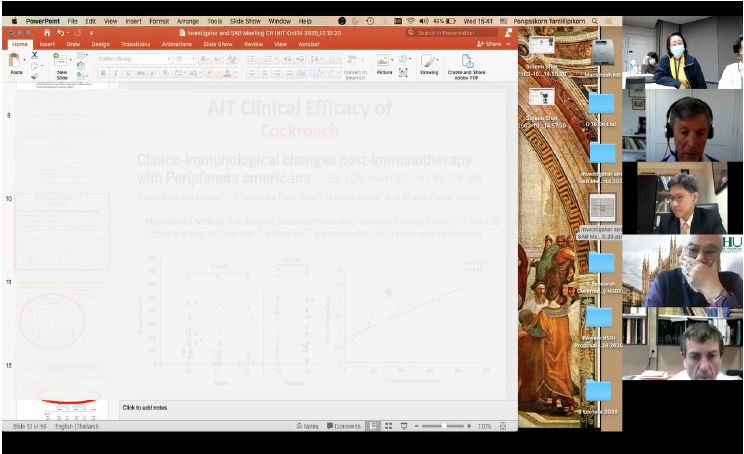
Assoc. Prof. Sith Sathornsumetee, Manager of Siriraj Center of Research Excellence Management Unit (SiCORE-M), Assoc. Prof. Oranee Sanmaneechai, Deputy Manager and SiCORE-M team along with Assoc. Prof. Dr. Pongsakorn Tantilipikorn, Director of SiCORE Allergy scheduled the 2nd and 3rd teleconference on September 7th, 2020 and October 14th, 2020 respectively.

This program brought an opportunity for the SiCORE-Allergy to present the progress of their on-going projects as well as the interactive discussion with SAB members namely, Prof. Rudolf Valenta from Medical University of Vienna, Prof. Giorgio Walter Canonica from Humanitas University and Prof. Stephen R. Durham from Imperial College London.

In this regard, the valuable advice and recommendations provided throughout the teleconference by this group of prominent researchers will undoubtedly prove highly beneficial to our SiCORE in terms of guidance on research directions and insight on scientific content. On this occasion, our SiCORE-Allergy and SiCORE-M team are certainly most grateful for the continuing support and kind contribution from SAB.

2nd teleconference


3rd teleconference

On October 9th, 2020, Prof. Dr.Prasit Watanapa, Dean of Faculty of Medicine Siriraj Hospital, Mahidol University, Prof. Dr.Prasert Auewarakul , Deputy Dean for Research along with Siriraj Center of Research Excellence Management (SiCORE-M) led by Assoc.Prof.Sith Sathornsumetee, Manager, his team and Researchers from Siriraj Hospital visited the MU Bio-Innovation at Mahidol University. The warm and hospitable reception from Prof. Dr.Vachira Kochakarn, Vice President for Research and Academic Affairs or Director of the MU Bio-Innovation, Mahidol University and MU Bio-Innovation staffs was extended to the delegates from Siriraj.
On this occasion, all the members of our group found visiting program greatly beneficial and it brought an opportunity to discuss about potential for future collaboration with MU Bio-Innovation. This would be an initial step to apply MU Bio-Innovation facility to generate the sustainable research at our Faculty.

September 30th, 2020, ConnecTechAsia – Asia’s leading Infocomm Media and Technology, announced the winners for the “1st CommunicAsia Awards” to celebrates the advancement and excellence across the global service provider ecosystem in their endeavour to build next-generation networks that will form the backbone of future societies. The CommunicAsia Awards will feature eight categories to showcase innovation in telecoms trials, developments, automation technology, core network technologies, and more. The award in the category of “Most Innovative 5G Trial in Asia Pacific Region (APAC)” goes to the Faculty of Medicine Siriraj Hospital, Mahidol University for their implementation of 5G to build a secure, reliable, and smart 5G Hospital in Thailand.

CommunicAsia Awards 2020 has more than 6,800 attendees participated in the first fully virtual iteration of the event that featured 200 conference sessions, more than 280 speakers, and 323 exhibitors. ConnecTechAsia also expanded its content to include new shows, conferences, competitions, and award ceremonies. One of the highlights of the event, the inaugural CommunicAsia Awards, recognized innovation and achievement across global service providers. The virtual award ceremony was held on September 30th, 2020. Congratulations Siriraj! #siriraj #communicasiaawards2020 #connecttechasia

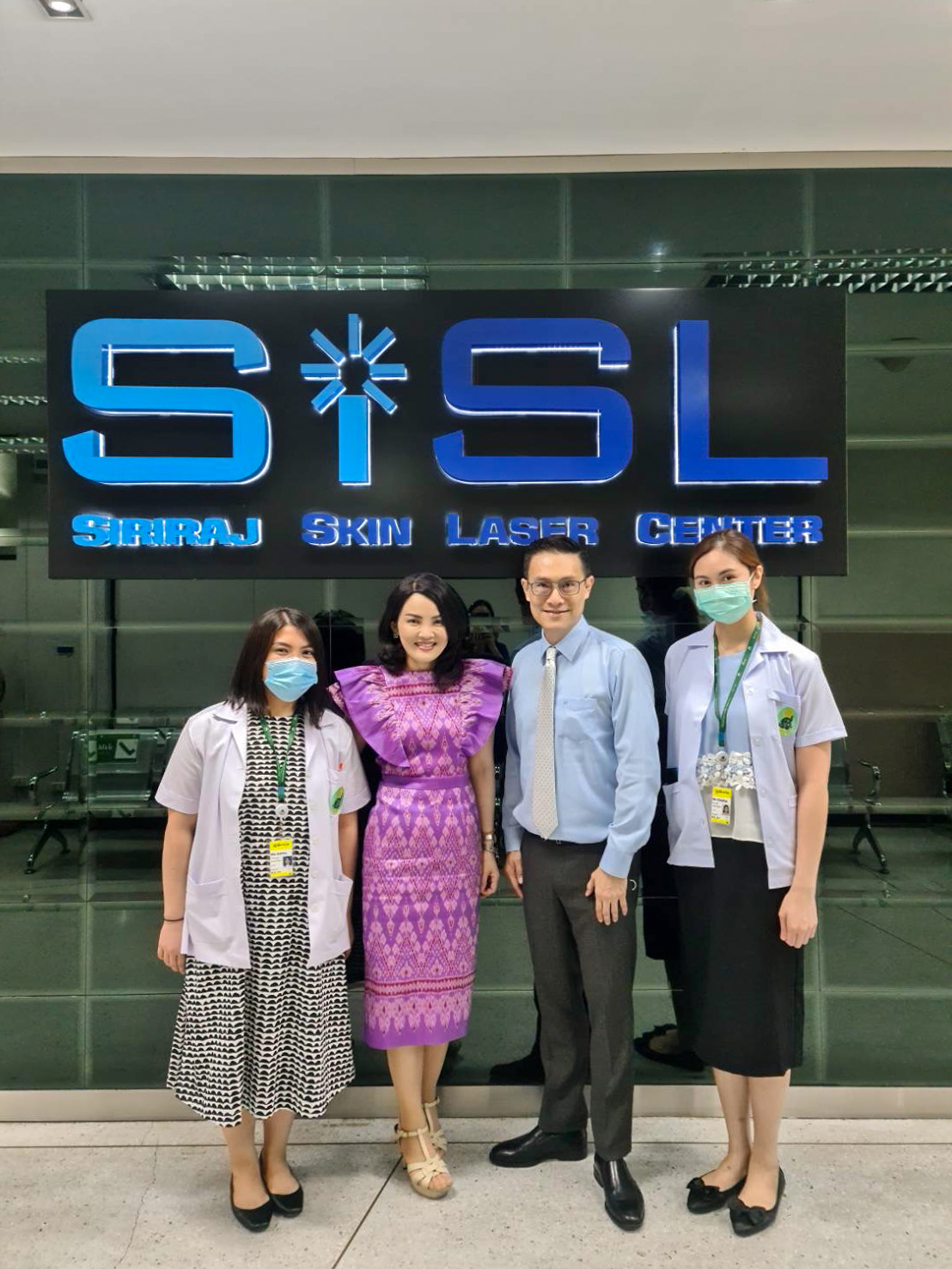
Welcome, Dr. Mia Katrina Romana Gervasio and Dr. Christina Banate Gulfan from the Philippines to undertake a 1-year international program “Clinical Fellowship Training Program in Dermatologic Surgery” at Dermatosurgery Division, Department of Dermatology, Faculty of Medicine Siriraj Hospital, Mahidol University between October 12th, 2020 – November 11th, 2021.

Welcome! Miss Chidchanok Sangaroon from College of Medicine Our Lady of Fatima University, the Philippines, to undertake an elective study at Department of Orthopedic Surgery, Faculty of Medicine Siriraj Hospital, Mahidol University between October 12th – 16th, 2020.

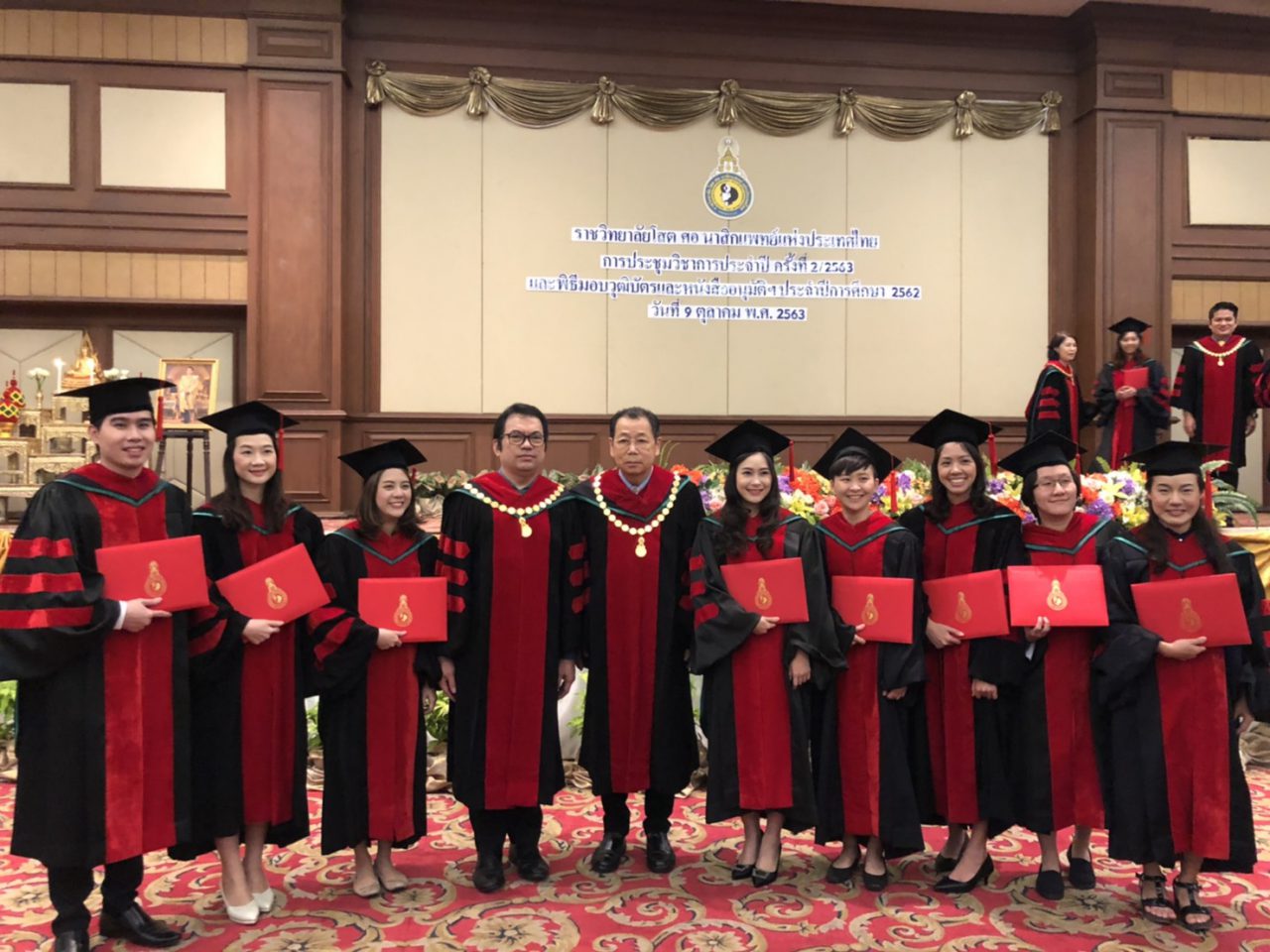
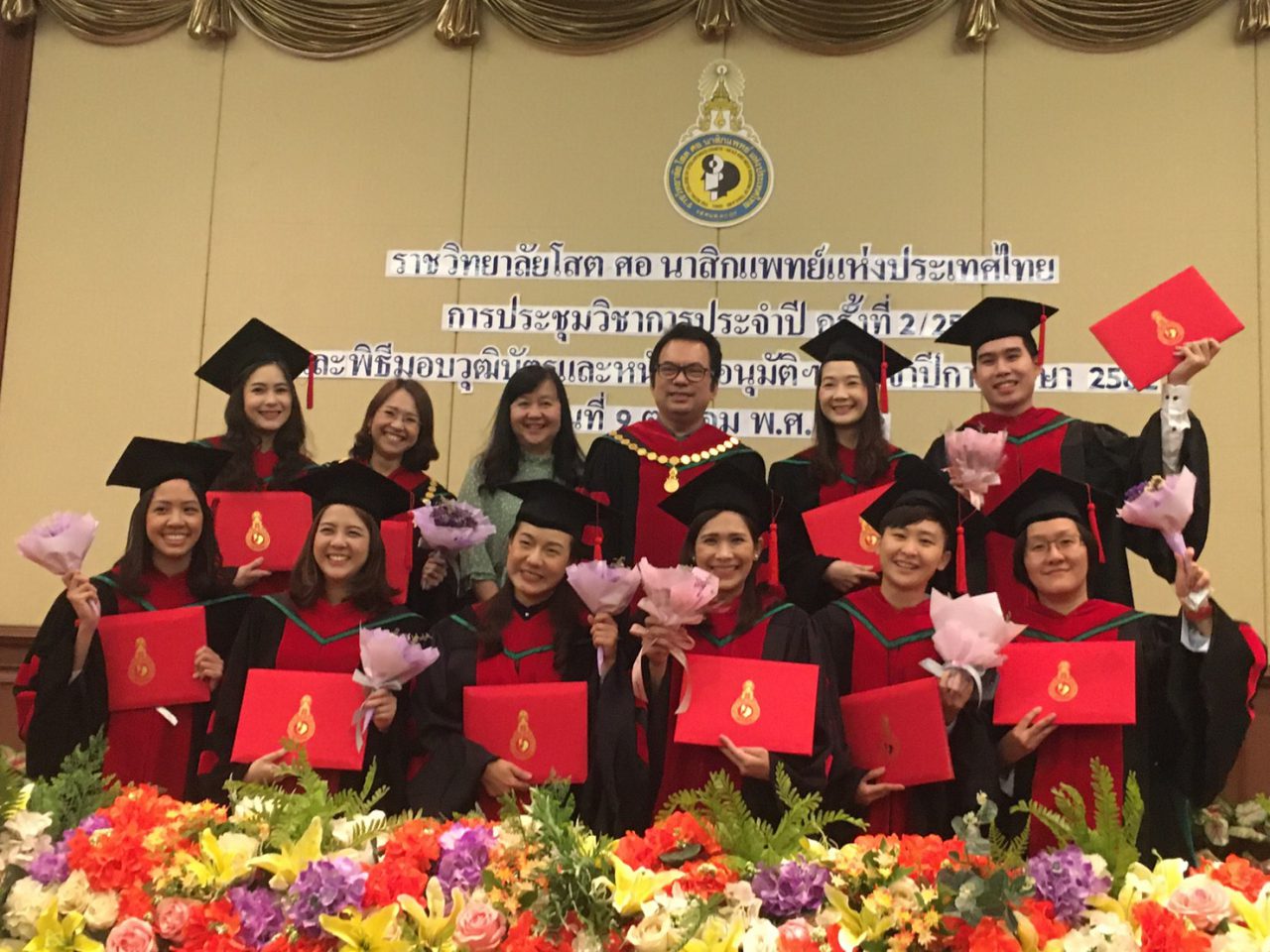
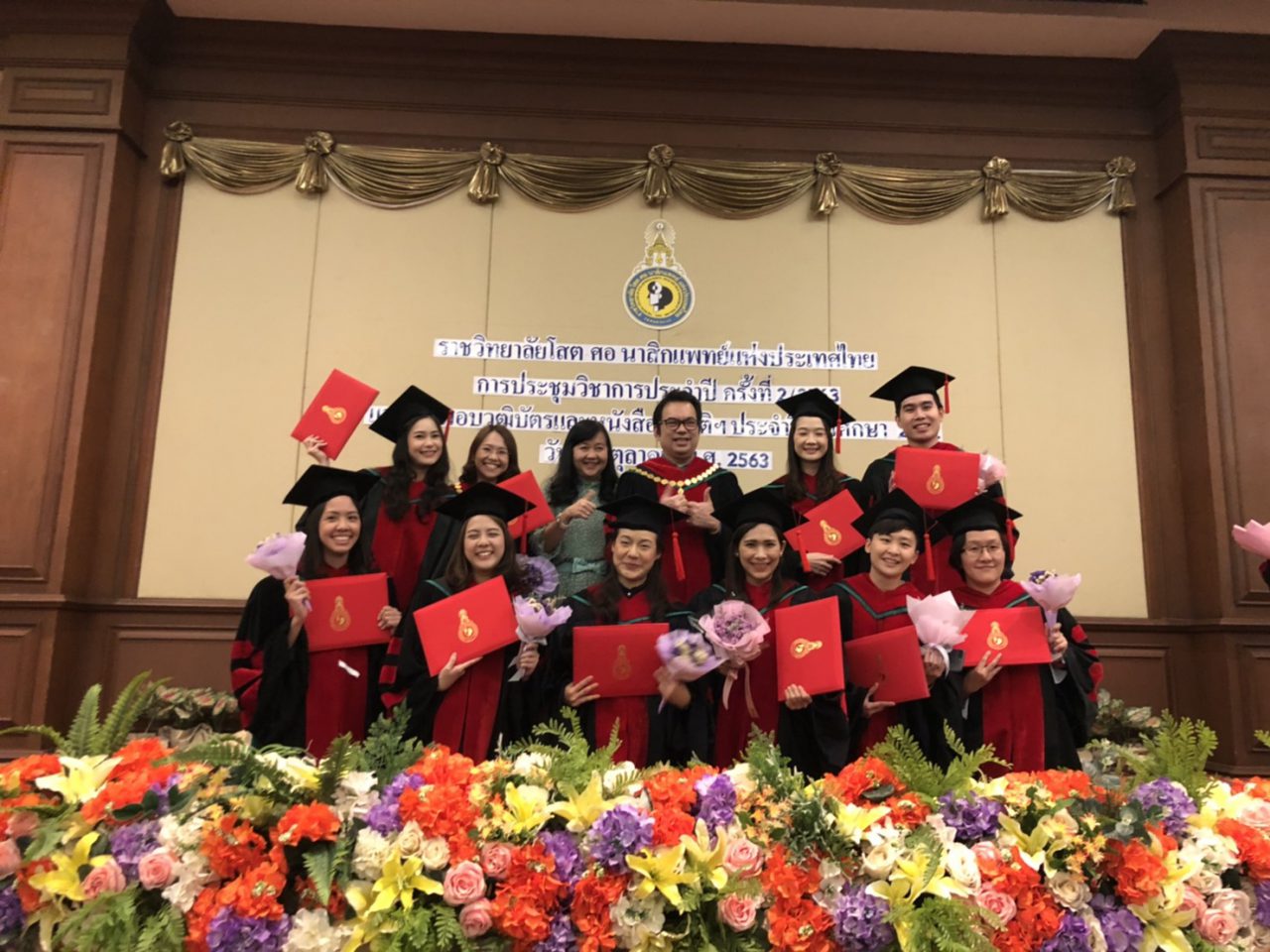
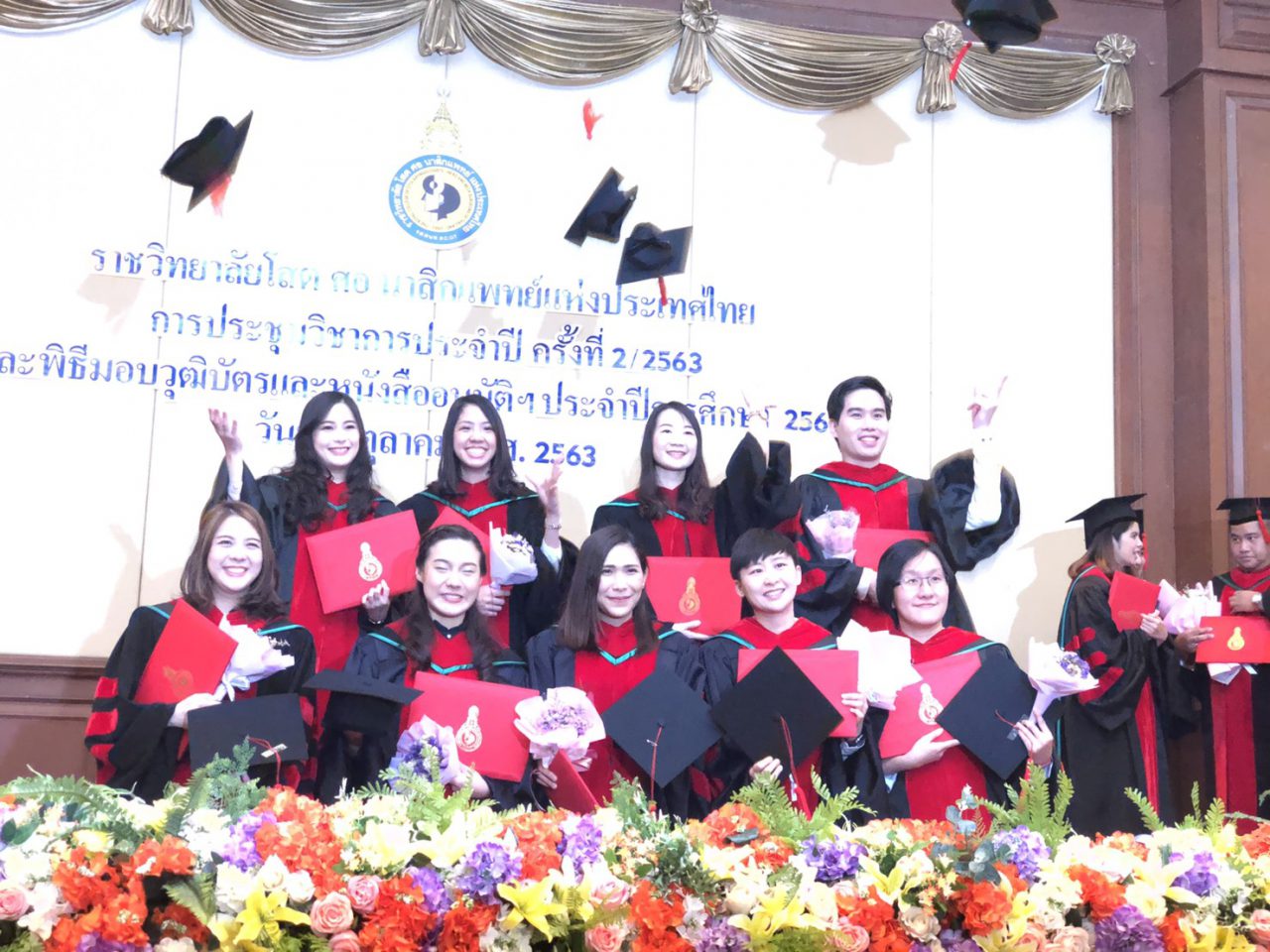
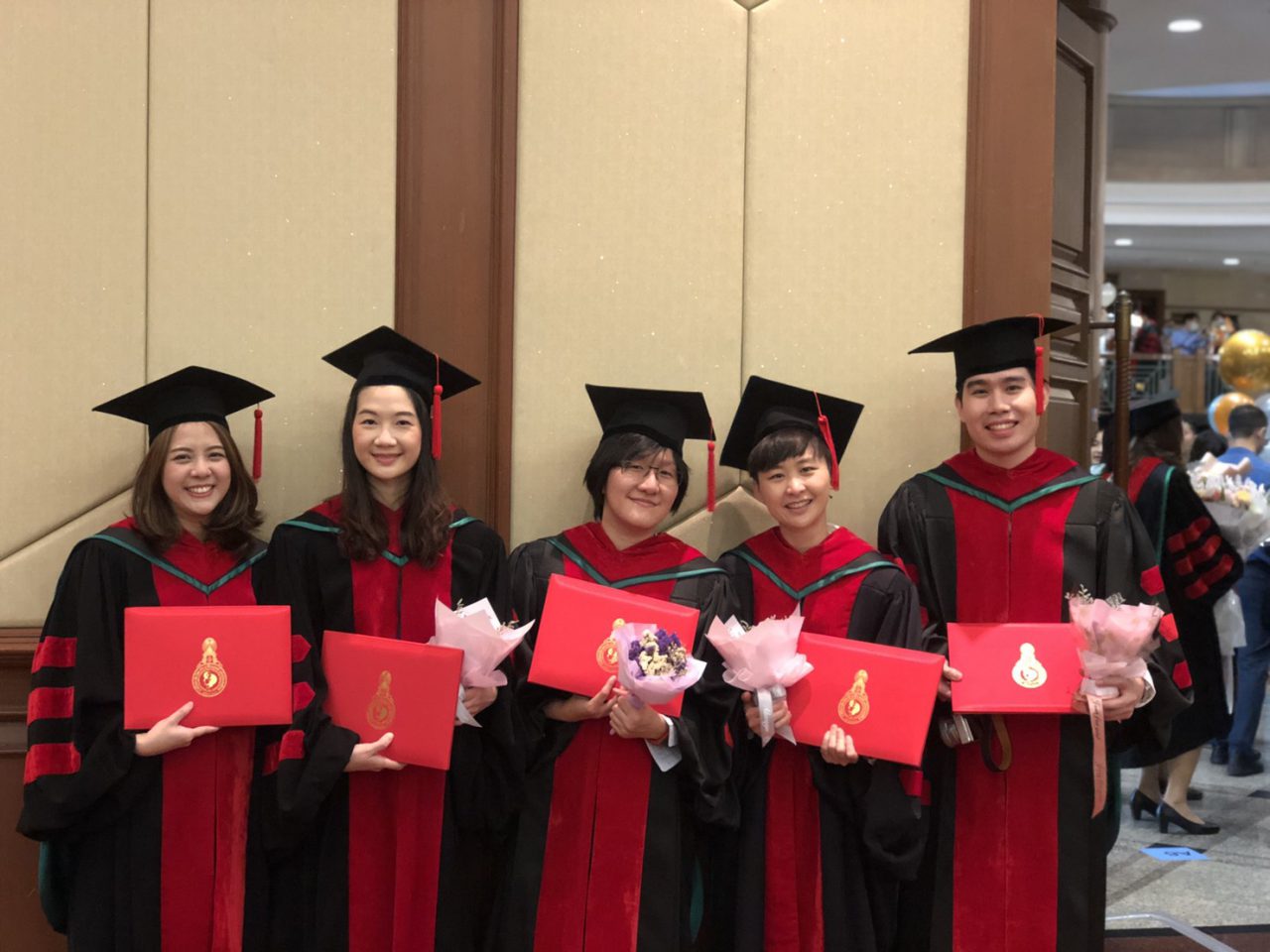
The Department of Otorhinolaryngology proudly celebrates its resident graduates who completed the 3-year Residency Training Program in Otorhinolaryngology for the academic year 2019. The graduation ceremony was held on October 9, 2020 at The Medical Association of Thailand.

Congratulations to Harvey J. Alter, Michael Houghton, and Charles M. Rice for the discovery of the Hepatitis C virus and on receiving the Nobel Prize in Physiology or Medicine 2020.

This year’s Nobel Prize is awarded to three scientists who have made a decisive contribution to the fight against blood-borne hepatitis, a major global health problem that causes cirrhosis and liver cancer in people around the world.

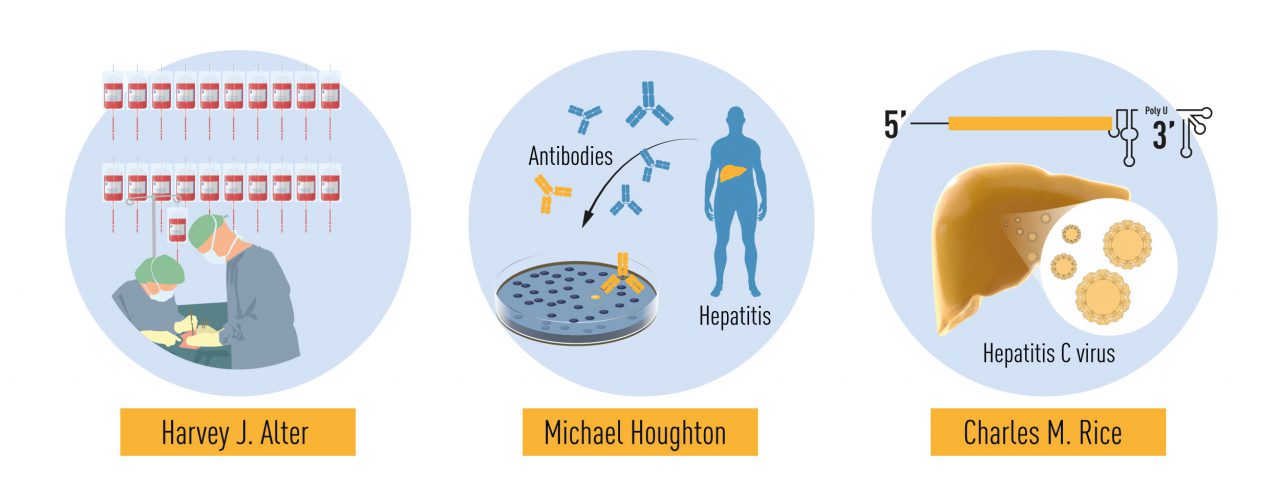
Harvey J. Alter, Michael Houghton, and Charles M. Rice made seminal discoveries that led to the identification of a novel virus, the Hepatitis C virus. Prior to their work, the discovery of Hepatitis A and B viruses had been critical steps forward, but the majority of blood-borne hepatitis cases remained unexplained. The discovery of the Hepatitis C virus revealed the cause of the remaining cases of chronic hepatitis and made possible blood tests and new medicines that have saved millions of lives.

Hepatitis – a global threat to human health

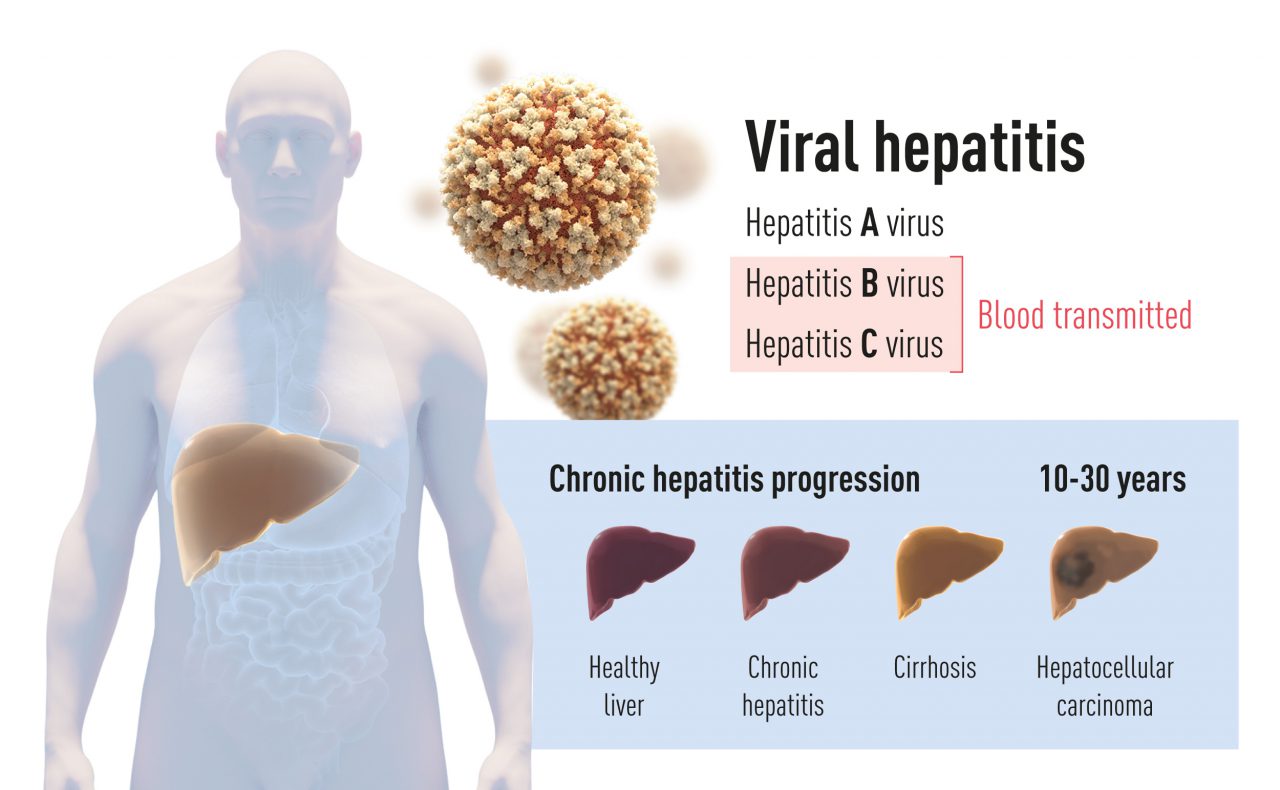
Liver inflammation, or hepatitis, a combination of the Greek words for liver and inflammation, is mainly caused by viral infections, although alcohol abuse, environmental toxins and autoimmune disease are also important causes. In the 1940’s, it became clear that there are two main types of infectious hepatitis. The first, named hepatitis A, is transmitted by polluted water or food and generally has a little long-term impact on the patient. The second type is transmitted through blood and bodily fluids and represents a much more serious threat since it can lead to a chronic condition, with the development of cirrhosis and liver cancer (Figure 1). This form of hepatitis is insidious, as otherwise healthy individuals can be silently infected for many years before serious complications arise. Blood-borne hepatitis is associated with significant morbidity and mortality and causes more than a million deaths per year worldwide, thus making it a global health concern on a scale comparable to HIV-infection and tuberculosis.

Figure 1 There are two main forms of hepatitis. One form is an acute disease caused by Hepatitis A virus that is transmitted by contaminated water or food. The other form is caused by the Hepatitis B virus or Hepatitis C virus (this year’s Nobel Prize). This form of blood-borne hepatitis is often a chronic disease that may progress to cirrhosis and hepatocellular carcinoma.

An unknown infectious agent

The key to successful intervention against infectious diseases is to identify the causative
agent. In the 1960’s, Baruch Blumberg determined that one form of blood-borne hepatitis was
caused by a virus that became known as the Hepatitis B virus, and the discovery led to the
development of diagnostic tests and an effective vaccine. Blumberg was awarded the Nobel
Prize in Physiology or Medicine in 1976 for this discovery.

At that time, Harvey J. Alter at the US National Institutes of Health was studying the occurrence of hepatitis in patients who had received blood transfusions. Although blood tests for the newly-discovered Hepatitis B virus reduced the number of cases of transfusion-related hepatitis, Alter and colleagues worryingly demonstrated that a large number of cases remained. Tests for Hepatitis A virus infection were also developed around this time, and it became clear that Hepatitis A was not the cause of these unexplained cases. It was a great source of concern that a significant number of those receiving blood
transfusions developed chronic hepatitis due to an unknown infectious agent. Alter and his colleagues showed that blood from these hepatitis patients could transmit the disease to chimpanzees, the only susceptible host besides humans. Subsequent studies also demonstrated that the unknown infectious agent had the characteristics of a virus. Alter’s methodical investigations had in this way defined a new, distinct form of chronic viral hepatitis. The mysterious illness became known as “non-A, non-B” hepatitis.

Identification of Hepatitis C virus

The identification of the novel virus was now a high priority. All the traditional techniques for virus hunting wereput to use but, in spite of this, the virus eluded isolation for over a decade. Michael Houghton, working for the pharmaceutical firm Chiron, undertook the arduous work needed to isolate the genetic sequence of the virus. Houghton and his co-workers created a collection of DNA fragments from nucleic acids found in the blood of an infected chimpanzee. The majority of these fragments came from the genome of the chimpanzee itself, but the researchers predicted that some would be derived from the unknown virus. On the assumption that antibodies against the virus would be present in blood taken from hepatitis patients, the investigators used patient sera to identify cloned viral DNA fragments encoding viral proteins. Following a comprehensive search, one positive clone was found. Further work showed that this clone was derived from a novel RNA virus belonging to the Flavivirus family and it was named Hepatitis C virus. The presence of antibodies in chronic hepatitis patients strongly implicated this virus as the missing agent.

Figure 2 Summary of the discoveries awarded by this year’s Nobel Prize. The methodical studies of transfusion-associated hepatitis by Harvey J. Alter demonstrated that an unknown virus was a common cause of chronic hepatitis. Michael Houghton used an untested strategy to isolate the genome of the new virus that was named the Hepatitis C virus. Charles M. Rice provided the final evidence showing that the Hepatitis C virus alone could cause hepatitis.

The discovery of the Hepatitis C virus was decisive, but one essential piece of the puzzle was missing: could the virus alone cause hepatitis? To answer this question the scientists had to investigate if the cloned virus was able to replicate and cause disease. Charles M. Rice, a researcher at Washington University in St. Louis, along with other groups working with RNA viruses, noted a previously uncharacterized region at the end of the Hepatitis C virus genome that they suspected could be important for virus replication. Rice also observed genetic variations in isolated virus samples and hypothesized that some of them might hinder virus replication. Through genetic engineering, Rice generated an RNA variant of the Hepatitis C virus that included the newly defined region of the viral genome and was devoid of the inactivating genetic variations. When this RNA was injected into the liver of chimpanzees, the virus was detected in the blood and pathological changes resembling those seen in humans with chronic disease were observed. This was the final proof that the Hepatitis C virus alone could cause unexplained cases of transfusion-mediated hepatitis.

Significance of this Nobel Prize-awarded discovery

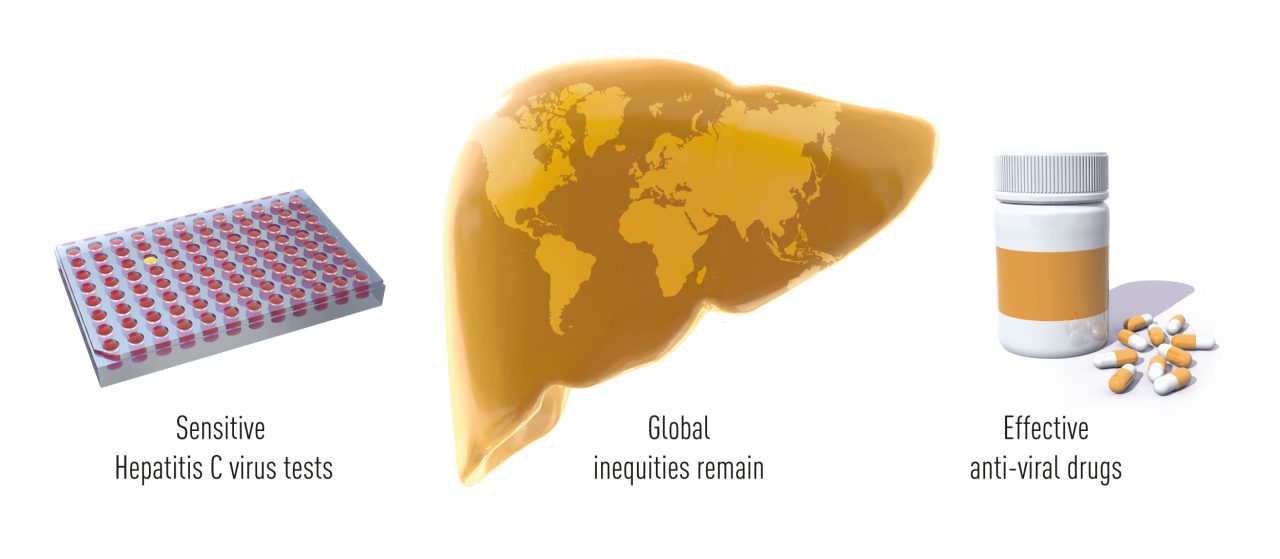
The Nobel Laureates’ discovery of the Hepatitis C virus is a landmark achievement in the ongoing battle against viral diseases (Figure 2). Thanks to their discovery, highly sensitive blood tests for the virus are now available and these have essentially eliminated post-transfusion hepatitis in many parts of the world, greatly improving global health. Their discovery also allowed the rapid development of antiviral drugs directed at hepatitis C. For the first time in history, the disease can now be cured, raising hopes of eradicating the Hepatitis C virus from the world population. To achieve this goal, international efforts facilitating blood testing and making antiviral drugs available across the globe will be required (Figure 3).

Figure 3 The discoveries by the three Nobel laureates allowed the design of sensitive blood tests that have eliminated the risk of transfusion-transmitted hepatitis in a large part of the world. This breakthrough also enabled the development of antiviral drugs that can cure the disease. Hepatitis C remains a major global health concern, but the opportunity now exists to eliminate the disease.


Key publications:

Alter HJ, Holland PV, Purcell RH, Lander JJ, Feinstone SM, Morrow AG, Schmidt PJ.
Posttransfusion hepatitis after exclusion of commercial and hepatitis-B antigen-positive
donors. Ann Intern Med. 1972; 77:691-699.

Feinstone SM, Kapikian AZ, Purcell RH, Alter HJ, Holland PV. Transfusion-associated
hepatitis not due to viral hepatitis type A or B. N Engl J Med. 1975; 292:767-770.

Alter HJ, Holland PV, Morrow AG, Purcell RH, Feinstone SM, Moritsugu Y. Clinical and
serological analysis of transfusion-associated hepatitis. Lancet. 1975; 2:838-841.

Alter HJ, Purcell RH, Holland PV, Popper H. Transmissible agent in non-A, non-B hepatitis.
Lancet. 1978; 1:459-463.

Choo QL, Kuo G, Weiner AJ, Overby LR, Bradley DW, Houghton M. Isolation of a cDNA
clone derived from a blood-borne non-A, non-B viral hepatitis genome. Science. 1989;
244:359-362.

Kuo G., Choo QL, Alter HJ, Gitnick GL, Redeker AG, Purcell RH, Miyamura T, Dienstag JL,
Alter CE, Stevens CE, Tegtmeier GE, Bonino F, Colombo M, Lee WS, Kuo C., Berger K,
Shuster JR, Overby LR, Bradley DW, Houghton M. An assay for circulating antibodies to a
major etiologic virus of human non-A, non-B hepatitis. Science. 1989; 244:362-364.

Kolykhalov AA, Agapov EV, Blight KJ, Mihalik K, Feinstone SM, Rice CM. Transmission of
hepatitis C by intrahepatic inoculation with transcribed RNA. Science. 1997; 277:570-574.