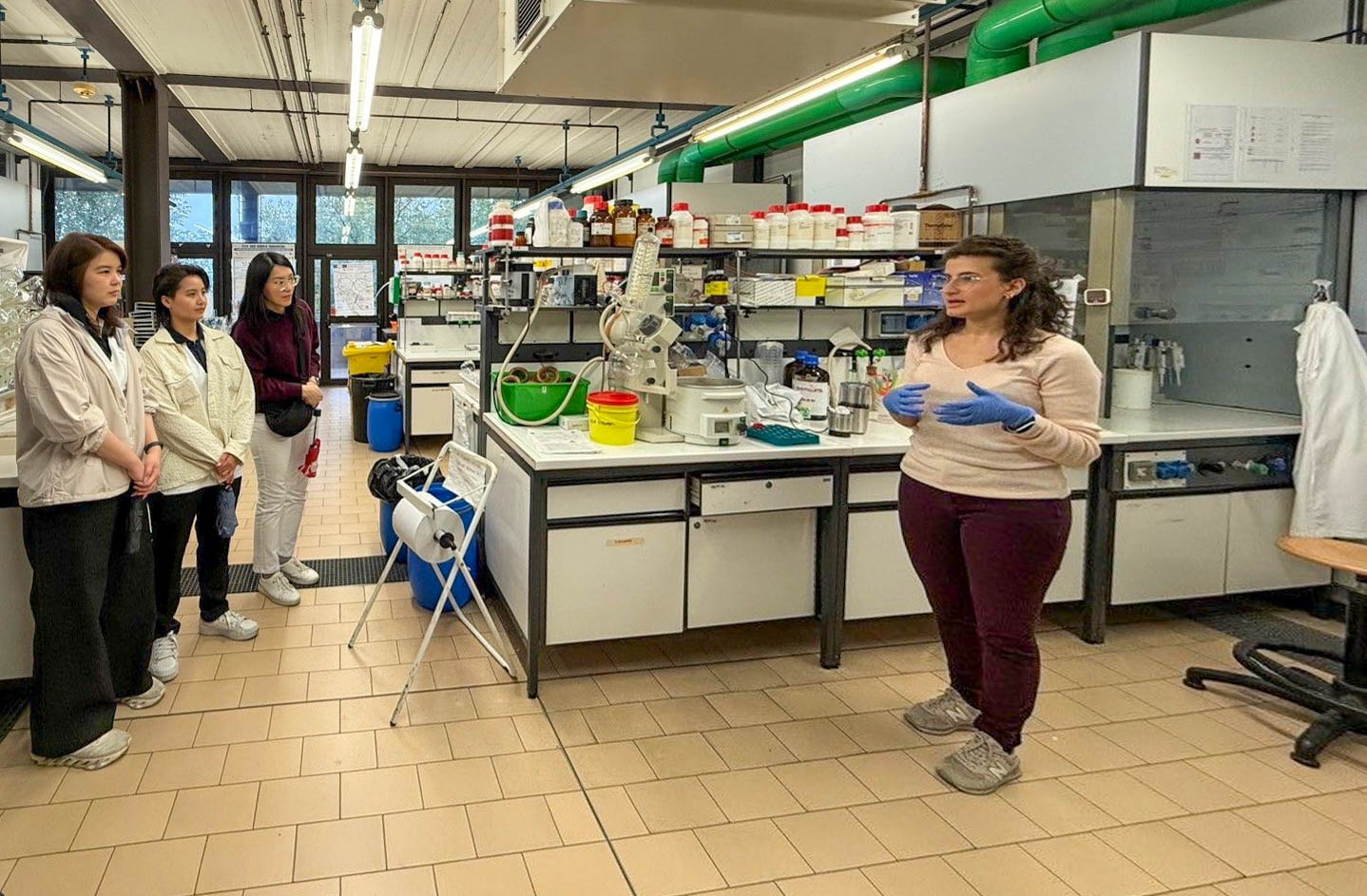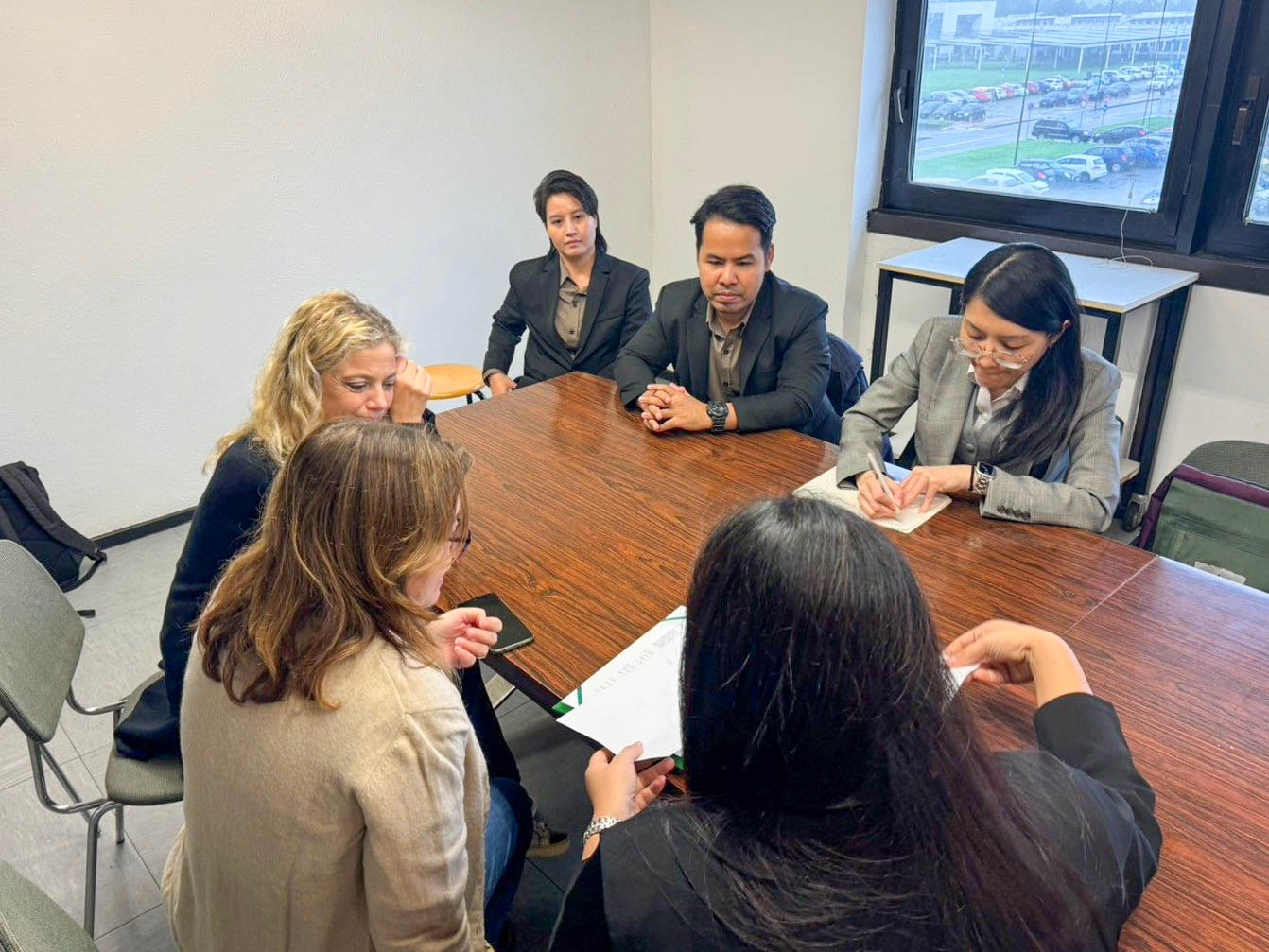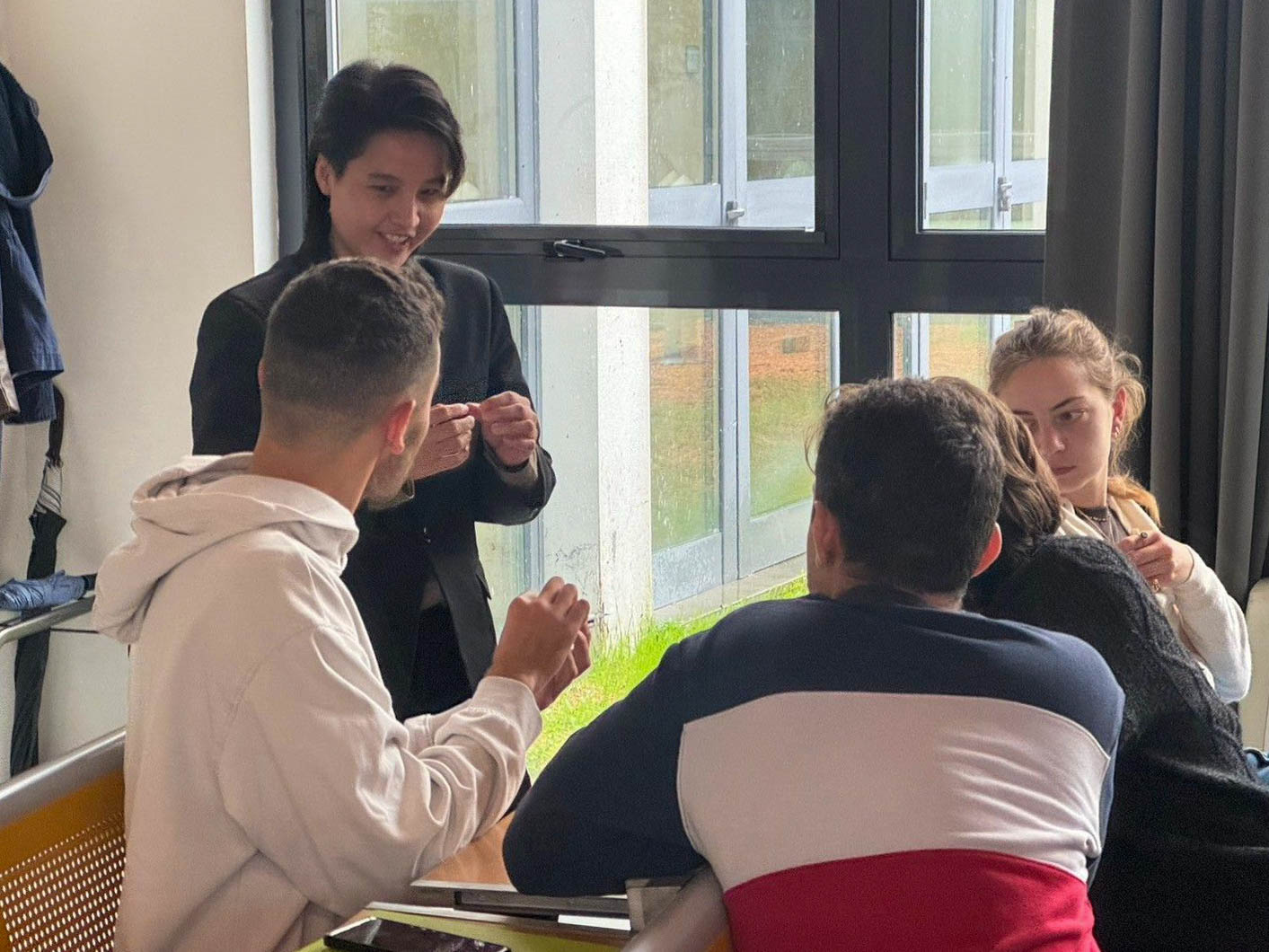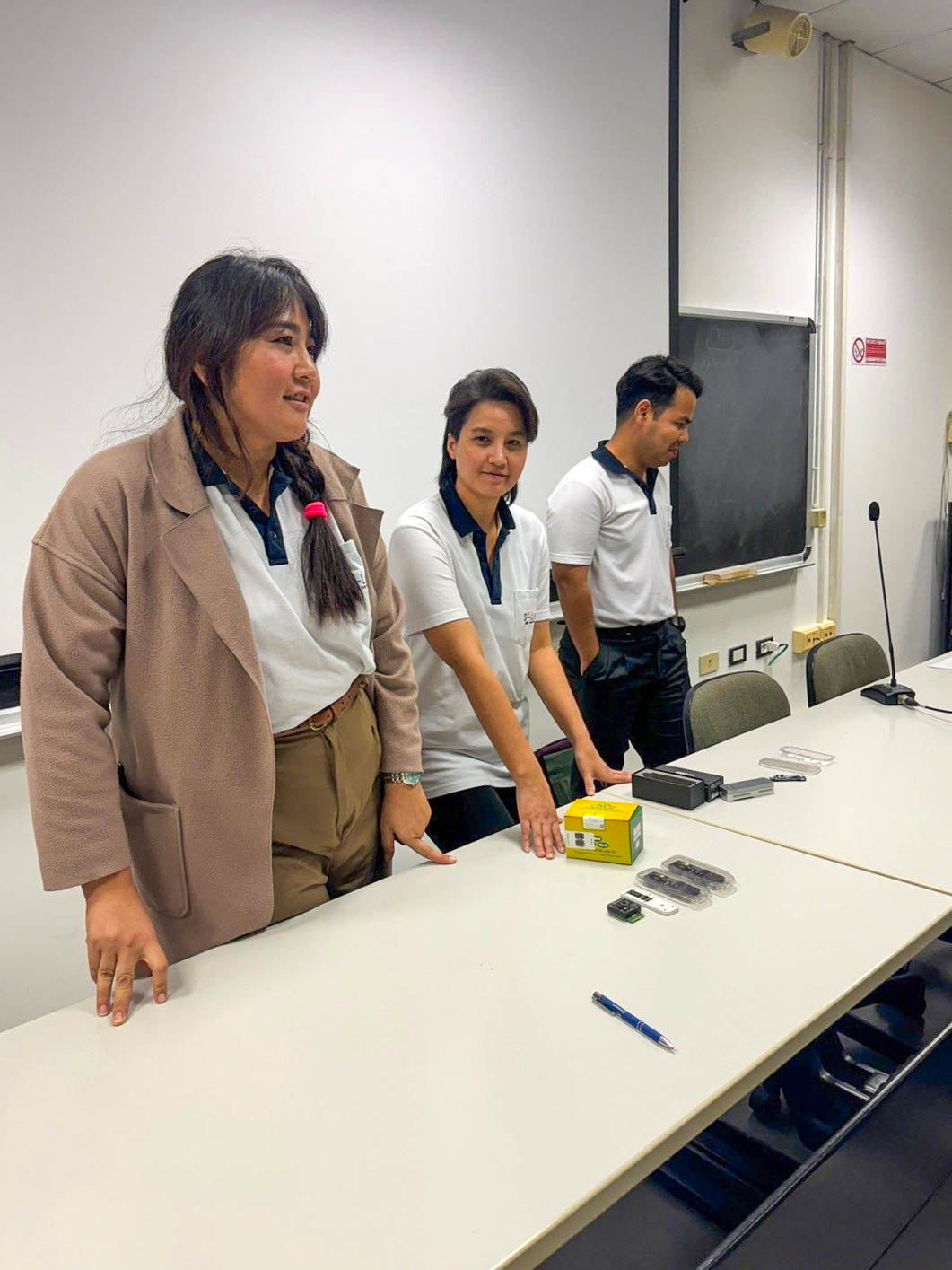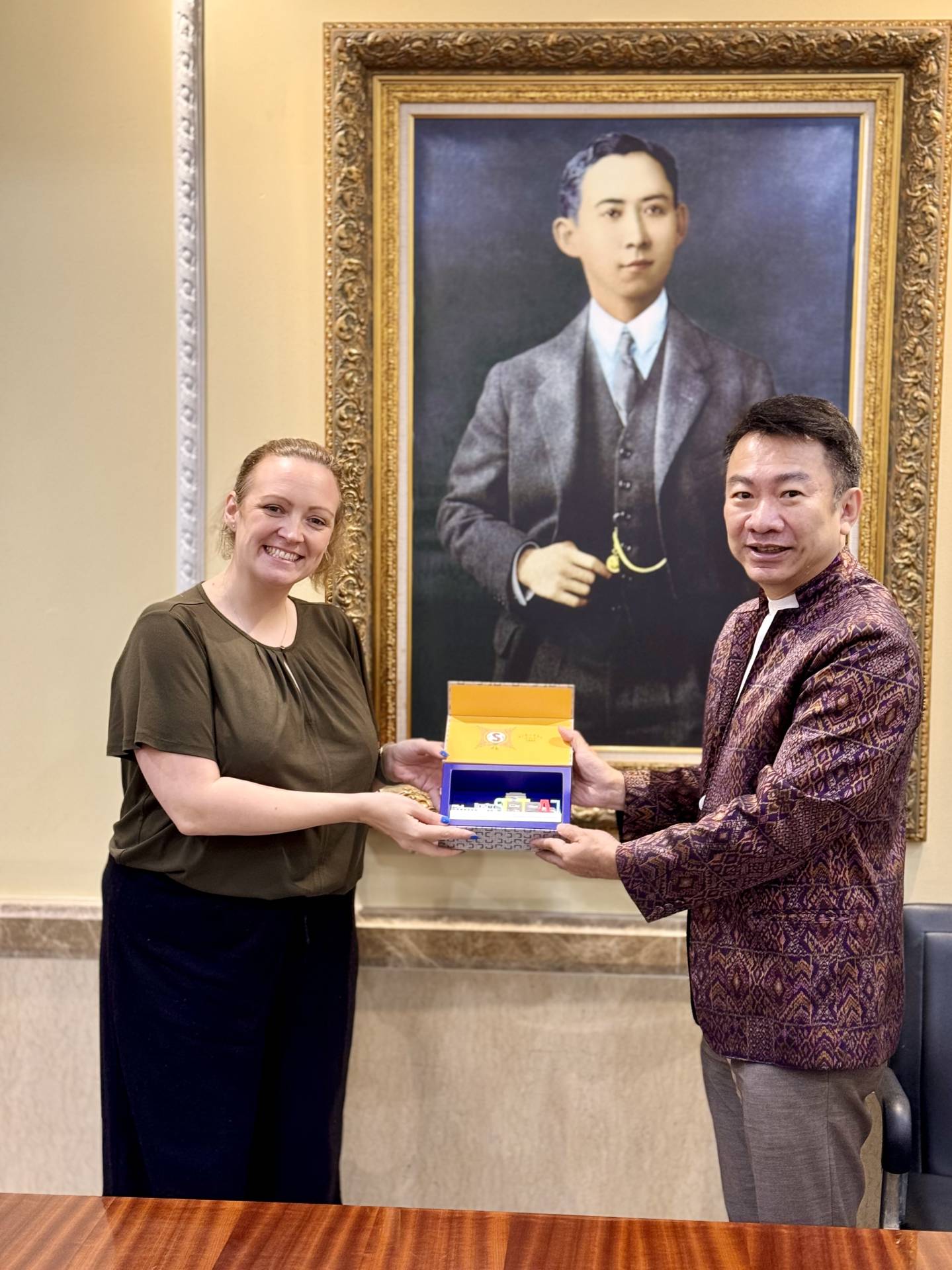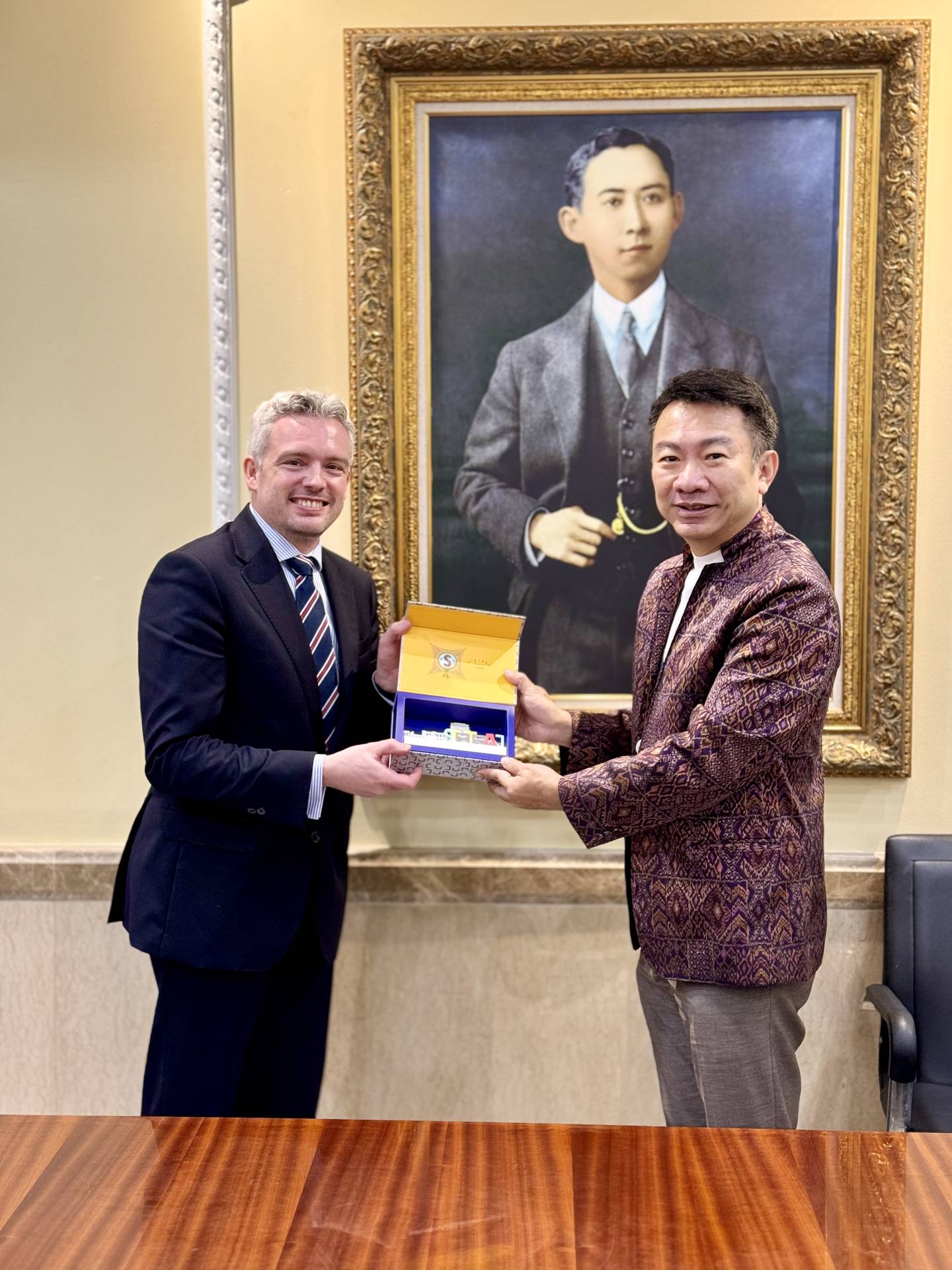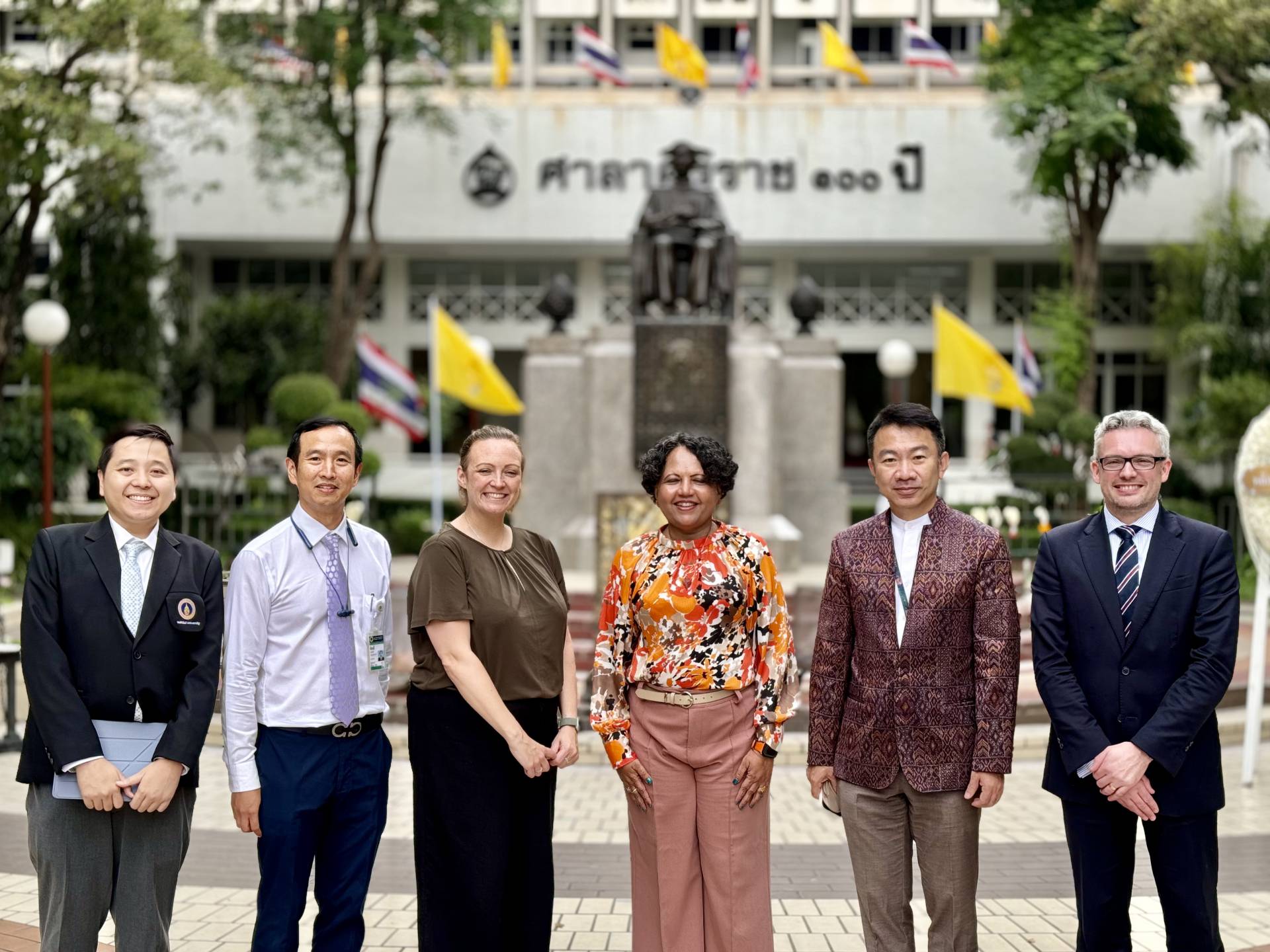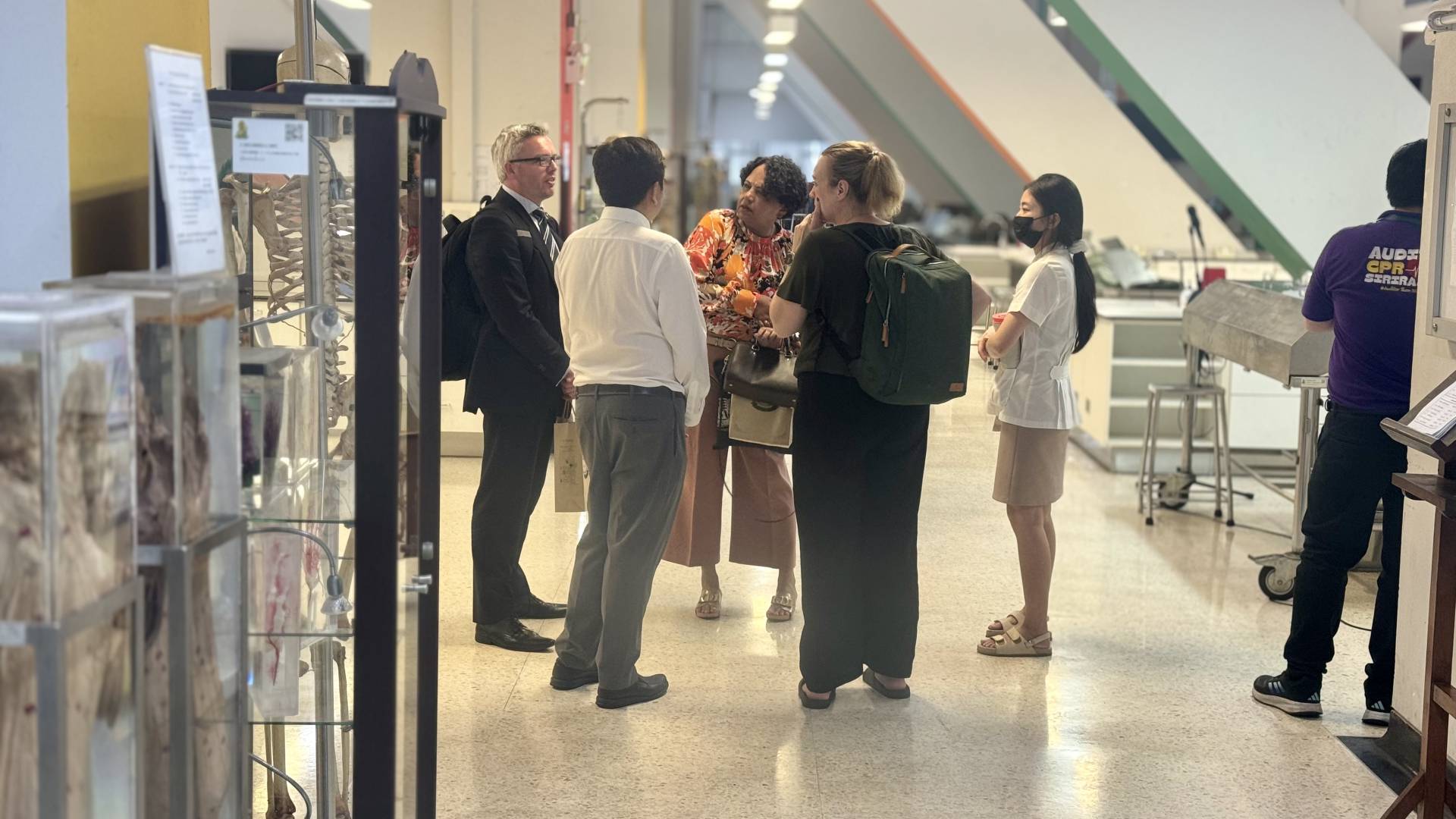
Ms. Narumol Jariyasopit, Ph.D., a researcher from the Siriraj Metabolomics and Phenomics Center, Research Department, Faculty of Medicine Siriraj Hospital, Mahidol University, participated in the 20th Annual International Conference of the Metabolomics Society, ‘Metabolomics 2024’, held in Osaka, Japan, from June 16th – 20th, 2024, and presented a research poster titled ‘Alterations of Metabolomic Profiles in Metabolic Syndrome Patients with Mild Cognitive Impairment’. Dr. Jariyasopit aimed to explore advancements in metabolomics research and potential applications at Siriraj Hospital.

Metabolomics 2024 covered the major scientific themes of Technology Advances, Computational Metabolomics, Statistics, and Bioinformatics, Metabolomics in Health and Disease, and Metabolomics of Food, Plants, Environment, and Microbes. The scientific program will include plenary and keynote talks, three parallel scientific sessions, interactive poster sessions, sponsor lunches, other networking events, and a dedicated parallel session to promote metabolomics research in the industry.
We are delighted to share the publication of groundbreaking research by Assoc. Prof. Dr. Sakda Khoomrung (co-author) from the Siriraj Center of Research Excellence in Metabolomic and Systems Biology (SiCORE-MSB), Faculty of Medicine, Siriraj Hospital, Mahidol University. This research, published in the International Journal of Biological Macromolecules on June 10, 2024, unveils the discovery of virucidal agents against SARS-CoV-2 in Kratom. The publication is available for access via the following link: https://www.sciencedirect.com/science/article/pii/S0141813024038649?via%3Dihub
This research paper represents a collaboration between the Siriraj Center of Research Excellence in Metabolomic and Systems Biology (SiCORE-MSB) and the Virology and Cell Technology Research Team at the National Center for Genetic Engineering and Biotechnology (BIOTEC) and Chulabhorn Research Institute. Their collaborative efforts were instrumental in advancing our understanding of the virucidal properties of Kratom (Mitragyna speciosa) compounds against SARS-CoV-2.

Previous studies have primarily focused on bioactive alkaloids in Kratom, but non-alkaloid compounds have yet to be extensively explored for their biological activities. In this study, antiviral and virucidal assays of a methanol leaf extract of Kratom, M. speciosa, demonstrated significant virucidal activity against SARS-CoV-2. Activity-guided isolation of the methanol leaf extract identified B-type procyanidin condensed tannins of (—)-epicatechin as potent virucidal compounds. The fraction containing condensed tannins exhibited virucidal activity with an EC50 value of 8.38 μg/mL and a selectivity index (SI) value >23.86. Structural analysis using LC-MS/MS and MALDI-TOF MS confirmed the presence of B-type procyanidin condensed tannins in Kratom. At the same time, gel permeation chromatography (GPC) revealed an average molecular weight of 238,946 Da for high molecular-weight condensed tannins. Although (—)-epicatechin, a major component in Kratom leaves, did not exhibit virucidal activity, its macromolecules, procyanidin condensed tannins, displayed potent activity against SARS-CoV-2. This finding highlights the significance of high molecular weight polyphenols in the virucidal activity of Kratom compounds.

On Saturday, May 18th, 2024, the Center of Research Excellence (SiCORE-M) had the honor of hosting the Retreat 2024 at the Grace Aumphawa Resort, Samut Songkhram, with Prof. Apichat Asavamongkolkul, M.D., the Dean of the Faculty of Medicine at Siriraj Hospital, serving as the chairman. The meeting was dedicated to discussing the direction and support mechanisms of the Center of Research Excellence in the Research Excellence Development Program (RED).

On Sunday, May 19th, 2024, we were privileged to receive a lecture and team-building session from the Value Driven Unit (VDU), led by Dr. Sichon Luerithiphong, aimed at fostering a solid team within SiCORE-M and among the executives through LEGO Serious Play.

On this significant occasion, SiCORE-M extends heartfelt gratitude to the Dean and Executives within the Faculty of Medicine Siriraj Hospital for their unwavering support and active participation. We are enthusiastic about furthering our cooperation and pursuing Faculty research endeavors in the upcoming year.

We are excited to announce the publication of groundbreaking research by Assoc. Prof. Dr. Sakda Khoomrung (Corresponding author) from the Siriraj Center of Research Excellence in Metabolomic and Systems Biology (SiCORE-MSB), Faculty of Medicine, Siriraj Hospital, Mahidol University, in the Computational and Structural Biotechnology Journal on May 8, 2024. For those interested in this publication, please access via the following link: https://www.sciencedirect.com/science/article/pii/S2001037024001533?__cf_chl_tk=1Imkemndfujss_Lappc4CaRwf39XvoFMHevm0jjx6cc-1716456031-0.0.1.1-1386

In this study, we developed a simple and reliable derivatization-free GC-TOFMS method for quantifying fecal and plasma Short-Chain Fatty Acids (SCFAs) in healthy individuals. Targeting six linear- and seven branched-SCFAs, we achieved method recoveries of 73–88% and 83–134% in fecal and plasma matrices, respectively. These developed methods offer simplicity, speed, and sensitivity superior to previously published methods, making them well-suited for large-scale studies. Analysis of samples from 157 medically confirmed healthy individuals revealed that total SCFAs in feces and plasma averaged 34.1 ± 15.3 µmol/g and 60.0 ± 45.9 µM, respectively. Notably, acetic acid (Ace), propionic acid (Pro), and butanoic acid (But) were significant contributors in fecal samples, collectively constituting 89% of total SCFAs. At the same time, Ace predominated in plasma samples, accounting for 93% of total plasma SCFAs.

Interestingly, there were no statistically significant differences in total fecal and plasma SCFA concentrations between sexes or age groups. However, the findings revealed positive correlations between several nutrients, including carbohydrates, fats, iron from vegetables, and water, and the most targeted SCFAs.

This study represents the first large-scale investigation reporting SCFA reference intervals in the plasma and feces of healthy individuals, providing valuable insights for microbiome, metabolomics, and biomarker research.

We are thrilled to share the publication of groundbreaking research by the esteemed Assoc. Prof. Dr. Sakda Khoomrung, a leading figure from the Siriraj Center of Research Excellence in Metabolomic and Systems Biology (SiCORE-MSB), Faculty of Medicine, Siriraj Hospital, Mahidol University. The research was published in the Journal of Pharmaceutical Analysis on December 16, 2023. The publication can be accessed via the following link:https://www.sciencedirect.com/science/article/pii/S2095177923002940.

In this study, we present an innovative analytical method utilizing ultrahigh-performance liquid chromatography (UPLC) coupled with traveling wave ion mobility-quadrupole-time-of-flight mass spectrometry, optimized for the measurement of Very Low-Molecular Weight Metabolites (VLMs) in human urine samples. The experimental dataset includes mass-to-charge ratio (m/z), retention time (RT), tandem MS (MS/MS) spectra, and traveling wave ion mobility spectrometry (TWIMS)-derived Collisional Cross Section (TWCCSN2) values. Notably, 263 TWCCSN2 values were reported for the first time, with over 70% corresponding to VLMs. The TWCCSN2 values exhibited high repeatability, with inter-day variations of <1% relative standard deviation (RSD). Moreover, the method demonstrated excellent TWCCSN2 accuracy, with a Collisional Cross Section (CCS) difference (DCCS) within ±2% of reported drift tube ion mobility spectrometry (DTIMS) and TWIMS CCS values. Significantly, the complexity of the urine matrix did not compromise the method’s precision. Utilizing the Metabolomics Standards Initiative guidelines, we identified 55 urinary metabolites with a confidence level of 1, of which 53 (96%) were VLMs. The enhanced confidence in metabolite identification was attributed to the inclusion of TWCCSN2 values, significantly increasing the number of confirmed compounds.

This research marks a significant advancement in analytical techniques, paving the way for improved metabolite measurement and identification in human urine samples.

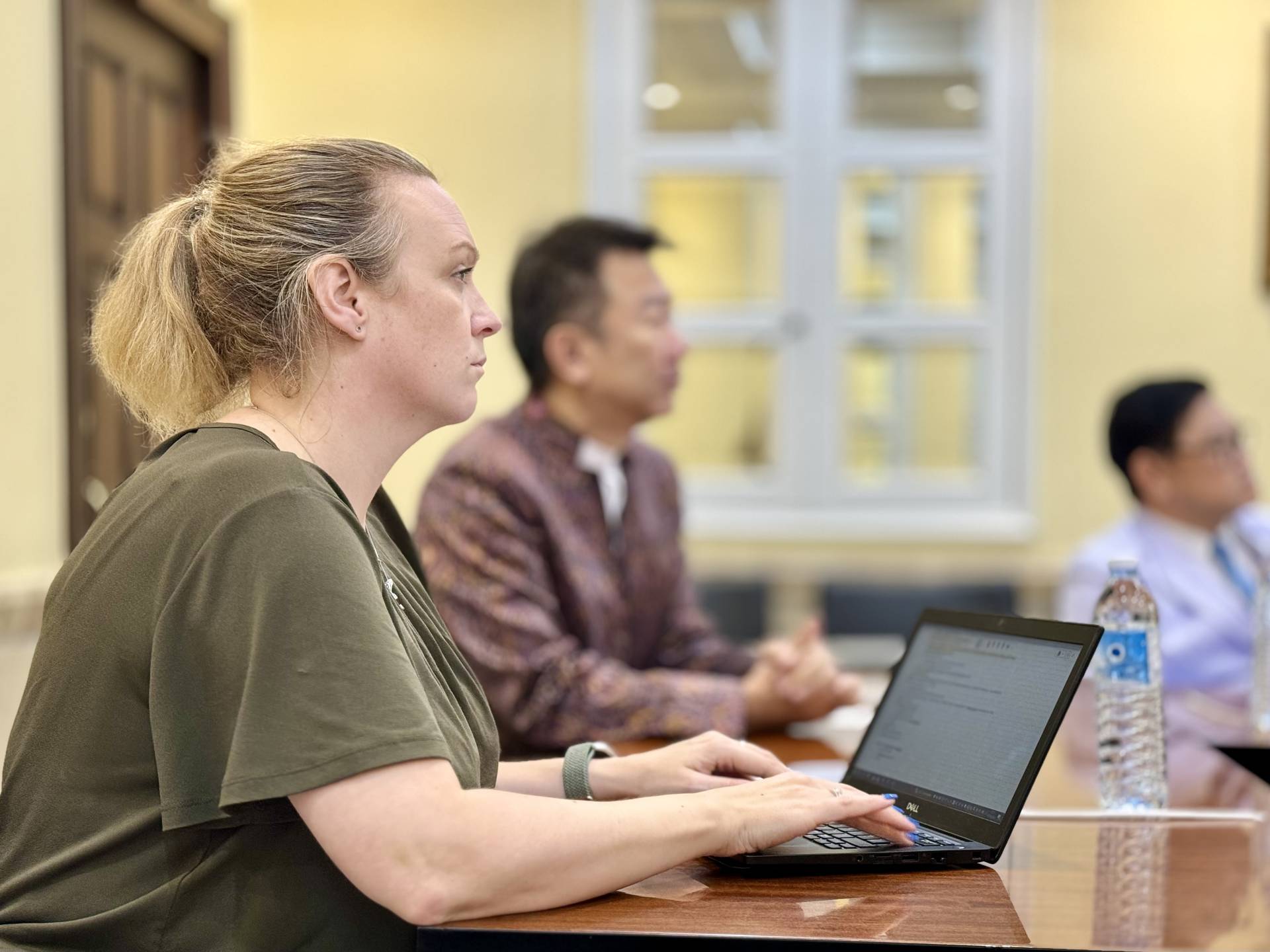
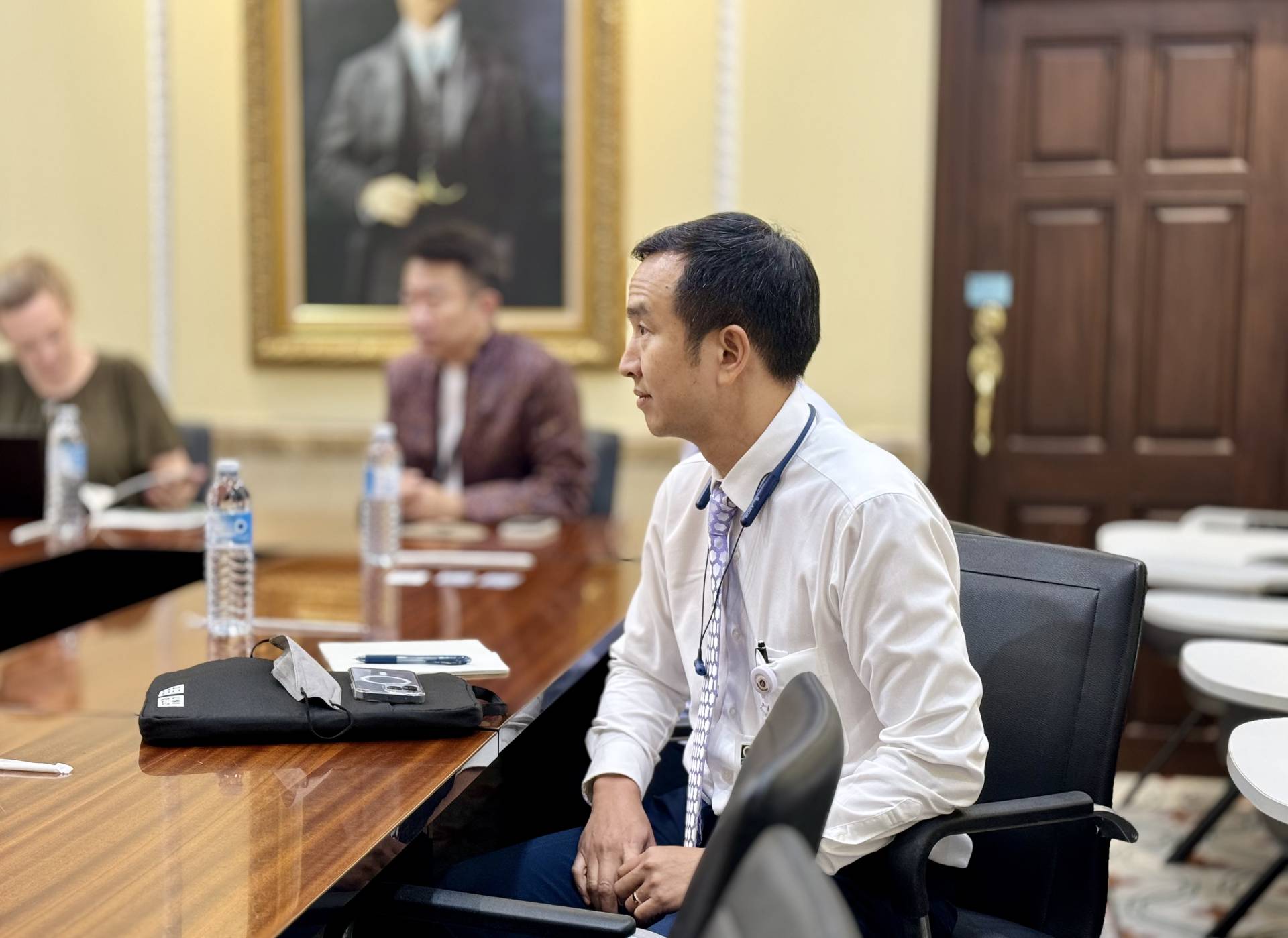
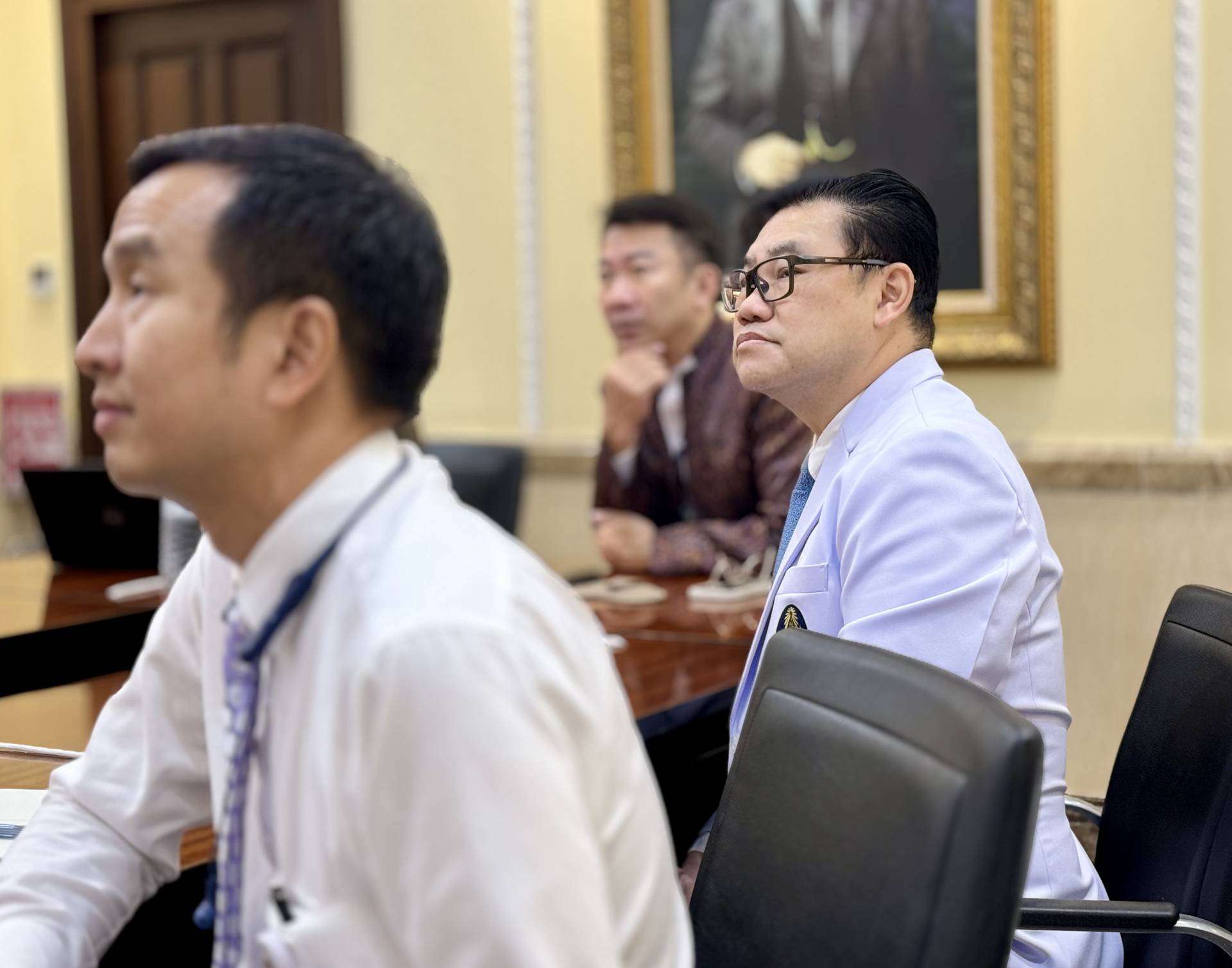
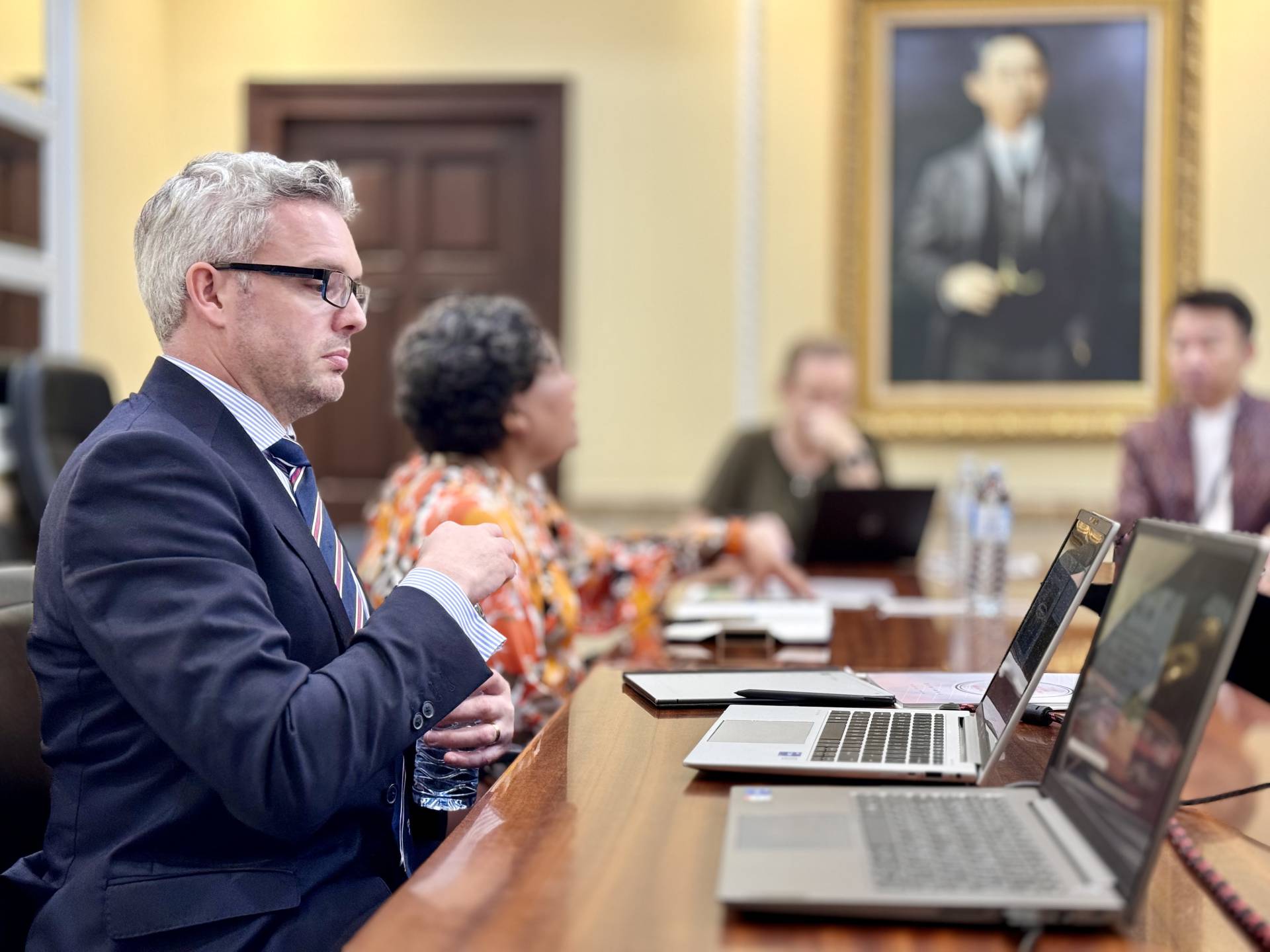
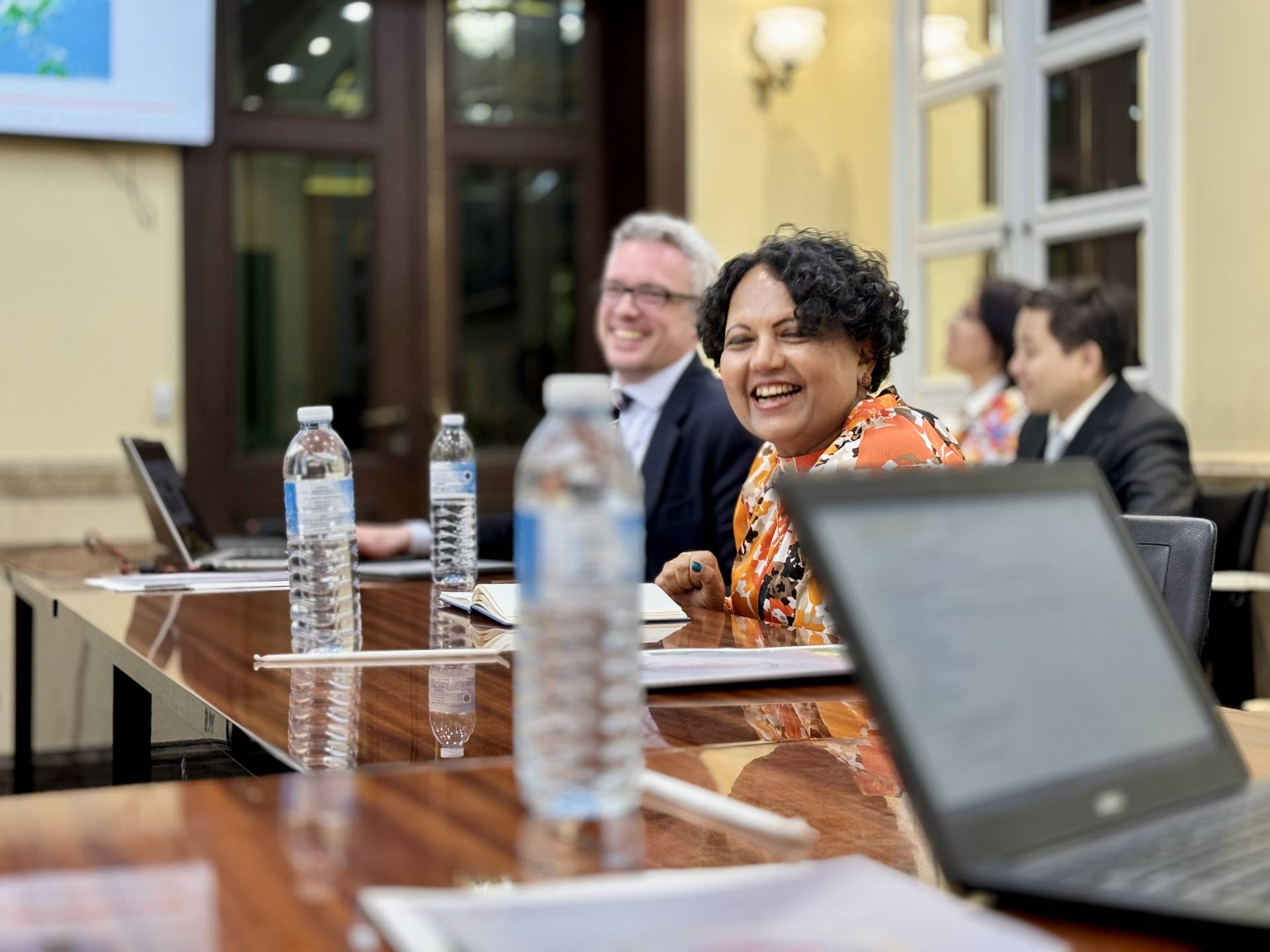
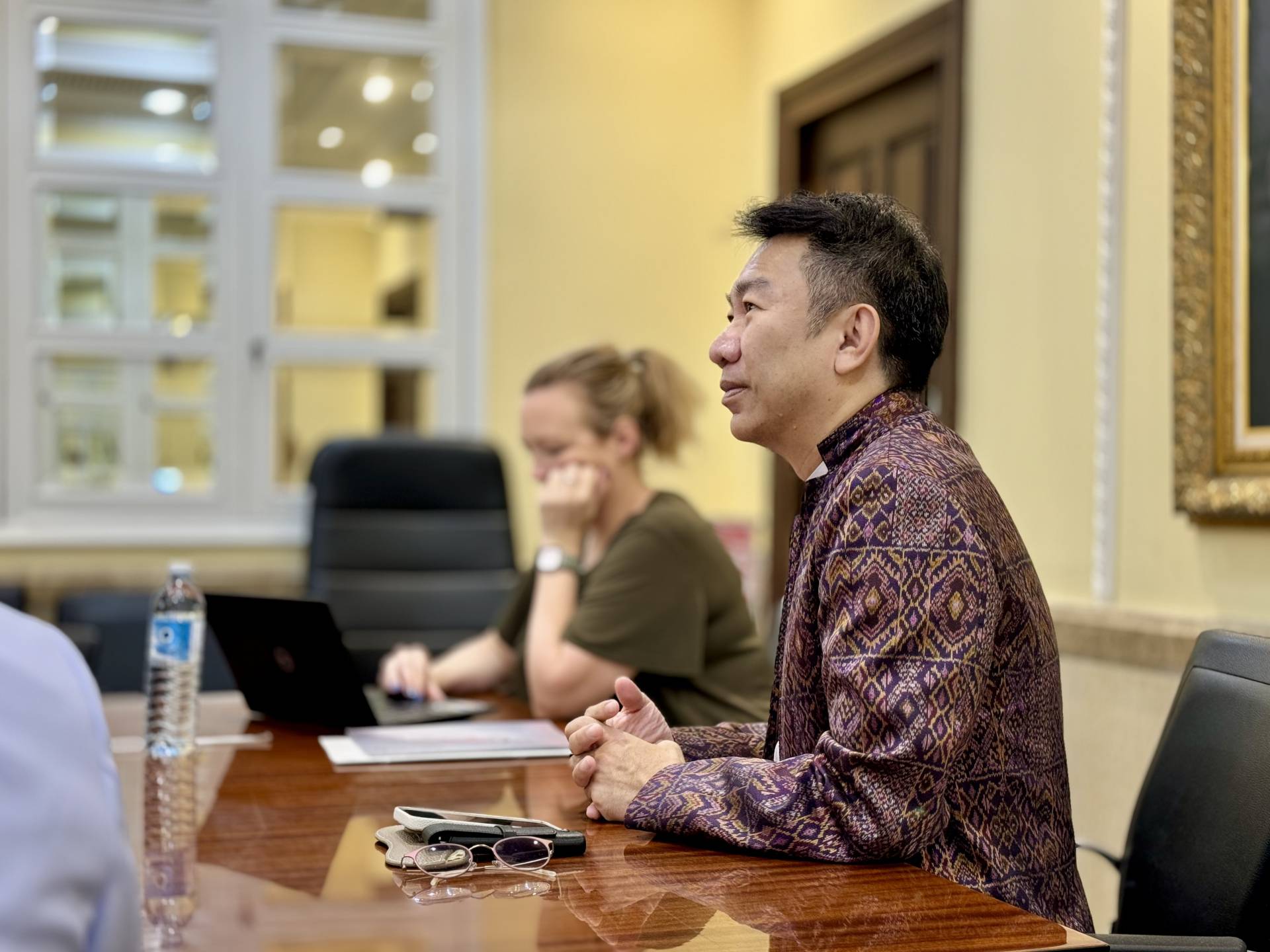
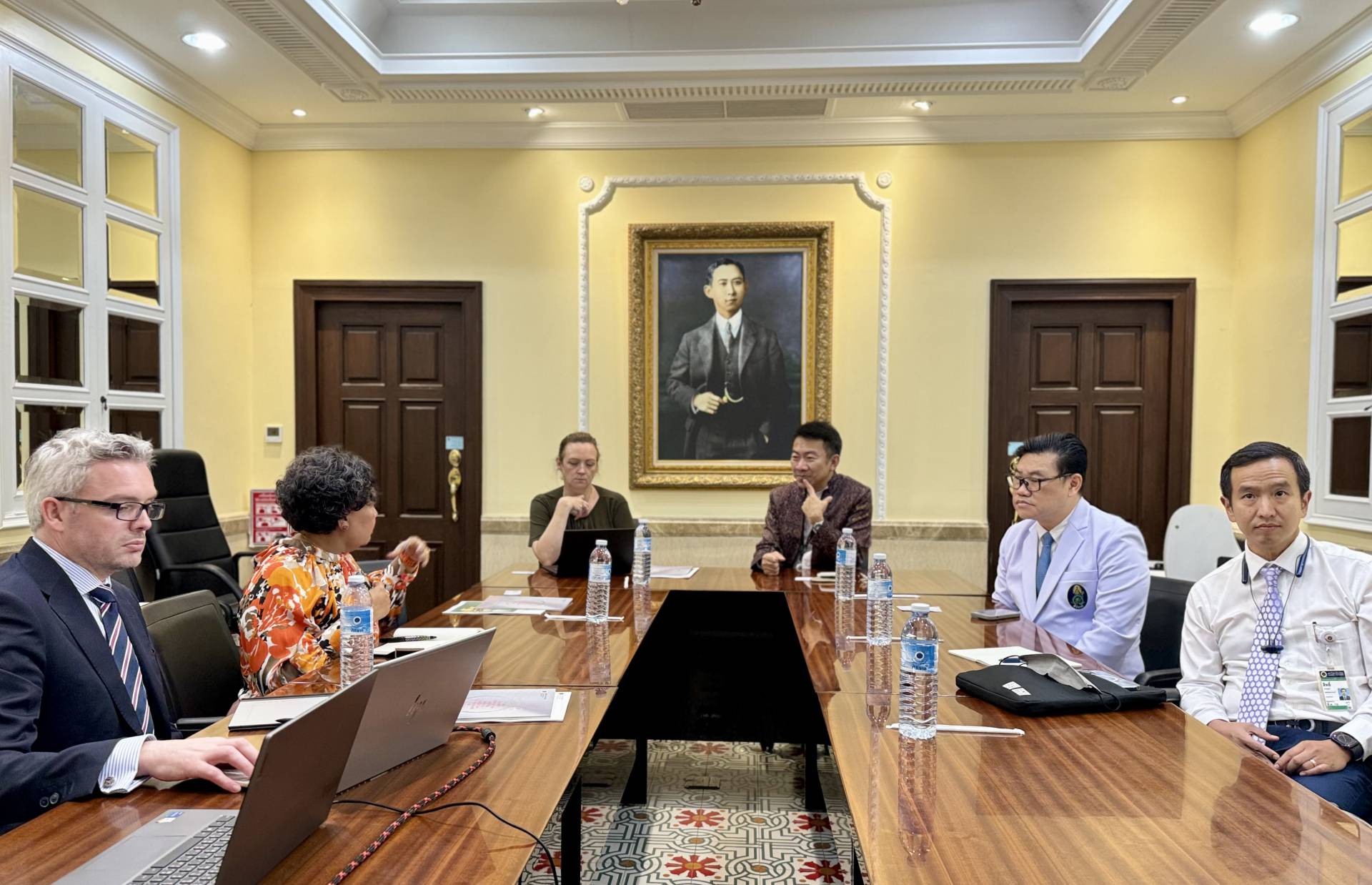
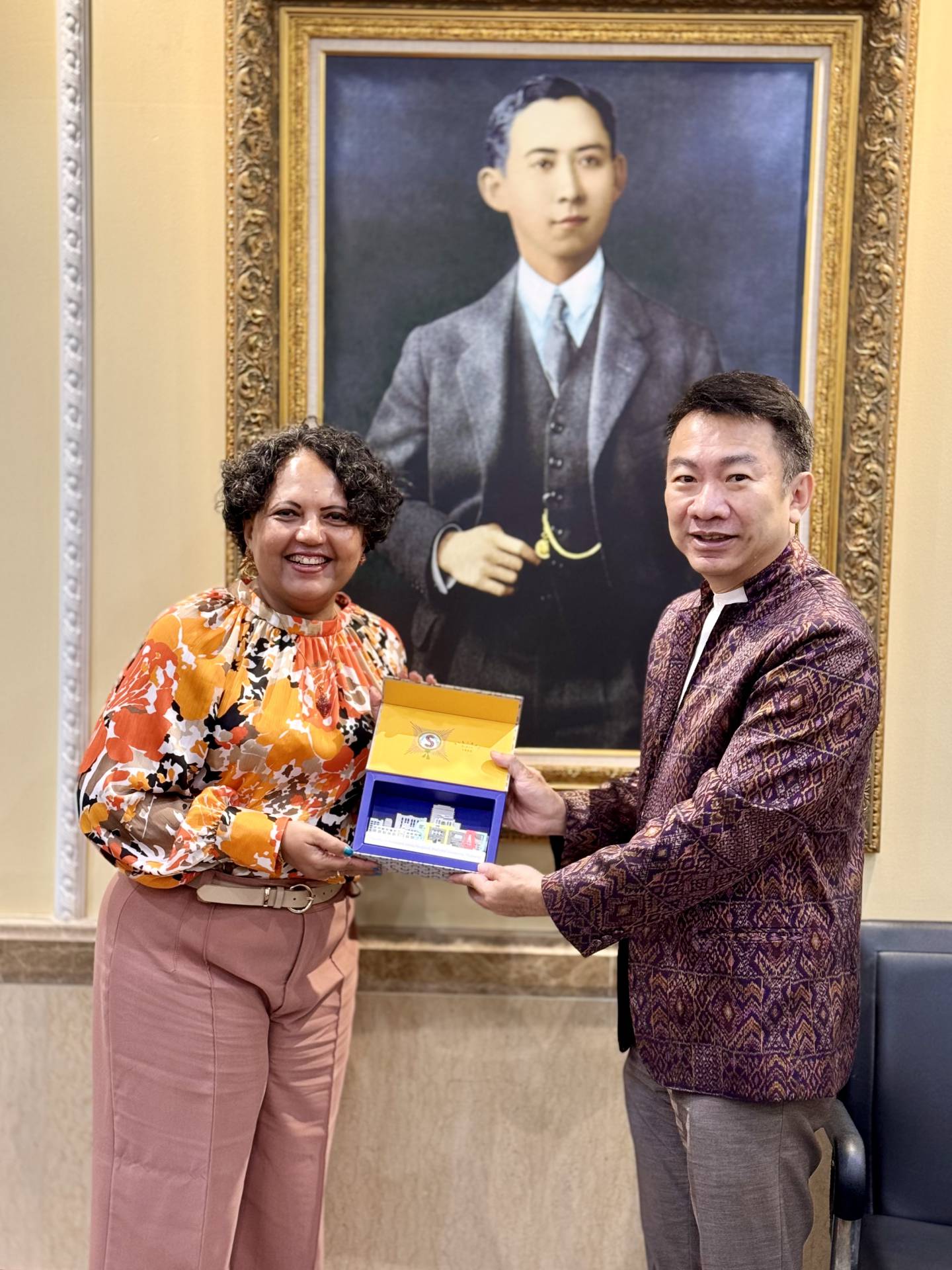
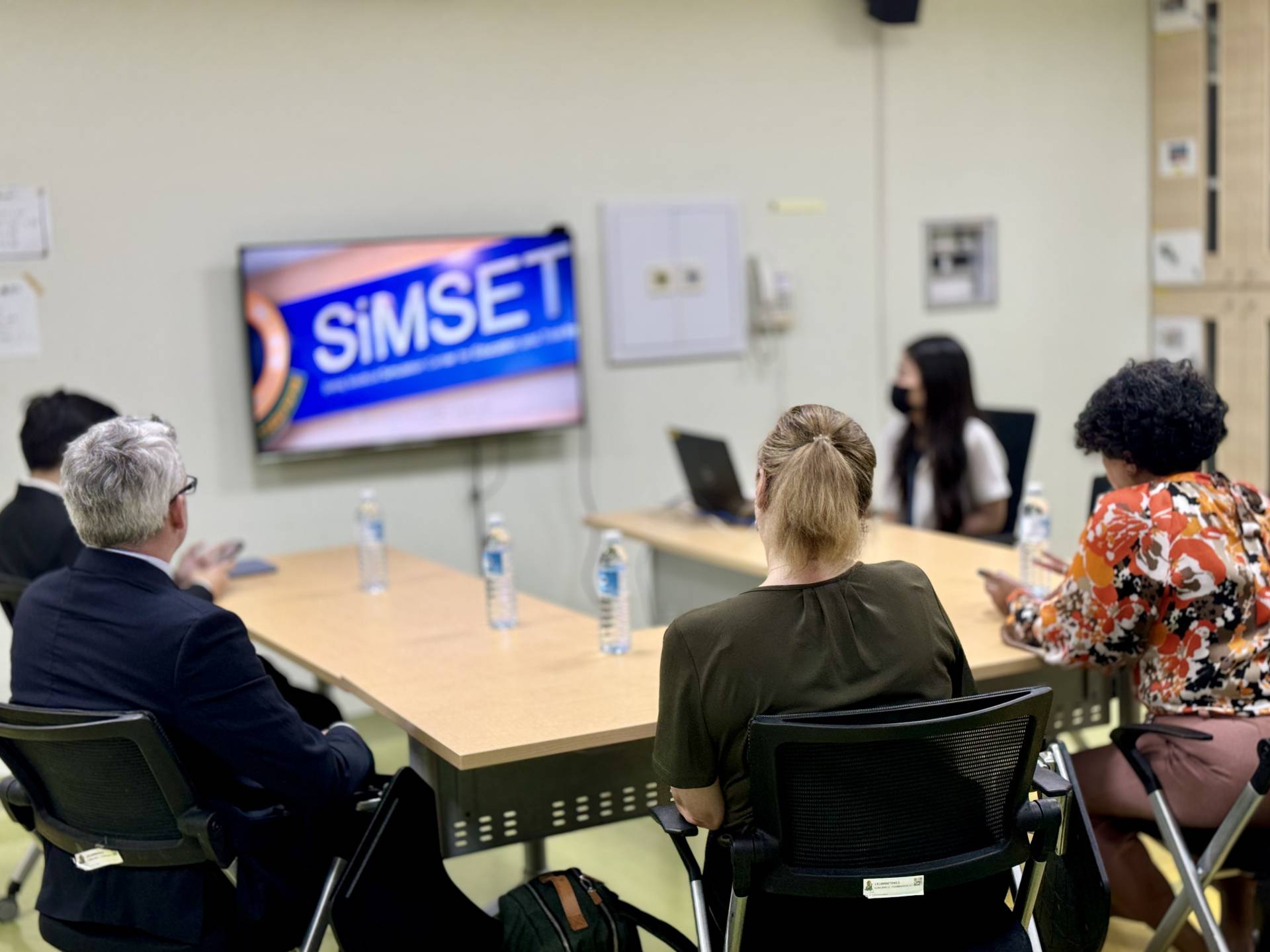
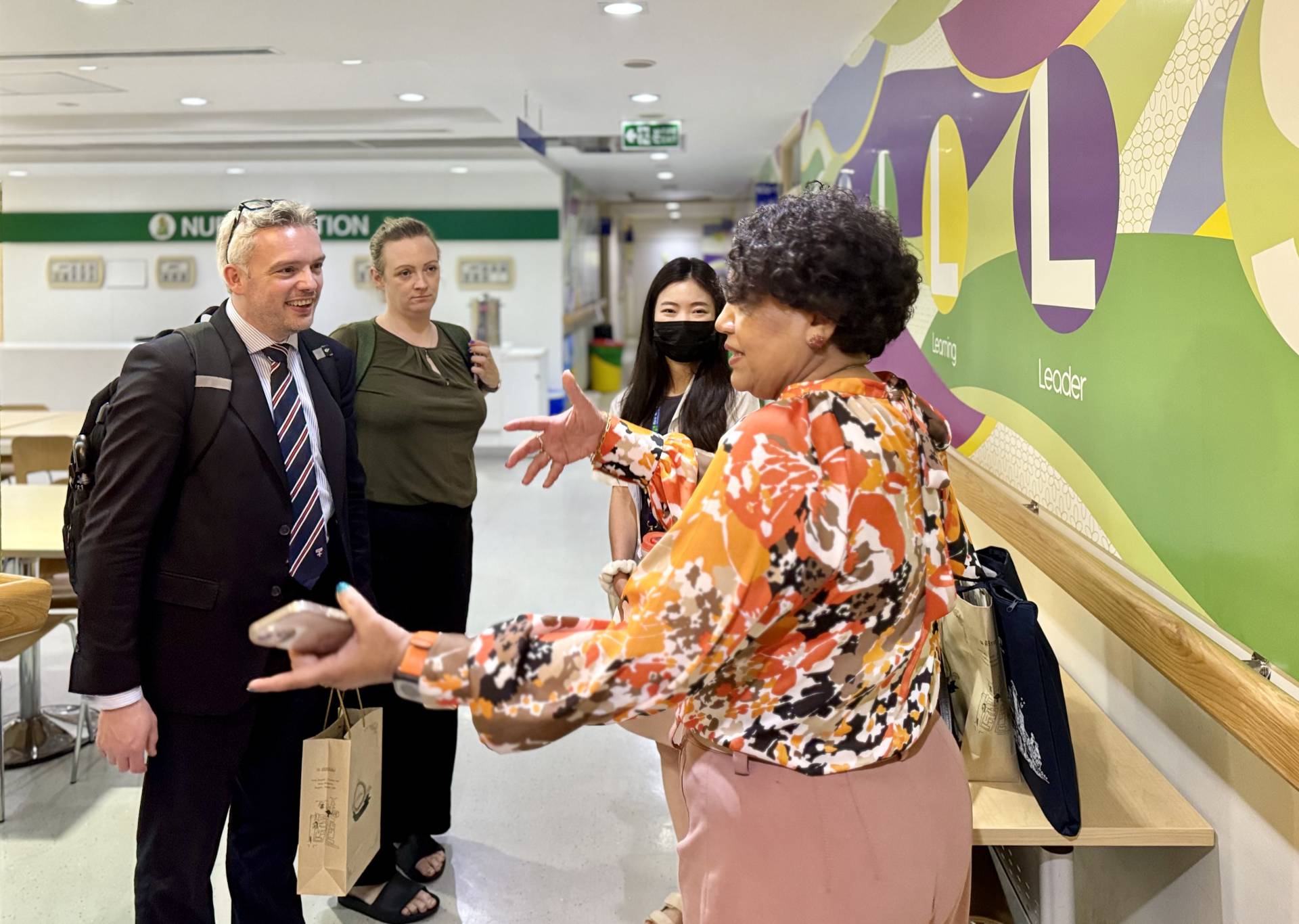
On April 30th, 2024, the Faculty of Pharmacy, Mahidol University, embarked on a visit to explore the management systems at the Faculty of Medicine Siriraj Hospital, Mahidol University. This collaborative initiative aims to facilitate the exchange of knowledge and solutions about management systems in education, service, and research. We extend our heartfelt appreciation for the warm welcome the executive team from the Faculty of Pharmacy received.

We are incredibly grateful for the honor bestowed upon us by Assoc. Prof. Sith Sathornsumetee, Deputy Dean of Research and Innovation, led the discussions. Our sincere thanks also go to Asst. Prof. Woraphat Ratta-apha, Head of the Center of Research Excellence, provided a brief introduction of our strategic unit; Prof. Oranee Sanmaneechai, Deputy Head, and Ms. Sarinya Ngamtipvatana, Head of the Research Department, who actively participated in the discussions.

We eagerly look forward to future visits and opportunities for collaboration, as we continue our collective journey towards excellence in research management.

April 29th, 2024 – MSD (Thailand) Ltd. (a wholly owned subsidiary of Merck & Co., Inc., Rahway, N.J., USA (NYSE: MRK), and the Faculty of Medicine Siriraj Hospital, Mahidol University, announced the signing of an agreement for the establishment of the Clinical Site Partnership Project in Thailand. The partnership aims to enhance cooperation in the research and development (R&D) of innovative medicine and vaccines and improve clinical research standards to drive innovation around disease prevention and treatment in line with emerging diseases.

For more details, please read at https://bit.ly/4aqql1p

We proudly acknowledge and extend our congratulations to Assoc. Prof. Dr. Sakda Khoomrung, from the Siriraj Center of Research Excellence in Metabolomic and Systems Biology (SiCORE-MSB), Faculty of Medicine, Siriraj Hospital, Mahidol University. Dr. Khoomrung has been appointed to the Editorial Board of the Computational and Structural Biology Journal, contributing expertise in a wide array of disciplines, including Mass Spectrometry, Imaging Mass Spectrometry, Metabolomics, Gut Microbial Metabolites, Bioinformatics, Systems Biology, Biochemistry, Precision Medicine, Chronic Kidney Disease, and Cancers. For those interested in delving deeper into the intricacies of these fields, we encourage you to explore the detailed findings in the Computational and Structural Biology Journal, accessible via this link: https://www.sciencedirect.com/journal/computational-and-structural-biotechnology-journal/about/editorial-board

This appointment further solidifies Dr. Khoomrung’s dedication and expertise in advancing scientific research. Meanwhile, it underscores the excellence of SiCORE-MSB in contributing to the scientific community.

SiCORE-M held an inaugural teleconference with a newly joined member of the Research and Innovation Advisory Committee (RIAC) on April 2nd, 2024. We are pleased to announce the confirmation of Distinguished Professor Nipon Chattipakorn, M.D., Ph.D., Director of the Cardiac Electrophysiology Research and Training Center (CERT Center) at the Faculty of Medicine, Chiang Mai University, as a member of the RIAC committee.

The purpose of this meeting was to welcome Professor Nipon and provide a brief introduction to SiCORE and research management at the Faculty of Medicine Siriraj Hospital. We sought guidance for shaping our direction and plans for 2024. In this regard, we extend our sincere appreciation to Professor Nipon for accepting the invitation to serve on the RIAC committee and look forward to his valuable insights and contributions alongside our esteemed existing members.

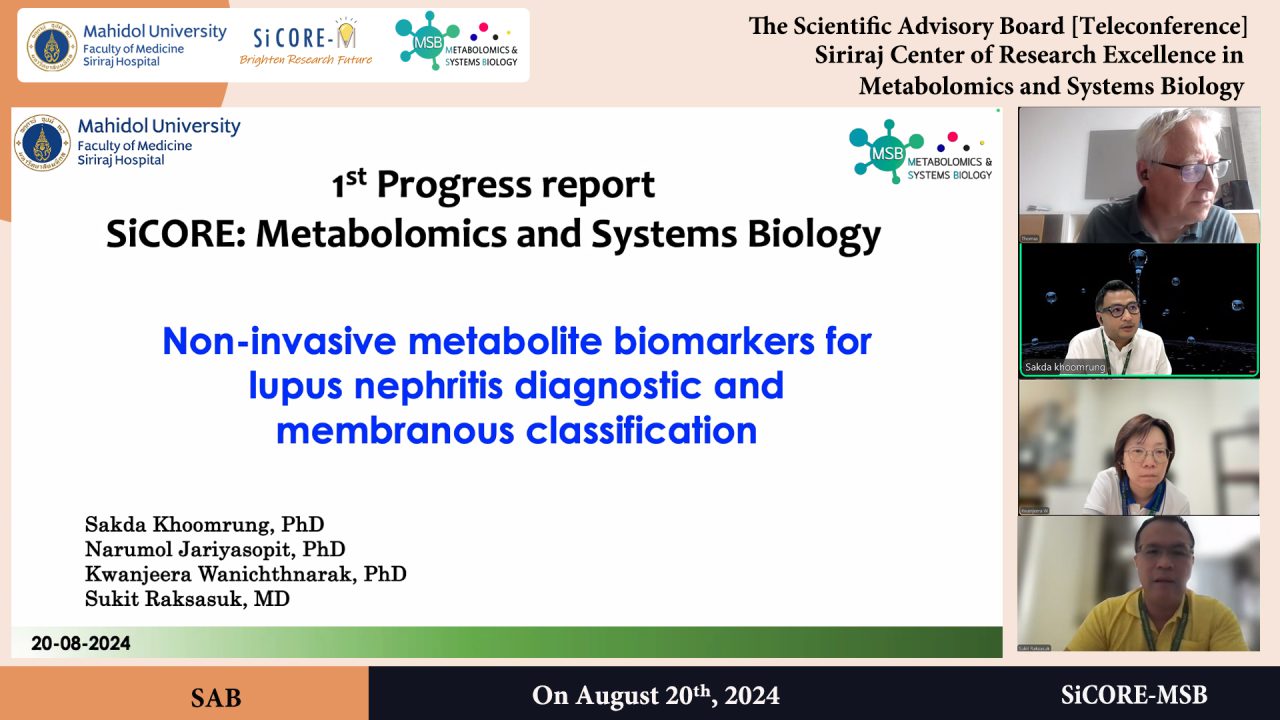
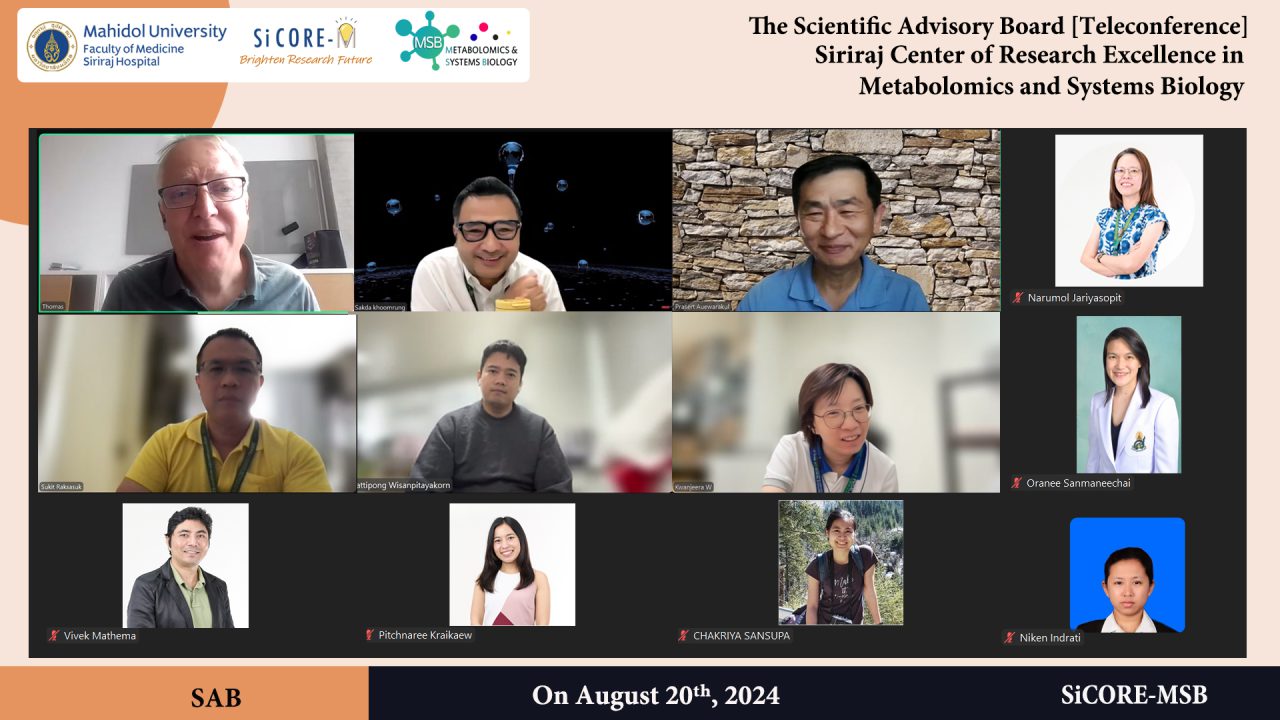
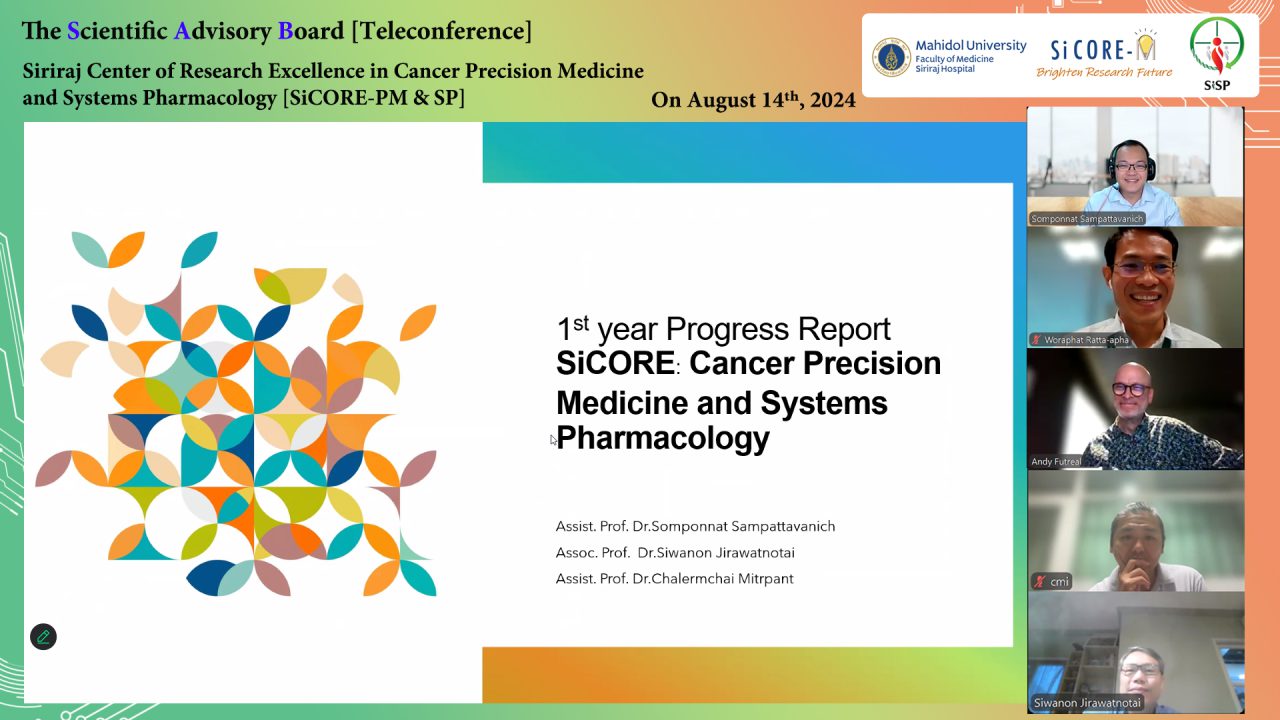
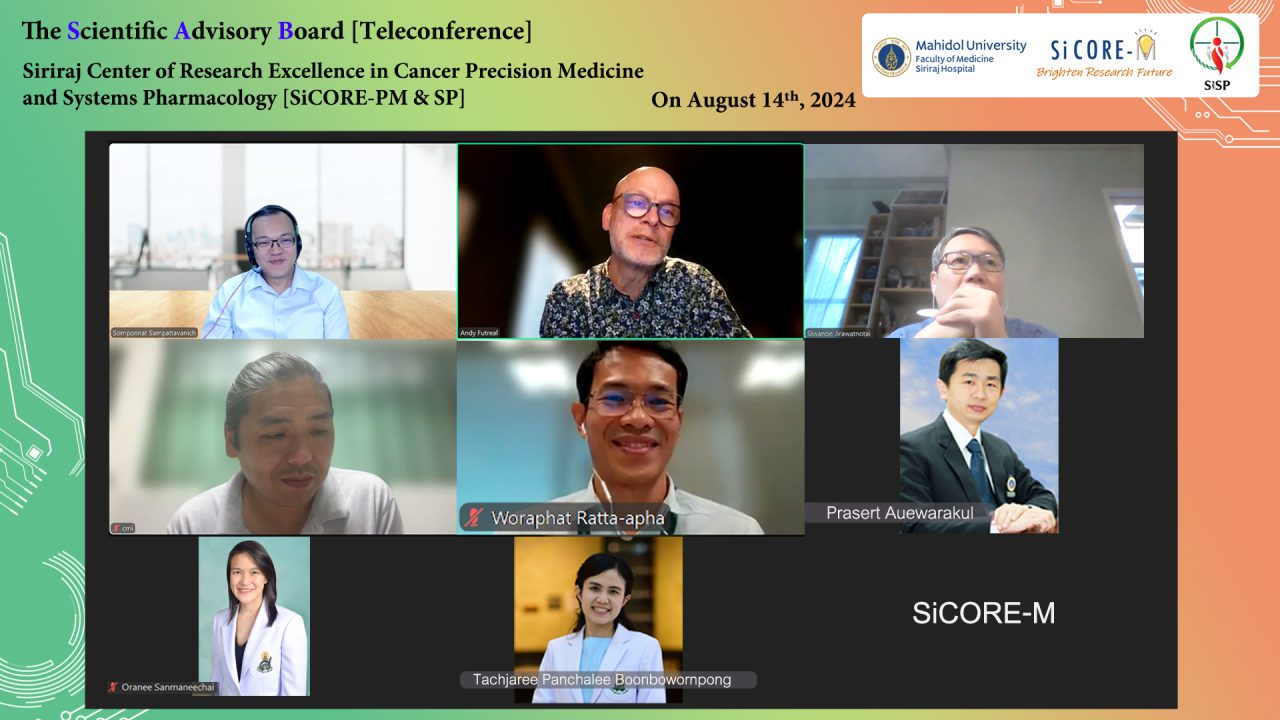
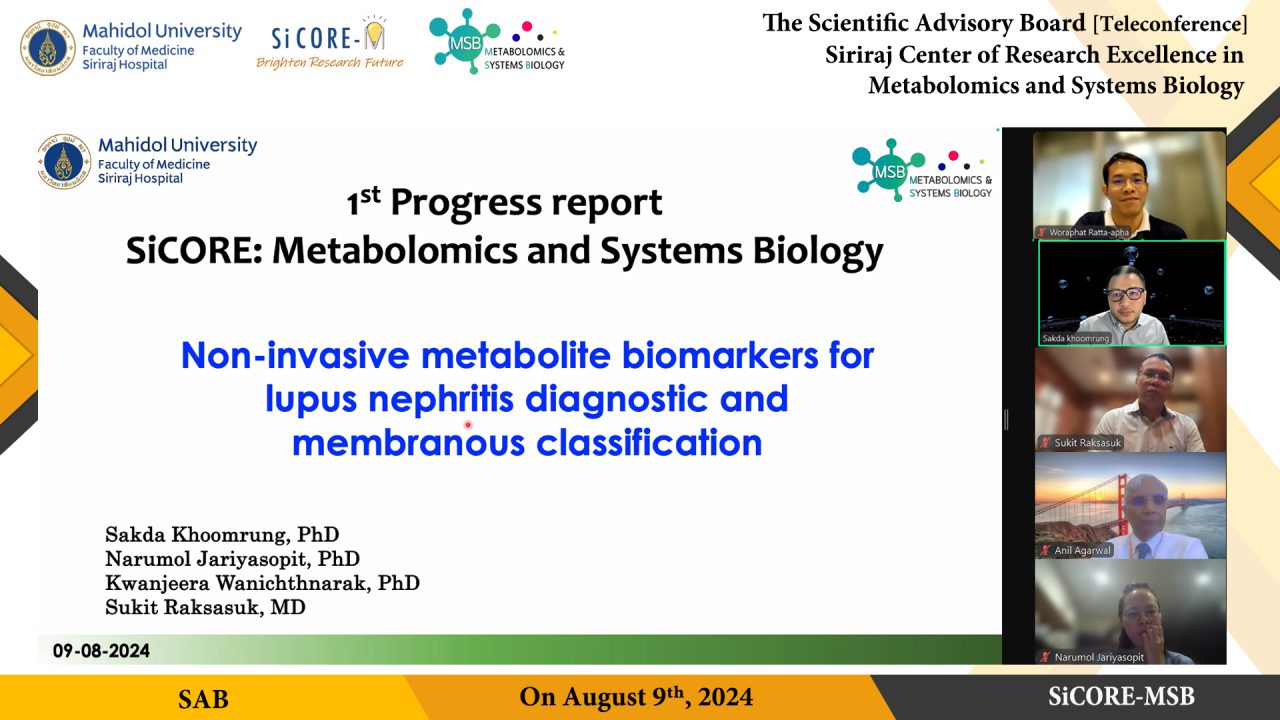
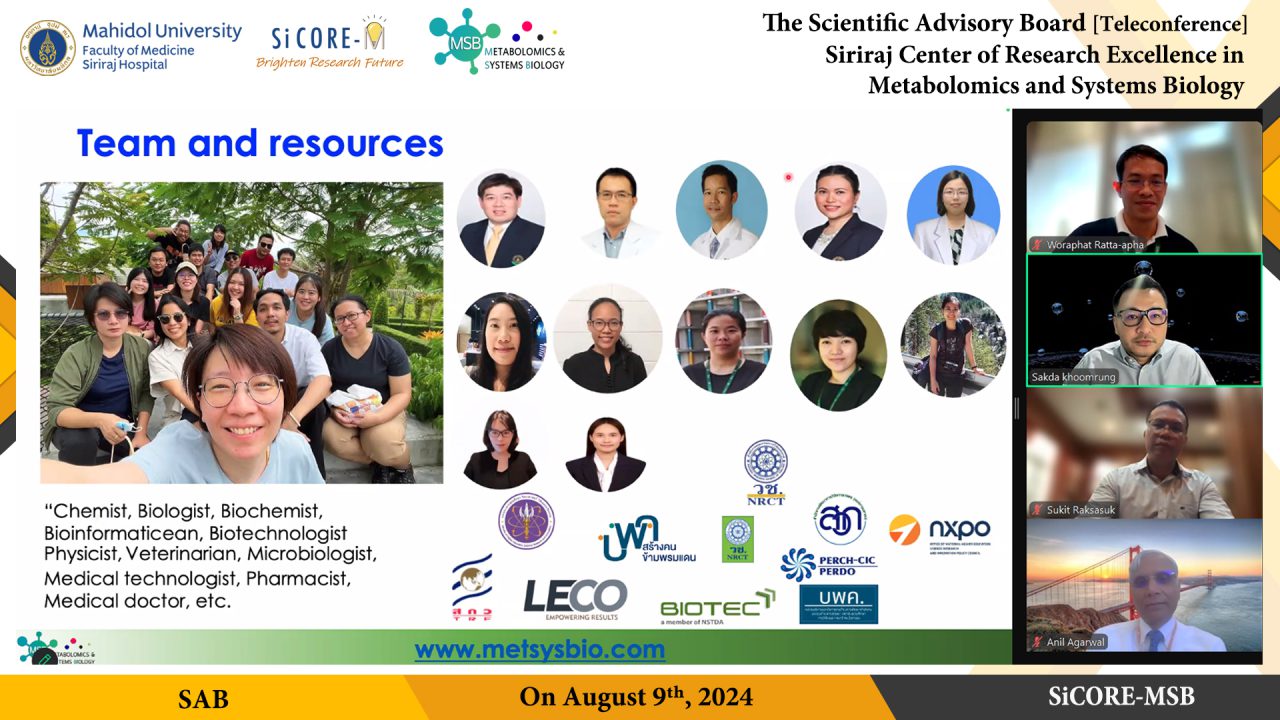
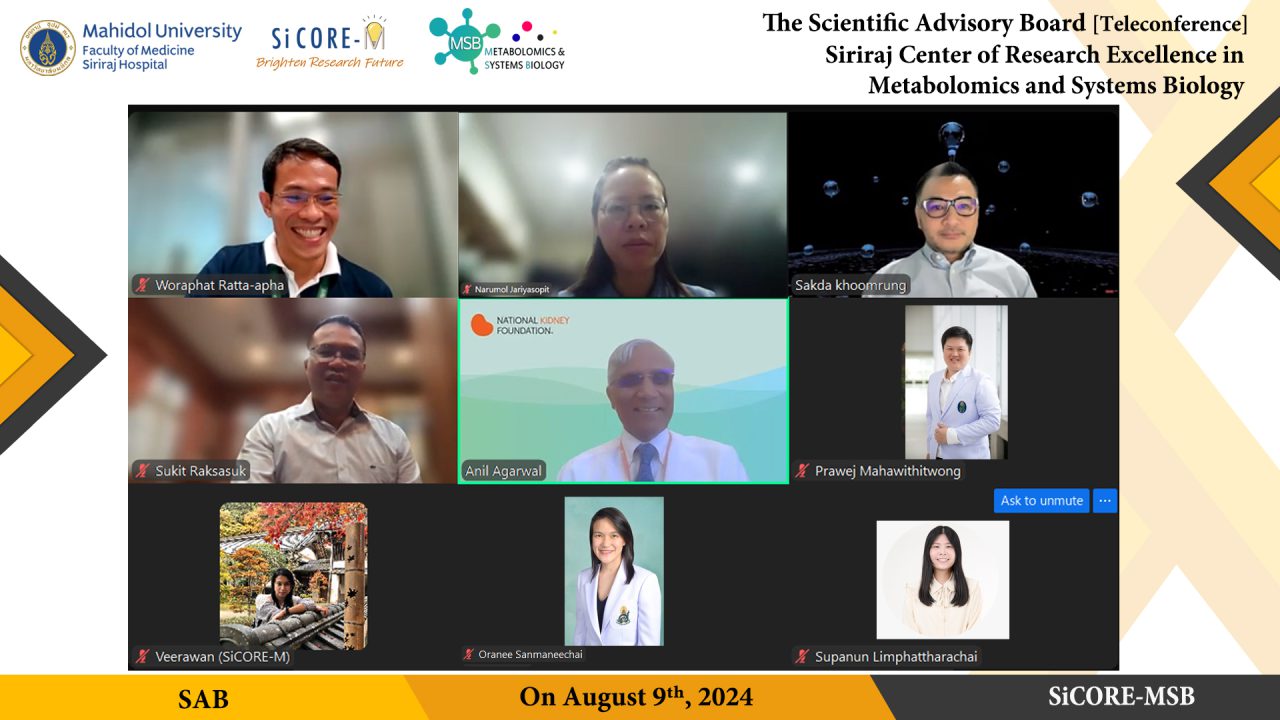
On March 25th, 2024, the SiCORE-M Team and SiCORE-MSB convened a pivotal teleconference with one of the esteemed Scientific Advisory Board (SAB) members of the SiCORE-MSB, Prof. Anil K. Agarwal, Chief of Medicine at VA Central California Health Care System and Professor of Medicine at the University of California San Francisco, engaged in two insightful sessions.

Session 1, “Introduction of SiCORE-M,” Assist. Prof. Dr. Woraphat Ratta-apha, Head of the Center of Research Excellence, warmly welcomed Prof. Anil K. Agarwal and presented the term of reference for the SAB.

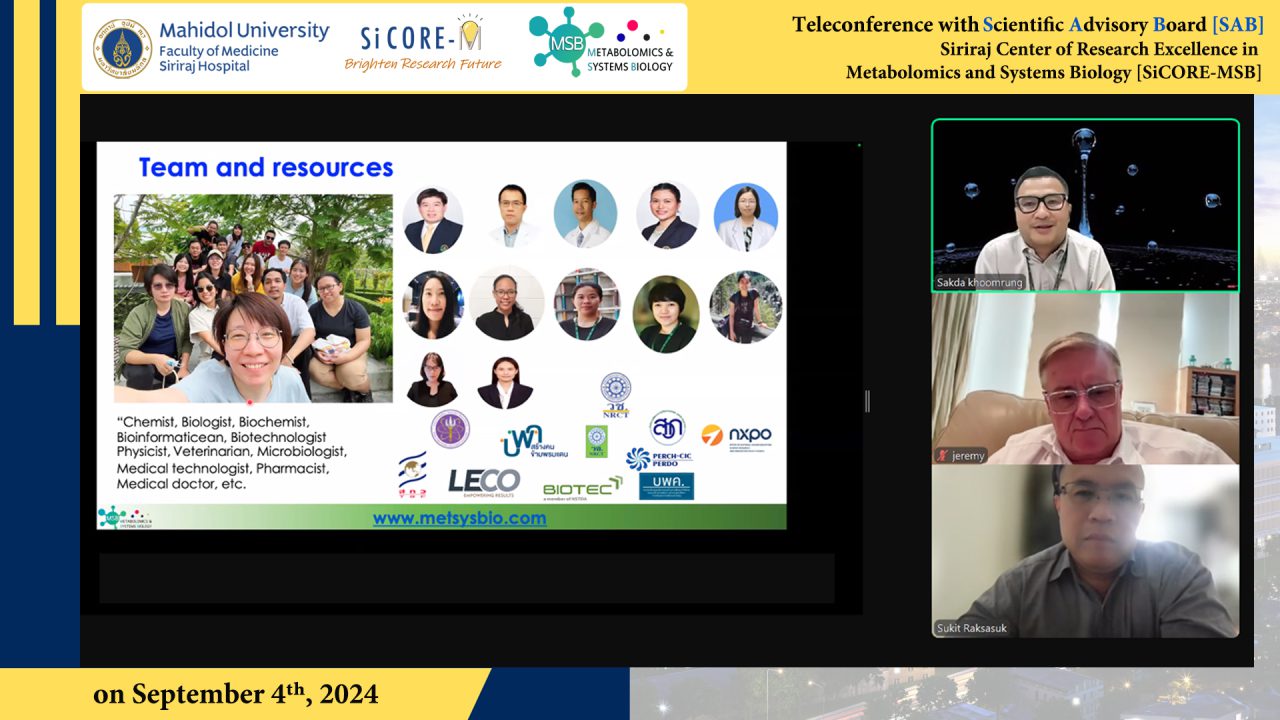
In Session 2, “Discussing the Research Question and Direction of SiCORE-MSB,” Assoc. Prof. Dr. Sakda Khoomrung, Director of SiCORE-MSB, alongside his team members, including Assist. Prof. Sukit Raksasuk, Dr. Narumol Jariyasopit, and Dr. Kwanjeera Wanichthanarak presented their research questions, plans, and strategies for discussion and feedback from the SAB. This collaborative effort signifies a crucial step towards shaping the future trajectory of research within SiCORE-MSB, fostering innovation and excellence in metabolomic and systems biology endeavors.

For further details, please visit our Facebook page: [Link]
#SiCORE-M #SiCORE-MSB