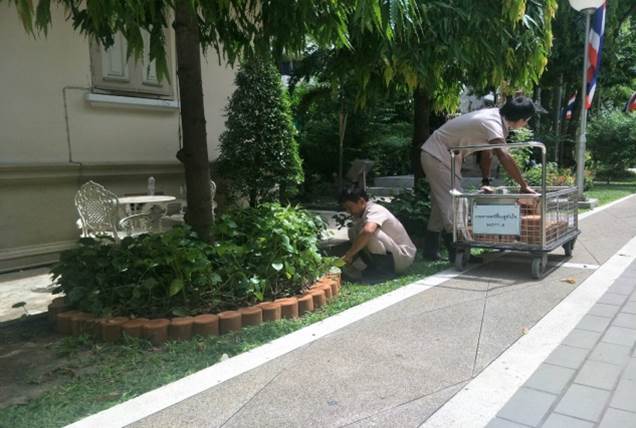
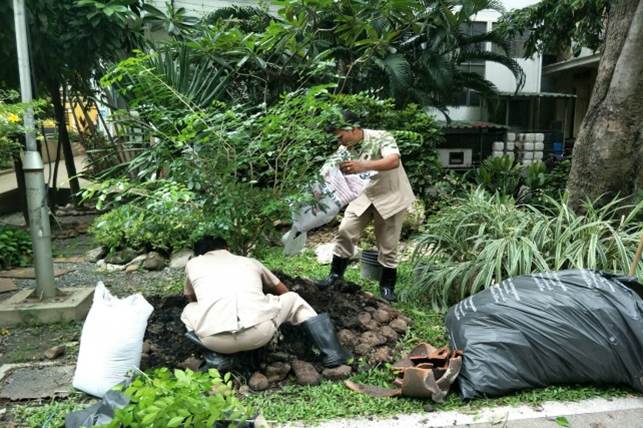
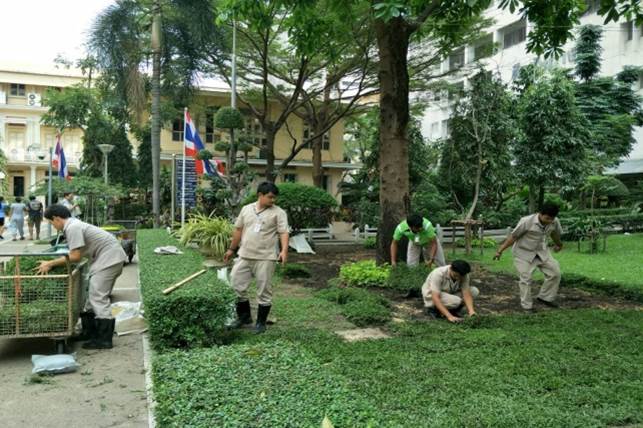
As the Faculty of Medicine Siriraj Hospital is having over 20,000 personnel more than 3 million outpatient visits per year staying in a limited and crowded area, the faculty, therefore, decided to create more green space for both domestic and public usage and leisure.

The green space of Siriraj is surrounded by Prince Mahidol Statue, the center of the hospital, providing a nice scenery and clean air for visitors as well as Siriraj personnel. The faculty believes that green spaces can give enormous benefits to the neighborhood and community by improving health, social well-being, and enhancing the enjoyment of the local environment.

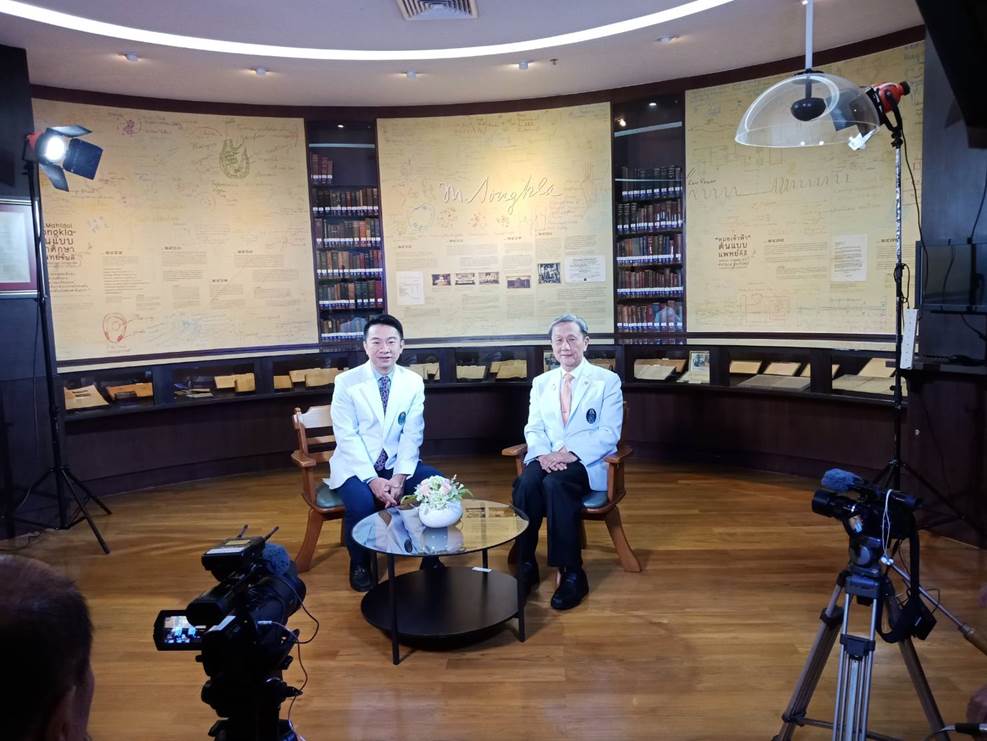
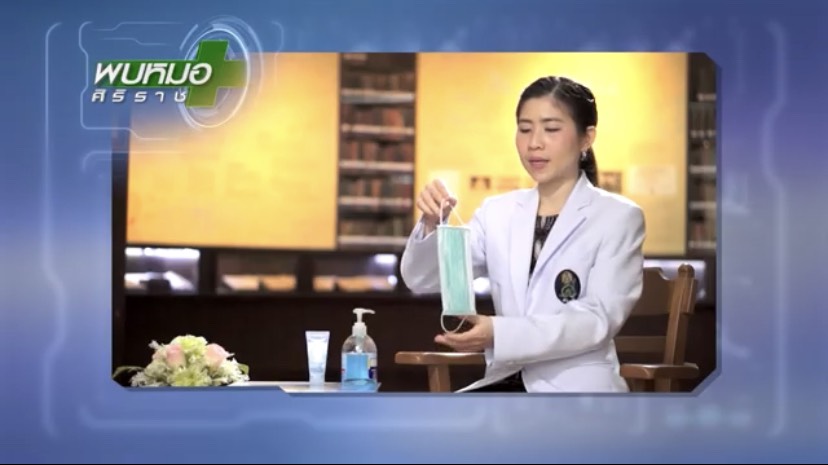
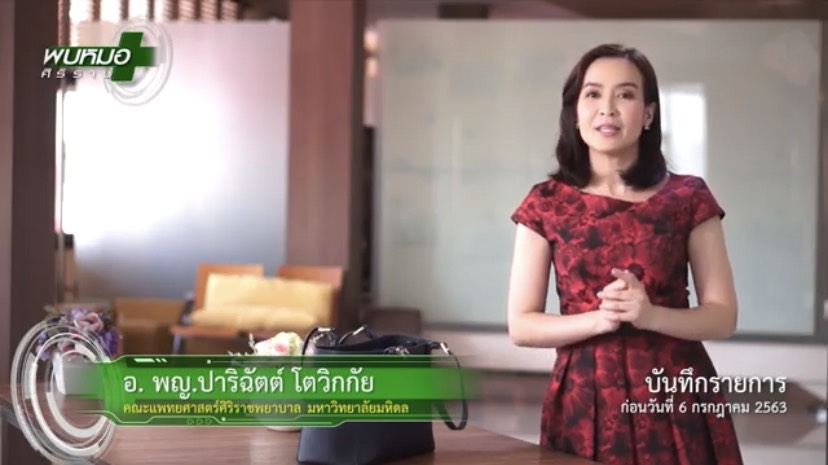
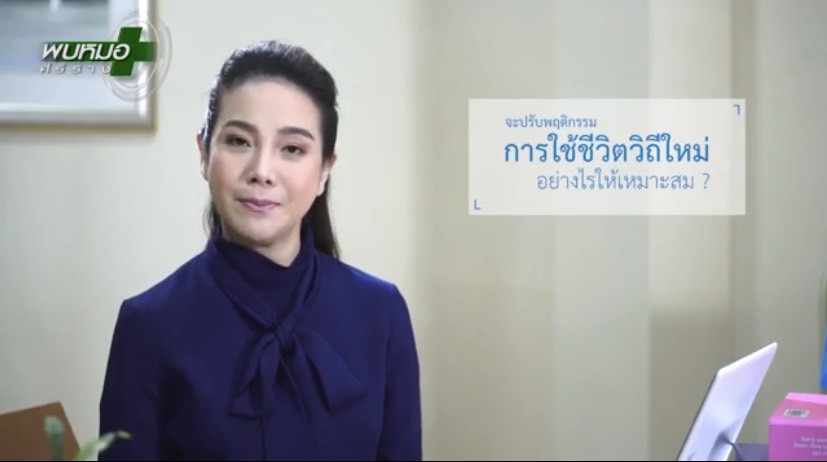
Faculty of Medicine Siriraj Hospital Mahidol University emphasizes on the significance of wellness and expects Thai people to look after themselves and gain more knowledge of primary health care. Therefore, they produce a 3-minute documentary television on healthcare tips, disease awareness and prevention, and health-enhancing behaviors, which leads to public wellbeing.

The TV program broadcasted for the first time in May 1986 and currently on air Sundays at 2.27 – 2.30 pm on 7HD Channel. The objectives are to spread knowledge of illness and disease, correct medical treatment, and technology for Thai people’s quality of life improvement, to emphasize understanding disease prevention, enhance the mental and physical health of people of all ages, and to promote more healthcare awareness and knowledge of primary health care among Thai people. In the end, the TV program aimed at Thai people will gain knowledge of illness and disease, correct medical treatment, and technology to improve Thai people’s quality of life. They are able to understand sickness and disease, proper medical treatment, and technology to improve their quality of life. Ultimately, people of all ages will gain more understanding of disease prevention and enhance the mental and physical health of people of all ages.

The World is currently facing a health crisis from the rise of chronic Non-communicable diseases (NCDs). The existing treatment cannot control the disease as needed. The demand for traditional medical treatment is increasing. But, the problem is the lack of proven evidence of effectiveness and safety issues, including the lack of example about the integrated care in the hospital.

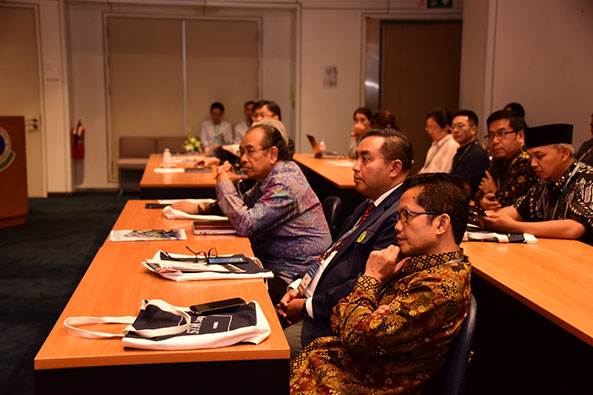
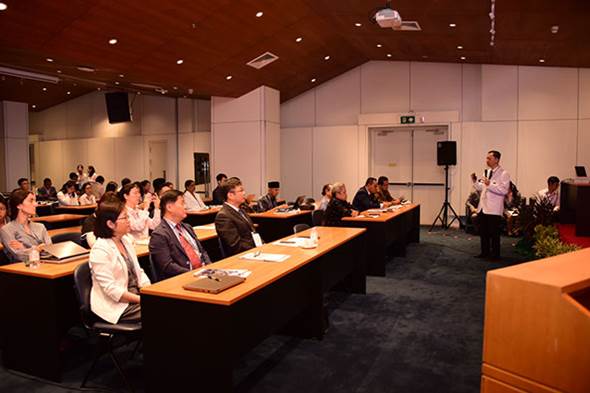
Therefore, Center of Applied Thai Traditional Medicine, Faculty of Medicine Siriraj Hospital, Mahidol University organized the International Symposium on Traditional Medicines under the theme of non-communicable disease from September 11th–12th, 2019 under the objectives to share and discuss on the challenges of the integration of Translational medicine into Non-Communicable diseases care, clinical practices, researches, including providing a chance for networking and collaboration between Siriraj and international institutions.

The target group of this symposium was to share and discuss the challenges of the integration of Translational medicine into Non-Communicable diseases care, clinical practices, researches, including providing a chance for networking and collaboration between Siriraj and international institutions.

The symposium was well attended by 129 participants from 11 countries such as South Korea, Taiwan, China, Malaysia, Indonesia, Japan, India, Cambodia, USA, UK, and Thailand.

Center of Applied Thai Traditional Medicine has provided a four-year curriculum leading to a bachelor’s degree in Applied Thai Traditional Medicine for their students. To become a qualified Thai traditional medicine practitioner, a study in a classroom is not enough, in addition, students must develop other skills such as leadership, collaboration both inside and outside Siriraj, immediate problem solving, volunteering spirits for those in need, etc. The students should apply these skills to developing our society in the future.

The project set up around November – April of each academic year under the objectives to encourage students to apply their knowledge and skills for the benefit of others or serve the public good and to develop collaboration skills to work with others by having Faculty of Medicine Siriraj Hospital, Mahidol University, Nakhon Pathom School for the Deaf, Nakhon Pathom Province, Bangpu nature Education Center Commemorate 72nd Anniversary her Majesty Queen Sirikit, Samut Prakan Province, and Chaloem Phrakiat Thai Prachan National Park, Ratchaburi Province as stakeholders and co-organizers.

Activities performed

  1. Organize activities to educate the hearing-loss students about Thai Traditional Medicine.
  2. Organize activities for students to participate in the preservation of nature and environment, including being aware of the importance of the ecosystem.
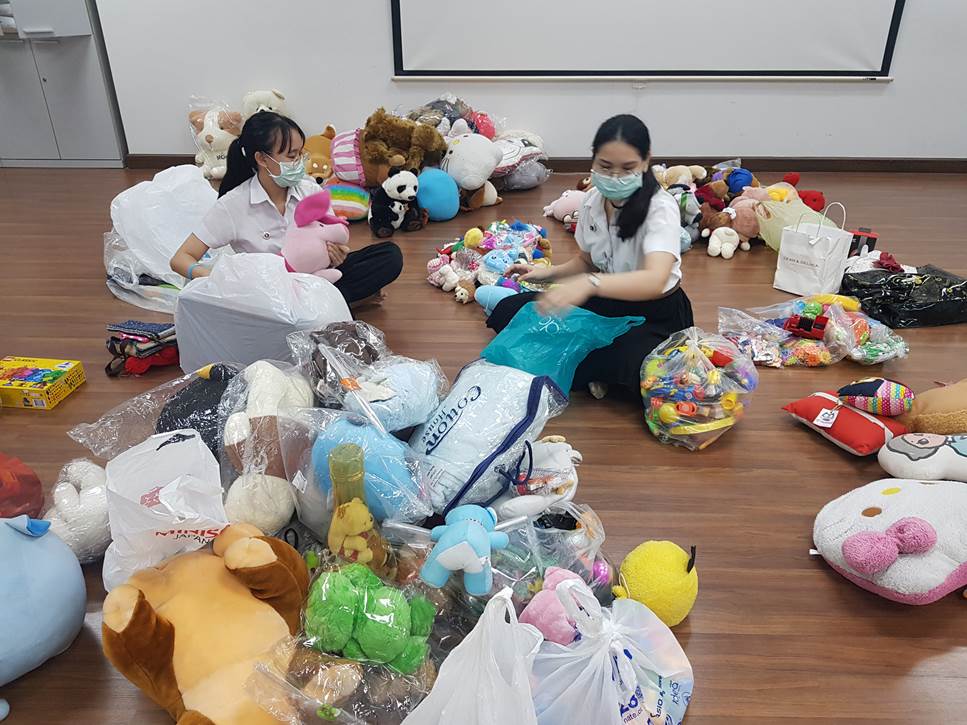
  3. Organize the donation activities for those in need.

Target Group

High school student

Students of all curriculum in Faculty of Medicine Siriraj Hospital

Participants

  1. 40 students of Nakhon Pathom School for the Deaf
  2. Students of all curriculum in Faculty of Medicine Siriraj Hospital such as Doctor of Medicine Program students, Applied Thai Traditional Medicine students, Bachelor of Prosthetics and Orthotics students, Bachelor of Technology Program in Medical Education Technology students, and Certificate of Nurse Assistant students

The outcomes of the Project

  1. Disseminate the knowledge in Applied Thai Traditional Medicine to be widely known in Thai society.
  2. Increasing learning opportunities for underprivileged students
  3. Raising awareness of being a contributor/volunteer to students.
  4. Increasing collaboration skills with others including immediate problems solving

‘Siriraj Volunteer Center’ was set up and operates under Siriraj Corporate Social Responsible Division. It focuses on creating ‘sustainable volunteering’ and established itself as a hub of organizations for any cooperation and contribution to society. It’s also created the ‘volunteer management system’, developing and enhancing the capacity of each organization in order to maintain the relationship between organizations and volunteers. It also created networking between government organizations, state enterprises, private sectors, and independent organizations, to actively involved in the contribution to the society in order to create the maximum benefits for the Thai community in sustainable ways.

The project started from December 2019 – September 2020 at the Faculty of Medicine Siriraj Hospital by having many inside and outside stakeholders and participants as below,

Inside of Faculty of Medicine Siriraj Hospital, Mahidol University

– Department of Transfusion Medicine (Transfusion Medicine Volunteer)

– Siriraj Pain Management Unit, Department of Anesthesiology (volunteers for ‘the Safety for my patients’: to assist the patients who are unable to support themselves)

– Siriraj Public Relations and Special Affairs Division (volunteers for put a folded New Year Happiness card into an envelope, volunteers for Mahidol Day ceremony, volunteers for Siriraj Public Relations Journal Editorial, volunteers for Mahachat Sermon Preaching on the 131st founding anniversary of Siriraj Hospital)

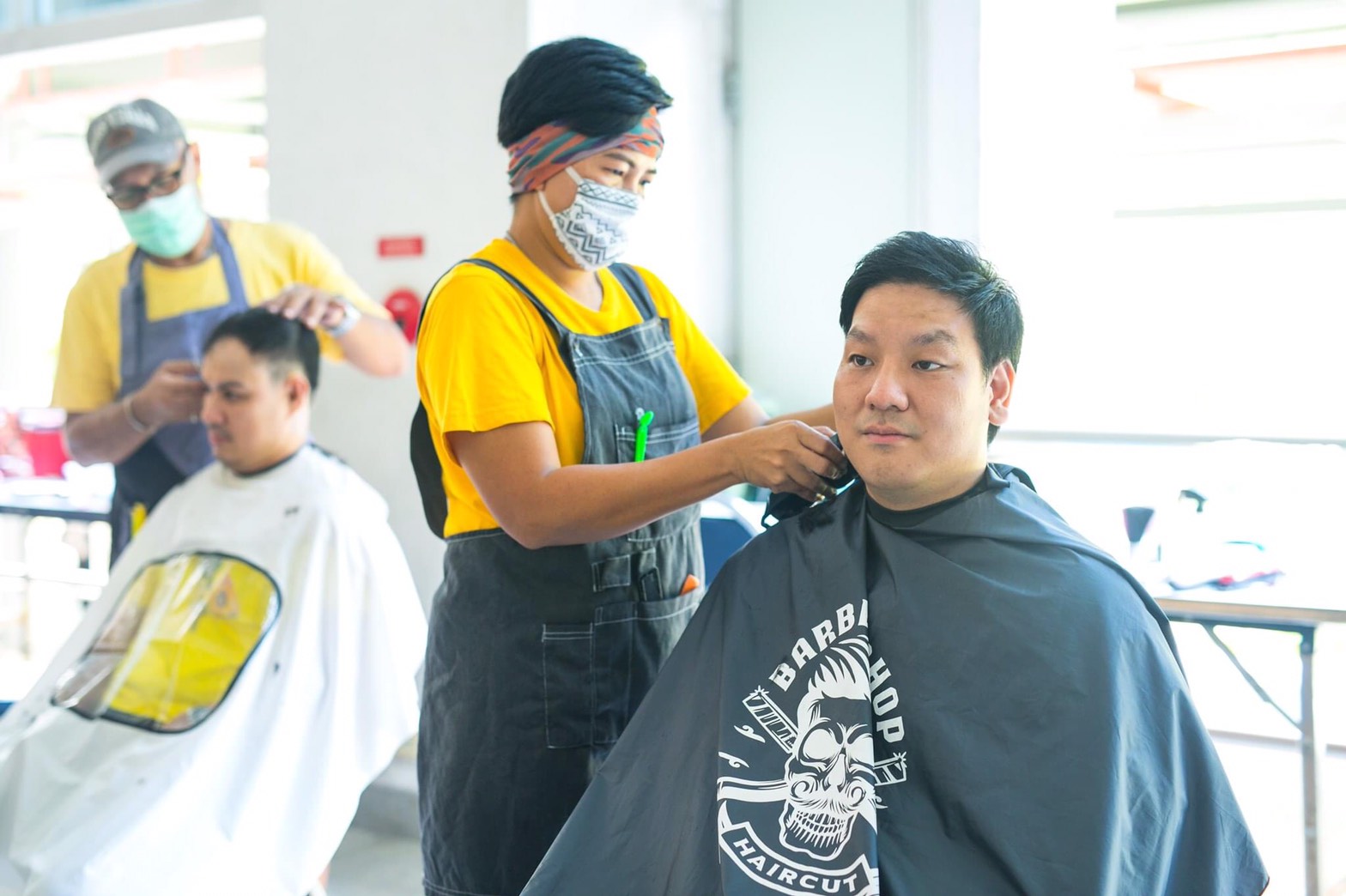
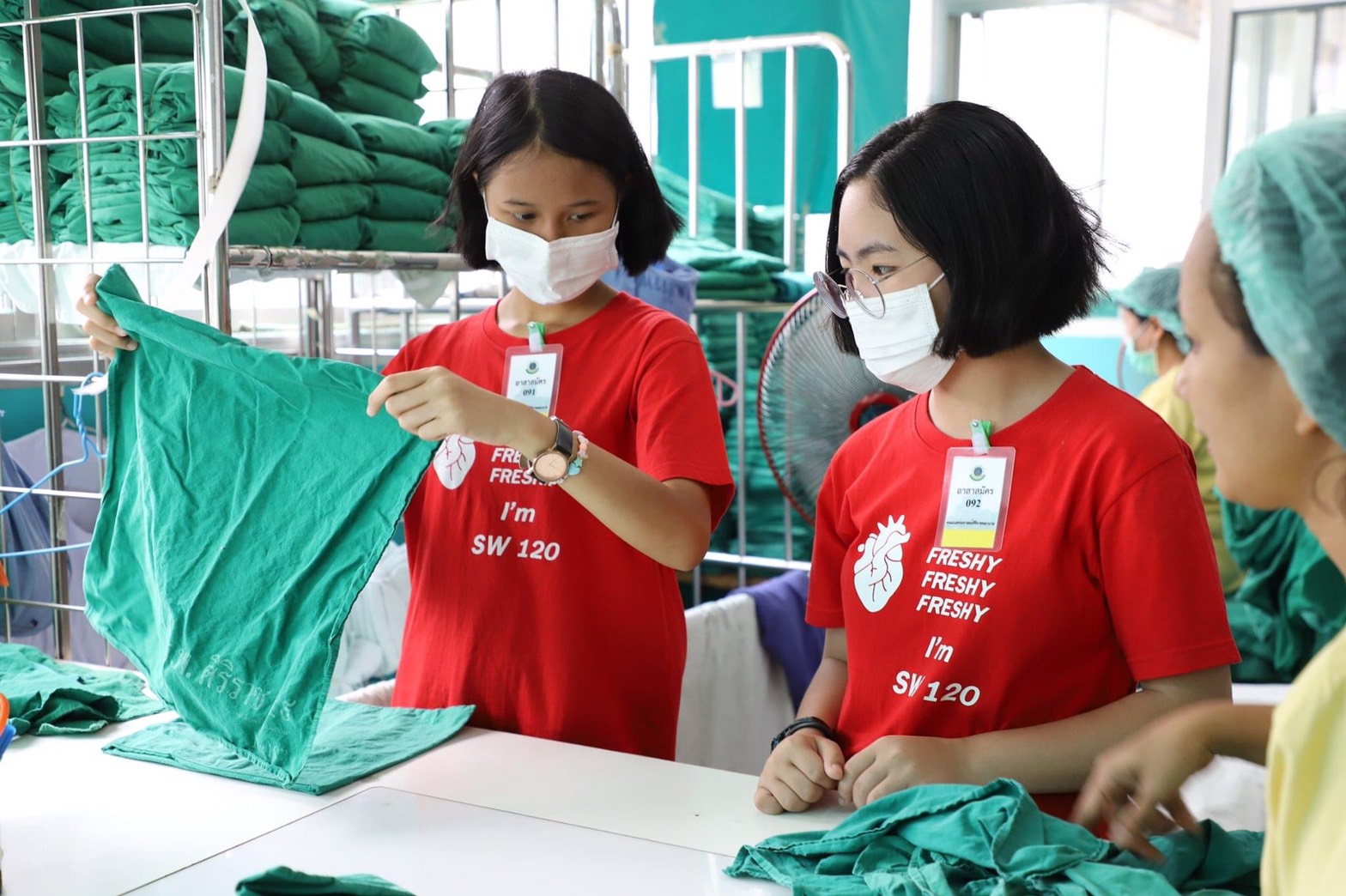
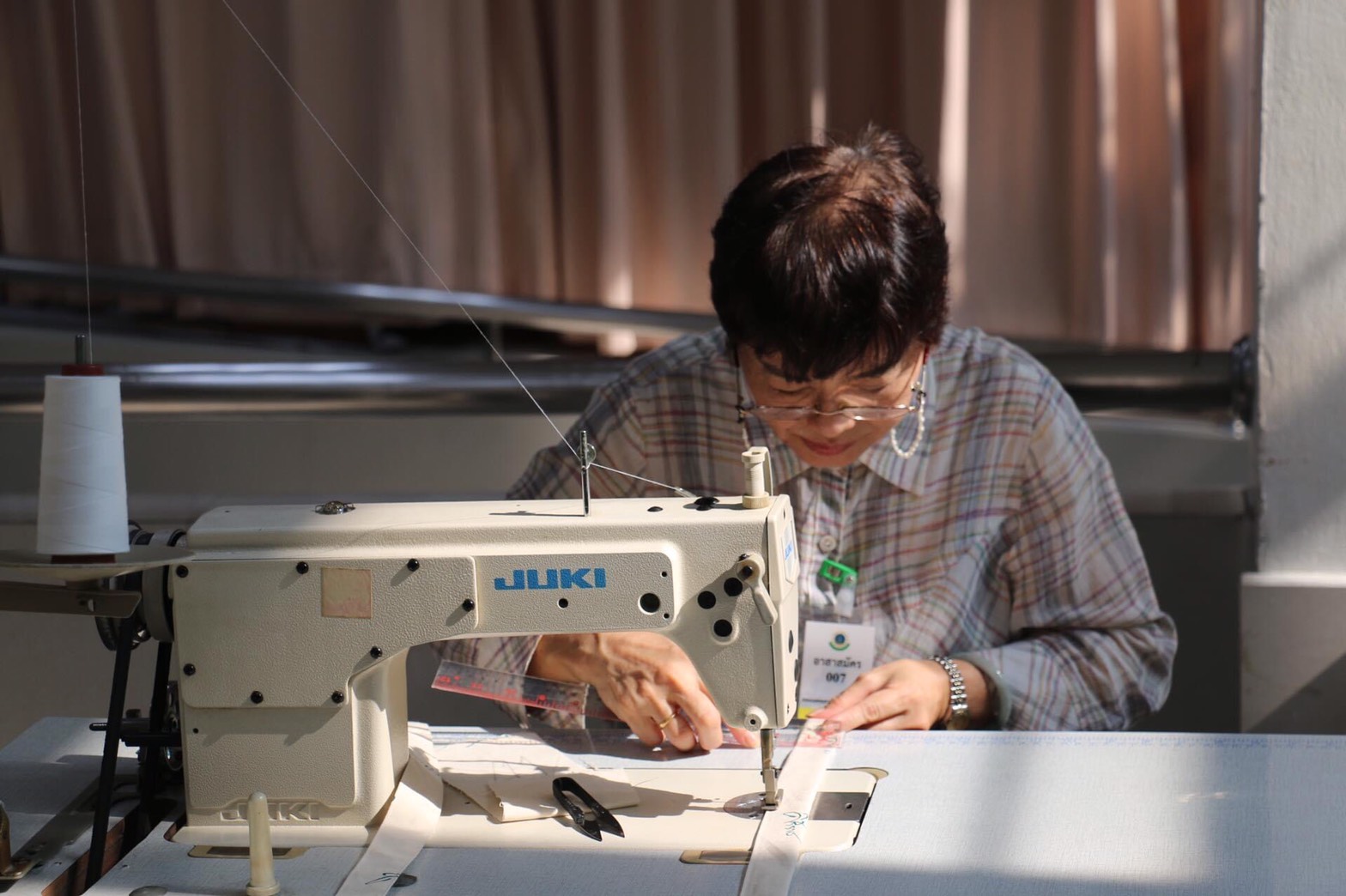
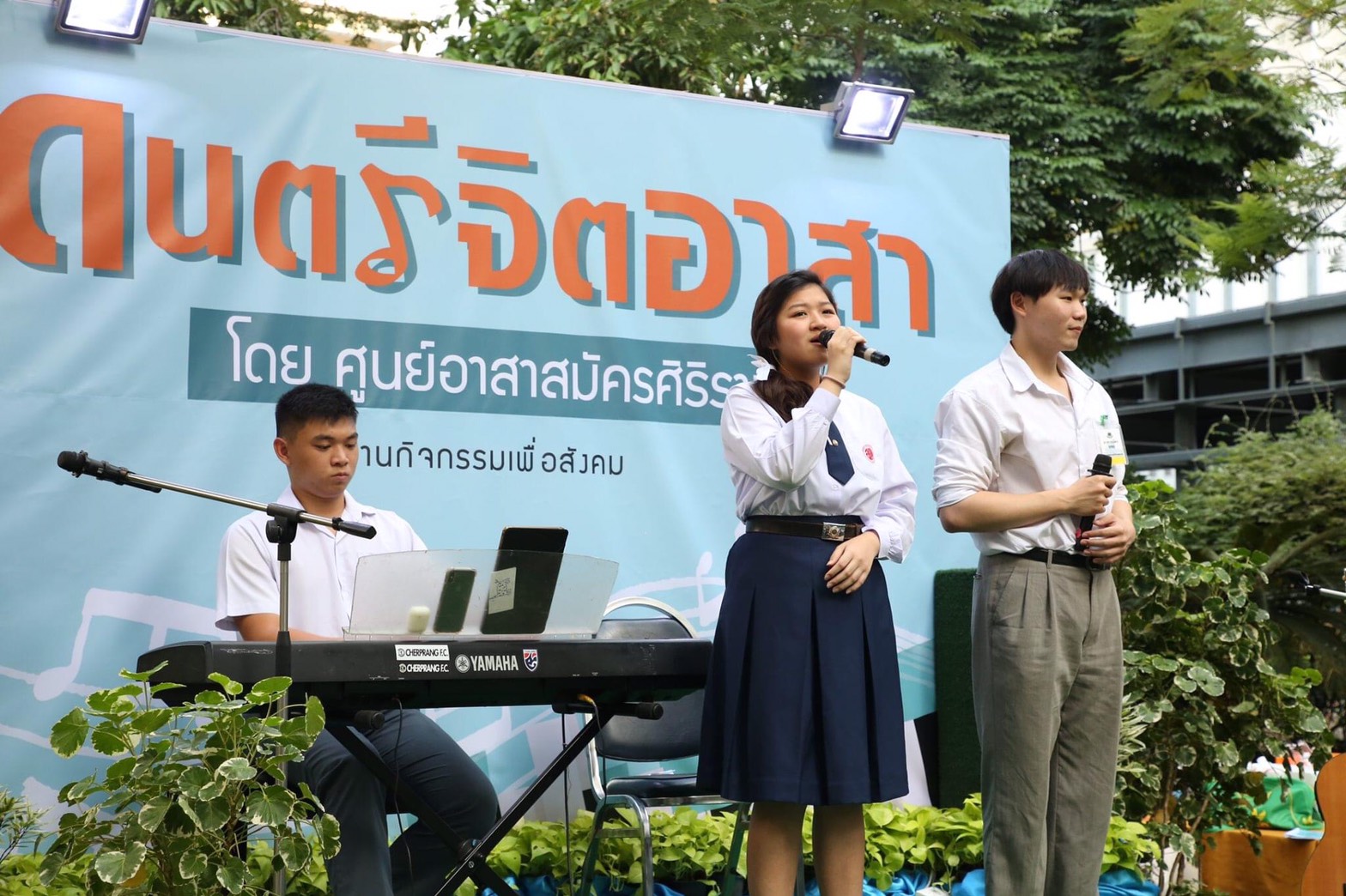
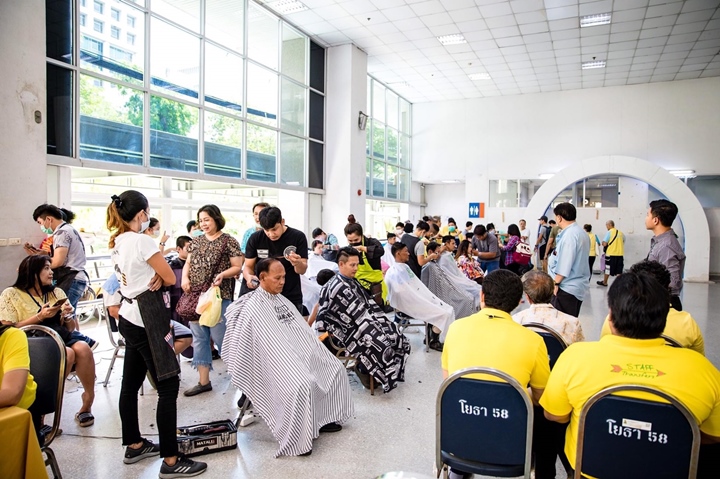
– Siriraj Corporate Social Responsible Division (summer volunteers/volunteers at Siriraj’s 2nd semester break/volunteers for the Memorial Day of His Majesty the Late King Bhumibhol Adulyadej/volunteers for sewing fabric bags/musician volunteers/free barber volunteers)

Outside of Faculty of Medicine Siriraj Hospital, Mahidol University
– Khon Thai Foundation (Our Hands for Better Thailand Project)
– Jitarsa Bank
– Mahidol Volunteer Center

Objectives

  1. Siriraj Volunteer Center act as a hub of organizations’ cooperation and contribution for the society, supporting the operation for volunteers i.e. medical and healthcare services, blood transfusion, patient relations, environment conservation etc.
  2. Create the ‘sustainable volunteering system’ with the potential of each organization
  3. Be a center of volunteer activities and for those who interested in volunteer activities both inside and outside the Faculty of Medicine Siriraj Hospital, Mahidol University

Activities

  1. Be a consultant on Siriraj’s volunteer operations
  2. P.R. the news/events and the recruitment for the volunteers of Siriraj’s volunteer activities
  3. Volunteer activities both inside and outside of the Faculty of Medicine Siriraj Hospital such as musicians volunteers, music volunteer, Bangkok Noi Canal Development volunteers, landscape management volunteers, volunteers for ‘Bangkok-Noi Model’ field data collection

The project was well attended as from the start to the end there were around 10,000 volunteers participated in the center (1,300 internal and 9,000 external participants).


According to the Notification of the Ministry of Public Health, volume 135 special part 239 D (Issued Date: November 5, 2018), Every healthcare facility has been announced as the smoke-free area. Faculty of Medicine Siriraj Hospital, Mahidol University, has realized the importance of creating a healthy environment. Therefore, the committee of Siriraj Smoke-Free project has brought the smoke-free healthcare standard under the healthcare professional network in controlling the tobacco consumption, Medical Association of Thailand, as the guideline to follow.

The duration of the project is all year round and implemented to all areas of the hospital and nearby community. The project run by the committee of Siriraj Smoke-free project, Faculty of Nursing, Faculty of Medical Technology, Faculty of Physical Therapy, Mahidol University, and nearby community. The objective of the project is to be certified as the national standard smoke-free healthcare facility. The main target for the project is the hospital personnel, medical students, patients, and local people.

The project implemented as the following detail,

  • 1) Leading Organization: The executive members issue the related policy, appoint the working committee for making the policy into motion, and set the operational plan for coordinating
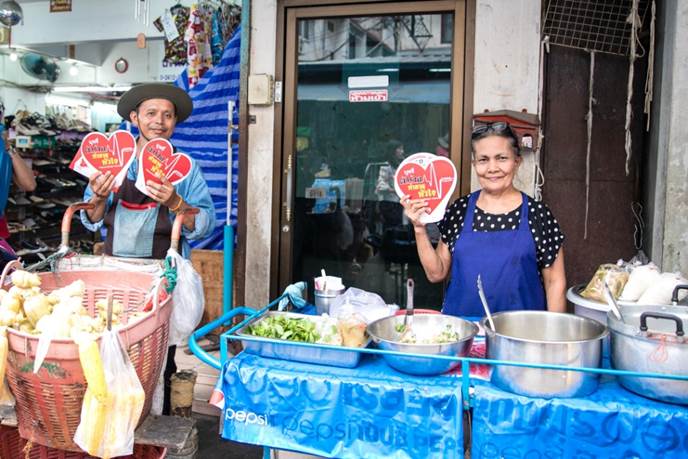
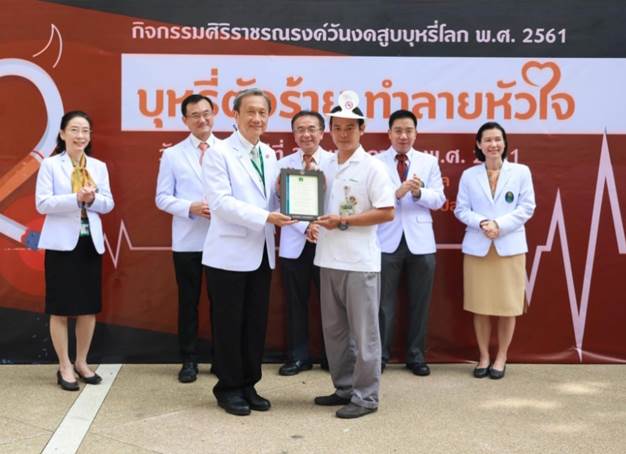
  • 2) Communication and Public Relations: Setting up “the World No Tobacco Day” activity, the area for smoking, and punishment measures for violation of smoking, Setting up the health education activity to help those who’re trying to quit smoking and other activities that create the understanding inside the organization along with promoting the information to the service receiver, a nearby community, network, and local people
  • 3) Personnel Development: Hospital provides its personnel development with various methods for better work efficiency such as educational discussion within the organization. Sending the hospital personnel to join the academic conference to improve their potential and supporting the research
  • 4) Searching and Treating the smokers: Creating the Service Pathway to connect the treatment system for smoking patients in IPD and OPD.
  • 5) Management for Smoking Cessation Clinic: Establishing Fah-Sai Siriraj Clinic to increase the normal triage and treatment without medicine and connecting the service with the smoking cessation clinic which is focused on treatment with medicine and coordinating with the network for the patients who try to quit smoking without any expenses
  • 6) Making the hospital as the smoke-free area: Making the non-smoking sign and channel for complaints when people see anyone violating the rules.
  • 7) Supporting the smoke-free community: Adding the point about working execution in the health development plan for the community such as smoke-free school, smoke-free market, and smoke-free temple.
  • 8) Analysis and Evaluation: evaluating the working output with empirical data such as surveying the smoking behavior of the hospital personnel and medical students. Building the database for patients who try to quit smoking as concrete evidence.

By now, overall participants have participated in the event of this project as the following,

  • “World No Tobacco Day” Activity: 500 people per year
  • “Hospital Personnel Stop Smoking” Activity: 30 – 50 people per year
  • “Quit Smoking” service for patients: 100 people (in the data collecting process)

The outcome of the project can be listed below,

  • Hospital personnel and medical students who smoke can change their behaviors
  • Hospital personnel and medical students who don’t smoke will not be a new smoker
  • The nearby community has the standard in the tobacco consumption controlling in the area
  • Smoking patients receive the treatment, prevent any complications, and decrease the death rate due to the smoking
  • The faculty has been certified as the national standard smoke-free healthcare facility

Siriraj Channel broadcasts daily around the hospital to educate visitors, patients, as well as Siriraj personnel via interesting media and shows. The channel has been operated since 2016.

In the time of the COVID-19 outbreak, Siriraj Channel produced one of the episodes on COVID-19 Quarantine Guideline to raise awareness and to provide the guideline for people who might be at risk on the COVID-19 infection when staying at home with their families.

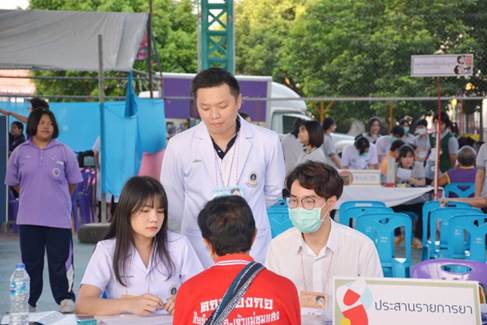
Mahidol United for Community is the project set up during January 25th – 26th, 2021 to promote healthcare learning for health science students to develop their learning capability and bring the knowledge to apply and further in their daily work routine as well as on their healthcare mobile unit for the disadvantaged people.

The project took place at The Municipal School 2 Chantharam Temple, Lopburi, and participated by many civilians in the Chantharam Temple area. The healthcare professional project consists of the medical students and Applied Thai Traditional Medicine from Siriraj and Ramathibodi hospitals, Dentistry, Nursing, and Anatomy students from Mahidol University, lecturers, and staff from Department of Preventive and Social Medicine and Department of Pharmacology. The objectives are to provide the basic public health and healthcare services to the disadvantaged people in the area, to exchange the knowledge in holistic healthcare between the different healthcare professionals as well as building friendships between students, and to develop their own healthcare professional and further their skill in the future. The implementation started by launching the healthcare mobile unit as well as providing a healthcare information center to the people in the area.

The outcome of the project was over 200 people in the Chantharam area participated in the project. All of them received basic healthcare they need and were educated with basic health education and how to take care of themselves. The project allowed students in many specialties to develop and practice their knowledge with the people in the area as well as exchange new knowledge with their friends from different faculties.


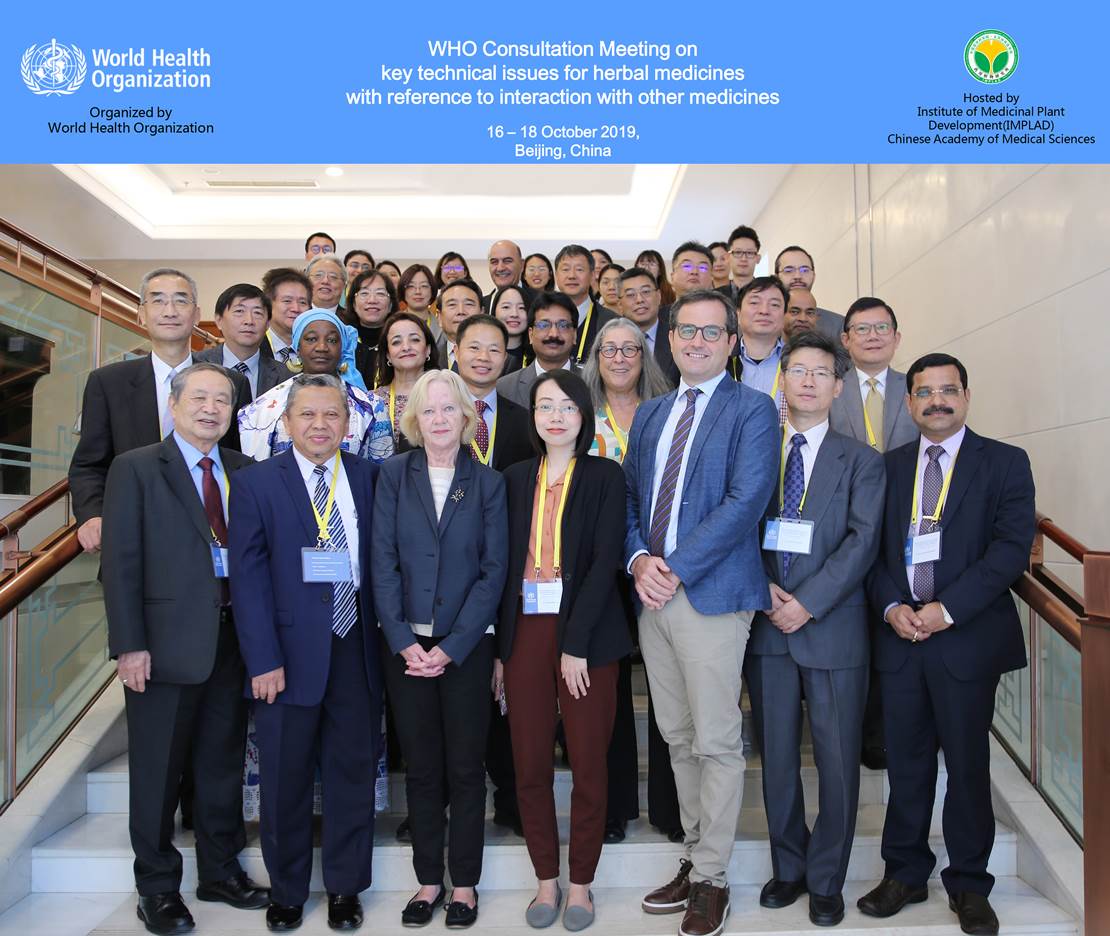
Congratulations to the Center of Applied Thai Traditional Medicine (CATTM), Faculty of Medicine Siriraj Hospital, Mahidol University on the designation as the World Health Organization Collaborating Center (WHOCC). Siriraj CATTM is now working together with WHO to support WHO Traditional Medicine Strategy 2014 – 2023 in organizing collaborative inter-regional or regional meetings/workshops once a year guided by WHO Regional Office.

The designation has been set for four years starting from February 8th, 2018. The CATTM agreed to work together with WHO by agreeing on 3 agendas as the following;

  1. Follow the WHO-CC-TM road map
  2. Set up at least one international conference on Applied Thai Traditional Medicine
  3. Encourage Applied Thai Traditional Medicine Research, Manual, as well as WHO WHO Benchmark for the Practice in Nuad Thai และ WHO terminology in Thai Traditional Medicine

The Outcomes of the Project

  1. Thai Traditional Medicine will be well recognized in the International Level
  2. Promotion of the Faculty of Medicine Siriraj Hospital to be well recognized as the World Health Organization Collaborating Center and Professional in Applied Thai Traditional Medicine in the International Level
  3. Continuously being a Collaborating Center for Thai Traditional Medicine
  4. Promotion of Collaboration between Thailand, WHO, SEARO, etc.

Activities coming soon.