
Artificial Intelligence Programs for Radiological Diagnosis at Siriraj
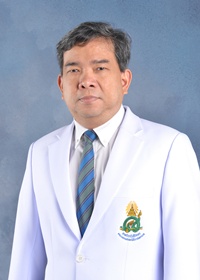
Associate Professor Trongtum Tongdee, M.D.
Department of Radiology
Faculty of Medicine Siriraj Hospital, Mahidol University
SiAiR (Siriraj AI in Radiology Laboratory), an advanced unit under the Department of Radiology, Faculty of Medicine Siriraj Hospital, was established in 2019. Its primary mission is the research and development of high-performance Artificial Intelligence (AI) technologies for practical clinical application, empowering radiologists to achieve rapid and highly accurate disease diagnosis.
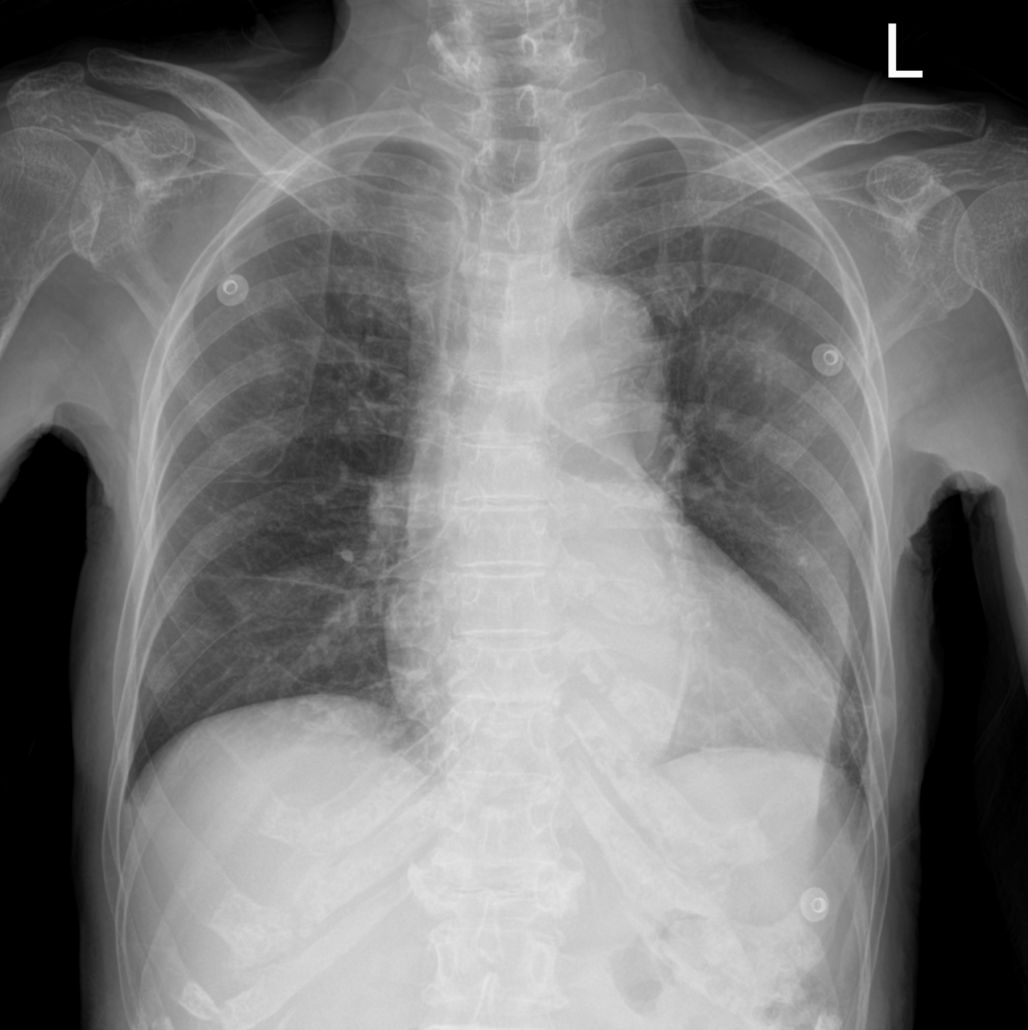
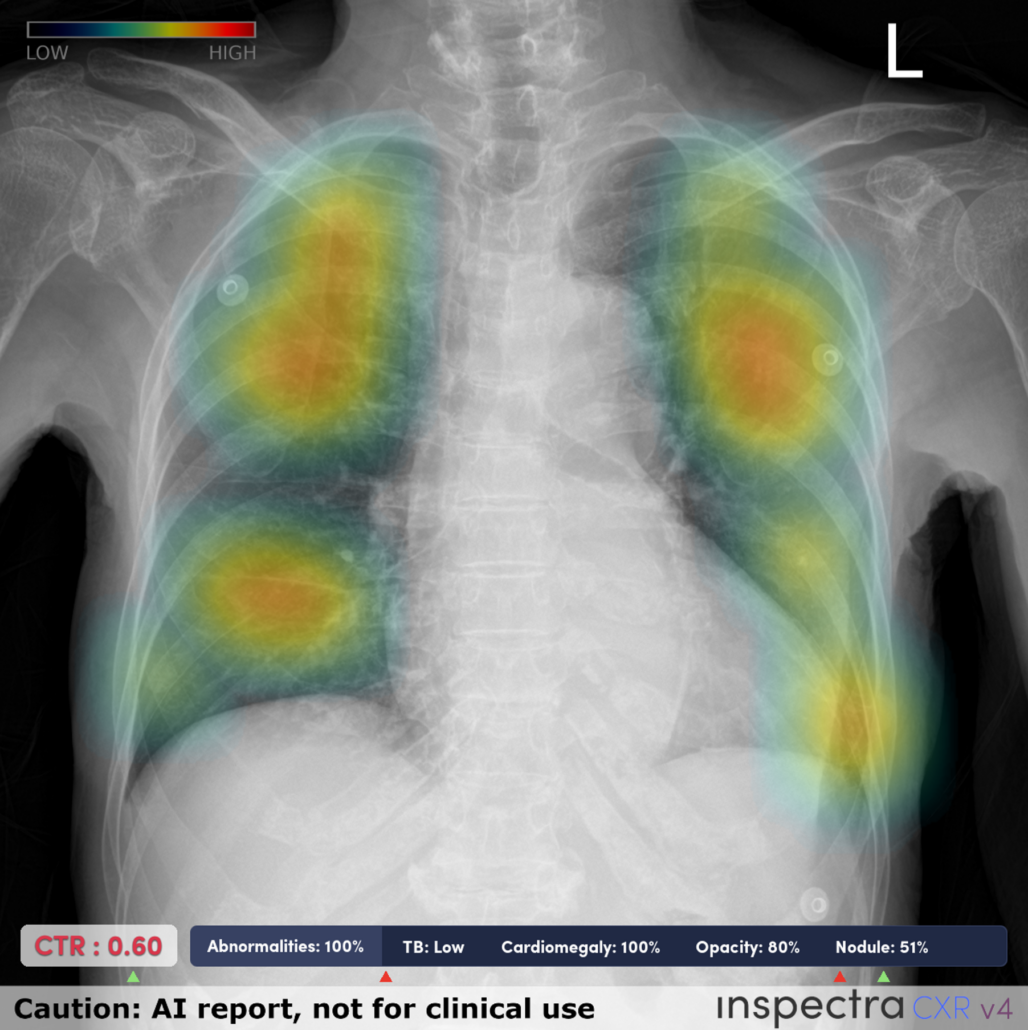
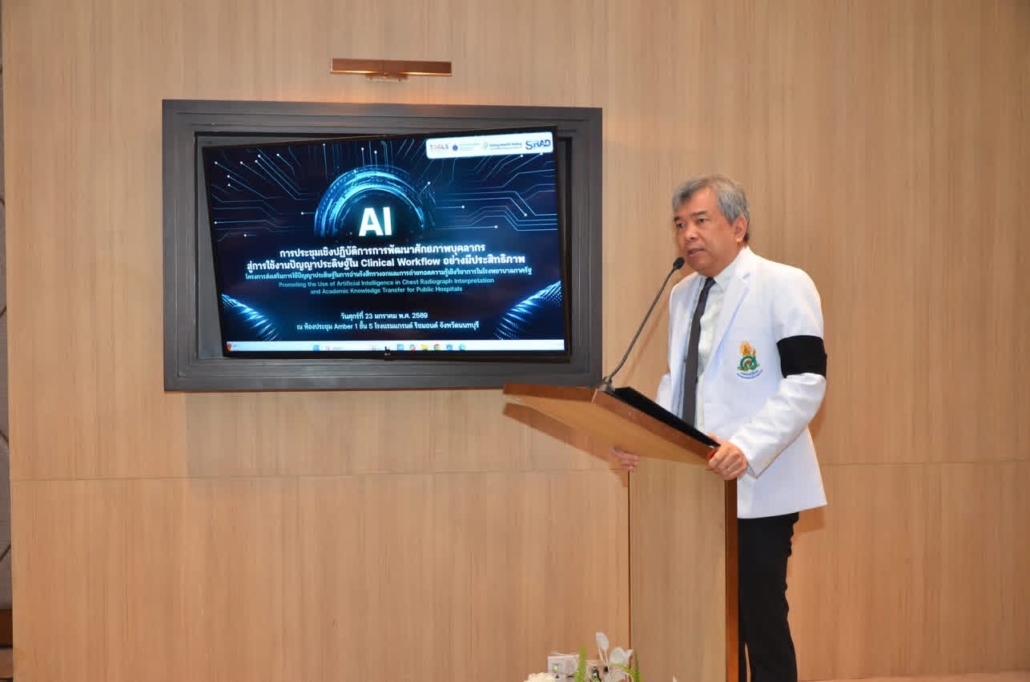
A hallmark of the laboratory’s tangible success is the development of an AI program for chest X-ray analysis. In collaboration with Perceptra Co., Ltd., SiAiR successfully transitioned this research into a commercial product. This innovation has achieved robust domestic and international certifications, with approvals from the Royal College of Radiologists of Thailand, the Thai Food and Drug Administration (FDA), and the Singapore FDA. Furthermore, it was officially registered on the Thai Innovation List in December 2023.
Throughout its operation, SiAiR has engineered over 16 pioneering AI innovations encompassing various organ systems. These range from applications already integrated into active clinical workflows to those currently in the developmental pipeline for future deployment.
🩺 AI Innovations for Radiological Diagnosis
1. Translation of Research into Commercial Application (in collaboration with Perceptra Co., Ltd.)
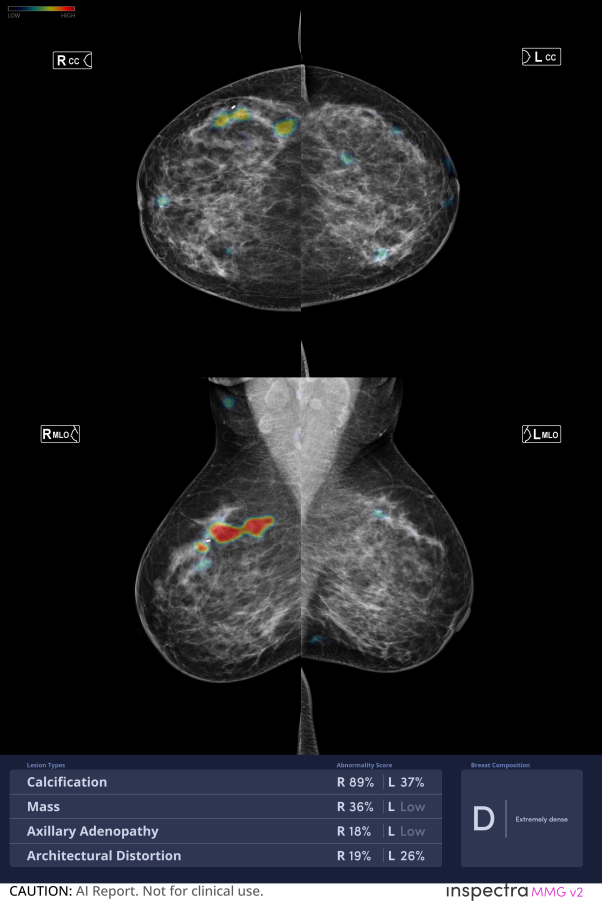
• Mammography AI: An AI program for the classification of breast tissue abnormalities from mammograms.
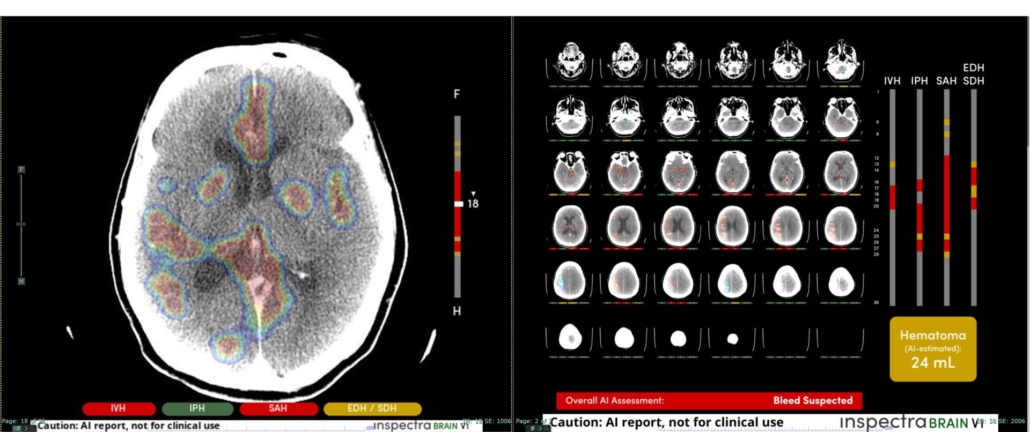
• Neuro CT AI: An AI program for the classification of intracranial hemorrhage from head CT scans.
2. Innovations Ready for Technology Transfer and Commercial Utilization
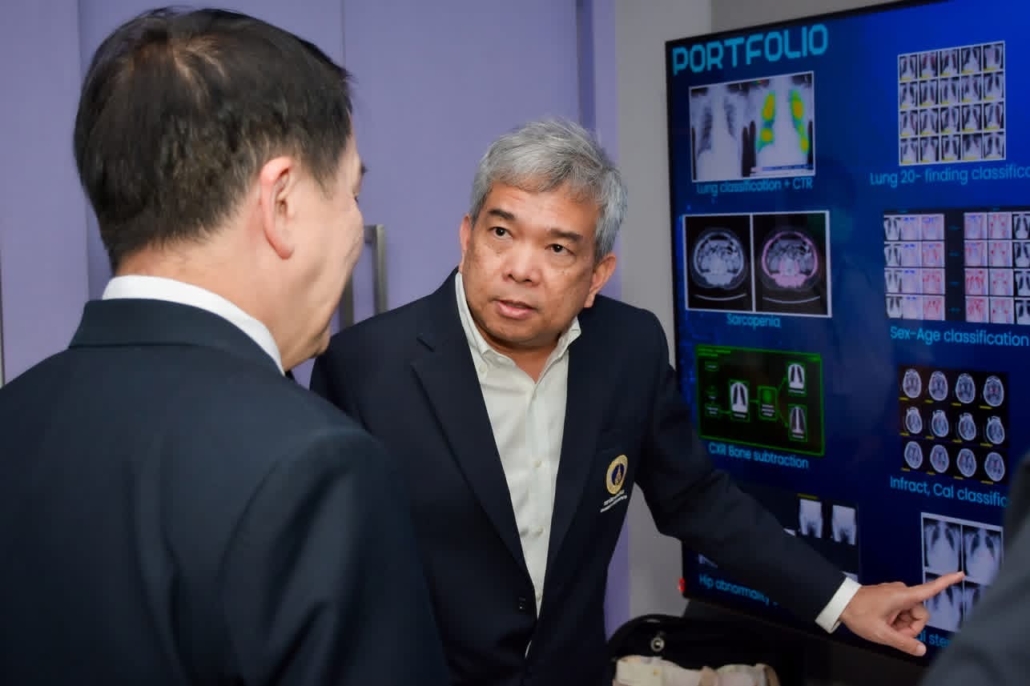
• Sarcopenia Detection: A system enabling the detection of muscle atrophy from trunk and spine CT scans.
• Cartilage Volume Measurement: A system to quantify knee joint cartilage volume for the precise assessment of osteoarthritis.
• ILD Lesion Analysis: An analytical system for Interstitial Lung Disease (ILD), assessing both the inflammatory and fibrotic stages.
• Sex-Age Classification: A demographic classification system to predict patient sex and age groups from chest radiographs.
• CXR Bone Subtraction: An automated system utilizing AI to subtract bone structures from chest radiographs, effectively serving as an alternative to Dual-Energy X-ray imaging.
3. Innovations Currently Under Development for Future Clinical Deployment
• Infarct and Calcification Classification: Classification of cerebral infarction and the detection of brain calcifications.
• Knee Abnormality Classification: Classification of comprehensive knee pathologies, including osteoarthritis and calcium deposition.
• Nodule Detection from CT: An automated system for detecting small pulmonary nodules on CT scans.
• Hip Abnormality Classification: Classification of hip pathologies, including bone fractures, osteolysis (bone destruction), and avascular necrosis.
• Mitral Stenosis Classification: Classification of mitral stenosis and valve abnormalities utilizing standard chest radiographs.
• Lumbar Spine Stenosis Classification: AI-based classification of lumbar spinal canal stenosis.
• LLM in Radiology: The strategic integration of Large Language Models (LLMs) to analyze and summarize radiological reports, including automated “Image-to-Text” interpretations of radiographic findings.
💻 The Technological Backbone
The critical infrastructure powering this AI machine learning relies on highly stable, high-performance GPU-equipped computers featuring massive, high-speed memory for intensive data transfer. SiAiR utilizes the HPE Cray Supercomputing system integrated with a large-scale WekaIO cluster. This drastically reduces AI model training times, enabling the unit to rapidly produce high-quality technological outputs.
🌟 Future Outlook & Sustainable Impact
This steadfast collaboration and continuous development by Siriraj Hospital do more than just elevate the current quality of life for patients through swifter, safer treatments today. They establish a vital foundation and platform to advance modern medical knowledge, cultivate specialized clinical experts, and fully prepare the Thai public healthcare system to confront future emerging diseases, ultimately ensuring the long-term sustainability of Thai society.