
Efficacy of Diluted Vinegar in Treating Granular Myringitis: A Randomized Controlled Trial

Assistant Professor Sarun Prakairungthong, MD
Department of Otorhinolaryngology
Faculty of Medicine Siriraj Hospital, Mahidol University
🔹 The Pathology of Granular Myringitis
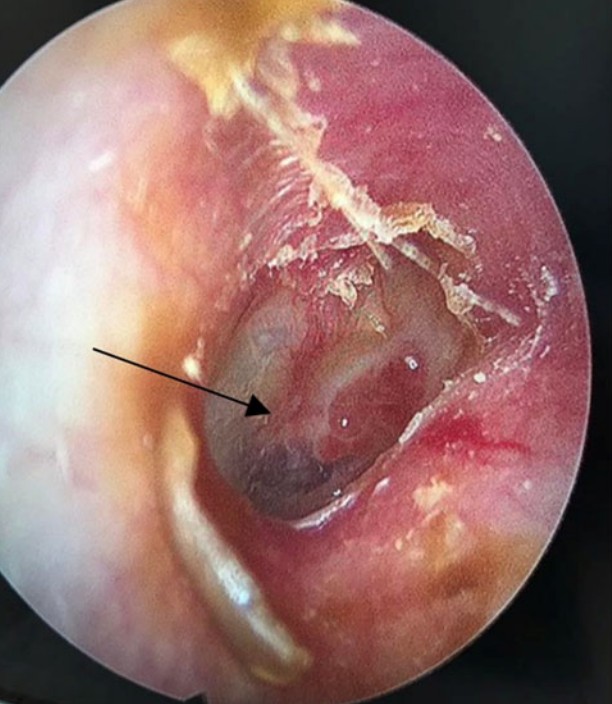
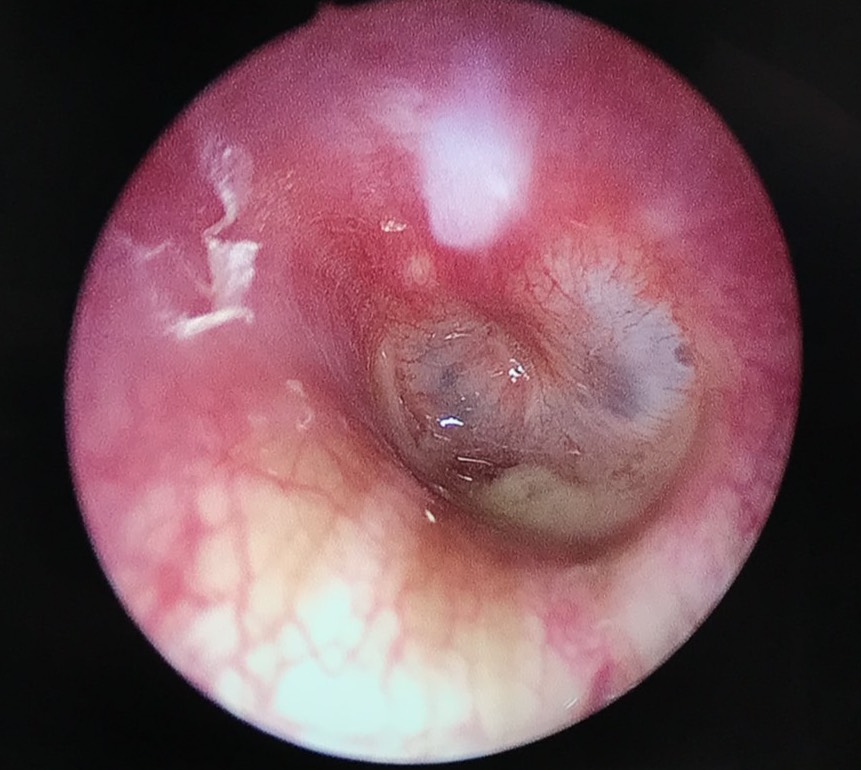
A healthy tympanic membrane (TM) is covered by an intact epithelial layer that maintains a dry environment. The loss of this epithelium (de-epithelialization) triggers active inflammation characterized by otorrhea (weeping discharge) and chronic pruritus. If managed inadequately, this condition can progress to severe complications such as TM perforation or, paradoxically, marked fibrosis resulting in external auditory canal stenosis. Clinically, granular myringitis is strongly associated with mechanical trauma to the TM epithelium, often caused by ear picking or the abrasive use of cotton swabs.
🔹 Clinical Treatment Challenges
The cornerstone of managing this condition requires meticulous and adequate aural toilet, necessitating scheduled follow-up visits specifically for micro-suctioning/cleaning, coupled with topical otic drops to promote epithelial healing. Currently, clinical practice varies widely, employing diverse topical agents—ranging from antibiotics and anti-inflammatories to combination drops. However, the outcomes of these regimens remain inconsistent and carry inherent risks of adverse effects, prominently antibiotic resistance and secondary otomycosis (fungal superinfections).
🔹 The Rationale for Diluted Vinegar (Acetic Acid)
Acetic acid possesses distinct bactericidal properties without inducing antimicrobial resistance. It is highly cost-effective, ubiquitous, and boasts a well-documented safety profile for historical wound care and hygiene. Repurposing diluted vinegar for the treatment of granular myringitis presents a highly safe and viable therapeutic alternative that effectively mitigates pharmacological risks for the patient.
🔹 Trial Methodology & Results
This double-blind randomized controlled trial (RCT) evaluated the efficacy of 1% diluted vinegar (acetic acid) against chloramphenicol otic solution—a standard topical antibiotic in general practice—among 24 patients diagnosed with granular myringitis.
Following aural toilet, patients were instructed to administer the intervention drops into the affected ear three times daily, retaining the fluid for 3 to 5 minutes before draining. Patients were scheduled for aural toilet and clinical evaluation every 1 to 2 weeks.
Primary Endpoint at 8 Weeks:
The trial yielded excellent clinical outcomes with no significant difference in mucosal irritation between the two cohorts. Remarkably, the 1% diluted vinegar arm achieved a robust **91% clinical cure rate** at the 8-week mark. Furthermore, the data trend suggests that patients treated with diluted vinegar experienced expedited clinical improvement compared to those utilizing traditional topical antibiotics.
🔹 Clinical Conclusion
Treating granular myringitis with diluted vinegar yields excellent therapeutic outcomes. It is highly safe, presents no statistically significant risk of irritation to the patient, and serves as a formidable substitute for topical antibiotics.
As a direct translation of this clinical research, Siriraj Hospital currently compounds a 1% acetic acid solution, officially integrating it into the hospital’s drug formulary for active prescription and patient care.