
The Preterm Infant Care Team
By Division of Neonatology, Department of Pediatrics, Faculty of Medicine Siriraj Hospital, Mahidol University
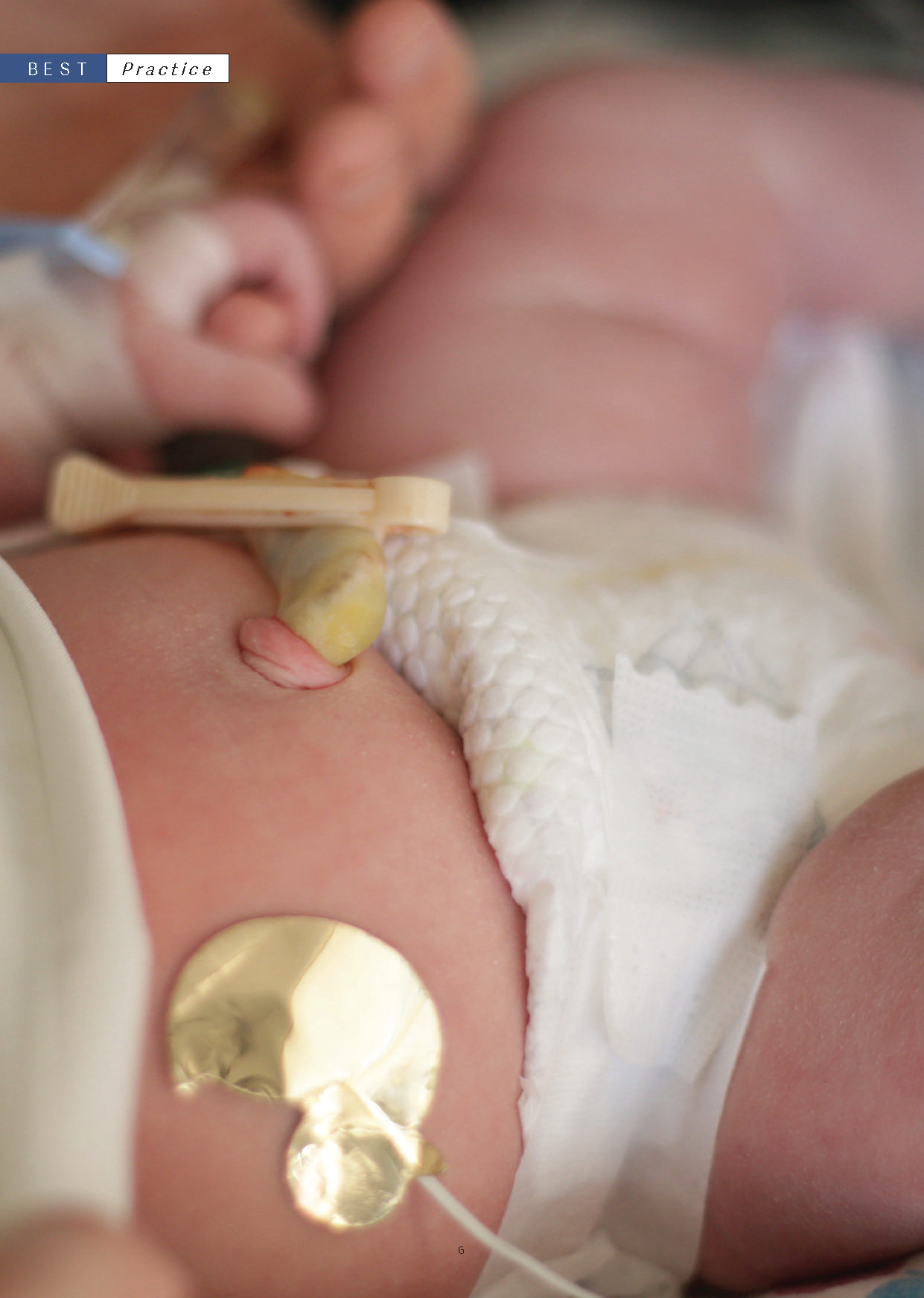
Because “birth” marks the beginning of life’s journey, for some families, this path may entail unexpected challenges. When the signs of life emerge prematurely, “preterm infants”—defined as babies born before 37 weeks of gestation—constitute the most vulnerable patient population because their organs and physiological systems remain significantly underdeveloped. Historically, extremely low birth weight (ELBW) preterm infants faced grim chances of survival. Today, however, driven by the dedication and international-standard medical advancements of the neonatology team at the Department of Pediatrics, Faculty of Medicine Siriraj Hospital, Mahidol University, there is a relentless pursuit to elevate both physical and neurodevelopmental care. The ultimate goal is to safely transition these fragile infants back into their families’ embrace. The team has spearheaded medical advancements across the following critical domains:
1. Physical Care and Advanced Life Support Technologies
Managing the vital signs of these tiny infants necessitates highly precise and gentle technologies. The neonatology team implements leading-edge innovations to effectively prevent long-term complications, beginning from the first minute of life during neonatal resuscitation. Thermoregulation is strictly maintained using specialized polyethylene wraps and radiant warmers immediately after birth to prevent hypothermia. Furthermore, excessive positive pressure during ventilation is strictly avoided to prevent ventilator-induced lung injury (VILI).
Additionally, stabilizing hemodynamics is a cornerstone in preventing intraventricular hemorrhage (IVH) in preterm infants. The neonatology team has established neuroprotective care guidelines—particularly during the critical first 72 hours of life—by adhering to minimal handling protocols and avoiding rapid fluctuations in blood pressure. This is coupled with periodic targeted neonatal echocardiography (TnECHO), enabling the medical team to execute precise, targeted interventions.
Regarding the respiratory system, clinical focus is placed on the early implementation of non-invasive nasal ventilation, avoiding unnecessary endotracheal intubation to mitigate injury to the immature lung parenchyma. When intubation is strictly necessary, high-frequency oscillatory ventilation (HFOV) or lung-protective ventilation strategies are employed, significantly reducing the incidence of bronchopulmonary dysplasia (BPD).
Furthermore, these infants receive dermatological protection via smart incubators capable of precisely and consistently regulating both temperature and humidity. The medical and nursing staff adhere to specialized skin care protocols designed to maintain the integrity of the translucent epidermis, prevent transepidermal water loss (TEWL) and hypothermia, minimize epidermal stripping, and reduce the risk of nosocomial infections.
2. Environmental and Psychological Care for Neurodevelopment
Because a preterm infant’s brain undergoes continuous neurogenesis and synaptogenesis, optimizing the microenvironment is prioritized to foster neurodevelopment. This is achieved through appropriate ambient light and noise modulation, incorporating noise level monitors and implementing “cycled lighting” to promote deep sleep (quiet sleep)—the most critical physiological state for brain development and stress reduction.
Concurrently, we champion the framework of Family-Centered Care (FCC) via Kangaroo Mother Care (KMC), encouraging parents to hold their infants skin-to-skin against their chests. This maternal/paternal bond and the sound of the parental heartbeat help stimulate the infant’s physiological systems, stabilize vital signs, and provide analgesia. Moreover, it offers profound psychological healing, remarkably alleviating postpartum depression (PPD) in parents.
3. Nutrition and the Benefits of Human Milk
Human milk is the first drop of vaccine and the ultimate nutritional source. Consequently, Siriraj Hospital established the Siriraj Human Milk Bank in strict accordance with international standards, featuring rigorous screening, pasteurization, and microbiological testing protocols. This ensures that preterm infants whose mothers experience delayed lactogenesis receive safe donor human milk, thereby drastically reducing the incidence of necrotizing enterocolitis (NEC).
Additionally, a dedicated team of lactation specialists at the breastfeeding clinic provides comprehensive care and counseling to mothers. They assist with techniques ranging from lactation stimulation and milk expression to guiding warm, direct breastfeeding sessions prior to discharge, ensuring the continuous provision of optimal nutrition.
All of these efforts reflect a profound commitment to the integration of innovation—a seamless blend of advanced technology and the tender touch of the neonatology medical and nursing team. The ultimate vision is to nurture these tiny infants until they are physically robust enough to safely return to their families’ embrace.