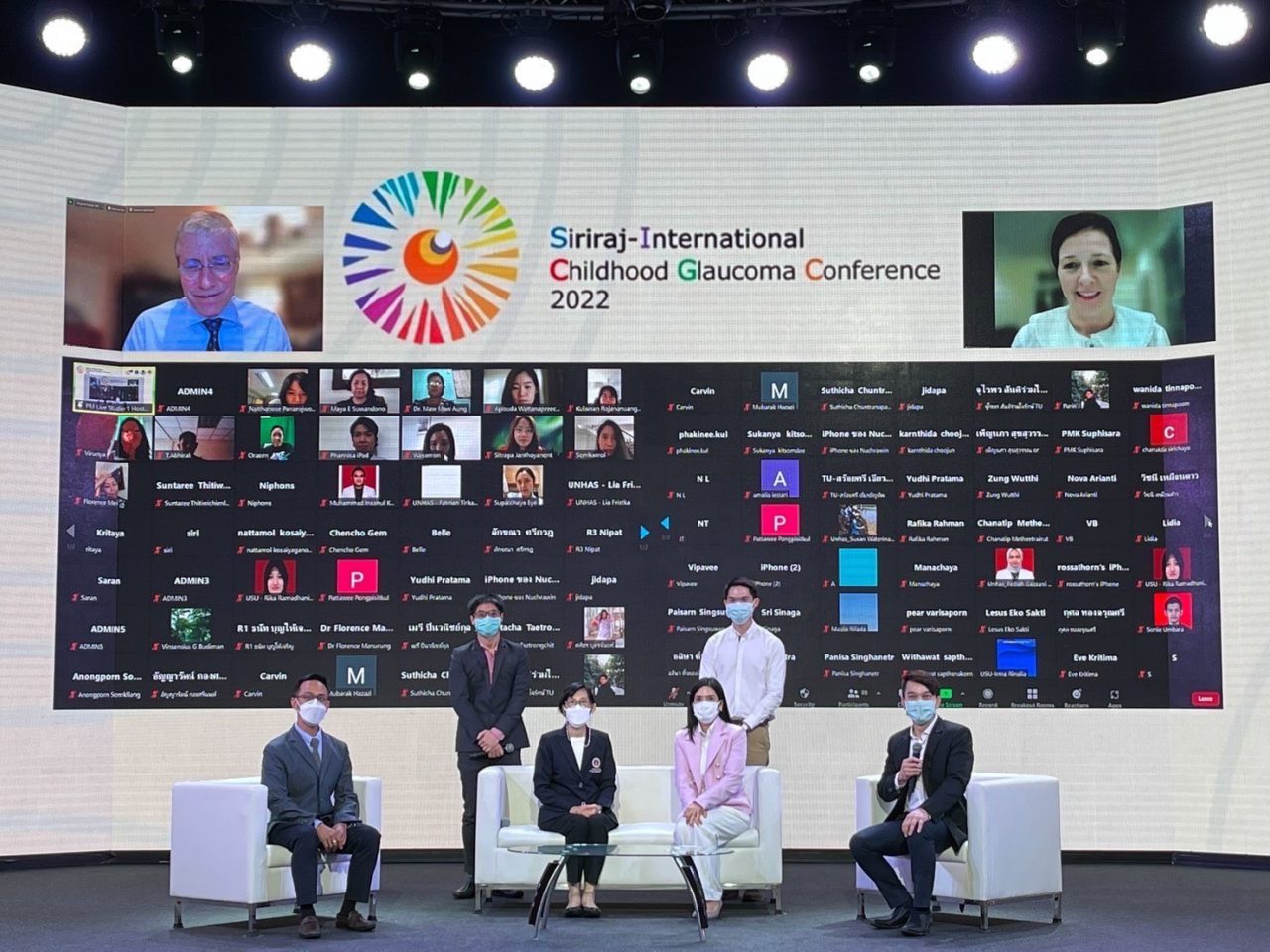
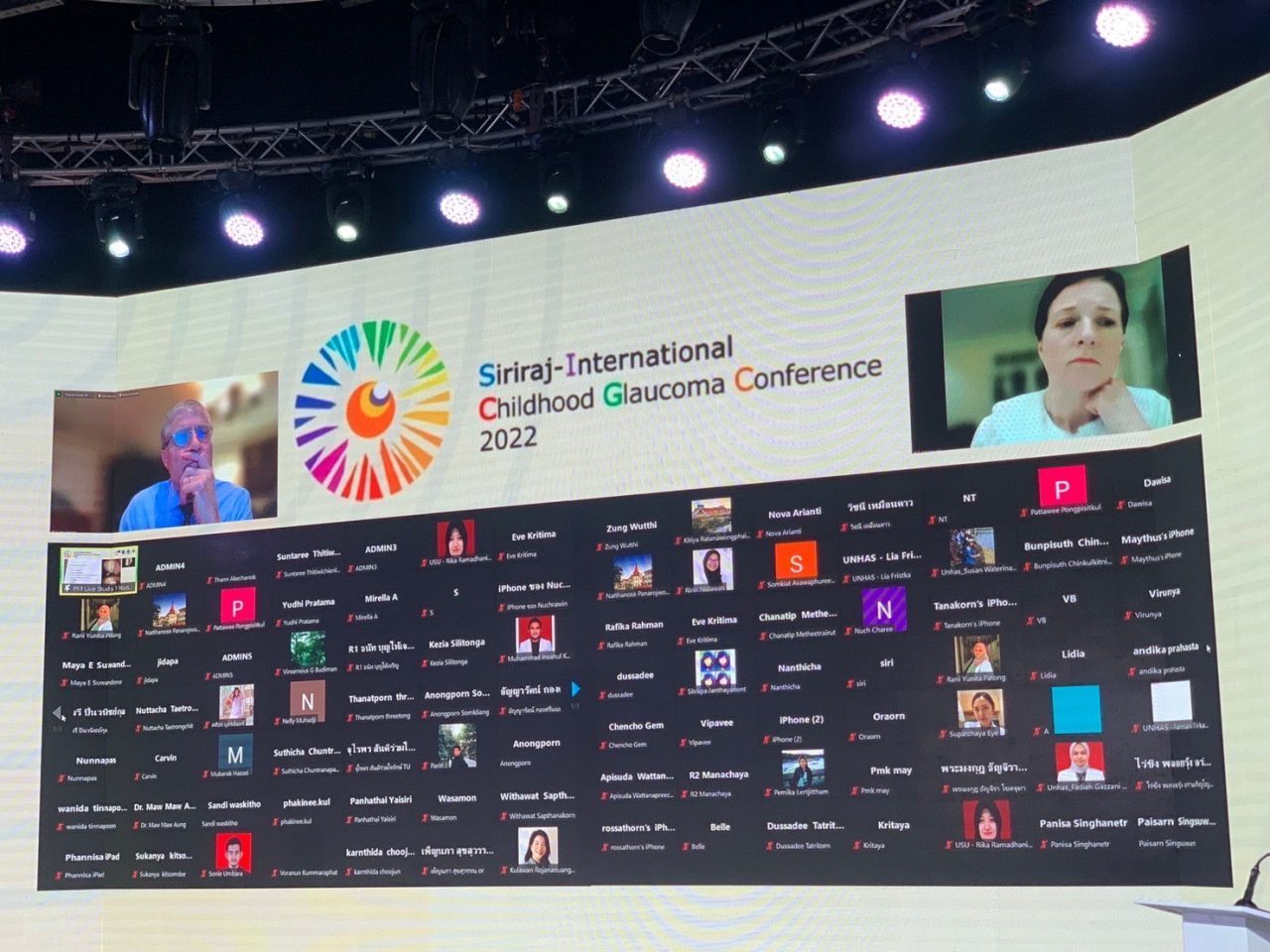
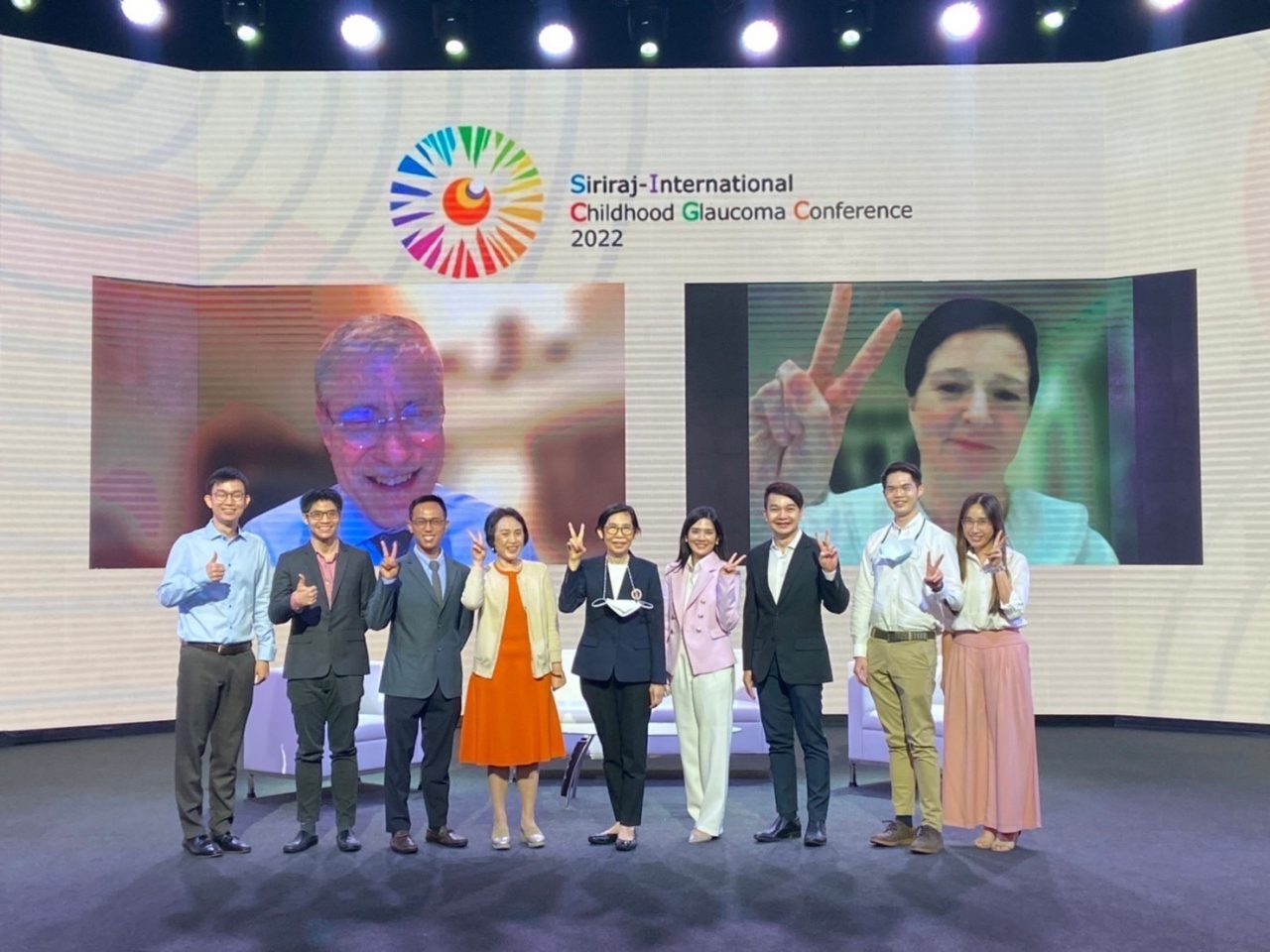
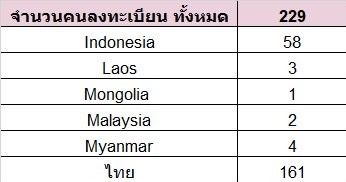
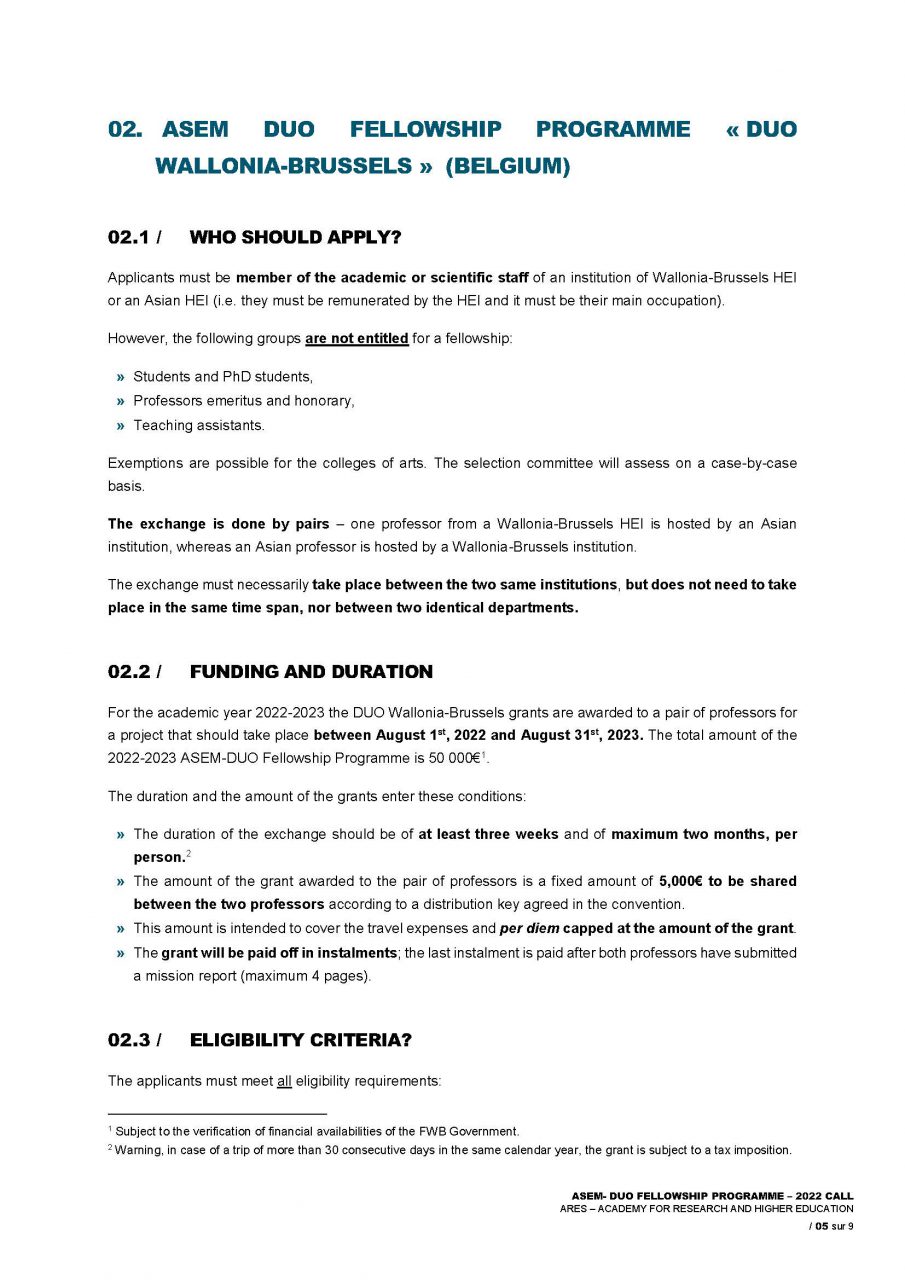
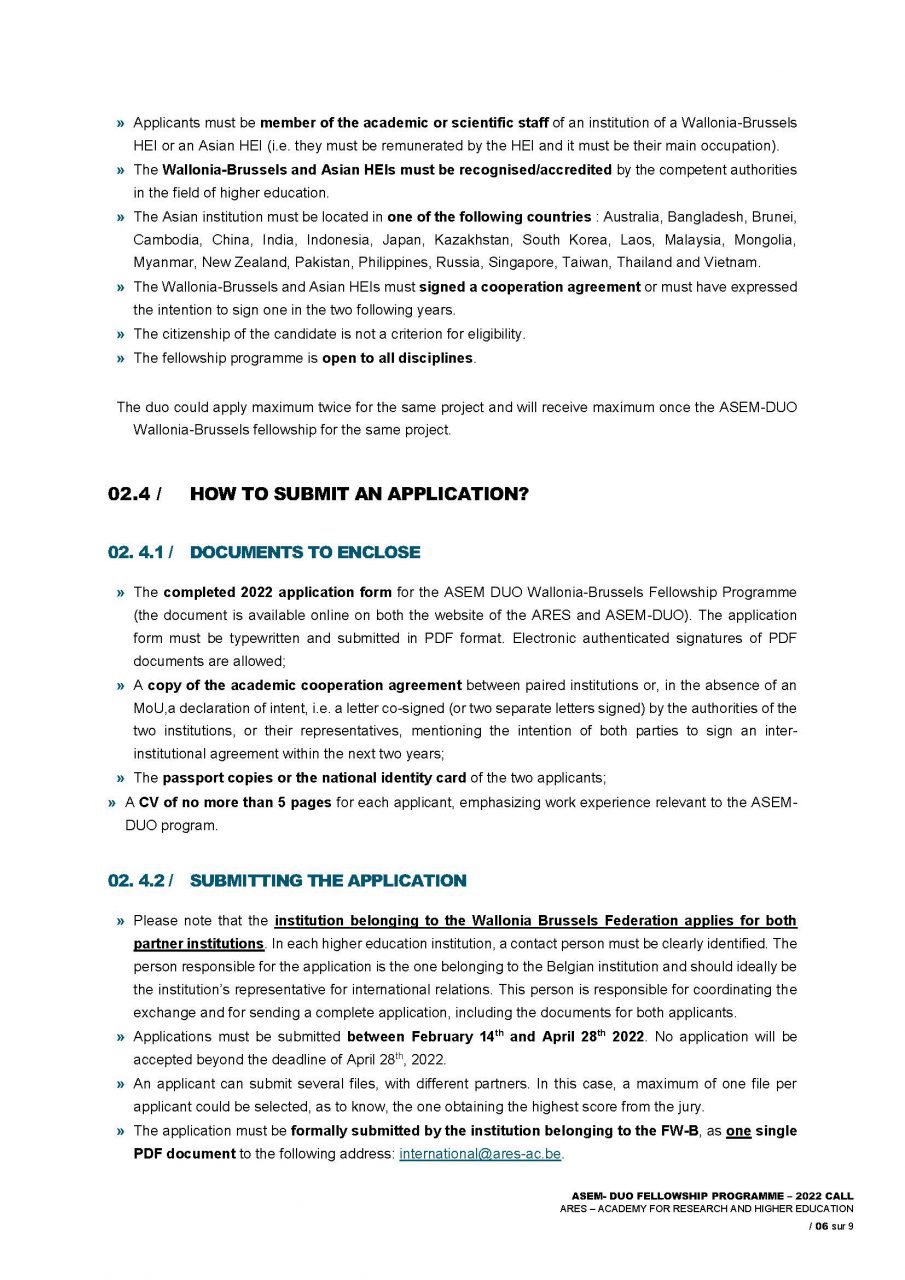
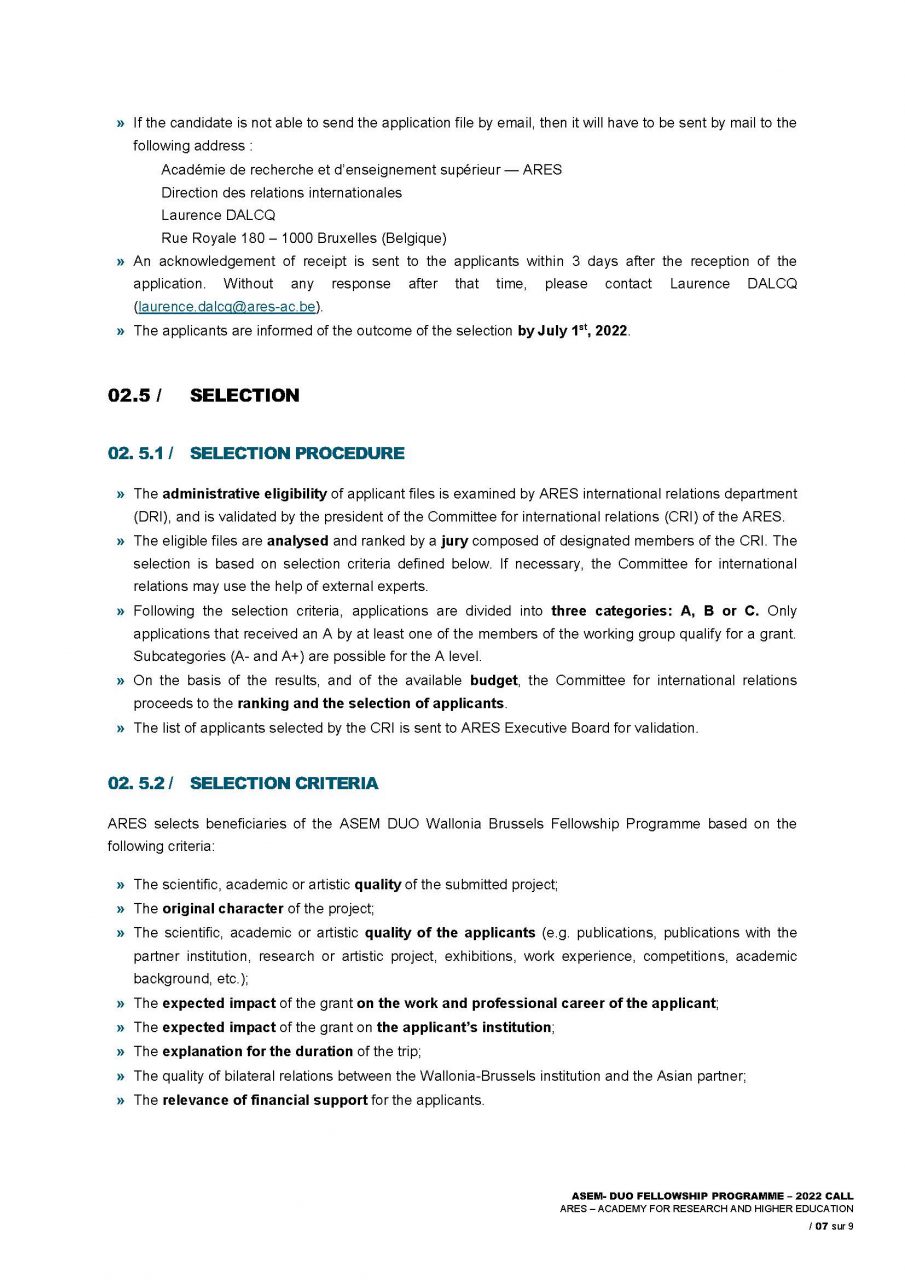
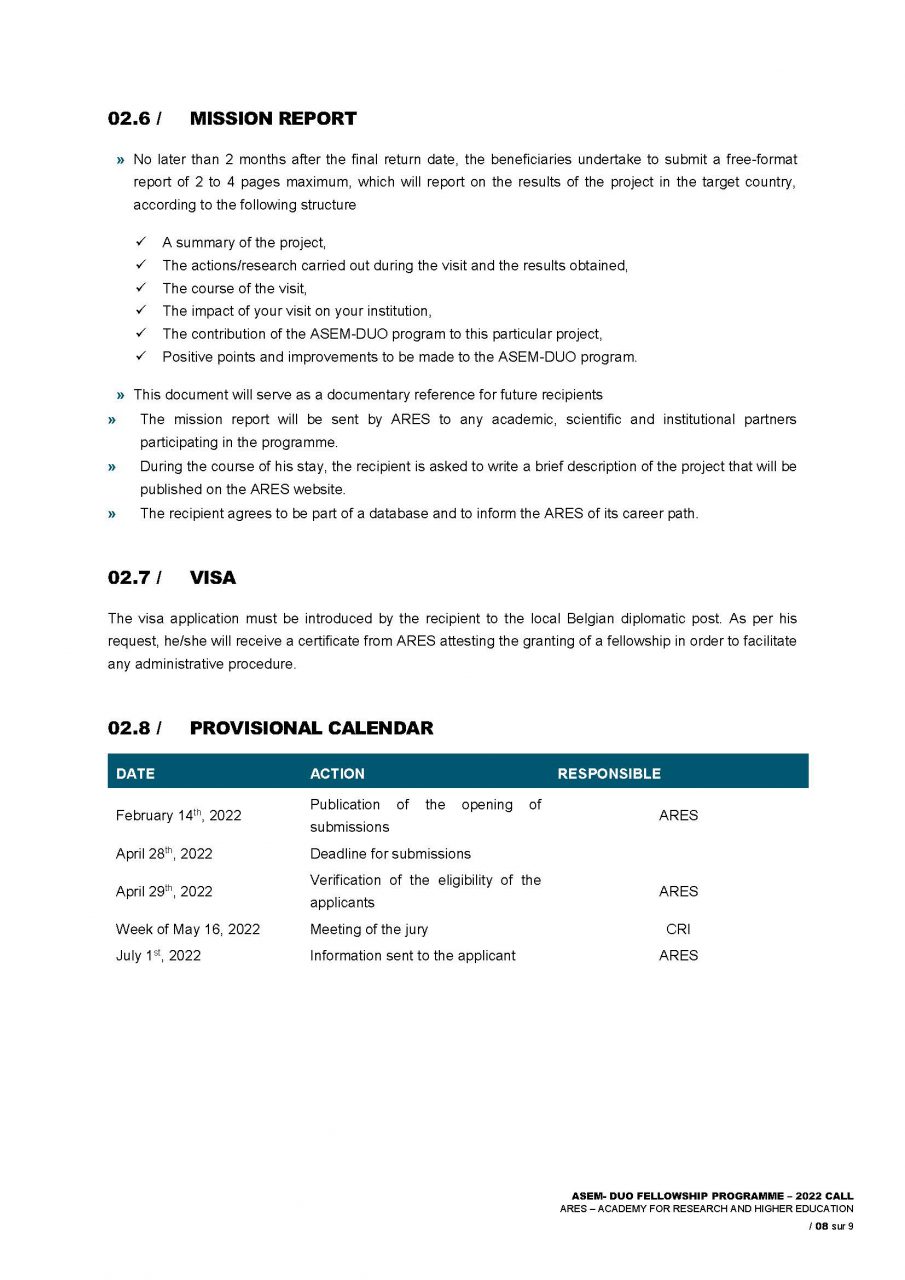
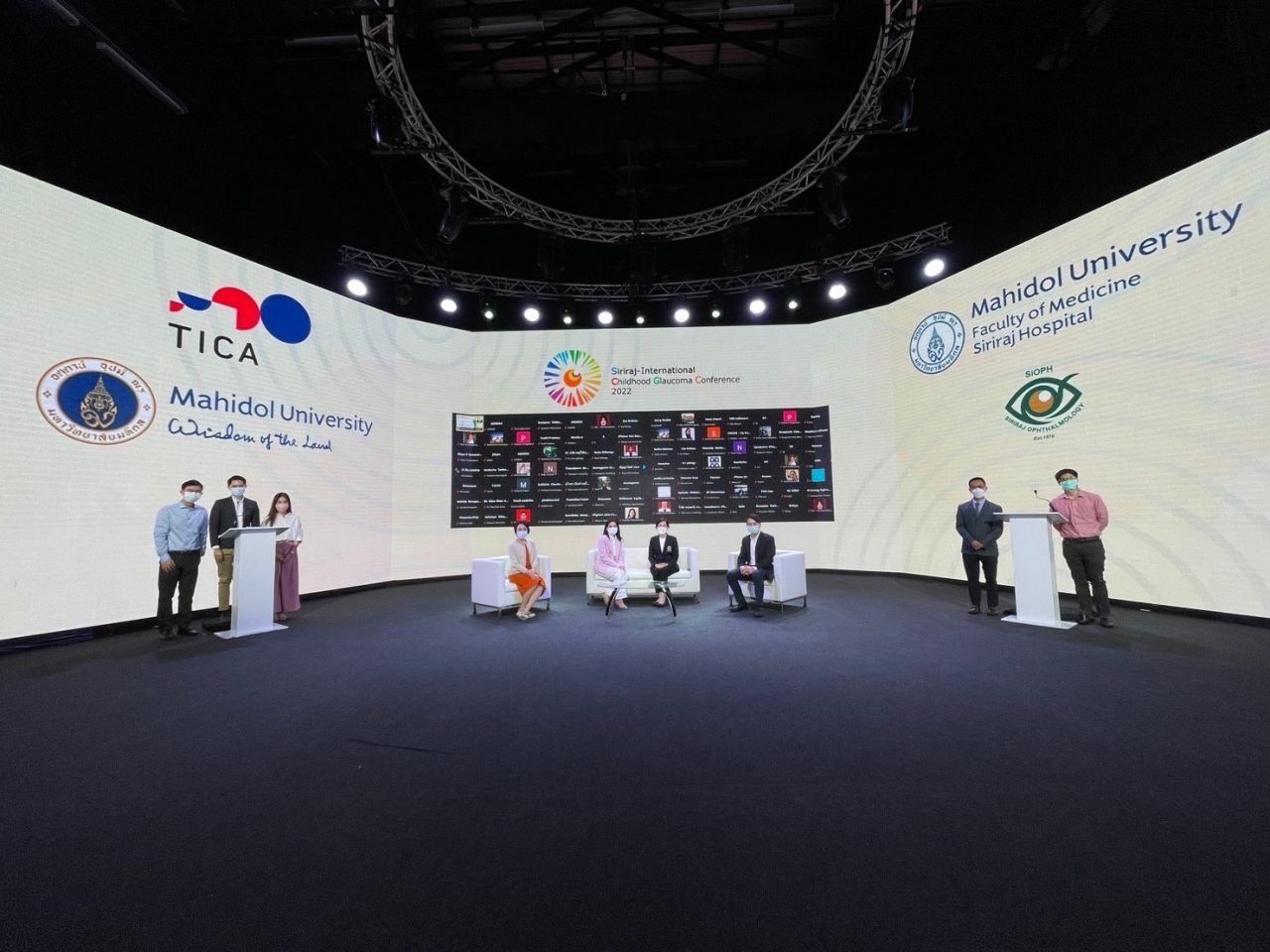
On March 20th, 2022, the Department of Ophthalmology, Faculty of Medicine Siriraj Hospital, Mahidol University, has organized an international conference, “Pediatric Glaucoma Course and Surgery Project” on the theme “Thailand-International Conference – Things You Need To Know in Childhood Glaucoma Surgery” for the residencies, fellows, and ophthalmologists from Siriraj’s Department of Ophthalmology and other institutes in Thailand and neighbor countries to learn from the world-renowned ophthalmologists to apply the “know-how” in pediatric glaucoma care later. The total number of attendees is 229 people from six countries in the South-East Asia region. This conference is supported by the Department of International Cooperation and Mahidol University’s campaign called “MFA-MU Capacity Building for Medical and Health Science Education Hub”.

Linear accelerator (LINAC) is the major modality used in radiotherapy, delivering high-energy photon (x-ray or gamma-ray) to kill cancer cells directly. The standard LINAC is usually equipped with onboard kilovoltage (kV) imaging and/or low-resolution cone-beam computer tomography (CBCT) to help with patient alignment and optimal tumor localization before initiation of each treatment fraction. The limited quality of CBCT is problematic, especially for a hard-to-see deep-seated tumor.

MRI-LINAC is a ground-breaking linear accelerator system equipped with a fully integrated diagnostic 1.5 Tesla MRI scanner. The cutting-edge technology of the fully integrated MRI with real-time on-board imaging is superior to CBCT for its precise localization of the tumor whereabouts, correction for internal target and organ motion, and adaptation for daily anatomical changes, such as respiratory motion, bowel gas movement, or bladder filling, enabling the most optimal radiation that destroys the tumor cells without damaging the surrounding normal tissue. For moving tumor target, the system combined with a computerized multi-leaf collimator, allows tracking of tumor targets for exceptionally accurate radiation delivery. Moreover, many common long-term complications from radiation could be avoided with this easy-to-use device, resulting in substantially higher quality of life for the patients after completion of treatment. To date, the MRI-LINAC is the best-in-class of the truly personalized real-time adaptive precision radiotherapy system in the world.

Faculty of Medicine Siriraj Hospital, Mahidol University, is the first in Southeast Asia and the only hospital in Thailand to install the UNITY® 1.5T MRI 7MV-Linear accelerator for clinical use in radiation therapy and research program since December 2019. More than 140 cases have been treated over a two-year period, the majority of which is prostate cancer. The survival rate is satisfactorily high, at 100 percent, with 98 percent biochemical control. The occurrence of acute and late radiation-induced genitourinary toxicity has been significantly decreased from approximately 10% to 3% and even lower for gastrointestinal toxicity, resulting in better quality of life of the patients.

Siriraj radiation oncology team expects that the MRI-LINAC will enhance and maximize tumor control to benefit cancer patients, for example, prostate cancer, bladder cancer, gynecologic malignancy, and head and neck cancer. Many studies employing this approach are currently underway to explore the better possible solutions for many conditions, and we are certain that we will be able to offer a new chapter in cancer treatment, which is a precision cancer radiotherapy, to serve Thai patients as well as those in the ASEAN region.
The World Health Organization (WHO) has redesignated the Center of Applied Thai Traditional Medicine (CATTM), Faculty of Medicine Siriraj Hospital, Mahidol University as WHO Collaborating Centre for Traditional Medicine (WHO CC) from February 8th, 2022 – February 8th, 2026. Siriraj’s CATTM has been designated as WHO CC for Traditional Medicine since 2018 with the missions as follows;
– To support WHO in organizing WHO meetings on benchmarks for practice in traditional medicine
– To support WHO in the development of WHO benchmark for practice in Nuad Thai
– To support WHO in the development of WHO terminology on Thai traditional medicine
– To support WHO in organizing collaborative inter-regional or regional meetings/workshops to support the development and implementation of WHO – TM strategy 2014 – 2023 based on Thai traditional medicine

The WHO Traditional Medicine Strategy 2014-2023 guides the work of Traditional, Complementary and Integrative medicine (TCI) globally. The strategic objectives and actions and proposed indicators outlined in the TM Strategy serve as reference to align the terms of reference and workplan with the expertise of every WHOCC. The subject areas span from herbal medicines to non-medicine interventions in the area of TCI, with collaborative activities ranging from research, capacity building and technical advice to policy implementation. WHOCC’s are a major technical resource and are advised to develop their workplan for implementing the global and regional strategies/resolutions on TCI. WHO intentionally invites several WHOCCs to participate in WHO technical meetings to encourage interaction in subareas of expertise. In view the diverse nature of TCI globally, WHO gives due consideration to the geographical representation and expertise of proposed WHOCCs to enable collaboration between the WHOCCs in the network. Currently, there is representation from all Regions except AFRO and EMRO (under discussion with ROs on this subject). In the past WHO has held meetings of WHOCC Directors to promote information exchange between the WHOCCs and planning collaborative activities. More such meetings will be organized in the future depending on the availability of resources. Certain Regions, for example, WPRO, regularly organize meetings of their Regional WHOCCs wherein WHOCCs for TCI get an opportunity to explore collaboration with other WHOCCs – on TCI and other subject areas in the Region.

Welcome, Dr. Lee Chun Lin (left) from Penang General Hospital, Malaysia, to undertaking “Short Training Program in Functional Neurology Surgery and Pain Management” at the Neurological Surgery, Department of Surgery, Faculty of Medicine Siriraj Hospital under the supervision of Assoc. Prof. Bunpot Sitthinamsuwan (right) between March 14th – April 8th, 2022.


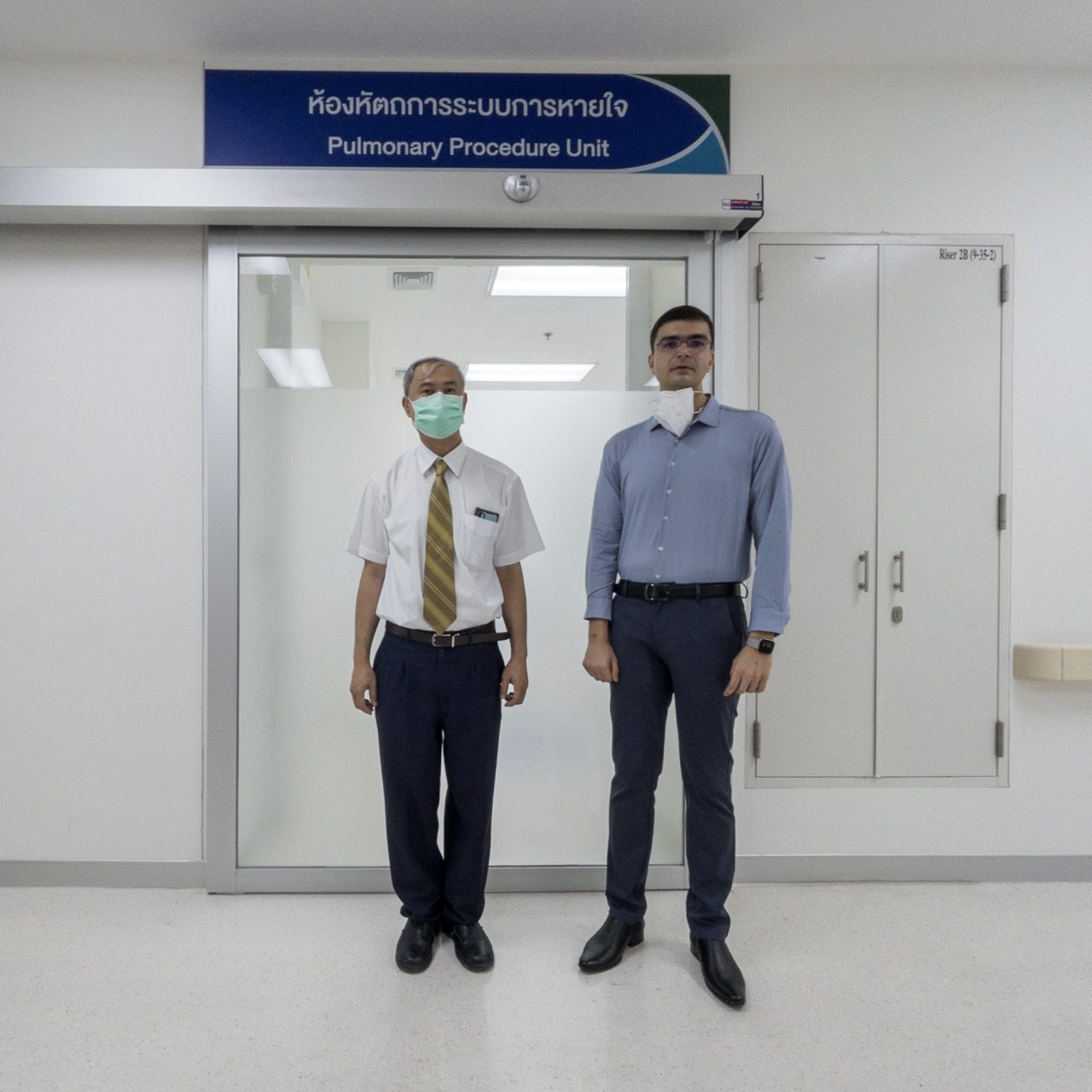
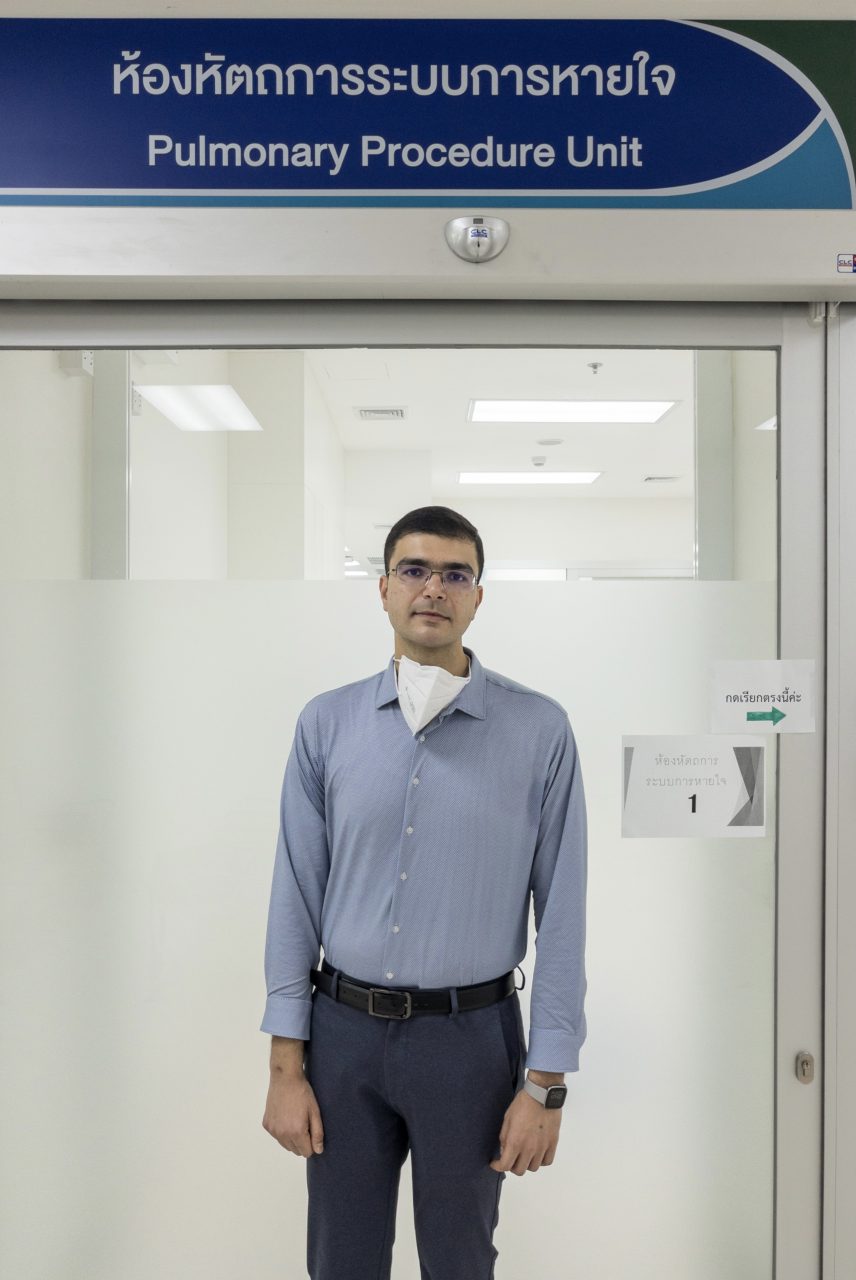
Welcome, Dr. Arjun Khanna from Yashoda Superspecialty Hospital, India, to undertaking “Clinical Observership Training Program in Interventional Pulmonology” at the Division of Respiratory Disease and Tuberculosis, Department of Medicine, Faculty of Medicine Siriraj Hospital under the supervision of Assoc. Prof. Jamsak Tscheikuna between March 11th – May 20th, 2022.

Dr. Arjun aims to learn the characteristics, complications, and management strategies of airways and endobronchial Tuberculosis ( EBTB) and endobronchial stenosis.

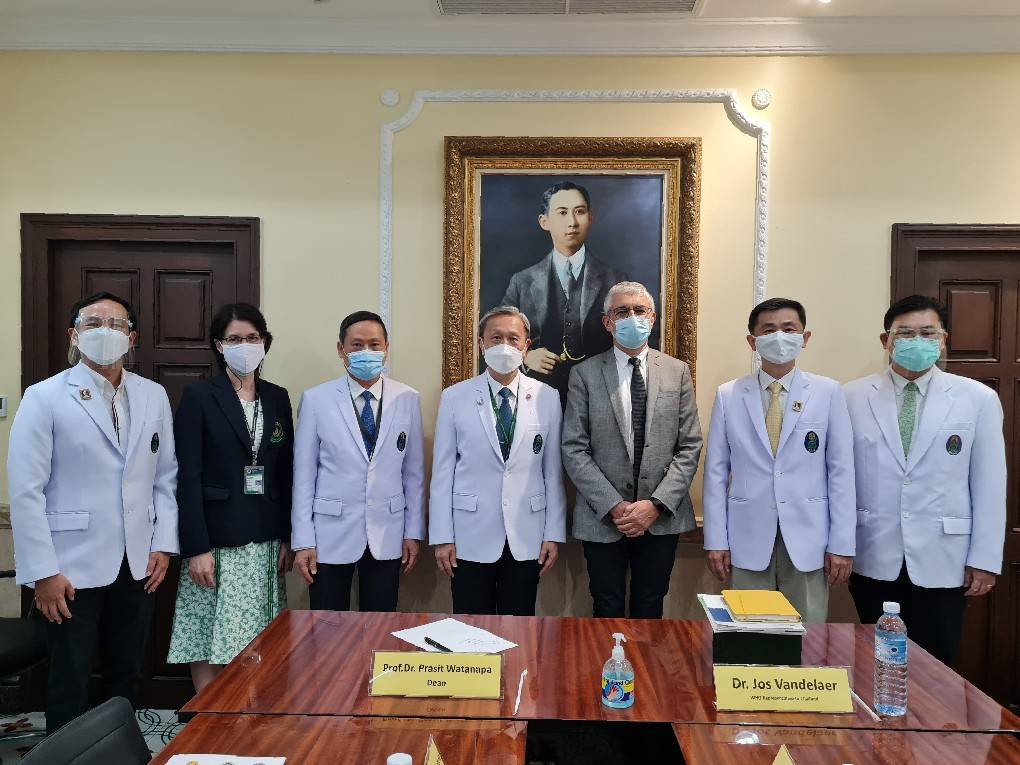
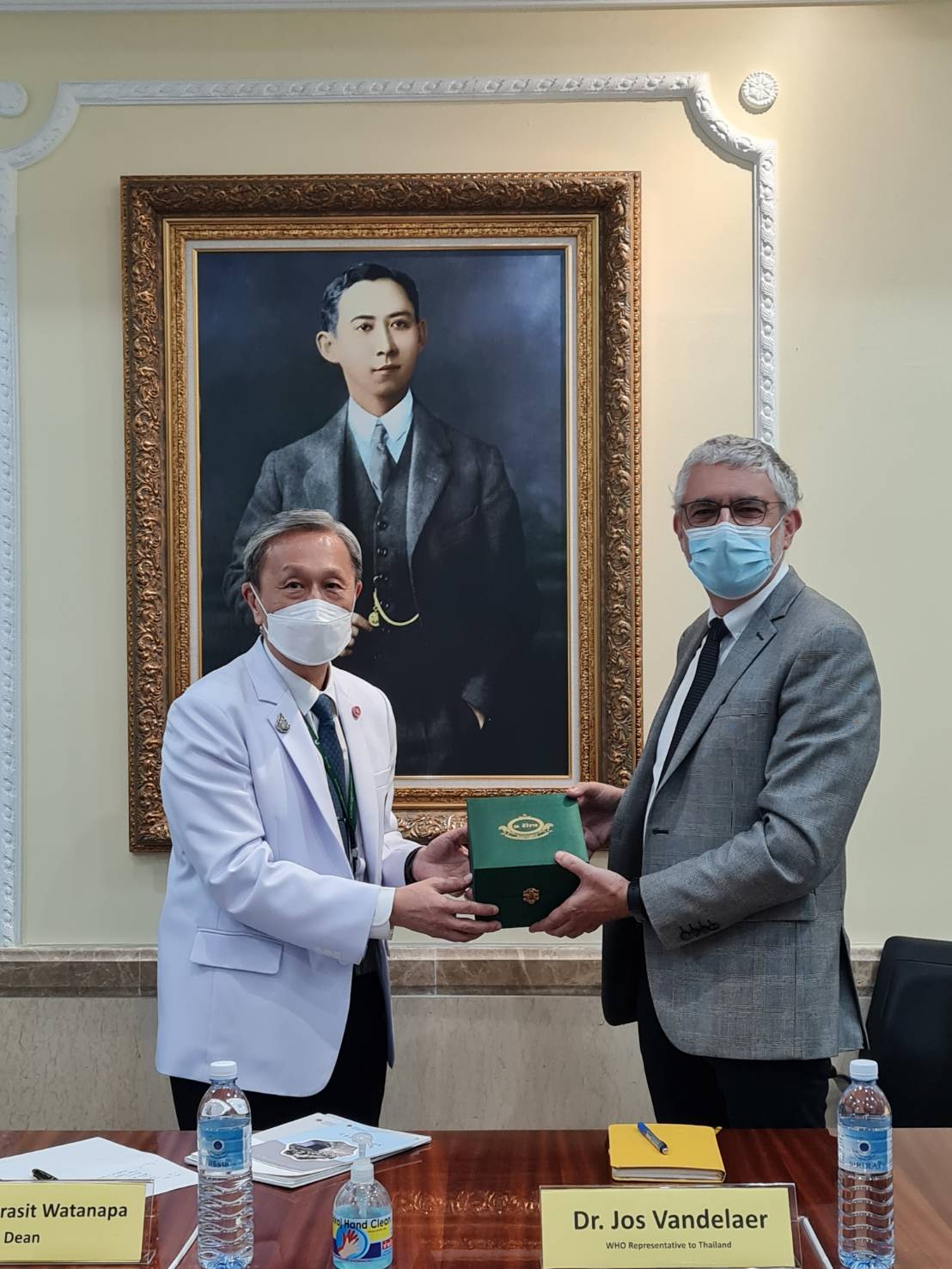
On March 9th, 2022, Prof. Dr. Prasit Watanapa, Dean of the Faculty of Medicine Siriraj Hospital, Mahidol University, along with Prof. Dr. Prasert Auewarakul, Deputy Dean for Research, Prof. Prasert Assantachai, Deputy Dean and Head of Division of Geriatric Medicine, Prof. Thawornchai Limchindaporn, Deputy Dean of Postgraduate Education, Assoc. Prof. Sith Sathornsumetee, Assistant Dean for International Relations, and Assoc. Prof. Gulapar Srisawasdi, Chairwoman of the Department of Rehabilitation Medicine, welcomed Dr. Jos Vandelaer, the World Health Organization (WHO) representative to Thailand for the discussion on the future collaboration between Siriraj and WHO.

Thailand has been as WHO Member State since September 26th, 1947. WHO’s activities in Thailand focused on the Sustainable Development Goals (SDGs), resolutions of the World Health Assembly and the Regional Committee for South-East Asia, WHO’s twelfth General Programme of Work, the United Nations Partnership Framework (UNPAF) for Thailand, and most importantly, the national health policies, strategies and plans articulated by the Ministry of Public Health of the Royal Thai Government.

Welcome, Dr. Rahul K. Jalan from Chest Diseases Clinic, Ahmedabad, India, to undertaking “Clinical Observership Training Program in Interventional Pulmonology” at the Division of Respiratory Disease and Tuberculosis, Department of Immunology, Faculty of Medicine Siriraj Hospital under the supervision of Assoc. Prof. Jamsak Tscheikuna between March 9th – 27th, 2022.

Dr. Rahul aims to learn about advanced interventional pulmonology and gain insight into the practical and technical aspects of procedures such as Convex and Radial Probe EBUS, Rigid Bronchoscopy, and Pleuroscopy.

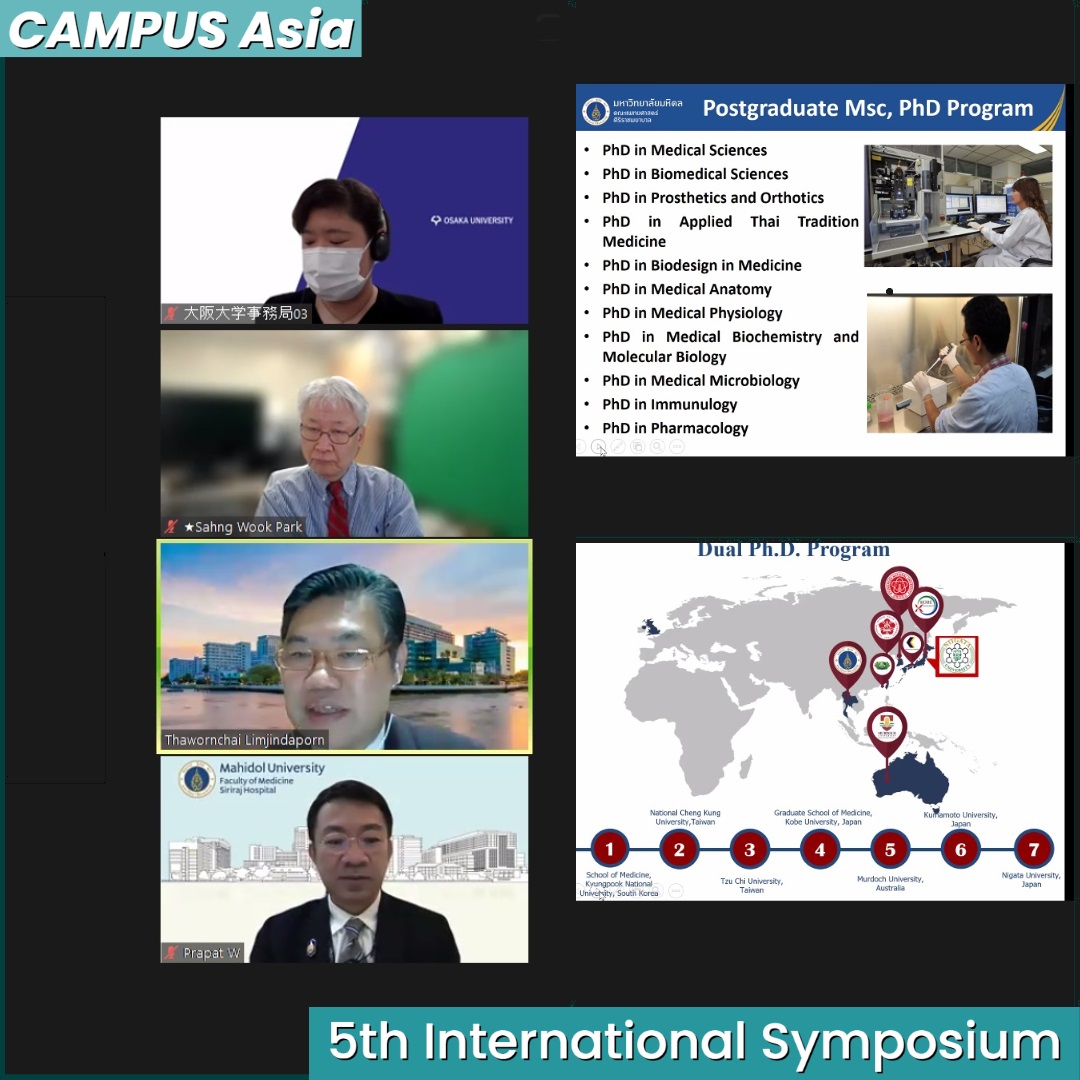
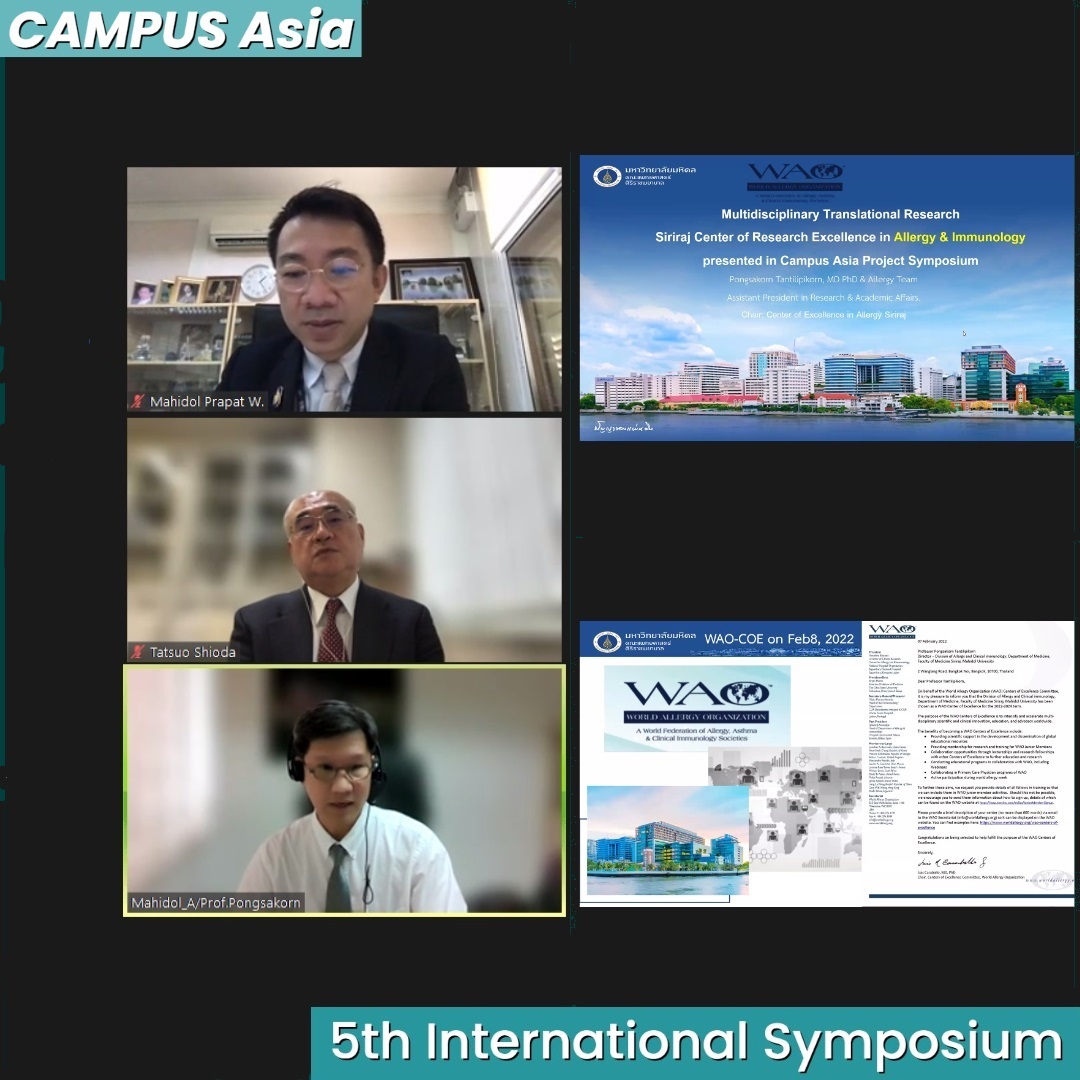
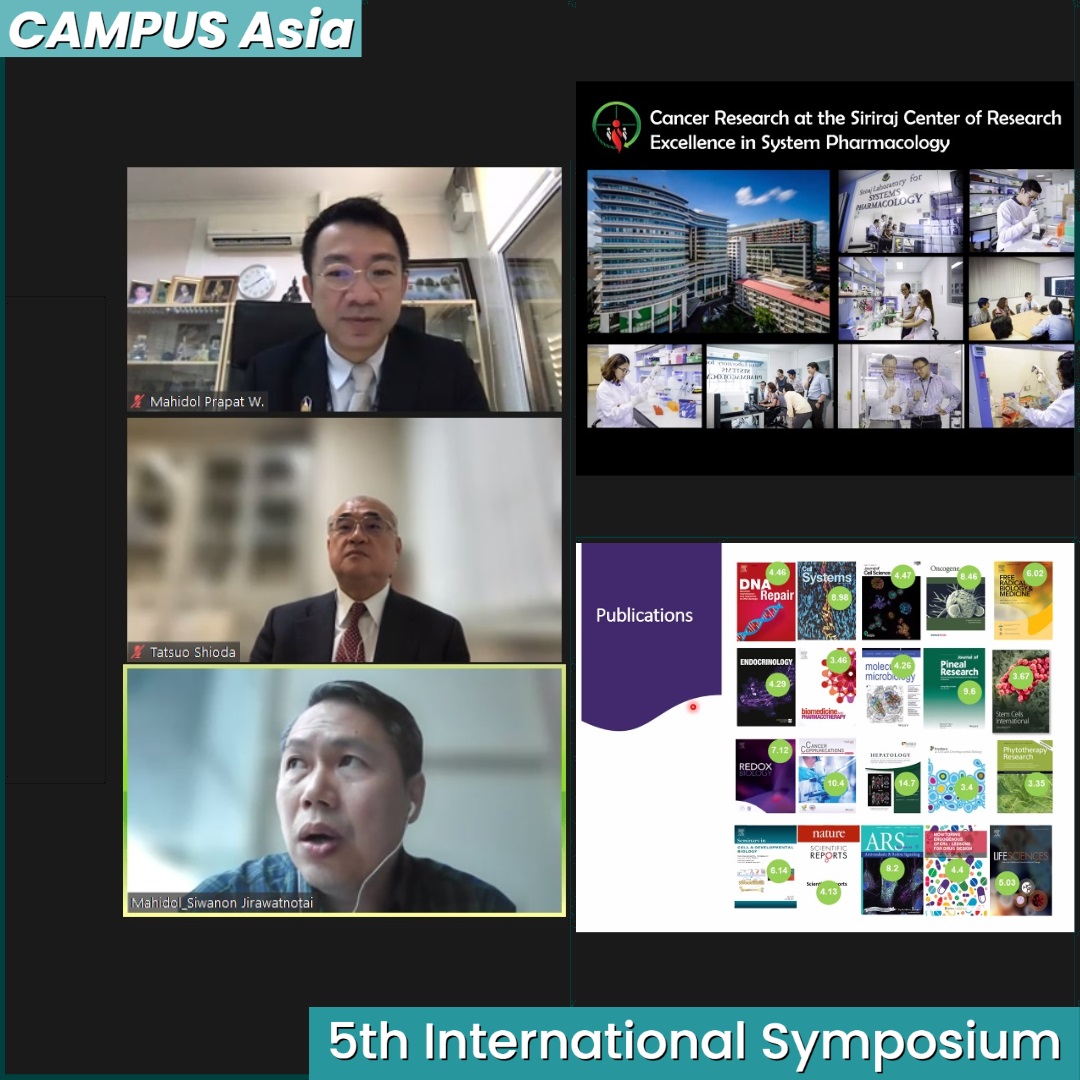
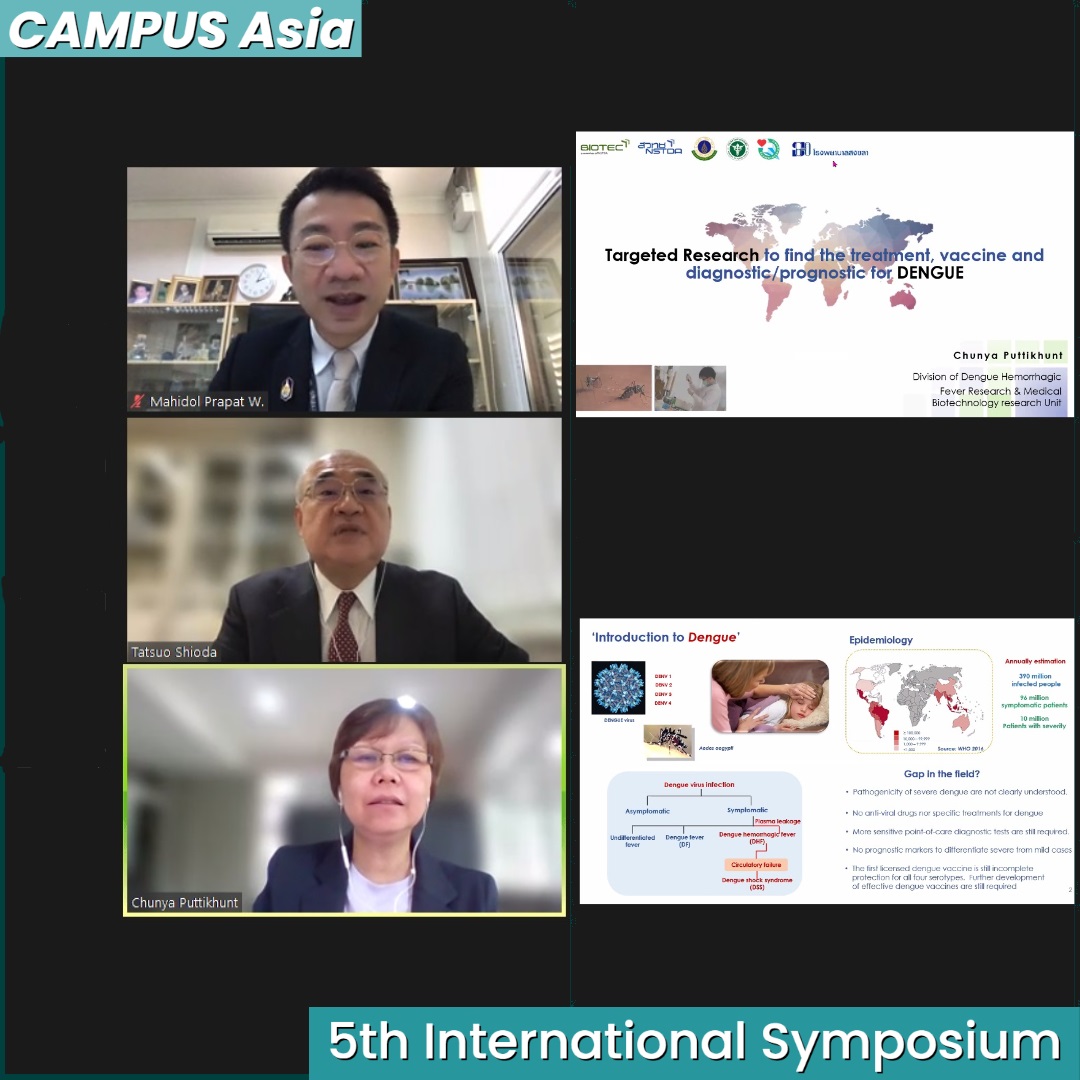
On March 2nd – 4th, 2022, Osaka University Graduate School of Medicine has organized the webinar ‘CAMPUS Asia 2022 International Symposium’ on the theme of “Solve Health Problems in the Global Society”, participated by the member universities such as Peking University, Yonsei University, Tsinghua University, Shanghai Jiaotong University, Tianjin University of Traditional Chinese Medicine, Guangdong Pharmaceutical University, and the latest member, Faculty of Medicine Siriraj Hospital, Mahidol University led by Deputy Dean for International Relations: Assoc. Prof. Prapat Wanitpongpan and other Siriraj’s faculty members, such as Prof. Thawornchai Limchindaporn, Deputy Dean of Postgraduate Education who delivered a presentation on “The Education System at Faculty of Medicine Siriraj Hospital, Mahidol University”, Assoc. Prof. Dr. Pongsakorn Tantilipikorn delivered a topic, “Multidisciplinary Translational Research to Center of Excellence of World Allergy Organization”, Assoc. Prof. Siwanon Jirawatnotai delivered a topic, “Overcoming Cancer Drug Resistance Using the Acquired Vulnerability Screenings”, and Dr. Chunya Puttikhunt delivered a topic, “Targeted Research to Find the Treatment, Vaccine and Diagnostic/Prognostic for Dengue”.

Peking University, Tsinghua University, Shanghai Jiao Tong University, Tianjin University of Traditional Chinese Medicine, Yonsei University, and Osaka University formed a CAMPUS Asia Consortium in 2017. This webinar covers a wide range of topics in medical education, cancer, stem cells, traditional Chinese medicine, immunology and allergy, non-communicable diseases, infectious diseases, and many other topics that will lead to various cooperation between members institutions in the future.

Call for application 2022!

Download the application form here

For further information, please visit: http://www.asemduo.org/02_programs/programs_06.php

For any information related to this announcement, please contact:

Académie de recherche et d’enseignement supérieur – ARES

Direction des relations internationales

Laurence DALCQ

Rue Royale 180 – 1000 Bruxelles

T: +32-2-225-45-71

E: laurence.dalcq@ares-ac.be

“It’s not about being the best, it’s about being better than you were yesterday.”
 
Every year, many organizations distribute the results of international university ranking to provide deep insights about the quality of higher education and academic excellence to people pursuing education or looking for jobs. Those organizations, for example, include Quacquarelli Symonds (QS), Time Higher Education (THE) magazine, US News, Academic Ranking of World Universities (ARWU), and others. The indicators used to calculate scores could be varied in several ways, but many of them are shared, such as
 
• Teaching reputation
• Research outputs & Citations
• Facilities
• Employability
• International outlook
 
It’s been a great pride of Mahidol University to keep its leading position for many years. Here are the examples of evidence.
 
Mahidol University has been holding on to the best place of Thailand University ranking provided by Time Higher Education World University Ranking for 7 consecutive years since 2016!
 
Mahidol University has maintained at the top of Thailand University ranked by Academic Ranking of World Universities for 4 years in a row since 2018.
 
Mahidol University tops the ranking list of Thailand University provided by US News in 2022.
 
Mahidol University is ranked 130th (by THE), and 43th (by QS), among the Best Asian University in 2021.
 
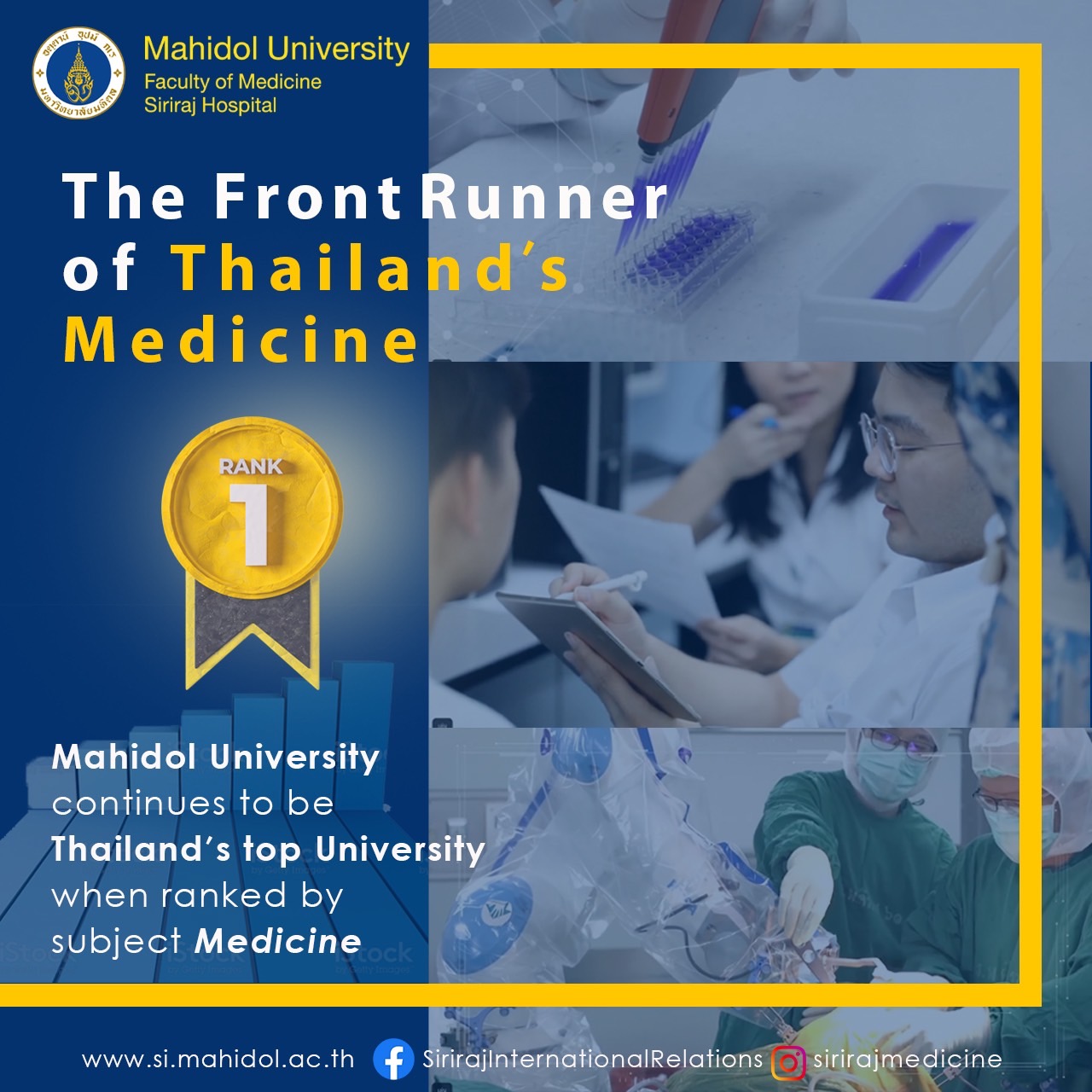
Mahidol University continues to be Thailand’s top university when ranked by subject medicine.
 
THE World University Ranking has recognized Mahidol University as the best in Thailand’s Medicine since 2018.
 
QS World University Ranking has placed Mahidol University at the top of Thailand’s Medicine since 2015.
 
Mahidol University has remained the best in Thailand’s clinical medicine on the ranking provided by ARWU since 2017.
 
Mahidol University again tops on Thailand’s clinical medicine on the list of US News in 2022.
 
Faculty of Medicine Siriraj Hospital joins forces with Faculty of Medicine Ramathibodi Hospital and Faculty of Tropical Medicine to make a greater contribution from Mahidol University to the local and global communities. We always realize that getting to the top is difficult, and staying there is even more challenging, which is the reason we work harder every day. To make our forefront position deserving, we commit ourselves to work tirelessly to inspire a new generation of thinkers and learners, as well as to help shape our world into a better place to live for all. We do believe that’s the best way to merit the trust we’ve received.