The Department of Orthopaedic Surgery comprises many supporting units, including Administration Office, Academic Division, Education Division, Supplies Division, Research Division, Quality Development Division, Medical Registration Division and Information and Technology Division. These divisions provide quick and efficient support services to the Department and other units related to administration, document, personnel, finance, meeting arrangement, course management for both graduate and post graduate level, medical equipment and supplies, study and data collection for research, multi-disciplinary treatment, educational technology supplies, confirmation of patient information from medical data, and other services including social responsible activities and art and culture.


Division of Physiotherapy

Division of Physiotherapy

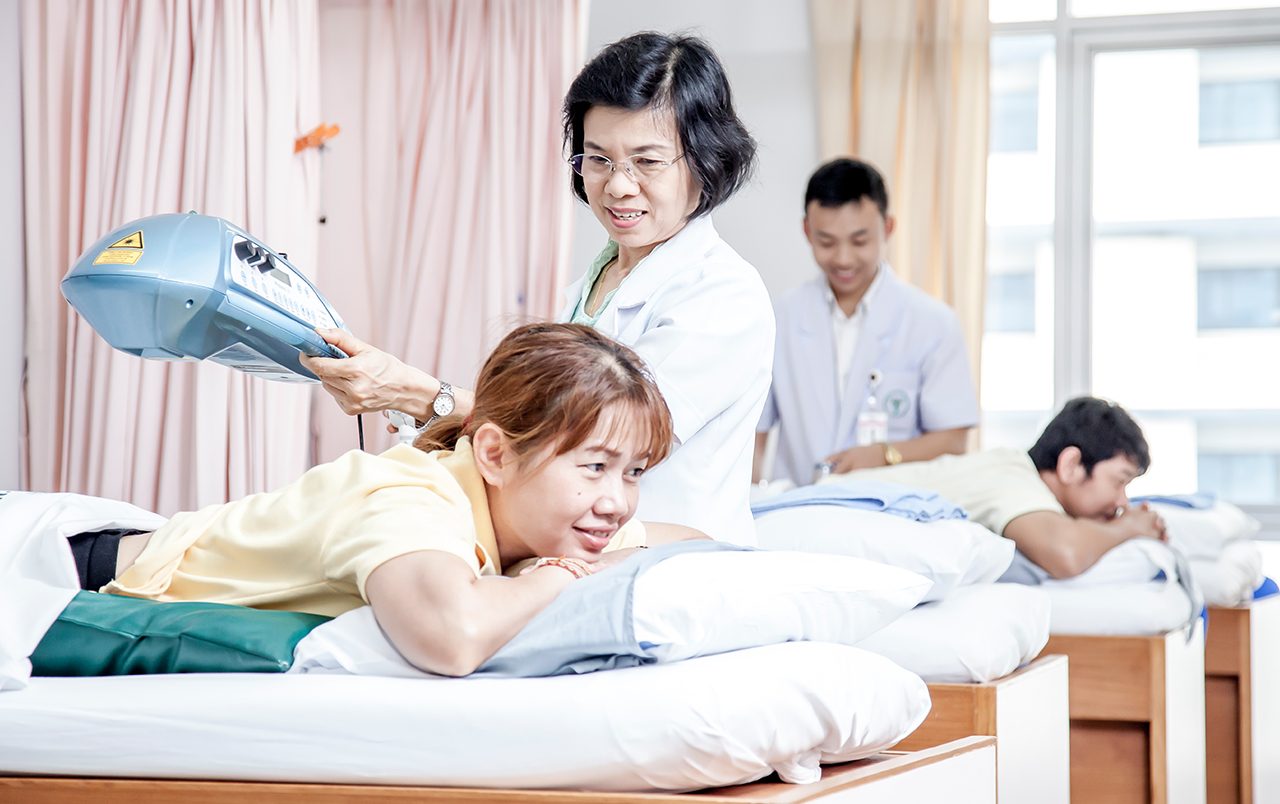
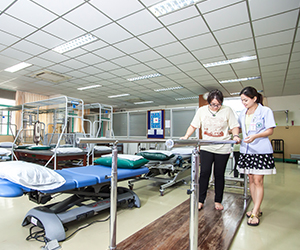
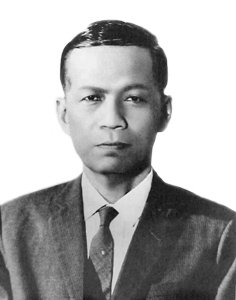
In 1947, the country’s first physical rehabilitation was introduced at Siriraj Hospital. Professor Fuang Satsa-nguan, the head of Orthopaedic Surgery Department, began to use tools and physiotherapy practice to treat patients. He invented simple tools or applied the existing equipment for such activities, such as heat from reading lamp, massage, walking rehabilitation using parallel bars, and walking-assistant equipment. Later, more tools and equipment were acquired, doctors and nurses were trained to be physiotherapist to support the growing scope of work.  In 1963, Professor Fuang Satsa-nguan and Princess Prem (Ngarmchit) Purachatra in cooperation with WHO and World Confederation of Physical Therapy (WCPT) jointly established a physiotherapy school at the Siriraj Hospital. The first batch of physiotherapy students were recruited in 1965 from medical students Chulalongkorn University and Faculty of Medical Science. The selected students joined the third year of the school and when finished, they obtained a bachelor’s degree in physiotherapy and can become professional physiotherapists. At present, the school was upgraded to the Faculty of Physical Therapy, Mahidol University, offering undergraduate, graduate and PhD courses as well as short physical therapy courses.

Service

  • Provide physical therapy for orthopaedic inpatients and outpatients. Its team members comprises specialists in different specialty area as follows:
    • Adult reconstructive surgery
    • Spine
    • Spinal cord injury
    • Sports medicine
    • Hand
    • Paediatric

Academic service

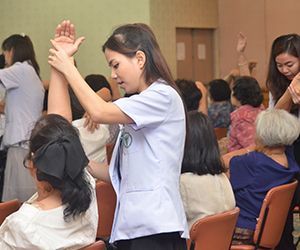
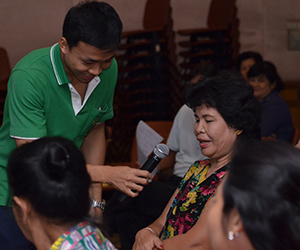
  • Guest speakers on preparation of patients and family for hip and knee replacement surgery at the Faculty of Medicine, Siriraj Hospital, four times a year
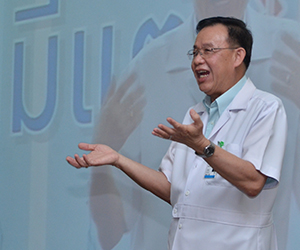
  • Host a symposium on “Update n Physical Therapy for Orthopaedic Condition” to celebrate the 50th anniversary of the Department of Orthopaedic Surgery from 12-13 June 2014 at the Adityadhornkitikhun Meeting Room, Sayamin Building, 7th Floor, Faculty of Medicine, Siriraj Hospital

Studies and research

  • Clinical instructors to supervise the training of 34 year 3 and year 4 physical therapy students from public and private universities
  • Research on “A Randomized Control Study of Siriraj Home Exercises Protocol for Primary Knee Osteoarthritis Patients versus Usual Orthopedic Outpatient Consultation in Primary Knee Osteoarthritis Patients” which is under data collection stage
Chalermphrakiet 10 South Ward

Chaloemphrakiat 10 South Ward

Chaloemphrakiat 10 South Ward was earlier called Mahidol Bampen 1 Ward. It is the first building in Siriraj Hospital. Today, it has 25 beds for pre and postoperative orthopaedic male patients aged 15 years up. The main goal of patient care and rehabilitation is patient safety. We have to ensure that patients do not suffer complication or impact from major risks. The ward also receives patients transferred from other hospitals because of complications of the disease with high risks from surgery. These patients need special care from specialist with high experience and expertise as well as a multi-disciplinary team. This includes patients with bone tumor, Brachial Plexus Injury (BPI) and cervical spondylosis myelopathy (CSM). The ward also receives accident patients from nearby area and those transferred from other hospitals due to complications, such as multiple fractures, older persons with fractures and other diseases that need care from specialists and multi-disciplinary team.  Top five groups of patients (2014 statistics) are trauma, hand injury, spine, tumor and arthroplasty. The Chaloemphrakiat 10 South Ward is operated with multi-disciplinary teams comprising orthopaedic lecturers and physicians, nurses, therapists and social workers.

Chaloemphrakiat 10 South Ward has continuously improved its organization in cooperation with the Department of Orthopaedic Surgery in order that it can best support the department and the Faculty of Medicine’s vision and missions. Improvement has been introduced in every step in patient treatment and care from patient reception until discharge, preoperative preparation and postoperative care. More importantly, our care does not limit to the patients but also their family as we have to ensure that the patients and family are ready to go home.  May new projects have been initiated in this regards. For example, we have the preoperative preparation project for knee and hip replacement patients to ensure they are ready physically and mentally, which significantly reduces risk of complications. We increase safety level at the ward through proactive risk management. The Department of Orthopaedic Surgery and Chaloemphrakiat 10 South Ward are the pilot organizations to implement Medication Reconcilitation which was later proven successful and clearly optimized benefits for the patients. The department also introduced the Quality Resident Project to improve efficiency in critical emergency patient care. As a result, residents can quickly help patients,  which best satisfied patients and their family.

In upgrading the ward towards excellence, we have implemented the Clinical Practice Guideline of each disease prepared by the multi-disciplinary team to ensure the highest possible efficiency in patient care and treatment. We have introduced Area of Excellence for TKA. We have created various innovations for patient care efficiency improvement. Box Alarm, for example, is a pain management tool that speeds up pain management process, resulting in higher patients’ satisfaction and fast recovery. The Box from Crutches was invented for older patients with bone fracture. In terms of communication, we have constantly communicated within the team and between multi-disciplinary teams and hold internal meetings to brainstorm for ways to improve excellence. These innovations and improvement have brought to the entire ward the pride for being part of the Department of Orthopaedic Surgery and playing a significant role in treating patients until they recover well and return home and have a better quality of life.

A significant milestone for any medical profession is to be recruited by a reputable organization. The Department of Orthopaedic Surgery has a strong culture of care where everyone at every level and units work closely together to achieve the goals on academic excellence and services. We work hard and play hard together, thus we are a strong organization with close tie. Senior lecturers are role model for the younger staff members and students not only in terms of knowledge and academic excellence, but also their contribution to the society as good and ethical doctors.

Roles: Service and Academic

Service

Being a tertiary center, Siriraj Hospital has a large number of patients. Fellows are responsible for patients in outpatient and inpatient wards, providing medical advices to patients in and outside the department, assisting senior staff members in surgery and standing by out of working hours. Having the opportunity to handle many patients means greater experience and skills.

Academic

Fellows work as coaches for residents in terms of academic activities, patient care, learning process and being role model on preferred qualities and personality.

Fellows also conduct various subspeciality activities, including conference and workshop as well as doing research. They also handle and participate in recreational activities and activities held by the department, Faculty of Medicine Siriraj Hospital and the Royal College of Orthopaedic Surgeon of Thailand to strengthen good relationship among members of the department and other departments as well as other organizations. Some of the activities are, for example, sports activities, freshmen orientation, homecoming ceremony, 50th anniversary celebration of the department and welcoming travelling fellows.

Clinical Services

Orthopaedic OPD (OPD 118)

Role and responsibility

The Orthopaedic Outpatient Department, known as OPD 118 is located at the Outpatient Building, 1st Floor, Room 118, and is under the Outpatient Unit, Department of Nursing Siriraj Hospital. We are also one of the Clinical Lead Teams under the Department of Orthopaedic Surgery. Our personnel include one chief nurse, seven nurses, 12 nurse assistants, four administrative officers, two medical statistic officer, three medical registration officer and two general officers.

Scope of service: OPD 118’s provides examination service for patients with acute and chronic bone, tendon, joints, muscles and partial nerve problems and abnormality that are inborn or caused by diseases or over one month accident. The service is provided on working days, from 7.00-15.00 hrs, to all patients both with appointment and walk-in patients. Patient screening and assessment are carefully performed in order ensure that patients receive the right diagnosis and treatment from specialists with specific expertise. Our services cover medication, medical procedure, rehabilitation and preparation for surgery, appointment making for non-admitted patients, consultancy for other departments or units, patient admission for those who need immediate treatment, and patient education on Mondays, Wednesdays and Fridays as well as general information provision.

Our major role and goal are to provide efficient examination and diagnosis, treatment, rehabilitation, prevention and health promotion for all patients with orthopaedic problems regardless of their age and gender by our physician, nurses, therapists and multi-disciplinary teams with special expertise in orthopaedics. Our main focus is to ensure good access to the right treatment through efficient screening process in order to identify individual patient’s specific needs and plan the right care and treatment as well as monitoring and evaluate the results. While doing all these, we place top priorities to accuracy, precision, speed, safety, convenience and no complication or other preventable disability. We ensure that patients receive sufficient information about the examination and their own conditions as well as the right behavior. We also promote health and knowledge on disease prevention among patients and families. In addition to patient care, we coordinate with other related units or health teams in order to ensure smooth transfer and patient’s satisfaction.

We have great team with expertise in orthopaedics, senior lecturers with high expertise in many subspecialties, such as Hand and Micro Surgery, Pediatric Orthopedics Surgery, OrthopedicsOncology, Trauma (+Adult Orthopedics), Sport Medicine, Spinal surgery, Adult orthopedics reconstructive surgery, Foot and angle and Metabolic bone disease. With our team’s knowledge and expertise, we can provide the right examination, diagnosis, treatment and perform the right medical procedure that meets international standard. Meanwhile, we play a key role in providing orthopaedic education to residents, fellows, medical students, nurses, medical team and other units within the hospital and external organizations in and outside Thailand. We also have a great team of highly experienced nurses with specific skills in orthopaedic care, a great team of therapists who can provide instruction on the right exercise to help patients prevent and treat health problems and adopt the right rehabilitation. This enables patients to have good health and better physical performance. We also have a Clinical Lead Team of the Department of Orthopaedic Surgery, comprising multi-disciplinary team and related units who are key driver of our high-quality service, academic and research works.

In term of service quality, we regularly hold ordinary meeting with related units to review and improve our service capability and continuous and efficient patient care process for emergency, chronic and general patients transferred from other hospitals or medical institutes. We have prepared the Clinical Practice Guideline (CPG) for different specific diseases. The guideline has been implemented and used as a framework for patient care, especially for osteoarthritis of the knee which is a part of the Area of Excellence of the Department of Orthopaedic Surgery. We have been fully participated in quality activities to provide efficient service to patient with osteoarthritis of the knee, for example, preparation of patients and family prior to the hip or knee surgery and activities by the Joint Health Club. We have participated in preparing Clinical Tracer Plus on total knee replacement, resulting in a special project on “no fat, no osteoarthritis of the knee”, a pilot project aiming at helping patients lose weight and enhance knee muscle capability. From this pilot project, we have developed it further to a research on a weight loss program for overweight patient with osteoarthritis of the knee. We plan to implement this program into routine service in the future.

Orthopaedic Outpatient Department is the gateway in providing orthopaedic medical services. We focus mainly on patient’s easy and fast access to our service, which best serves the Department of Orthopaedic Surgery’s policy in providing excellent service for the best benefit of patients.
 

Study and Services Academic area

Medical students

Impression of the Department of Orthopaedic Surgery

Orthopaedics is one of a few subjects that we were happy to study because of nice instructors who are very friendly and helpful. We were therefore not worried about our studies and felt relieved that we can ask the instructors about anything related to the studies. We had actually practiced (with our friends, though), such as splinting, retention, shoulder dislocation reduction, etc. When we practiced, the instructors were always with us to guide and advised, making us understand better. In “Round ward ortho” and “trauma” practice, we did have the opportunity to learn from the patients with close supervision from the instructors. With the instructors’ friendliness and care, we did learn a lot of important tricks, such as patient information collection, examination and communications with the patients. In addition to the instructors, all seniors and residents were very nice too. They helped and gave us good advice on how to take good care of accident patients. Although it took quite a lot of time for us to learn, the residents were so kind to stay with us and guide us on every detail until we did understand well the techniques. We wish to take this opportunity to thanks all the instructors for their help guiding us and teaching us and all the residents for their care and help throughout the four weeks during our rotation at Orthopaedic Surgery. Thank you very much!

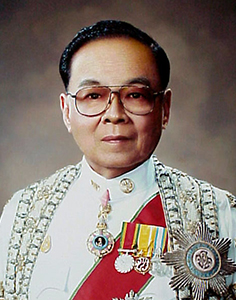
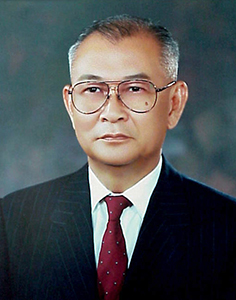
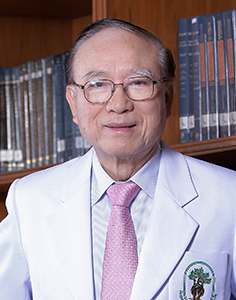
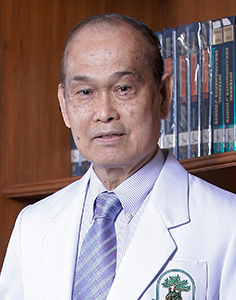
Orthopaedic Chairman

Professor Fuang Satsa-nguan
(1964-1969)


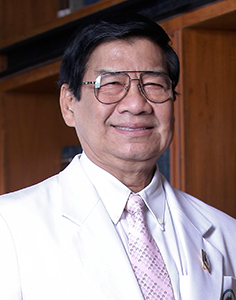
Professor Emeritus Natee Rukspollmuang
(1969-1985)


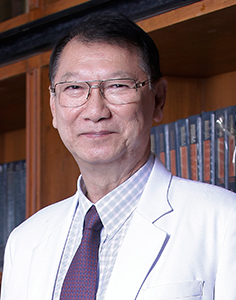
Clinical Professor  Sidhi Techakampuch
(1985-1988)


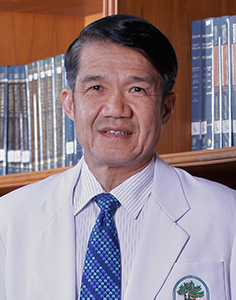
Professor Emeritus Charoen Chotigavanich
(1988-1996)


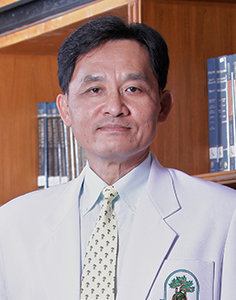
Clinical Professor Emeritus Amnuay Unnanuntana
(1996-1998)


Clinical Professor Emeritus Prasit Gonggetyai
(1998-2001)


Clinical Professor Emeritus Teerawat Kulthanan
(2001-2007)


Professor Panupan Songcharoen
(2007-2015)


Clinical Professor Surin Thanapipatsiri, M.D.
Chairman, Department of Orthopaedic Surgery

Orthopaedic Team

Residents
Residents are recruited for further study at the Department of Orthopaedic Surgery, Faculty of Medicine Siriraj Hospital.  Being recruited is a great pride for all residents for they have the chance to be working and studying at a well-known organization with international reputation and great lecturers who are role model for both academic excellence and ethics.

Roles: Study and Services
Study
Residents at the Department of Orthopaedic Surgery will take a four year course. During this time, they will learn more about diseases or problems related to musculoskeletal system under close supervision of lecturers. Through close supervision, the residents would learn from the lecturers’ direct experience, text books, and most importantly, from the patients. Thanks to its leading position and international reputation, a huge number of patients come to us to seek help. This gives our residents a great opportunity to learn directly from the patients and to practice medical procedure and surgery.

Service
Residents play significant role in providing medical services both in and after working hours. They examine and treat patients, coordinate between patients and senior lecturers to ensure that the patients are treated well, and coordinated between the department and other organizations to ensure that patients receive fast and efficient services.