
On April 4–5, 2025, the Center of Research Excellence Management Unit (SiCORE-M) had the great honor of hosting its Annual Seminar: Retreat 2025 at the Howard Johnson by Wyndham Pattaya JC Hotel, Chonburi Province. The event was presided over by Professor Apichat Asavamongkolkul, M.D., Dean of the Faculty of Medicine Siriraj Hospital, who served as […]
On January 21, 2025, the executive team from the Faculty of Medicine Siriraj Hospital, led by Dean Professor Apichat Asavamongkolkul, along with Deputy Dean for Research and Innovation, Assoc. Prof. Sith Sathornsumetee, Head of the Center of Research Excellence (SiCORE-M), and Assistant Professor Woraphat Ratta-Apha visited the SiCORE-DO center at the SiMR Building. The SiCORE-DO team warmly welcomed the executive team, represented by Prof.Nattachet Plengvidhya, the Director, and his SiCORE-DO team members.
During the visit, the SiCORE-DO team presented key achievements and an operational progress report, highlighting advancements in diabetes and obesity research. The session fostered valuable discussions on strategic initiatives and future directions, reinforcing our unwavering commitment to driving impactful research and innovation in metabolic diseases. This commitment is a beacon of inspiration, guiding our collective efforts toward a healthier future.


We are thrilled to announce that our latest research on enhancing the immune system’s ability to combat cholangiocarcinoma (bile duct cancer) has been accepted for publication in Biomedicine & Pharmacotherapy (Impact Factor: 6.9)! 🎉
Led by researchers at the Siriraj Center of Research Excellence for Systems Pharmacology (SiSP) in collaboration with expert partners, this study uncovers a promising strategy to restore immune function in this highly aggressive cancer. By reactivating the body’s natural defenses, this approach brings new hope for more effective treatments.
🔬 Read the full research highlight here: https://www.sisyspharm.org/highlights/reactivating-the-bodys-natural-defenders-a-new-hope-for-fighting-cholangiocarcinoma

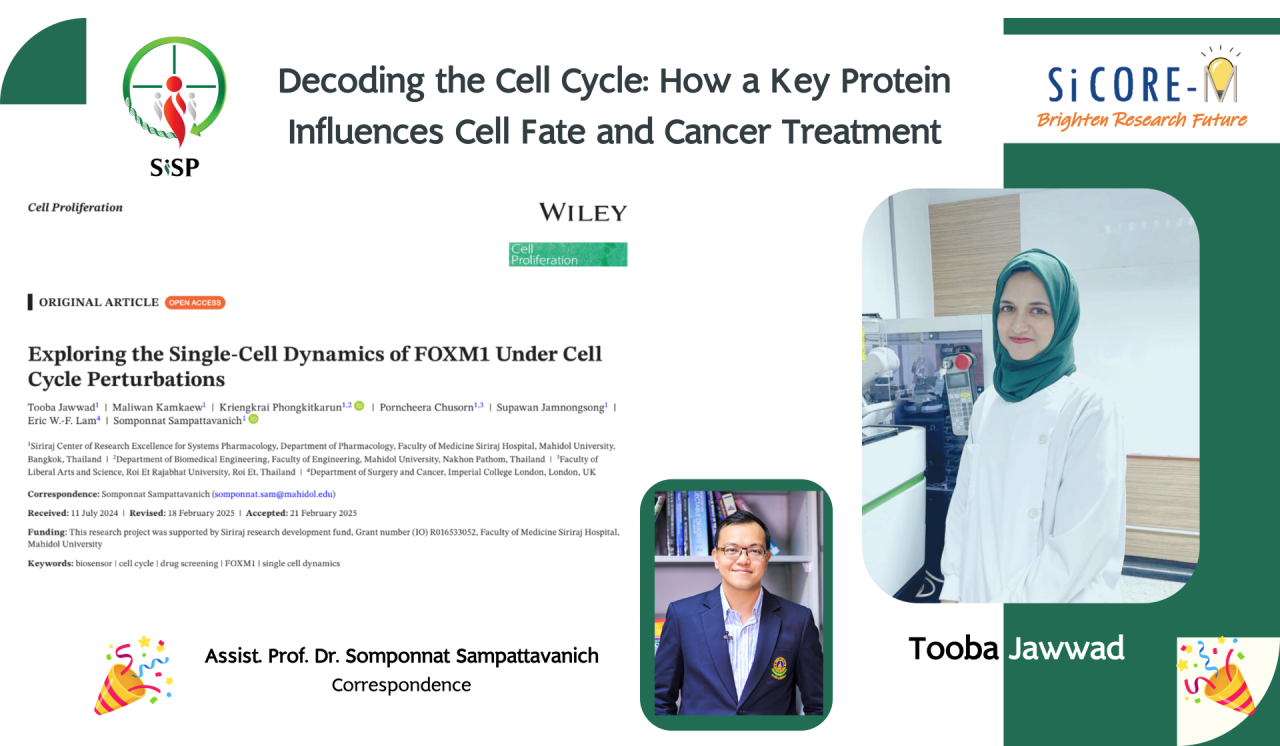
Every day, billions of cells in our body divide, grow and repair tissue, ensuring our health and survival. This process, known as the cell cycle, is tightly regulated to prevent errors. When these controls fail, diseases like cancer—where cells divide uncontrollably—can arise.
At the heart of this regulation is FOXM1, a crucial protein that acts as a conductor, directing cells through different stages of the cycle. While FOXM1’s role in normal cell growth is well established, its behavior in individual cells—especially under conditions of disruption—has remained a mystery.
Our latest study uncovers how FOXM1 responds to different cellular conditions, offering new insights into its role in cancer development and potential therapeutic strategies. Understanding this mechanism brings us one step closer to more precise cancer treatments.
🔬 Read the full research highlight here: https://www.sisyspharm.org/highlights/decoding-the-cell-cycle-how-a-key-protein-shapes-cell-fate-and-cancer-treatment
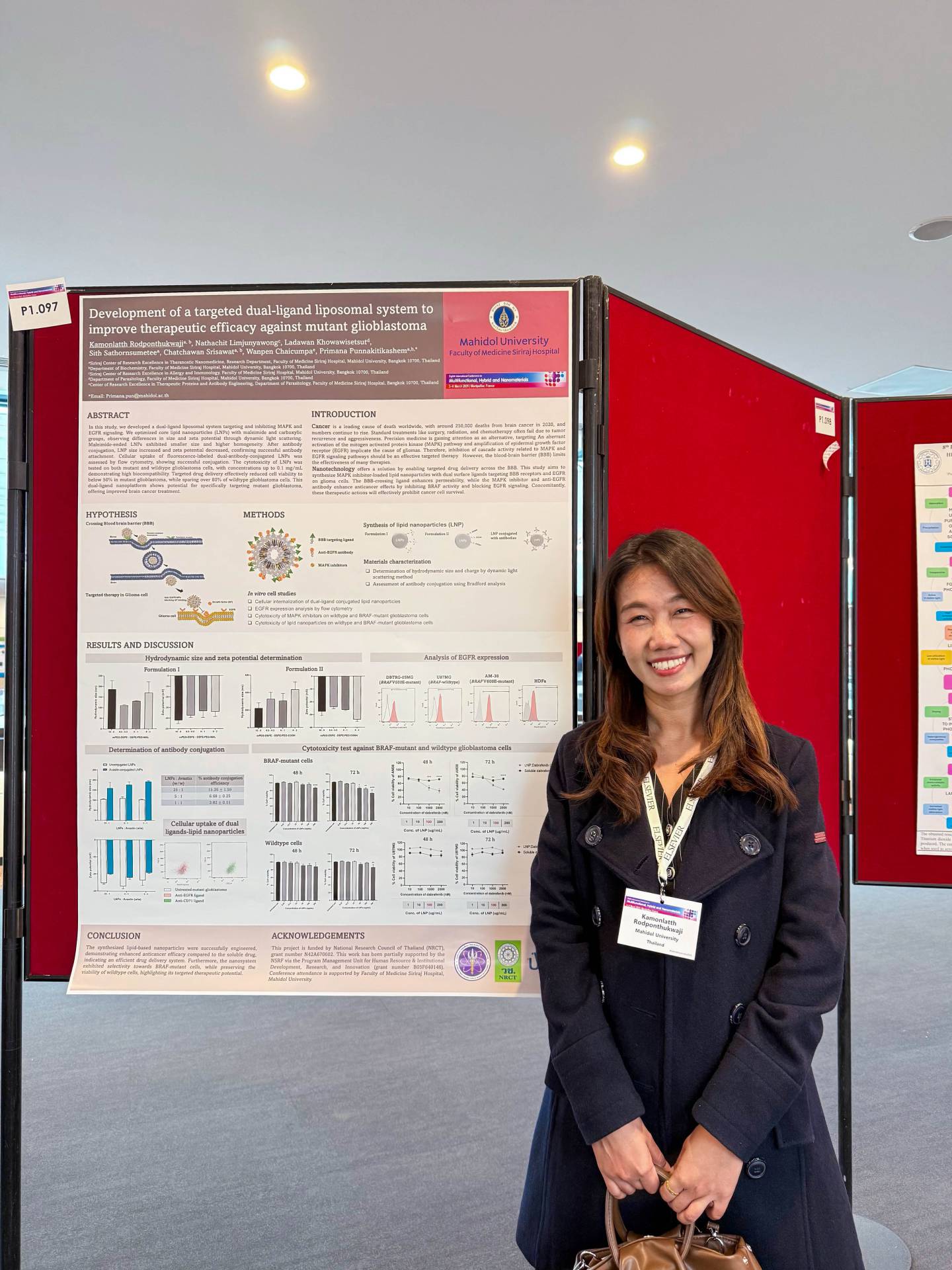
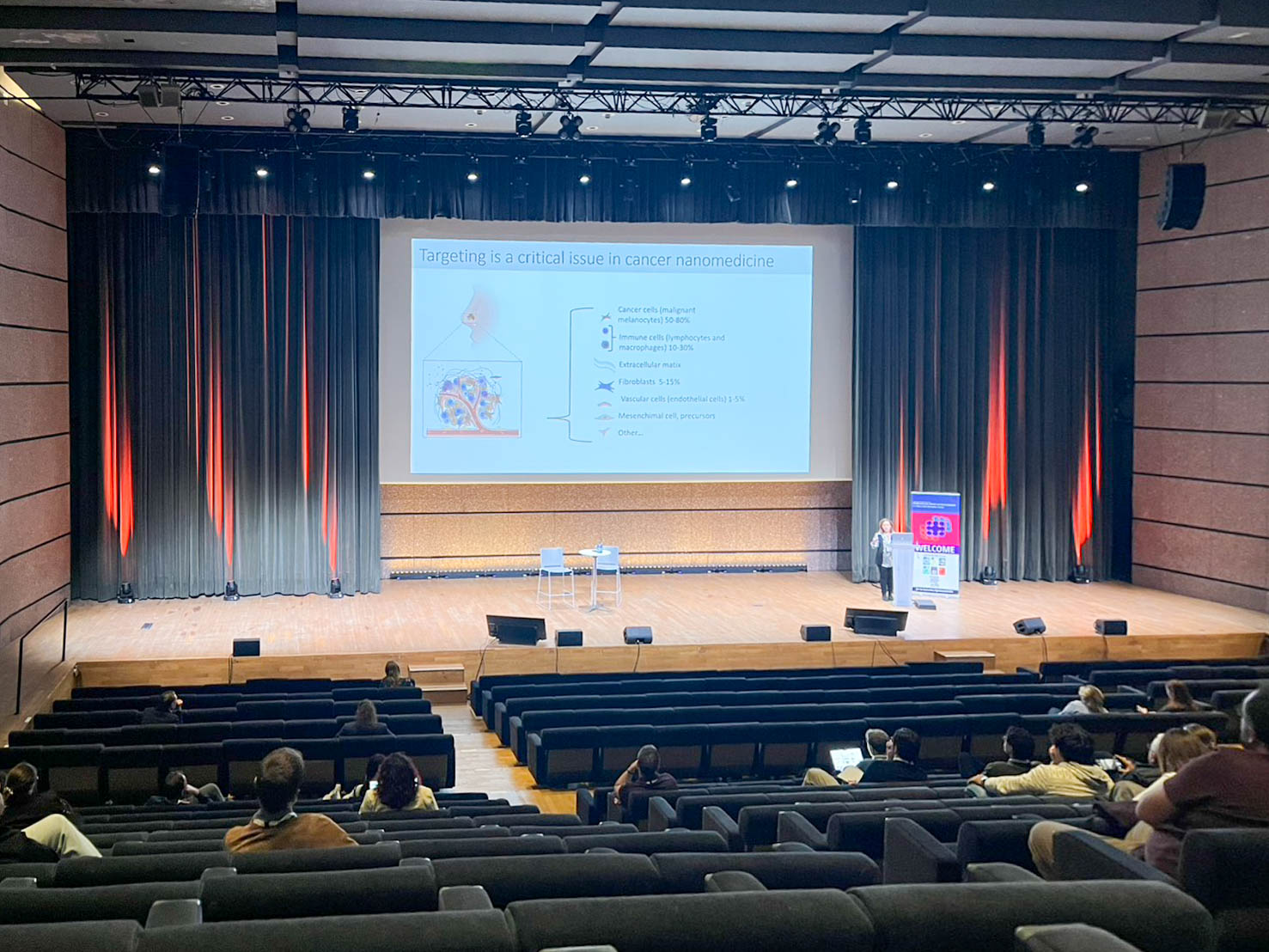
Kamonlatth Rodponthukwaji, PhD, a researcher from the Research Department at Siriraj Hospital, Faculty of Medicine, Mahidol University, attended and presented a poster at the 8th International Conference on Multifunctional, Hybrid and Nanomaterials held in Montpellier, France, from March 3rd to 6th, 2025. Dr. Rodponthukwaji presented a poster titled “Development of a targeted dual-ligand liposomal system to improve therapeutic efficacy against mutant glioblastoma”.
Dr. Rodponthukwaji’s participation will benefit Siriraj Hospital by fostering research collaborations, increasing academic recognition, and advancing nanomedicine applications. Through engagement with leading experts and institutions, the hospital can establish new partnerships for joint research, secure funding opportunities, and facilitate technology transfer. The insights gained from the conference can drive innovation in diagnostics, drug delivery, and biomaterials, ultimately contributing to improved patient care.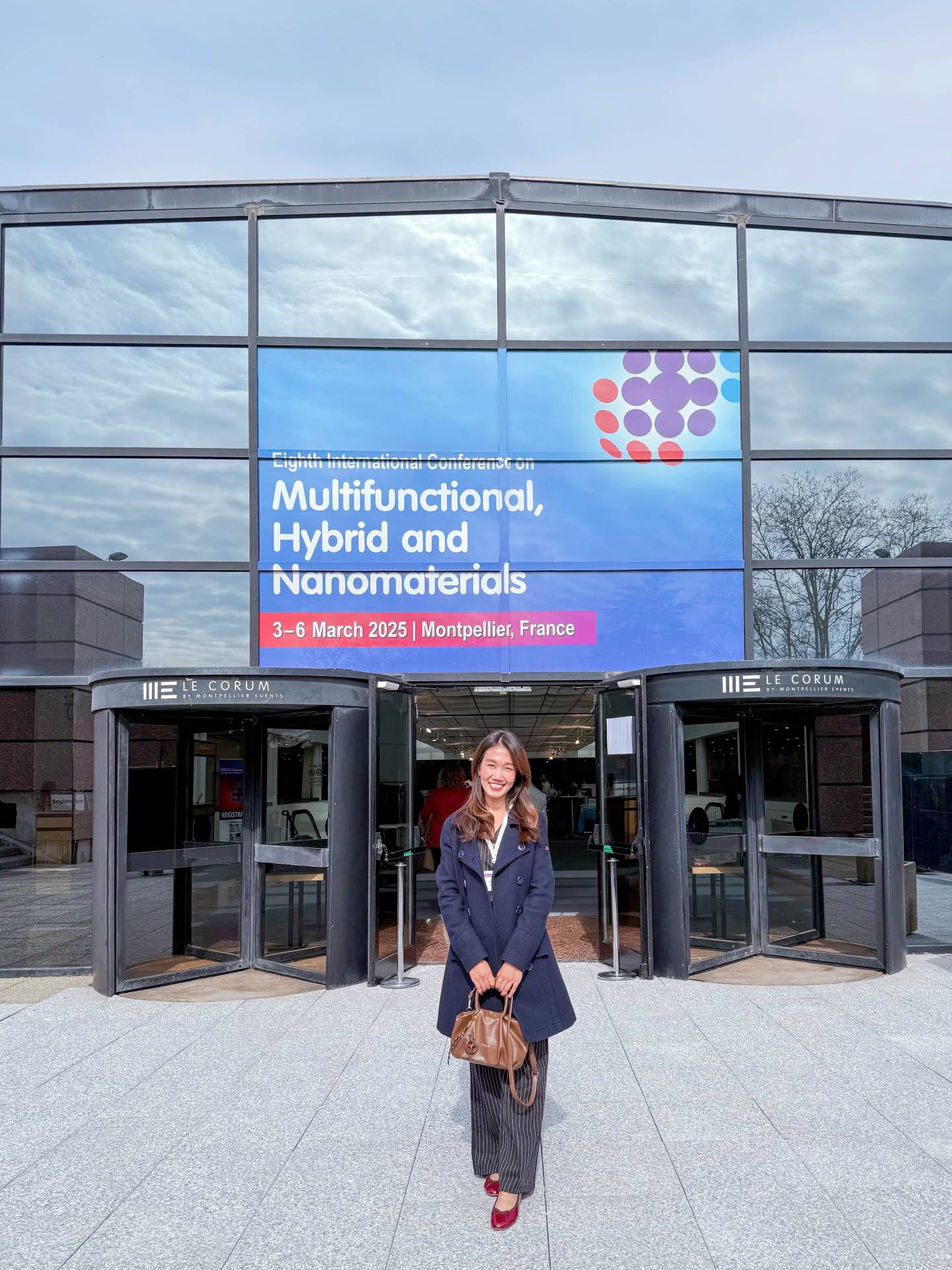
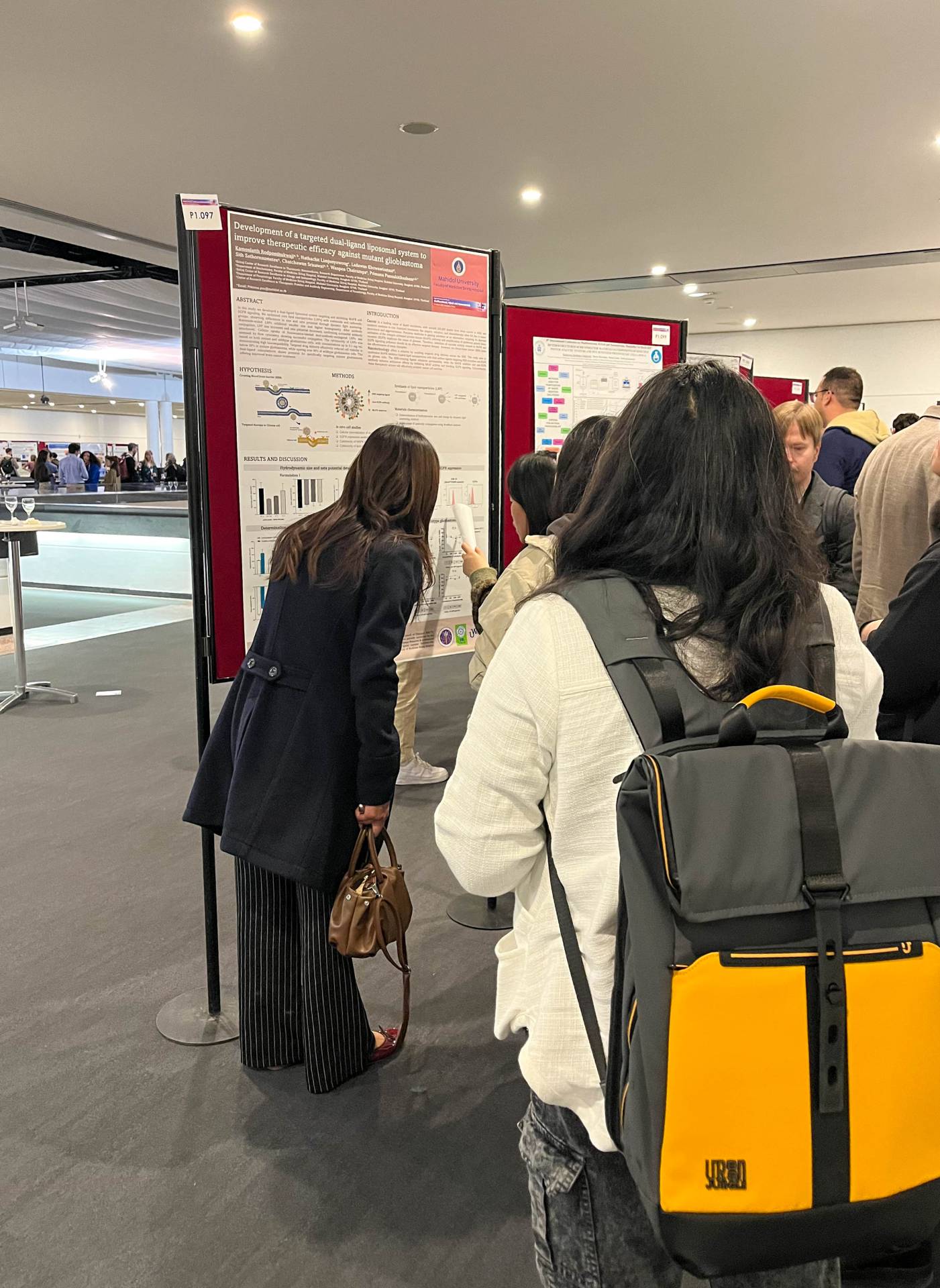
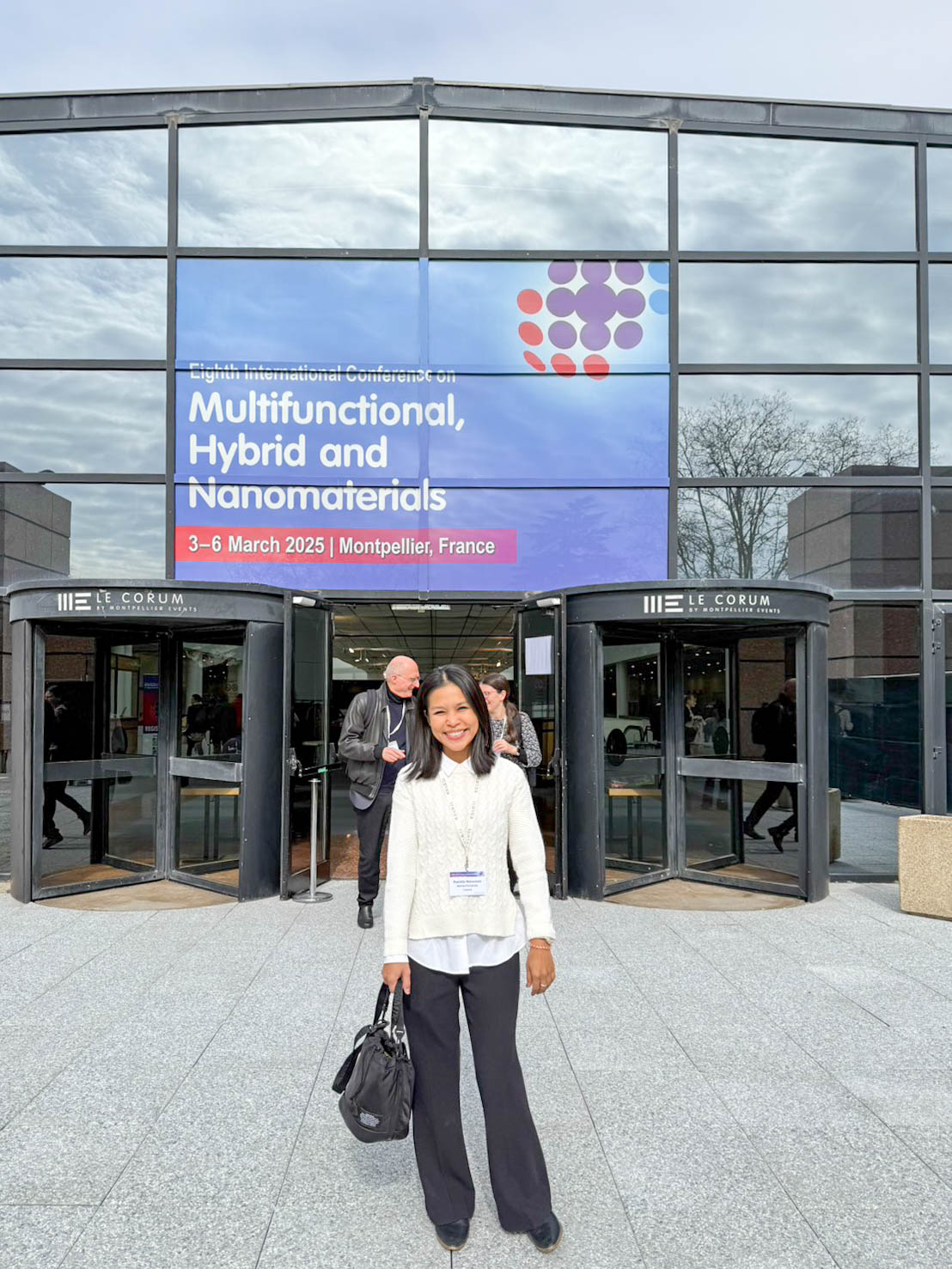
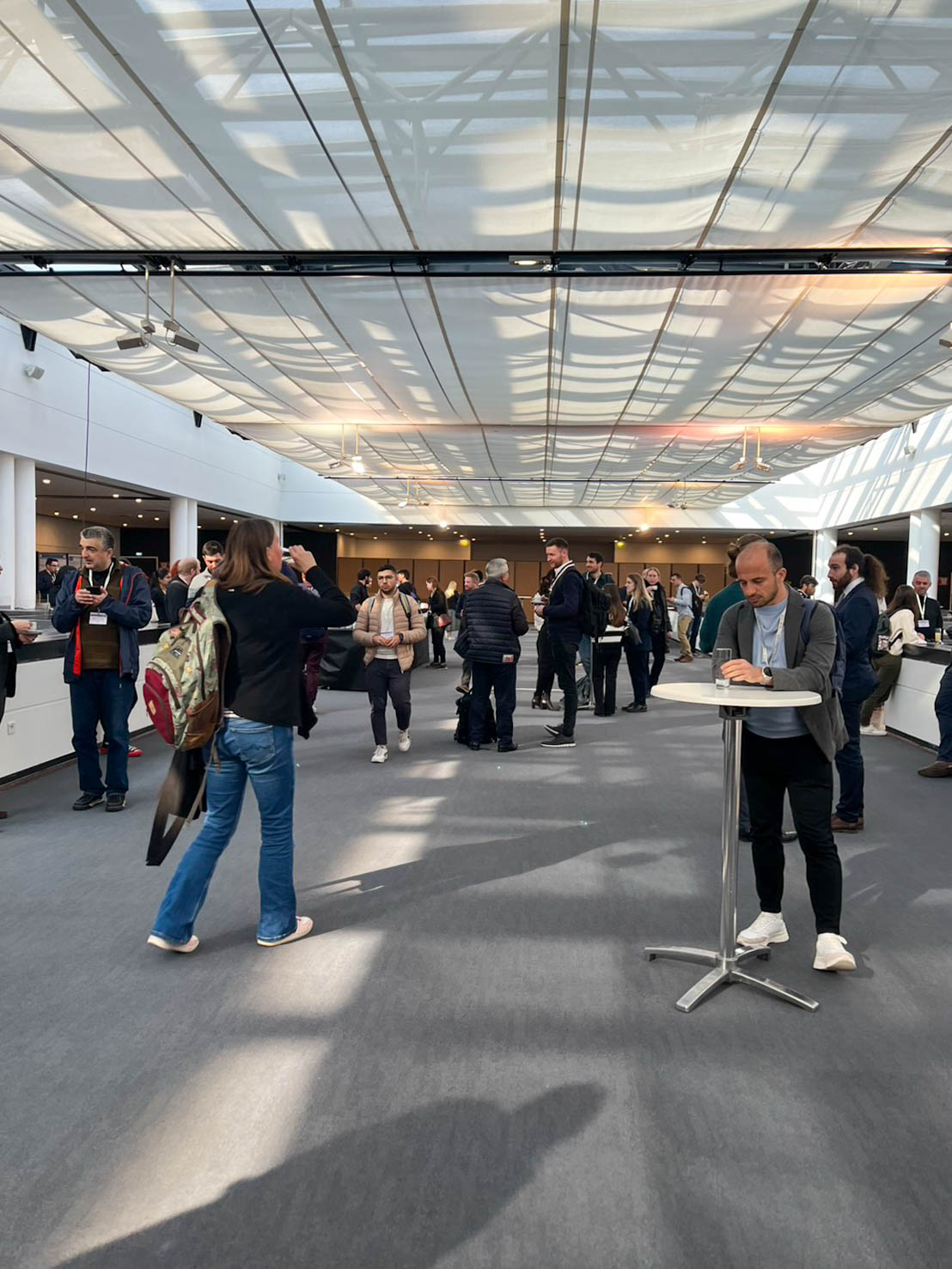
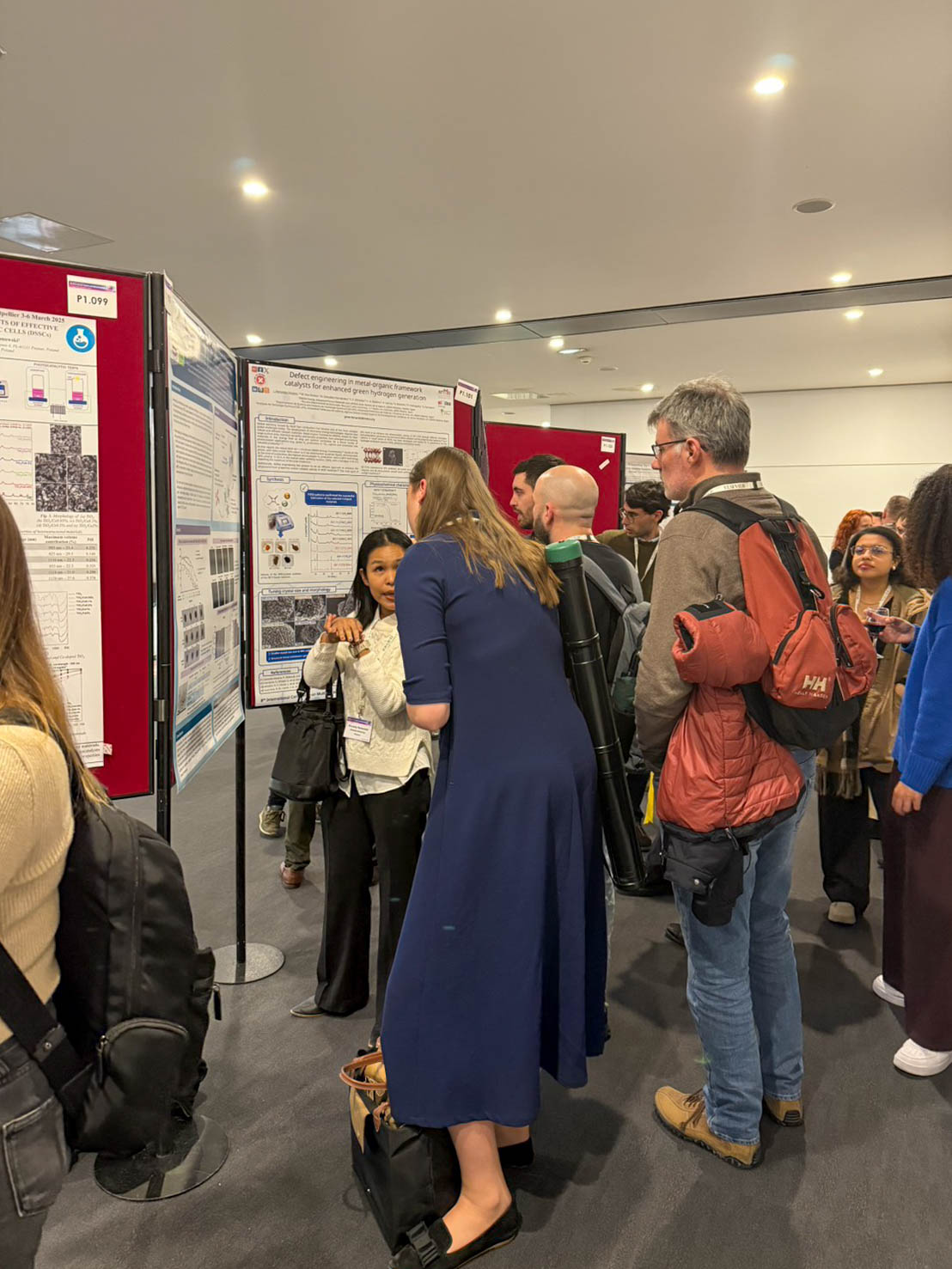
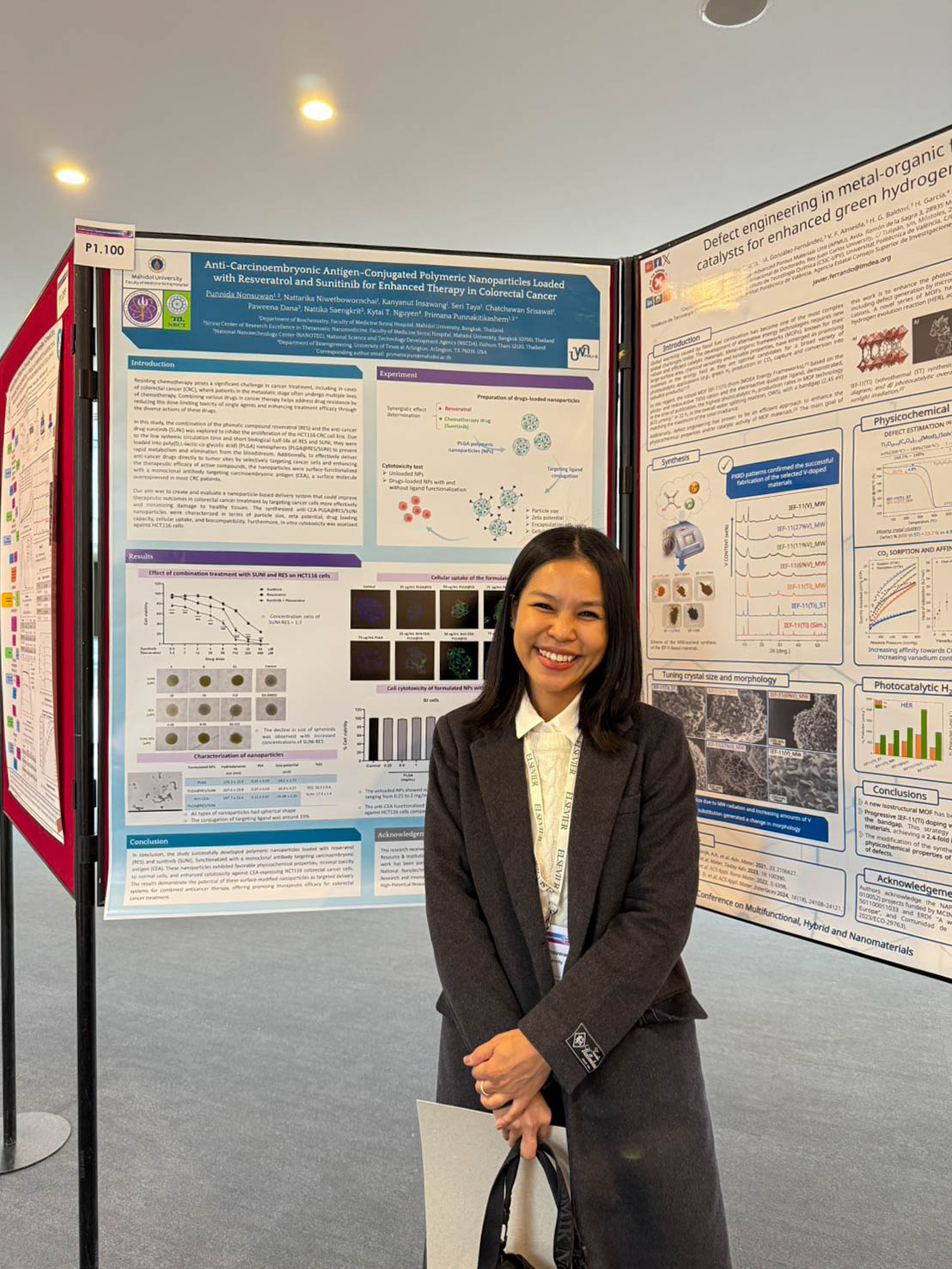
Punnida Nonsuwan, PhD, a researcher from the Research Department at Siriraj Hospital, Faculty of Medicine, Mahidol University, attended and presented a poster at the 8th International Conference on Multifunctional, Hybrid and Nanomaterials held in Montpellier, France, from March 3rd to 6th, 2025.
Dr. Nonsuwan’s participation provided valuable insights into the latest advancements in nanomaterials and their medical applications for Siriraj. Engaging with cutting-edge research, Siriraj is poised to enhance its own research initiatives, particularly in nanomedicine, targeted drug delivery, and diagnostic technologies. Collaboration opportunities with leading researchers and institutions could catalyze new clinical trials, innovative research projects, and the development of advanced therapies. This exchange of knowledge aims to bolster Siriraj’s commitment to advancing medical research and improving patient care through emerging technologies.
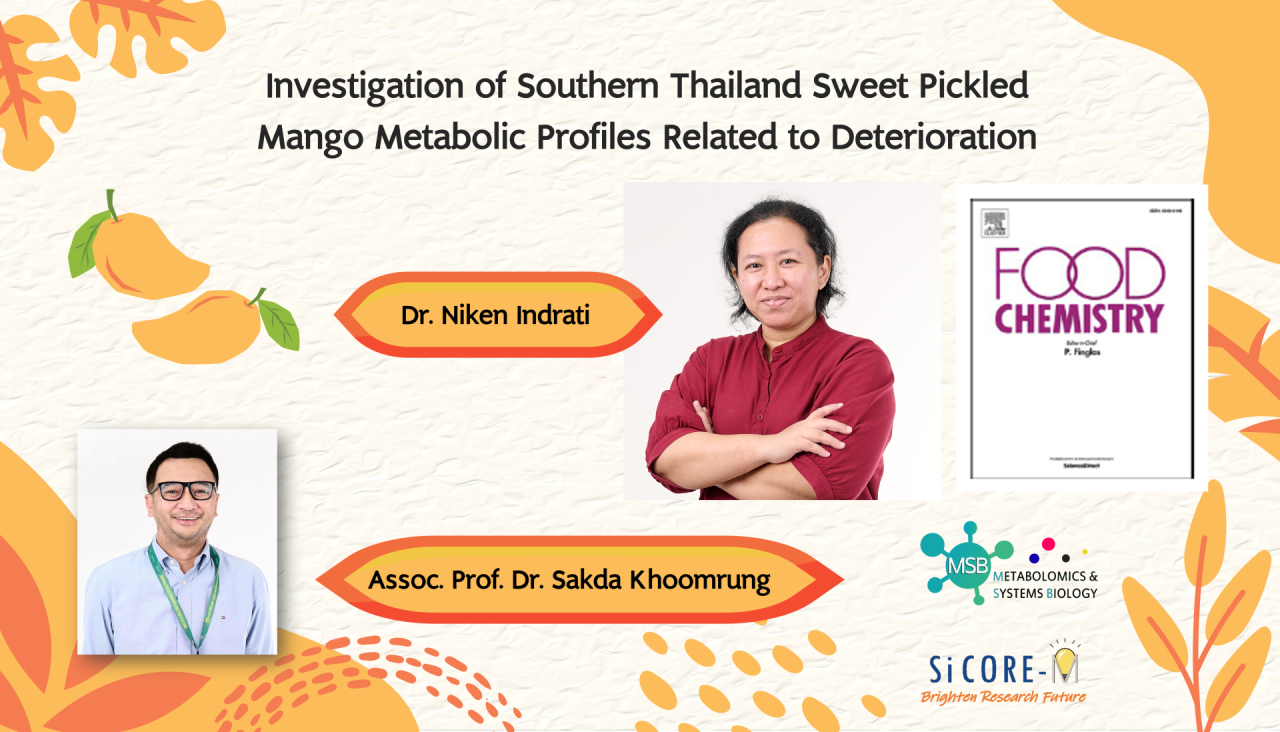
Congratulations to Dr. Niken Indrati and Assoc. Prof. Dr. Sakda Khoomrung of the Siriraj Center of Research Excellence in Metabolomics and Systems Biology (SiCORE-MSB), Faculty of Medicine Siriraj Hospital, Mahidol University, for their latest research publication in Food Chemistry on March 1, 2025.
Their study, “Investigation of Southern Thailand Sweet Pickled Mango Metabolic Profiles Related to Deterioration”, aimed to elucidate key metabolites linked to the deterioration of mango-based condiments (MBC) stored at 4°C (STR4) and 30°C (STR30). The results indicate that deterioration is associated with increased levels of ethyl acetate, isopropyl alcohol, trans-β-ocimene, isopentyl acetate, 2-phenethyl acetate, glucose, and fructose, alongside a decrease in sucrose. Notably, isopentyl acetate, ethyl acetate, and 2-phenethyl acetate were significantly higher in STR4 than in STR30, with log2[fold change (FC)] values of 3.2, 2.0, and 1.0, respectively. In contrast, sucrose levels in STR4 were lower than in STR30 (log[FC] -1.4), suggesting a longer storage-induced sucrose hydrolysis in STR4. Given the abundance of volatile metabolites in deteriorated MBC, the study proposes that applying odor- or flavor-absorbing films in MBC packaging could help prolong shelf life.
Read the full publication here: https://www.sciencedirect.com/science/article/pii/S0308814625009148
#SiCOREMSB #FoodChemistry #Metabolomics #ResearchExcellence #FoodScience
The Siriraj Research Week 2025, a significant event in our academic calendar, is now underway! The event, a testament to our collective commitment to research and innovation, is hosted by the Research and Innovation Department, Faculty of Medicine Siriraj Hospital, Mahidol University, from February 26th to 28th, 2025.
We were honored to welcome Prof. Apichat Asavamongkolkul, M.D., Dean of the Faculty of Medicine Siriraj Hospital, alongside Assoc. Prof. Sith Sathornsumetee, M.D., Deputy Dean for Research and Innovation, and Assist. Prof. Tara Vongviriyangkoon, M.D., Deputy Dean, visited the SiCORE-M Exhibition booth to explore ongoing research and innovations.
The first day saw an enthusiastic response, and we are eagerly anticipating even more participants in the coming days. Join us as we celebrate and advance research excellence at Siriraj!
#SirirajResearchWeek2025 #SiCOREM #ResearchInnovation #AdvancingScience


We extend our heartfelt congratulations to Dr. Pattipong Wisanpitayakorn and Assoc. Prof. Dr. Sakda Khoomrung of the Siriraj Center of Research Excellence in Metabolomics and Systems Biology (SiCORE-MSB), Faculty of Medicine, Siriraj Hospital, Mahidol University, for having their research featured on the cover of ACS Measurement Science Au.
Their study, “Multi-Pass Arrival Time Correction in Cyclic Ion Mobility Mass Spectrometry for Imaging and Shotgun Lipidomics,” presents a novel approach for improving lipidomics analysis, enhancing the accuracy of isomeric lipid identification.
🔹 Explore the Cover: https://pubs.acs.org/toc/amachv/5/1.
🔹 Read the Full Publication: https://pubs.acs.org/doi/full/10.1021/acsmeasuresciau.4c00077
This recognition highlights the groundbreaking contributions of SiCORE-MSB researchers in advancing mass spectrometry and metabolomics. Congratulations once again on this outstanding achievement!