Educational assessment and evaluation is a key component in improving the quality of education development by obtaining the necessary data to evaluate the clinical student that they have achieved the learning objectives and standards or not? This is directly beneficial to the learners and also reflects the teaching efficiency of the teachers including the quality of educational management in the institutions. The educational assessment and evaluation of learners in the “Doctor of Medicine” program is different from other programs, especially at the clinical level, with the specifically and variously assessment and evaluation formats such as Multiple-Choice Question, Modified Essay Question, Oral Examination, Clinical Practice Examination, Objective Structured Clinical Examination, Assessment of Personality through Behavioral Observations in Work Simulations, Group Work Assessment, and Portfolio Assessment. The person who plays an important role in the clinical students’ assessment and evaluation is a clinical teacher. But, there’re still problems that some clinical teachers in the medical schools, university-affiliated hospitals, and clinical medical education centers still lack knowledge and understanding in the principles of clinical-grade medical students’ assessment and evaluation, including the standard for assessment and evaluation of each clinical teacher’s isn’t the same standard. Summary, the clinical teachers who are required to perform these duties must understand the fundamentals, methods, and appropriate tools to achieve the most effective assessments and evaluations for the students and institutions.

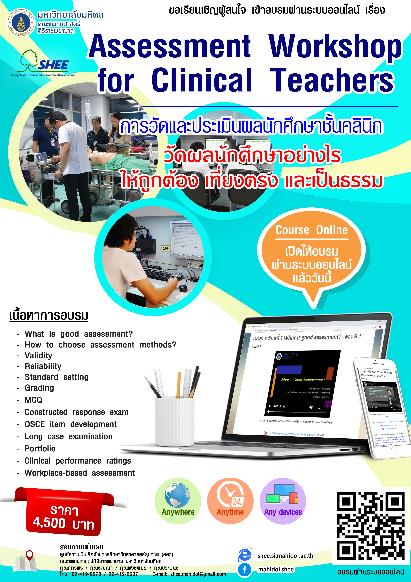
The online course on “Assessment Workshop for Clinical Teachers” has been set up from April 1st, 2019 to present under the objectives as below,

  1. Participants understand the principles and methods of clinical assessments and evaluations.
  2. Participants can create a model of clinical assessment and evaluation that well suited to the objective of each subject.
  3. Participants can apply the knowledge of clinical assessment and evaluation in their organization for further development and usage.

Online multimedia course “Assessment workshop for clinical teachers” via Siriraj’s online course website https://shee.si.mahidol.ac.th/online/. The course contains 14 lessons and 5 evaluation tests. Participants must pass all of the tests within 80% of the score or better. The certificate of completion will be delivered to the participants after the completion.

The outcome of the course is expected that the development of effective teaching and learning models for the lecturers from Siriraj and other institutes such as medical schools, university-affiliated hospitals, clinical medical education centers, and health science institutes.
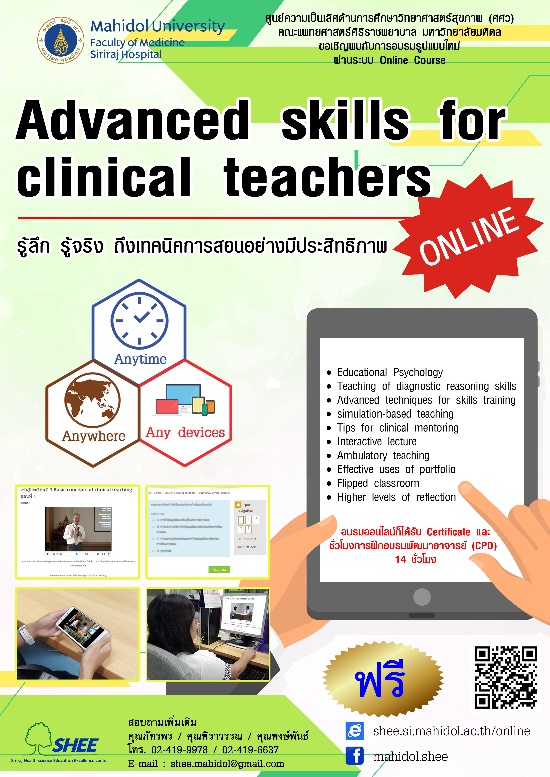


The online course on Advanced Skills for Clinical Teachers is the essential factor in quality development for the Doctor of Medicine Education Program. It is the development of the clinical teachers, especially in clinical science. Clinical Science is a broad foundation of interdisciplinary medical knowledge and skills such as clinical practice and professional attitude toward real patients. The development of the teaching model for the clinical years is an essential part of the Doctor of Medicine Education Program.

The course has been set up since December 25th, 2018 to present under the objectives to allow the participants can apply the modern teaching technique to effectively motivated the new generation of students. Participants can create a teaching model that is well suited to the behavioral objective of each subject. Participants can use the tools and techniques for clinical classroom assessment and students’ attitude problem management. Participants possess a variety of clinical teaching skills and providing appropriate feedback to the students, this will lead to the development of an effective teaching and learning model.

Online multimedia course “Advanced Skills for Clinical Teachers” via Siriraj’s online course website https://shee.si.mahidol.ac.th/online/. The course contains 10 lessons and 5 evaluation tests. Participants must pass all of the tests within 80% of the score or better. The certificate of completion will be delivered to the participants after the completion.


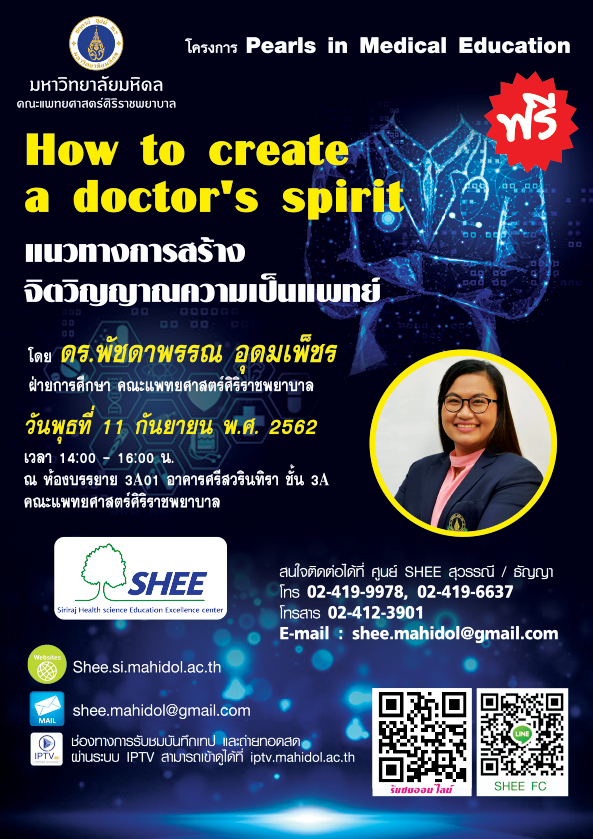
Medical work experience is part of the process to create a doctor with a doctor’s spirit. Learn the guidelines about “How to create a doctor’ spirit”. The event was arranged on September 11th, 2020 at Lecture room 3A01, Srisavarindhira Building, floor 3A, Faculty of Medicine Siriraj Hospital, Mahidol University and available online – https://shee.si.mahidol.ac.th/online/

The objectives are to learn the meaning, character, condition, and experience of a doctor’s spirit. To understand the process of “How to create a doctor with a doctor’s spirit. The activities consisted of a 2-hour lecture by Ms. Phachadapan Odompet, Ph.D., an educator from Division of Medical Education, Faculty of Medicine Siriraj Hospital, Mahidol University (simultaneously learning both in the classroom and live broadcast via social media and Mahidol University’s IPTV channel). The lecturers are from Siriraj and other institutes such as medical schools, university-affiliated hospitals, clinical medical education centers, and health science institutes. The outcome can be seen as the Knowledge Transfer to the public.
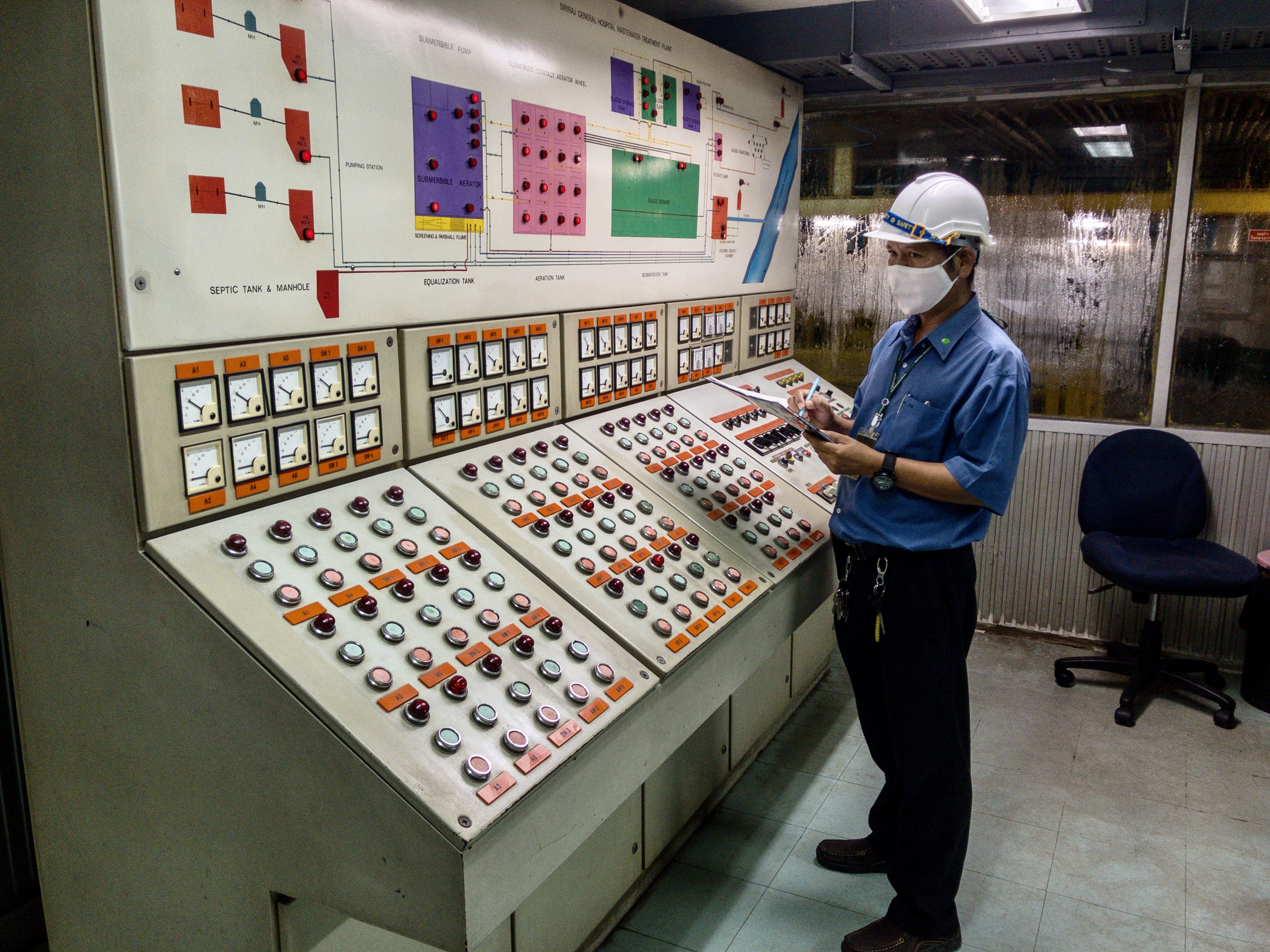
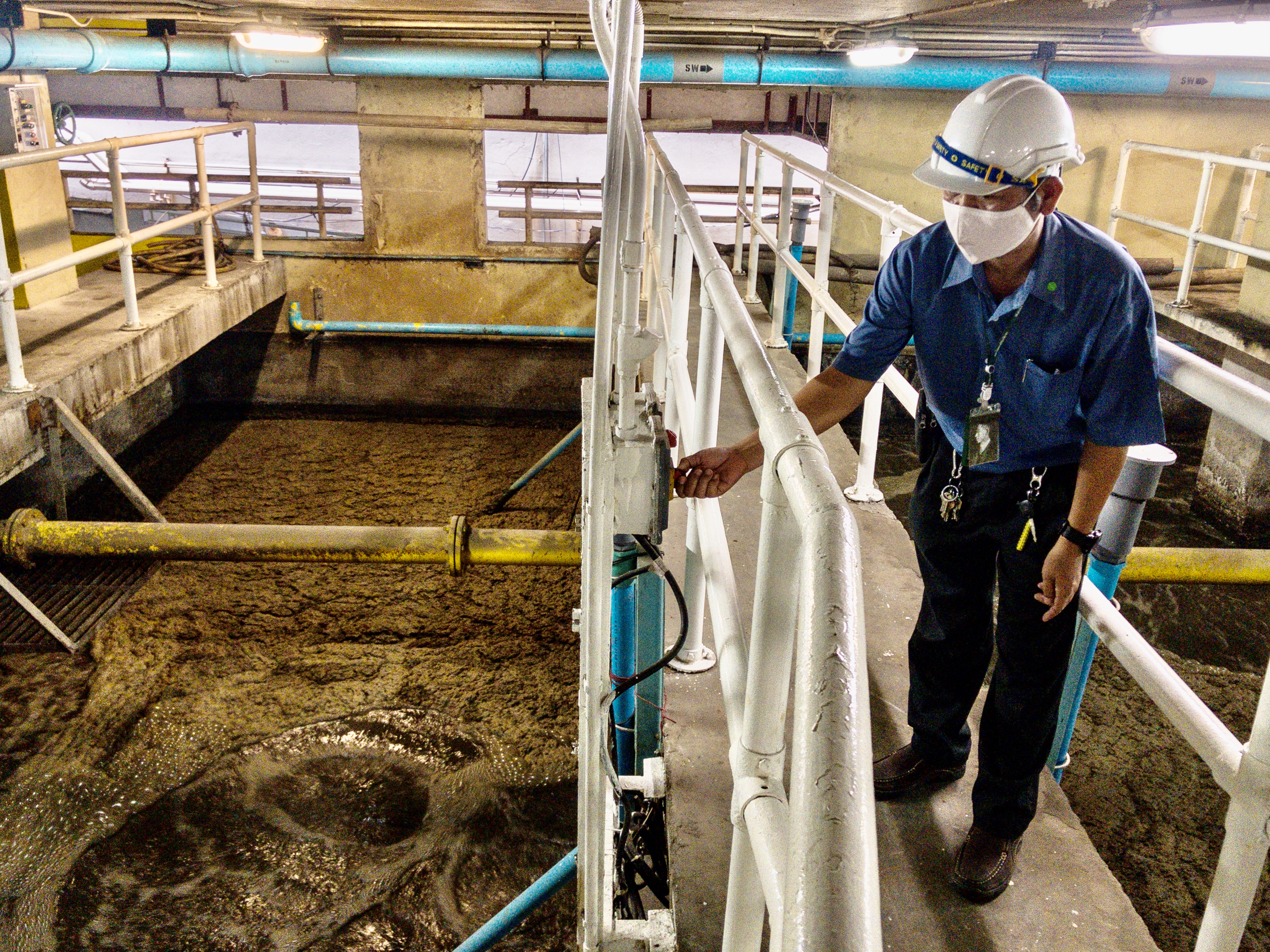
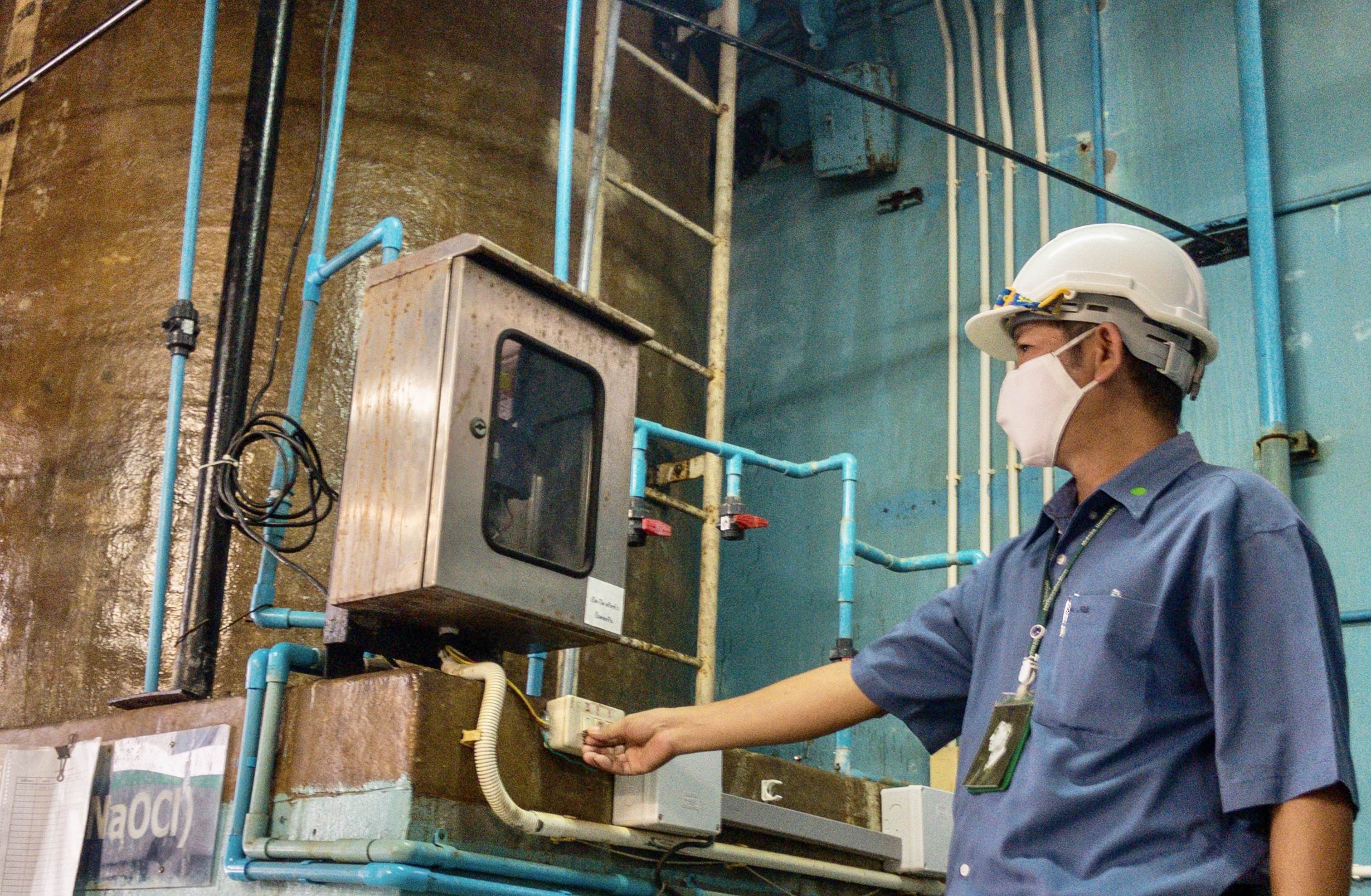
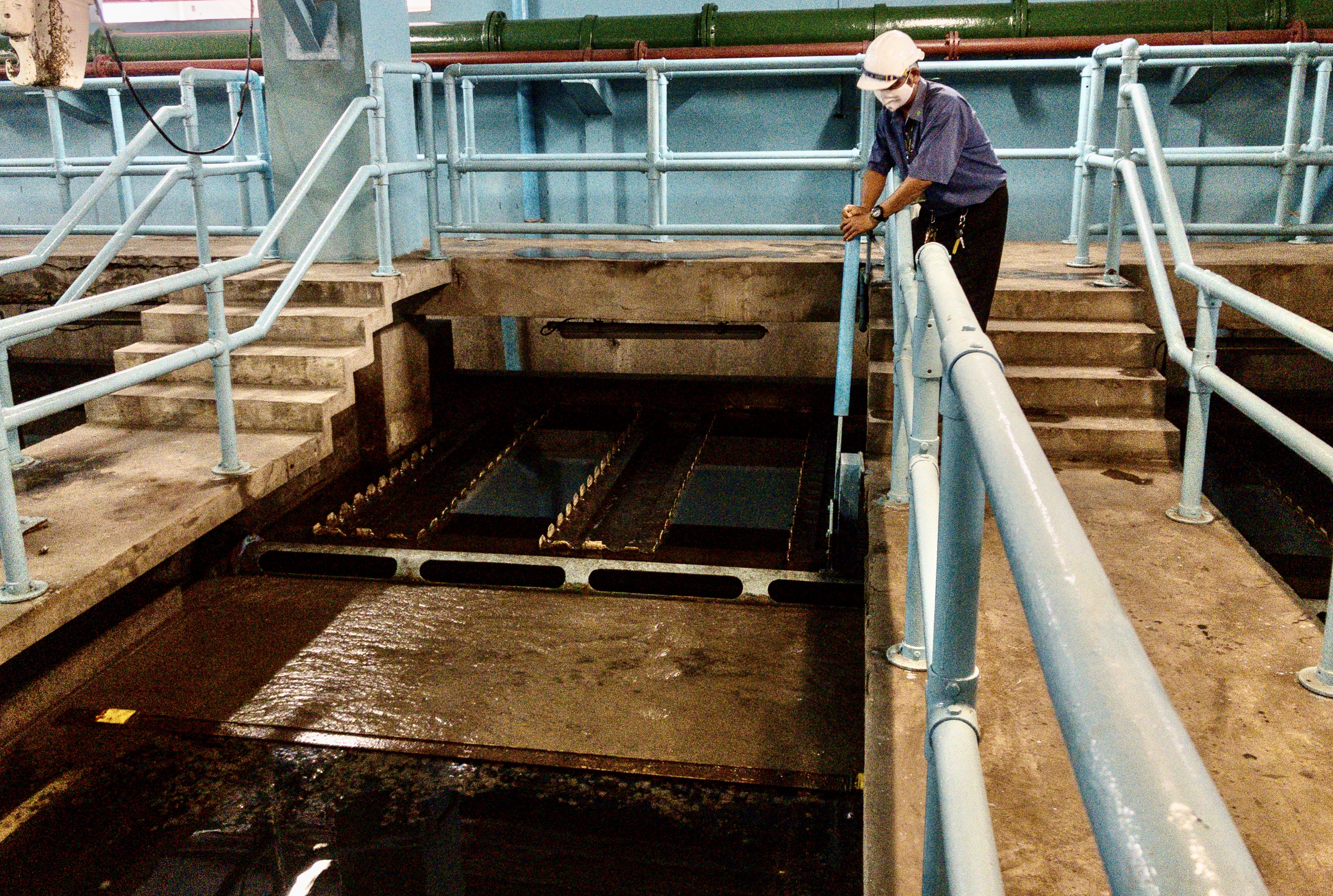
Siriraj Hospital implemented the most efficient wastewater management for better purified-water than the demand of existing laws, regulations, and standards in every day.

The Faculty of Medicine Siriraj Hospital along with Siriraj Piyamaharajkarun Hospital, Siriraj Foundation, The National Academic Center of Geriatric Medicine, Sirindhorn School of Prosthetics and Orthotics, and Center of Applied Thai Traditional Medicine aimed to be a wastewater treatment model for other Government Organizations, to promote the efficient ‘wastewater collection system’ and ‘wastewater treatment system’ for a better performance than the demand of existing laws, regulations, and standards as well as to increase the quality of recycling treated-wastewater, therefore, establish the wastewater plant with strict regulation to control the water treatment before release to Chaophraya River.

The outcome of the project can be seen as water quality after the hospital’s usage meets the standard requirements of the laws, not causing pollution to public water sources, environmental conservation for the communities and ecosystems, reducing water usage by reusing the recycling treated water, and being a site for study, internships, and transfer experiences in wastewater management.

Activities coming soon.

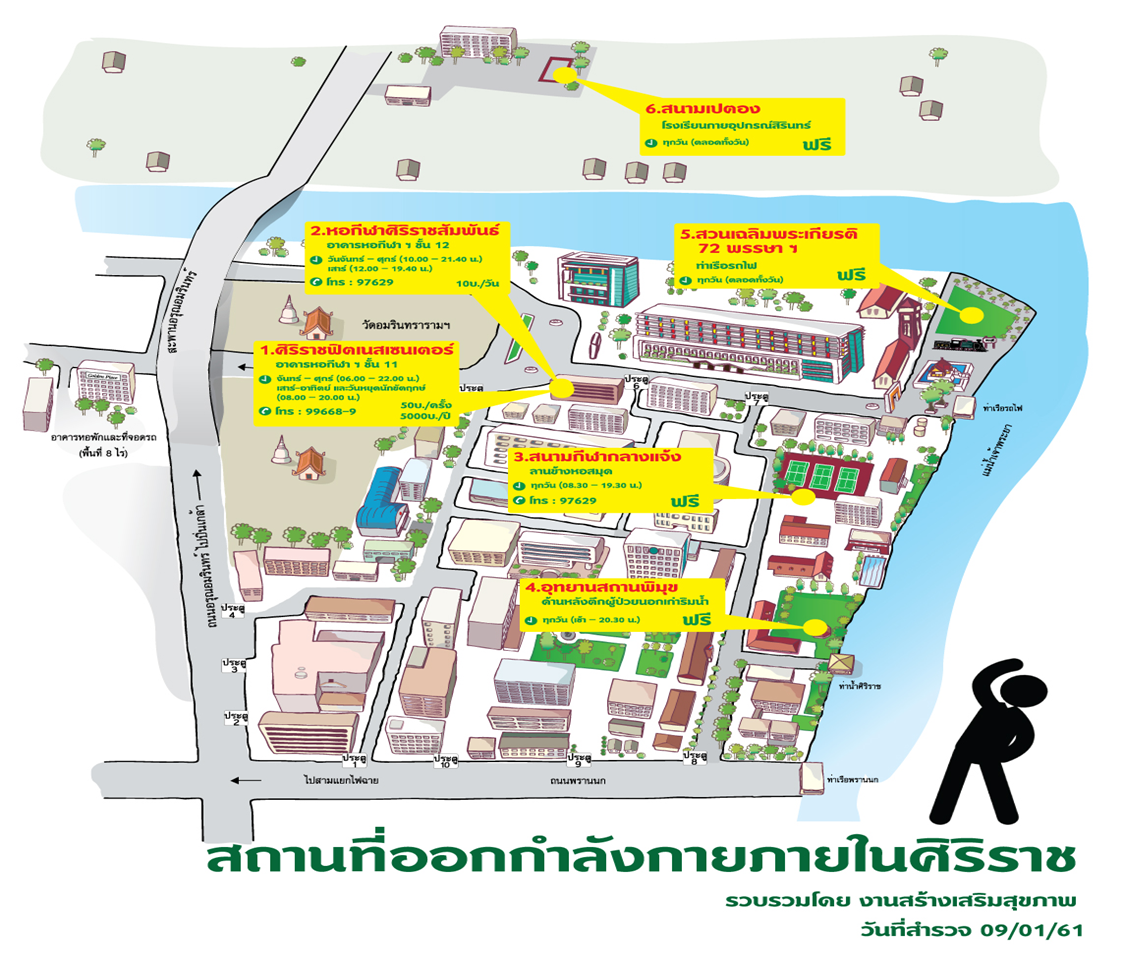
Siriraj’s Athletic Facilities and Spaces is the project set up by the Health Promotion Division, Faculty of Medicine Siriraj Hospital took place at the compound of Faculty of Medicine Siriraj Hospital to promote and encourage Siriraj’s personnel and the public to realize the physiological and psychological benefits and wellness gained through exercise.

The outcome of providing athletic facilities for Siriraj personnel and the public can be seen as they are more interested in improving their fitness and health in order to have a healthy body, as well as having free time playing sports.

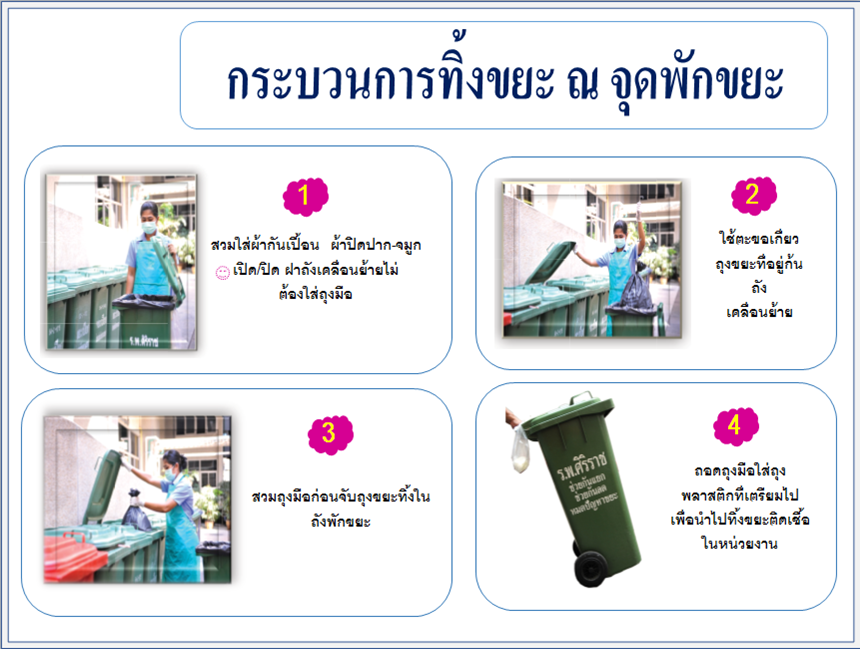
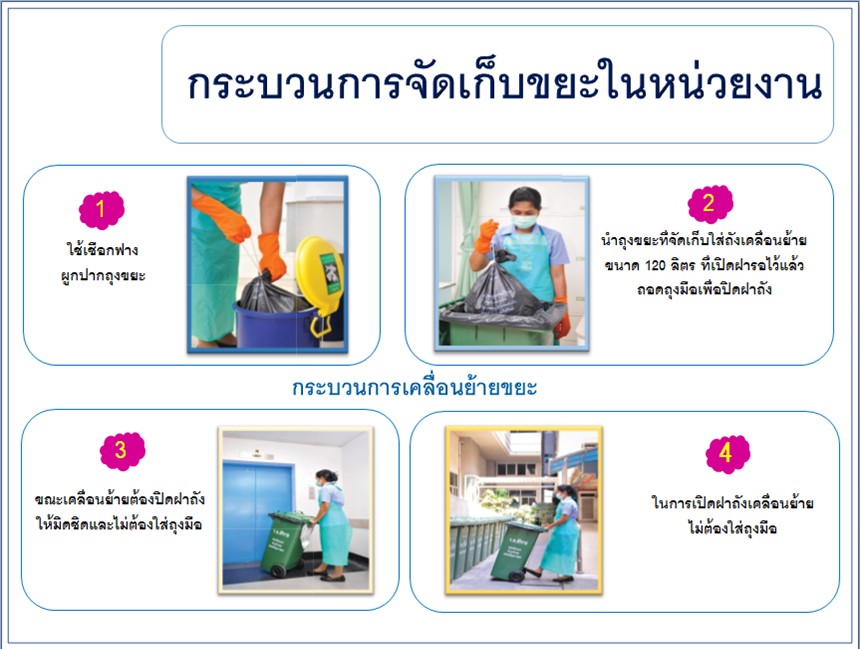
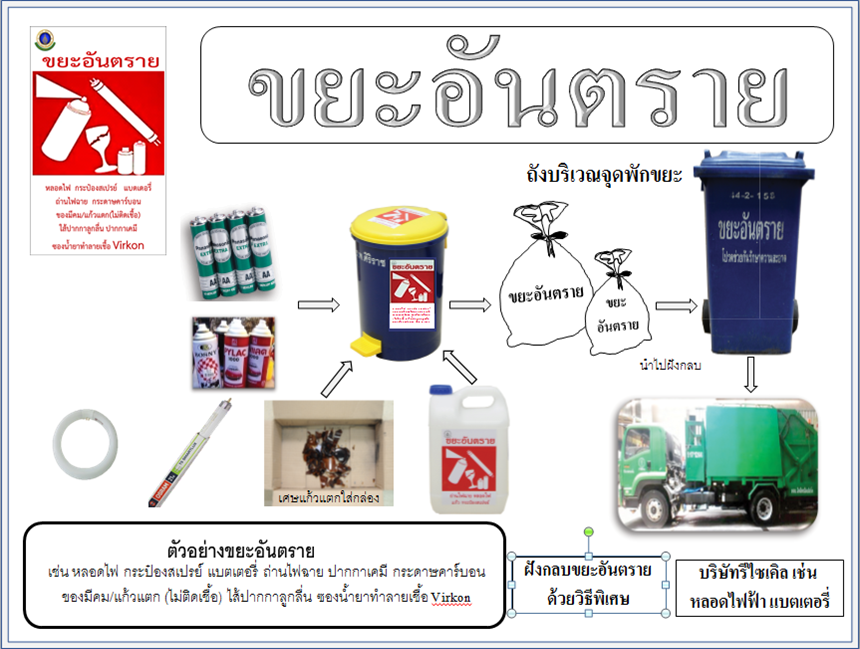
The Faculty of Medicine Siriraj Hospital and Siriraj Piyamaharajkarun Hospital are the medical institutes and huge organizations consisted of many healthcare personnel from internal and external, patients and visitors as well as being role model hospitals in environment conservation and effective resources management. It posed a necessity for both hospitals to come up with the project of “Hazardous Waste Management” to ensure that the dangerous waste will not contaminate the community and people in the area.

On implementation, both hospitals carried out an annual training course in waste handling for the personnel of the hospitals, set up the waste assemble point at Siriraj Hospital, and create a manual of hazardous waste management for Siriraj personnel to implement in their departments and units.


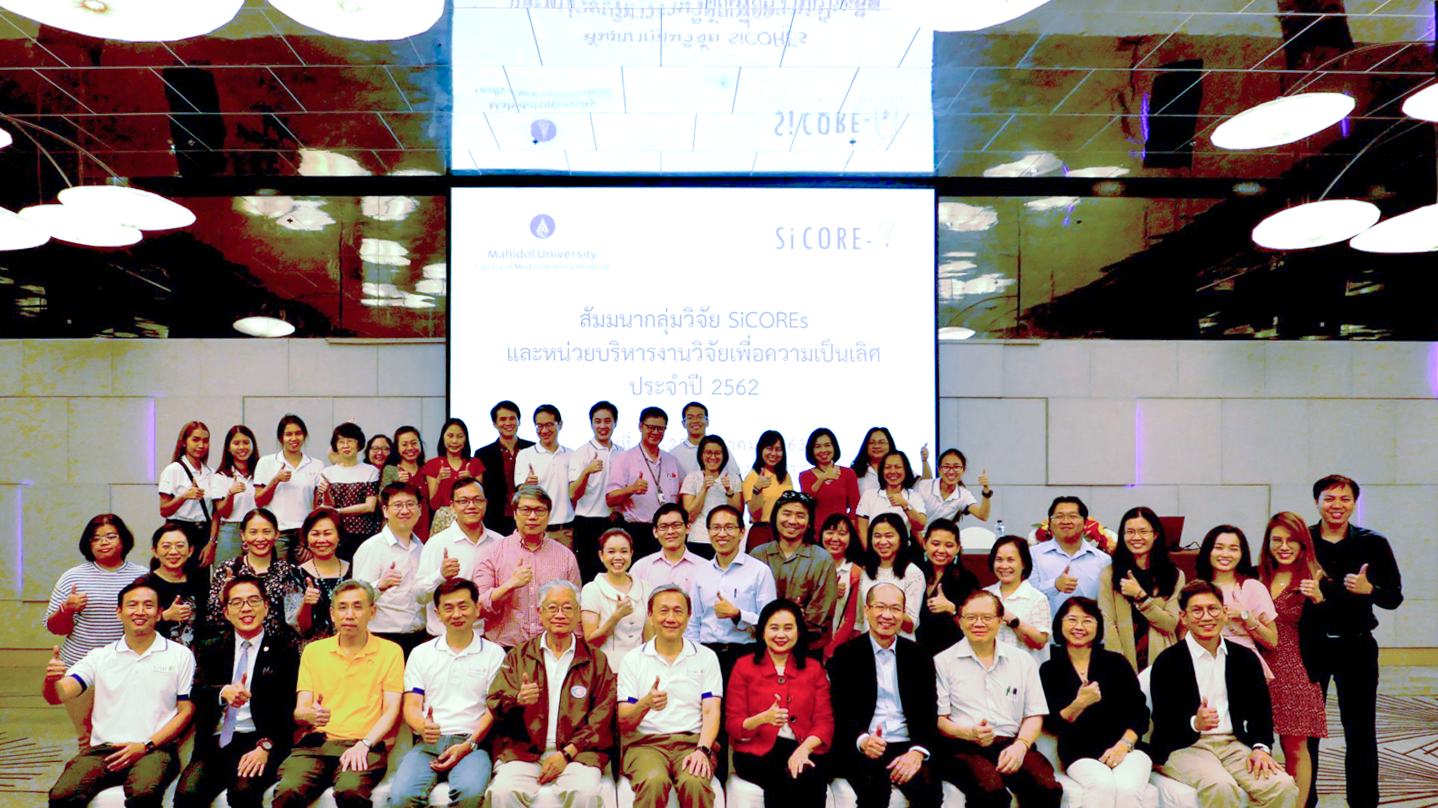
‘Siriraj Center of Research Excellence Management Unit (SiCORE-M)’ was founded in 2017 as a management initiative to create a new research ecosystem with customized strategic research management to serve the complex need of ‘Siriraj Center of Research Excellence (SiCORE)’. It also responds to significant health problems, both domestic and international scene, which results in various activities that have been organized so far.

Objectives:

  1. 1. To accommodate quality research that meets the domestic, regional, or global demand.
  2. Support and facilitate the researcher for the smooth progress of the research operations following the funding rules and procedures.
  3. Strengthen the capacity of researchers and research teams to create ‘internationally recognized’ and ‘effective’ research and innovation that help increase the economic wealth compliant to ‘National strategy Thailand 4.0’ and ‘National Research and Innovation Policy Council’.

Specific Purposes:

  1. Develop a research map, research shows, research gap, and the research interest groups, which lead to the research direction, goal, and researcher development guidelines, to fill the gaps in knowledge through research.
  2. Support research utilization rather than academic dissemination especially the practical use and increasing economic value of research results.
  3. 3. Build a network of researchers inside and outside Siriraj (both domestic and international institutes). Strengthening the researchers’ capacity to conduct research on various issues to achieve common goals.
  4. Develop the strength of Siriraj’s research management organizations to respond to the research policy in Siriraj, society, and Thailand with efficiency, ethics, accuracy, and transparency.


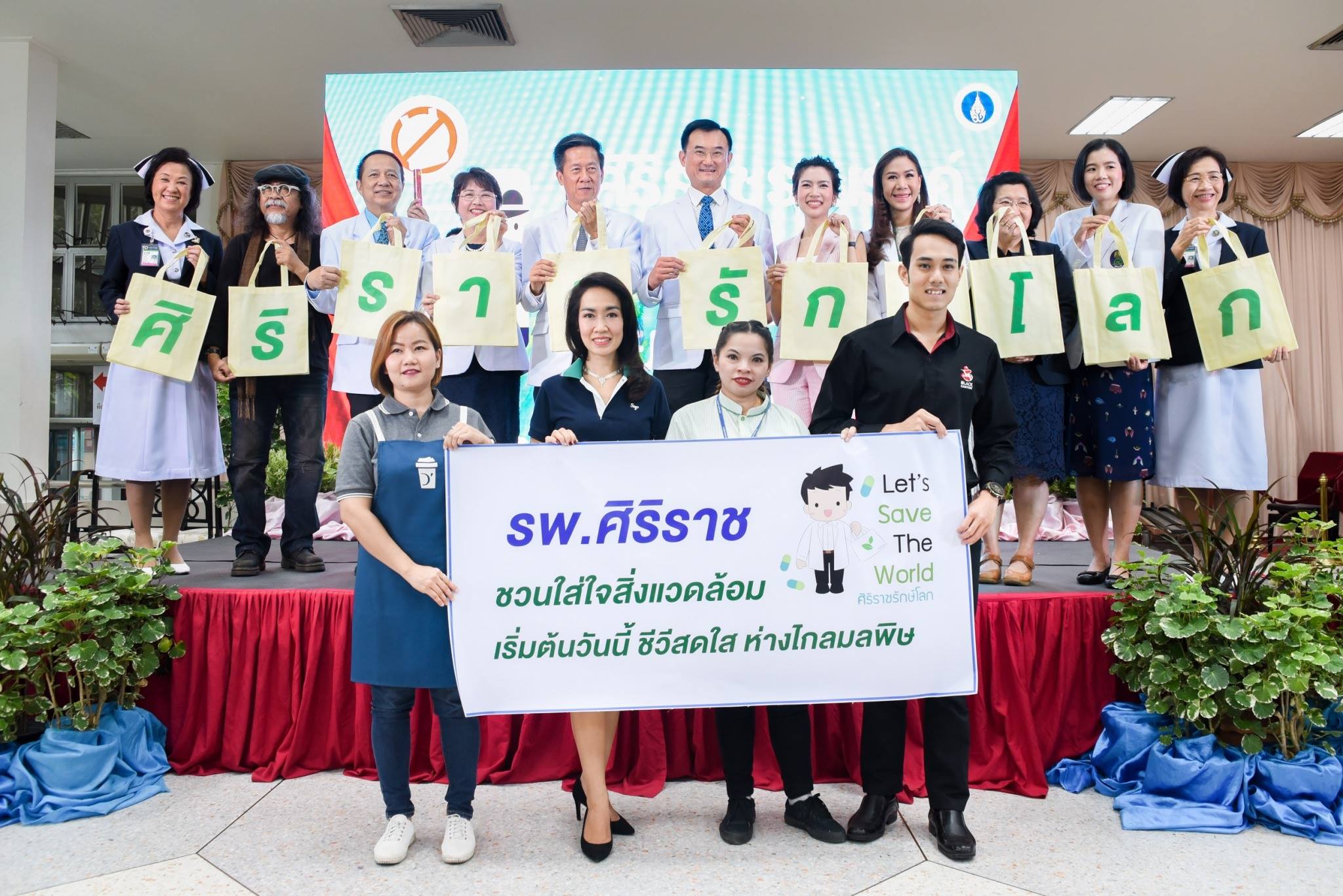
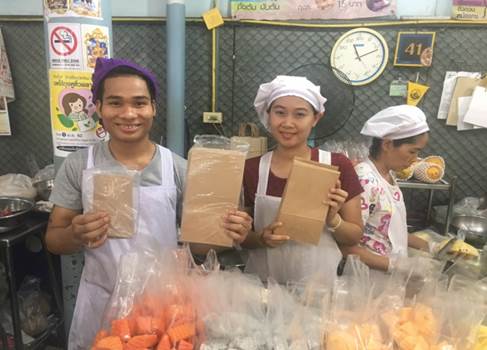
The Faculty of Medicine Siriraj Hospital responds to the government campaign as the so-called “Every Day Say No to Plastic Bags”, launched a campaign to reduce the amount of single-use of plastic bags in order to improve and promote the physical environment of the hospital as well as surrounded areas, waste management to conform with the standard of Joint Commission International (JCI) and Enhancement and Conservation of National Environmental Quality Act (No. 2).

The implementation started in April 2019. The faculty posted the announcement and indicate all food shops and convenience stores in Siriraj Hospital including the pharmacy to stop giving customers plastic bags and foam boxes that are the main cause of producing a warming “greenhouse” effect.

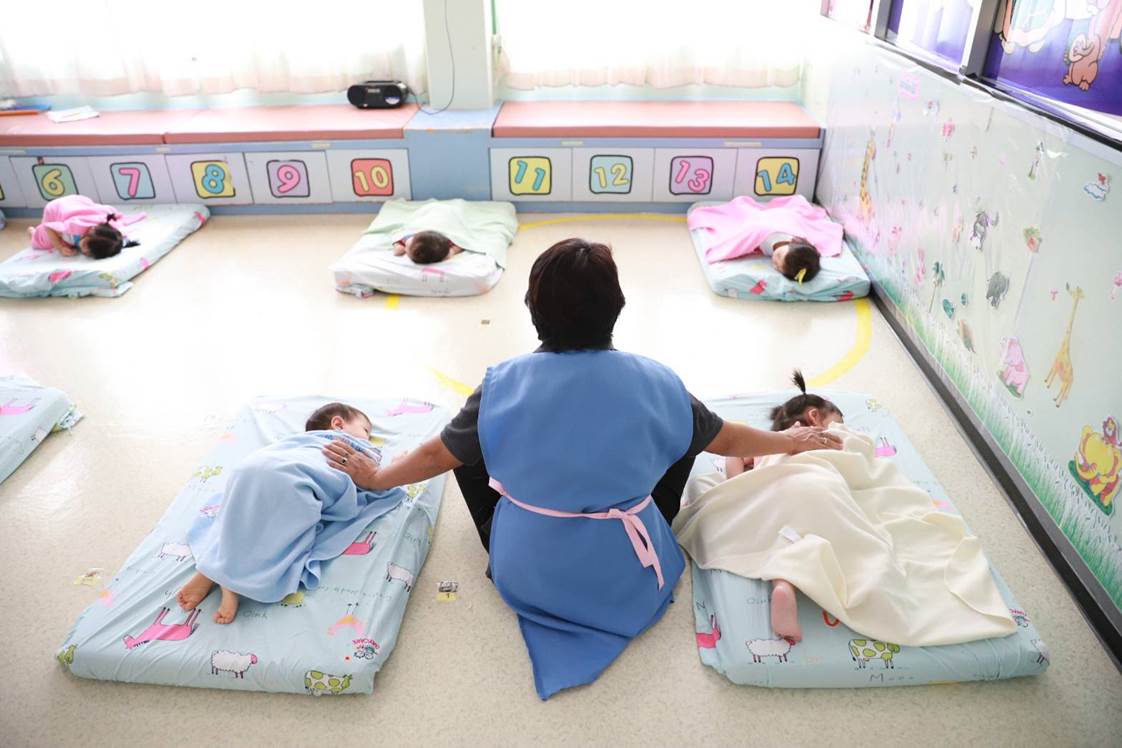
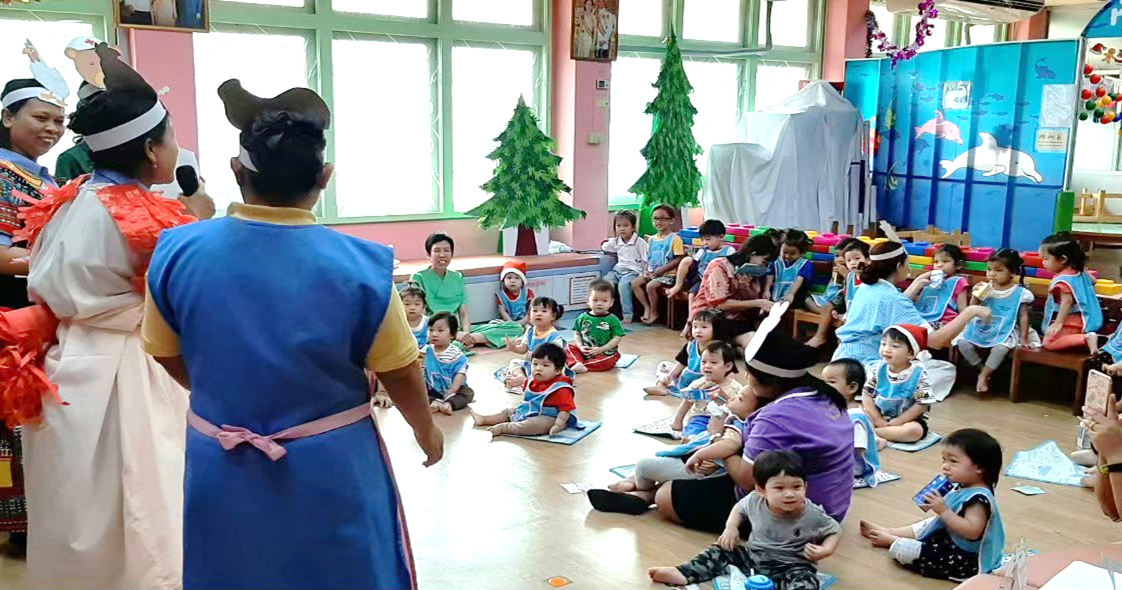
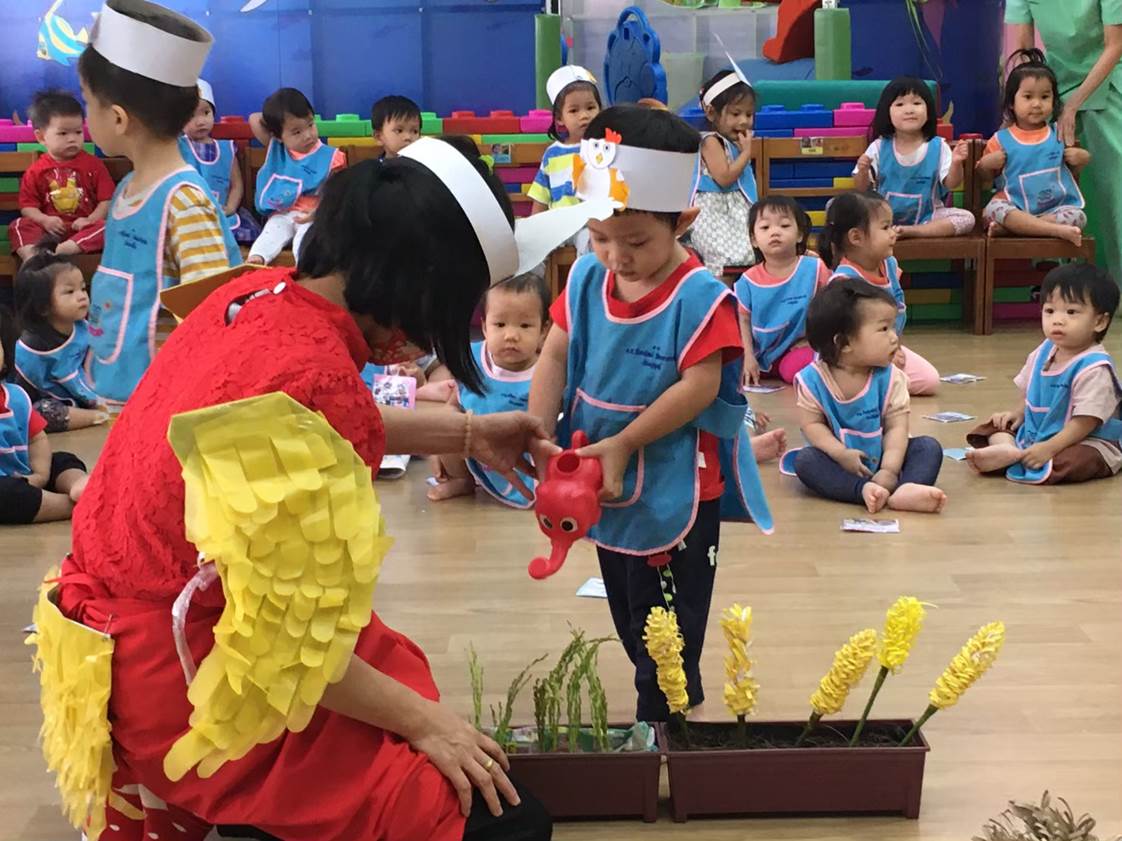
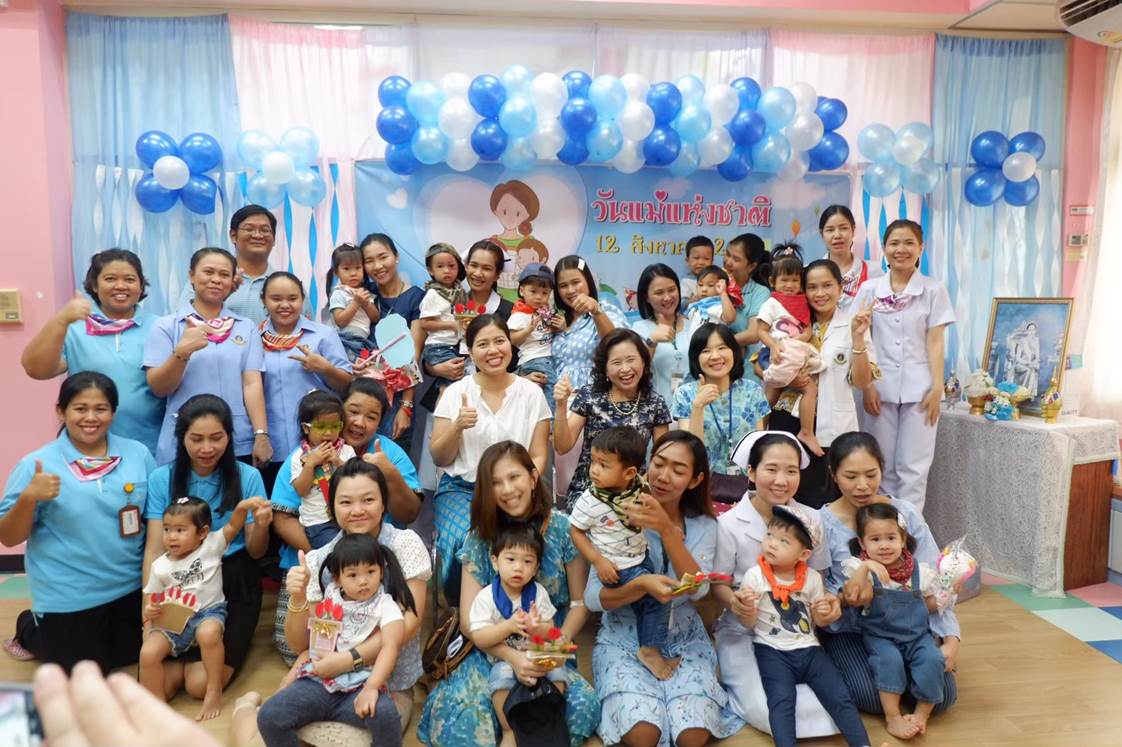
Siriraj Daycare Center was established in 1985 by the Faculty of Medicine Siriraj Hospital as the faculty realized the importance of Siriraj personnel welfare. Most Siriraj personnel require two-way income which means both parents need to go to work. By doing that, most of them do not have time to take care of their children and hold down a job at the same time. Therefore, Siriraj Daycare Center is set up to support personnel’s welfare and promote breastfeeding for the newborn.

Siriraj Daycare operates under the objectives to take care of the personnel’s children from the age of 3 months – 3 years, to become a well-equipped Day Care, to provide knowledge of the development of behavioral pediatric for the public and communities. In one year, the center receives around 50 children from Siriraj personnel to receive daycare. The children are provided with a variety of activities that include songs and storytelling. For toddlers, the center implements fun and recreational tasks which improves their intellectual growth and development.