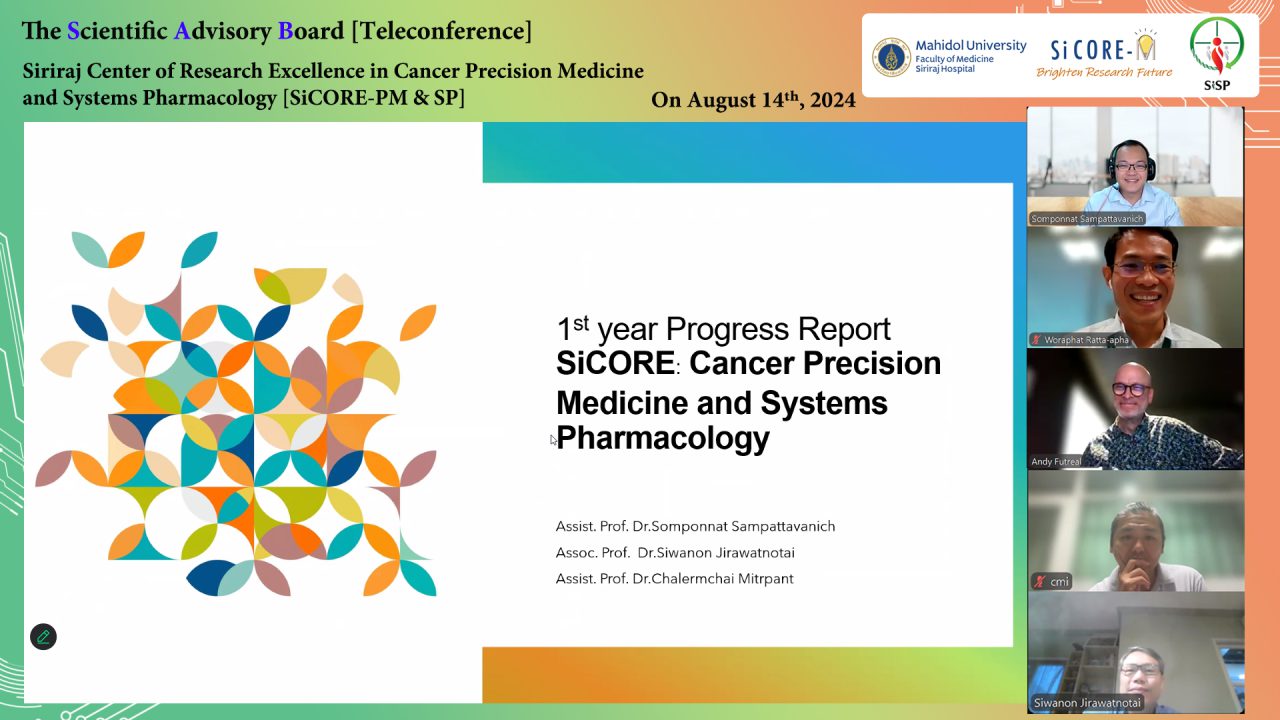
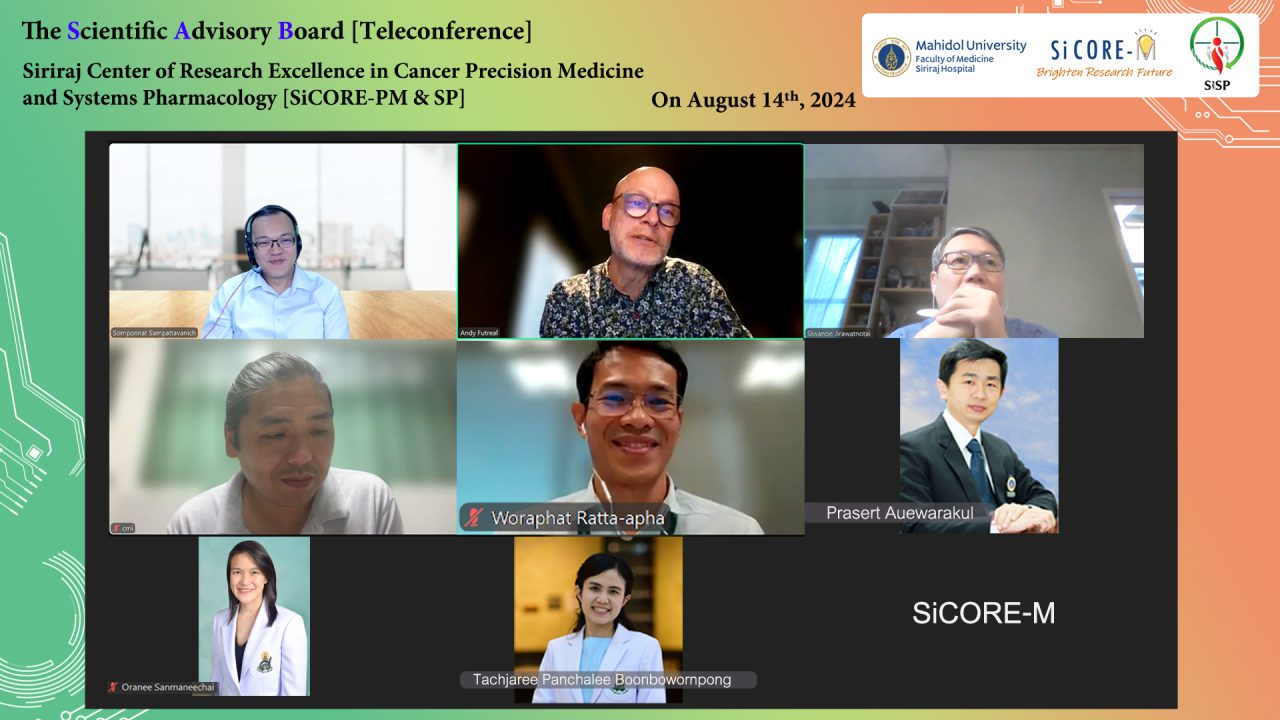
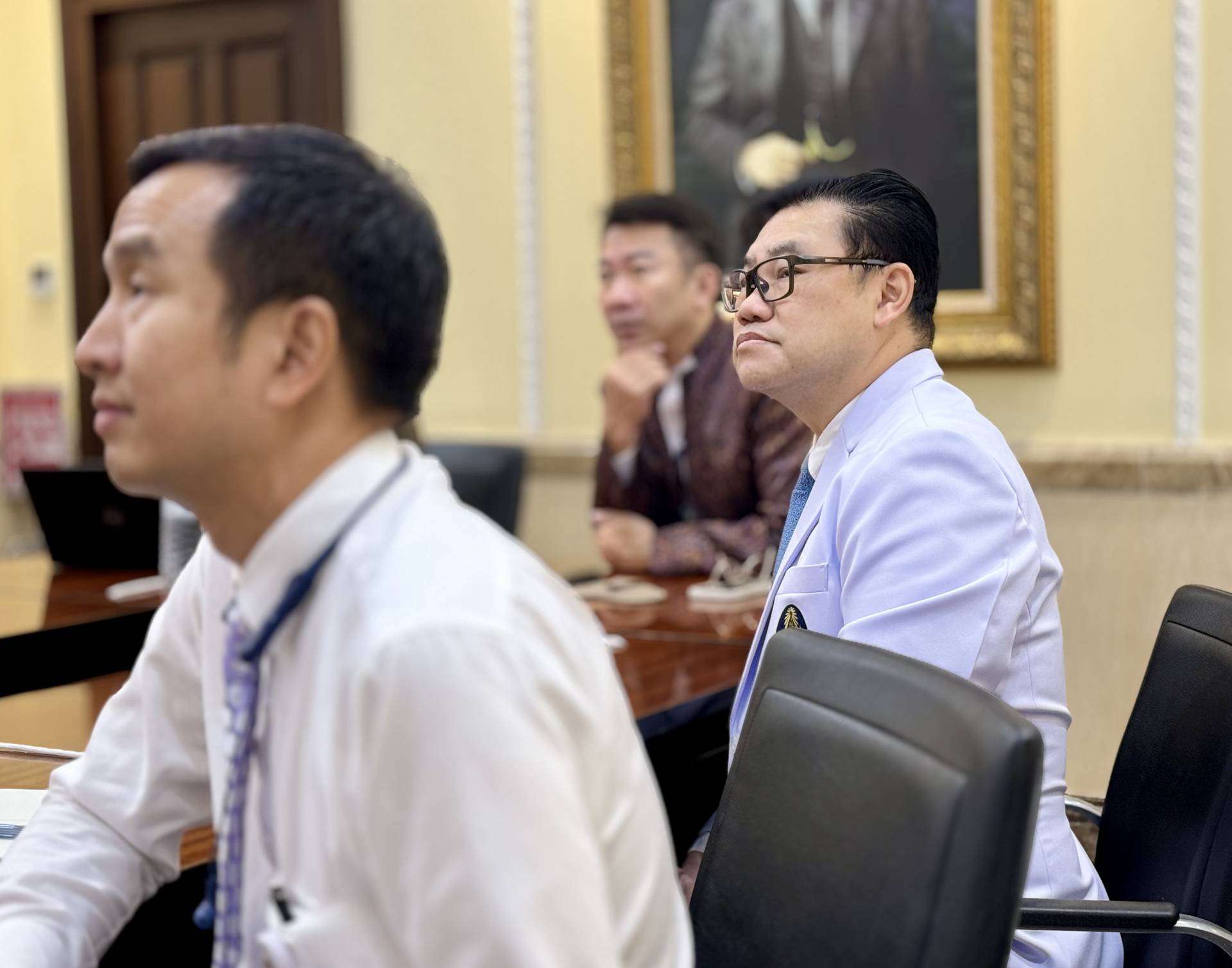
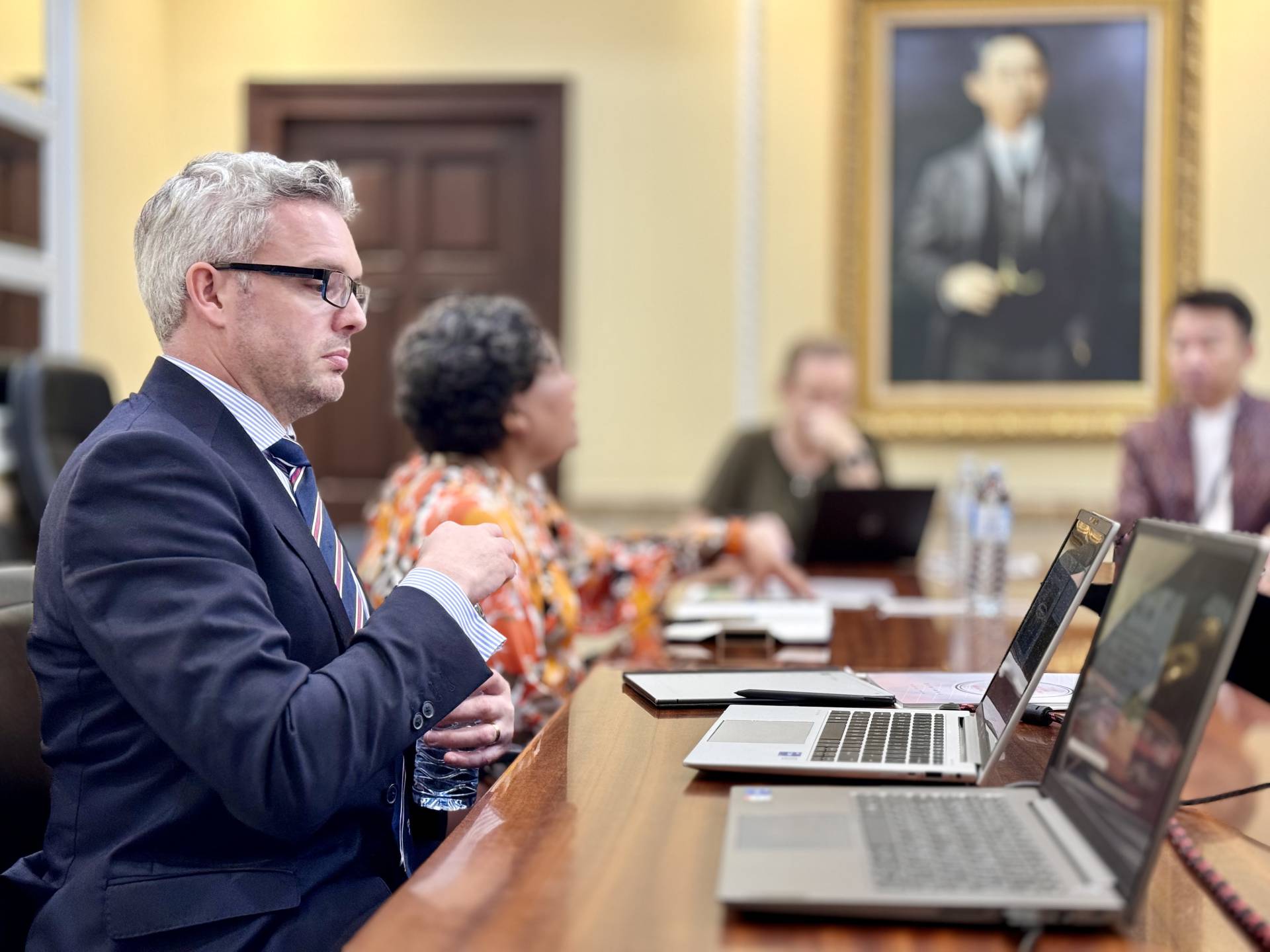
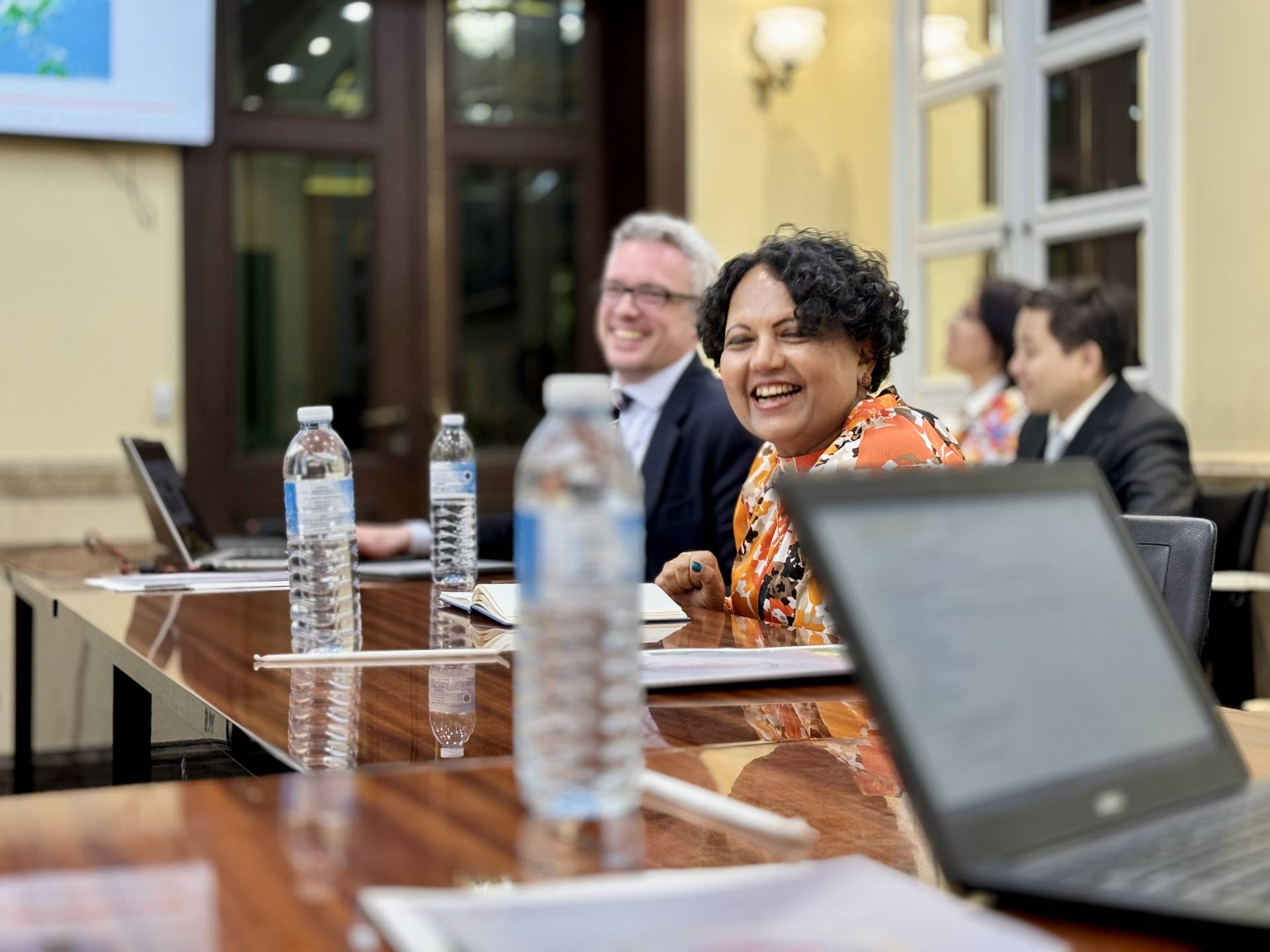
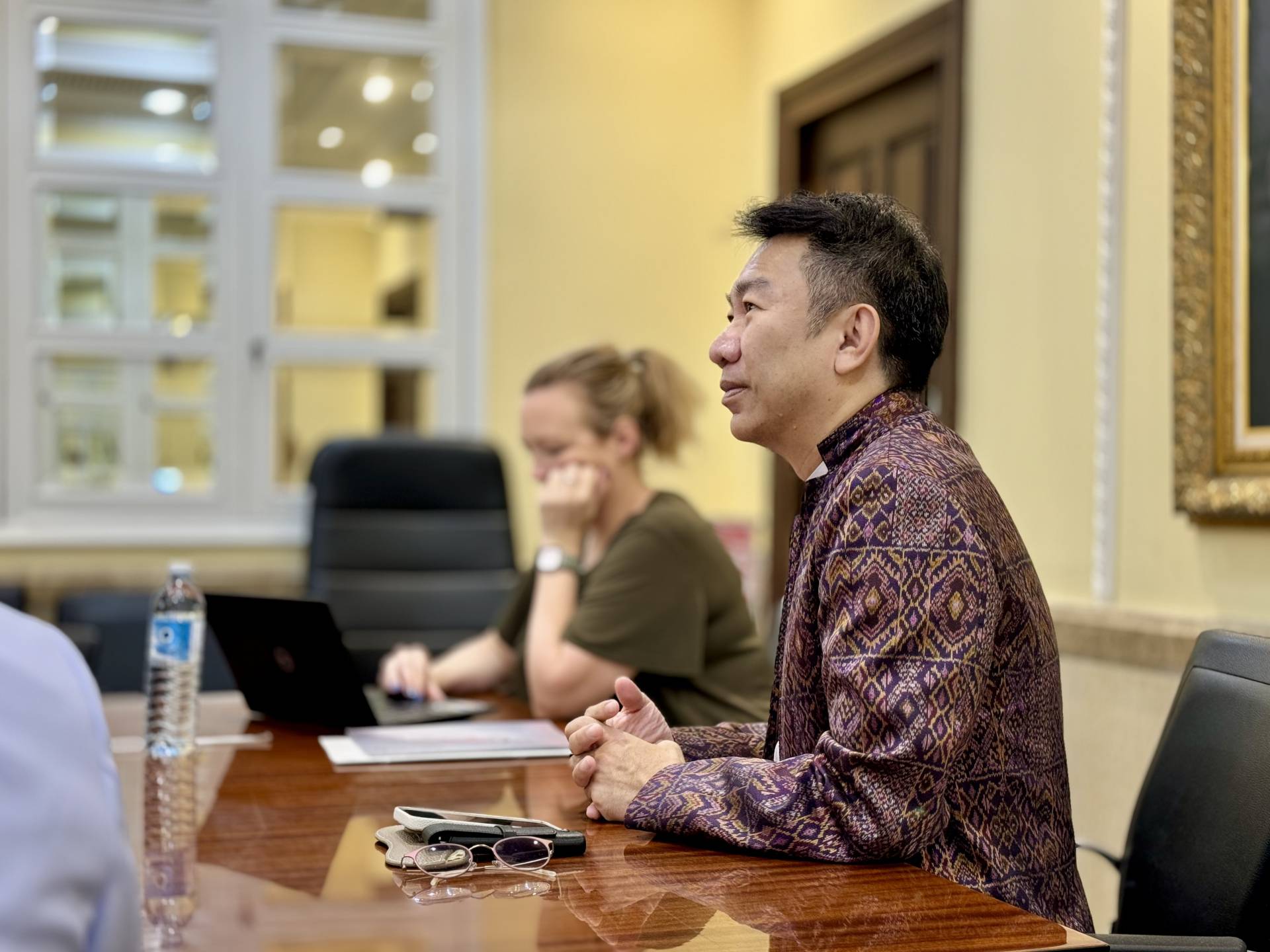
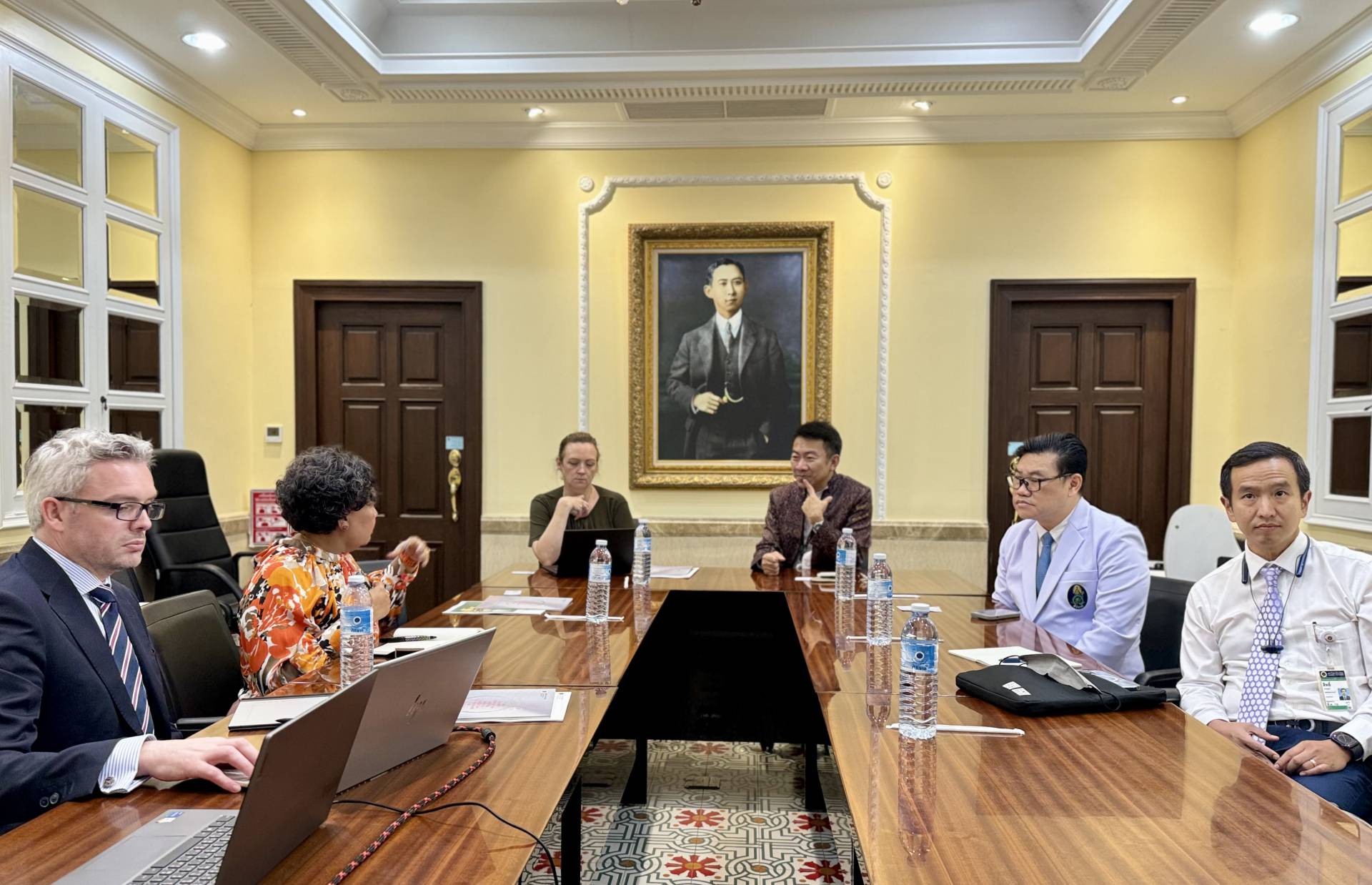
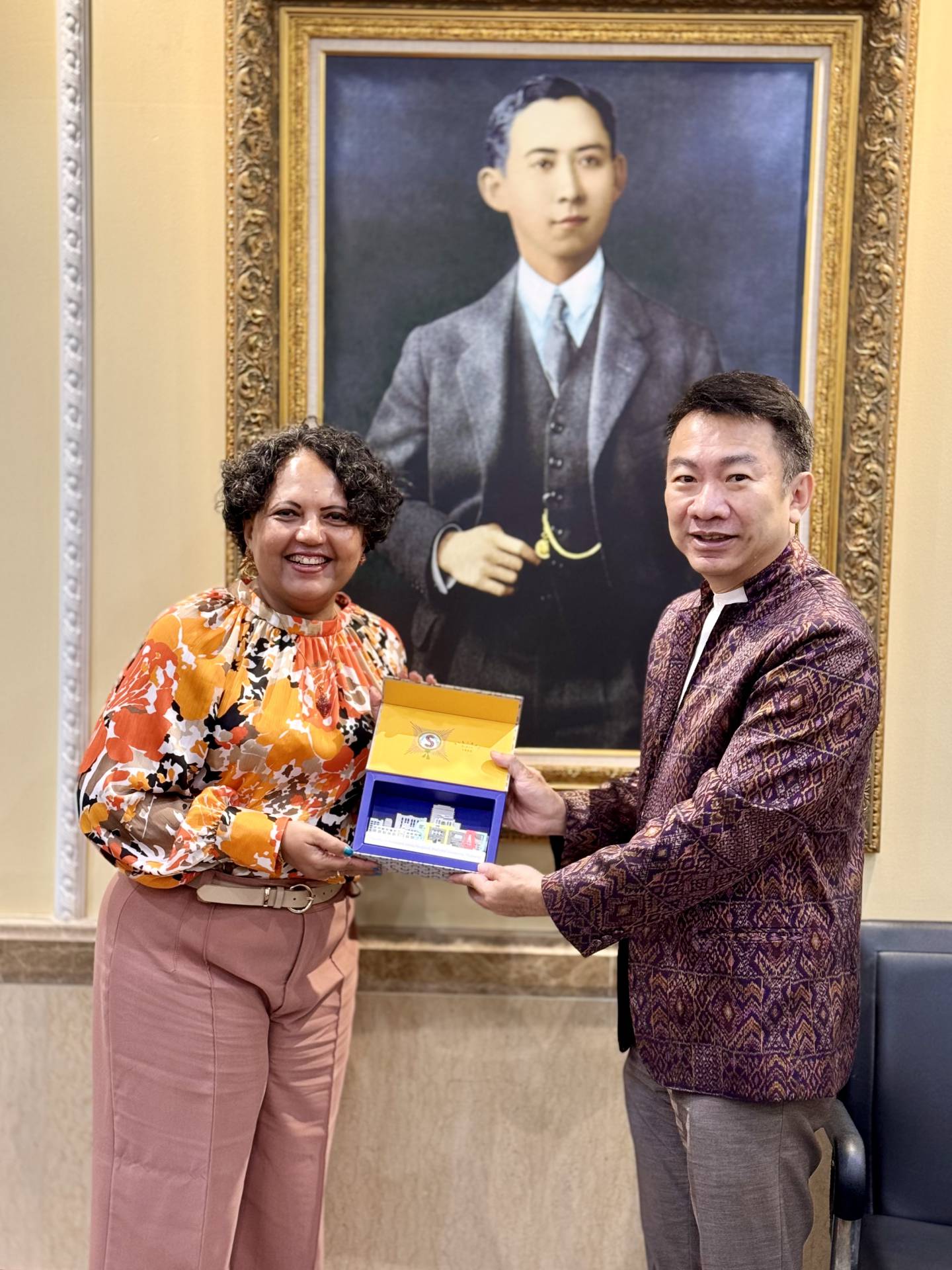
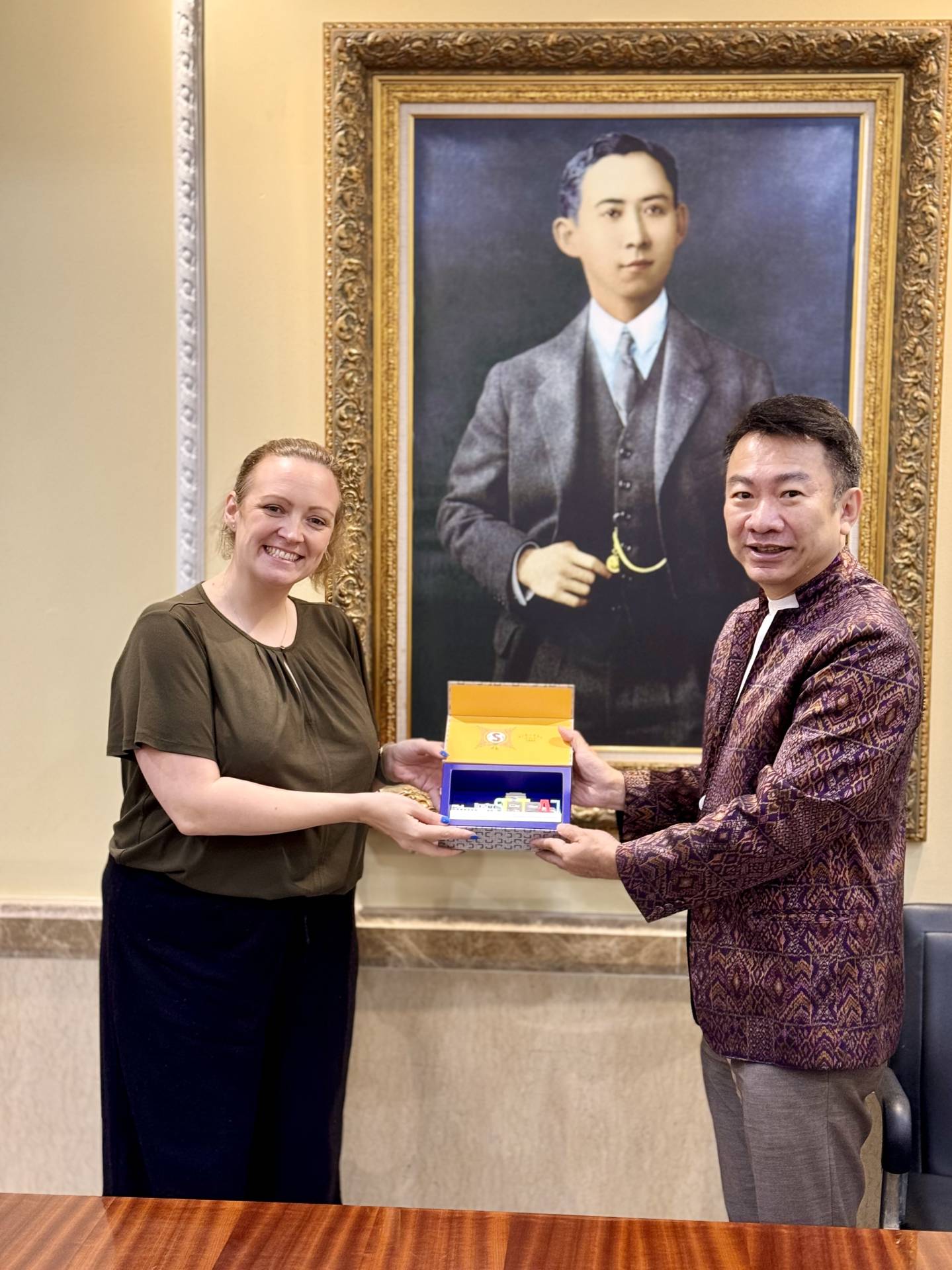
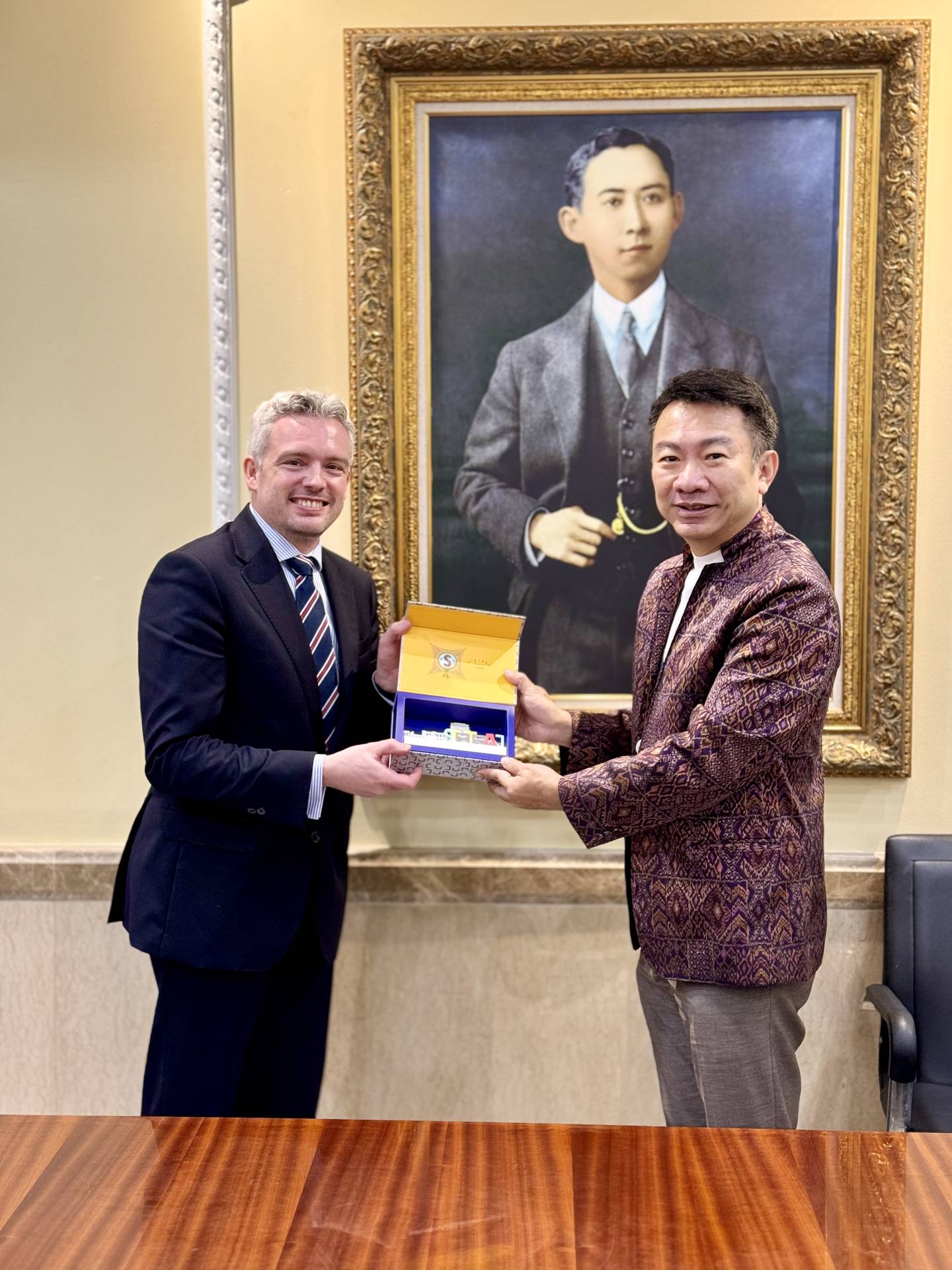
On August 14th, 2024, the SiCORE-M Team and SiCORE-PM&SP conducted a formal teleconference with the Scientific Advisory Board (SAB) to discuss the ongoing research’s progress and future direction. The esteemed SAB member in attendance was Prof. Andrew Futreal, Professor of Genomic Medicine at the University of Texas, MD Anderson Cancer Center, Houston, US.

The teleconference commenced with a warm welcome from Assist. Prof. Woraphat Ratta-apha, Head of the Center of Research Excellence (SiCORE). The meeting featured a comprehensive presentation by Asst. Prof. Somponnat Sampattavanich, Director of SiCORE-PM&SP, alongside Assoc. Prof. Siwanon Jirawatnotai and Assist. Prof. Chalermchai Mitrpant. The presentation highlighted strategic approaches to cancer research and commercialization in Asia, emphasizing the importance of collaboration and internationalization. Updates on research activities were shared, including developing organoids and PDX models with a specific focus on KRAS mutant subtypes. The discussion also addressed the challenges and opportunities in cancer research, such as the complexities of the granting system in Thailand and the need for mixed organoid cultures. The potential of lipidomics in cancer treatment and the optimization of epigenetic therapy for sarcoma were also explored.

This productive teleconference underscored our unwavering commitment to advancing cancer research, inspiring us to continue our collaborative efforts to achieve significant breakthroughs.

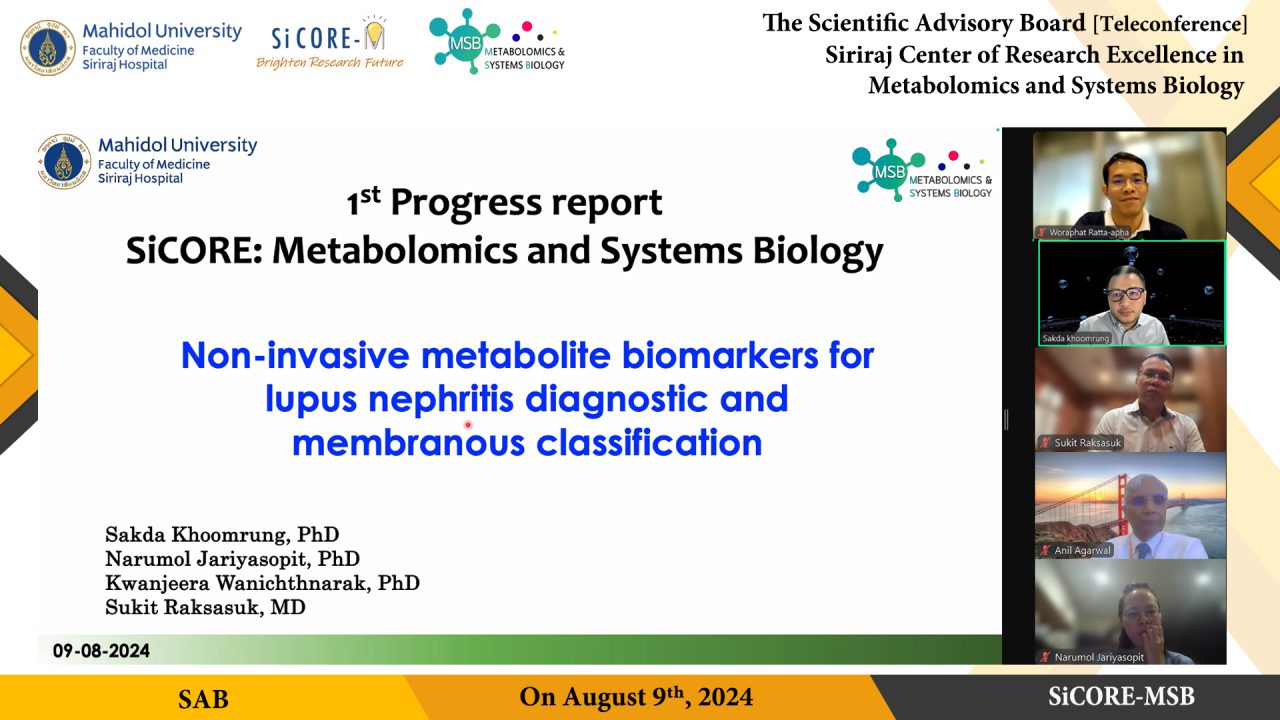
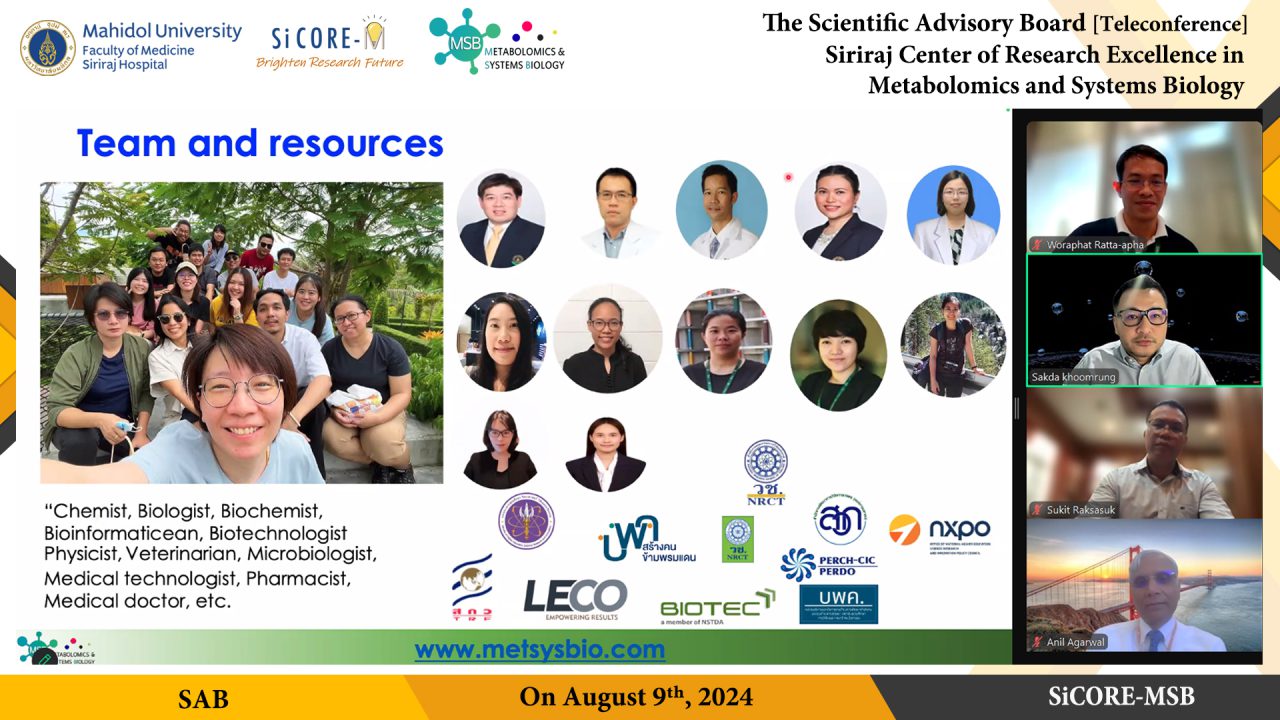
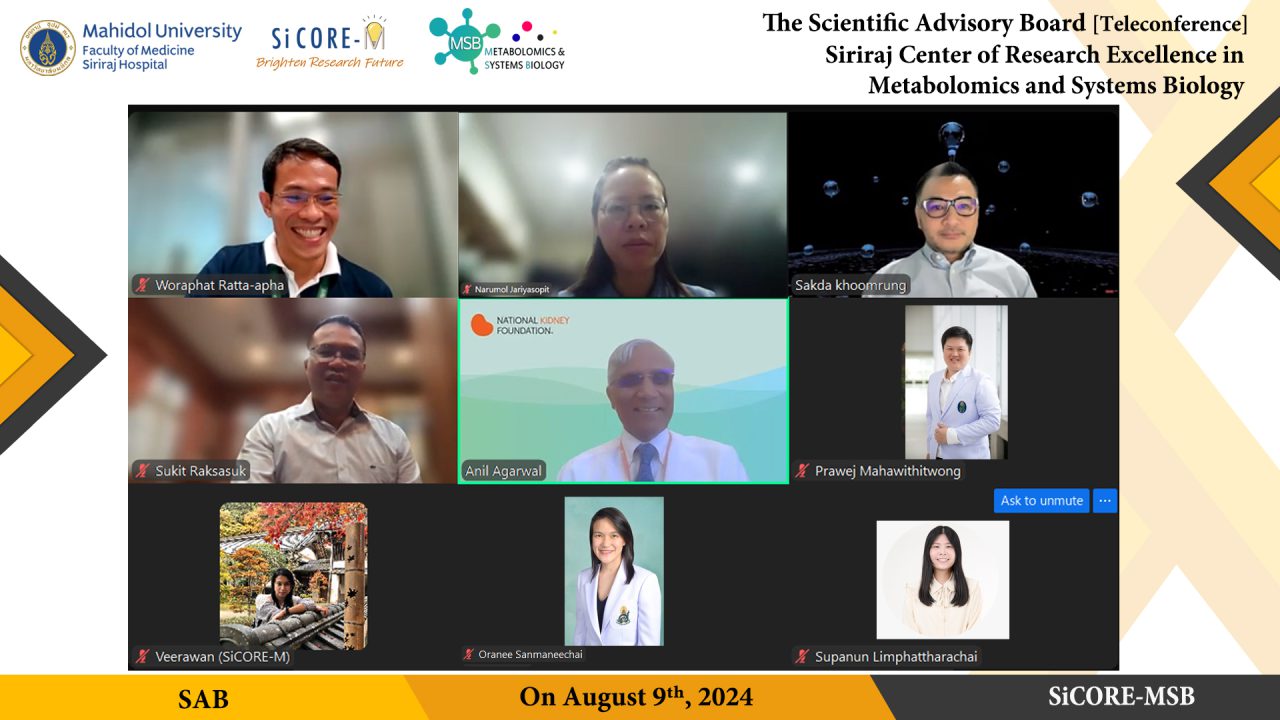
On August 9th, 2024, the SiCORE-M team, led by Assist. Prof. Woraphat Ratta-apha, Head of the Center of Research Excellence (SiCORE), warmly welcomed the esteemed Scientific Advisory Board (SAB) of SiCORE-MSB. The SAB, including Prof. Anil K. Agarwal, Chief of Medicine at VA Central California Health Care System and Professor of Medicine at the University of California, San Francisco, was integral to our first-year progress evaluation.

The main speaker, Assoc. Prof. Dr. Sakda Khoomrung, Director of SiCORE-MSB, presented the research progress on developing metabolomic biomarkers for lupus nephritis and innovative metabolomics and mass spectrometry analysis methods, in line with our project’s goals. The meeting also involved discussions on the development and applications of bioinformatics tools for biomedical research, focusing on integrating Size Exclusion Chromatography (SEC) data and analyzing clinical parameters.

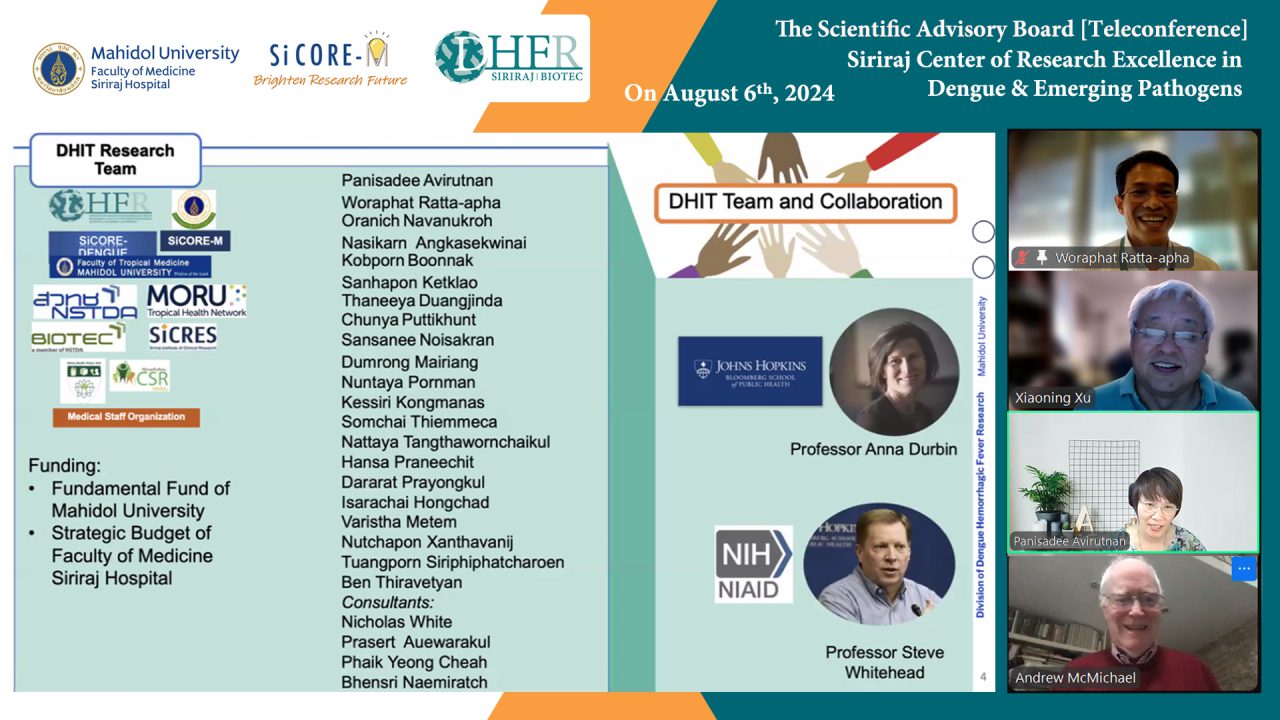
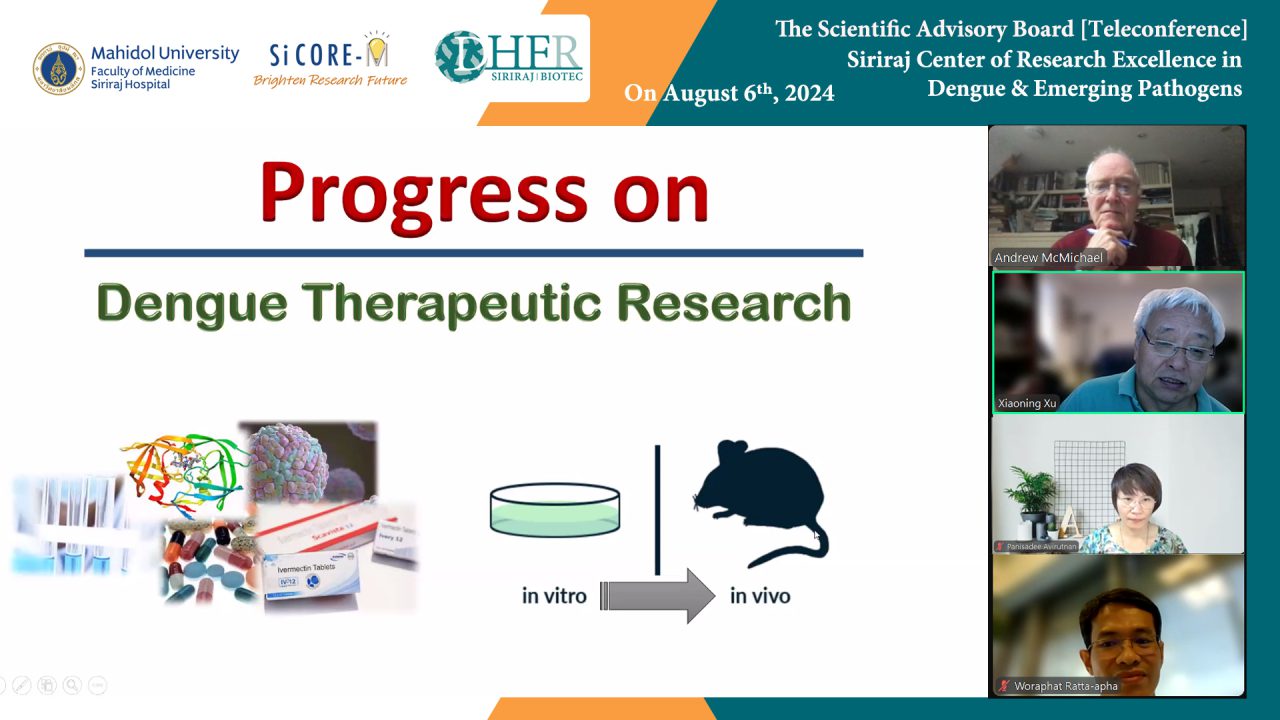
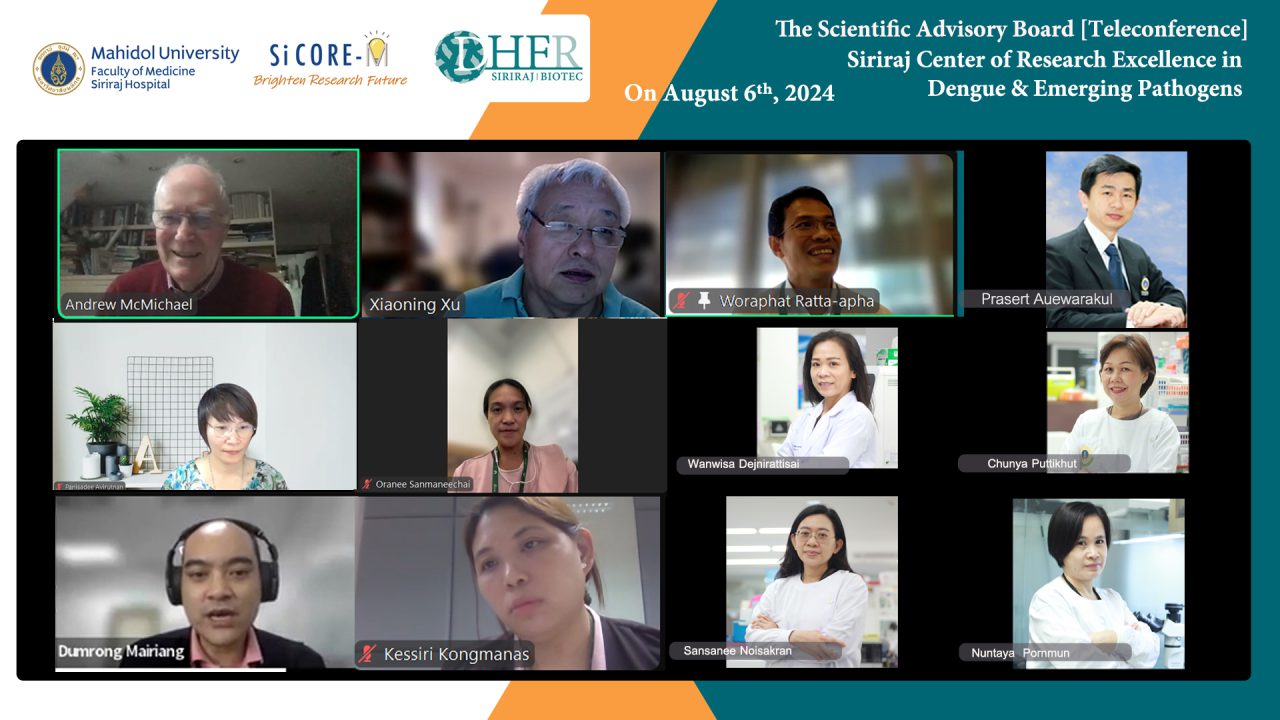
On August 6th, 2024, the SiCORE-M Team and SiCORE-Dengue conducted a significant teleconference with the Scientific Advisory Board (SAB). The distinguished SAB members included Prof. Xiao-Ning Xu, Chair in Human Immunology and Head of the Centre for Immunology and Vaccinology at Chelsea & Westminster Hospital, Imperial College London, and Prof. Sir Andrew J. McMichael, Professor of Molecular Medicine at the Nuffield Department of Medicine, University of Oxford.

The teleconference began with a warm welcome from Assist. Prof. Woraphat Ratta-apha, Head of the Center of Research Excellence (SiCORE). The primary focus of the meeting was a comprehensive presentation by Assoc. Prof. Panisadee Avirutnan, Director of SiCORE-Dengue, delivered an in-depth report on the first year’s progress in Phase 2 of the project. The presentation sparked productive discussions with the SAB on the research outcomes, future directions, and potential challenges in the ongoing fight against dengue.

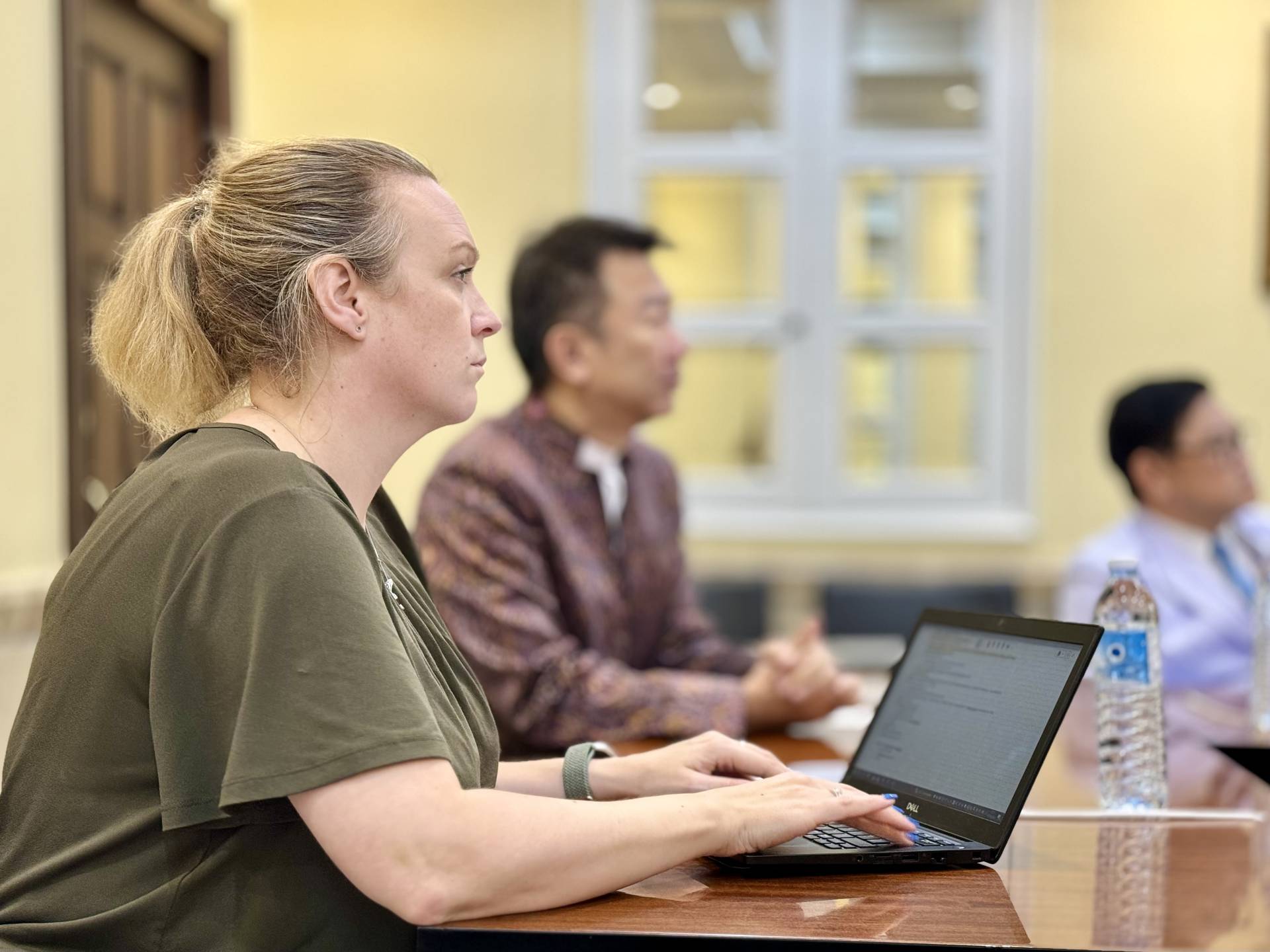
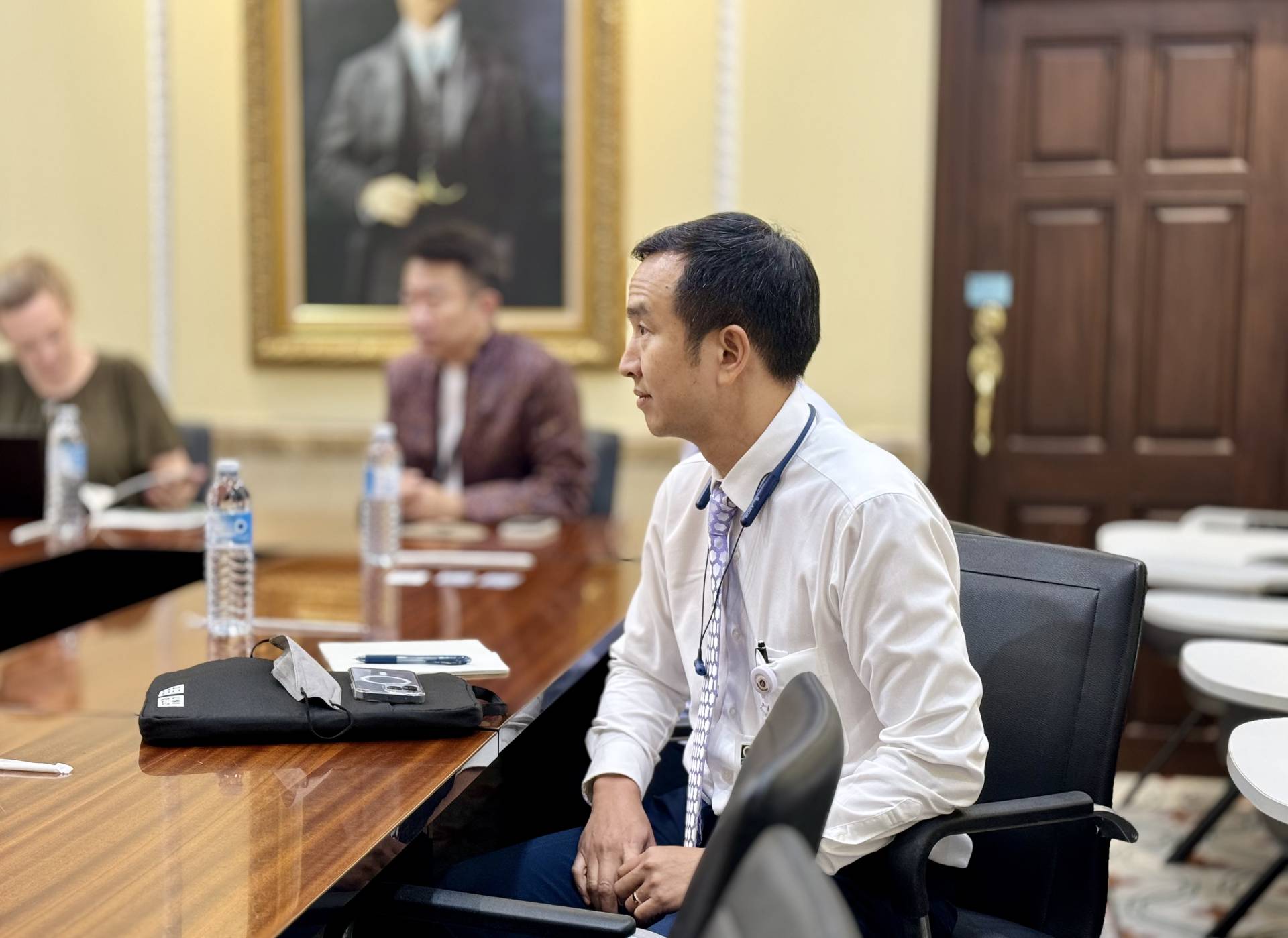
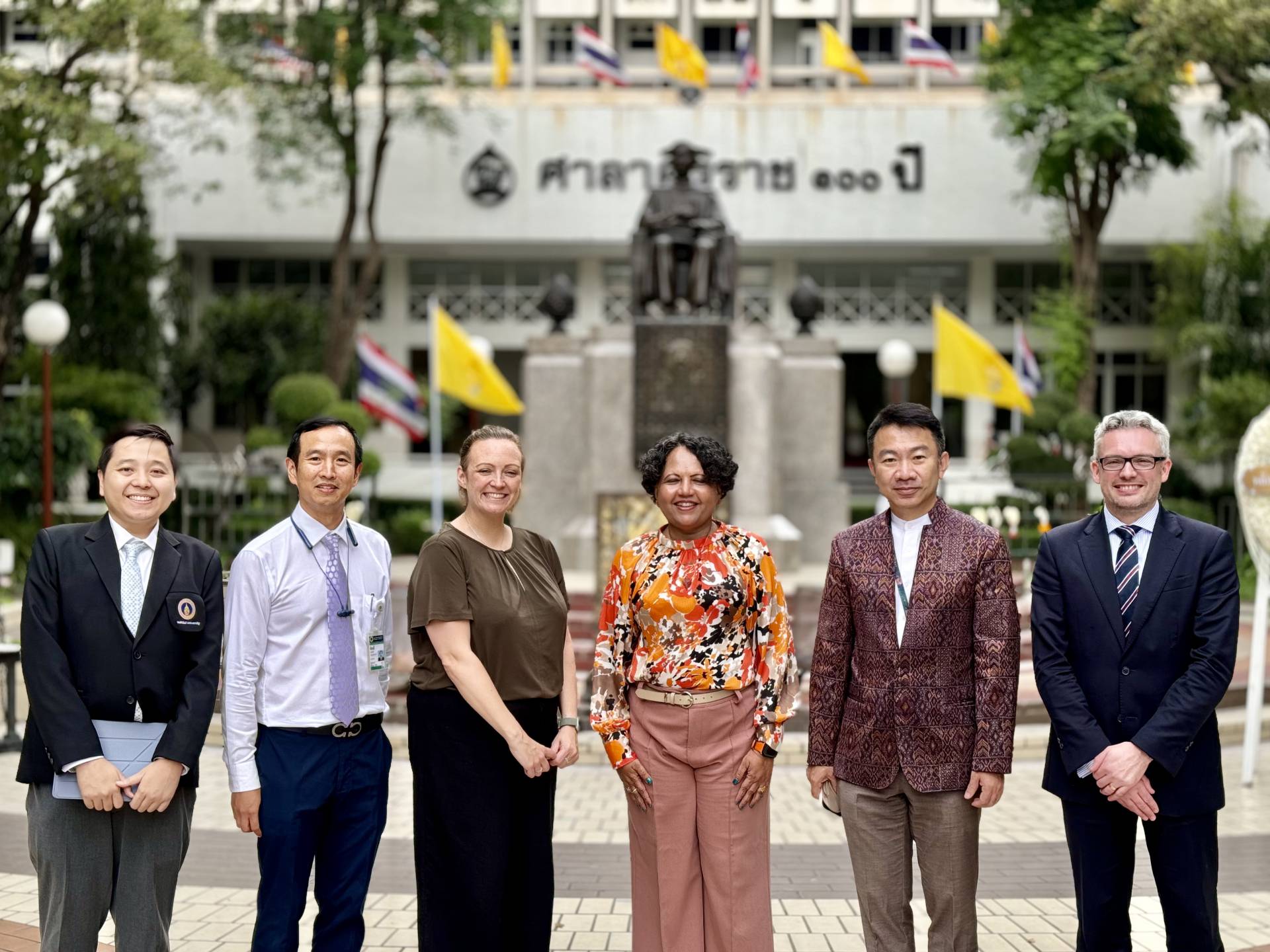
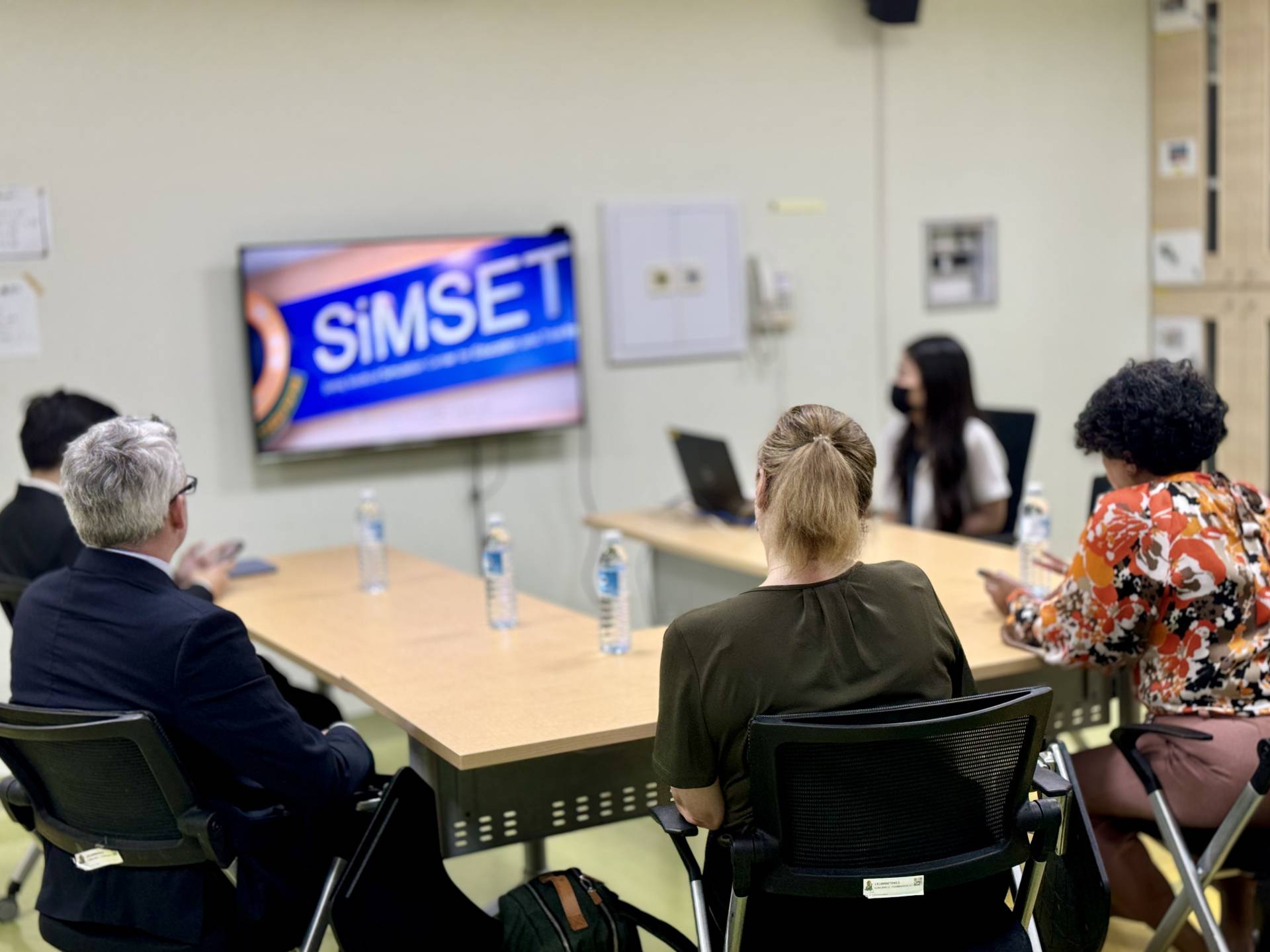
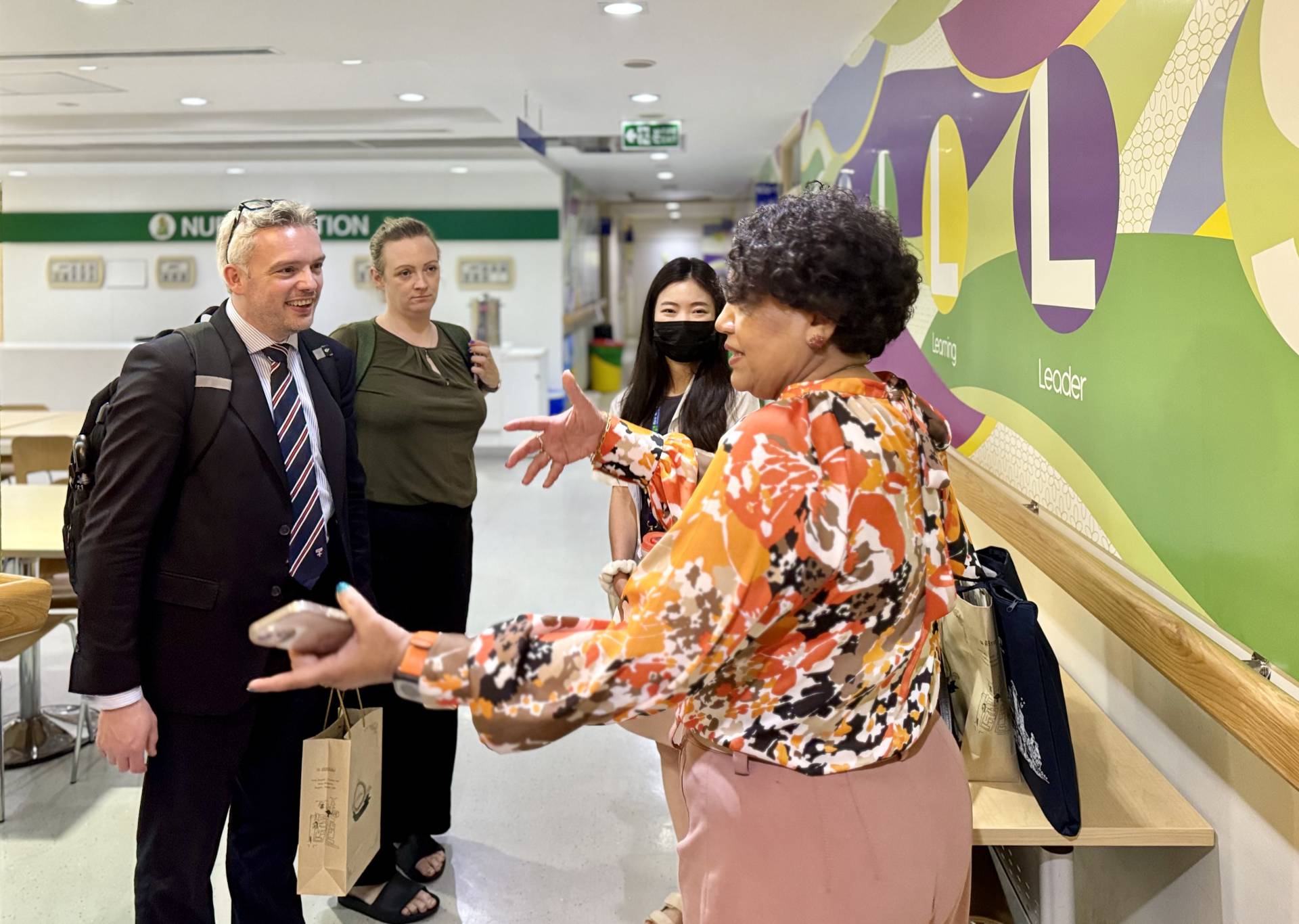
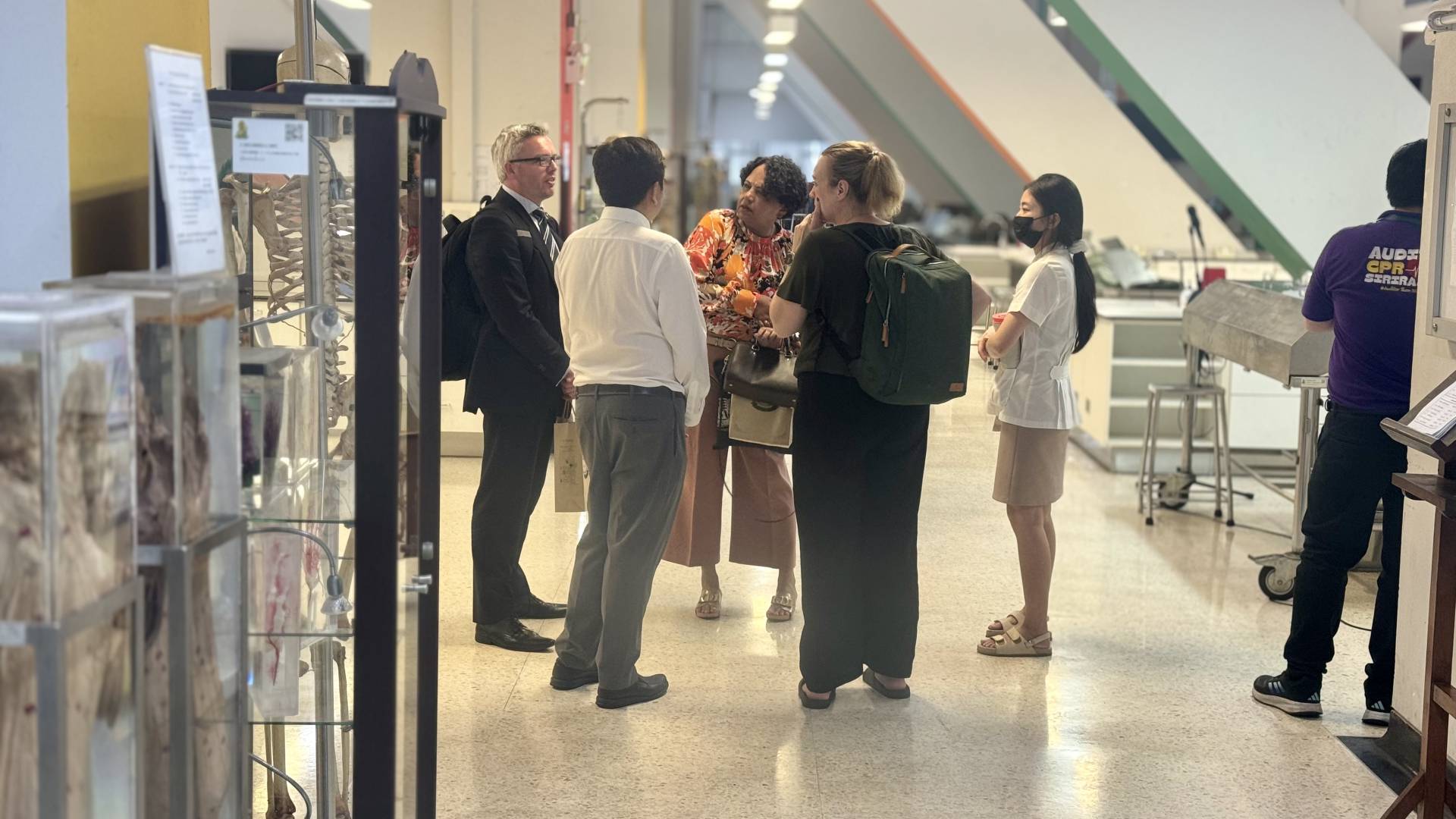
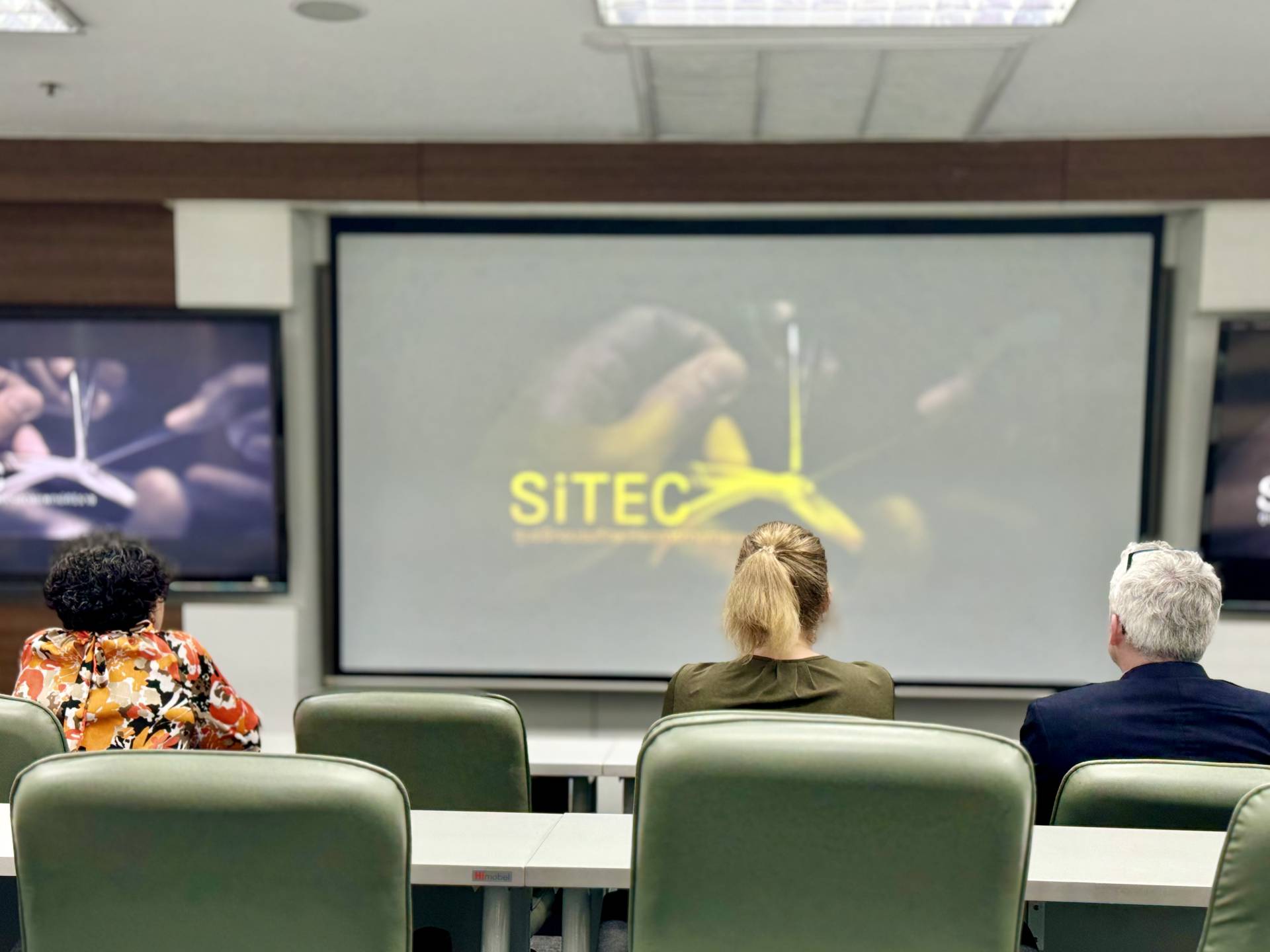
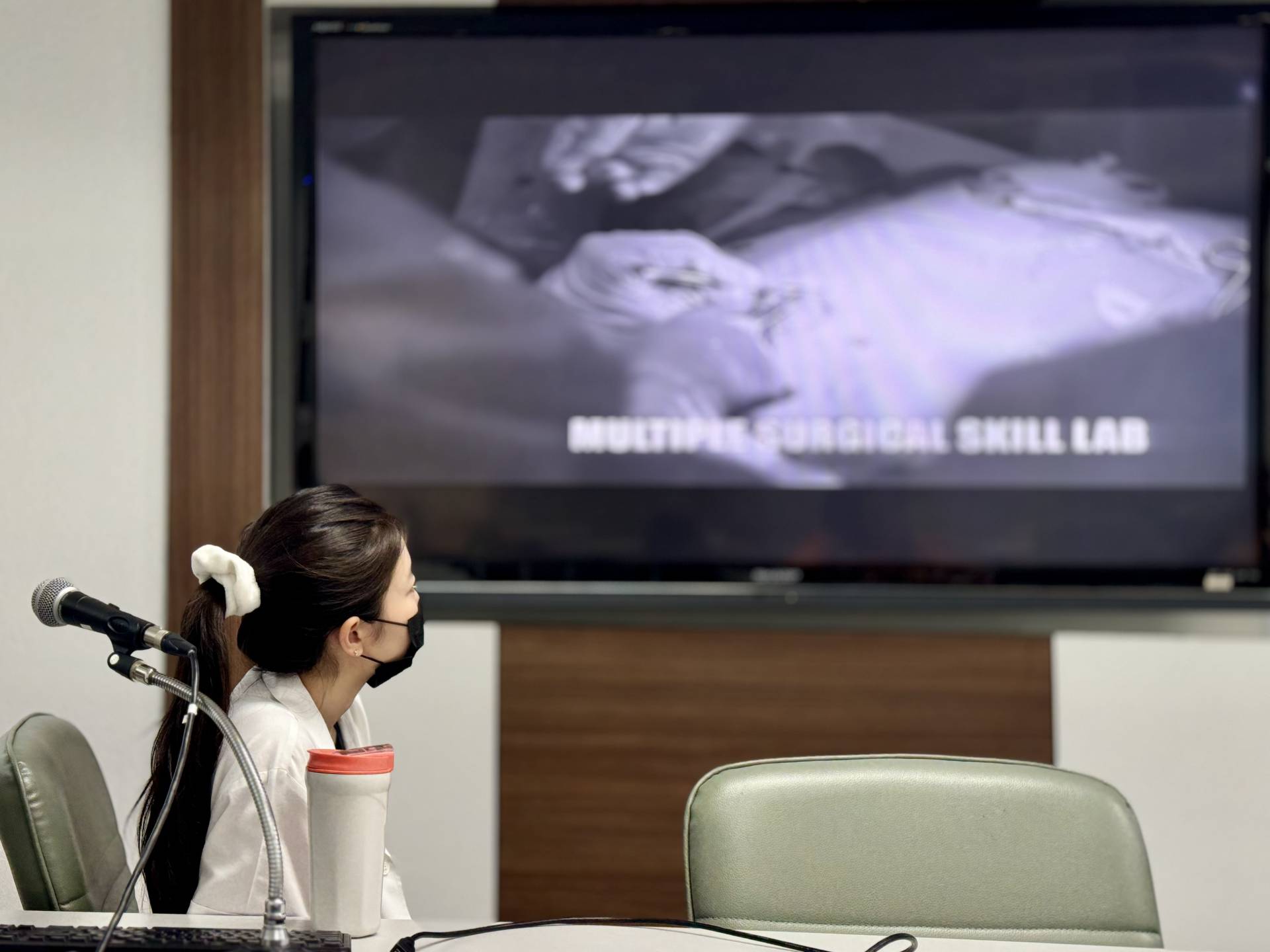
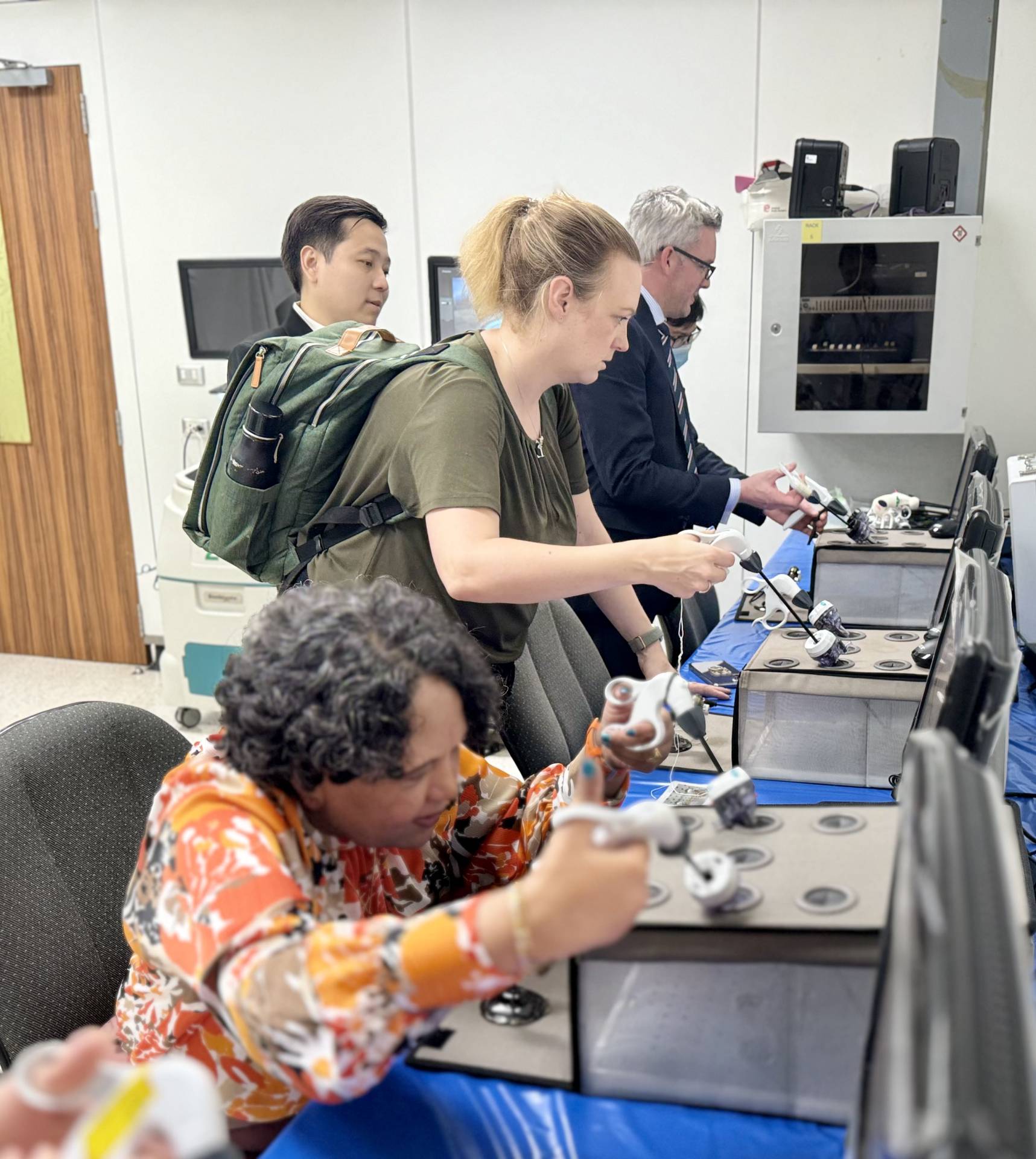
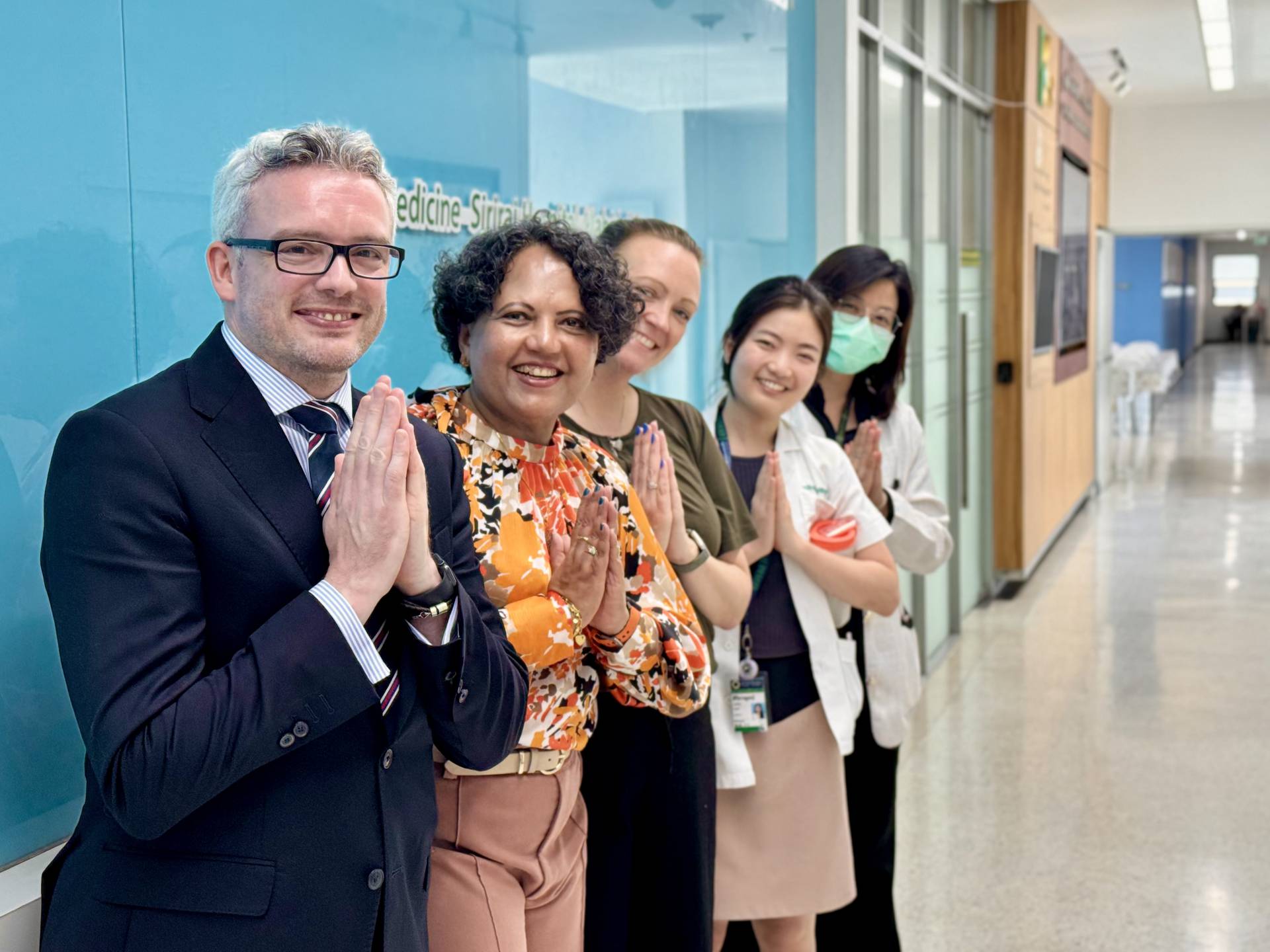
On August 7th, 2024, administrative members of the Faculty of Medicine at Siriraj Hospital, Mahidol University — Assoc. Prof. Prapat Wanitpongpan, Deputy Dean for Corporate Communication and International Relations; Assoc. Prof. Thawornchai Limjindaporn, Deputy Dean of Postgraduate Education; and Assoc. Prof. Sith Sathornsumetee, Deputy Dean for Research and Innovations — welcomed a distinguished delegation from Newcastle University — Prof. Vishna Devi V. Nadarajah, Provost and CEO of Newcastle University Medicine Malaysia; Prof. Jonathan Galloway, Provost and CEO of Newcastle University in Singapore; and Laura Mitford, Senior Manager from Newcastle University International Office, the visit focused on exploring future collaborations in medical education and research between Newcastle University and Siriraj.

The delegation concluded their visit by touring the Siriraj Medical Simulation for Education and Training (SiMSET) and the Siriraj Training and Education Center for Clinical Skills (SiTEC).


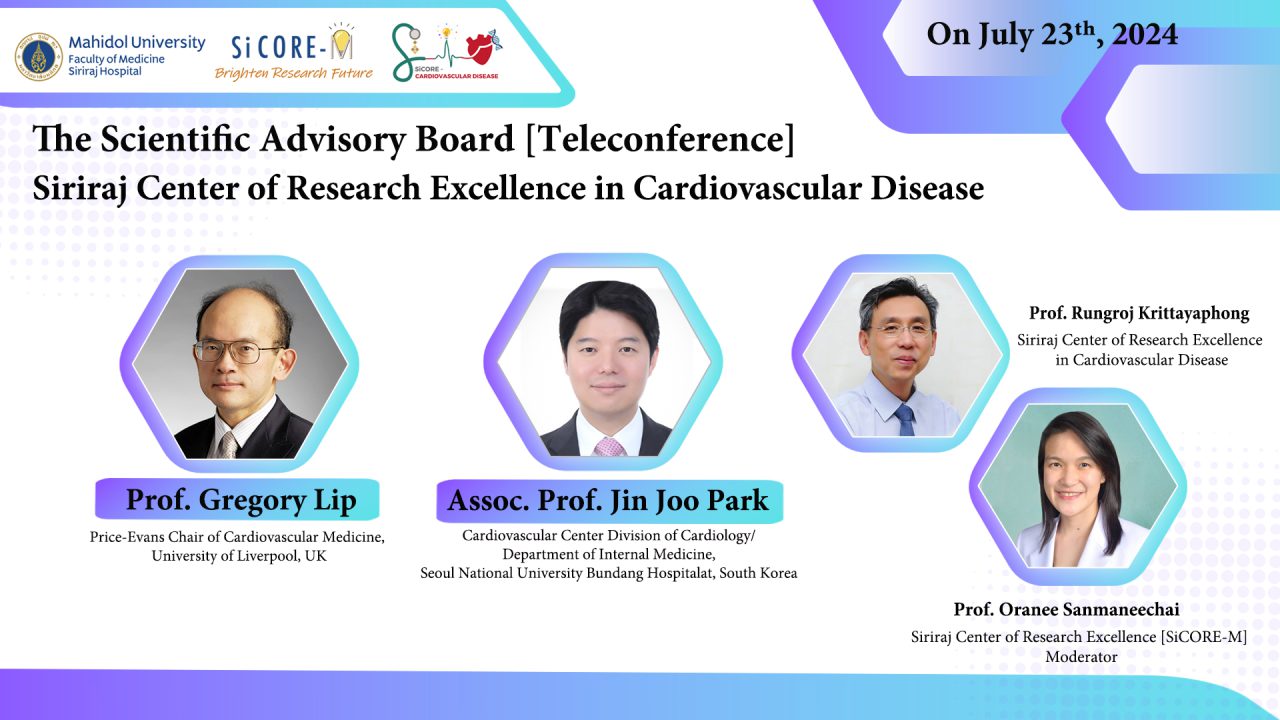
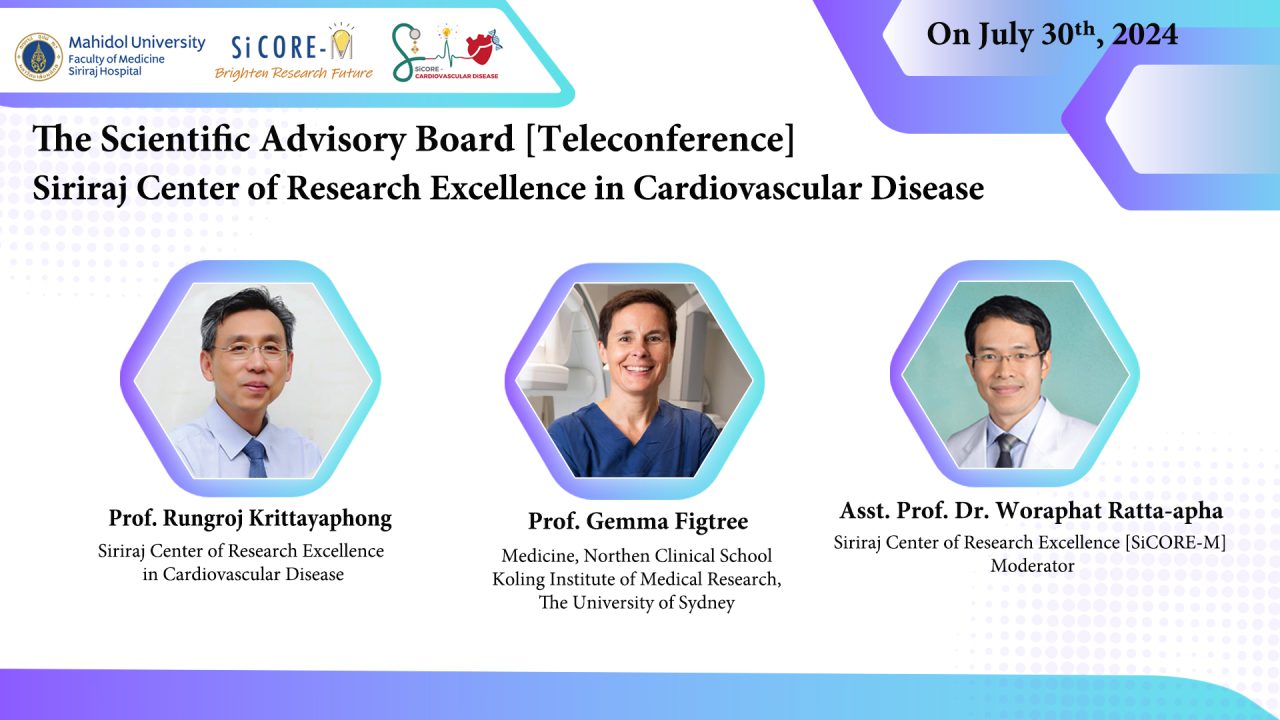
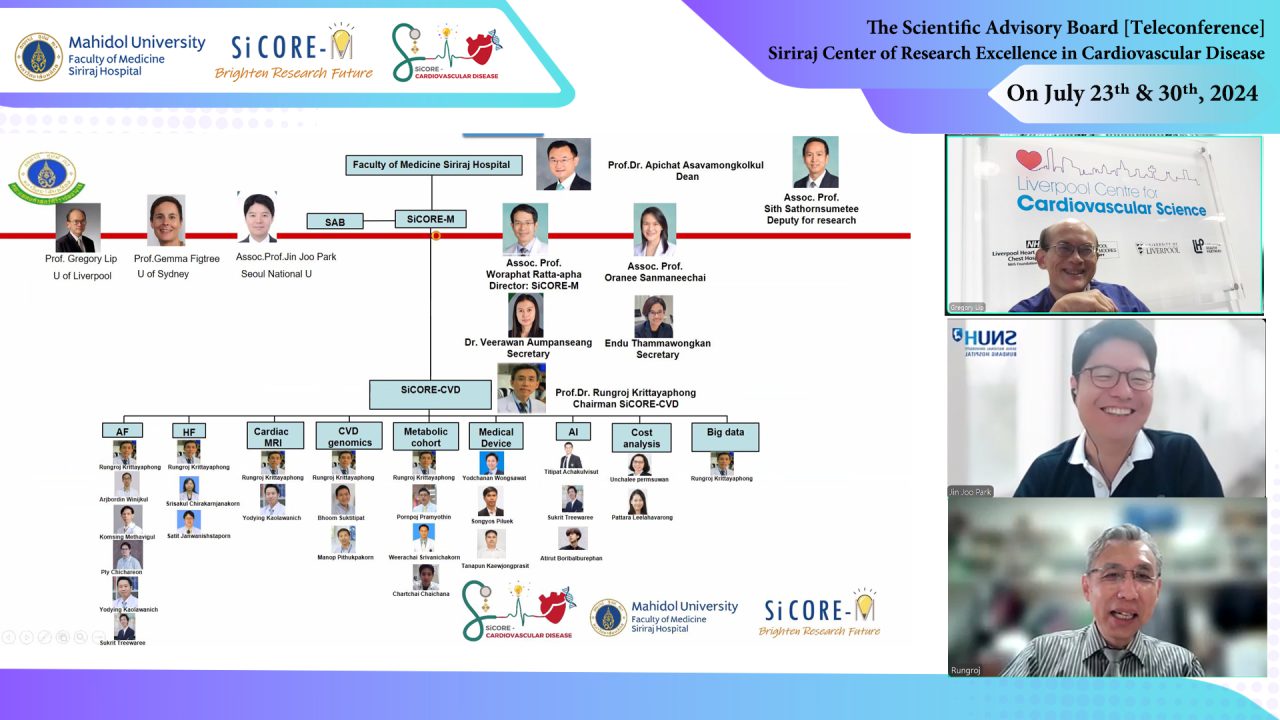
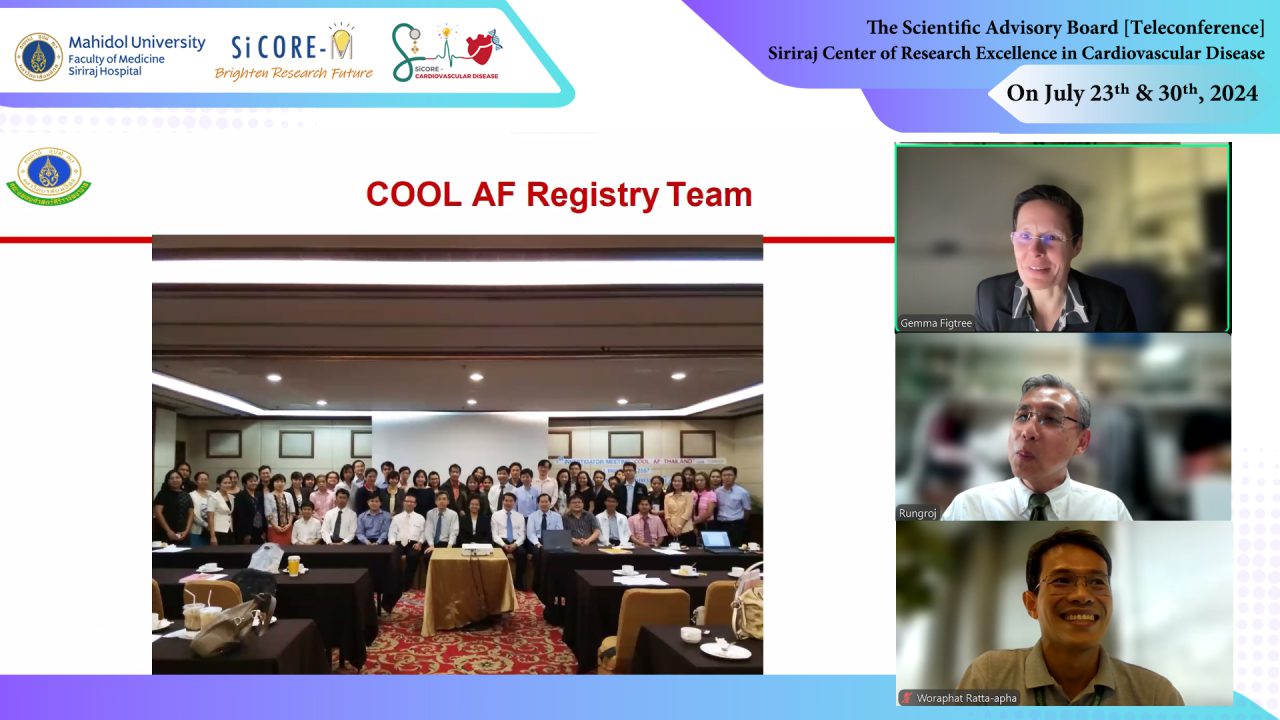
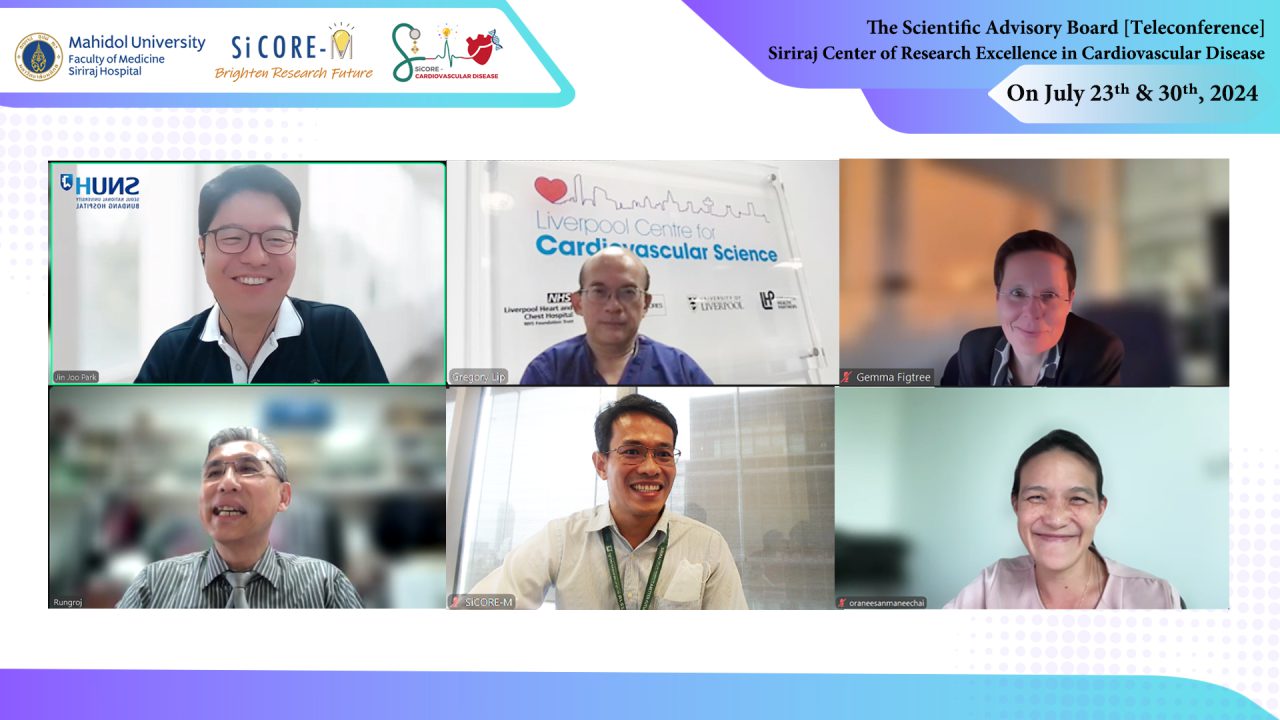
The SiCORE-M team, along with Prof. Rungroj Krittayaphong, Director of SiCORE-CVD, concluded this year’s Scientific Advisory Board (SAB) meeting with significant progress and actionable outcomes. The SAB teleconference lasted two days: July 23rd and July 30th, 2024.

On July 23rd, 2024, the meeting featured Prof. Gregory Lip from the University of Liverpool, United Kingdom, and Assoc.Prof. Jin Joo Park from Seoul National University Bundang Hospital, South Korea. Prof. Rungroj Krittayaphong presented the final progress of the atrial fibrillation (AF) research, discussing advancements, future directions, and potential areas of investigation. The overview of AF research trends in Thailand highlighted the importance of collaboration and involving young researchers in the field. The discussion delved into the potential of genomic research in the Thai population, a promising avenue that could revolutionize cardiovascular research. The importance of managing acute heart failure was also underscored, and the potential for developing a new ECG monitoring system was explored.

On July 30th, 2024, the meeting included Prof. Gemma Figtree from Sydney Medical School (North), Kolling Institute of Medical Research, University of Sydney, Australia. Prof.Rungroj presented highlights of the progress made by the Cardiovascular Research Program, including creating a national database of atrial fibrillation patients and submitting grant proposals for the next phase of the registry. Discussions also focused on advancing cardiac imaging and health economics research, emphasizing international collaboration, impact assessment, and the potential benefits of investing in metabolomics. Challenges in preventing cardiovascular disease, particularly in young patients without apparent risk factors, were addressed, emphasizing the crucial role of biobanking and imaging data in cardiovascular research.

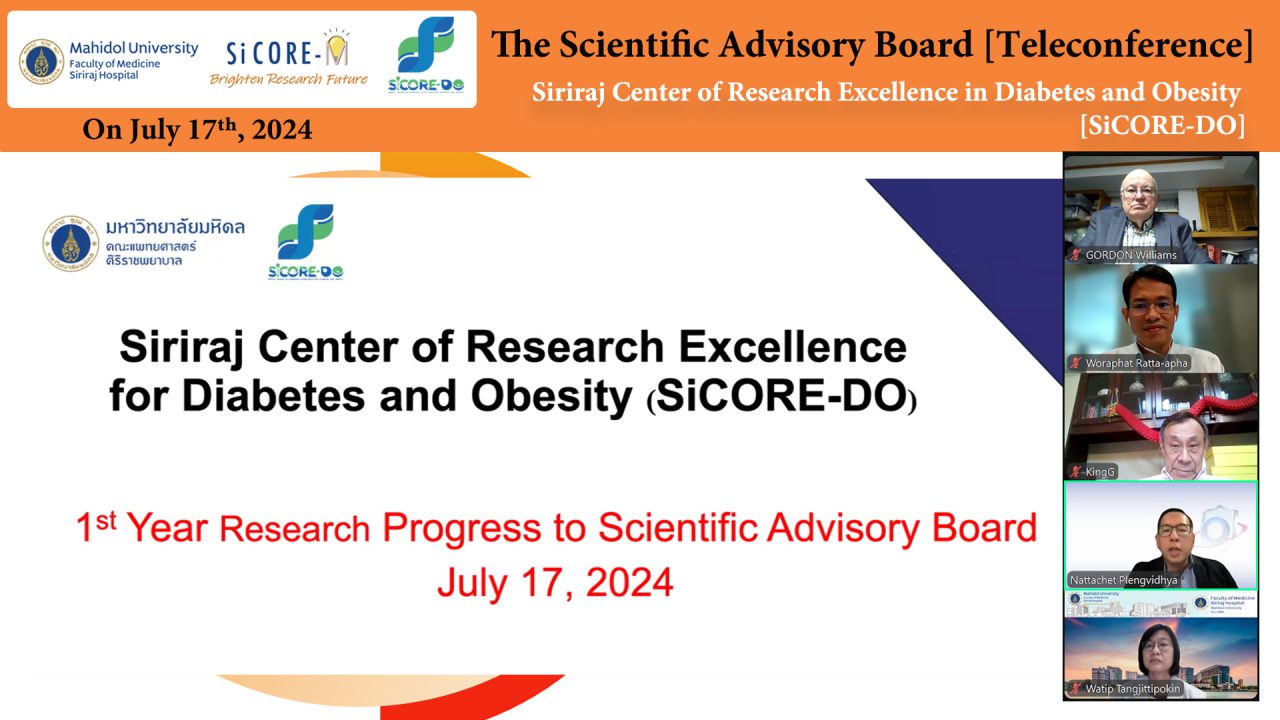
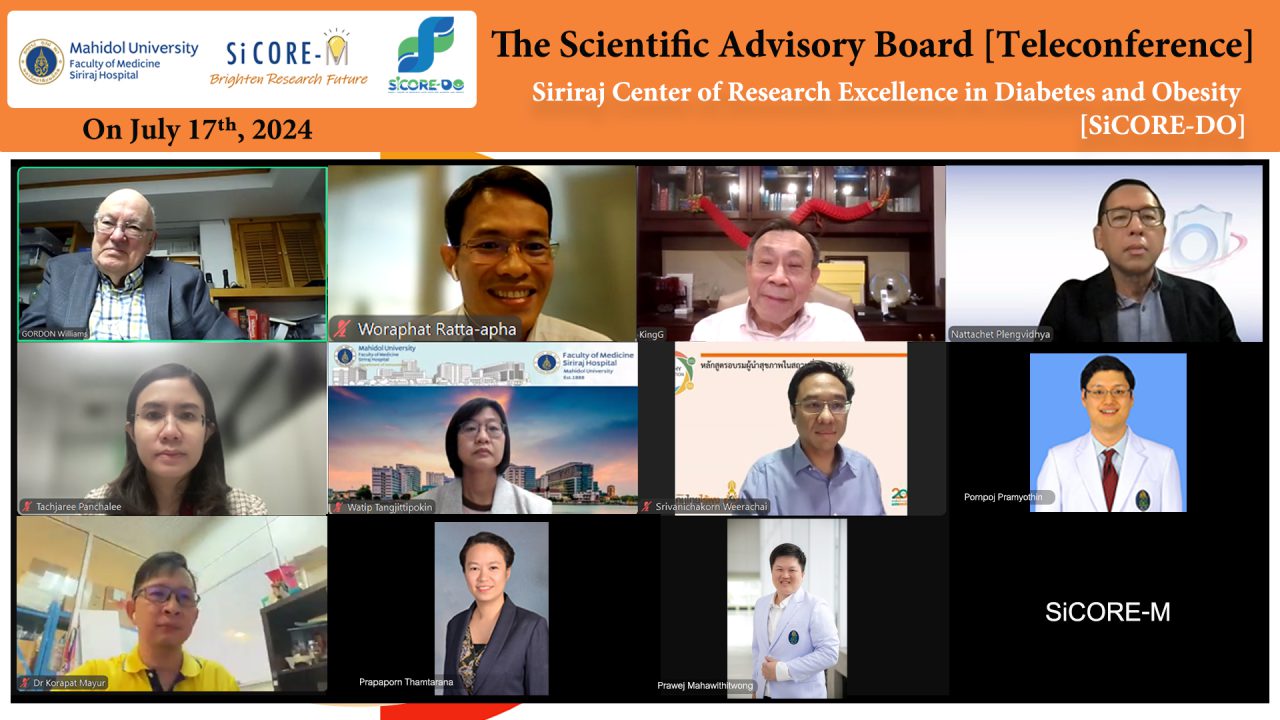
On July 17th, 2024, the SiCORE-M team, led by Assist. Prof. Woraphat Ratta-apha,Head of the Center of Research Excellence (SiCORE), and Assoc. Prof. Tachjaree Panchalee Boonbowornpong, Deputy Head of SiCORE, presented the working process of SiCORE-DO. The meeting commenced with the esteemed Scientific Advisory Board (SAB) of SiCORE-DO, which included Prof. Gordon H. Williams and Prof. George L. King, specialists in diabetes and obesity from Joslin Diabetes Center, Harvard Medical School.

The main speaker, Prof. Nattachet Plengvidhya, Director of SiCORE-DO, presented the research progress in precision medicine for type 2 diabetes, prediabetes, and obesity in Thailand. The presentation highlighted genomic research in Thai populations, addressing challenges such as limited resources and sample size, and identifying potential candidate genes.

The meeting also covered the prevalence of gestational diabetes in Thai populations and genetic research in Thailand’s ethnic Chinese population. Emphasis was placed on the importance of studying induced pluripotent stem (iPS) cells and considering both genetic and environmental factors in pre-diabetes research. Additionally, the limitations of current genetic studies were discussed.

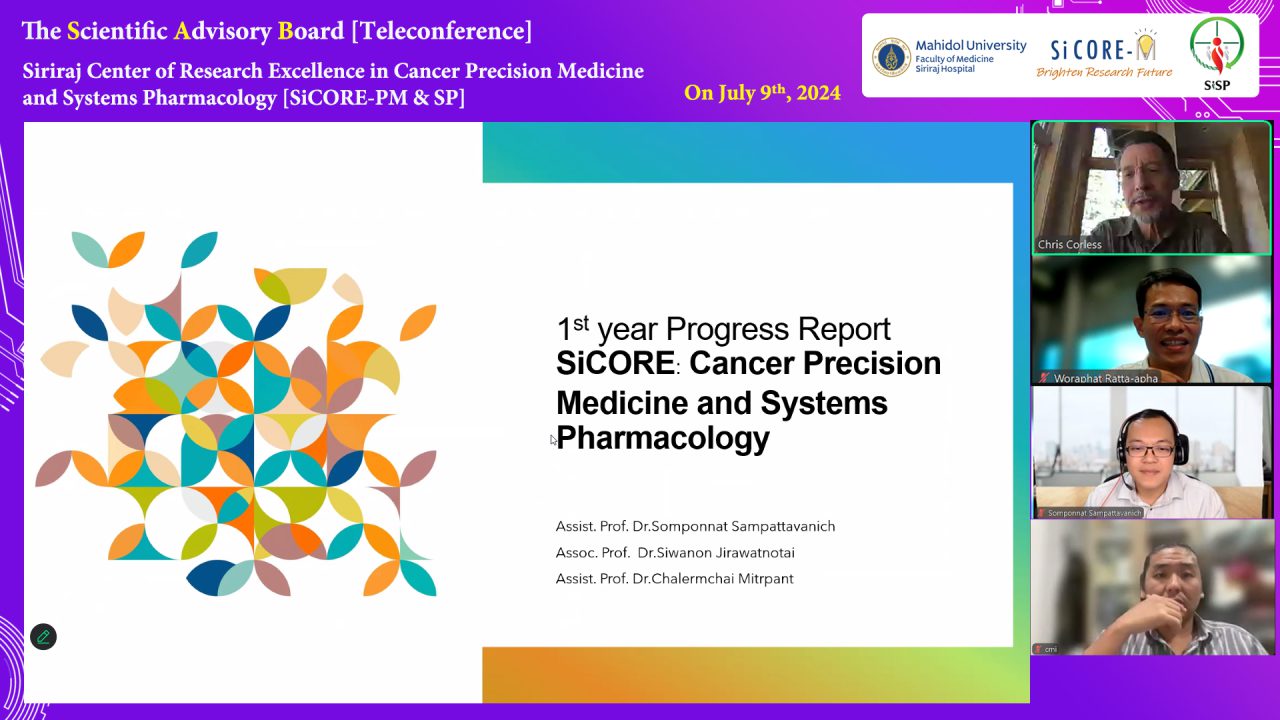
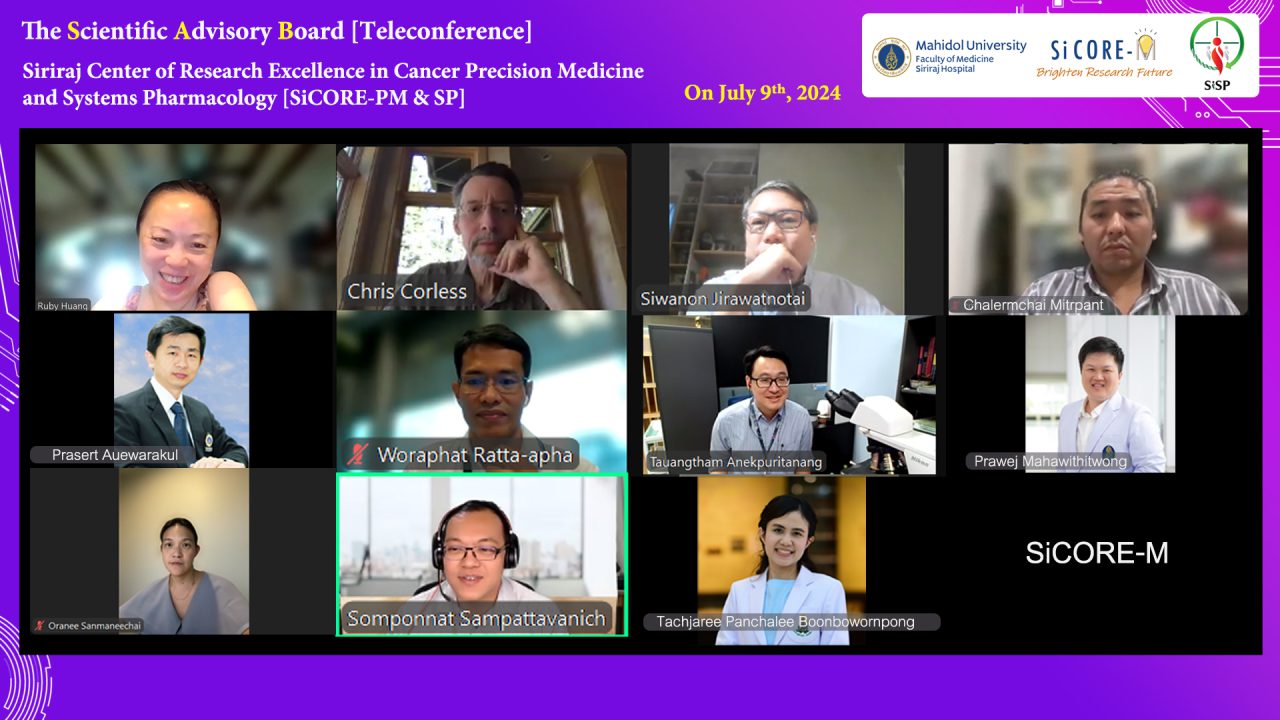
On July 9th, 2024, the SiCORE-M Team and SiCORE-PM&SP convened a formal teleconference with the esteemed Scientific Advisory Board (SAB) of SiCORE-PM&SP. The SAB members included Prof. Christopher L. Corless, from Oregon Health and Science University, and Prof. Ruby Huang from the National Taiwan University (NTU).

The meeting commenced with a warm welcome from Assist. Prof. Woraphat Ratta-apha, Head of the Center of Research Excellence (SiCORE). The primary speaker, Assist. Prof. Somponnat Sampattavanich, Director of SiCORE-PM&SP, presented a detailed progress report and engaged in discussions with the committee on various aspects of cancer research, including precision medicine, biosensors, and commercialization strategies.

The teleconference also reviewed ongoing research projects, such as cancer biomarker discovery and the application of spatial biology and single-cell analysis. Furthermore, strategies for commercializing research in the life sciences were explored, covering areas like staff training, securing research funding, and fostering international collaboration.

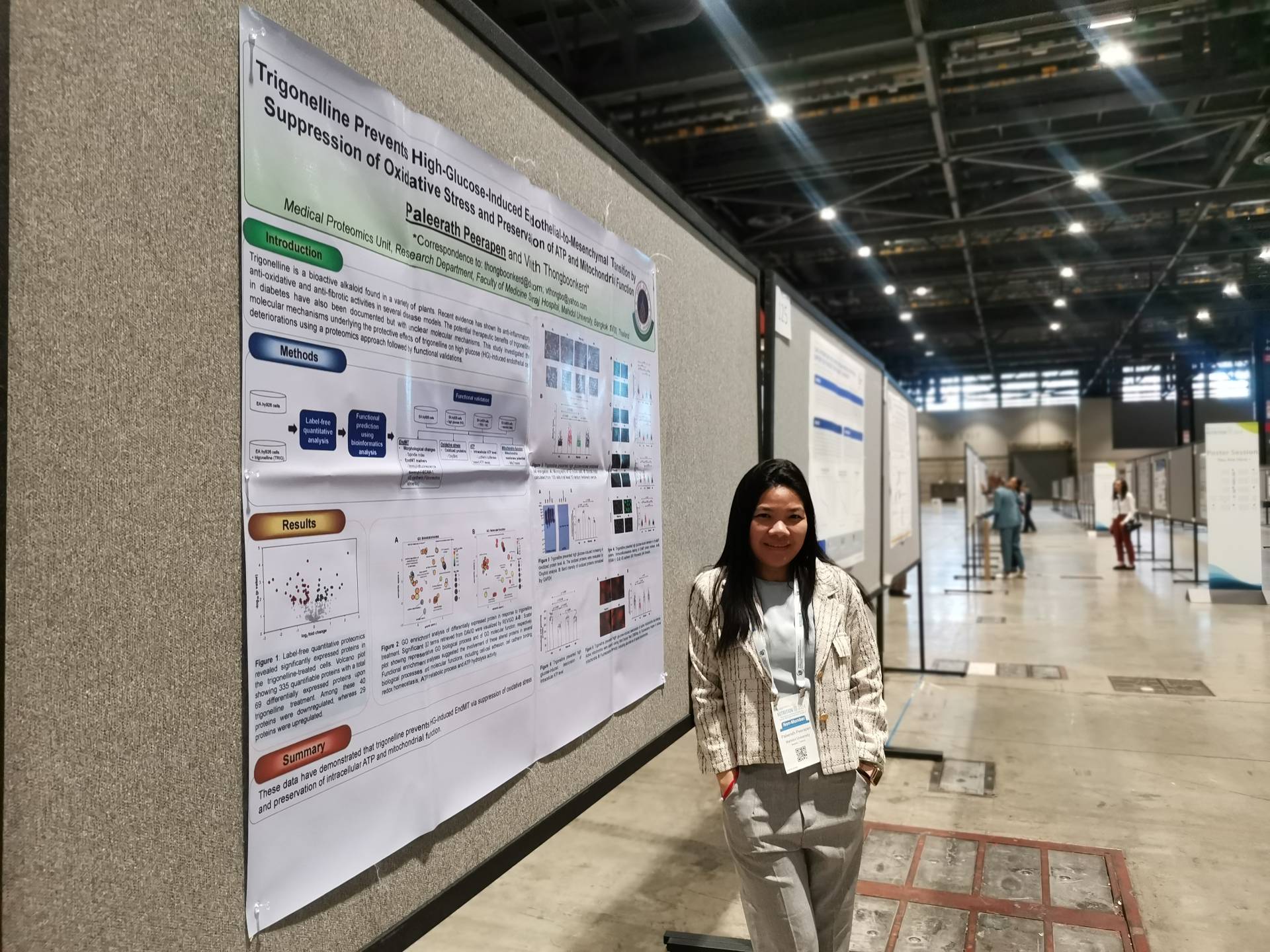
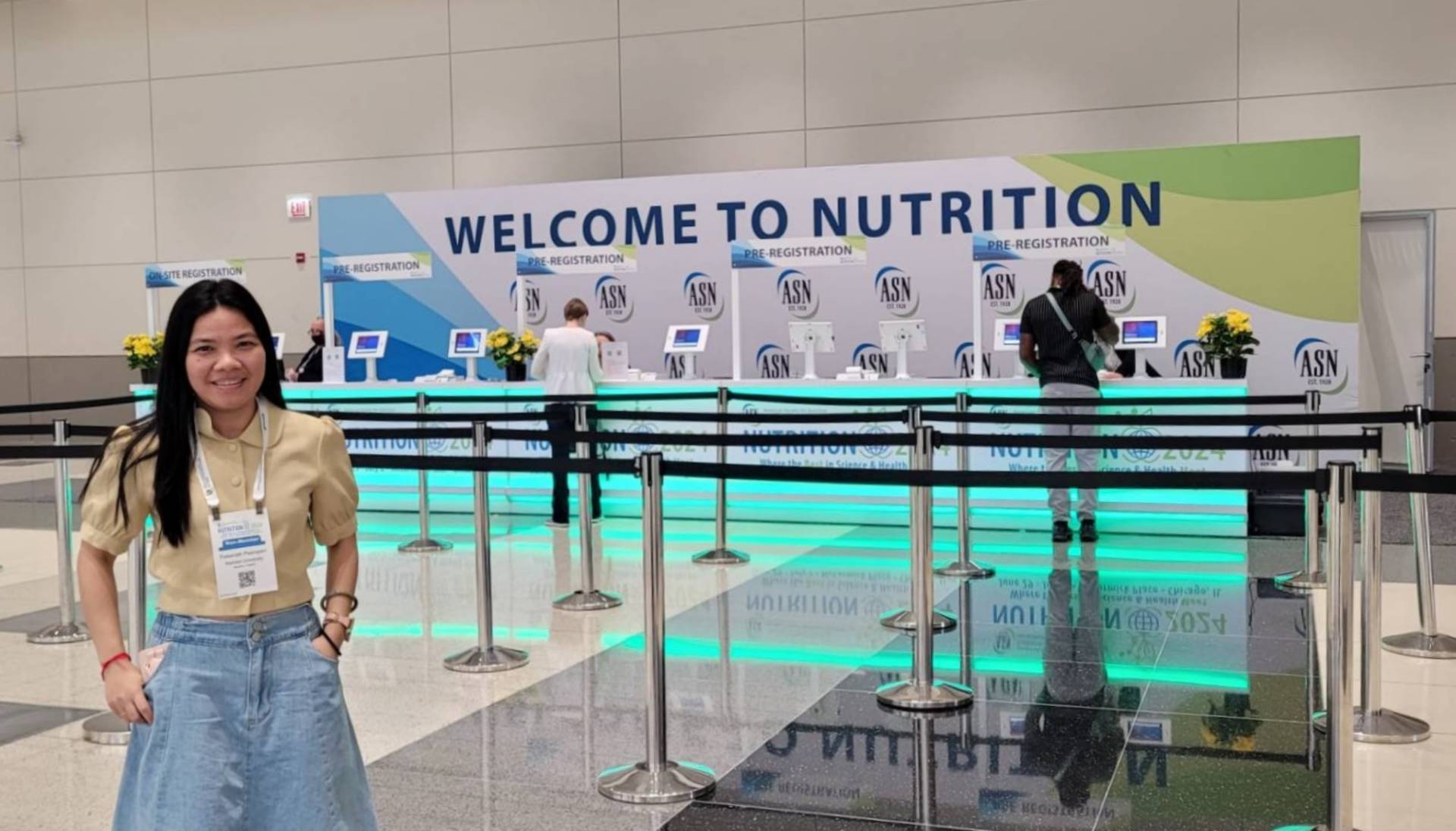
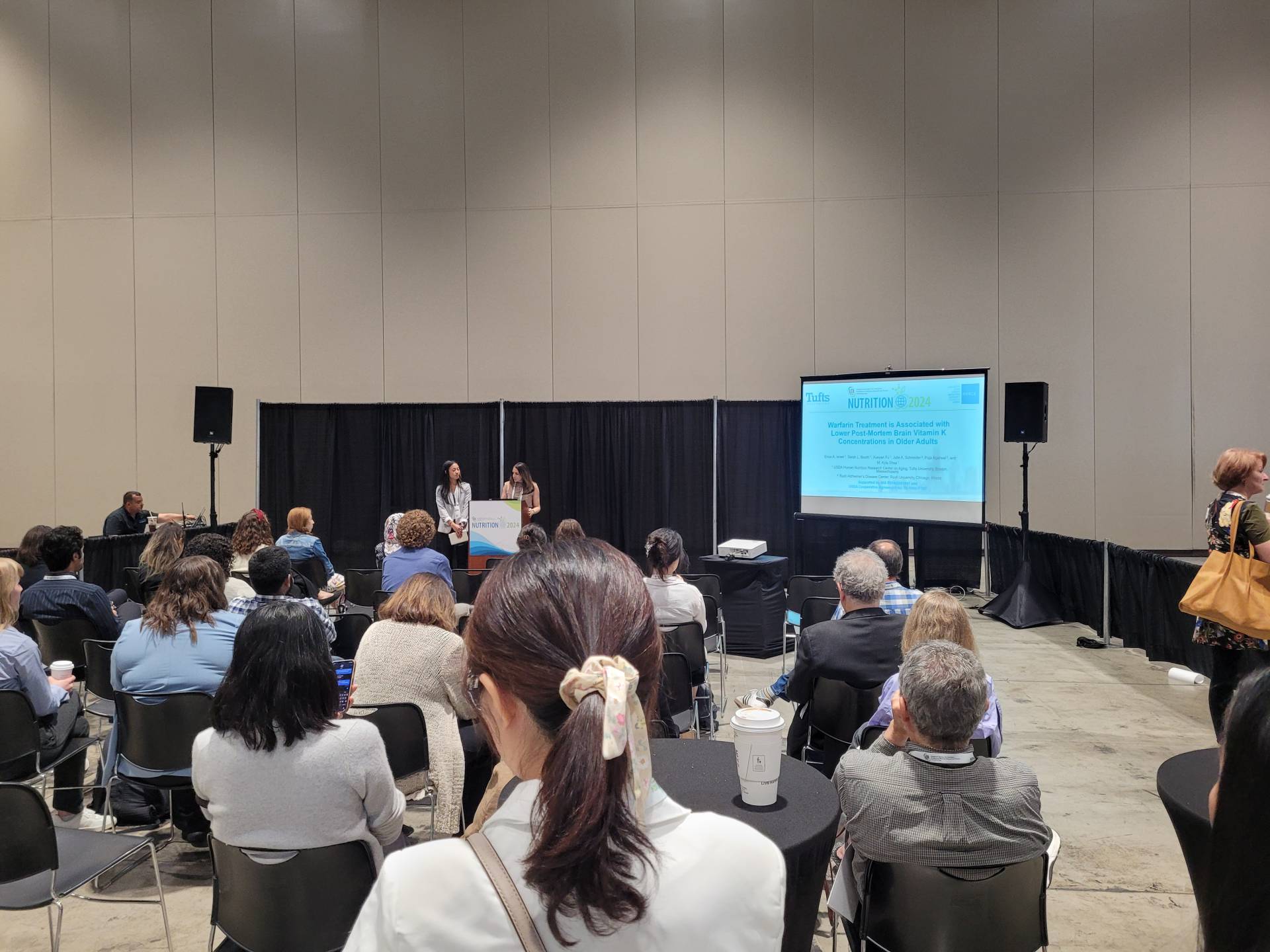
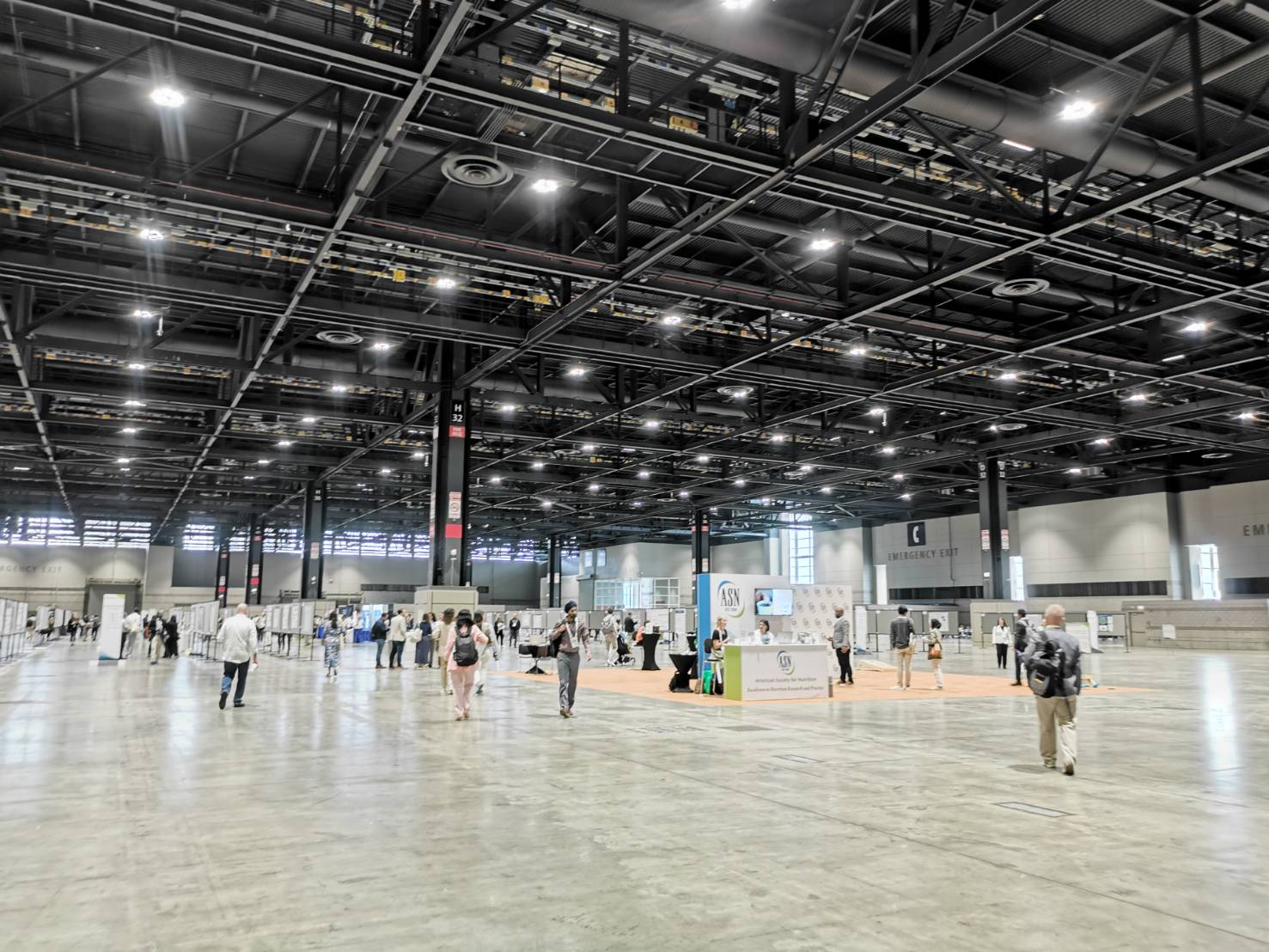
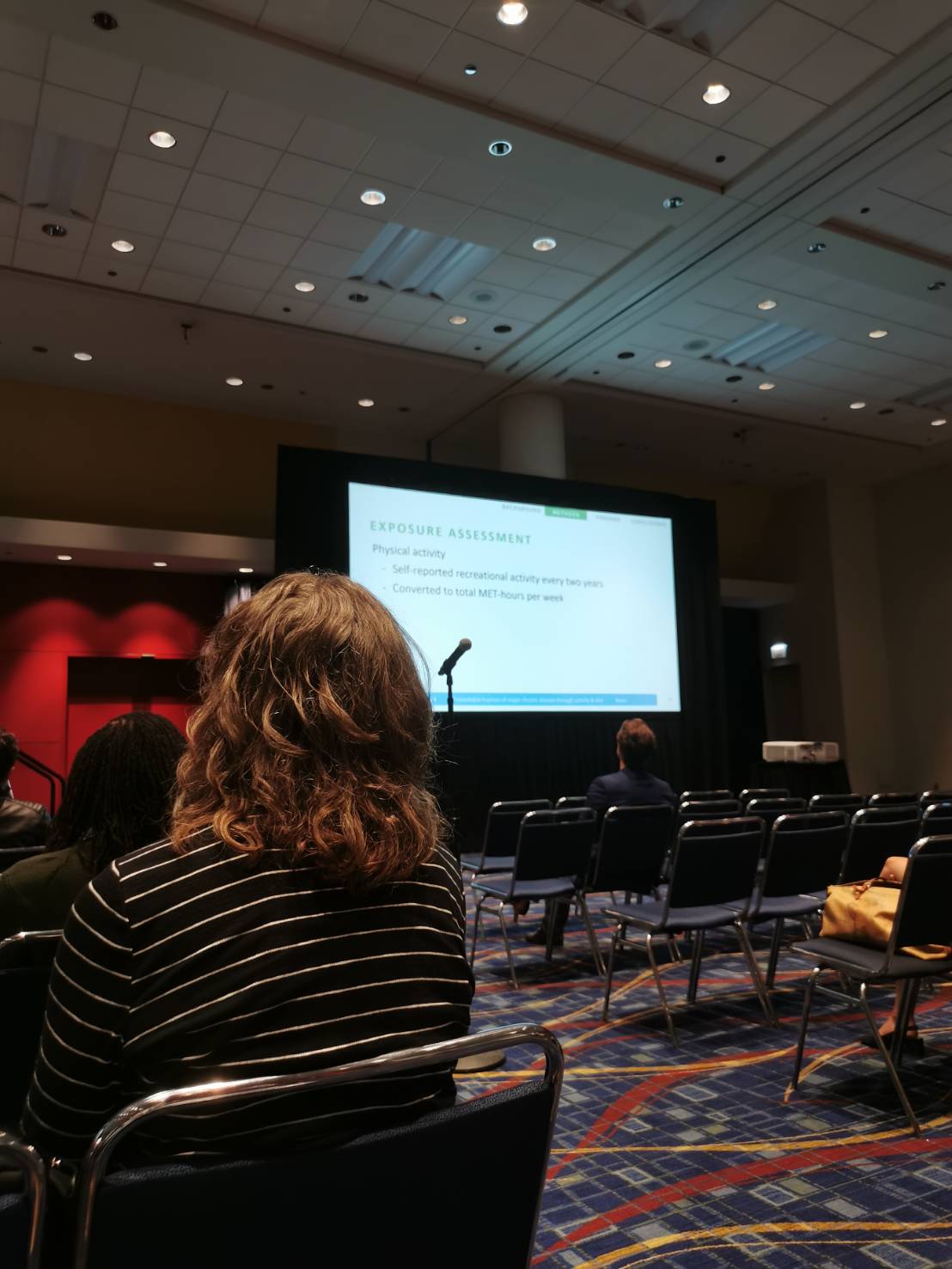
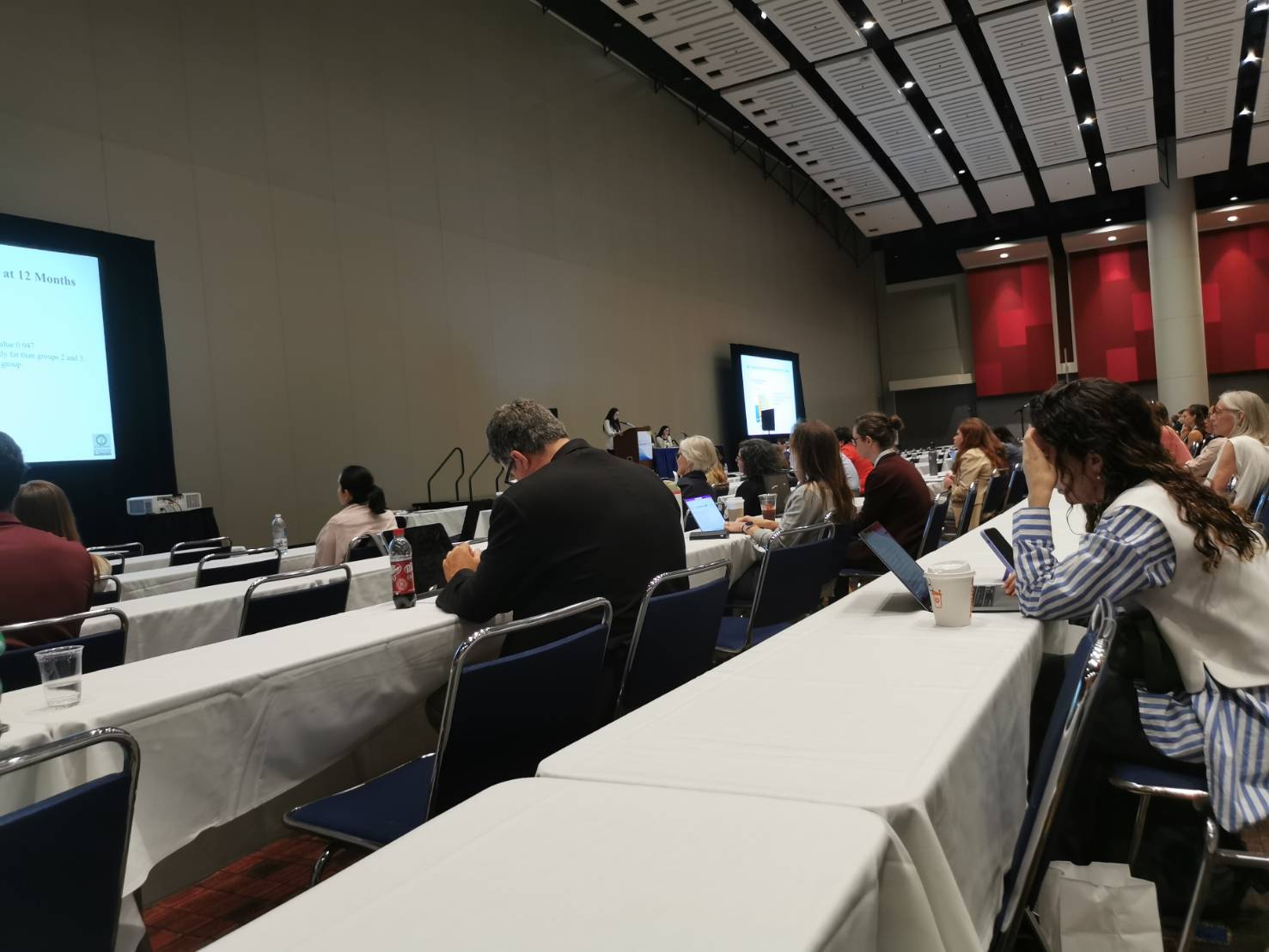
Ms. Paleerath Peerapen, Ph.D., a Level 2 Researcher from the Medical Proteomics Unit, Research Department, Faculty of Medicine Siriraj Hospital, Mahidol University, attended and presented a poster presentation on the topic “Trigonelline prevents high-glucose-induced endothelial-to-mesenchymal transition by suppression of oxidative stress and preservation of ATP and mitochondria function” at the annual meeting, “NUTRITION 2024”, in Chicago, USA, between June 29th – July 3rd, 2024. Her participation not only showcased the research conducted at Siriraj Hospital to the global nutrition community but also provided an opportunity to stay updated with the latest advancements in nutrition research for further development at Siriraj.

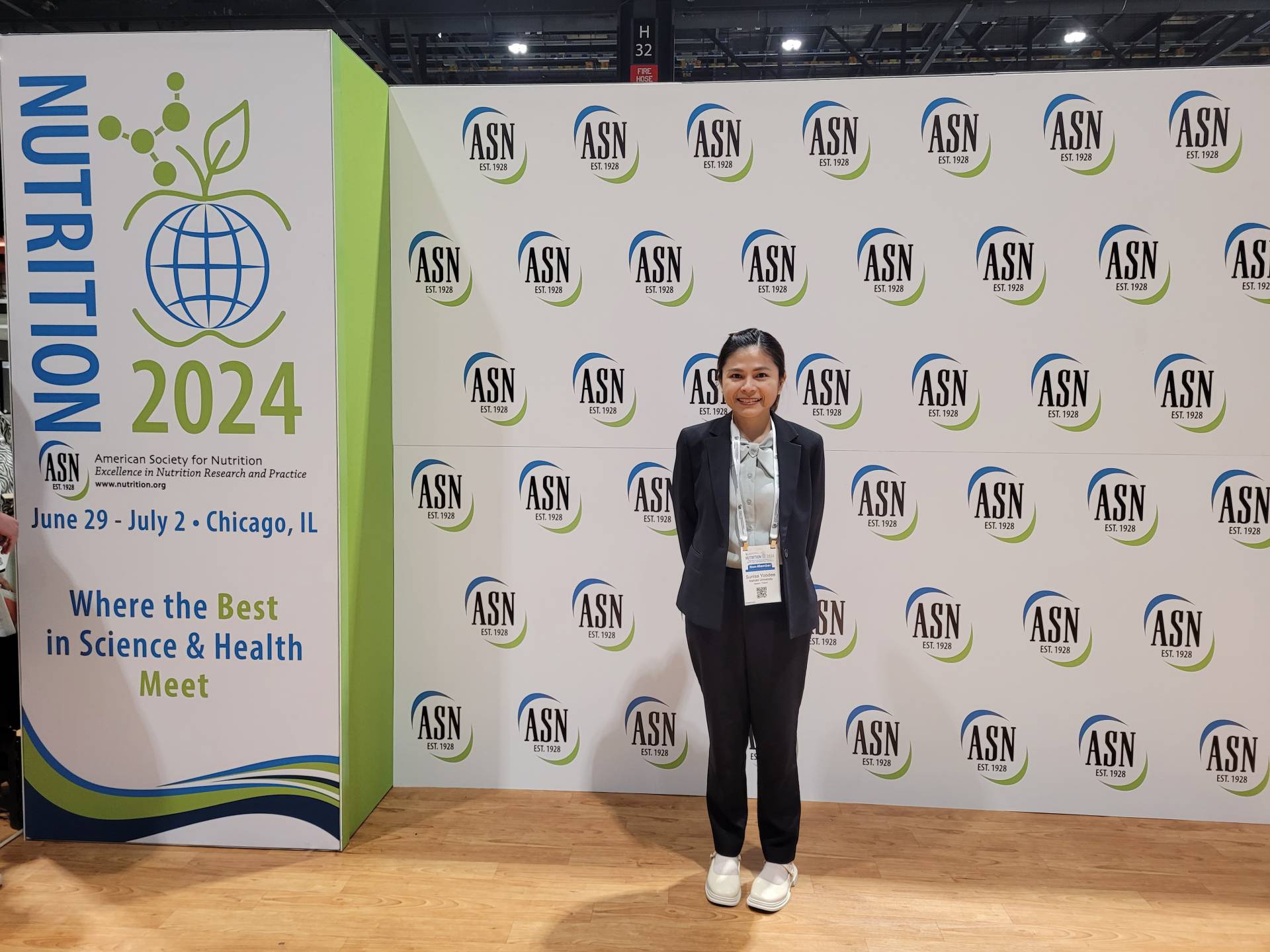
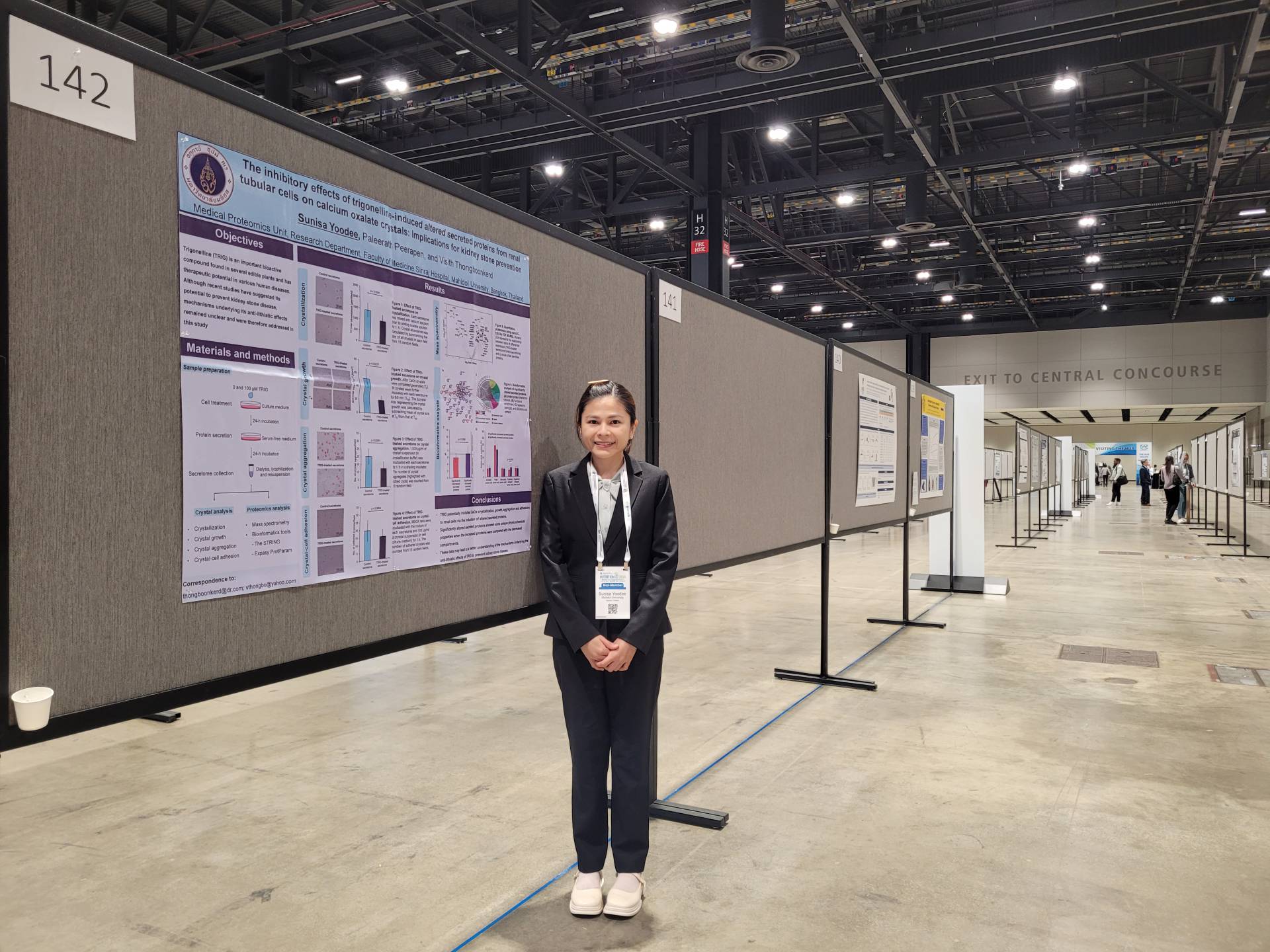
Ms. Sunisa Yoodee, Ph.D., a Level 1 Researcher from the Medical Proteomics Unit, Research Department, Faculty of Medicine Siriraj Hospital, Mahidol University, presented a poster titled “The inhibitory effects of trigonelline-induced altered secreted proteins from renal tubular cells on calcium oxalate crystals: Implications for kidney stone prevention” at the “American Society for Nutrition Annual Meeting – NUTRITION 2024” in Chicago, USA, held from June 29th – July 2nd, 2024. Her participation highlighted Siriraj Hospital’s research within the global nutrition community and facilitated engagement with cutting-edge developments, particularly in the clinical application of bioactive compounds for managing human diseases. This knowledge promises to enhance study methodologies, paving the way for practical medical research advancements at Siriraj.


       Please join us in congratulating Narumol Jariyasopit, Kwanjeera Wanichthanarak, and Assoc. Prof. Dr. Sakda Khoomrung, from the Siriraj Center of Research Excellence in Metabolomic and Systems Biology (SiCORE-MSB), Faculty of Medicine, Siriraj Hospital, Mahidol University, for presenting posters at the 20th Annual Conference of the Metabolomics Society – Metabolomics 2024 in Osaka, Japan. https://www.metabolomics2024.org/session-schedule


4 Poster Presentations:

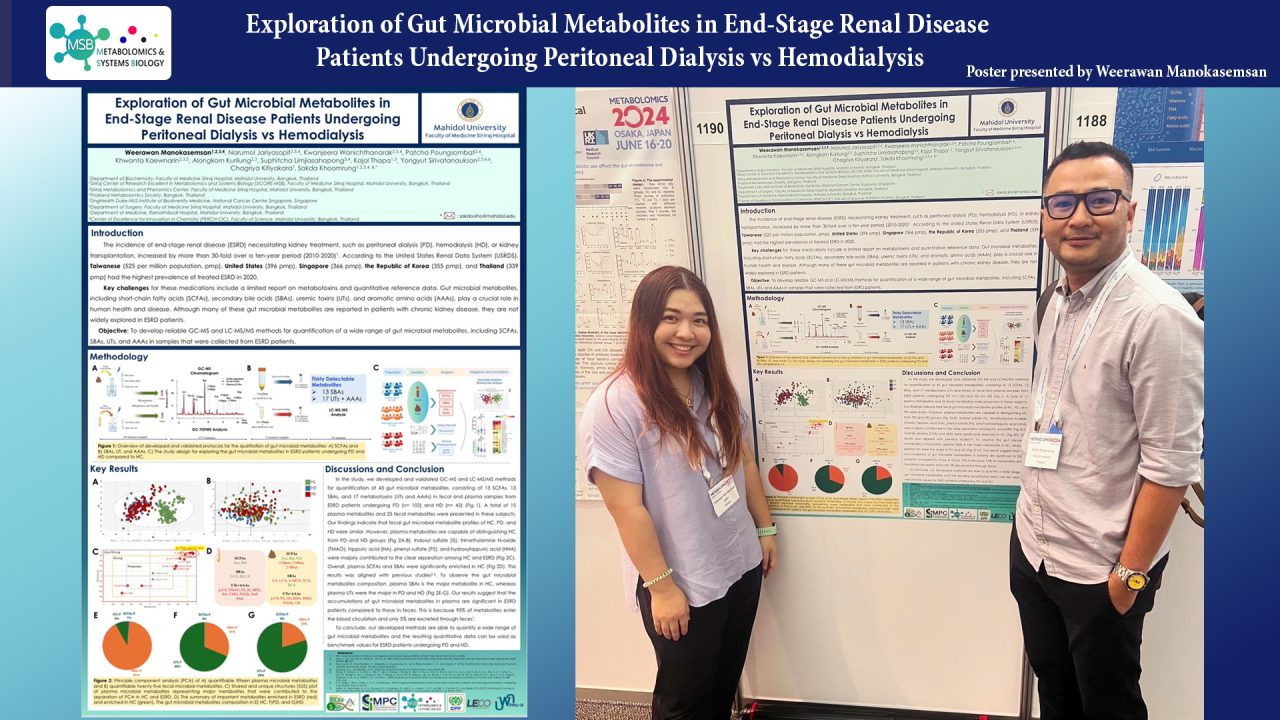
  1. Exploration of Gut Microbial Metabolites in End-Stage Renal Disease Patients Undergoing Peritoneal Dialysis vs Hemodialysis. Poster presented by Weerawan Manokasemsan

       In this study, we developed and validated GC-MS and LC-MS/MS methods for quantifying 43 gut microbial metabolites, including 13 SCFAs, 13 SBAs, and 17 metabotoxins (UTs and AAAS), in fecal and plasma samples from ESRD patients. Our findings indicate that fecal gut microbial metabolite profiles of HC, PD, and HD were similar. However, plasma metabolites can distinguish HC from PD and HD groups. Indoxyl sulfate (IS), trimethylamine N-oxide (TMAO), hippuric acid (HA), phenyl sulfate (PS), and hydroxyhippuric acid (HHA) were major contributors to the clear separation among HC and ESRD. Our results suggest that the accumulation of gut microbial metabolites in plasma is significant in ESRD patients compared to feces, as 95% of metabolites enter the bloodstream, and only 5% are excreted through feces.
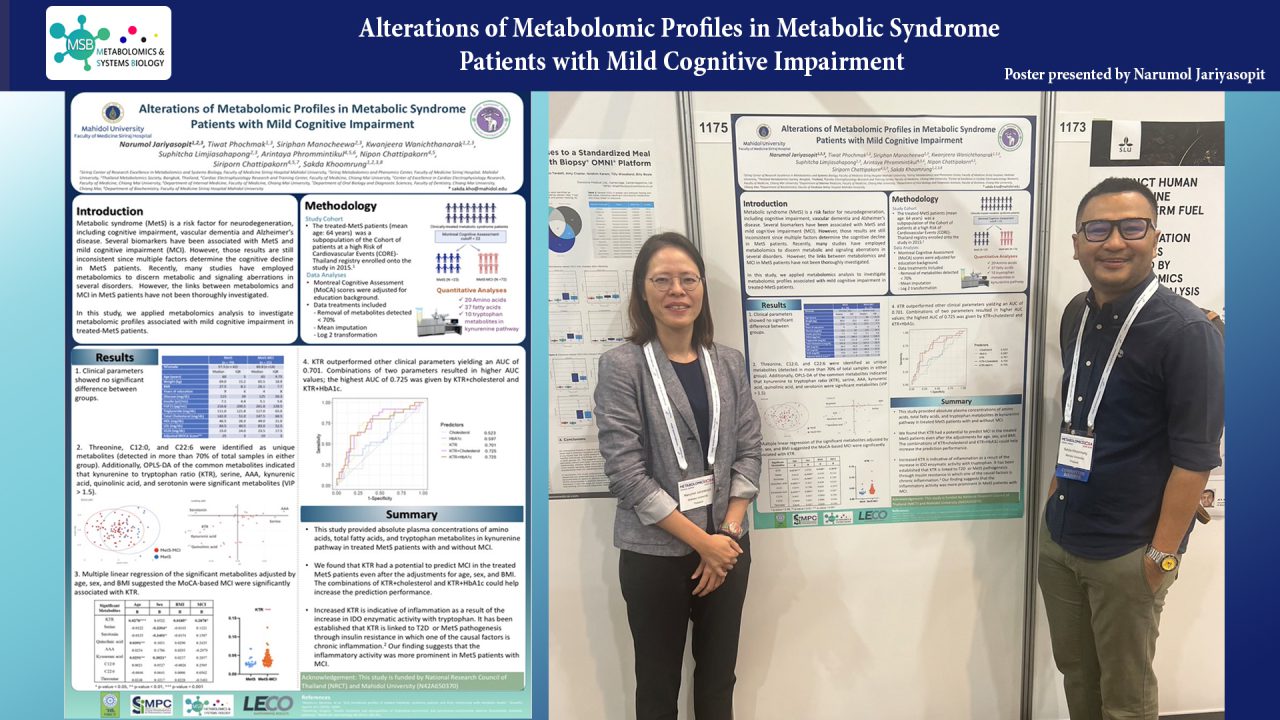
  1. Alterations of Metabolomic Profiles in Metabolic Syndrome Patients with Mild Cognitive Impairment. Poster presented by Narumol Jariyasopit 

       In this study, we provided absolute plasma concentrations of amino acids, total fatty acids, and tryptophan metabolites in the kynurenine pathway in treated MetS patients with and without MCI. We found that KTR has the potential to predict MCI in treated MetS patients, even after adjusting for age, sex, and BMI. Combinations of KTR + cholesterol and KTR + HbA1c could improve prediction performance. Increased KTR indicates inflammation due to increased IDO enzymatic activity with tryptophan. Our findings suggest that inflammatory activity is more prominent in MetS patients with MCI.
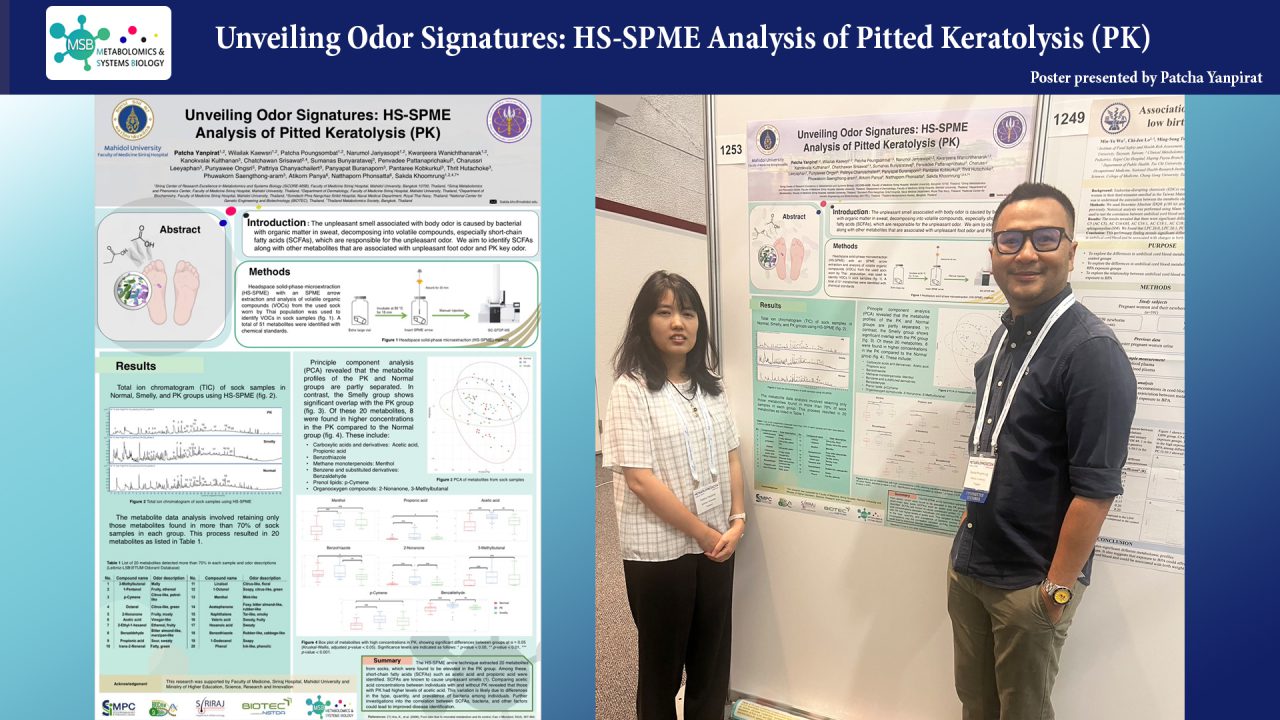
  1. Unveiling Odor Signatures: HS-SPME Analysis of Pitted Keratolysis (PK). Poster presented by Patcha Yanpirat

      In this study, the HS-SPME arrow technique extracted 20 metabolites from socks, which were found to be elevated in the PK group. Short-chain fatty acids (SCFAs) such as acetic and propionic acids were identified among these. SCFAs are known to cause unpleasant odors (1). Comparing acetic acid concentrations between individuals with and without PK revealed higher levels in those with PK, likely due to differences in bacteria type, quantity, and prevalence among individuals. Further investigation into the correlation between SCFAs, bacteria, and other factors could improve disease identification.
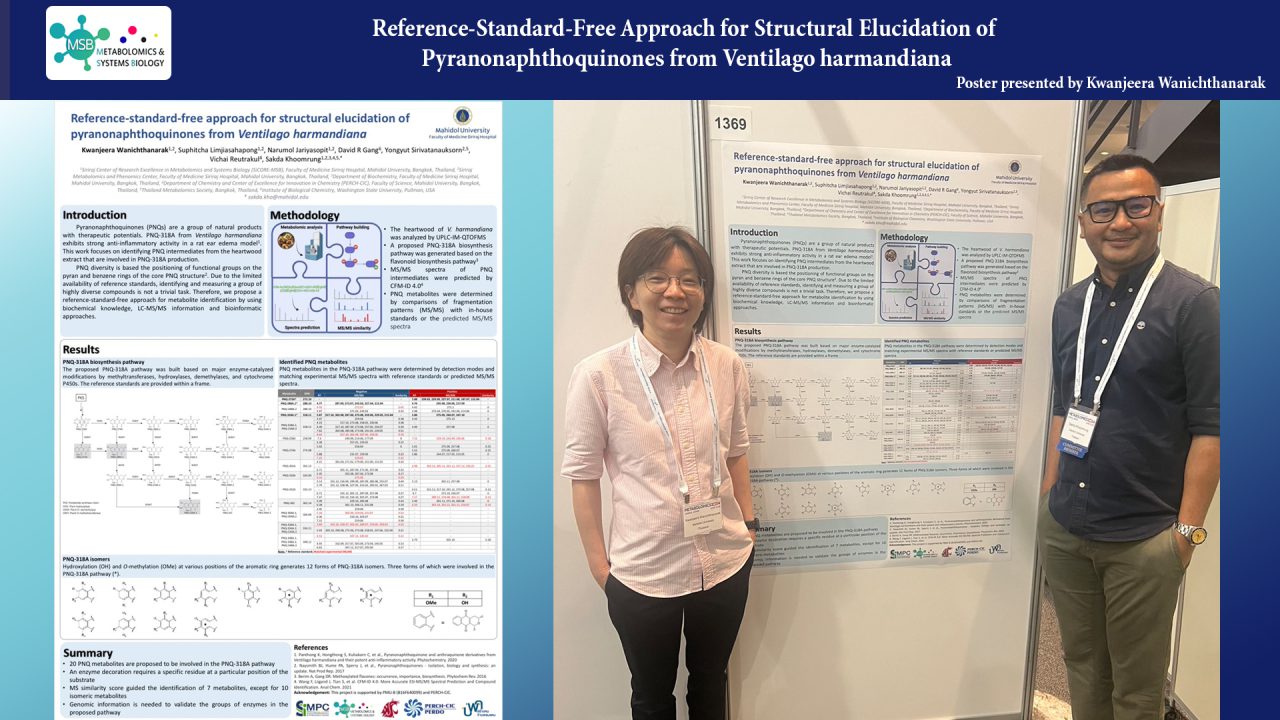
  1. Reference-Standard-Free Approach for Structural Elucidation of Pyranonaphthoquinones from Ventilago harmandiana. Poster presented by Kwanjeera Wanichthanarak.
       In this study, 20 PNQ metabolites are proposed to be involved in the PNQ-318A pathway. An enzyme decoration requires a specific residue at a particular position of the substrate, and the MS similarity score guided the identification of 7 metabolites, except for 10 isomeric metabolites and Genomic information.