https://grants.at/en is Austria’s biggest online database for scholarships and research grants for all academic areas. Financial support options for students, graduates, and researchers range from classical grants and scholarships, allowances, and prizes to extensive national, European and international research support programmes.

In more than 1,200 entries grants.at offers information about

Financial support measures for studying or research for outgoings (Austrians who want to study or pursue research in other countries) and incomings (people who want to come to Austria) and
purely national funding options. The scope of funding providers ranges from international organizations, the European Union, federal governments in Austria and abroad (ministries and administrative organizations), and their provincial governments or municipalities to private foundations, associations, and companies.

For further information and application, please visit: https://grants.at/en/

The Franco – Thai Scholarship Program of the Embassy of France in Thailand aims to support Thai students who intend to study in universities or higher education institutions in France for their Master’s degree or Ph.D. This program is based on a highly selective call for candidates in order to strengthen high-level exchanges between France and Thailand.

For further information and application, please visit http://www.francothai-science.org/scholarships

The Stipendium Hungaricum scholarship programme was established by the Hungarian Government to promote the internationalization of Hungary’s higher education and to attract top foreign students from all around the world who can establish personal and professional attachments to Hungary while enjoying high-quality education in the heart of Europe.

While studying in Hungary, the students will enjoy affordable living costs with a great benefit-cost ratio, a safe and friendly living environment with convenient public transport, a vibrant cultural life, and several UNESCO World Heritage Sites. When the graduates return to their home countries with marketable skills and knowledge, they can build civil, political, and economic relationships, contributing to Hungary’s image and recognition abroad.

For further information and application, please visit: https://stipendiumhungaricum.hu/

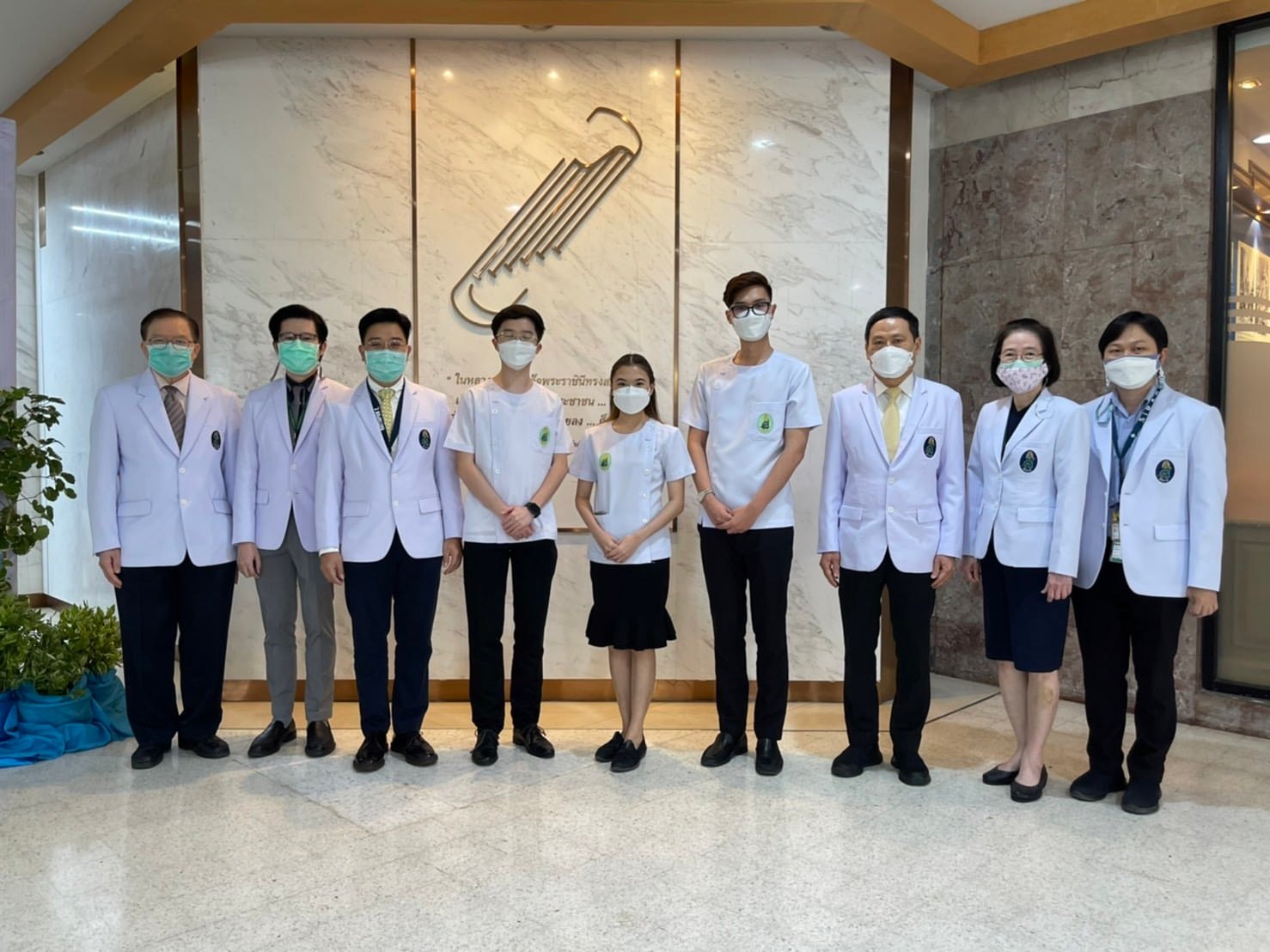
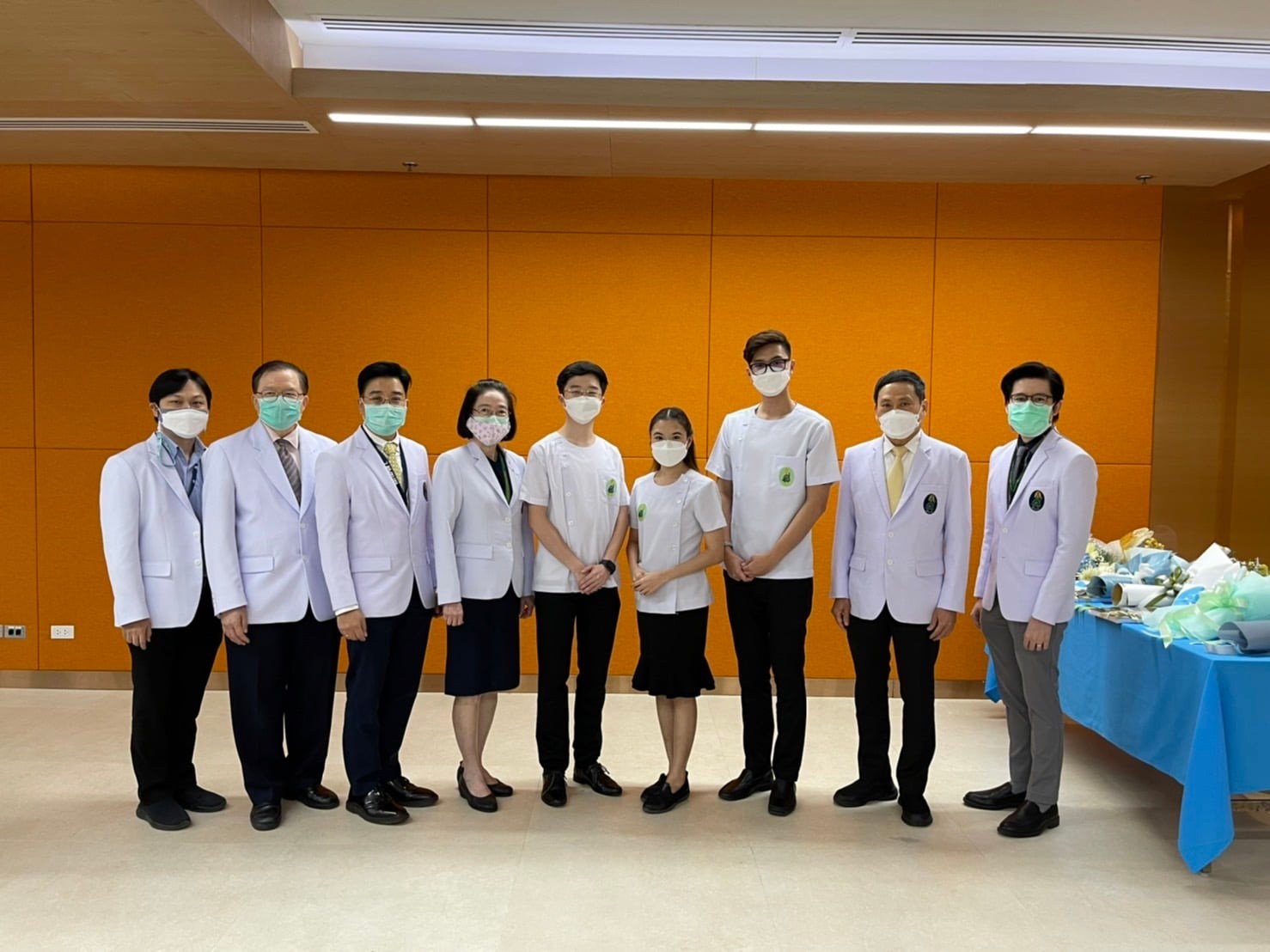
On November 29th, 2021, Clin. Prof. Supat Vanichakarn, Secretary-General of Prince Mahidol Award Foundation under the Royal Patronage; Mr. Thanee Sangratana, Director-General of the Department of Information and Spokesperson of the Ministry of Foreign Affairs; Prof. Vicharn Panich, Chairman of Prince Mahidol Award Youth Program Steering Committee; Prof. Apichat Asavamongkolkul, Chairman of Prince Mahidol Award Youth Program Working Committee; and Prof. Sompop Limpongsanurak, Chairman of Prince Mahidol Award Youth Program Selection Committee, issued a press release on the result of Prince Mahidol Award Youth Program scholarship recipients 2021 at the Chulabhorn conference room, Syamindra Building 2nd floor, Faculty of Medicine Siriraj Hospital, Mahidol University.

The names of five scholarship recipients 2021 of Prince Mahidol Award Youth Program are as follows:

Ms. Nicharee Monkongpitukkul, Faculty of Medicine Siriraj Hospital, Mahidol University
Mr. Nontapat Sukhonpanich, Faculty of Medicine Siriraj Hospital, Mahidol University
Mr. Pharanyoo Osotthanakorn, Faculty of Medicine Ramathibodi Hospital, Mahidol University
Mr. Phurin Areesawangkit, Faculty of Medicine Siriraj Hospital, Mahidol University
Mr. Yossawat Suwanlikit, Faculty of Medicine Ramathibodi Hospital, Mahidol University

Thirteen applicants from six institutes were nominated for Prince Mahidol Award Youth Program in 2021. Only five successful applicants meet the criteria of the Prince Mahidol Award Youth Program. The Selection Committee selected the scholarship recipients and presented to the Board of Trustee which HRH Princess Maha Chakri Sirindhorn is a President. The final decision was made on October 26th, 2021.

Prince Mahidol Award Youth Program has been established on November 20th, 2008. The program aims to inspire and facilitate Thai youth students in the health fields to pursue their dedicated life for the benefit of humankind following the footsteps of HRH Prince Mahidol of Songkla. The steering committee, the working committee, and the selection committee are responsible for selecting the applicants who meet the program’s criteria and presenting their names to the Board of Trustees, which HRH Princess Maha Chakri Sirindhorn is a President, for a final decision.

On behalf of the Faculty of Medicine Siriraj Hospital, Mahidol University, we would like to congratulate three outstanding Siriraj’s medical students as follows:

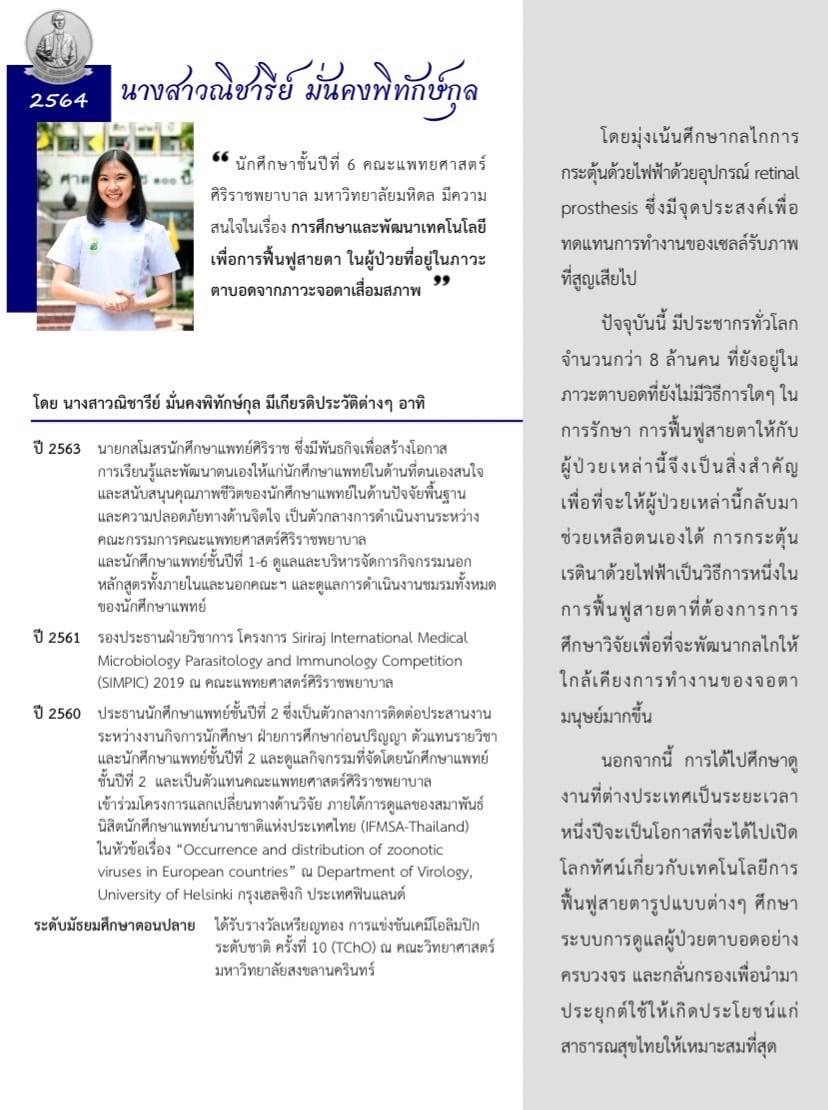
Ms. Nicharee Monkongpitukkul
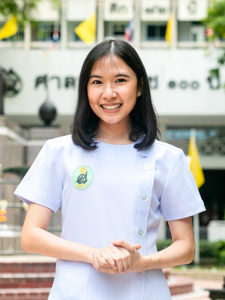
Ms. Nicharee Monkongpitukkul is a sixth-year medical student at the Faculty of Medicine Siriraj Hospital, Mahidol University. Her project entitled “The optimal stimulation strategies of retinal prosthesis as a solution to restore vision in untreatable blind patients”. Ms. Monkongpitukkul is interested in vision restoration technology to bring the sight back to the blind for untreatable blind patients, especially from retinal degenerative diseases, i.e., retinitis pigmentosa. The study will focus on developing the device “retinal prosthesis” aiming to restore the function of damaged photoreceptors. The optimized mechanism of electrical retinal stimulation will gain more data to improve the efficacy of retinal prosthesis, helping blind patient maintain their quality of living.

Ms. Nicharee Monkongpitukkul has received honors and awards as the followings:

2020 President of Siriraj Medical Student Union (SMSU): Leading team towards the mission to create space for learning and improve quality of life of medical students in terms of physical needs and emotional safety, being the coordinator between medical students and faculty executive committee and facilitating extracurricular activities and clubs held by medical students.

2018 Vice President of academic affairs of Siriraj International Medical Microbiology Parasitology and Immunology Competition (SIMPIC) 2019 at Faculty of Medicine Siriraj Hospital, Mahidol University

2017 President of the second-year medical student, being the coordinator between Siriraj’s student affairs, academic affairs, and medical student union and facilitating the activities held by the second-year medical students; Representative of second-year medical students to attend the IFMSA research exchange program at Department of Virology, University of Helsinki, Finland for one month under the research topic “Occurrence and distribution of zoonotic viruses in European countries”.

2014 Gold medalist from the 10th Thailand Chemistry Olympiad at Faculty of Sciences, Prince of Songkhla University

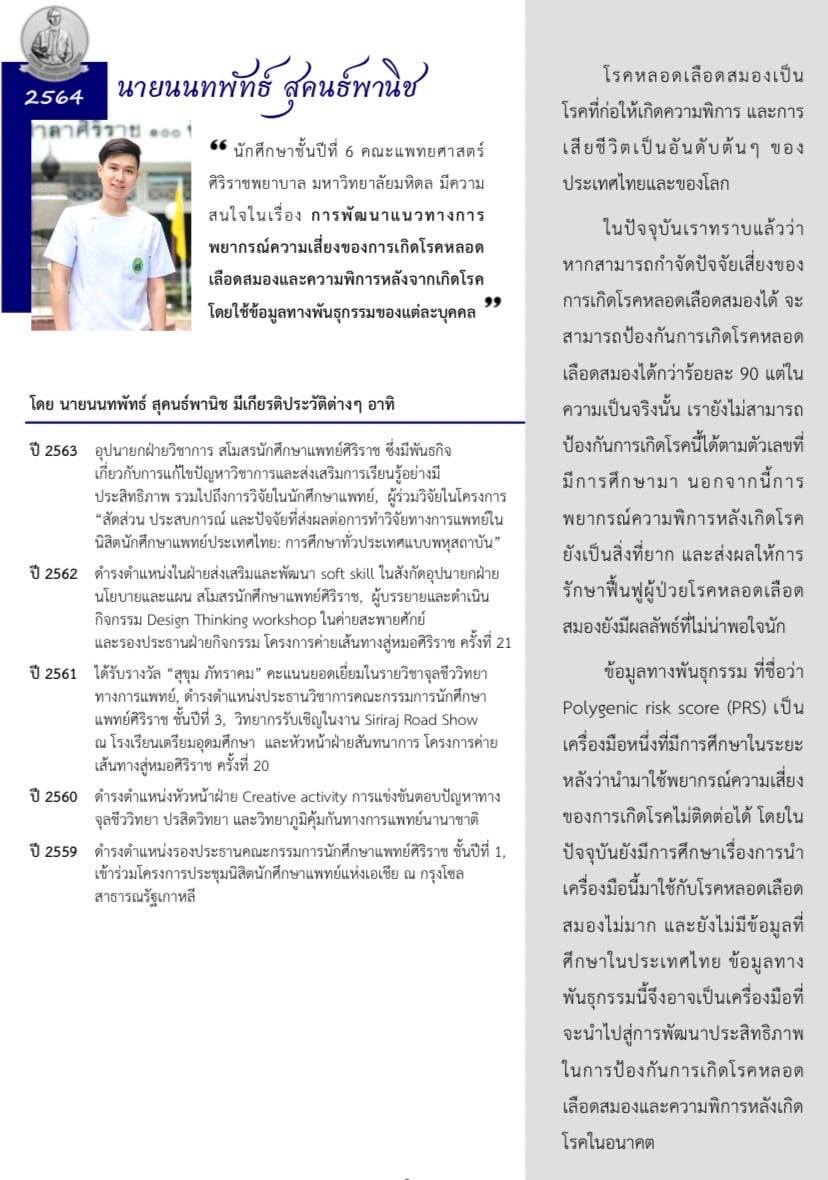
Mr. Nontapat Sukhonpanich
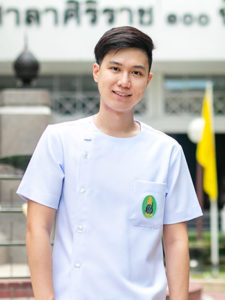
Mr. Nontapat Sukhonpanich is a sixth-year medical student at the Faculty of Medicine Siriraj Hospital, Mahidol University. He is interested in “Genetic variation in stroke – a novel approach for precision public health in Thailand”. Stroke accounted for the top-rank contributor to death and disability in Thailand and worldwide. At present, we already know that we would be able to prevent around 90% of stroke if we could eradicate all the risk factors. But in reality, we could not reach that goal yet.

Moreover, predicting the stroke outcome is more difficult in clinical practice, making the rehabilitation outcome unfavorable. The polygenic risk score (PRS) is a risk prediction tool that has been more recognized as a potential tool to predict the risk of diseases, including stroke. However, there are fewer studies on PRS and stroke, and currently none in individual’s Thai population. This genetic information could lead to the improvement in stroke prevention and functional outcome of the patients in the future.

Mr. Nontapat Sukhonpanich has received honors and awards as followings:

2020 Vice President of the academic affair, Siriraj Medical Student Union, which aimed to help medical students solve academic issues, facilitate effective learning, promote medical student engagement in research; Currently conducting “Proportion, Experiences, and Associated Factors of Conducting Medical Research among Medical Students in Thailand: A nationwide multicentre study”.

2019 Executive committee of strategy and planning affair, Siriraj Medical Student Union; Moderator of Design Thinking Workshop, SMSU camp; Vice president of activity,
the 21st Siriraj Medical Camp

2018 “Sukhum Pattarakom Award”, highest overall score in medical microbiology; President of the academic affair, SI127 Student Committee; Invited speaker at Triam Udom Suksa School, Siriraj Road Show; Head of recreation activity, the 20th Siriraj Medical Camp

2017 Head of creative activity, Siriraj International Medical Microbiology,
Parasitology and Immunology Competition (SIMPIC)

2016 Vice-president, SI127 Student Medical Students’ Conference at Seoul, South Korea

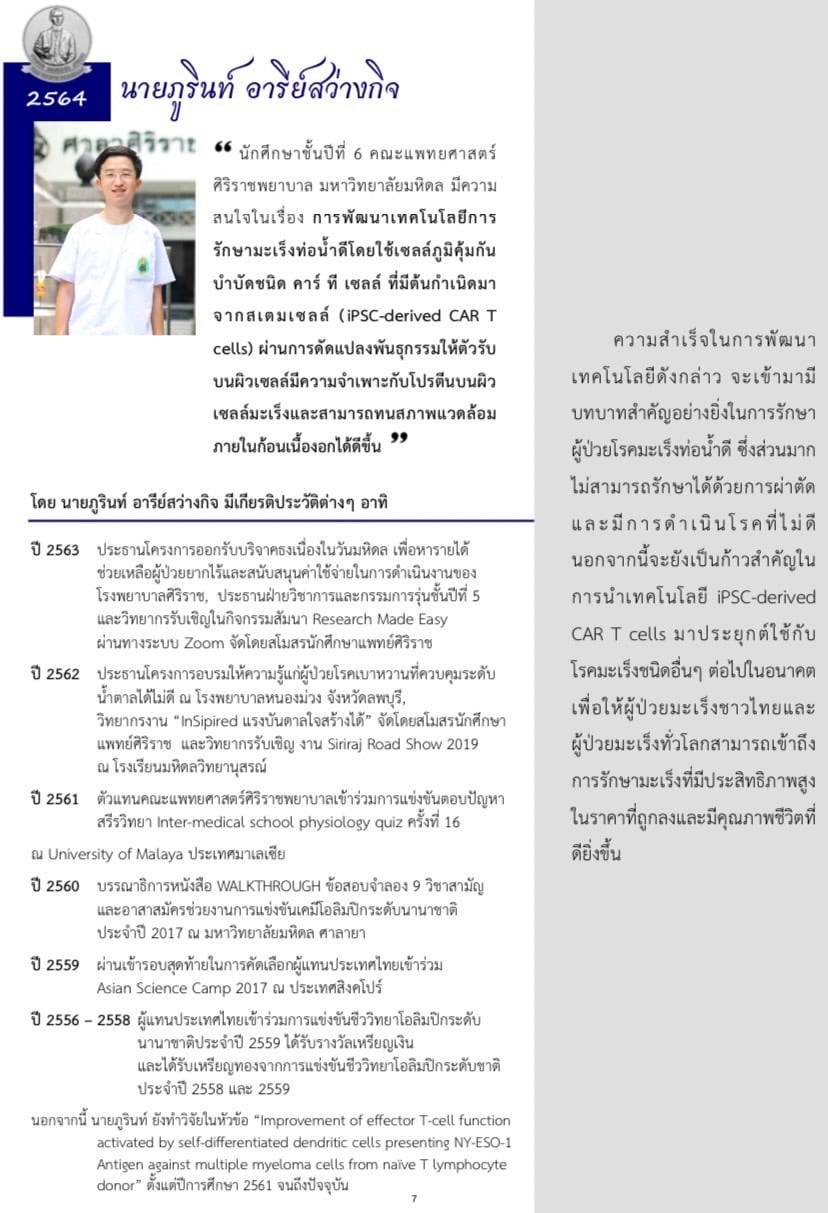
Mr. Phurin Areesawangkit
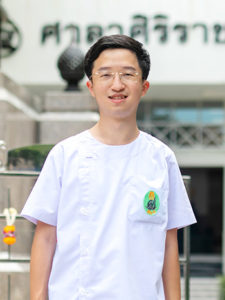
Mr. Phurin Areesawangkit is a sixth-year medical student at the Faculty of Medicine, Siriraj Hospital, Mahidol University. His project is entitled “Generation of induced pluripotent stem cells-derived CAR T cell therapy for a treatment of CD-133 in unresectable cholangiocarcinoma patients”. Mr. Areesawangkit is interested in developing the novel treatment of Cholangiocarcinoma using induced pluripotent stem cell-derived CAR T cells (iPSC-derived CAR T cells) which will be genetically engineered to have specificity against tumor-specific antigens and can function in immunosuppressive tumor microenvironments. Successful development of this technology will play an important role in the treatment of cholangiocarcinoma, which is mostly unresectable and will be a great step towards the application of iPSC-derived CAR T cell against other types of cancers. This will allow cancer patients, both in Thailand and around the world, to reach an effective treatment of cancer at reasonable prices.

Mr. Phurin Areesawangkit has received honors and awards as follows:

2020 President of Mahidol Day Fundraising Campaign 2020 to provide financial support to patients who cannot afford their medical expenses; President of academic division and 5th-year medical student committee; a guest speaker of an online seminar ‘Research Made Easy’ held by Siriraj Medical Student Union (SMSU).

2019 President of Teaching Project for poorly controlled type 2 diabetes patients at Nong Muang Hospital, Lopburi. He was one of the speakers of the ‘InSipired’ talk held by SMSU and was invited as a guest speaker of Siriraj Road Show 2019 at Mahidol Wittayanusorn school.

2018 Representative of Faculty of Medicine, Siriraj Hospital, Mahidol University in an Inter-Medical School Physiology Quiz 2018 at University of Malaya, Malaysia.

2017 One of the writers and the editor of “WALKTHROUGH, simulated seven subjects test” book and was a liaison of an International Chemistry Olympiad 2017 at Mahidol University, Thailand

2016 He passed to the final round of Thailand’s representative selecting process for Asian Science Camp 2017, Singapore

2013 – 2015 Representative of Thailand in an International Biology Olympiad 2016 and received the silver medal. He also received gold medals from Thailand Biology Olympiad 2015 and 2016.

Apart from this, Mr. Phurin has been working on a research project, “Improvement of effector T-cell function activated by self-differentiated dendritic cells presenting NY-ESO-1 Antigen against multiple myeloma cells from naïve T lymphocyte donor” from 2018 until now.
 

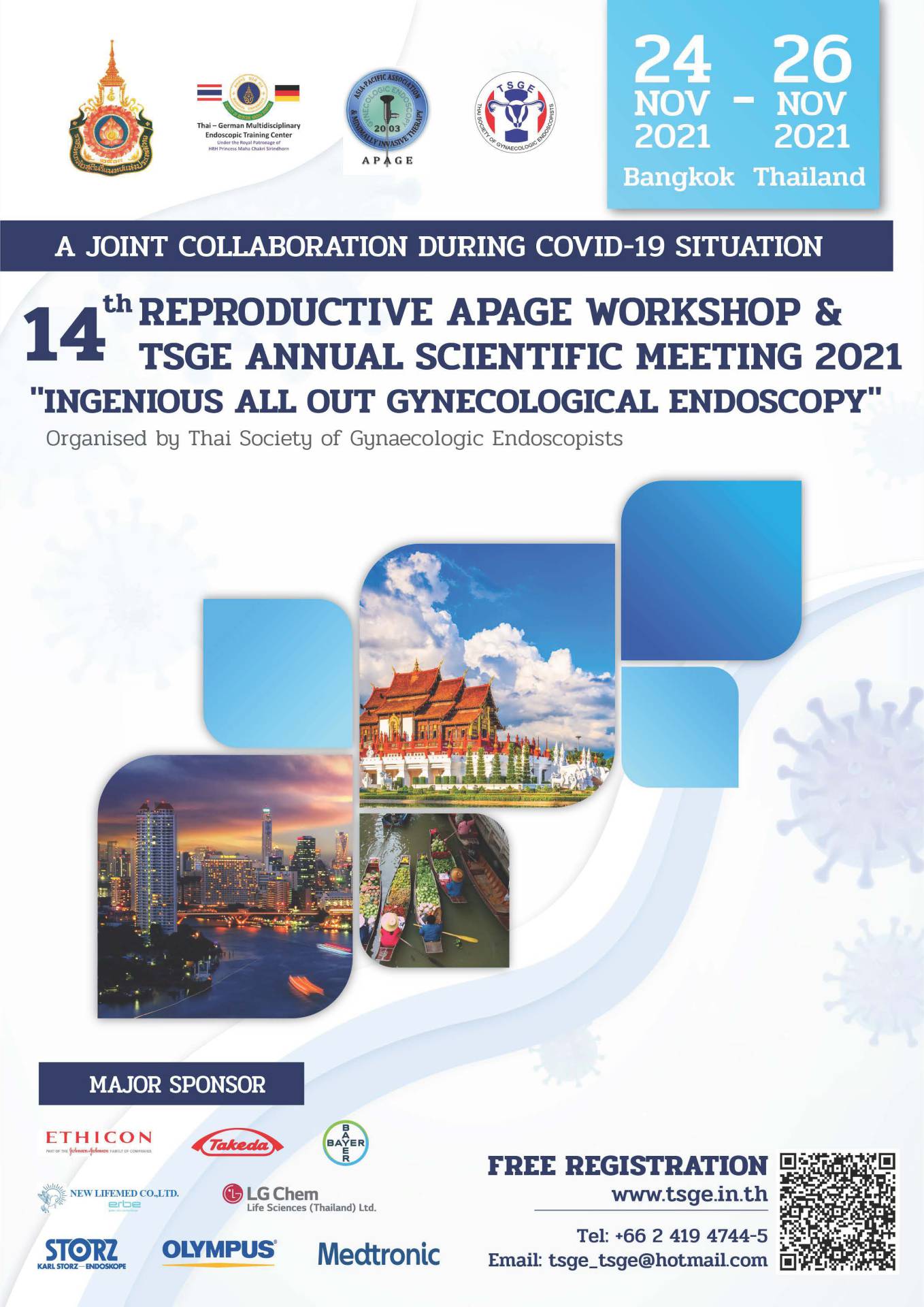
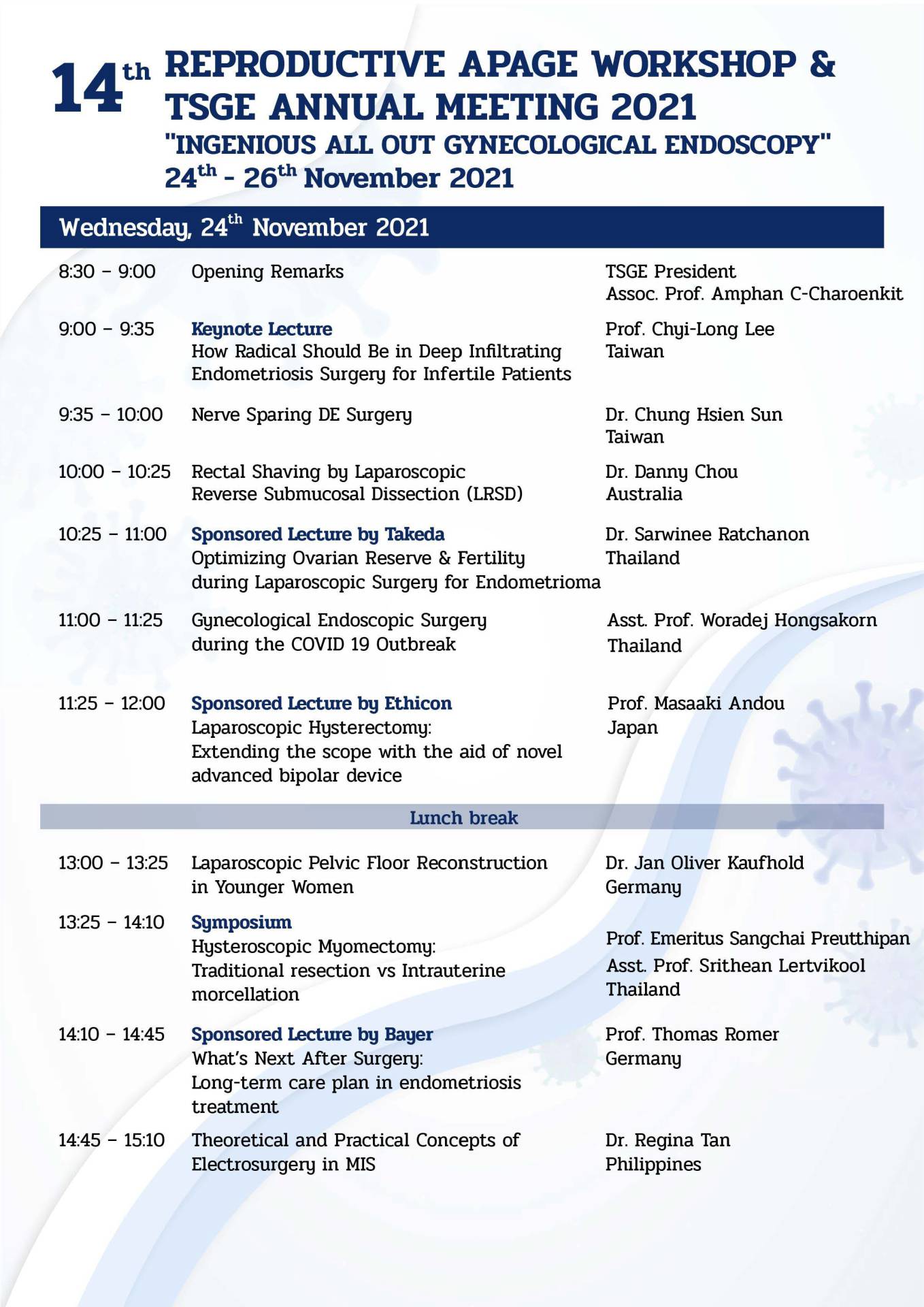
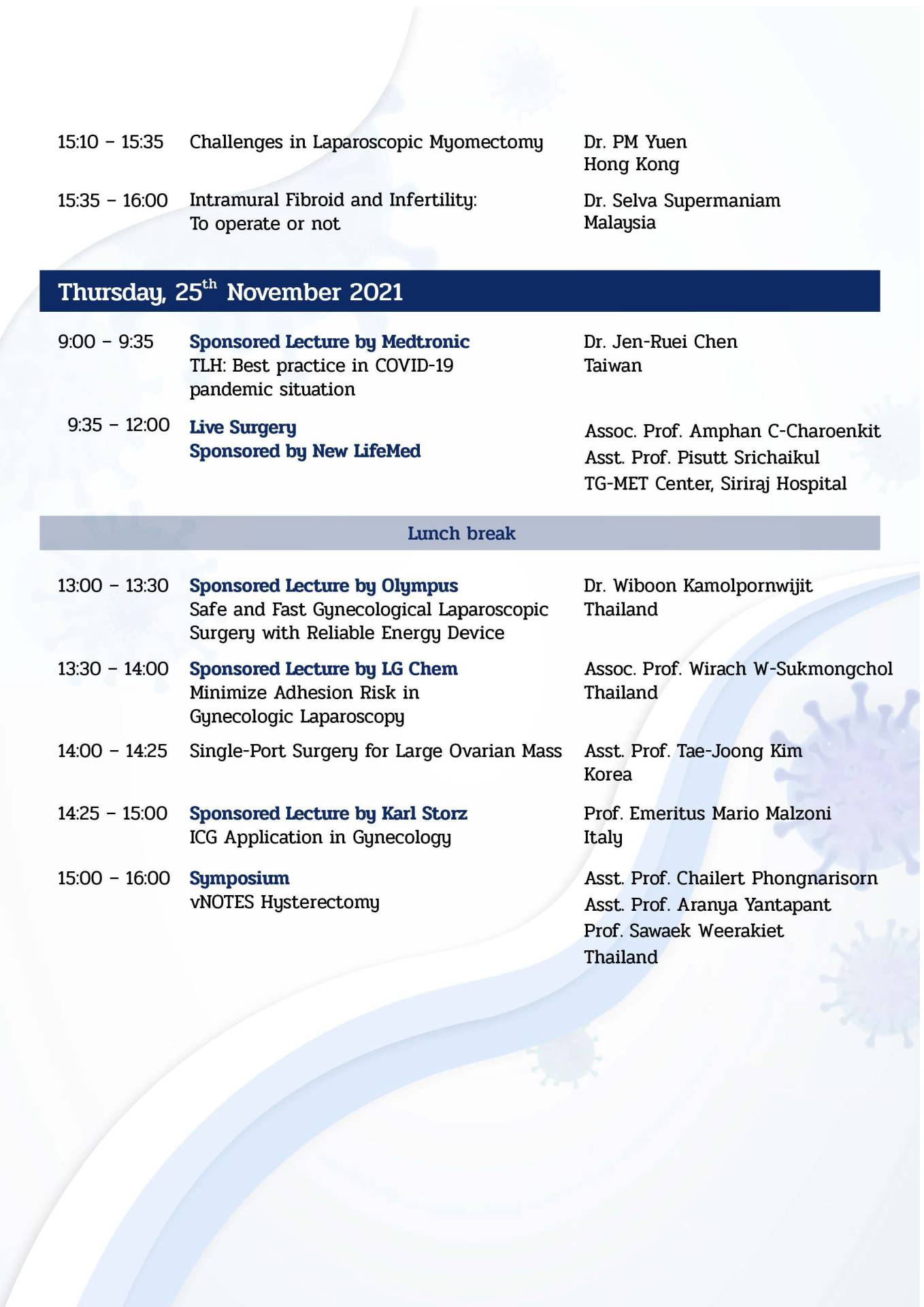
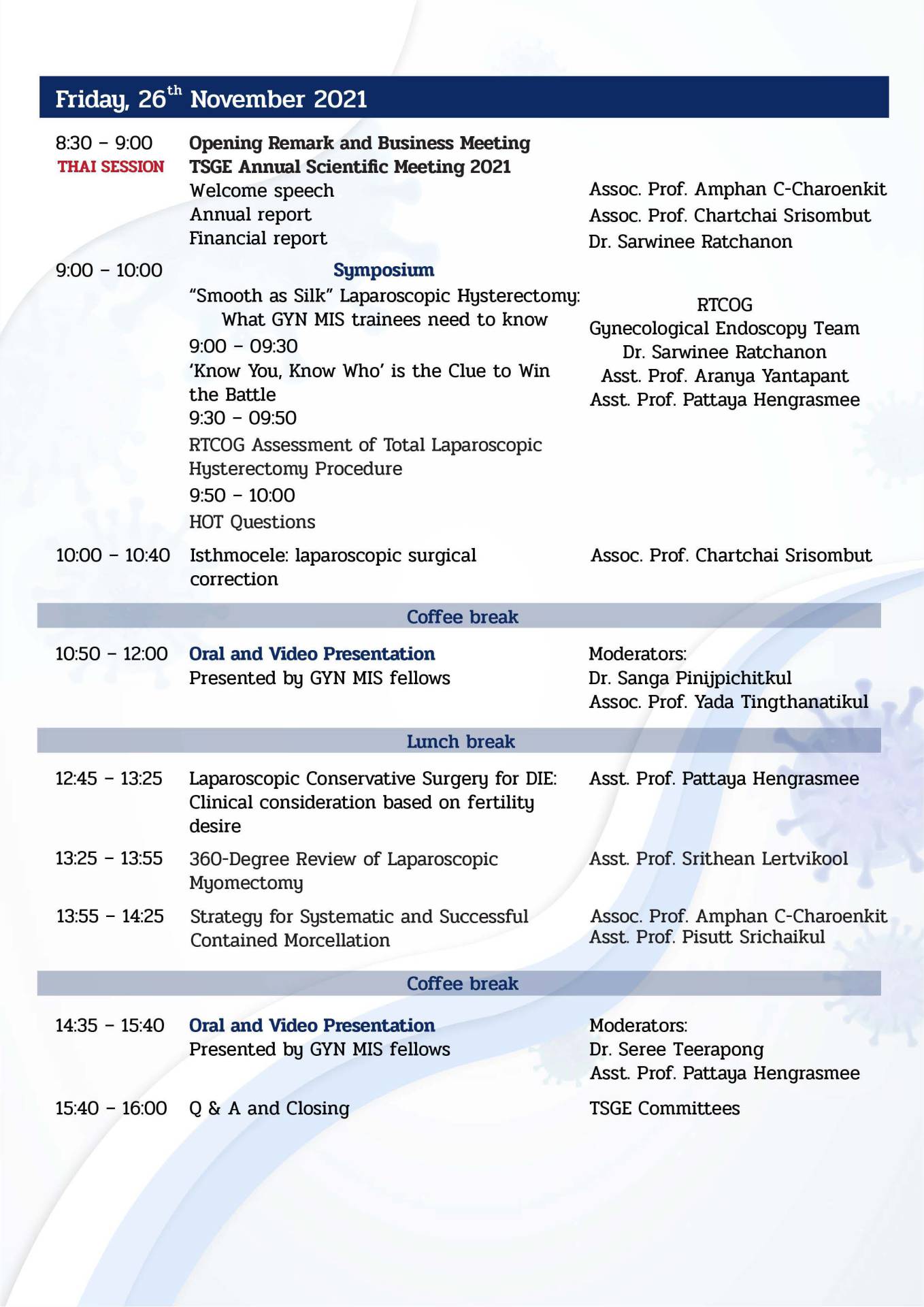
The Thai Society of Gynaecologic Endoscopists welcomes everyone to the annual scientific meeting “The 14th APAGE Reproductive Workshop” in the virtual format under the theme “Ingenious All-Out Gynecological Endoscopy” from November 24th – 26th, 2021. The meeting will be held in English session and free of charge to promote more international recognition of our society.

In this event, the guest speakers are well-known international and Thai MIS experts. Apart from interesting talks and symposiums, this event also prepared a live broadcast surgery! In addition, the meeting offers an opportunity for Thai gynecological endoscopy trainees to participate and present their works in the form of oral and video presentations to show off their potential and fulfill the fellowship training requirements.

This joint-organized meeting by APAGE-TSGE is worth participating in for everyone. For more information and registration, please visit: https://www.tsge.in.th/annual-meeting

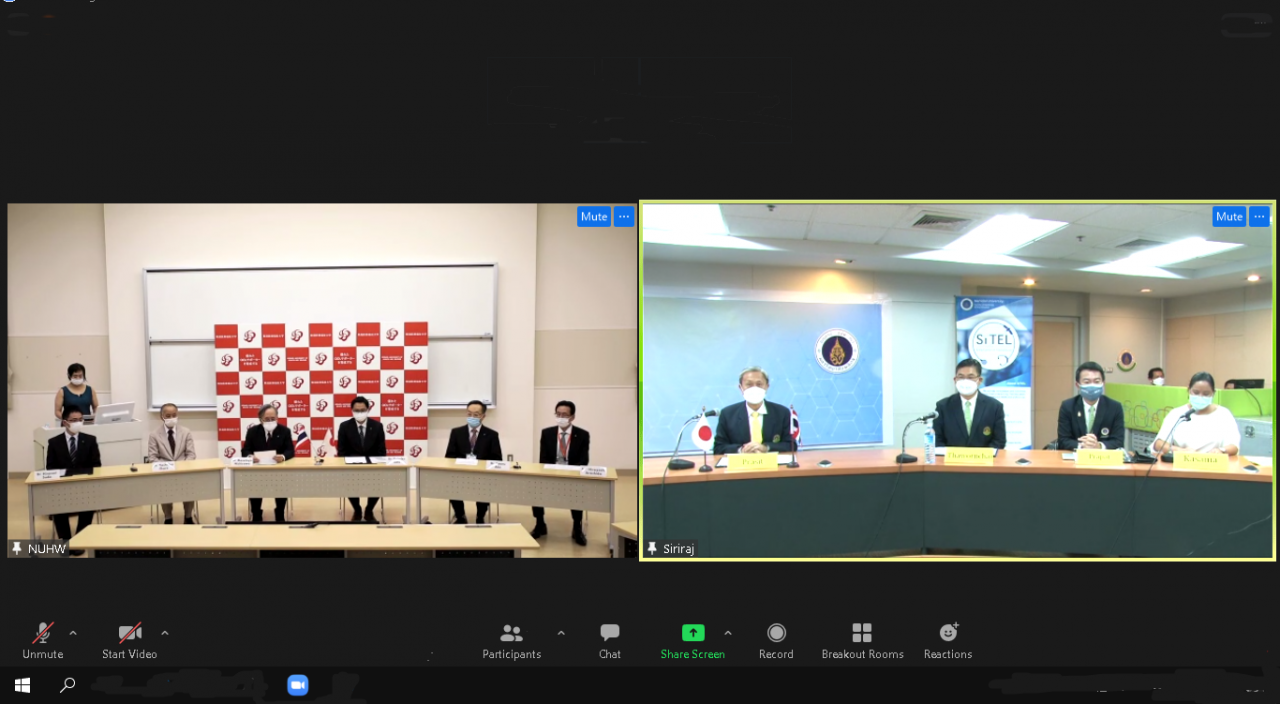
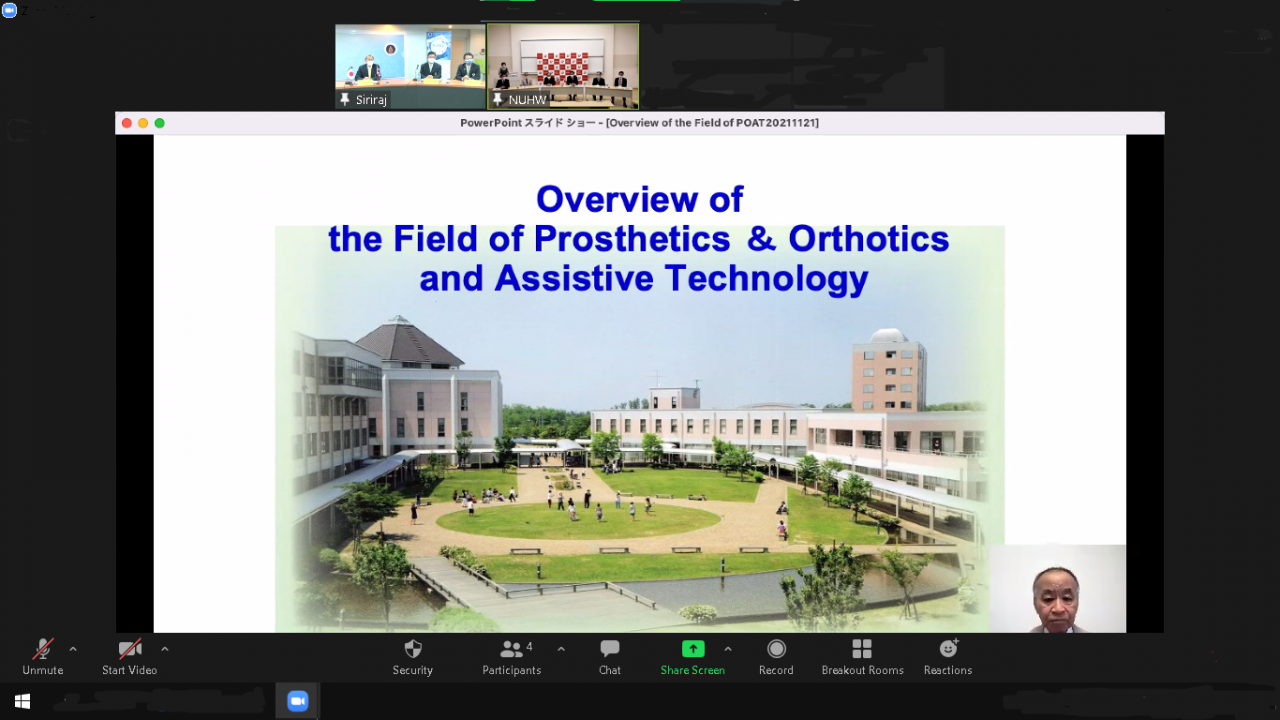
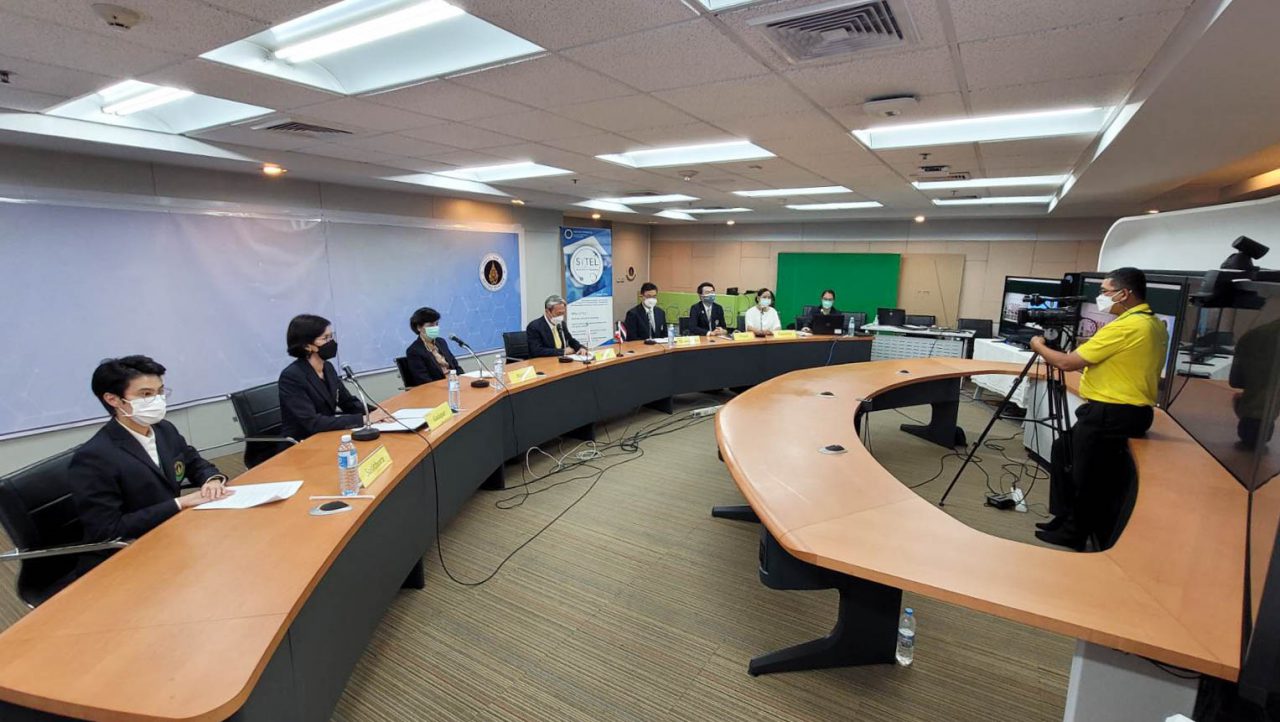
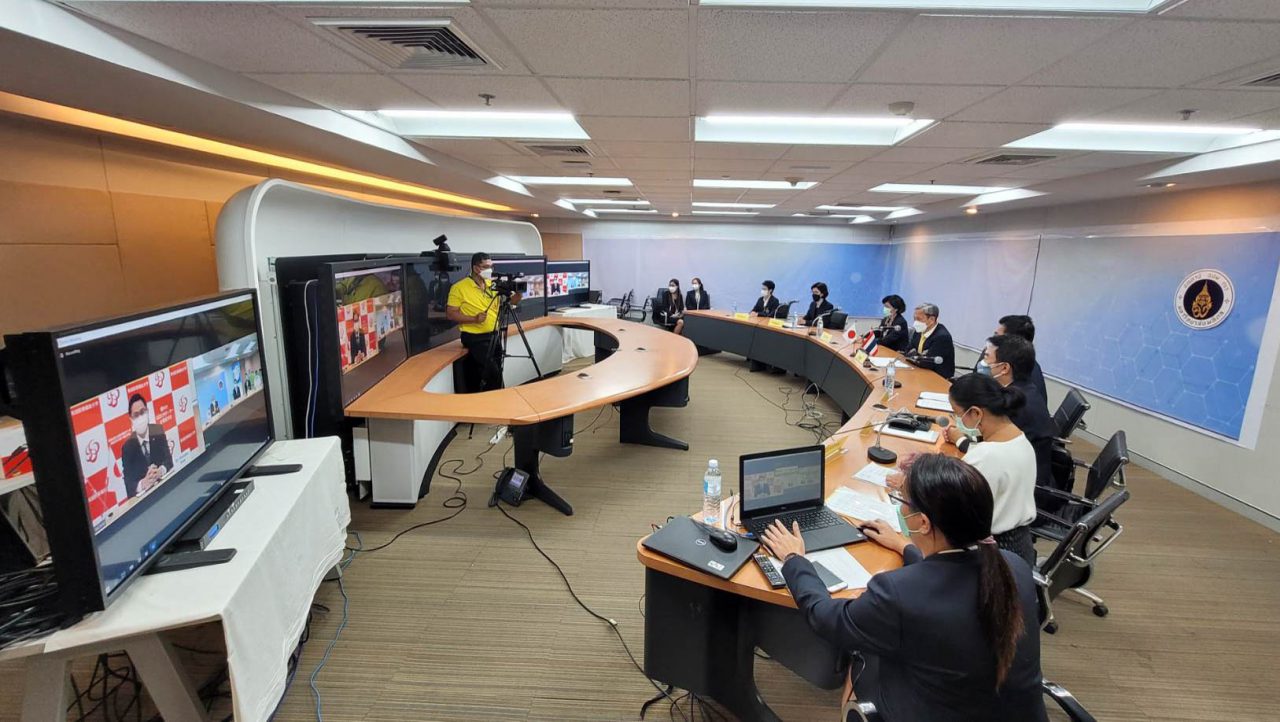
On November 22nd, 2021, Prof. Prasit Watanapa, Dean of the Faculty of Medicine Siriraj Hospital, Mahidol University, along with Assoc. Prof. Thawornchai Limjindaporn, Deputy Dean for Postgraduate Education, Assoc. Prof. Prapat Wanitpongpan, Deputy Dean for International Relations, Assoc. Prof. Nisarat Opartkiattikul, Chair of Institutional Review Board, Assoc. Prof. Gulapar Srisawasdi and Dr. Sasithon Sukthomya, Director, and Deputy Director of Sirindhorn School of Prosthetics and Orthotics, presided over the Virtual Memorandum of Agreement (MOA) Signing Ceremony for Double Degree Program for Doctoral Degree in Prosthetics and Orthotics between Sirindhorn School of Prosthetics and Orthotics, Faculty of Medicine Siriraj Hospital, Mahidol University, Thailand, and the Graduate School of Health and Welfare, Niigata University of Health and Welfare, Japan, to promote and foster a collaborative in postgraduate education between the two institutions.

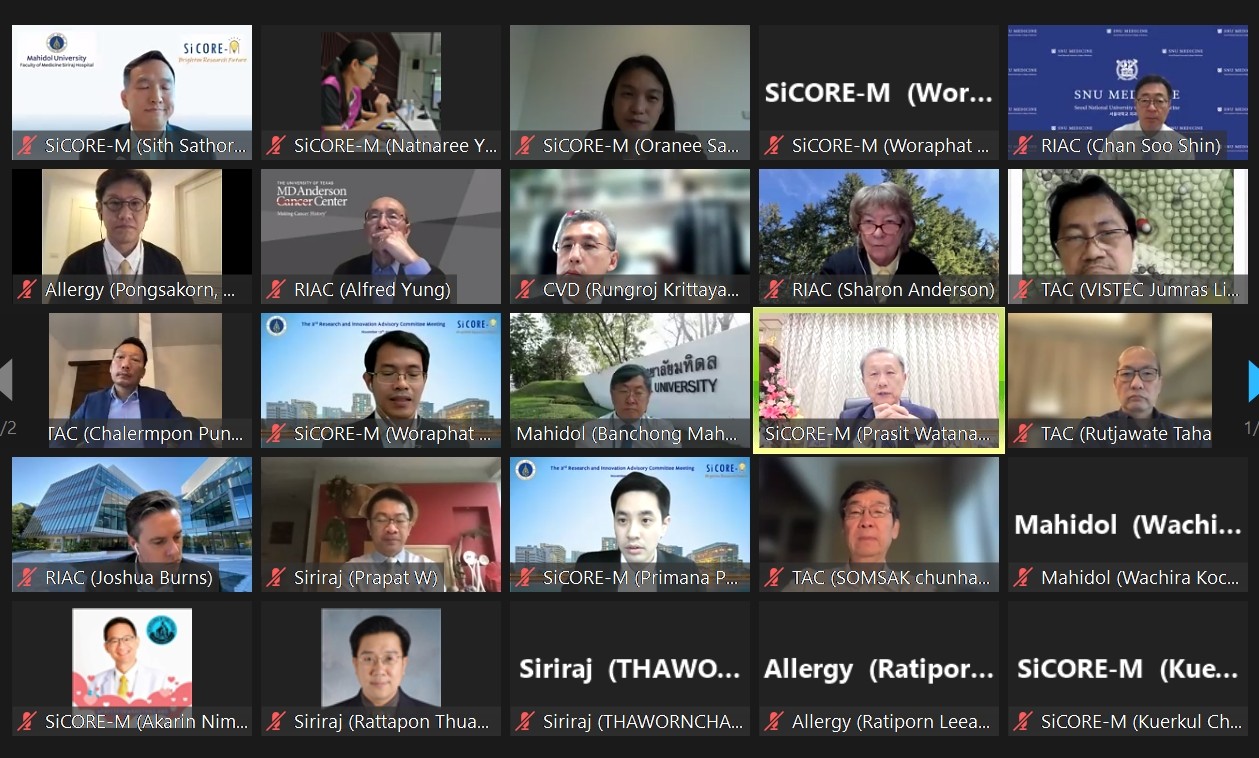
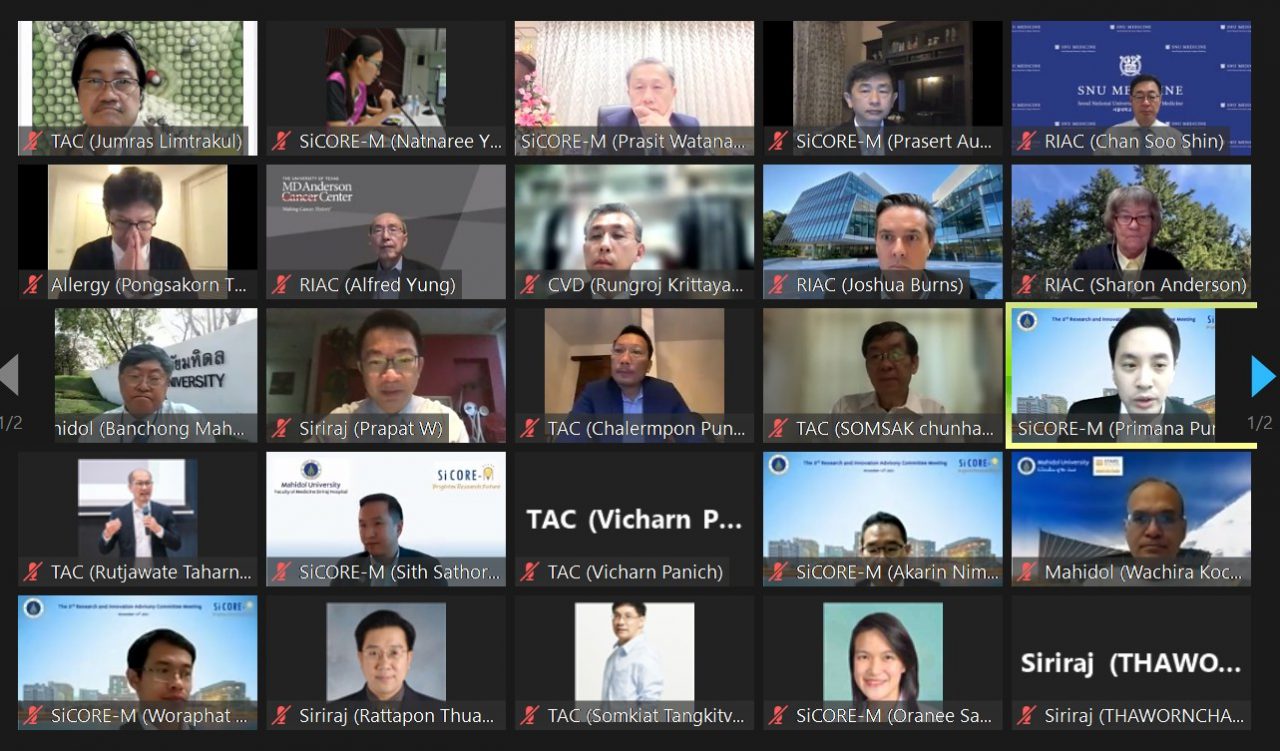
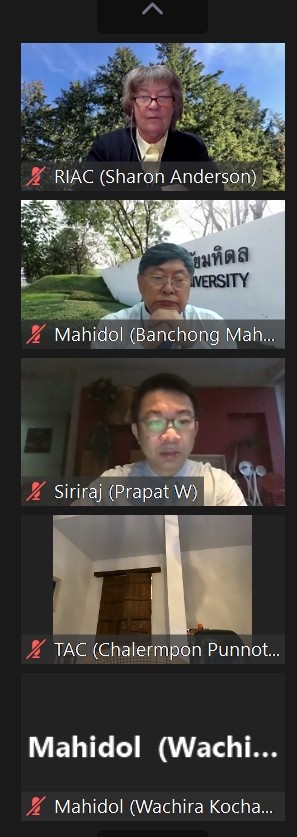
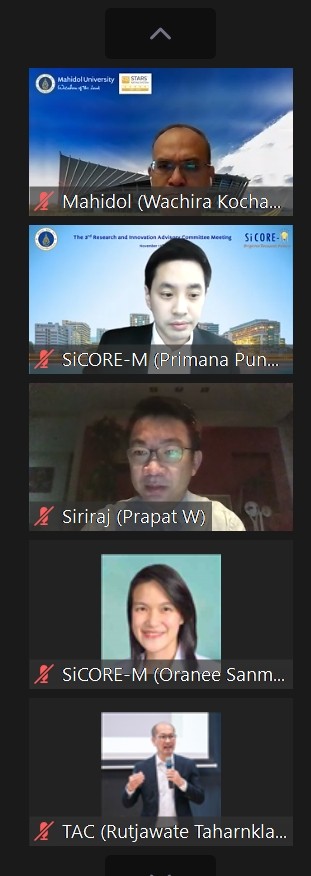
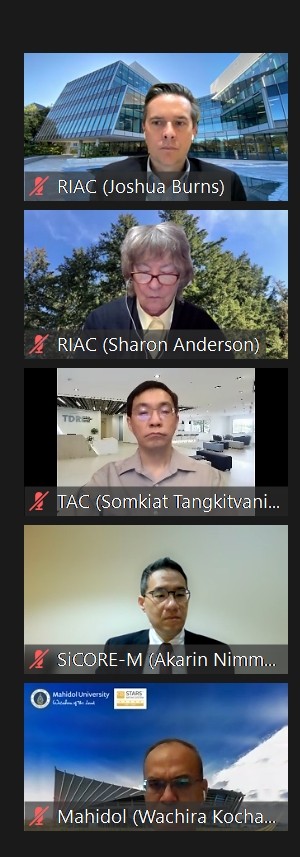
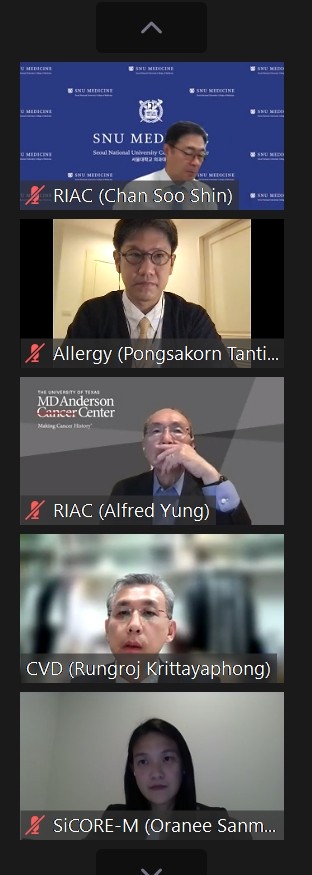
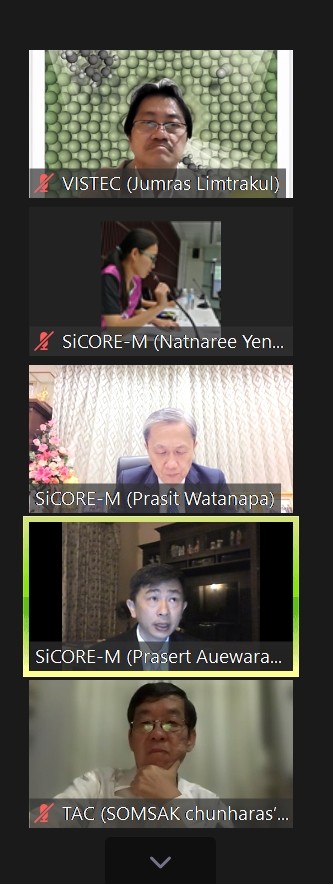
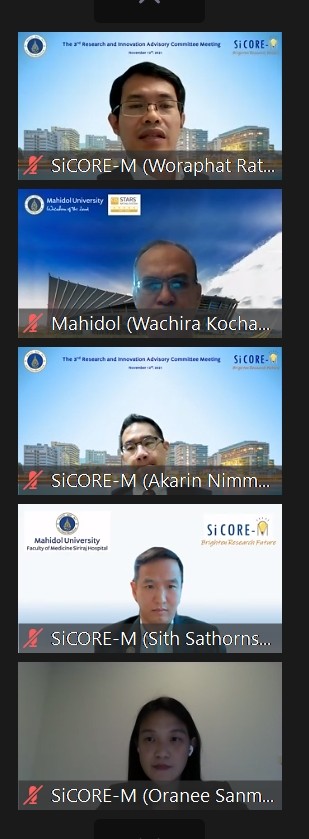
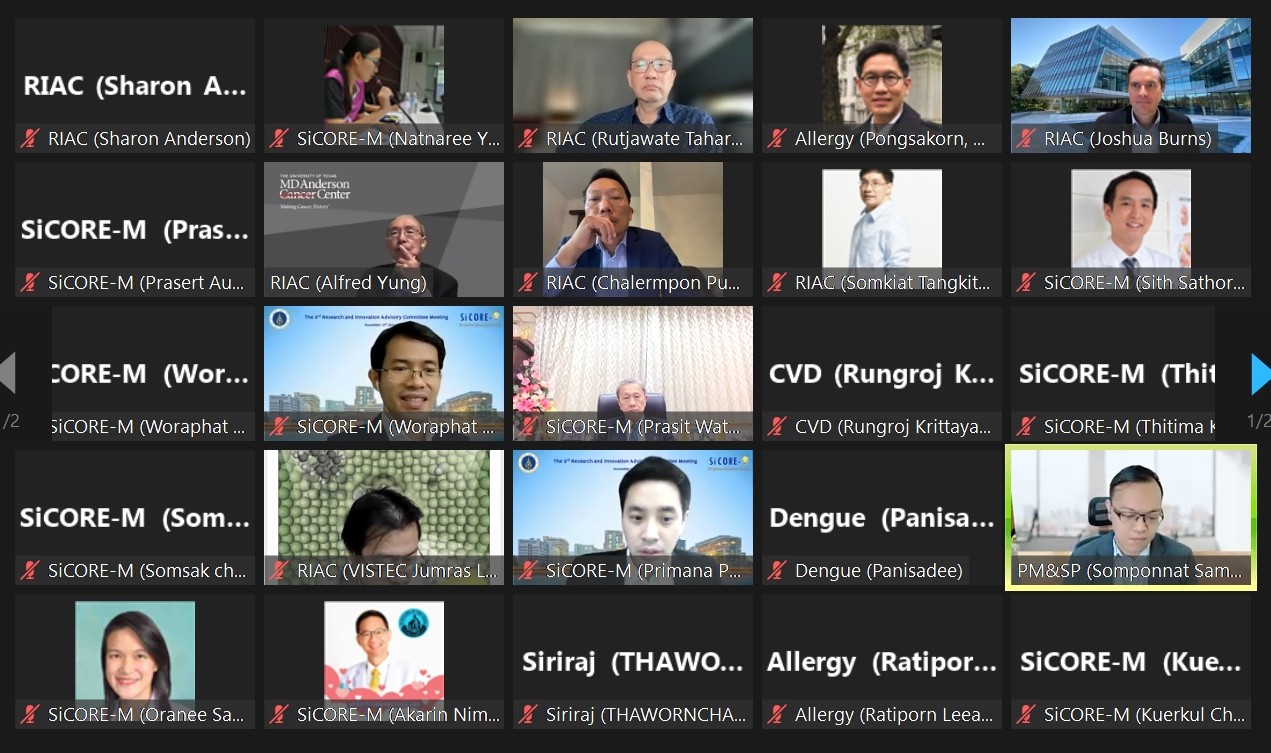
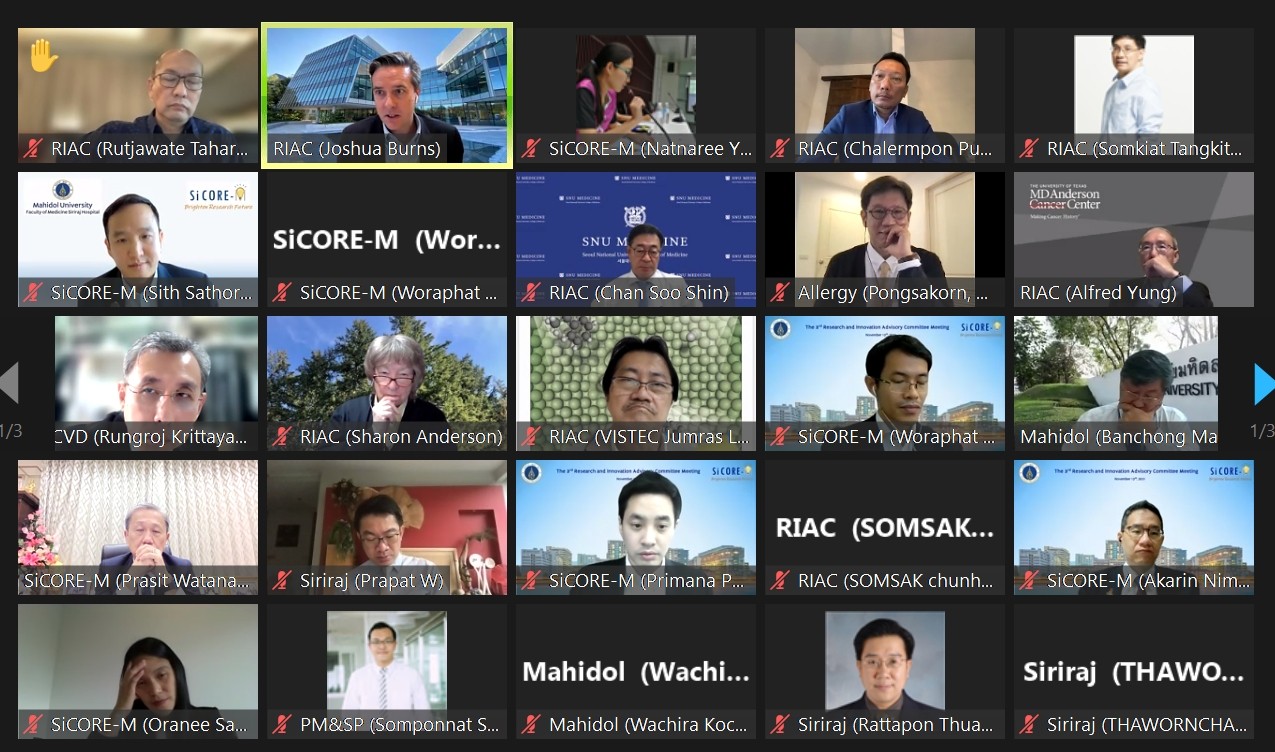
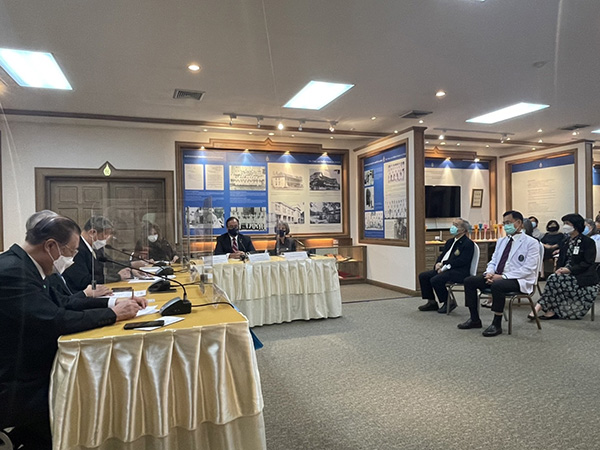
On November 12, 2021, Prof. Dr. Banchong Mahaisavariya M.D., President of Mahidol University and Prof. Dr. Prasit Watanapa, Dean of Faculty of Medicine Siriraj Hospital, along with executive members welcomed the distinguish Research and Innovation Advisory Committee members to the 3rd Siriraj Research and Innovation Advisory Committee Meeting in 2021, organized by Siriraj Center of Research Excellence Management (SiCORE-M). This year, the meeting will be virtually held on November 12, 2021 and November 19, 2021

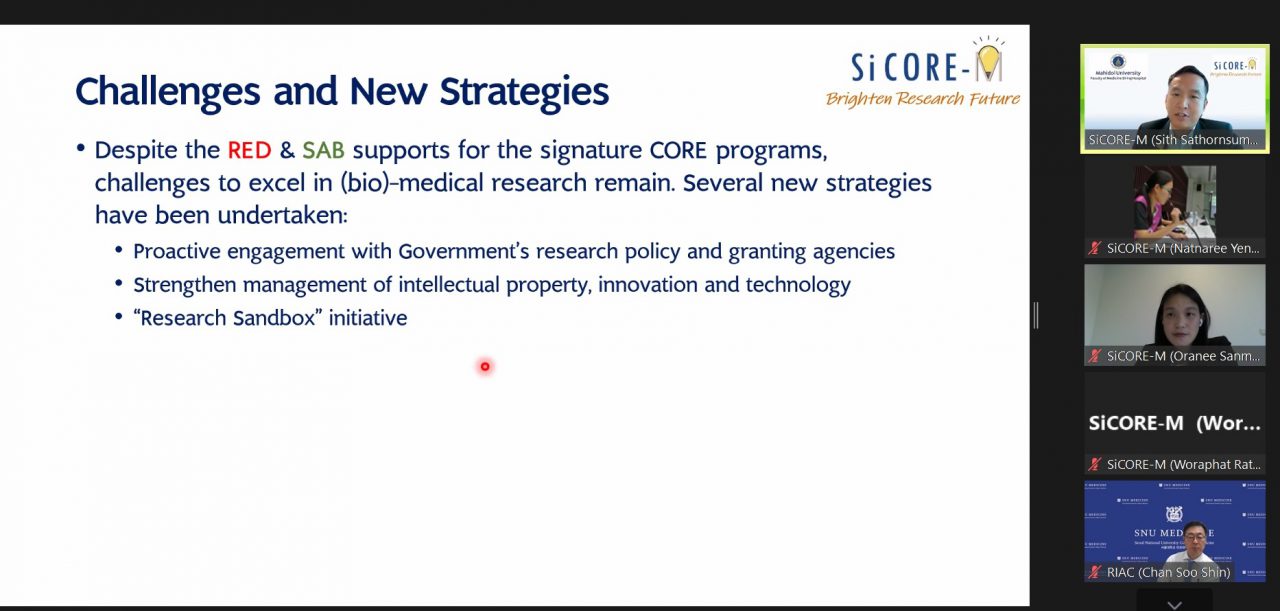
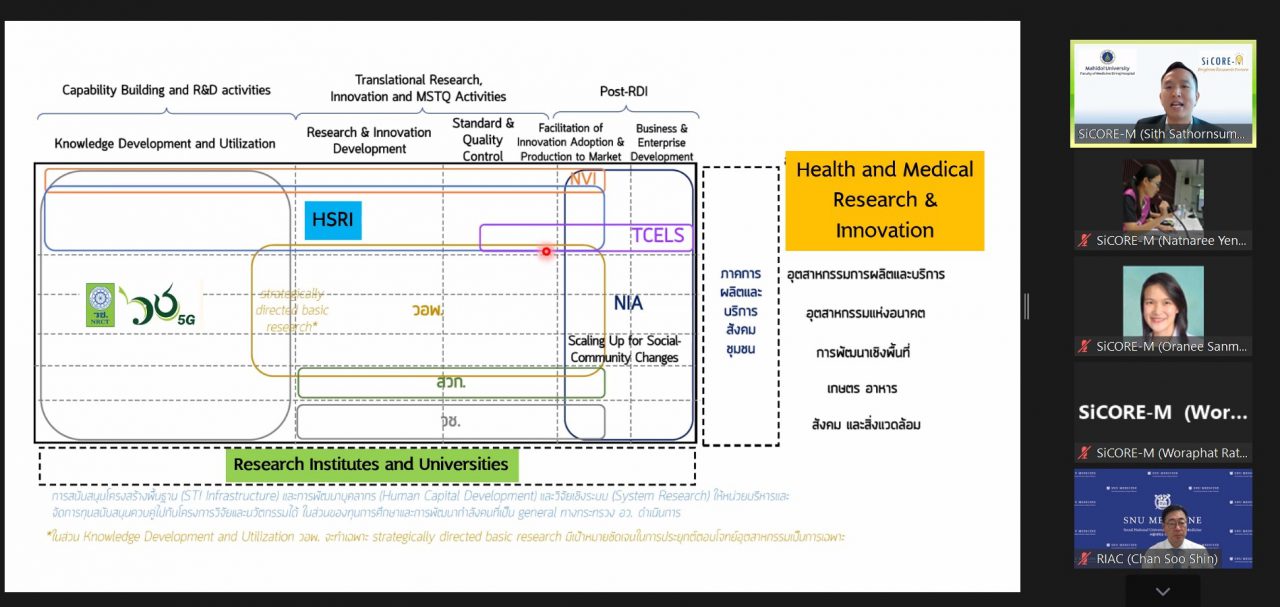
During the meeting, the advisory board received a brief update on the research progress and the strategic research and innovation management at Faculty of Medicine Siriraj Hospital, Mahidol University since the last meeting in 2019. There was then further discussion about the current limitation in research ecosystem and funding management. In addition, the board provided advices on potential supporting mechanisms and opportunities with industrial partners. As always, this was our great honor and pleasure to learn from the advisory committee members. We have certainly gained numerous insights and new ideas that will assist us immensely in research transformation at our Faculty, which eventually may lead to significant impact at the national level.

Name list of the Research and Innovation Advisory Committee members (RIAC) that attend this meeting:

  1. Chan Soo Shin, M.D., Ph.D, from Seoul National University, College of Medicine, Republic of Korea
  2. Sharon Anderson, M.D. from Oregon Health and Science University School of Medicine, USA
  3. Joshua Burns, Ph.D. from the University of Sydney, Australia
  4. W. K. Alfred Yung, M.D. from MD Anderson Cancer Center, USA
  5. Prof. Vicharn Panich, M.D. from Prince Mahidol Award Foundation, Thailand
  6. Somsak Chunharas, M.D. from National Health Foundation, Thailand
  7. Prof. Jumras Limtrakul, M.D. from Vidyasirimedhi Institute of Science and Technology, Thailand
  8. Prof. Rutjawate Taharnklaew, from Betagro company, Thailand
  9. Dr. Somkiat Tangkitvanich, from Thailand Development Research Institute, Thailand
  10. Chalermpon Punnotok, from CEO CT Asia Robotics company, Thailand


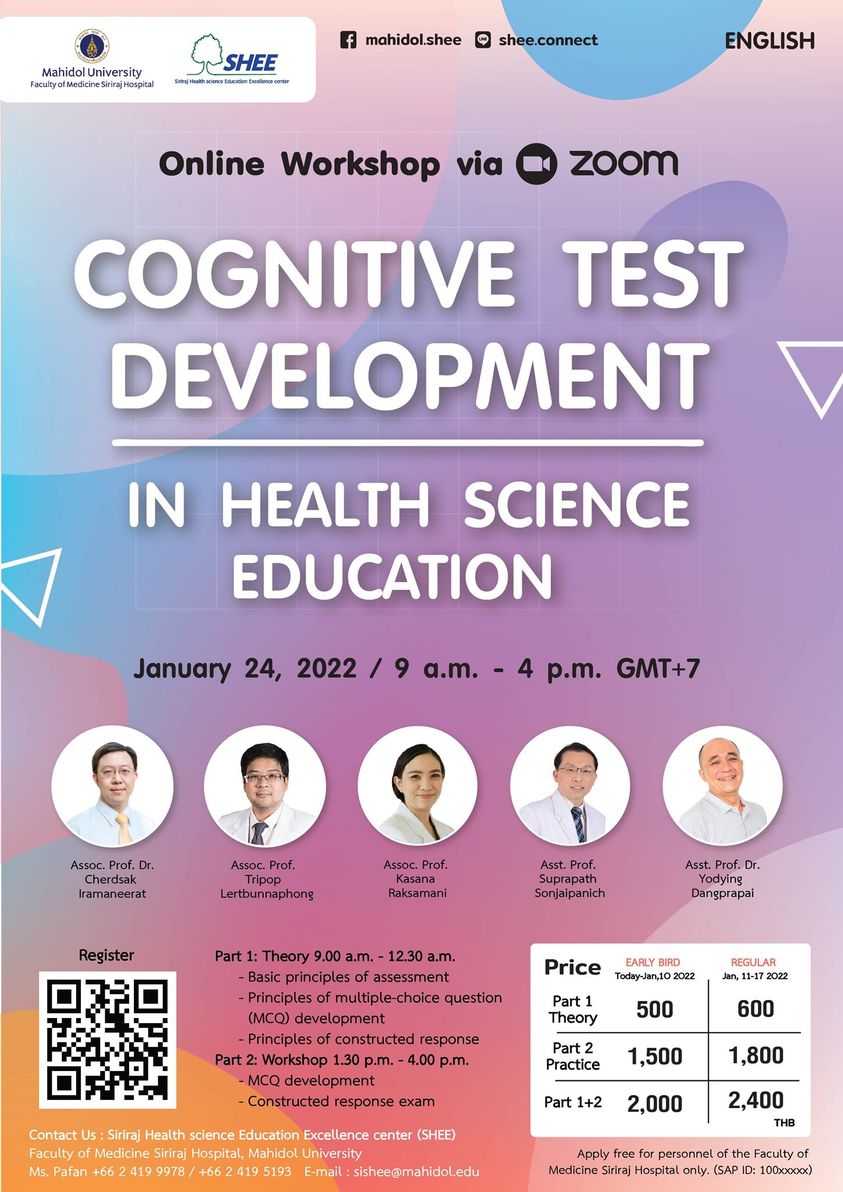
Siriraj Health Science Education Excellence Center (SHEE), Faculty of Medicine Siriraj Hospital, Mahidol University would like to invite everyone to join the online workshop (English language):

“Cognitive Test Development in Health Science Education”

The event will be on January 24th, 2022, via Zoom meeting.

This program aims to encourage health science professionals and educators to understand the principles of assessment, MCQ development, and constructed response exams. The workshop is divided into two parts as follows:

Part 1: Theory 09:00 am – 12:30 pm (GMT+7)
Basic principles of assessment / Principles of multiple-choice question (MCQ) development / Principles of constructed responses

Part 2: Practice 1:30 pm – 4:00 pm (GMT+7)
MCQ development / Constructed response exam

For more information & pre-registration, please visit: Cognitive Test Development in Health Science Education

Or contact: Miss Phanumas/ Miss Pafan
Tel. (66+) 024199978 / (66+) 024196637
E-mail: sishee@mahidol.edu

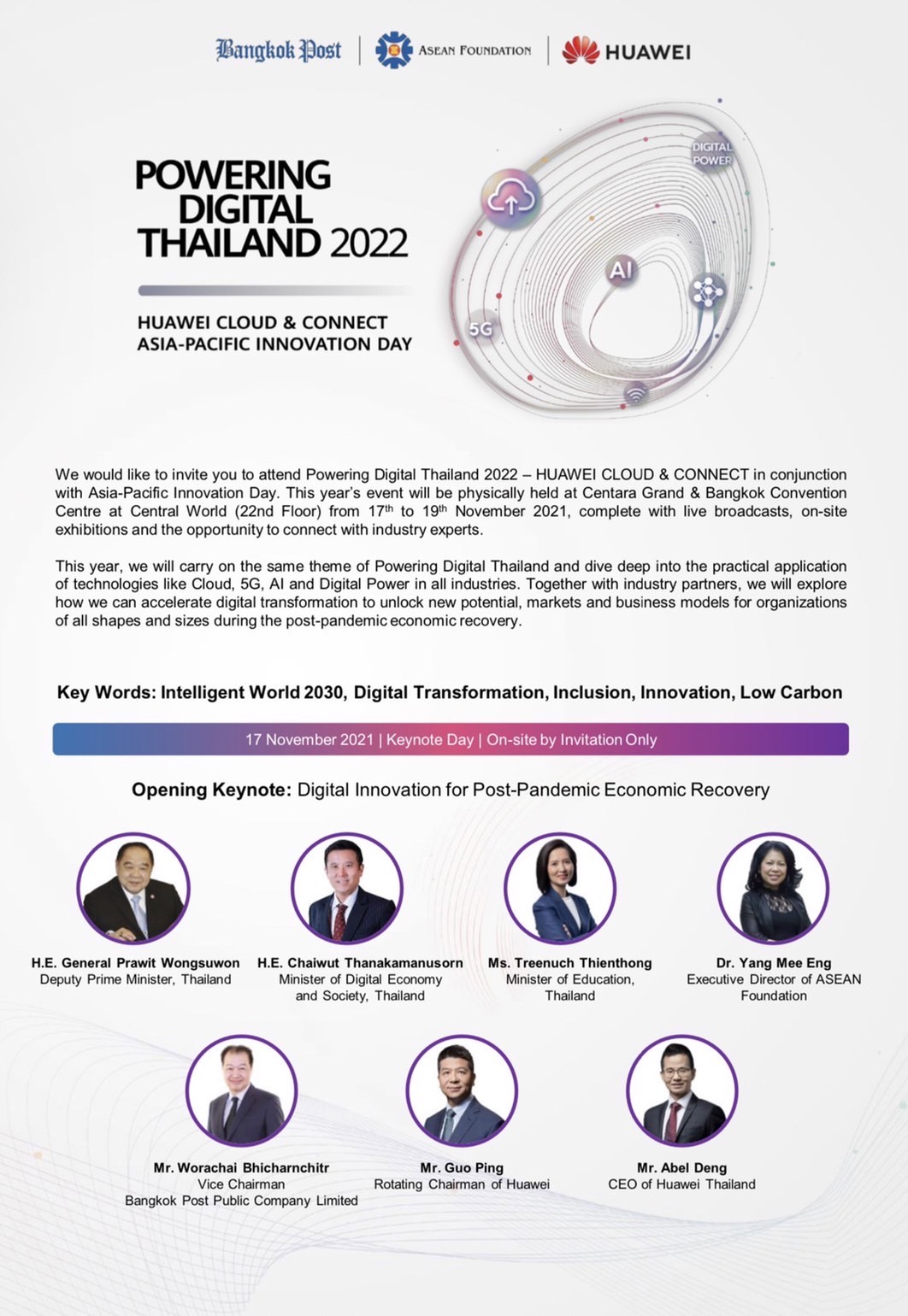
A must-attend event for innovations, technologies, and business opportunities

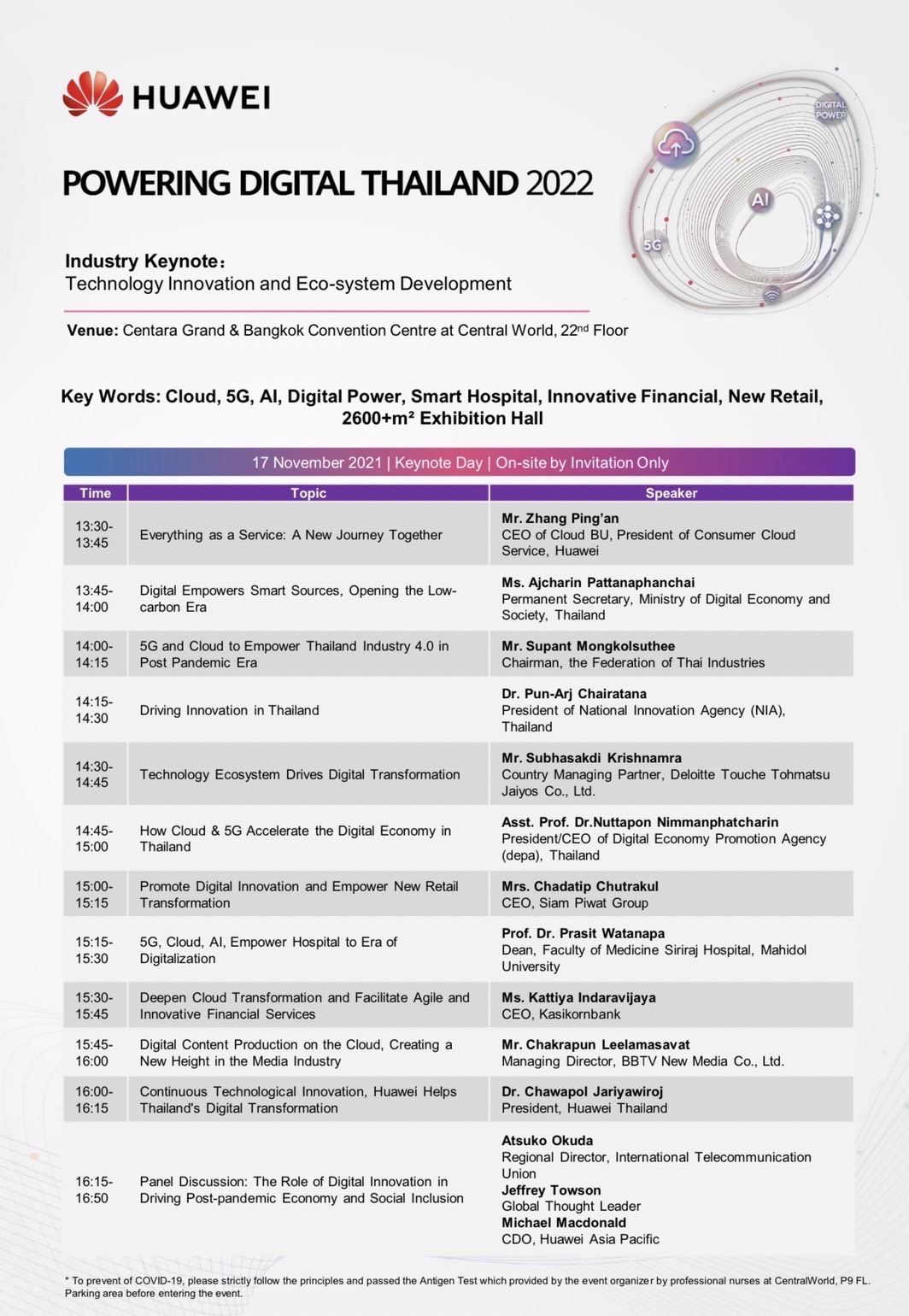
From November 17th – 19th, 2021, HUAWEI CLOUD & CONNECT, in conjunction with Asia-Pacific Innovation Day, will be held at the Central World Bangkok, complete with live broadcasts, on-site exhibitions, and the opportunity to connect with industry experts.

This year, Huawei will carry on the same theme of Powering Digital Thailand and dive deep into the practical application of technologies like Cloud, 5G, AI, and Digital Power in all industries. Together with industry partners, Huawei will explore how they can accelerate digital transformation to unlock new potential, markets, and business models for organizations of all shapes and sizes during the post-pandemic economic recovery for Thailand and the Asia Pacific region!

For more information and registration, please visit: https://activity.huaweicloud.com/intl/en-us/HCCThailand2022.html

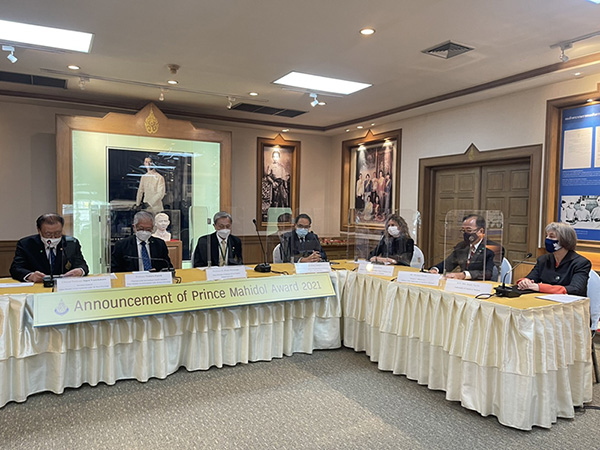
On November 15th, 2021, Professor Dr. Prasit Watanapa, Dean of the Faculty of Medicine, Siriraj Hospital, Mahidol University, in the capacity of Vice President of the Prince Mahidol Award Foundation, Mr. Tanee Sangrat, Director-General of the Department of Information, Ministry of Foreign Affairs of Thailand, in the capacity of the Chairman of the Sub-Committee on Public Relations of the Prince Mahidol Award Foundation, and Professor Vicharn Panich, Chairman of the International Award Committee of the Prince Mahidol Award Foundation, held a joint press conference to announce the “30th Prince Mahidol Award for 2021″ at the Prince Mahidol Memorial Room, 2nd Floor, Syamindra Building, Siriraj Hospital.

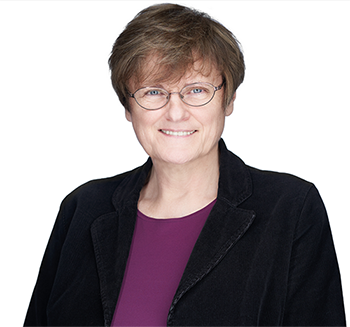
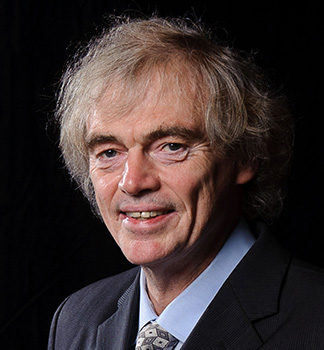
This year, the Prince Mahidol Award in the field of Medicine is awarded to Associate Professor Katalin Karikó, Ph.D., Professor Drew Weissman, M.D., Ph.D., and Professor Pieter Cullis, Ph.D.

There were 86 nominations from 35 countries. The Scientific Advisory Committee carefully screened all candidates from 2019 – 2021 and subsequently submitted a shortlist of candidates to the International Award Committee, which made a recommendation to the Board of Trustees. H.R.H. Princess Maha Chakri Sirindhorn presided over the meeting of the Board of Trustees held on October 26th, 2021, during which the final decision on the Prince Mahidol Award 2021 was made.

Prince Mahidol Award Laureate 2021

in the Field of Medicine

Katalin Karikó, Ph.D.
Senior Vice President,

BioNTech RNA Pharmaceuticals, Germany

Adjunct Associate Professor,

Perelman School of Medicine,
University of Pennsylvania, Philadelphia, USA.

Hungary/USA

and

Drew Weissman, M.D., Ph.D.

Director of Vaccine Research,

Infectious Diseases Division
Professor, Department of Medicine,

Perelman School of Medicine,

University of Pennsylvania, Philadelphia, USA.
USA

Associate Professor Katalin Karikó received her Ph.D. from University of Szeged, Hungary.

Professor Drew Weissman received his M.D. and Ph.D. from Boston University, USA, before attending the training program with Dr. Anthony Fauci, who received the Prince Mahidol Award in the field of medicine in 2013, at the National Institutes of Health, Maryland, USA.

Assoc. Prof. Karikó and Prof. Weissman have been working side by side in developing mRNA technology and its applications in medicine. In 2006, they discovered that modification of nucleosides in mRNA could reduce cellular reactions toward foreign RNA. This was an important step in the utilization of mRNA technology. Foreign RNA is naturally recognized by cellular anti-viral machinery, which suppresses translation of mRNA and induces inflammation. These reactions were the main obstacle preventing the applications of mRNA in the prevention and treatment of diseases. This and subsequent studies of Assoc. Prof. Karikó and Prof. Weissman have led to the use of pseudouridine in mRNA production and the invention of the purification method for pseudouridine-containing mRNA. These are the critical basis for mRNA vaccine development. Prof. Karikó and Prof. Weissman have also played an important role in the rapid development of the COVID-19 mRNA vaccine.

The achievement of Assoc. Prof. Dr. Karikó and Prof. Weissman have led to the rapid availability of the COVID-19 mRNA vaccine, which has saved millions of lives and has become an important tool for controlling the COVID-19 pandemic around the world.

Pieter Cullis, Ph.D.

Professor, Department of Biochemistry & Molecular Biology,

University of British Columbia, Vancouver

Canada

Professor Pieter Cullis received his Ph.D. from the University of British Columbia and continued his research career there in lipid biochemistry.

Prof. Cullis is a pioneer in lipid nanoparticles, which have been used for various applications in medicine, such as delivering anticancer drugs to cancer tissues without causing too much toxicity in normal tissues. The most remarkable type of lipid nanoparticles developed by Prof. Cullis is lipid nanoparticles with ionizable cationic lipid. These lipid nanoparticles have no charge at neutral pH but become positively charged at low pH. Because of the absence of positive charge, the lipid nanoparticles are not toxic to cells. When they are taken up by cells into endosomes, the acidic pH in endosome turns the neutral lipid into positively charged lipid, which causes fusion to negatively charged cellular membrane. This membrane fusion delivers the content of the lipid nanoparticles into cytoplasm of the cells. This technique has been successfully employed to develop the delivery system of mRNA vaccines, which are being used to control the COVID-19 pandemic.

The achievement of Prof. Cullis not only made COVID-19 mRNA vaccines possible but has also created a way to safely deliver nucleic acid into cells, which opened up possibilities for various applications of nucleic acid technology for the prevention and treatment of many diseases in the future.