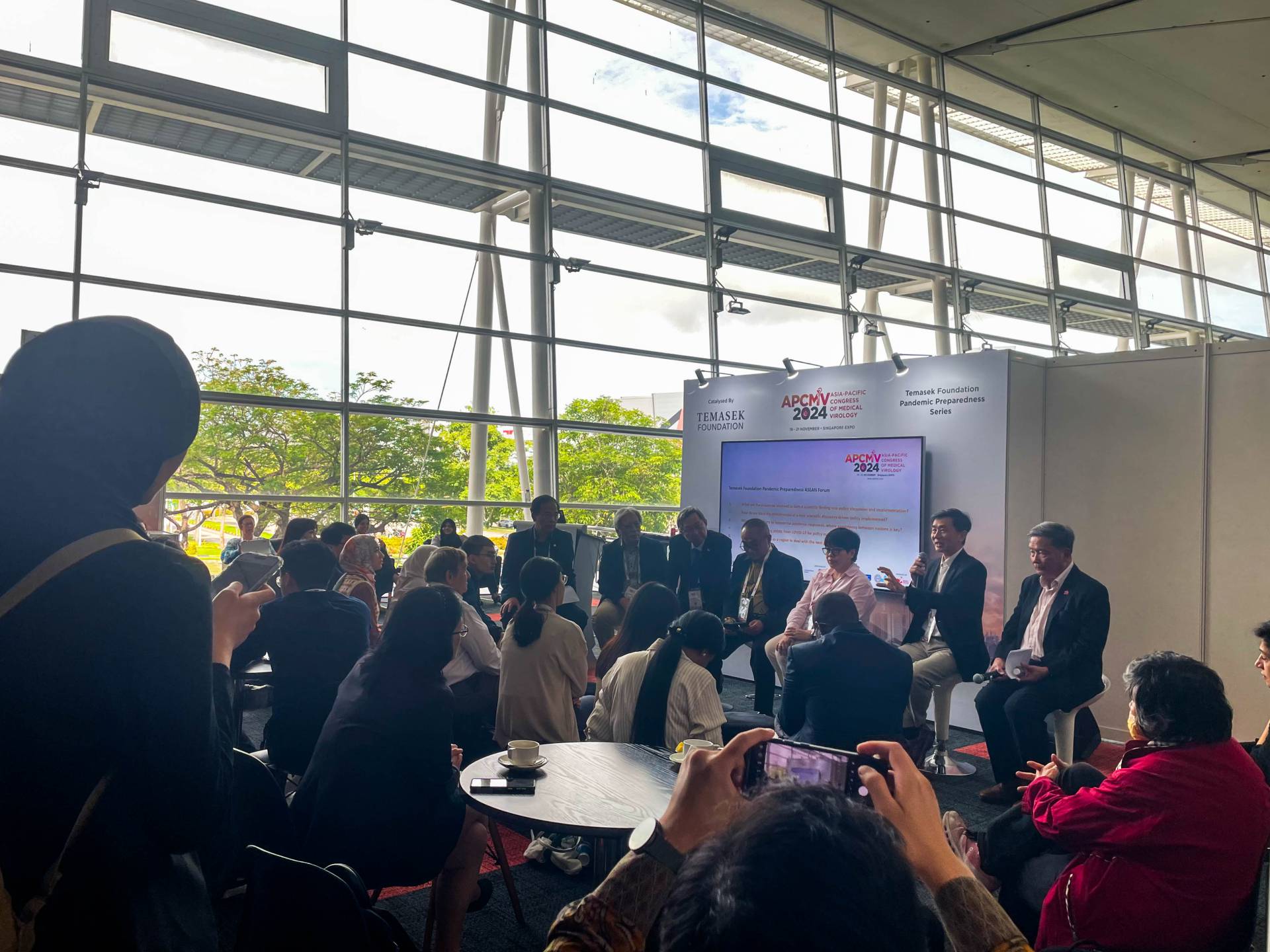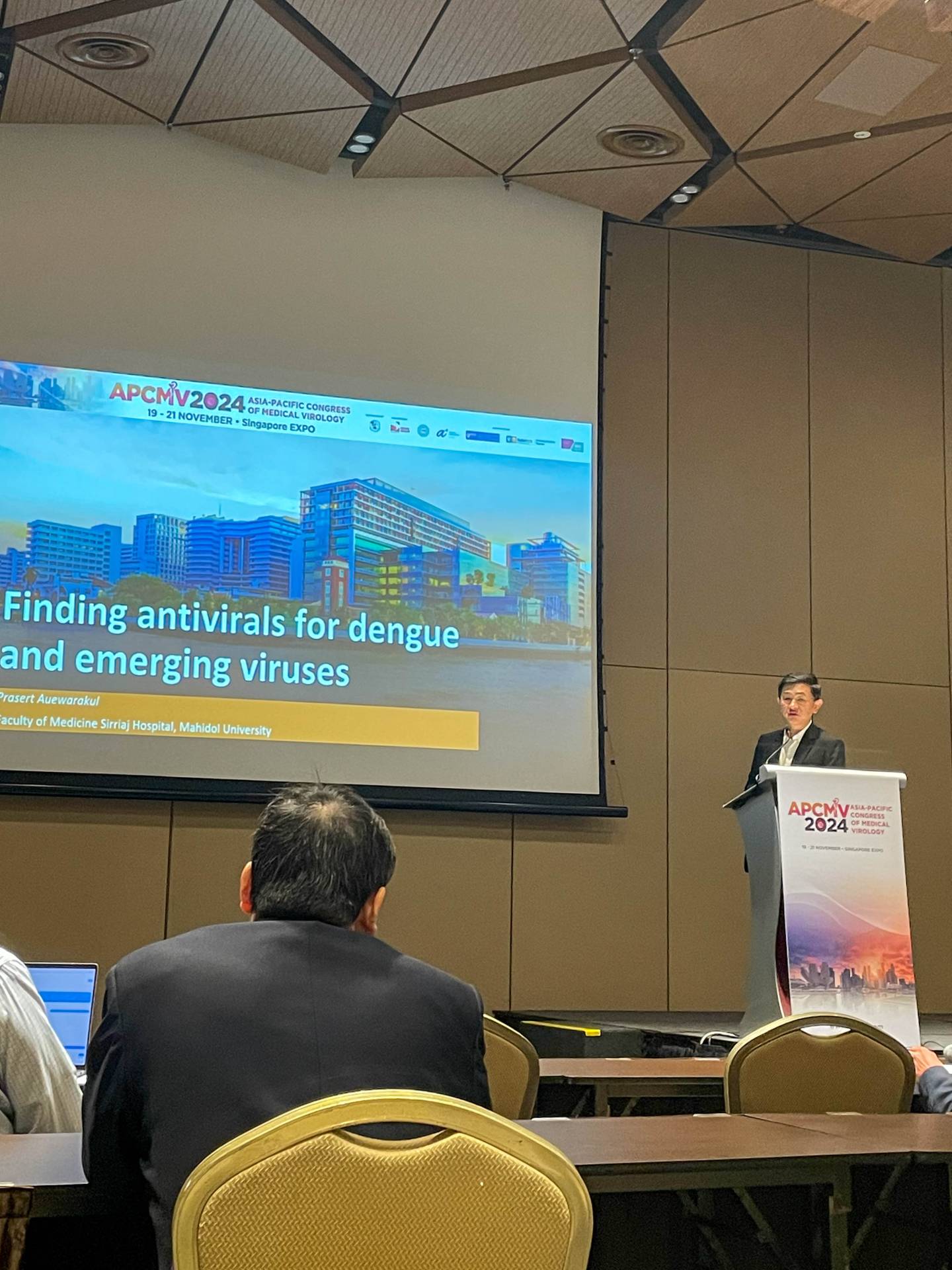
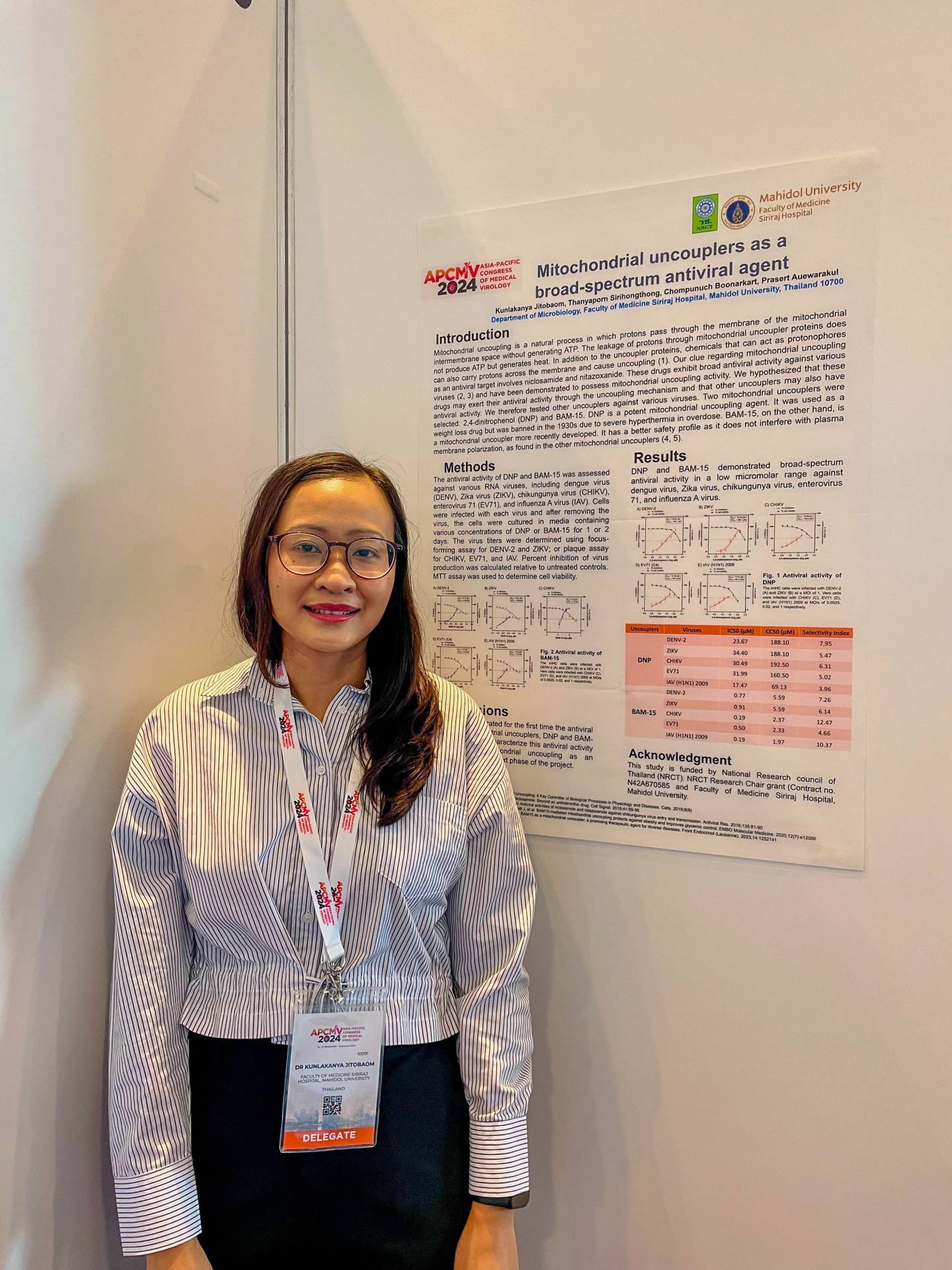
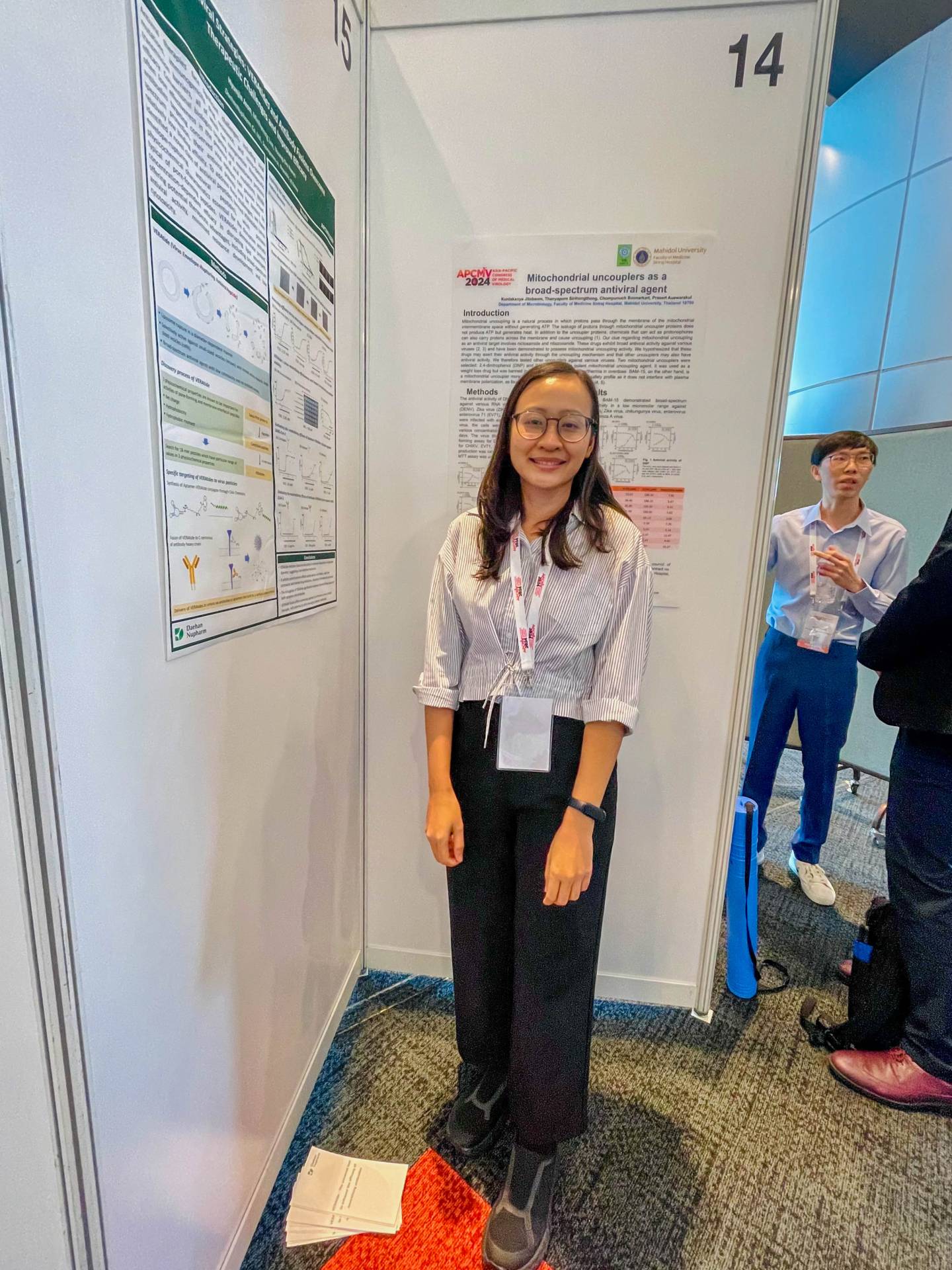
Miss Kunlakanya Jitobaom, PhD, a researcher from the Research Department, Faculty of Medicine Siriraj Hospital, Mahidol University, participated in the “Asia-Pacific Congress of Medical Virology (APCMV) 2024”, held in Singapore from November 19th – 21st, 2024. She presented her research poster titled “Mitochondria Uncouplers as a Broad-Spectrum Antiviral Agent”.

The Asia-Pacific Congress of Medical Virology (APCMV) is a triennial international meeting that focuses on diagnostic, public health, research and clinical virology, with emphasis on the Asia Pacific region. The aim of this conference is to foster collaboration and information sharing of the latest research in the field of virology pertaining to medically important viruses and treatments against them. Including the most recent COVID-19 pandemic, many emerging virus infections have been centered in the Asia Pacific region, and the breaking down of boundaries between civilization and wildlife only serves to accelerate that. Therefore, it is vital for the countries in the region to develop a strong public health, diagnostic, and research base to address these problems. Hence, the APCMV congress series was started to enable the review, sharing, and discussion in each of these areas for forming a strong foundation against the management of medically important viruses.
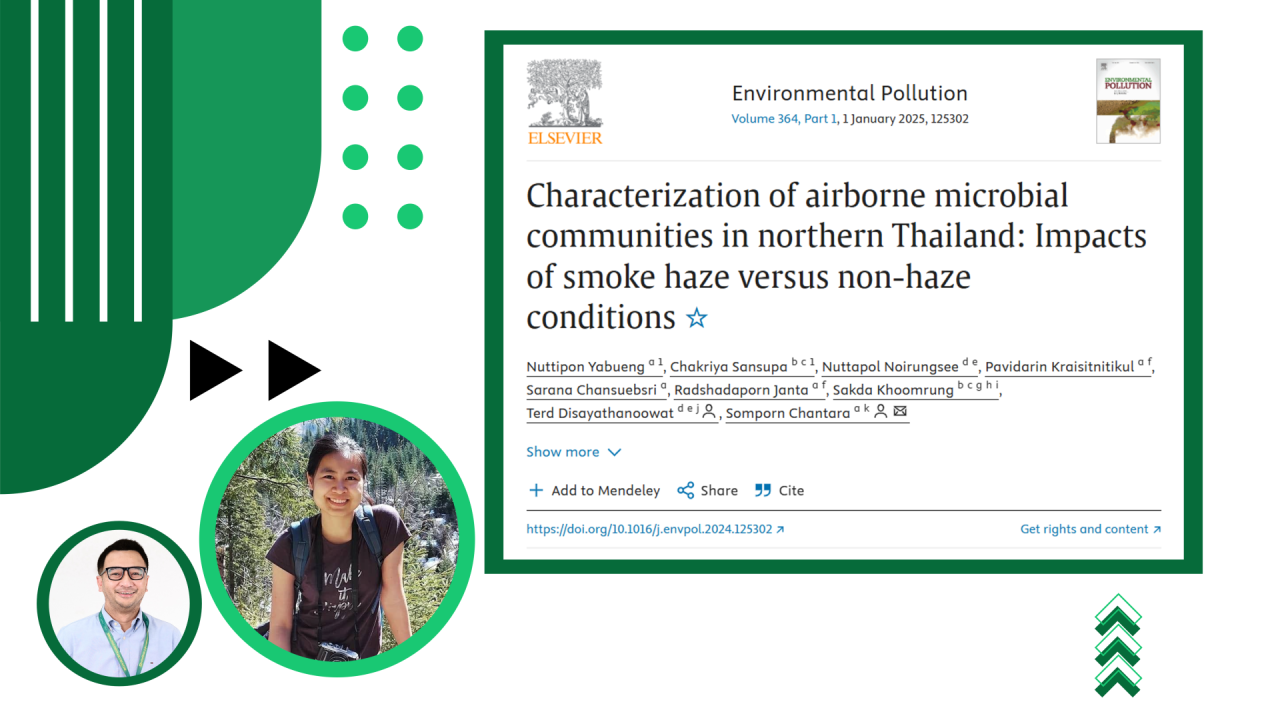
We extend our heartfelt congratulations to Dr. Chakriya Sansupa and Assoc. Prof. Dr. Sakda Khoomrung of the Siriraj Center of Research Excellence in Metabolomics and Systems Biology (SiCORE-MSB), Faculty of Medicine, Siriraj Hospital, Mahidol University, for their significant contribution to the field of environmental science and public health with their recent publication in the Journal of Environmental Pollution on November 10, 2024. (You can access the publication via this link: https://www.sciencedirect.com/science/article/pii/S0269749124020190?casa_token=UcN4CFtF8tsAAAAA:Zc1VGqibF4ozZcSdyYuScBVg1moEMYL4R0Ec40VIYVWKDhTil-xjuOTub3mydYzCZtd7gbM89nof )

This groundbreaking study, unique in its focus on Northern Thailand and its comprehensive examination of microbial diversity on PM2.5 particles, is the first of its kind to be conducted during both smoke haze and non-haze periods in 2020.
Key findings reveal that PM2.5 concentrations, chemical compositions, and air transport patterns massively influence airborne microbial communities. This understanding is crucial in the fields of environmental science and public health as it can help in developing strategies to mitigate the health risks associated with air pollution.

Key Insights:
• Bacterial diversity peaked during the smoke haze period, particularly with airflows from the west.
• Fungal diversity increased during non-haze periods with airflows from the southwest.
• Pathogenic microorganisms like Clostridium and Aspergillus were more prevalent during smoke haze, indicating potential health risks.

While the study has made significant strides, it acknowledges its limitations, such as small sample sizes and focusing on a single urban location. However, it also points towards a hopeful future, where larger, multi-location studies over extended periods can better capture seasonal and interannual variations. This work underscores the critical need to monitor airborne microorganisms in haze-prone regions to understand their impact on air quality and public health. Congratulations again to the research team for this important contribution!

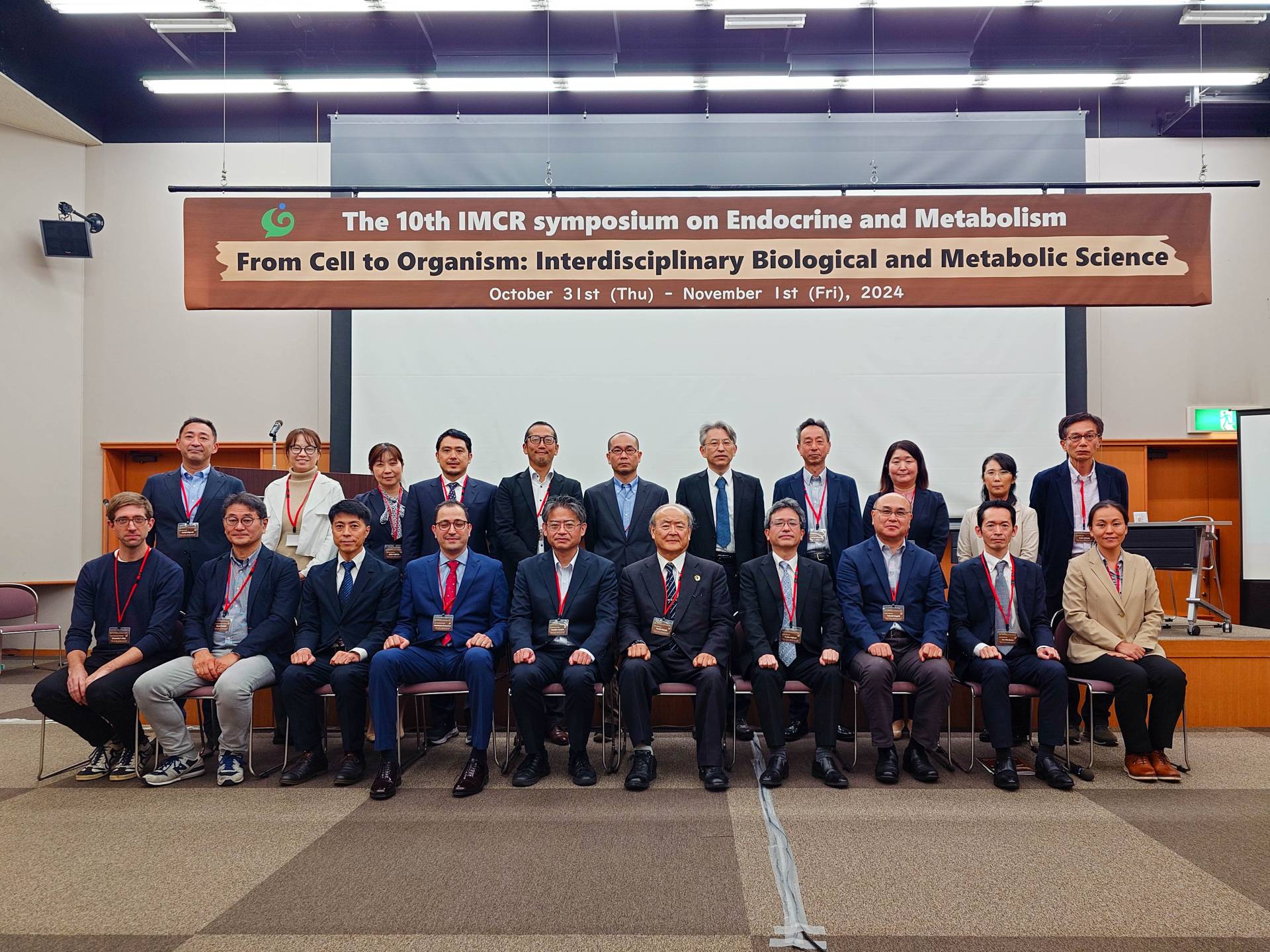
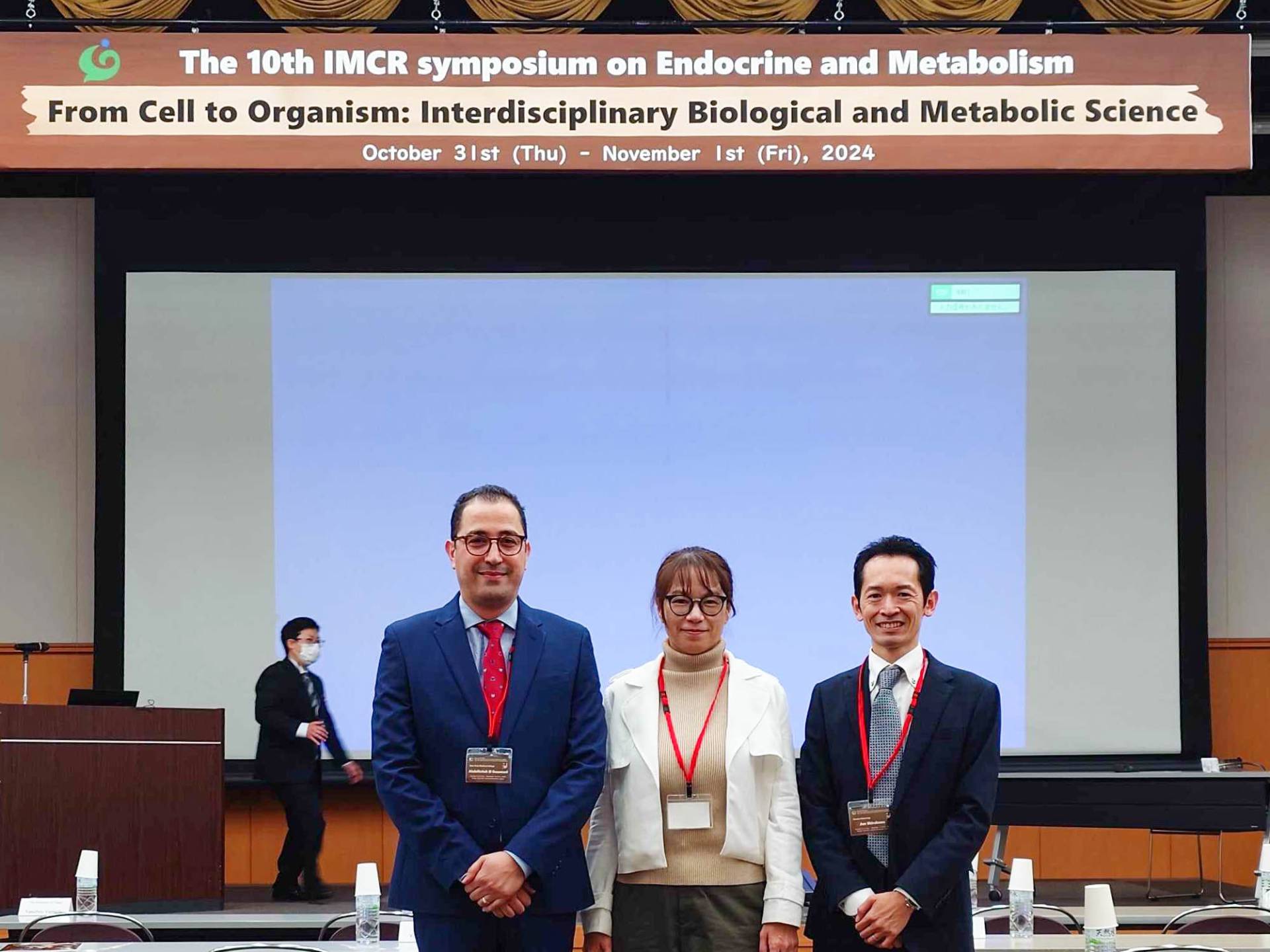
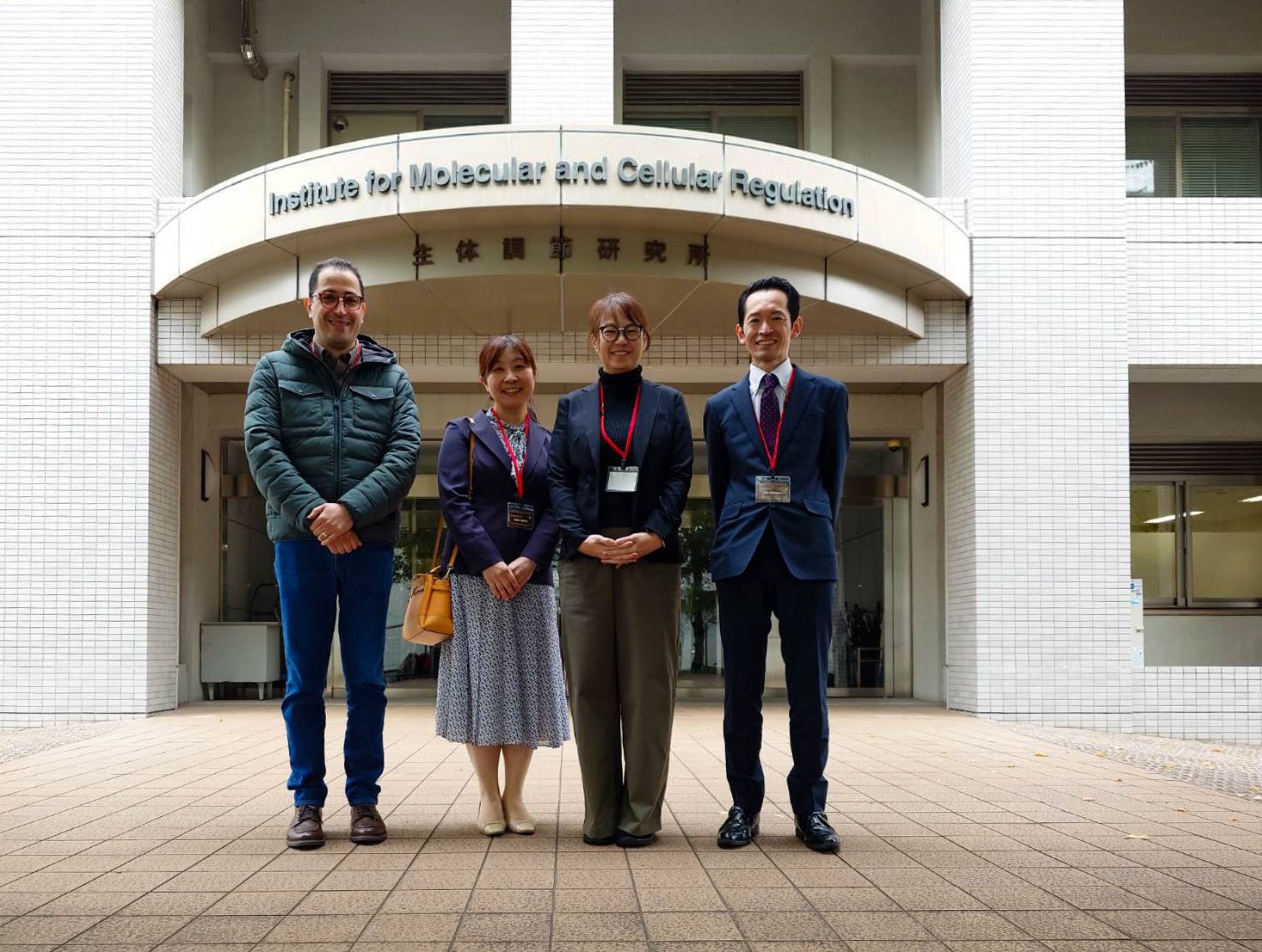
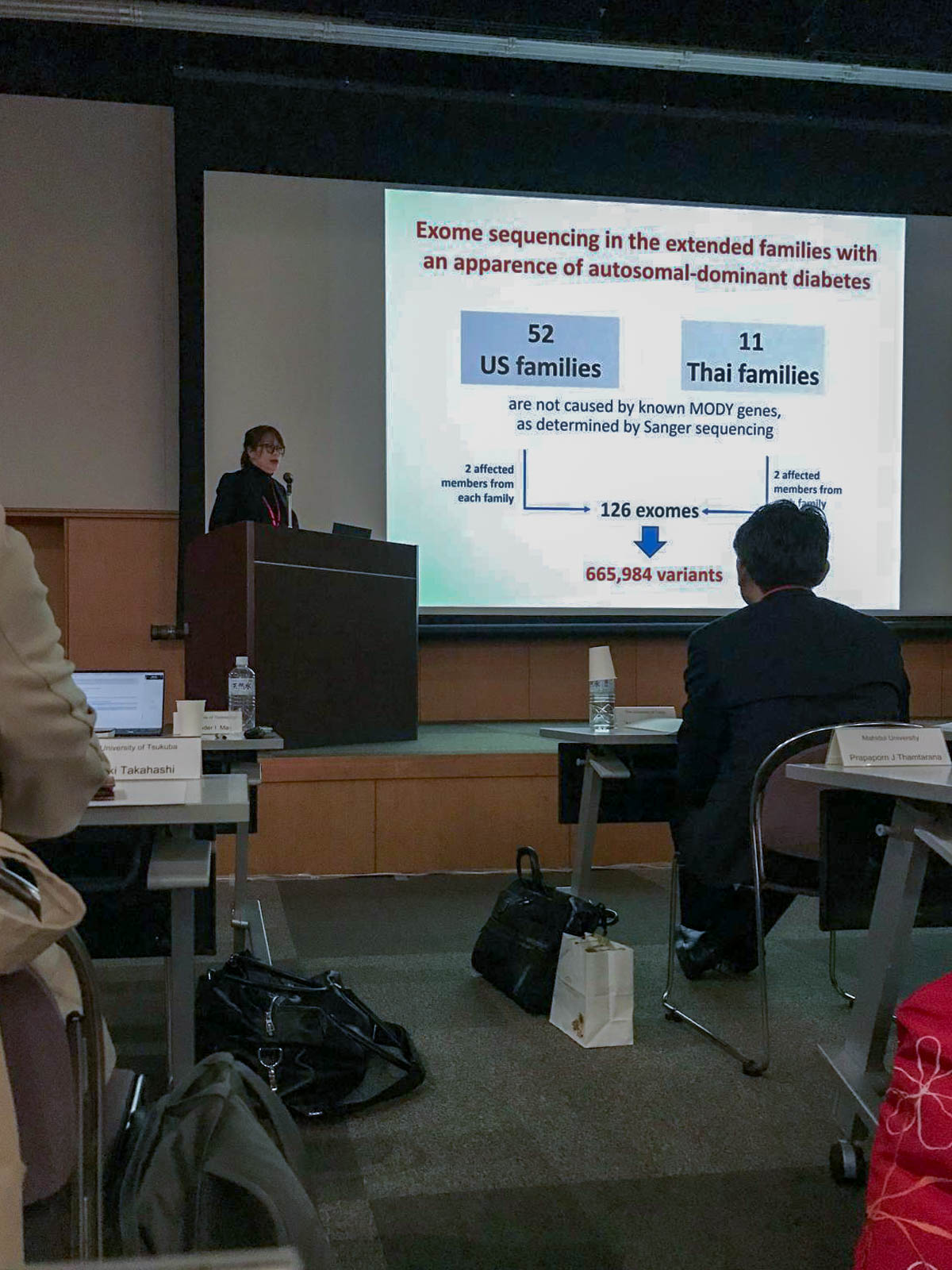
Asst. Prof. Prapaporn Thamtarana, PhD, Head of the Cellular and Molecular Biology of Diabetes Research Group at the Siriraj Center of Research Excellence for Diabetes and Obesity (SiCORE-DO), Division of Molecular Medicine, Research Department, represented Siriraj at The 10th IMCR Symposium on Endocrine and Metabolism – From Cell to Organism: Interdisciplinary Biological and Metabolic Science held in Gunma, Japan, from October 31st – November 1st, 2024.

In this event, Asst. Prof. Thamtarana delivered a special lecture on the topic “Lessons Learned from Unveiling Causative Genes of Autosomal Dominant Diabetes Using Whole Exome Sequencing.” Her participation in this prestigious symposium not only highlighted Siriraj’s research capabilities but also fostered opportunities to expand the international research network, benefiting Siriraj Hospital’s academic and clinical initiatives.

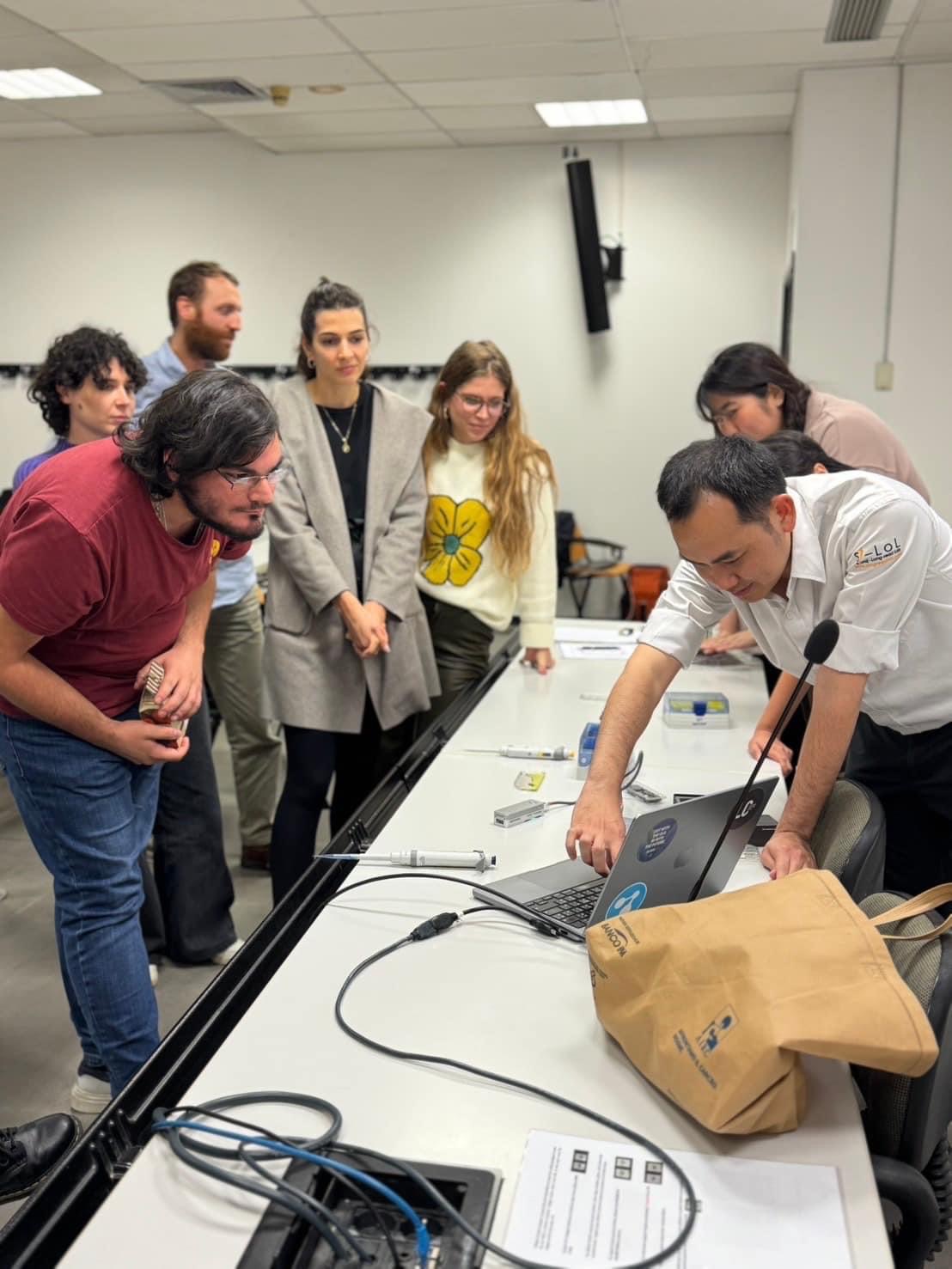
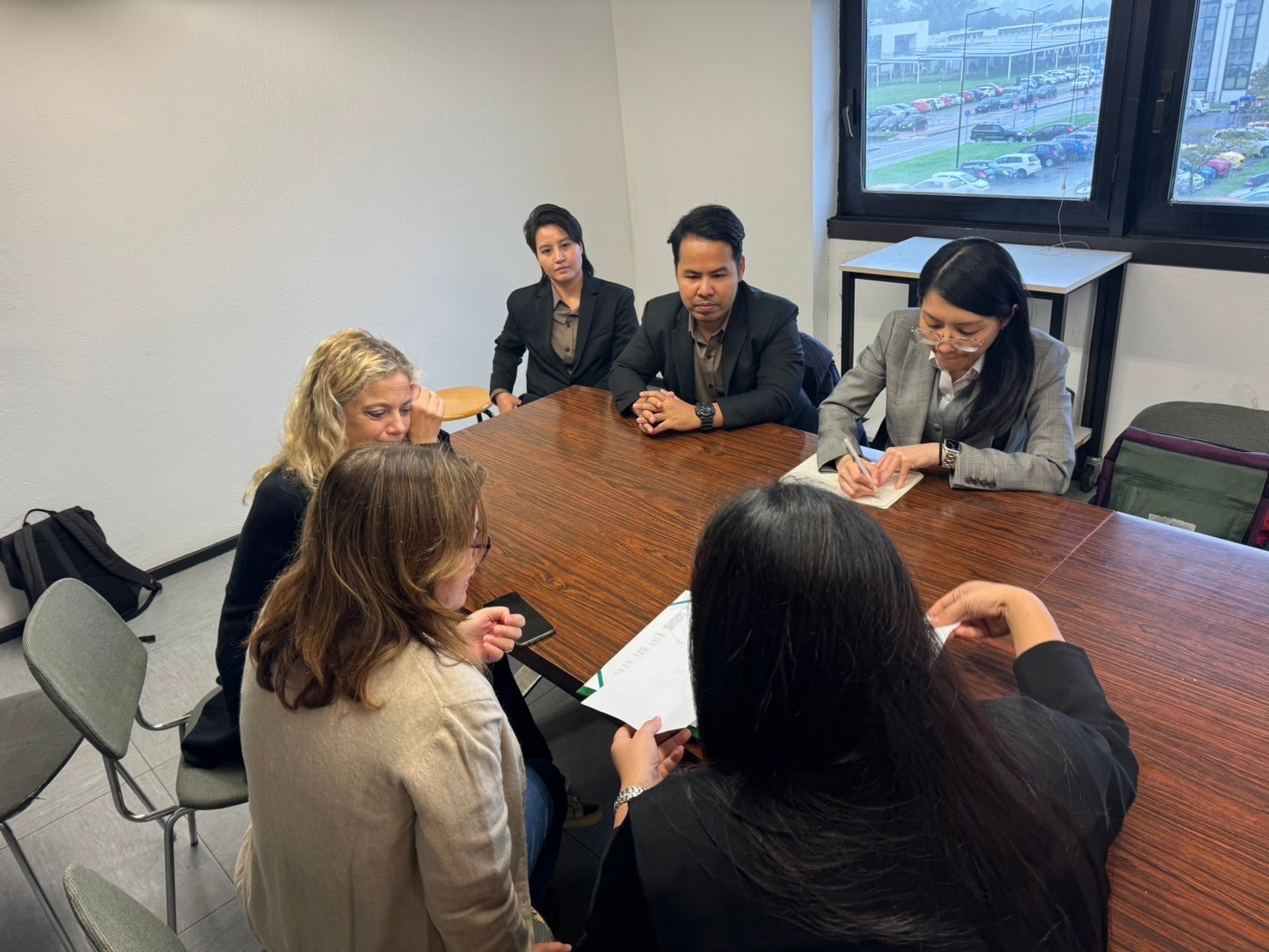
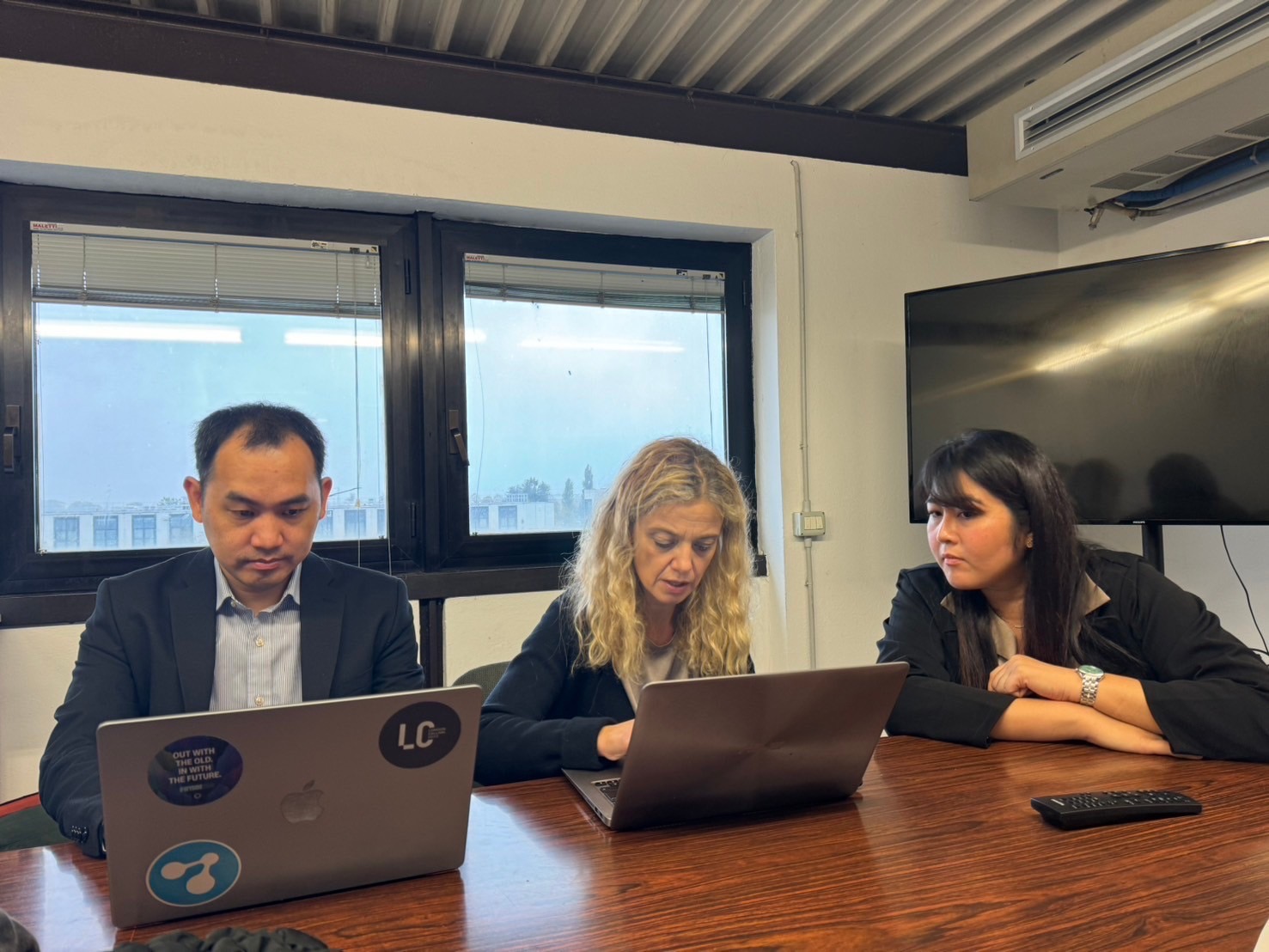
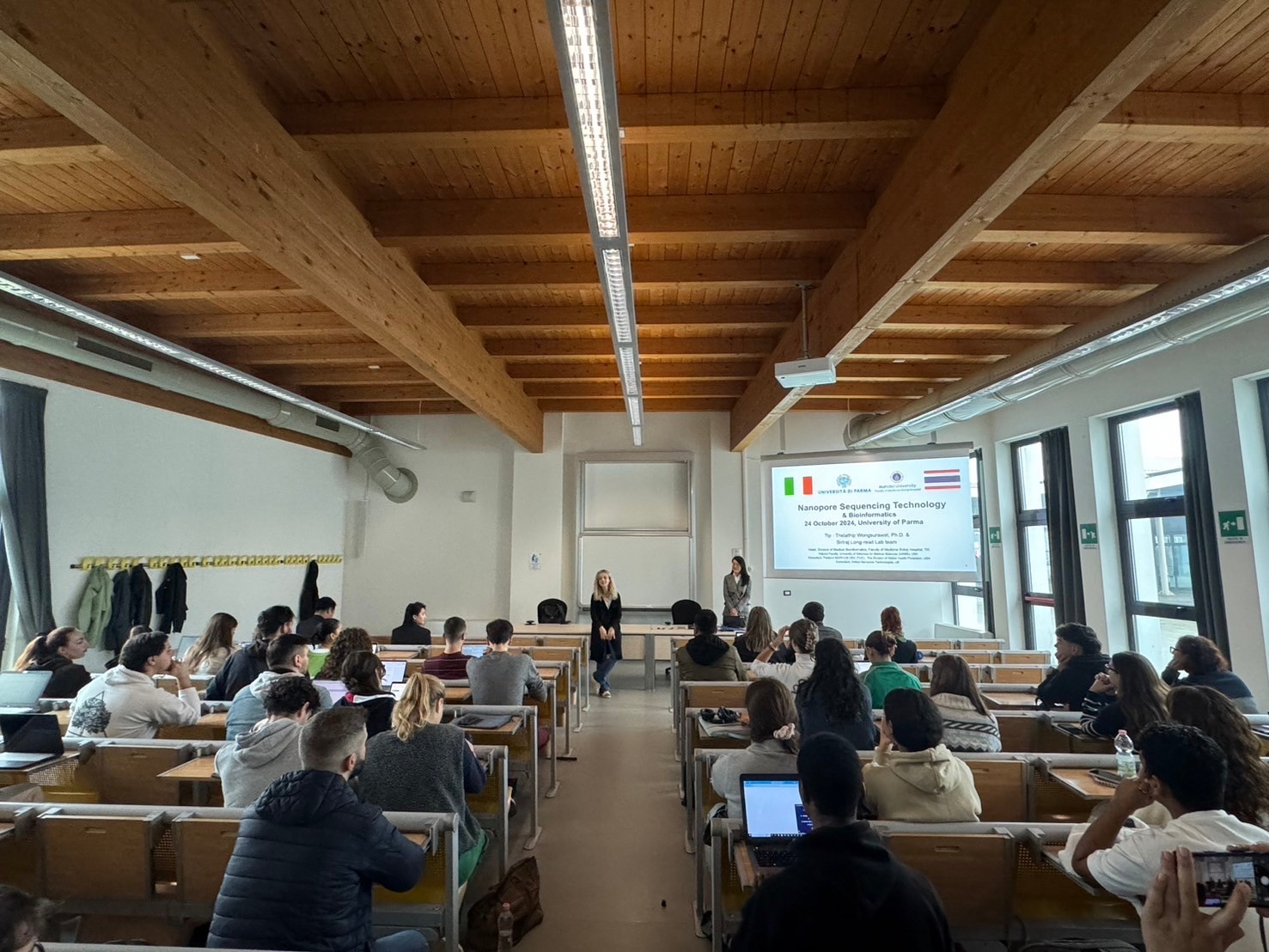
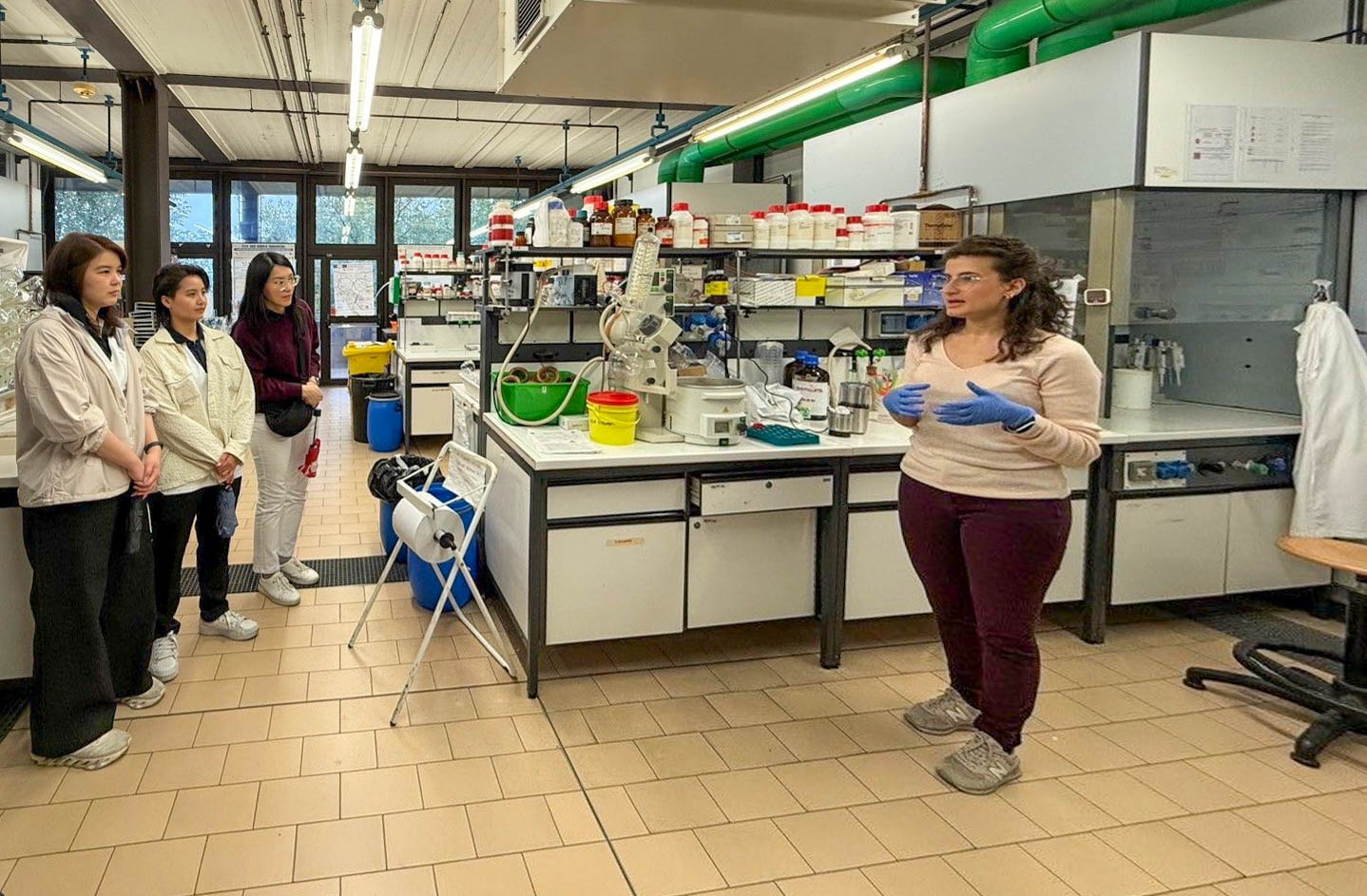
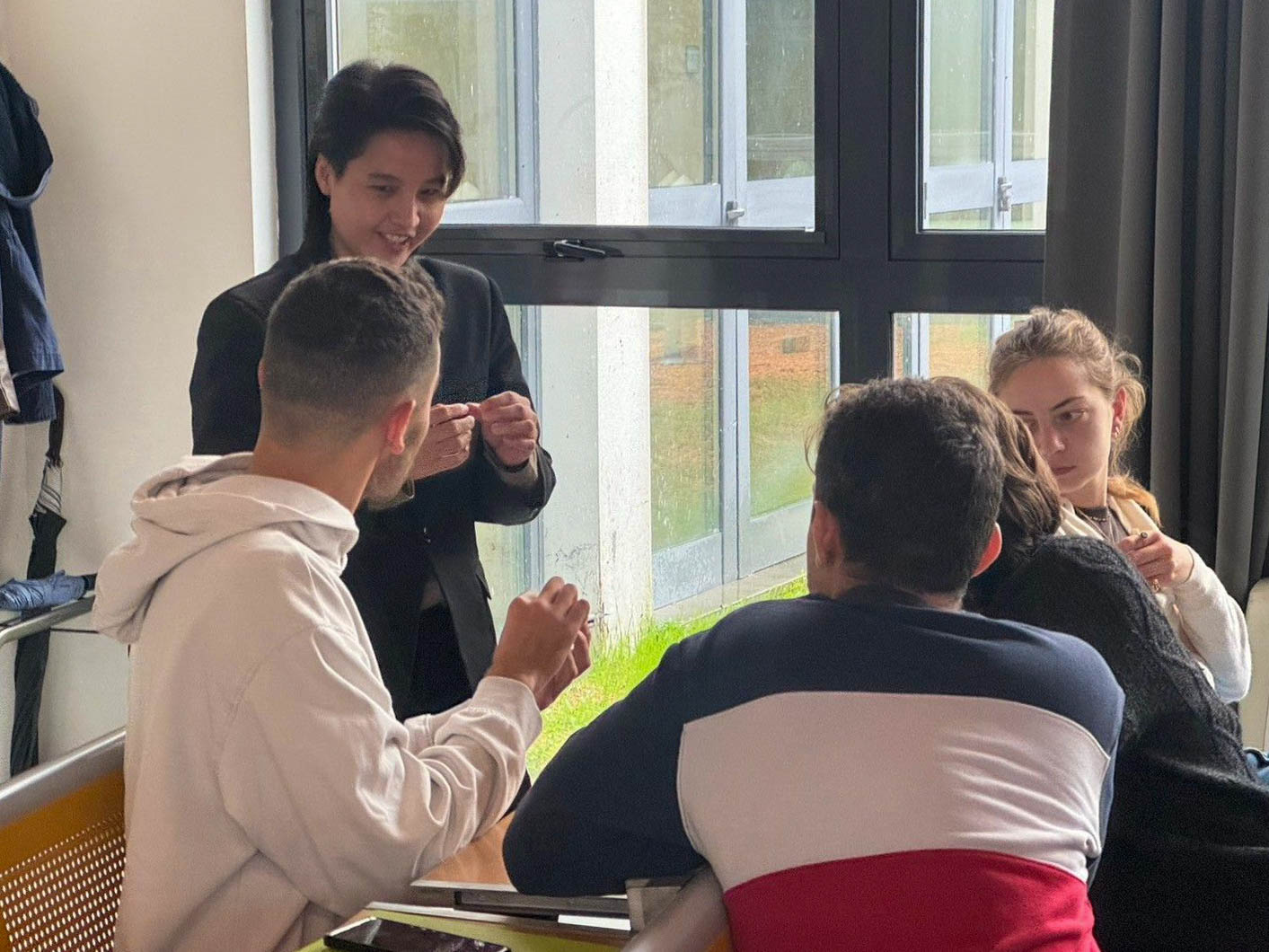
From October 16th – 31st, 2024, a team from the Division of Medical Bioinformatics, Department of Research, Faculty of Medicine Siriraj Hospital, Mahidol University, led an intensive training workshop titled “Nanopore Sequencing Workshop: Lactic Acid Bacterial Genome Sequencing and Bioinformatics” at the University of Parma, Italy. Conducted by Lecturer Thidathip Wongsurawat, Ph.D., Lecturer Piroon Jenjaroenpun, Ph.D., Lecturer Worarat Kruasuwan, Ph.D., and Research Technical Officer Ms. Aunthikarn Sudjai, the workshop paved the way for collaboration between the Faculty of Medicine Siriraj Hospital, Mahidol University, and the University of Parma, culminating in a Memorandum of Understanding (MOU) signing.

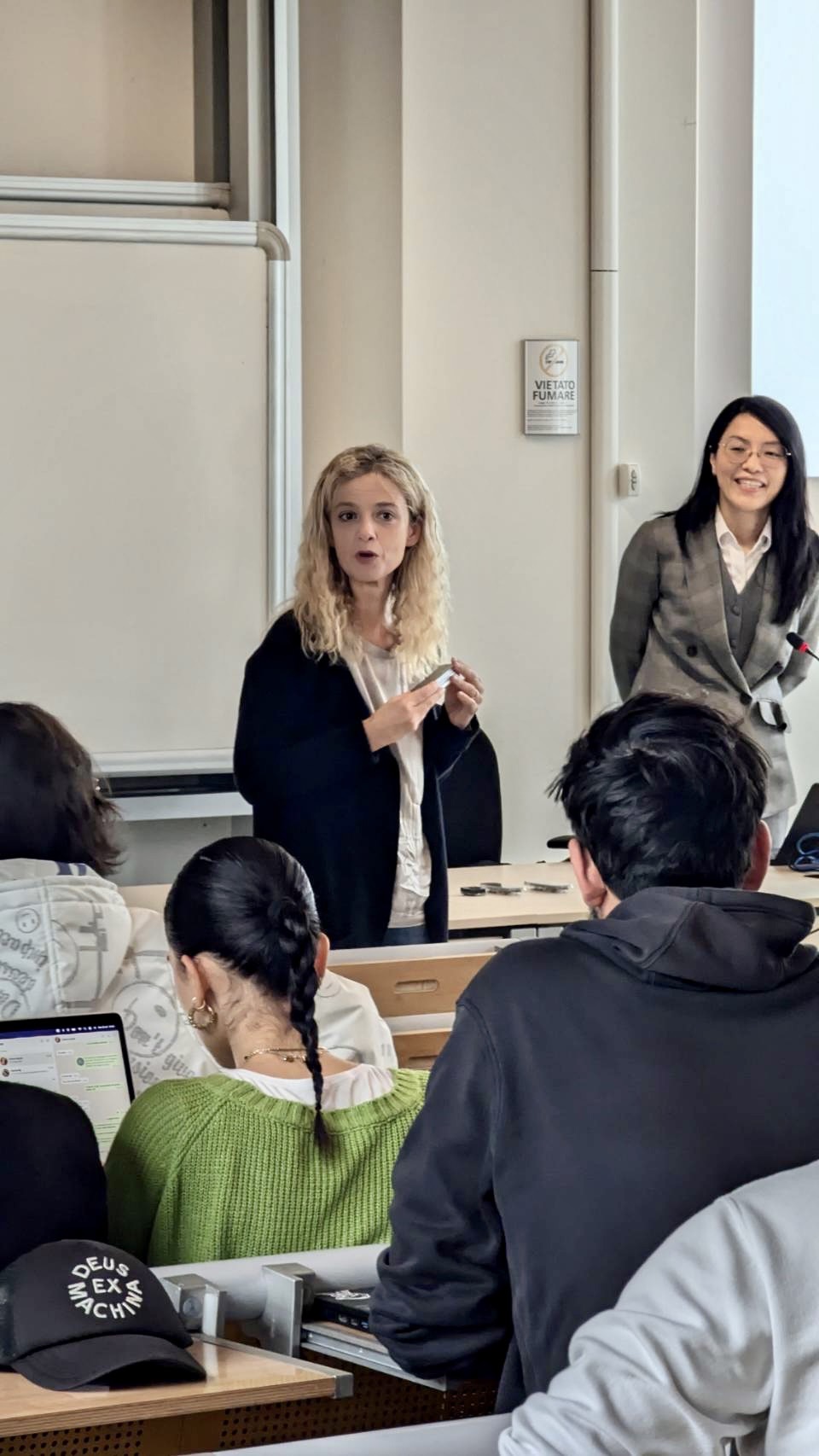
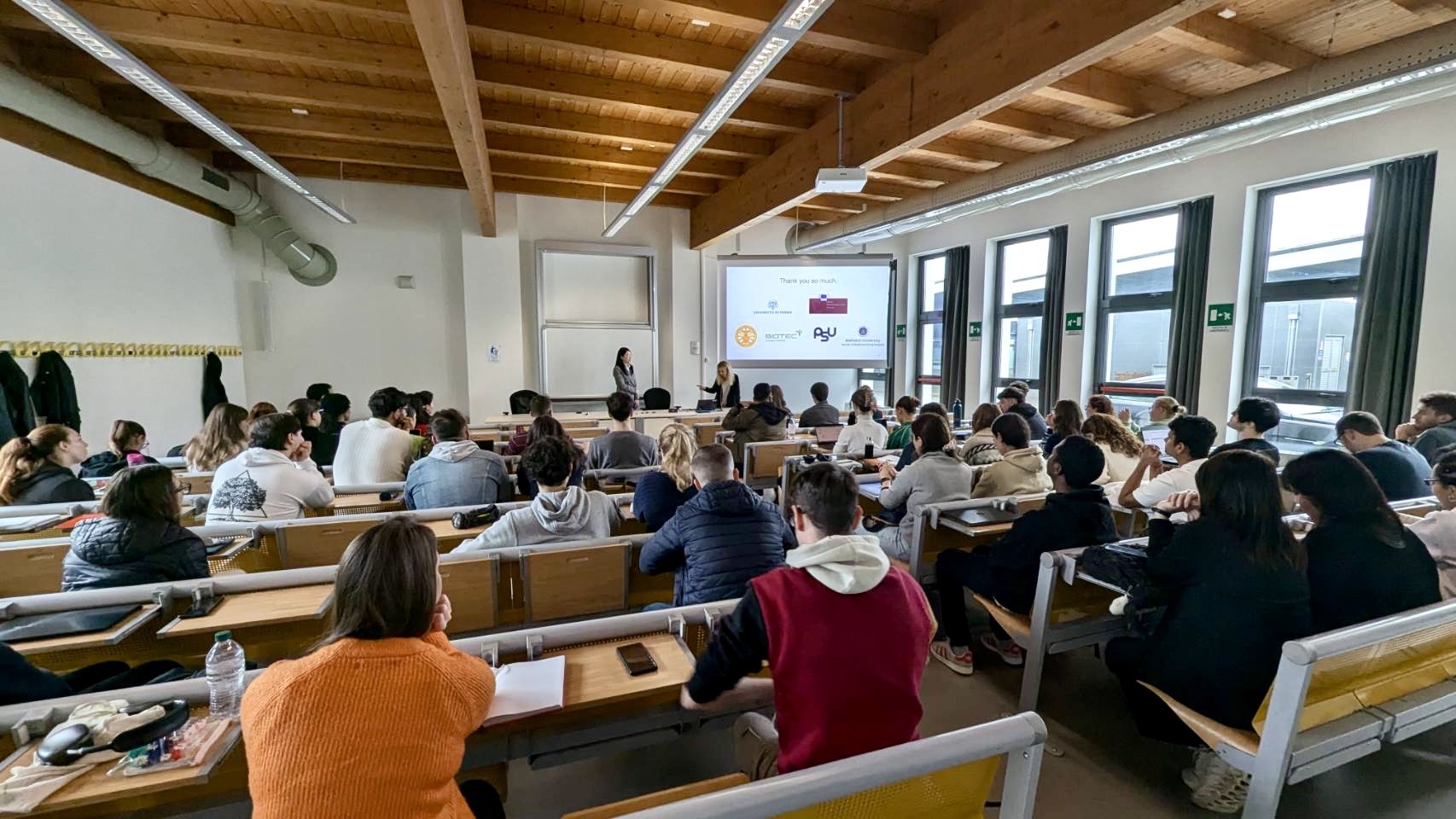
Building on this collaboration, the Siriraj team was invited as instructors for the MYCOBEANS project workshop, “Exploring (Emerging) Mycotoxins Risk in Beans: A Global Alliance for Climate Change Resilience,” held from October 28th – 29th, 2024. This workshop gathered over 50 participants from various European countries, covering topics such as:

“Introduction to Oxford Nanopore Technologies & Its Applications” by Lecturer Thidathip Wongsurawat, Ph.D.

“Introduction to MinKNOW” by Lecturer Piroon Jenjaroenpun, Ph.D.

“Overview of the Bioinformatics Pipeline for Nanopore Data Analysis” and “EPI2ME – Real-time Data Analysis Q&A with Participants’ Projects” by Lecturer Piroon Jenjaroenpun, Ph.D., and the Siriraj Long-read Lab (Si-LoL) team

“ONT Flow Cell Priming and Loading” and “Library Preparation” by Lecturer Worarat Kruasuwan, Ph.D., and the Si-LoL team

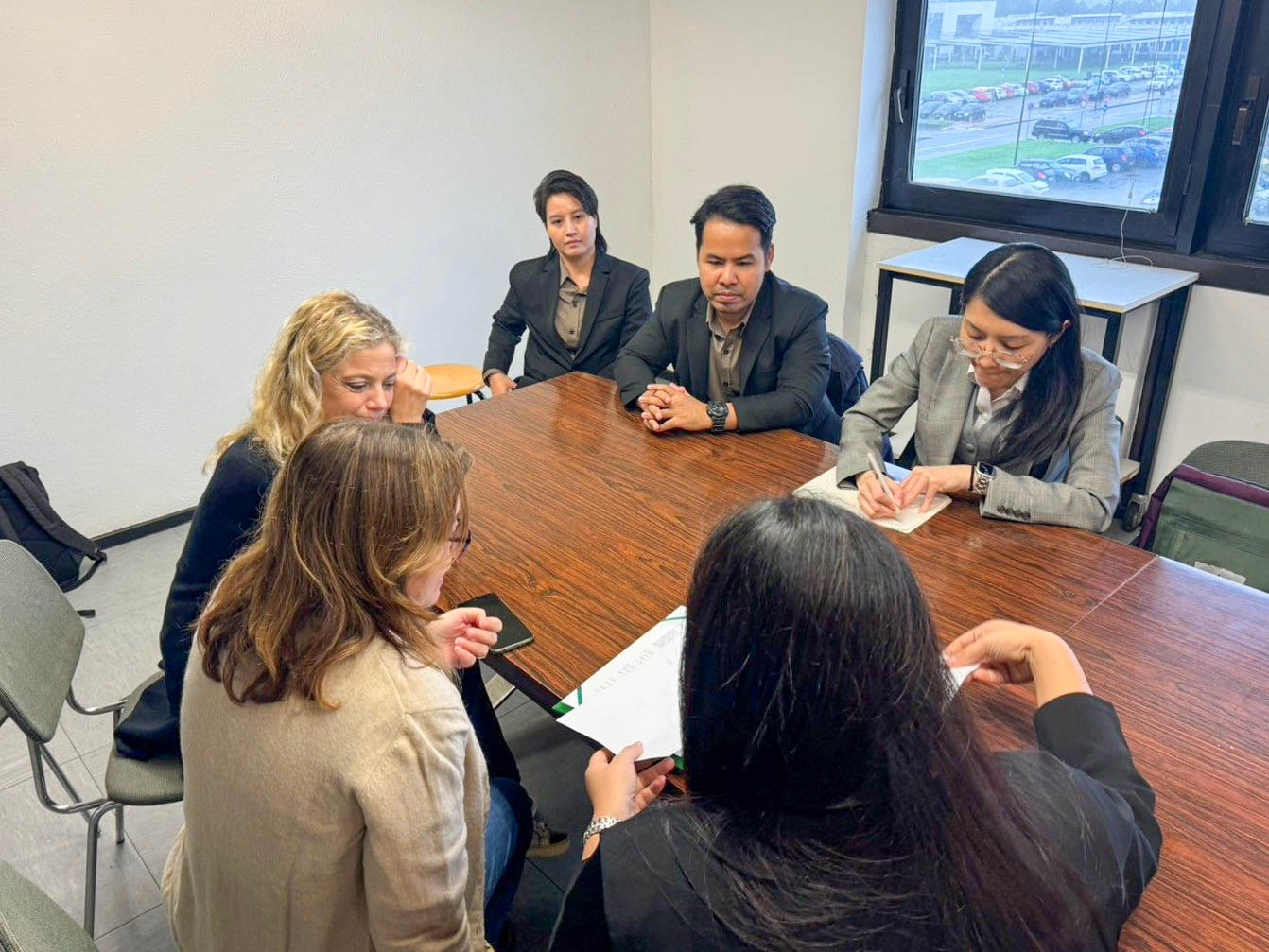
During this event, Lecturer Thidathip Wongsurawat, Ph.D., and the Si-LoL team presented the signed MOU from the Dean of the Faculty of Medicine Siriraj Hospital, Mahidol University, to the University of Parma. They also engaged with principal investigators across various faculties, exploring future international funding and research collaborations, further strengthening ties between the two institutions.

From October 23rd – 27th, 2024, Asst. Prof. Mutita Junking, Ph.D., Head of the Division of Molecular Medicine, Department of Research, Faculty of Medicine Siriraj Hospital, Mahidol University, participated in “The 9th Federation of Immunological Societies of Asia-Oceania Congress (FIMSA2024)” in Taipei, Taiwan. She presented a research poster titled “Enhancing Mucin1-specific CAR T cell Efficacy in Breast Cancer Using PD-1/CD28 Switch Receptor”.

The Federation of Immunological Societies of Asia-Oceania (FIMSA) is a non-profit organization founded in 1992, promotes immunology research across the Asia-Pacific region. Membership is open to immunological societies and associations in the region that are part of the International Union of Immunological Societies (IUIS). Current members include Australia & New Zealand, China, Taiwan, Hong Kong, India, Iran, Japan, Korea, Papua New Guinea, Singapore, Thailand, and Sri Lanka. Societies that don’t qualify for full membership may join as Observers, with current Observers including Bangladesh, CIS, and Russia.


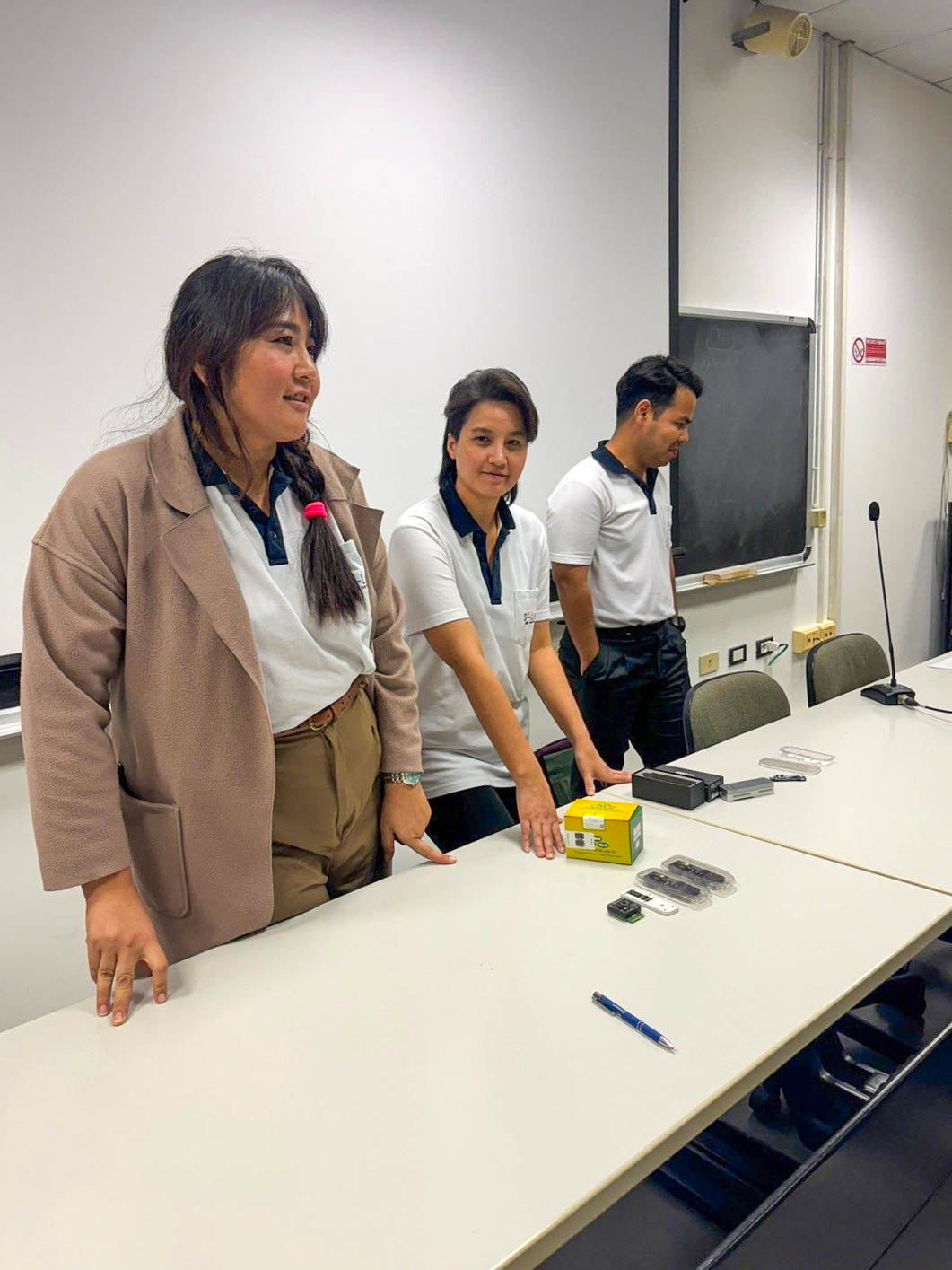
Ms. Tantip Arigul, a bioinformatician from the Division of Medical Bioinformatics, Department of Research, Faculty of Medicine Siriraj Hospital, Mahidol University, conducted an intensive training workshop titled “Nanopore Workshop: Bioinformatics of Nanopore Technology (EPI2ME CLOUD)” at the University of Parma, Italy.

The workshop focused on the EPI2ME platform, a cloud-based service for analyzing nanopore sequencing data. It provided an in-depth overview of the platform’s functionalities, including the EPI2ME client and MinKNOW software, which convert electrical signals from DNA/RNA reads into basecalled sequences. Participants were introduced to the MinION device, a compact tool for real-time genomic data processing, alongside the EPI2ME portal and agent, which are essential for managing user profiles, generating analysis reports, and securely executing data analyses.
Key workflows such as antimicrobial resistance (AMR) detection were demonstrated, emphasizing quality control measures, including read length and quality score filtering. This comprehensive training offered valuable insights for researchers leveraging nanopore sequencing in their studies.

In parallel with the workshop, Lecturer Thidathip Wongsurawat, PhD, and the Siriraj team strengthened academic ties with the University of Parma by presenting the Memorandum of Understanding (MOU) signed by the Dean of the Faculty of Medicine Siriraj Hospital, Mahidol University. This agreement formally establishes Siriraj as a Nanopore Center of Excellence, underscoring its leading role in advancing research and fostering international partnerships.

The expertise shared and insights gained during this engagement are expected to enhance Siriraj Hospital’s capacity for cutting-edge genomic research, further solidifying its global reputation as a leader in nanopore sequencing technology.

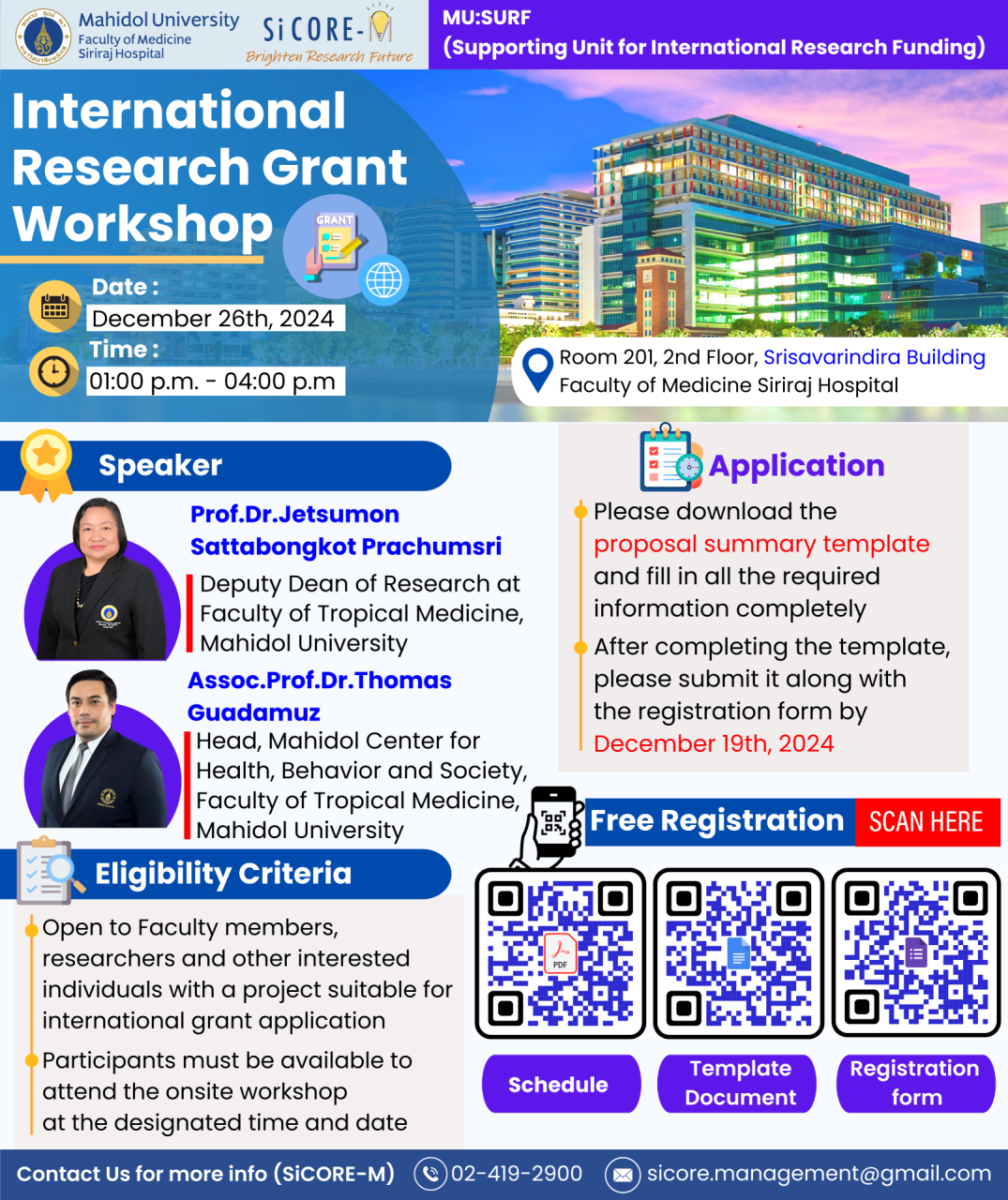
🌐 International Research Grant Workshop
📅 Date: December 26th, 2024
🕑 Time: 01:00 p.m. – 04:00 p.m.
🏢 Room 201, 2nd Floor, Srisavarindira Building, Faculty of Medicine Siriraj Hospital

– Speaker
📌 Prof. Dr. Jetsumon Sattabongkot Prachumsri
Deputy Dean of Research at Faculty of Tropical Medicine, Mahidol University
📌 Assoc. Prof. Dr. Thomas Guadamuz
Assistant to the president for Academic affairs and Research, Mahidol University

– Eligibility Criteria
✅ Open to Faculty members, researchers and other interested individuals with a project suitable for international grant application
✅ Participants must be available to attend the onsite workshop at the designated time and date

– Application
➡️ Please download the proposal summary template and fill in all the required information completely
➡️ After completing the template, please submit it along with the registration form by December 19th, 2024
📌 Registration for free
⚠️ Deadline for registration: December 19th, 2024

💻 Register now
🔗 Schedule: https://drive.google.com/file/d/1RM_XGeIdJhfeNfYt9MpEHz5eAhoFGi7i/view
🔗 Proposal summary template document: https://docs.google.com/document/d/17sFu38scTaVxGLaUSSGS2Al_KnVwZRqo/edit
🔗 Registration form: https://docs.google.com/forms/d/16BhjbKUnWzd3EKy_BIEMtpMutCHNq_SasKnfilEZHrk/viewform?edit_requested=true

If you have any questions, Contact us for more info (SiCORE-M)
☎️ Tel. 02-419-2900
📧 E-mail: sicore.management@gmail.com
#SiCOREM #SiCOREs

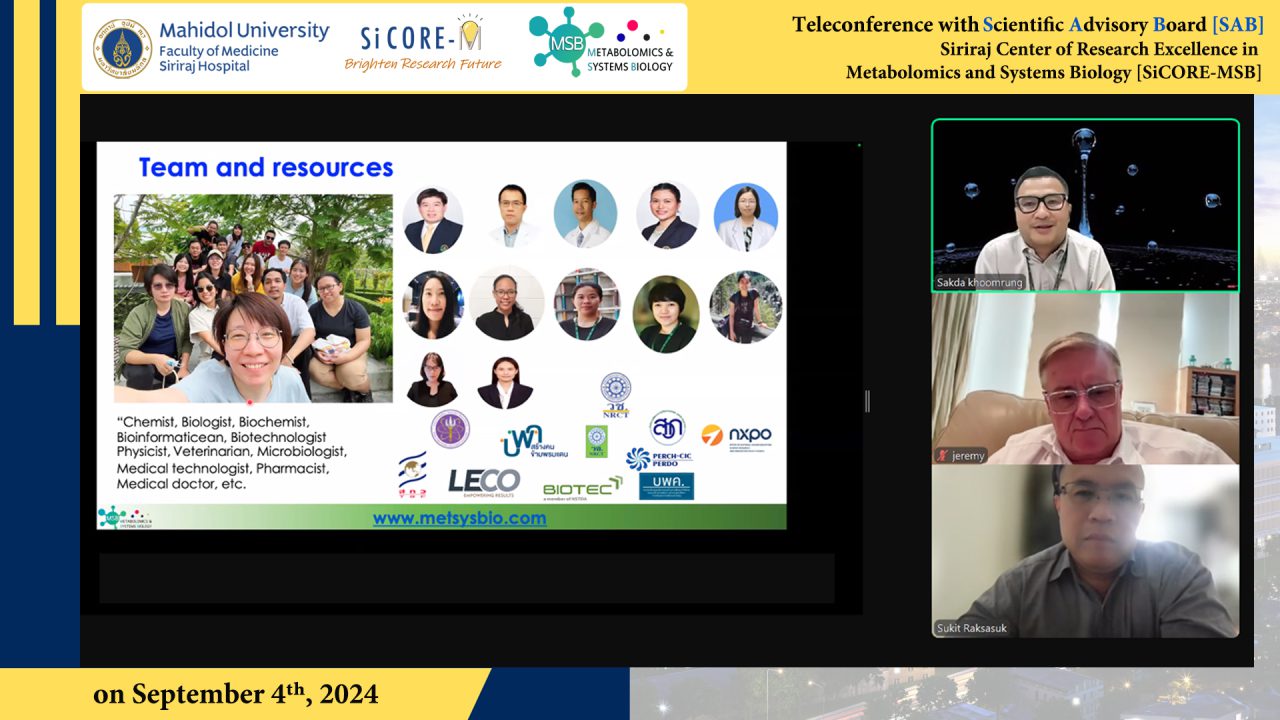
On September 4th, 2024, the SiCORE-M team hosted the Scientific Advisory Board (SAB) of SiCORE-MSB for the third teleconference of the year, focusing on the first-year progress in Phase 1. Associate Professor Prawej Mahawithitwong, Deputy Head of the Center of Research Excellence (SiCORE), opened the meeting and extended a warm welcome to Emeritus Professor Jeremy Nicholson, Pro Vice Chancellor of Health Sciences and Executive Director of the Australian National Phenome Centre (ANPC) at Murdoch University. Professor Nicholson provided invaluable guidance on the center’s progress.

Associate Professor Dr. Sakda Khoomrung, Director of SiCORE-MSB, together with Assistant Professor Sukit Raksasuk, Dr. Kwanjeera Wanichthanarak, and Dr. Narumol Jariyasopit, presented the updates on their metabolomics research focused on kidney disease diagnosis. The team discussed the importance of refining a long-term research plan and emphasized the need to identify more clinically relevant biomarkers. Limitations in current instrumentation were highlighted, alongside discussions of potential future collaborations to enhance the research outcomes.

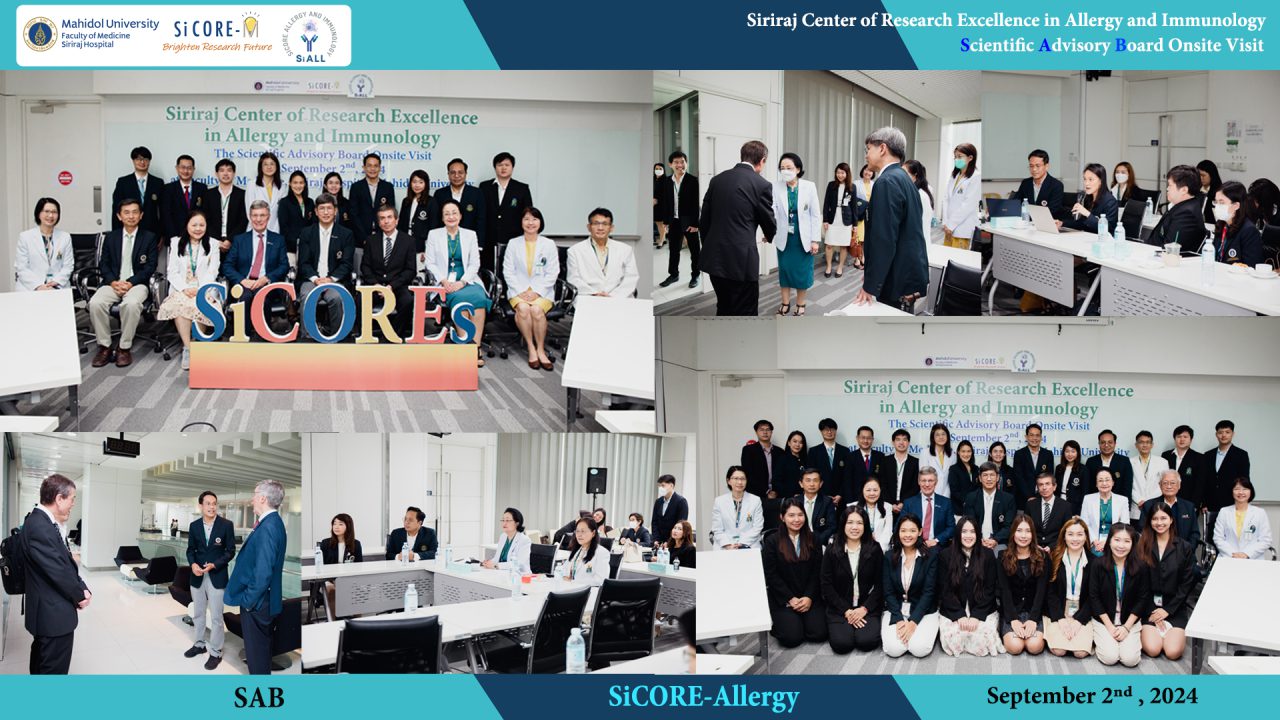
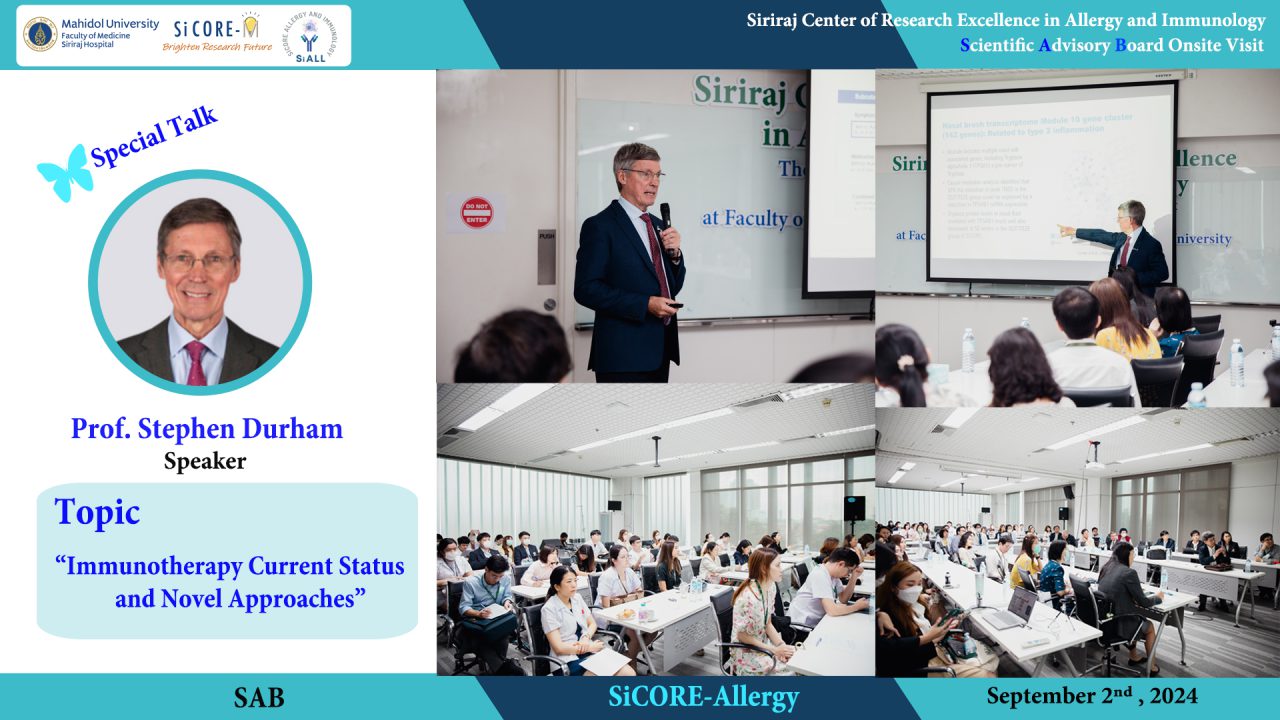
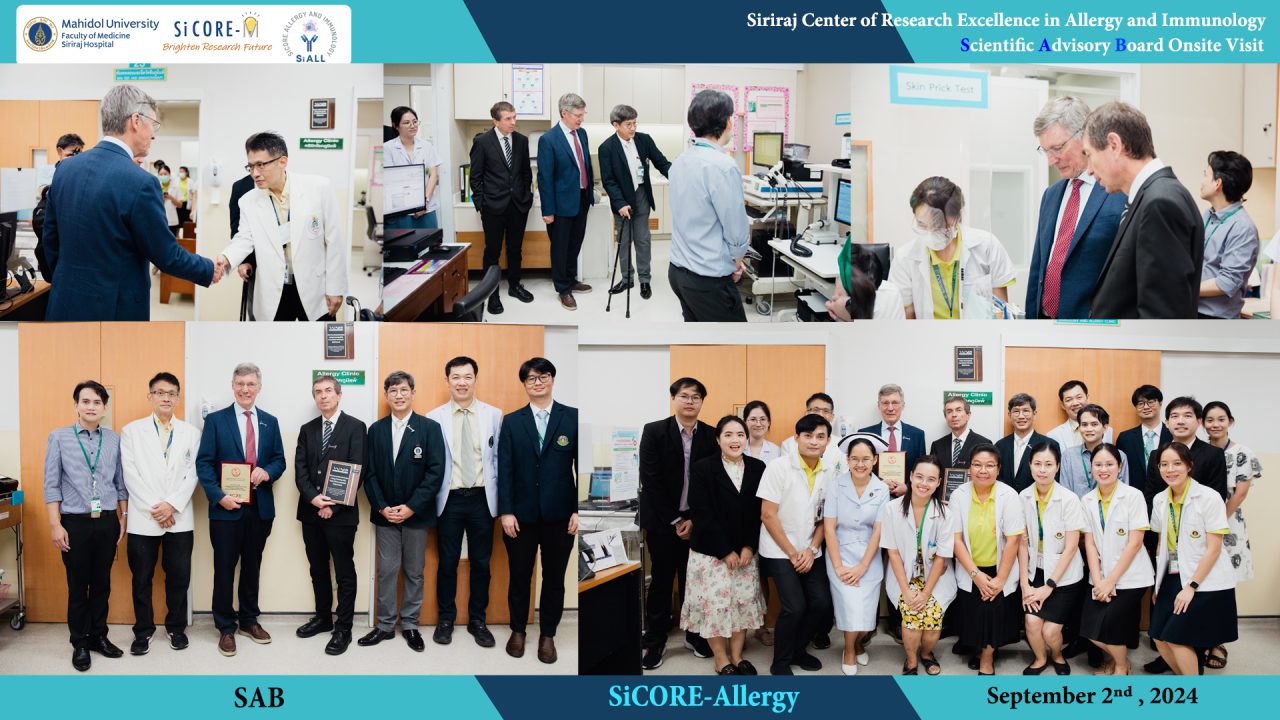
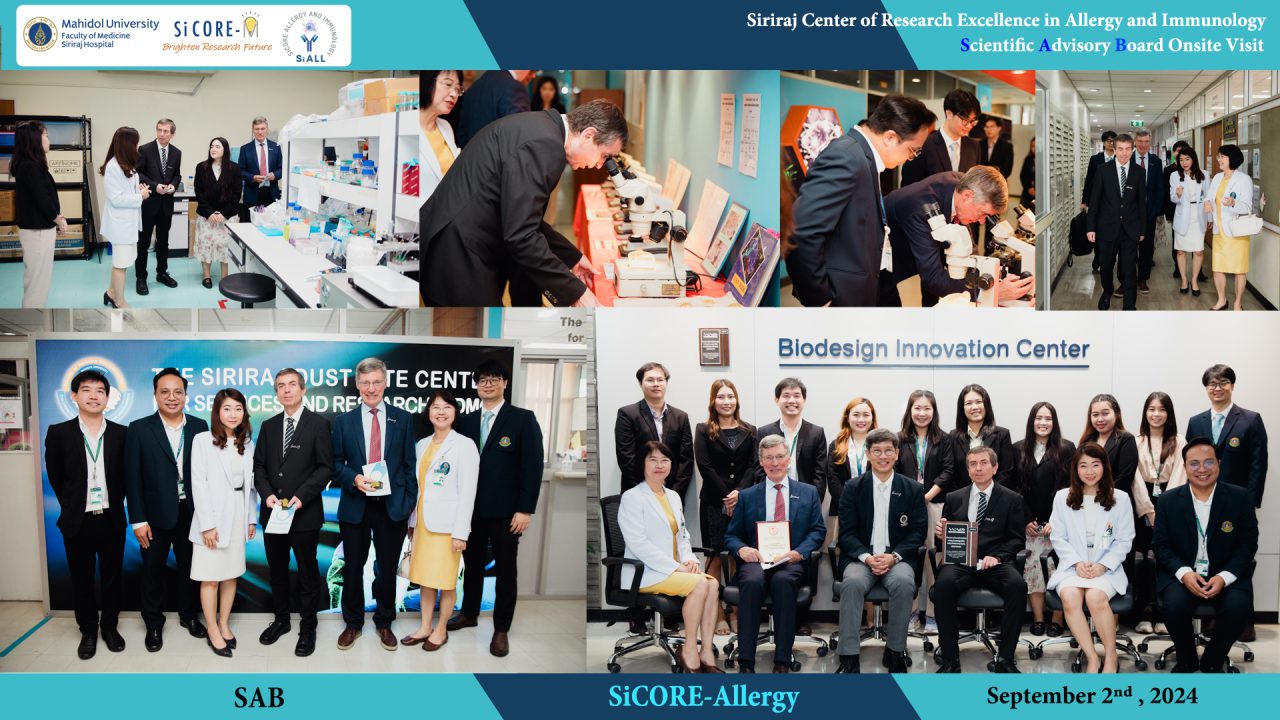
On September 1st and 2nd, 2024, SiCORE-M and SiCORE-Allergy jointly hosted the Scientific Advisory Board (SAB) ‘s onsite meeting at the Siriraj Medical Research Building (SiMR), Faculty of Medicine, Siriraj Hospital. The event began with a guided laboratory visit and a comprehensive discussion of the current Allergy projects.

The meeting was graced by the presence of Prof. Apichat Asavamongkolkul, Dean of the Faculty of Medicine, Siriraj Hospital, who extended a warm welcome to the visiting renowned experts, Prof. Rudolf Valenta from the Medical University of Vienna and Prof. Stephen Durham from Imperial College London. Their guidance and special lectures added immense value to the discussions.

Assoc. Prof. Pongsakorn Tantilipikorn, Director of SiCORE-Allergy, along with Assoc. Prof. Nitaya Indrawattana, Dr. Dichapong Kanjanawasee, and Dr. Nathachit Limjunyawong presented the progress and challenges in developing intranasal allergen preparations. The discussions focused on the strategic transition from cockroach to house dust mite intranasal immunotherapy based on unmet needs and initial research findings. As the team prepares for the first human trials under Thai FDA product registration, the SAB’s full approval for the shift was a significant validation, noting the significant prevalence and impact of house dust mite allergies in Thailand. Additionally, the meeting highlighted the molecular analysis of cockroach allergens and their cross-reactivity with house dust mites, marking important directions for future research.

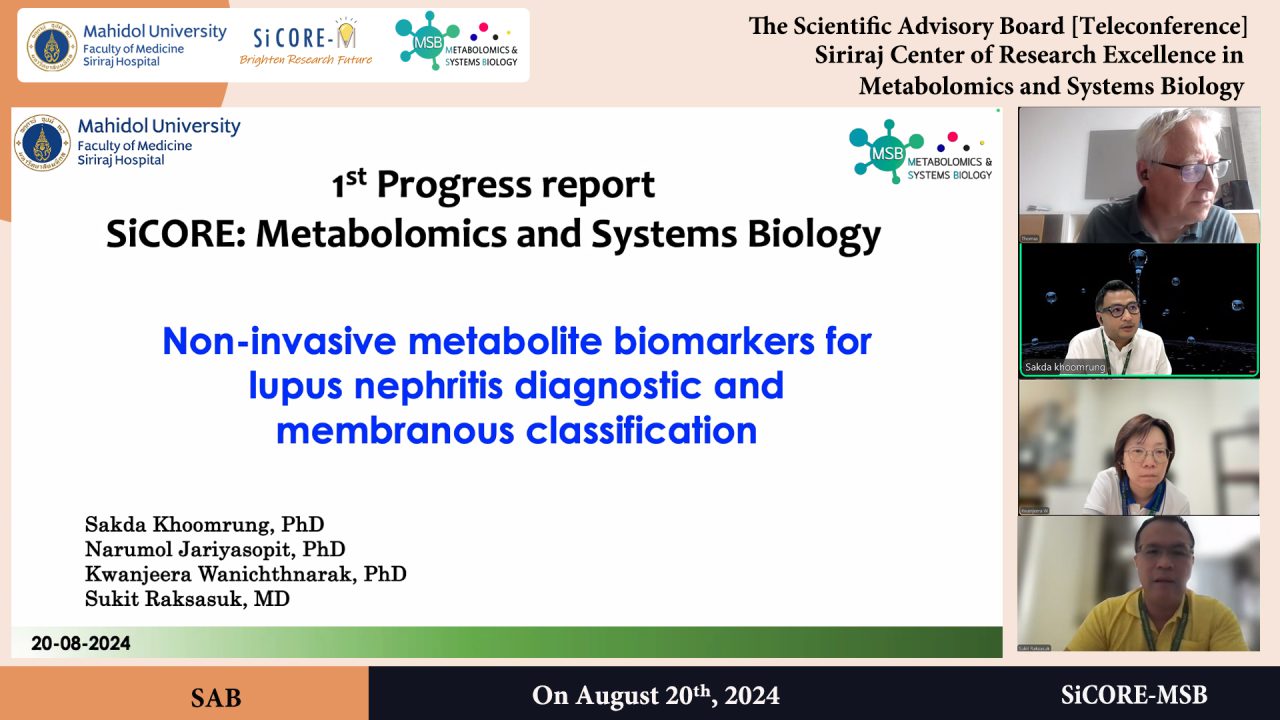
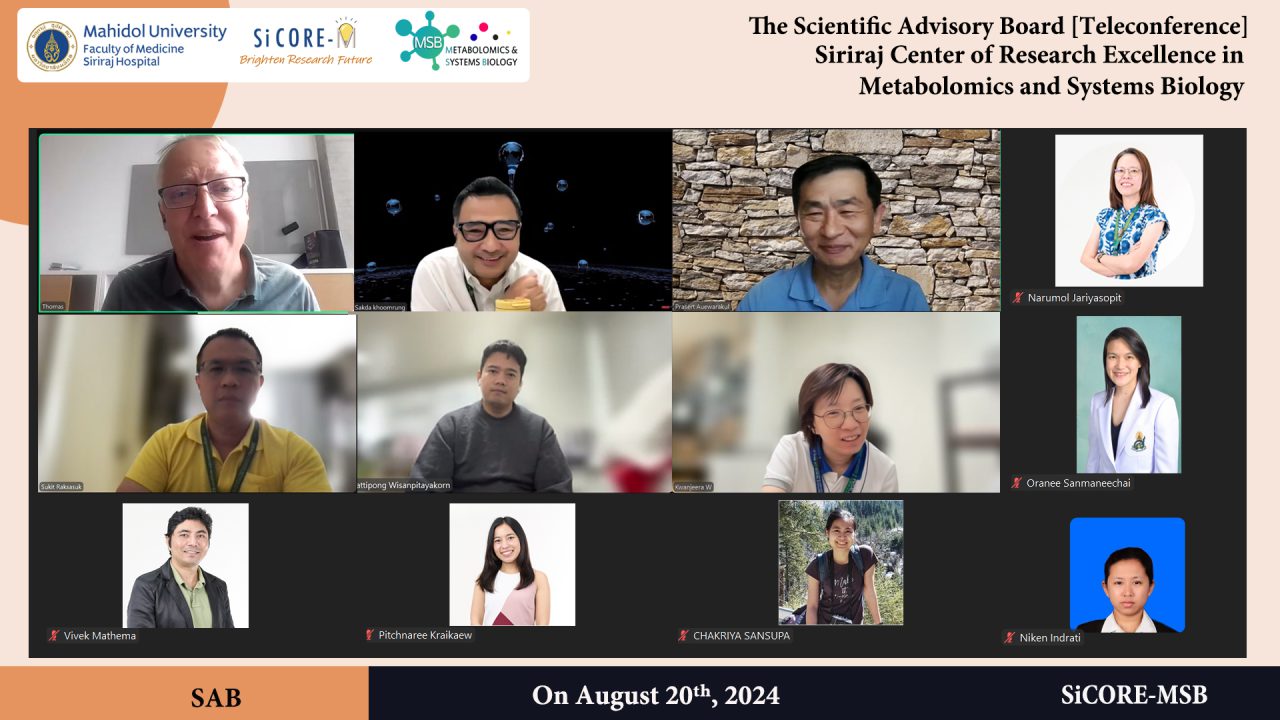
On August 20th, 2024, the SiCORE-M team welcomed the Scientific Advisory Board (SAB) of SiCORE-MSB for a teleconference to review the first-year progress in Phase 1. The meeting began with opening remarks by Prof. Oranee Sanmaneechai, Deputy Head of the Center of Research Excellence (SiCORE), extended a warm welcome to Prof. Thomas Moritz from the University of Copenhagen for the first year’s research progress evaluation.

Assoc. Prof. Dr. Sakda Khoomrung, Director of SiCORE-MSB, along with Assist. Prof. Sukit Raksasuk, Dr. Kwanjeera Wanichthanarak, Dr. Narumol Jariyasopit, and Dr. Pattipong Wisanpitayakorn, presented significant advancements in metabolomics and systems biology, with a focus on biomarker research.

The discussion included a proposal to expand kidney biopsy research with a larger cohort to validate previous findings. The team also introduced a new imaging protocol for small molecules using mass spectrometry and shared insights on metabolomics data for identifying biomarkers in kidney disease.