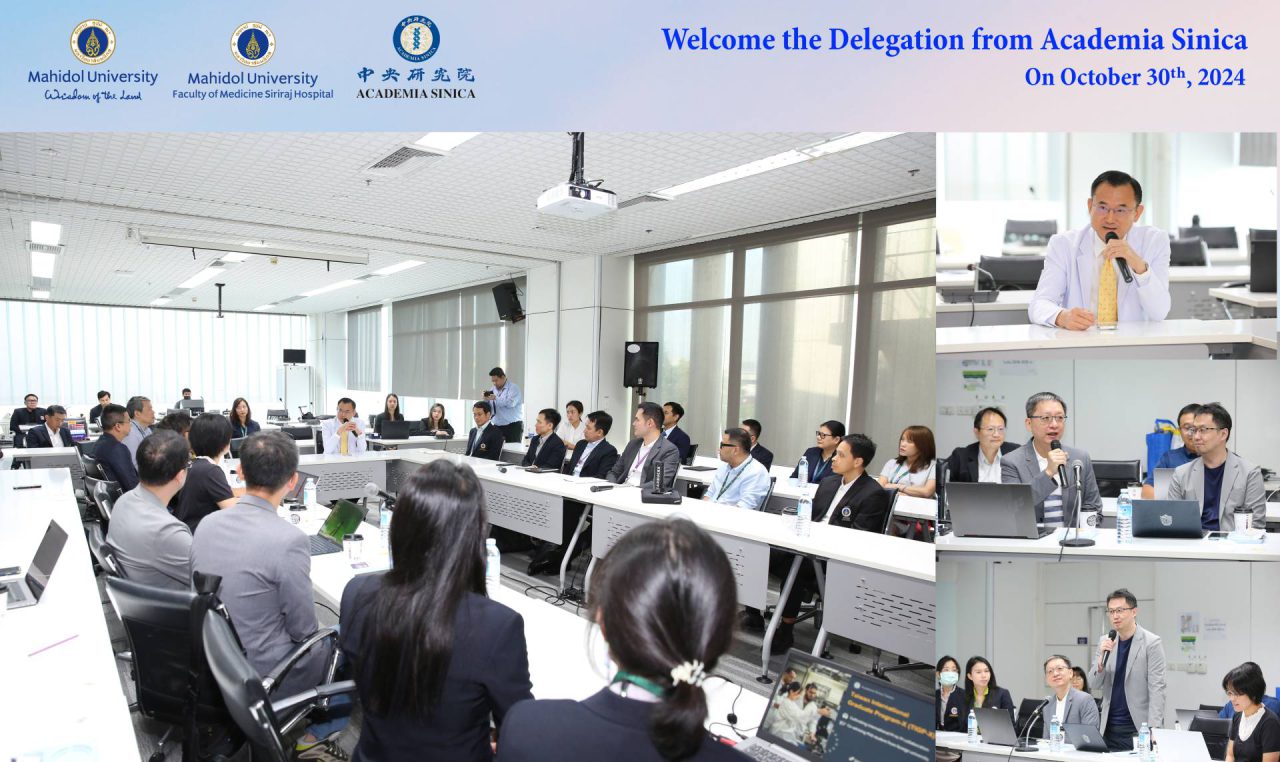
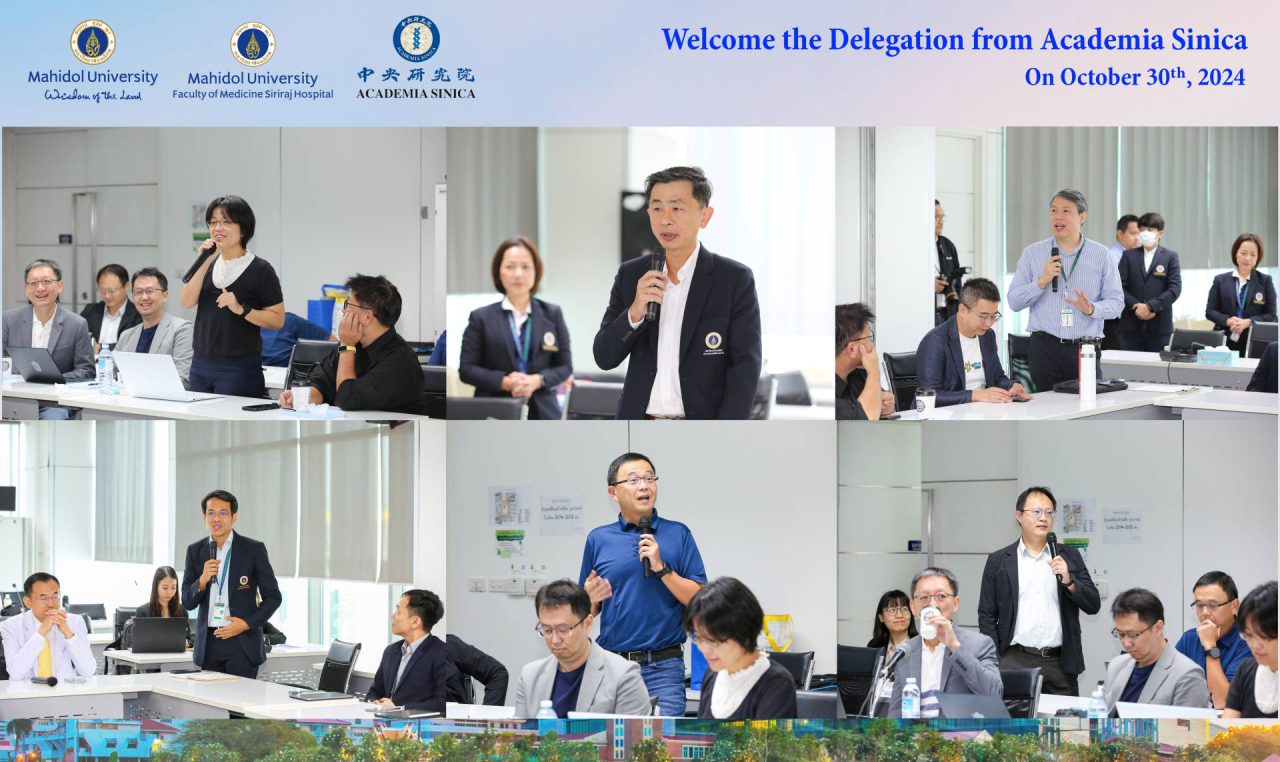
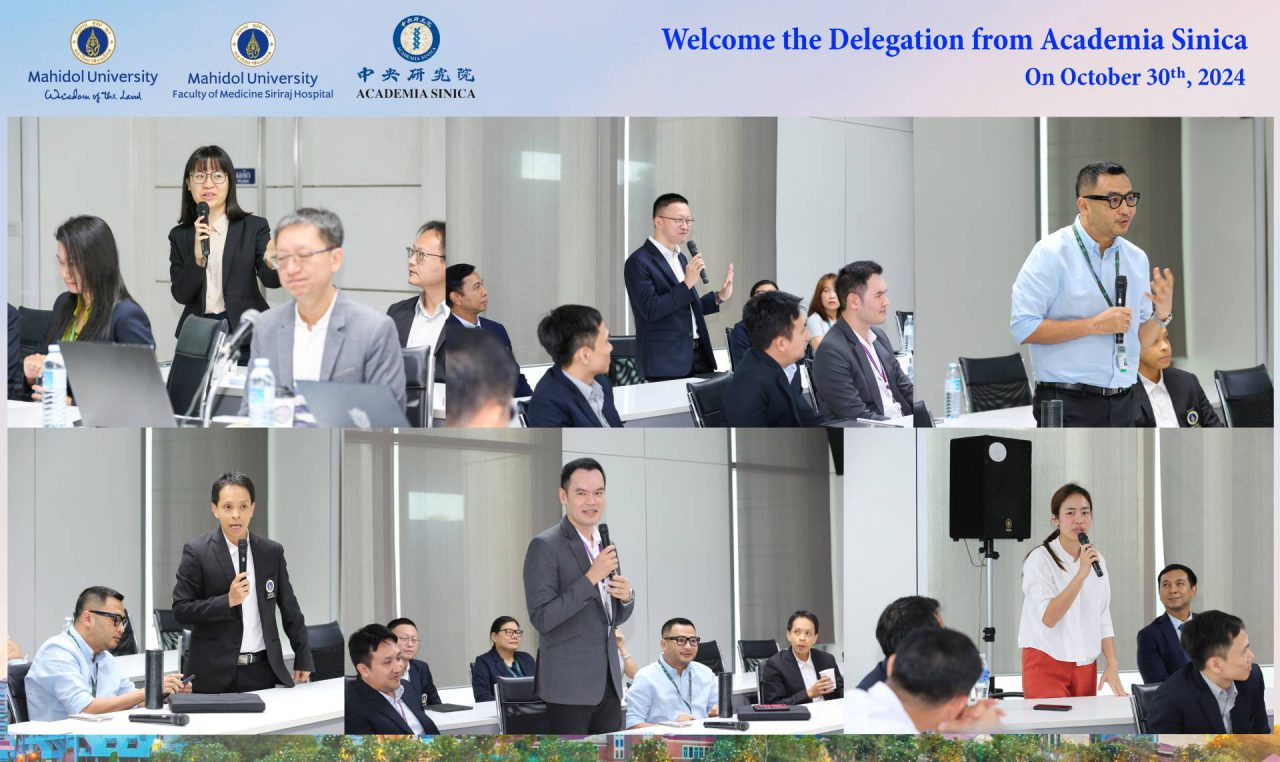
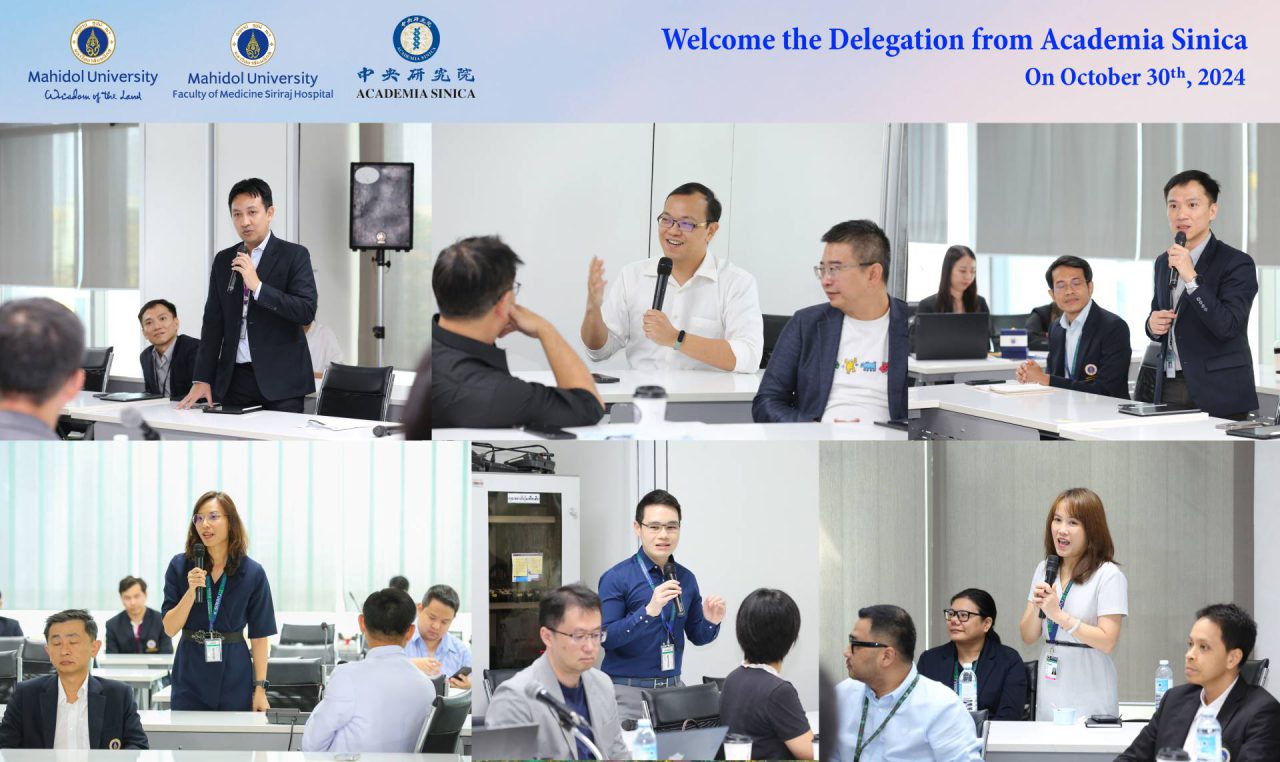
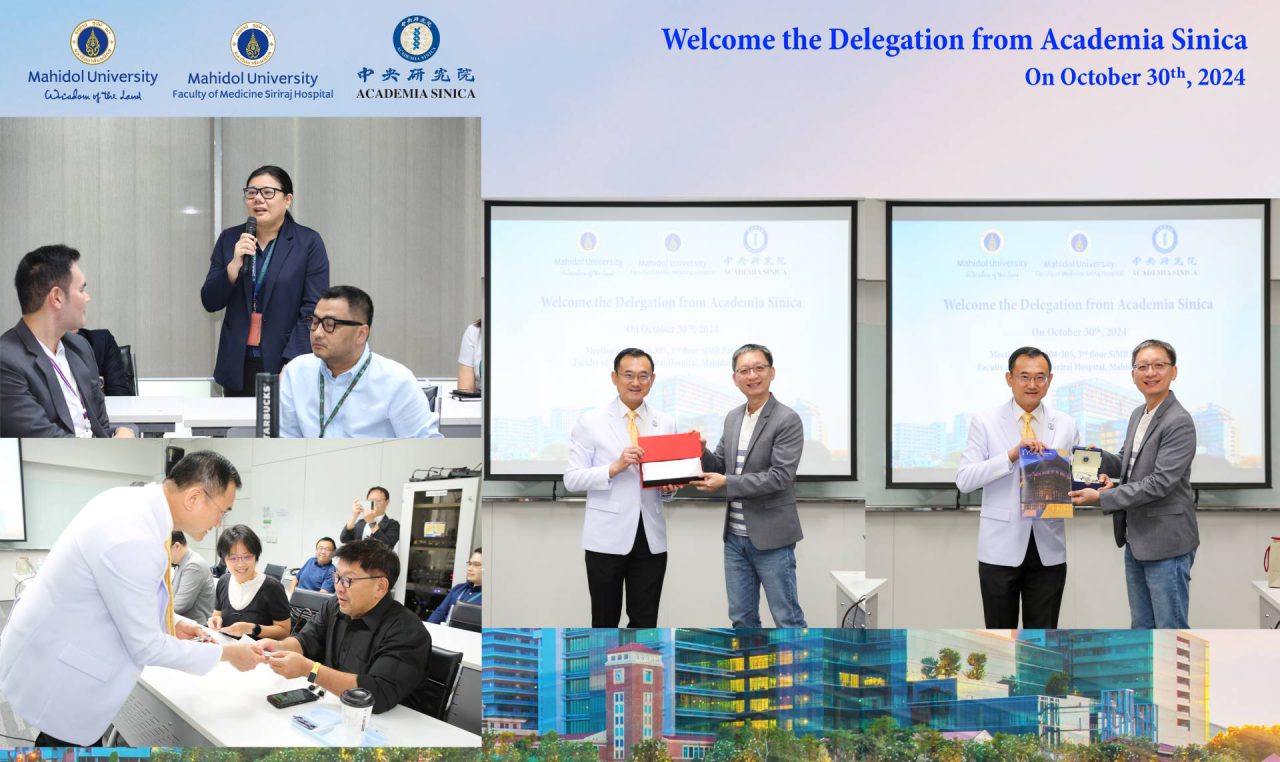
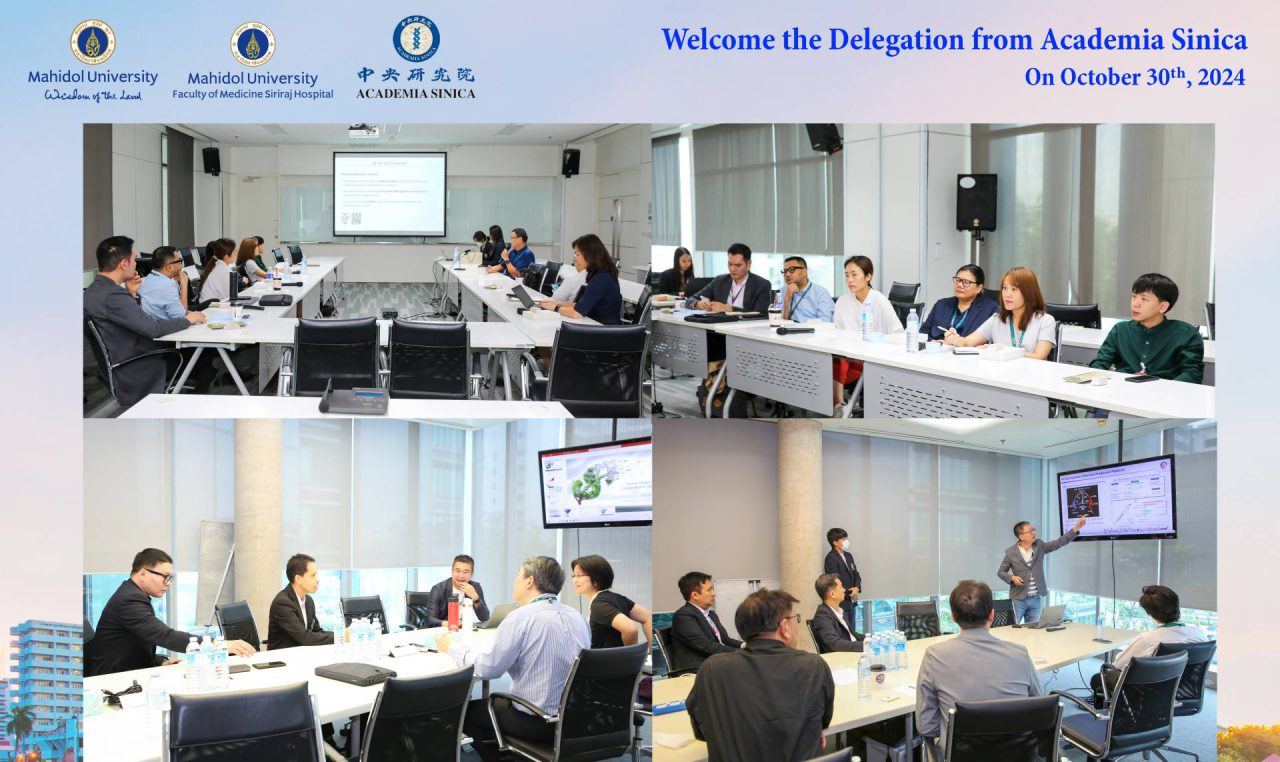
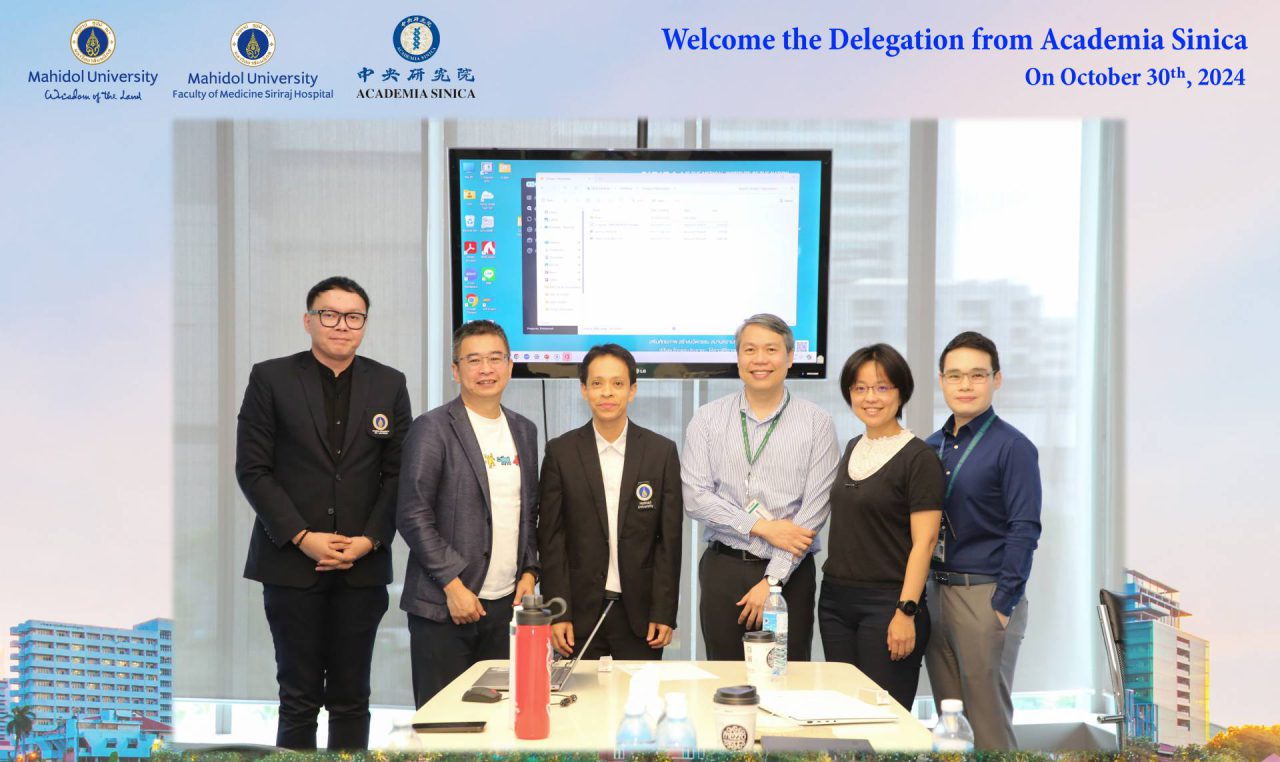
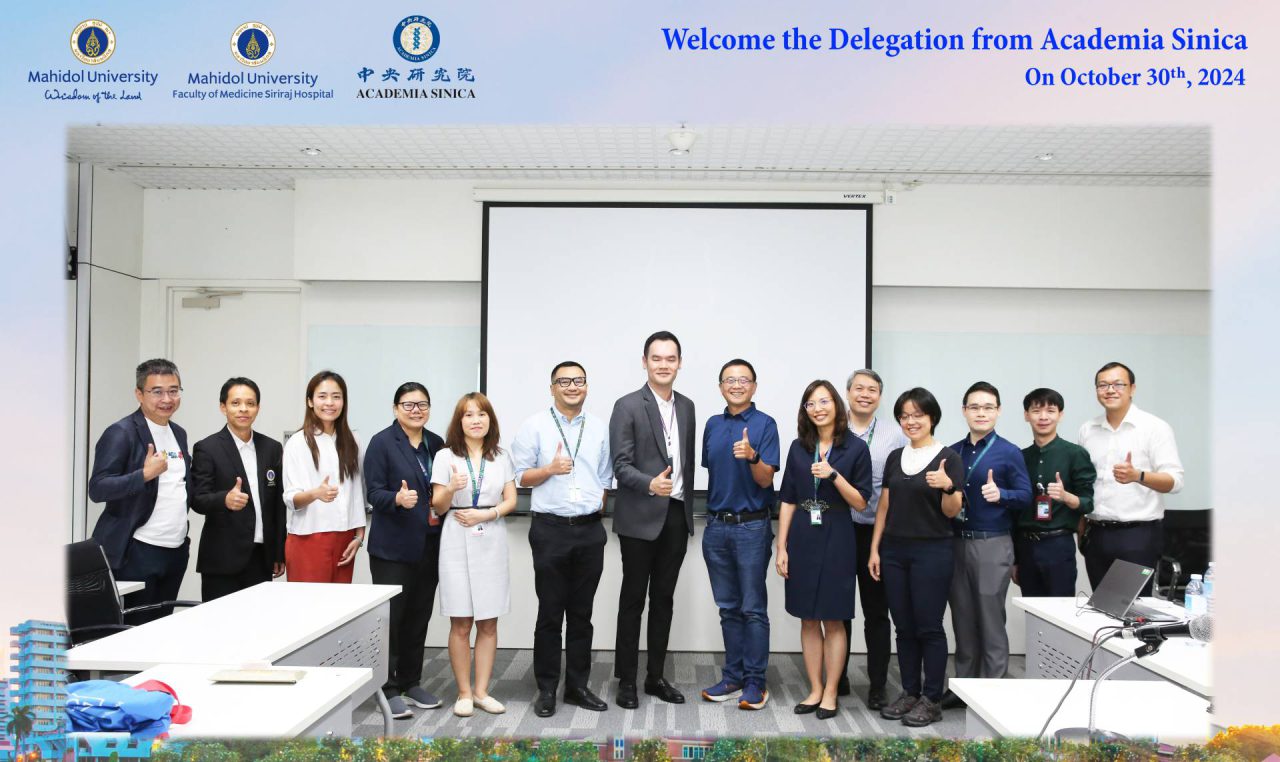
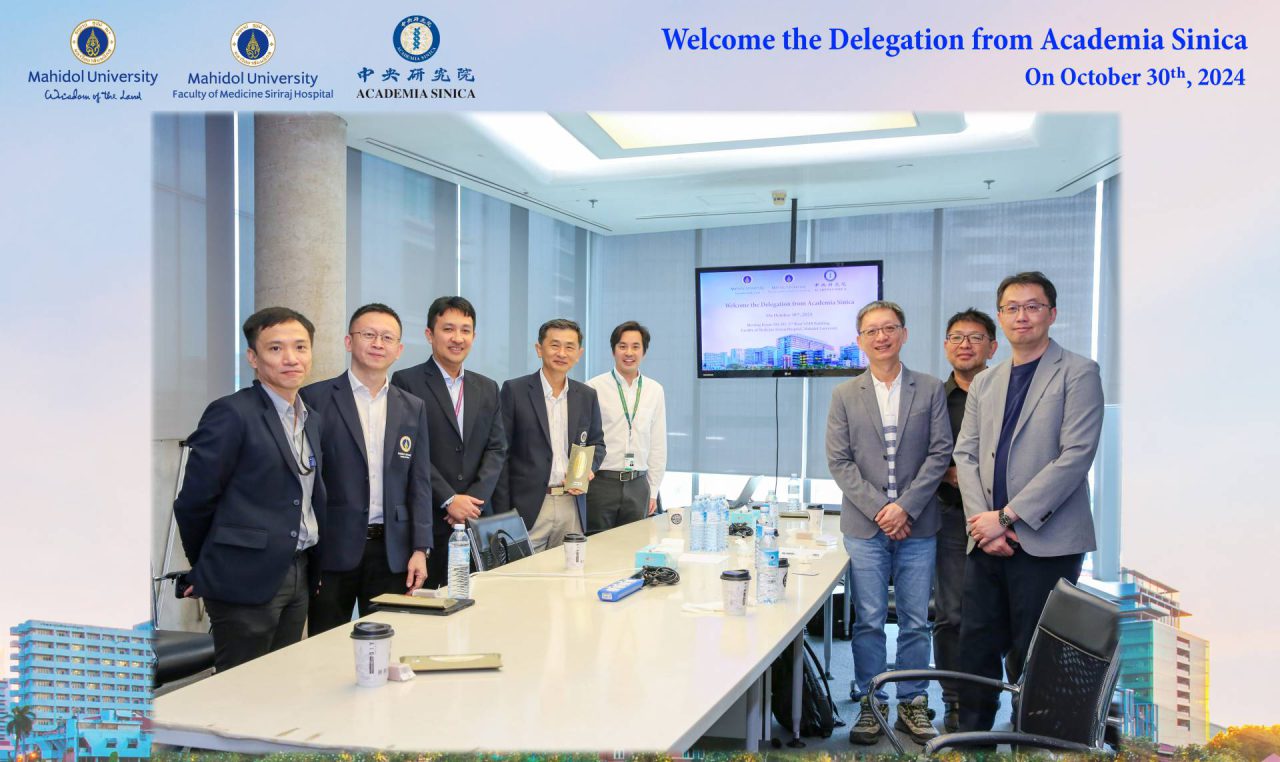
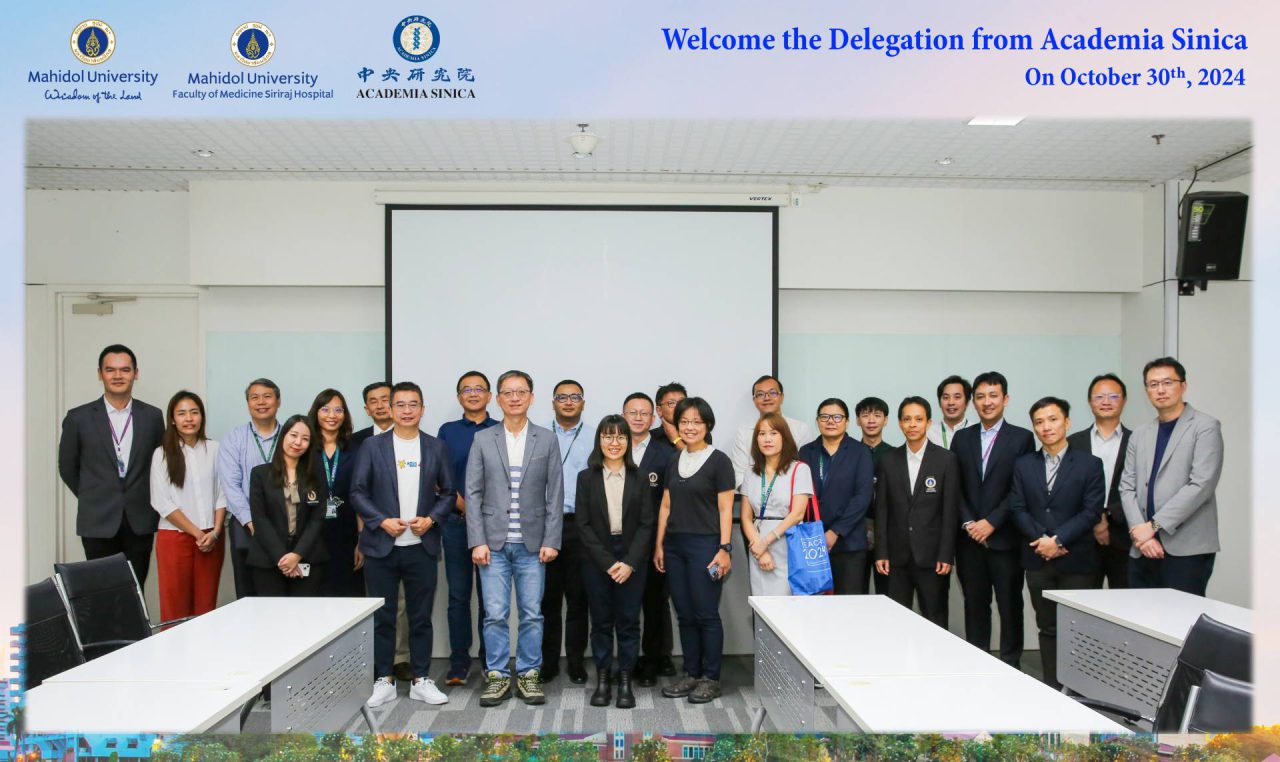
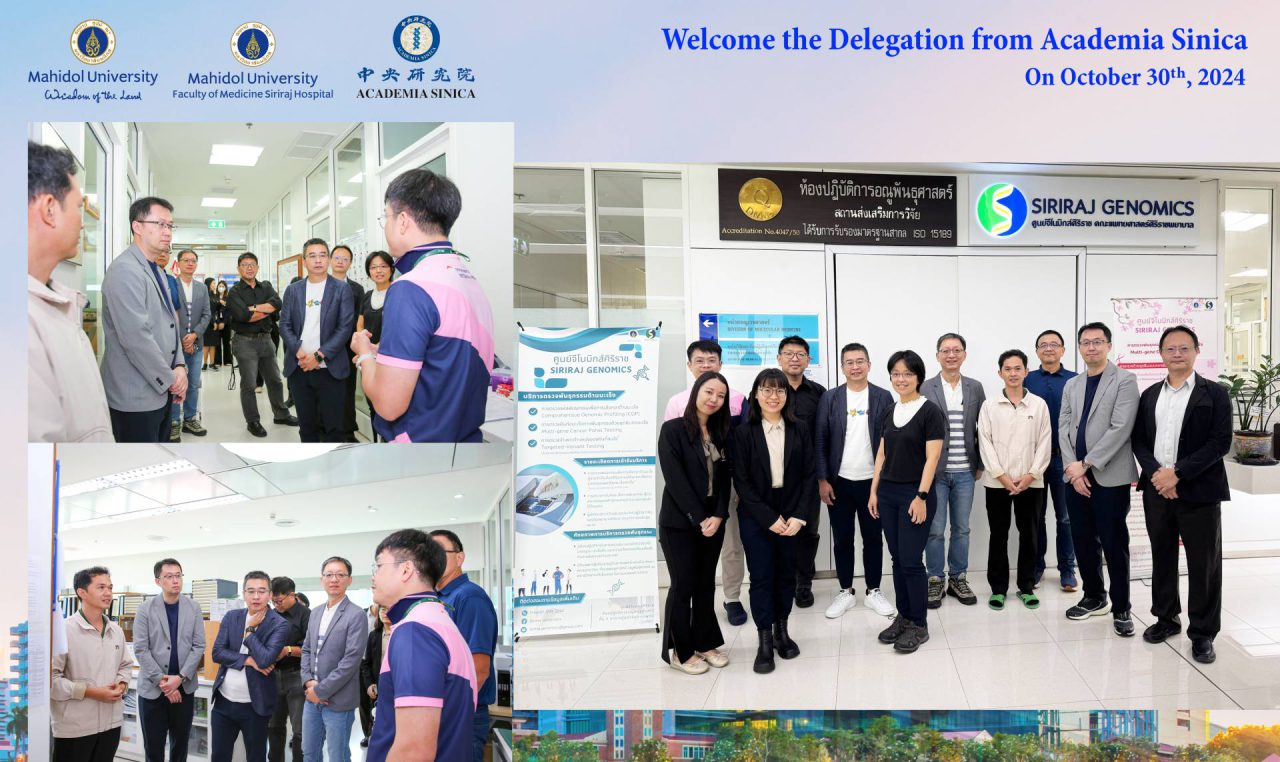
On October 30th, 2024, delegates from Academia Sinica visited the Faculty of Medicine Siriraj Hospital, Mahidol University, to explore the research environment and advanced facilities and to connect with researchers and clinicians. The visit aimed to exchange knowledge, discuss potential student exchange opportunities and explore avenues for collaborative research funding and academic partnerships. This meeting marked a promising step toward establishing a long-term collaborative research network between Academia Sinica and the Faculty of Medicine Siriraj Hospital, with the potential to spark innovative breakthroughs and strengthen ties in shared areas of interest.

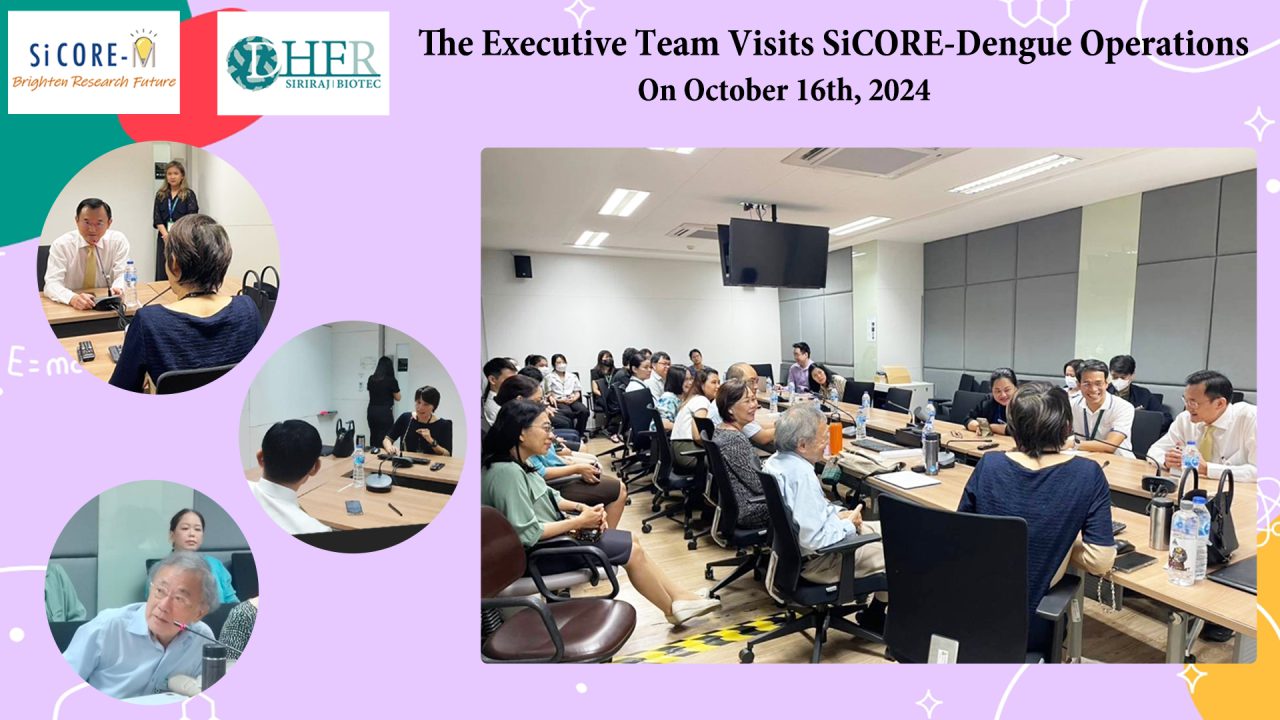
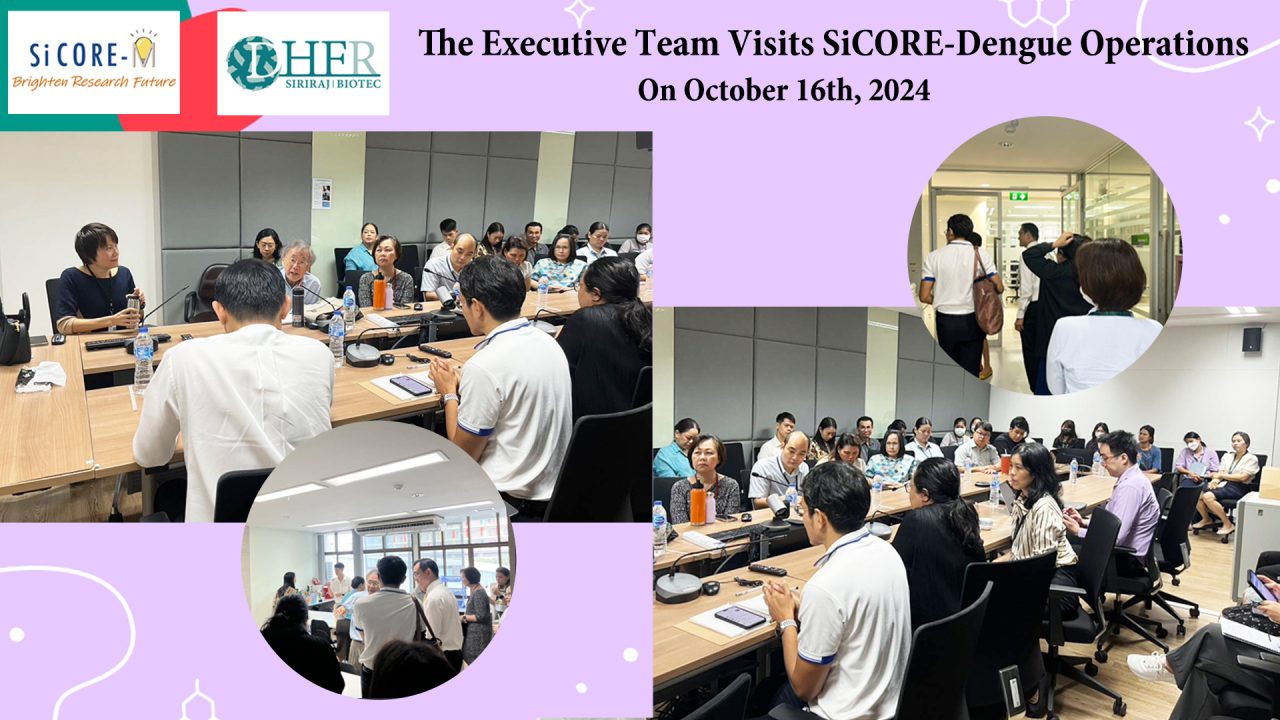
On October 16th, 2024, Professor Apichat Asavamongkolkul, the Dean of the Faculty of Medicine Siriraj Hospital, accompanied by Assistant. Professor Woraphat Ratta-Apha, the Head of the Center of Research Excellence, and Miss Sarinya Ngamtipvatana, the Head of the Research Department, visited the SiCORE-Dengue operations on the 12th floor of the Adulyadejvikrom Building.

During the visit, the SiCORE-Dengue team presented updates on their progress, key achievements, and strategic direction in research on dengue and emerging pathogens. The discussions underscored the team’s aspiration to establish itself as a world-leading center of excellence in this vital field of study.

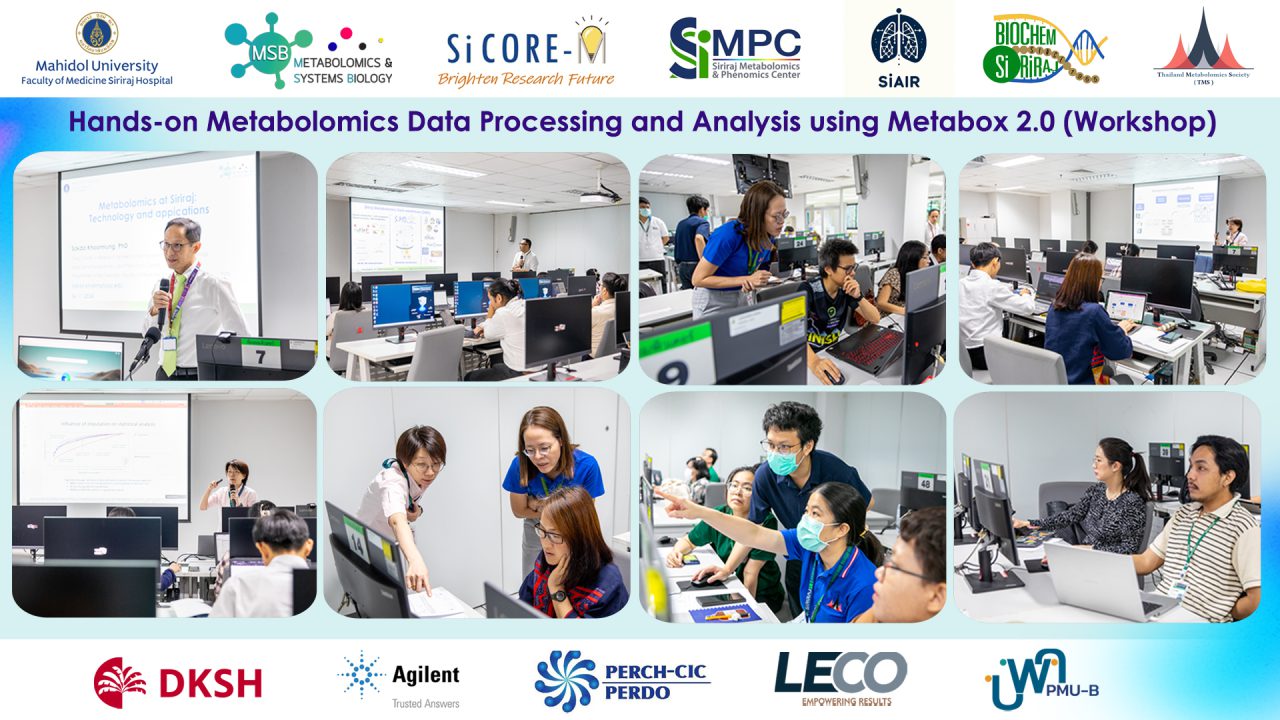
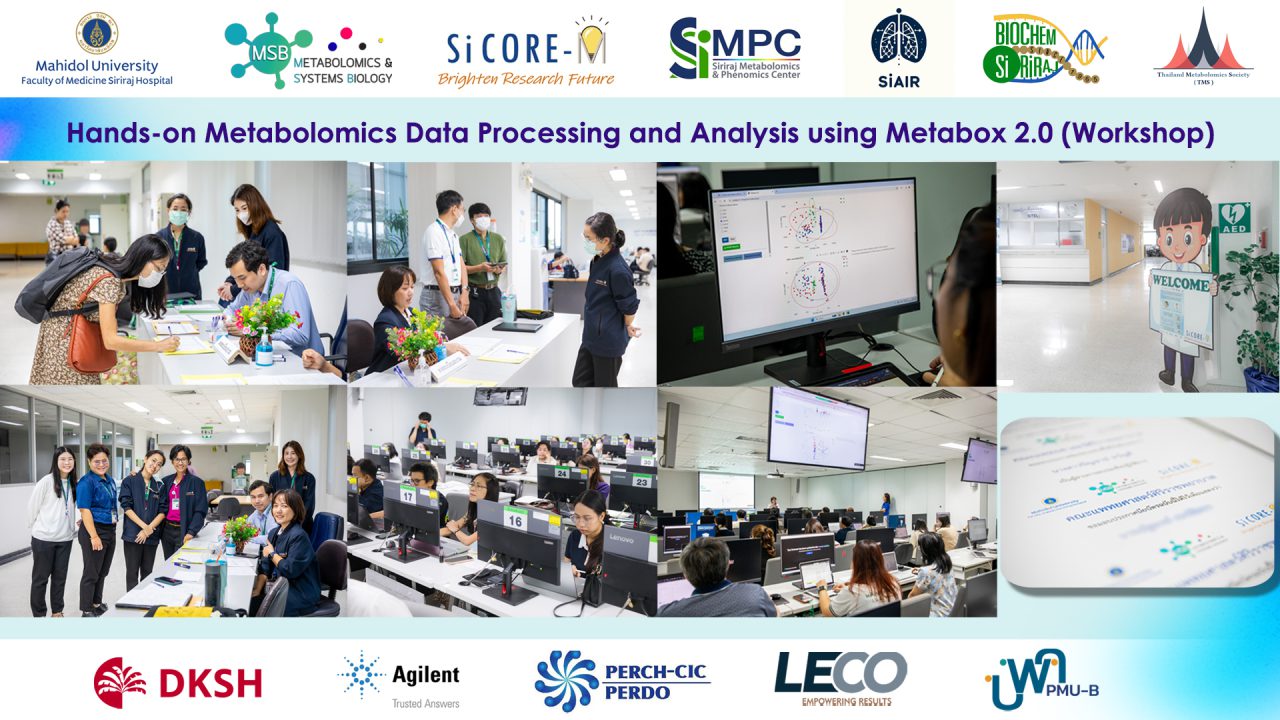
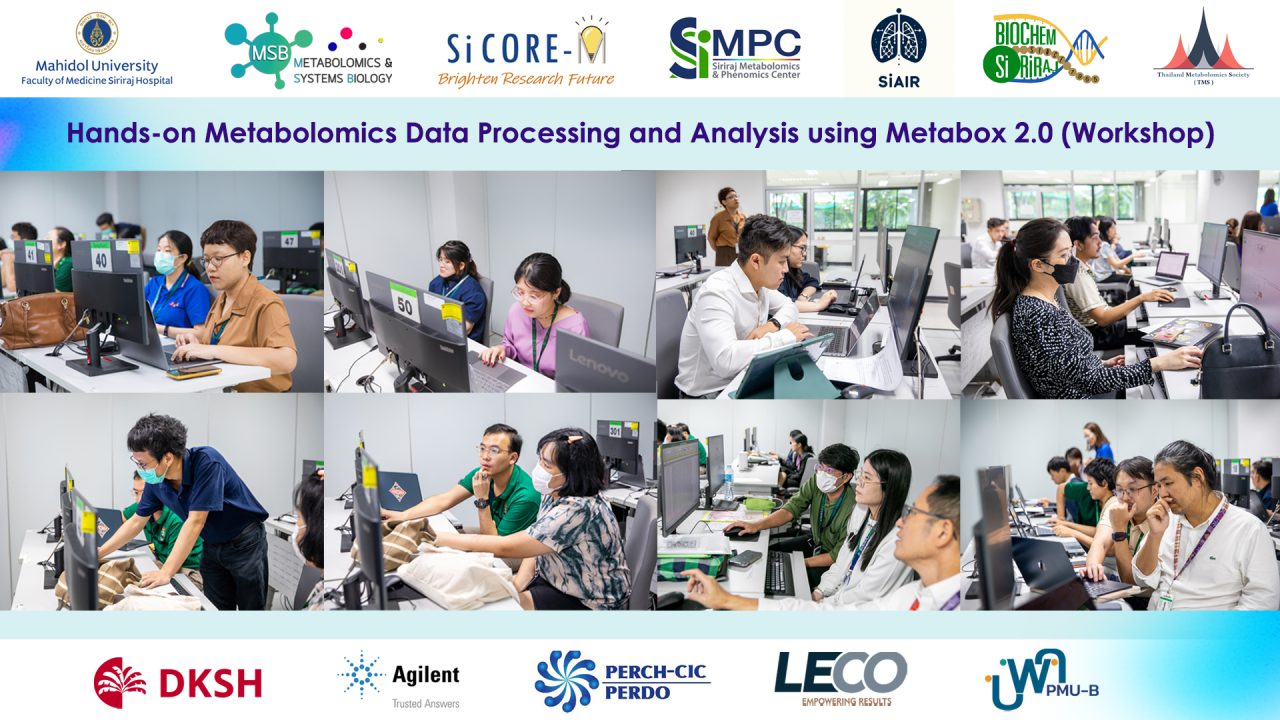
On November 6th, 2024, from 8:30 am to 4:00 pm, Siriraj Center of Research Excellence in Metabolomics and Systems Biology (SiCORE-MSB) and Center of Research Excellence (SiCORE-M) co-hosted an onsite workshop at the computer training room (Room 620), 6th Floor, Srisavarindira Building, Faculty of Medicine Siriraj Hospital.

The workshop featured Dr. Kwanjeera Wanichthanarak and Assoc. Prof. Dr. Sakda Khoomrung, Director of SiCORE-MSB, who provided an in-depth overview of the Metabox 2.0 program. Participants engaged in hands-on sessions focusing on data processing, statistical analysis, and data interpretation, gaining practical skills in metabolomics data analysis with expert guidance from the presenters.

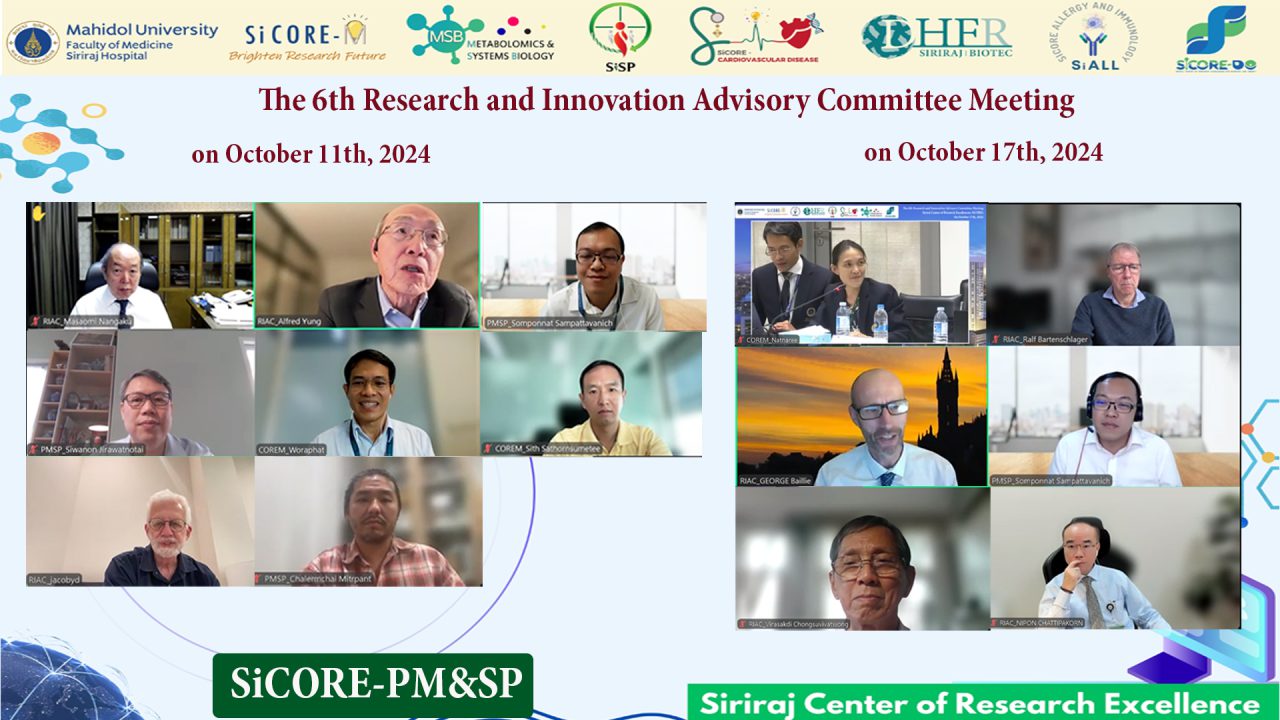
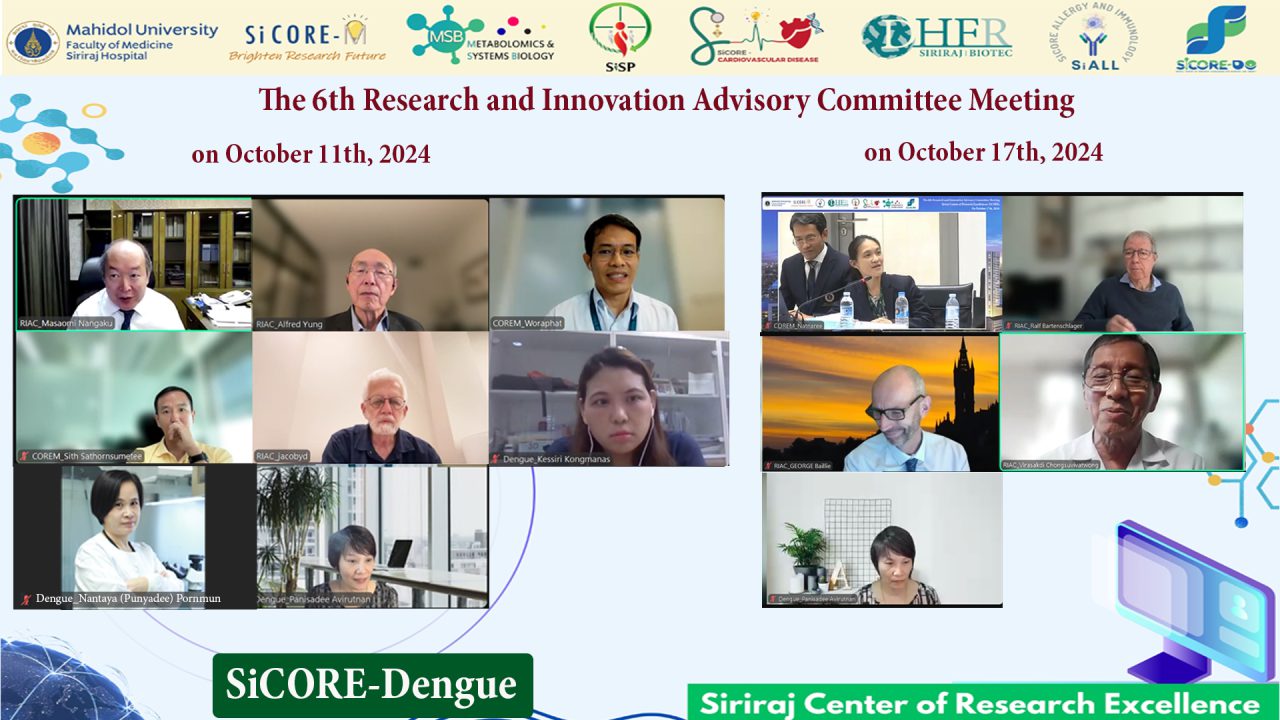
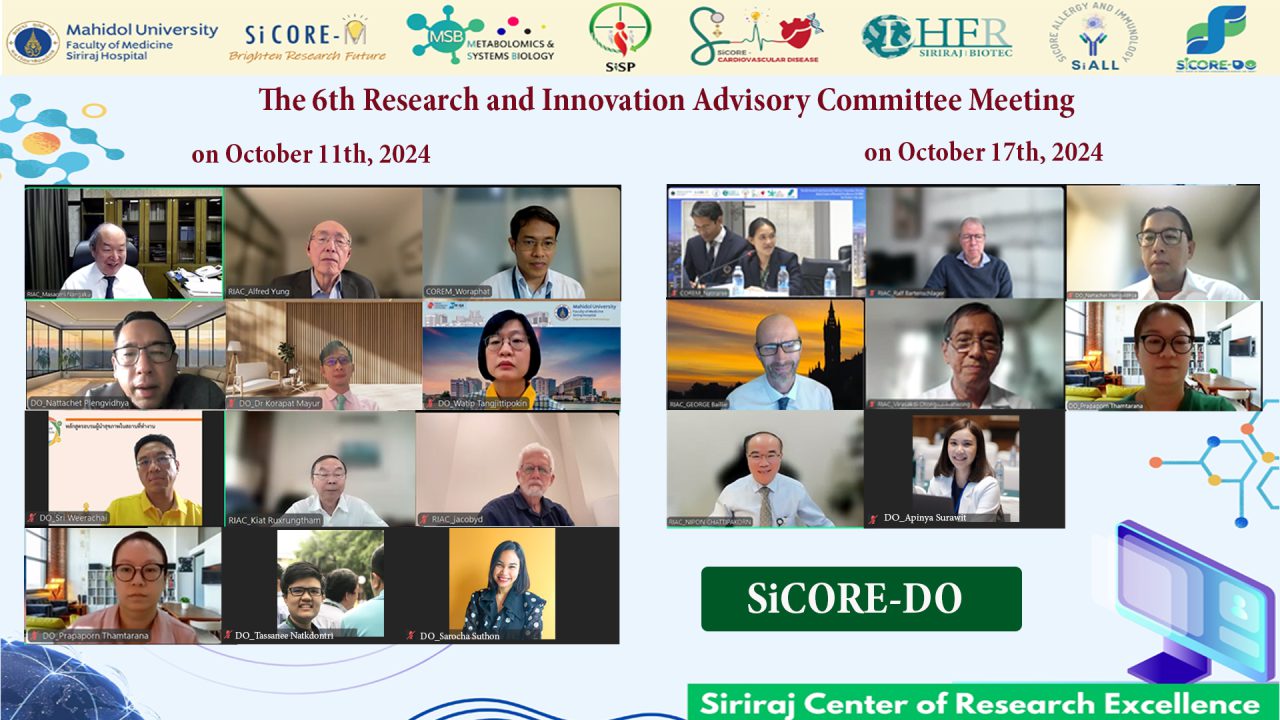
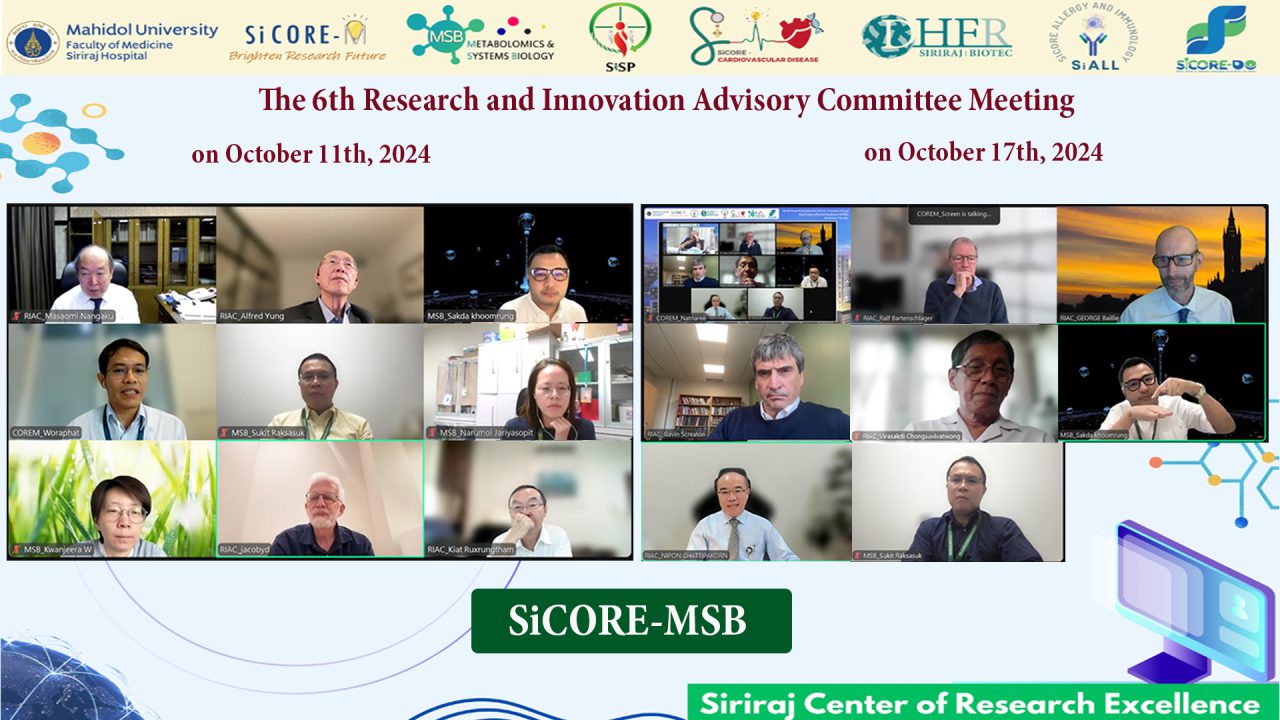
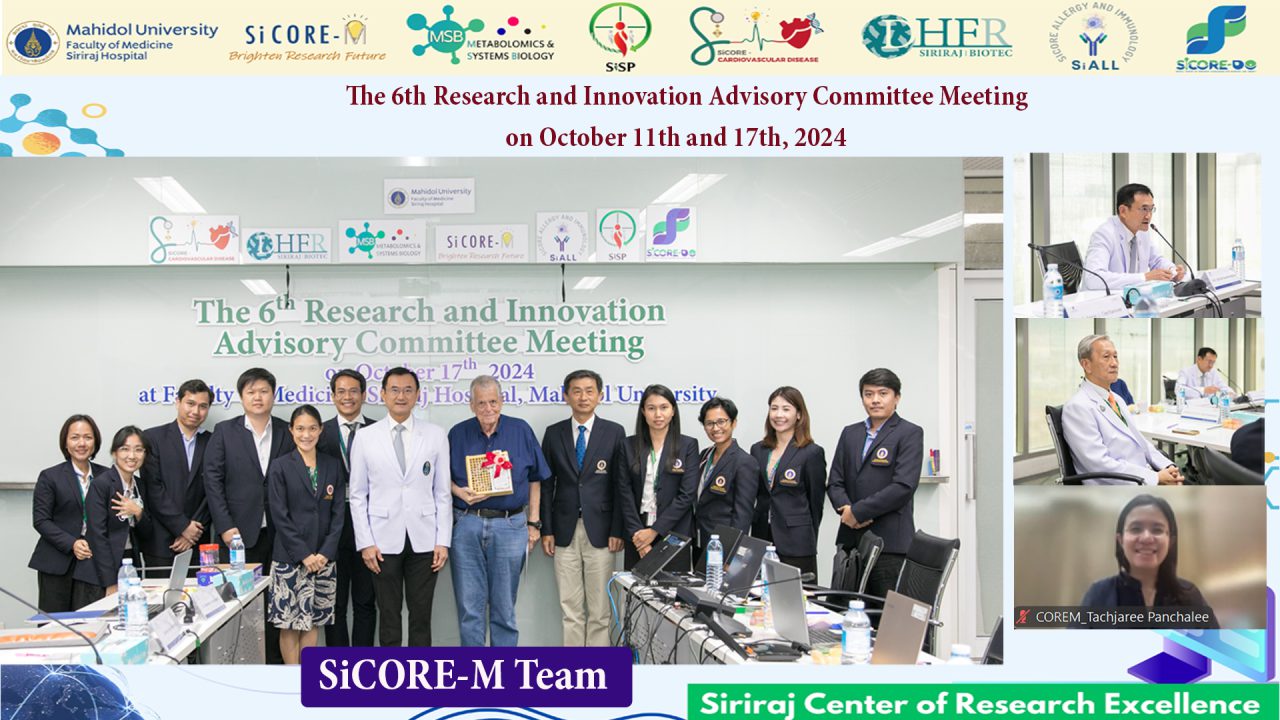
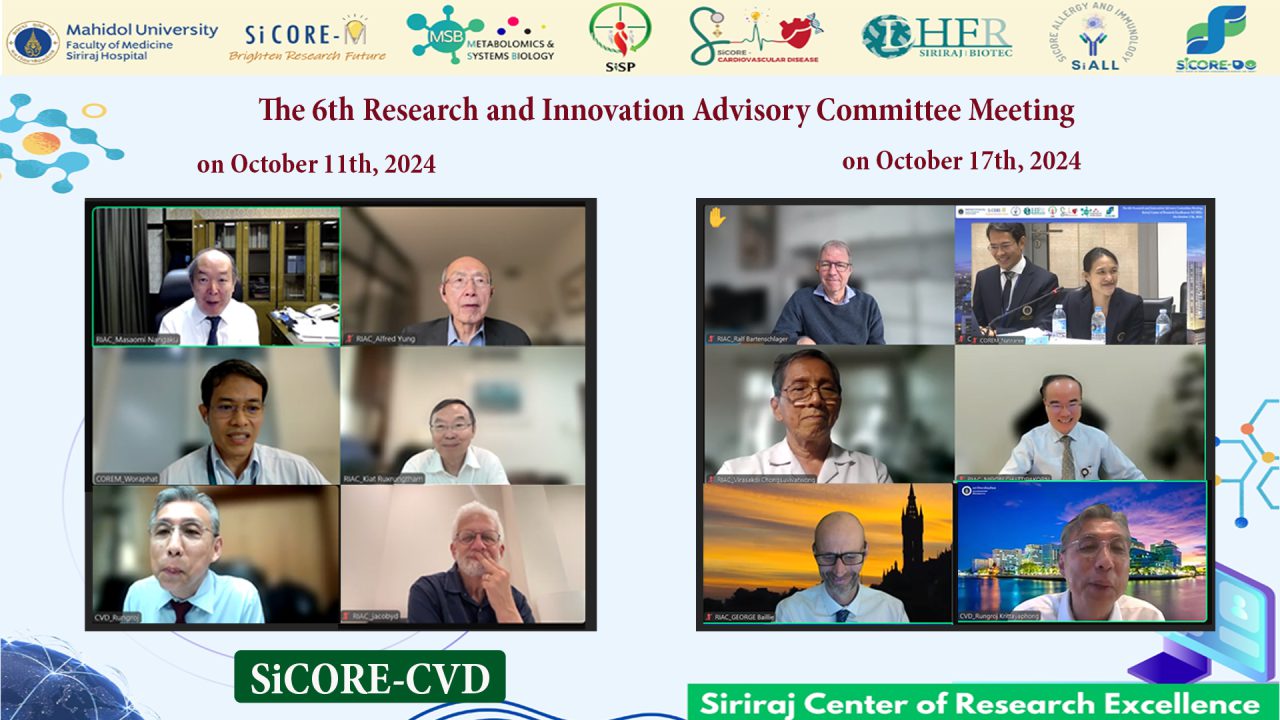
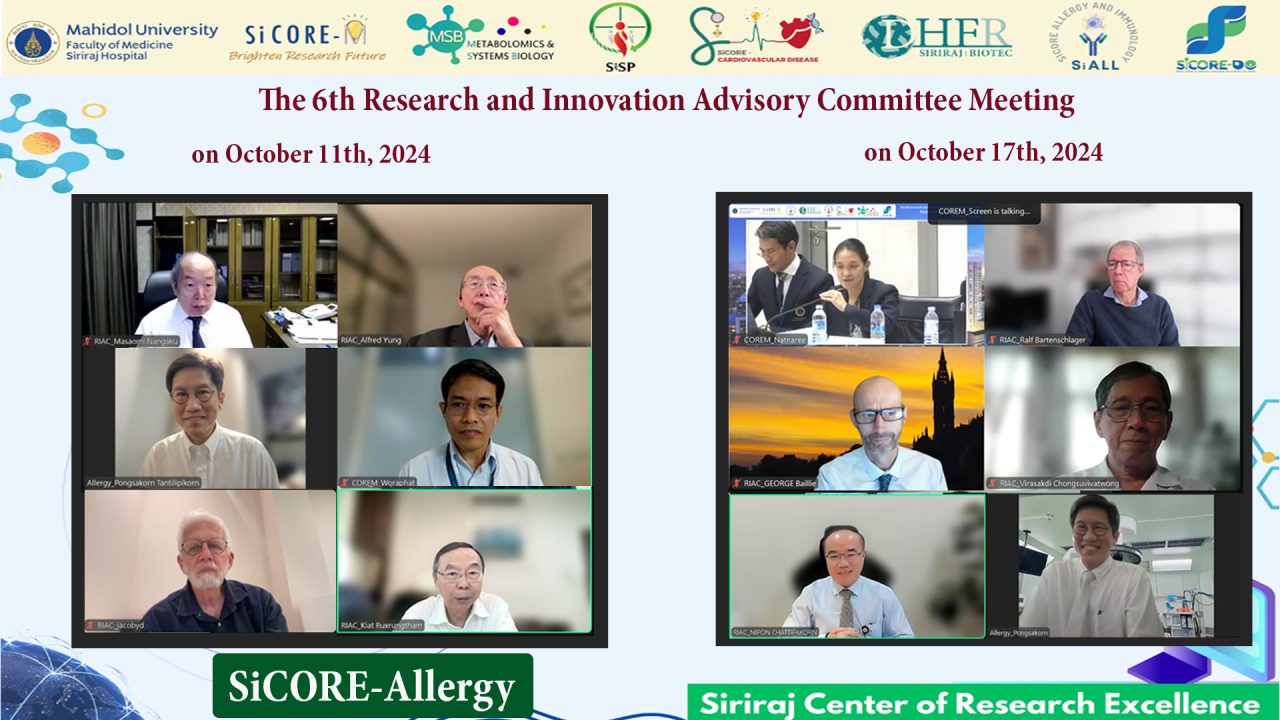
On October 11th and 17th, 2024, Professor Apichat Asavamongkolkul, Dean of the Faculty of Medicine at Siriraj Hospital, Mahidol University, presided over the 6th Research and Innovation Advisory Committee (RIAC) meeting.
This notable gathering brought together distinguished RIAC members, who offered invaluable perspectives and guidance to further the research goals of the Siriraj Center of Research Excellence.
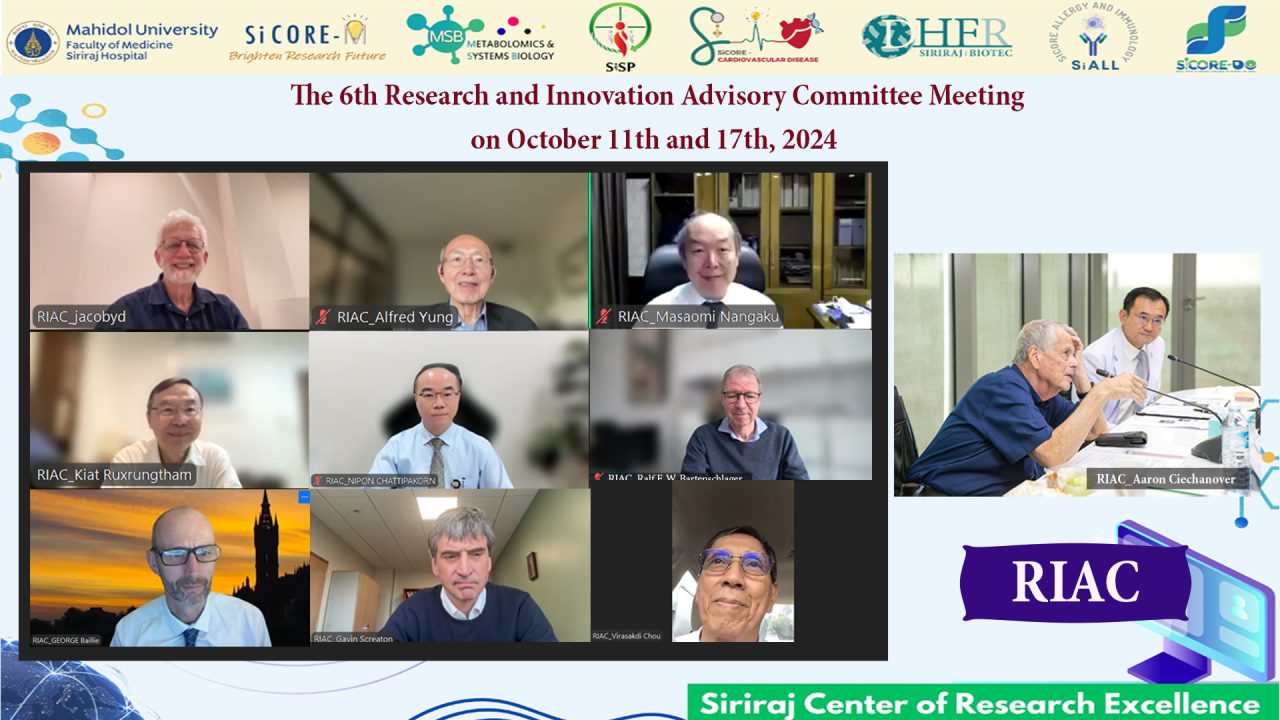
The meeting was graced by the presence of prominent experts from around the world, including;
1. Prof. Alfred Yung, The University of Texas MD Anderson Cancer Center, USA
2. Prof. Masaomi Nangaku, University of Tokyo, Japan
3. Prof. David Jacoby, Oregon Health & Science University, USA
4. Prof. Kiat Ruxrungtham, Chulalongkorn University, and Chair of Chula Vaccine Research Center, Thailand
5. Prof. Gavin Screaton, Medical Sciences Division, University of Oxford, England
6. Prof. George Baillie, University of Glasgow, Scotland
7. Prof. Virasakdi Chongsuvivatwong, Community Medicine, Prince of Songkla University, Thailand
8. Prof. Nipon Chattipakorn, Chiang Mai University, Thailand
9. Prof. Dr. Ralf F.W. Bartenschlager, University of Heidelberg, Germany and,
10. We were honored to welcome Prof. Aaron Ciechanover, a Distinguished Research Professor from the Technion – Israel Institute of Technology, Israel, to participate in the in-person meeting at Siriraj Hospital.
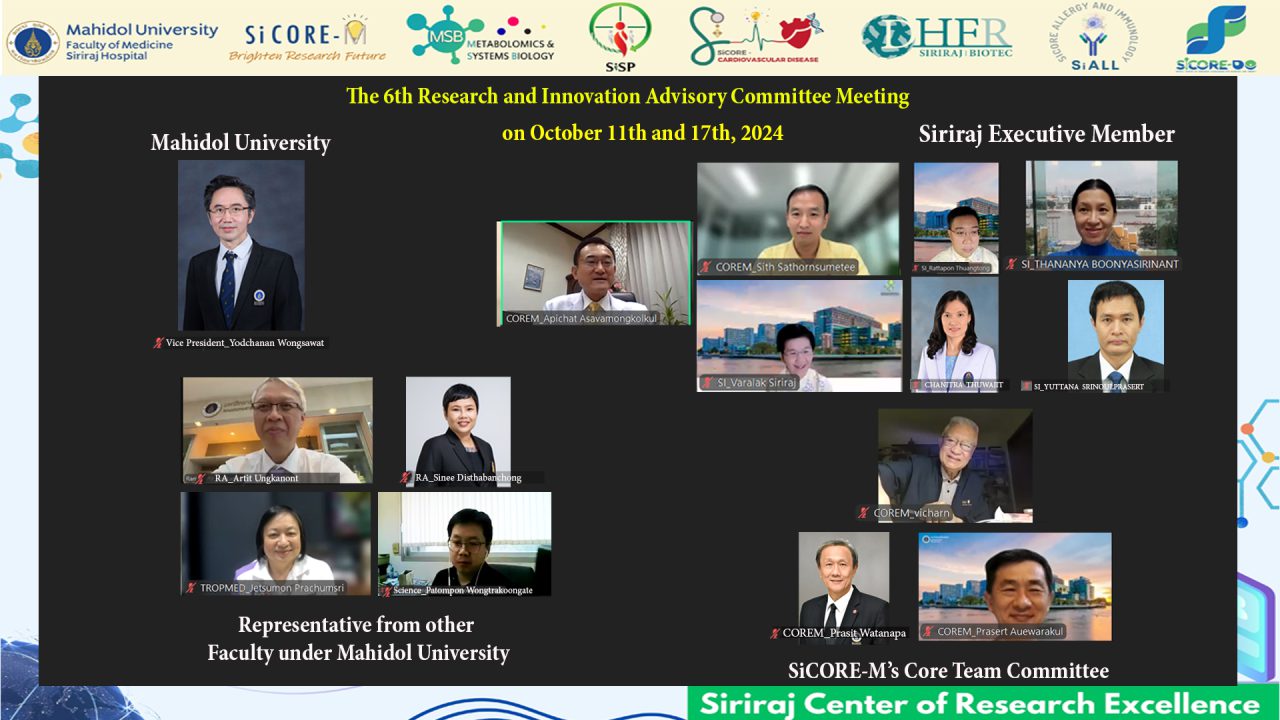
In support of the discussion, several executive members from Mahidol University joined the meeting, including;

• Assoc. Prof. Yodchanan Wongsawat, Vice President for Research, Faculty of Medicine Ramathibodi Hospital
• Clinical Prof. Artit Ungkanont, Dean, Faculty of Medicine Ramathibodi Hospital
• Prof. Sinee Disthabanchong, Deputy Dean for Research, Faculty of Medicine Ramathibodi Hospital
• Assoc. Prof. Patompon Wongtrakoongate, Faculty of Science
• Prof. Jetsumon Sattabongkot Prachumsri, Deputy Dean for Research, Faculty of Tropical Medicine
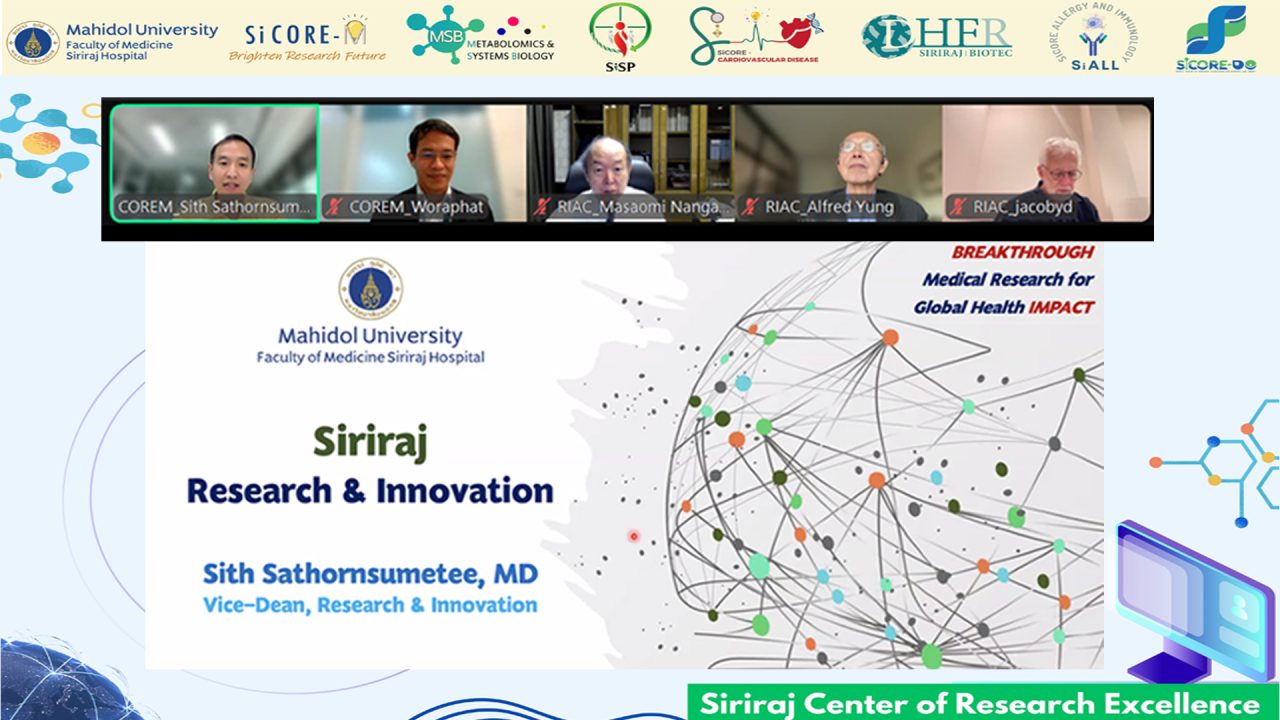
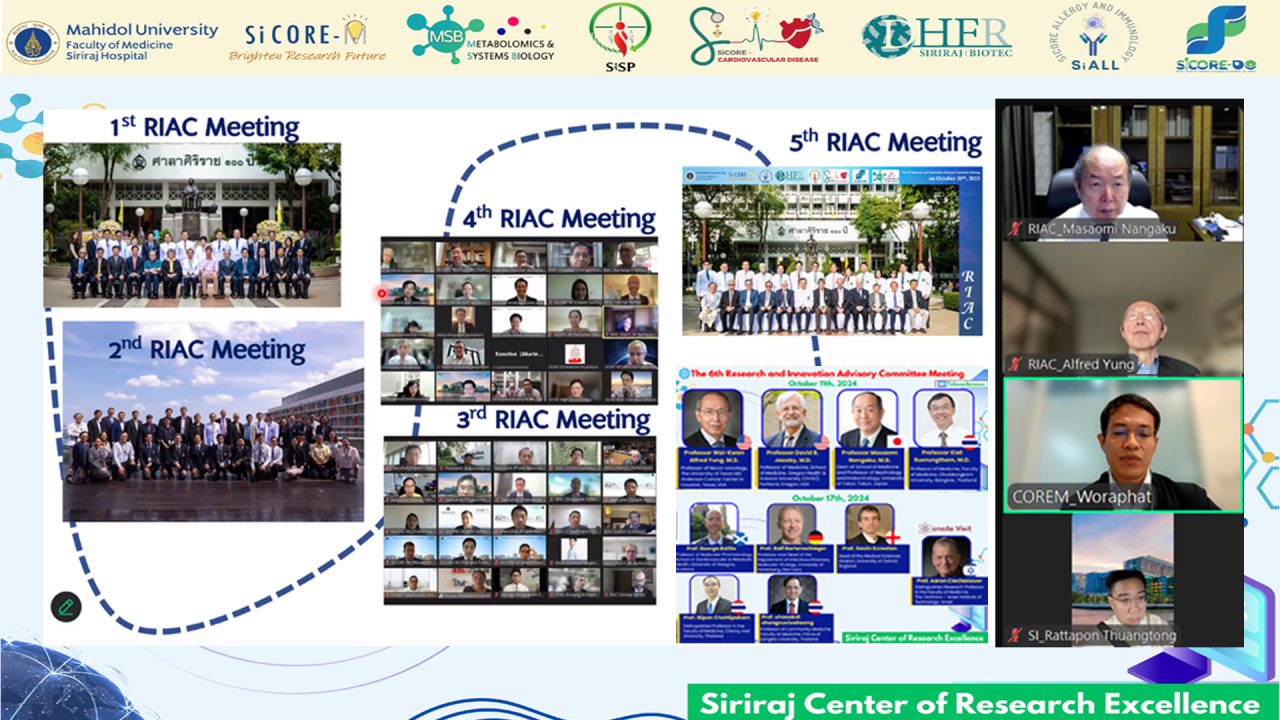
Key discussions centered on the progress and strategic direction of six Centers of Research Excellence at Siriraj, covering SiCORE-Allergy and Immunology, SiCORE-Cancer Precision Medicine & Systems Pharmacology, SiCORE-Dengue and Emerging Pathogens, SiCORE-Cardiovascular Disease, SiCORE-Diabetes and Obesity, and SiCORE-Metabolomics and Systems Biology. Each SiCORE presented their research progress, accomplishments, and challenges, with insightful guidance from RIAC members on areas for growth, research management, and strategic planning.

On this occasion, Executive Board members of the Faculty of Medicine Siriraj Hospital and the SiCORE-M team sincerely appreciate all RIAC members’ expertise, valuable time, and recommendations, which will contribute significantly to our research advancement at the Faculty of Medicine Siriraj Hospital.
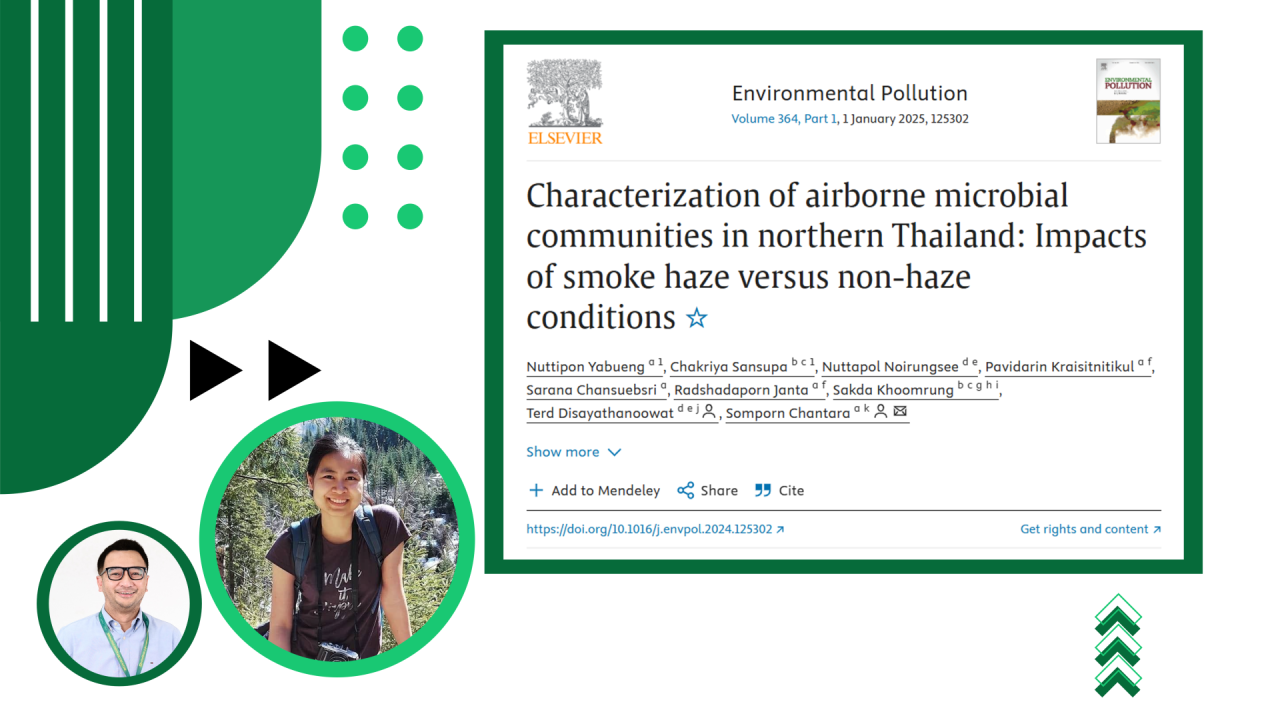
We extend our heartfelt congratulations to Dr. Chakriya Sansupa and Assoc. Prof. Dr. Sakda Khoomrung of the Siriraj Center of Research Excellence in Metabolomics and Systems Biology (SiCORE-MSB), Faculty of Medicine, Siriraj Hospital, Mahidol University, for their significant contribution to the field of environmental science and public health with their recent publication in the Journal of Environmental Pollution on November 10, 2024. (You can access the publication via this link: https://www.sciencedirect.com/science/article/pii/S0269749124020190?casa_token=UcN4CFtF8tsAAAAA:Zc1VGqibF4ozZcSdyYuScBVg1moEMYL4R0Ec40VIYVWKDhTil-xjuOTub3mydYzCZtd7gbM89nof )

This groundbreaking study, unique in its focus on Northern Thailand and its comprehensive examination of microbial diversity on PM2.5 particles, is the first of its kind to be conducted during both smoke haze and non-haze periods in 2020.
Key findings reveal that PM2.5 concentrations, chemical compositions, and air transport patterns massively influence airborne microbial communities. This understanding is crucial in the fields of environmental science and public health as it can help in developing strategies to mitigate the health risks associated with air pollution.

Key Insights:
• Bacterial diversity peaked during the smoke haze period, particularly with airflows from the west.
• Fungal diversity increased during non-haze periods with airflows from the southwest.
• Pathogenic microorganisms like Clostridium and Aspergillus were more prevalent during smoke haze, indicating potential health risks.

While the study has made significant strides, it acknowledges its limitations, such as small sample sizes and focusing on a single urban location. However, it also points towards a hopeful future, where larger, multi-location studies over extended periods can better capture seasonal and interannual variations. This work underscores the critical need to monitor airborne microorganisms in haze-prone regions to understand their impact on air quality and public health. Congratulations again to the research team for this important contribution!

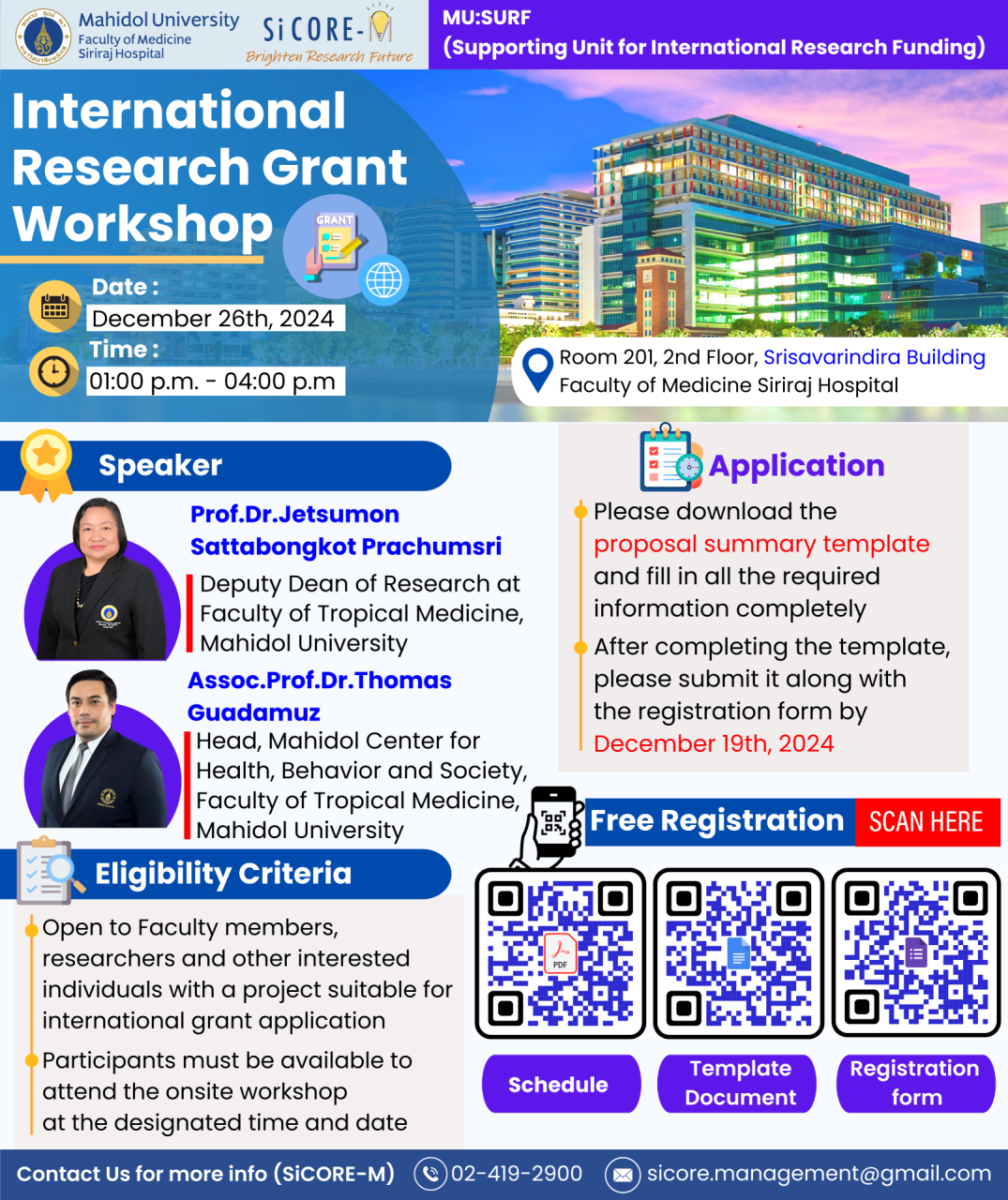
🌐 International Research Grant Workshop
📅 Date: December 26th, 2024
🕑 Time: 01:00 p.m. – 04:00 p.m.
🏢 Room 201, 2nd Floor, Srisavarindira Building, Faculty of Medicine Siriraj Hospital

– Speaker
📌 Prof. Dr. Jetsumon Sattabongkot Prachumsri
Deputy Dean of Research at Faculty of Tropical Medicine, Mahidol University
📌 Assoc. Prof. Dr. Thomas Guadamuz
Assistant to the president for Academic affairs and Research, Mahidol University

– Eligibility Criteria
✅ Open to Faculty members, researchers and other interested individuals with a project suitable for international grant application
✅ Participants must be available to attend the onsite workshop at the designated time and date

– Application
➡️ Please download the proposal summary template and fill in all the required information completely
➡️ After completing the template, please submit it along with the registration form by December 19th, 2024
📌 Registration for free
⚠️ Deadline for registration: December 19th, 2024

💻 Register now
🔗 Schedule: https://drive.google.com/file/d/1RM_XGeIdJhfeNfYt9MpEHz5eAhoFGi7i/view
🔗 Proposal summary template document: https://docs.google.com/document/d/17sFu38scTaVxGLaUSSGS2Al_KnVwZRqo/edit
🔗 Registration form: https://docs.google.com/forms/d/16BhjbKUnWzd3EKy_BIEMtpMutCHNq_SasKnfilEZHrk/viewform?edit_requested=true

If you have any questions, Contact us for more info (SiCORE-M)
☎️ Tel. 02-419-2900
📧 E-mail: sicore.management@gmail.com
#SiCOREM #SiCOREs

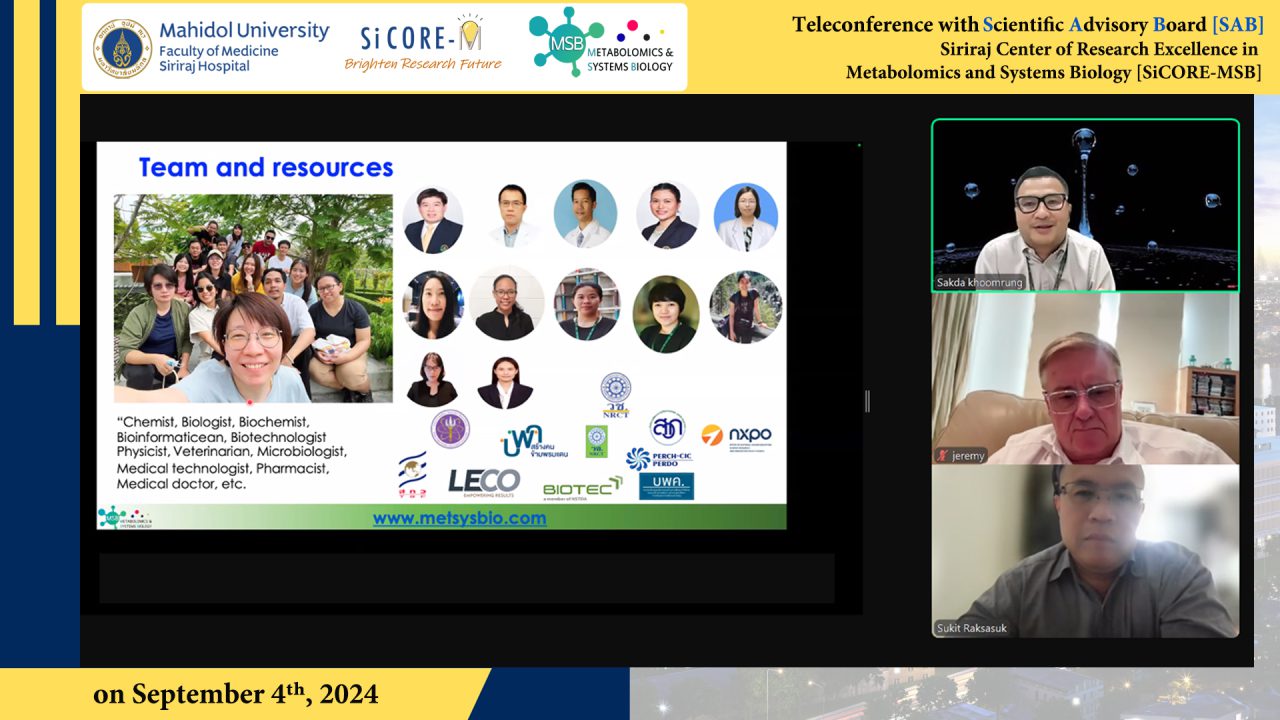
On September 4th, 2024, the SiCORE-M team hosted the Scientific Advisory Board (SAB) of SiCORE-MSB for the third teleconference of the year, focusing on the first-year progress in Phase 1. Associate Professor Prawej Mahawithitwong, Deputy Head of the Center of Research Excellence (SiCORE), opened the meeting and extended a warm welcome to Emeritus Professor Jeremy Nicholson, Pro Vice Chancellor of Health Sciences and Executive Director of the Australian National Phenome Centre (ANPC) at Murdoch University. Professor Nicholson provided invaluable guidance on the center’s progress.

Associate Professor Dr. Sakda Khoomrung, Director of SiCORE-MSB, together with Assistant Professor Sukit Raksasuk, Dr. Kwanjeera Wanichthanarak, and Dr. Narumol Jariyasopit, presented the updates on their metabolomics research focused on kidney disease diagnosis. The team discussed the importance of refining a long-term research plan and emphasized the need to identify more clinically relevant biomarkers. Limitations in current instrumentation were highlighted, alongside discussions of potential future collaborations to enhance the research outcomes.

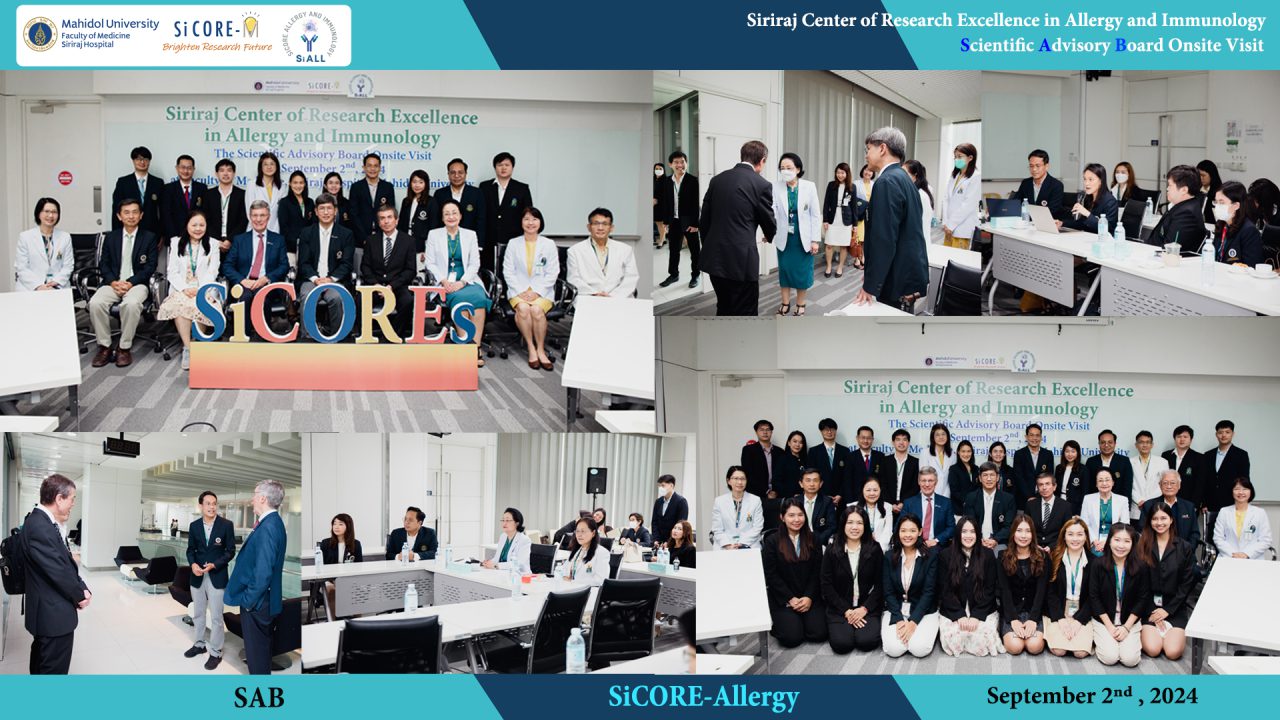
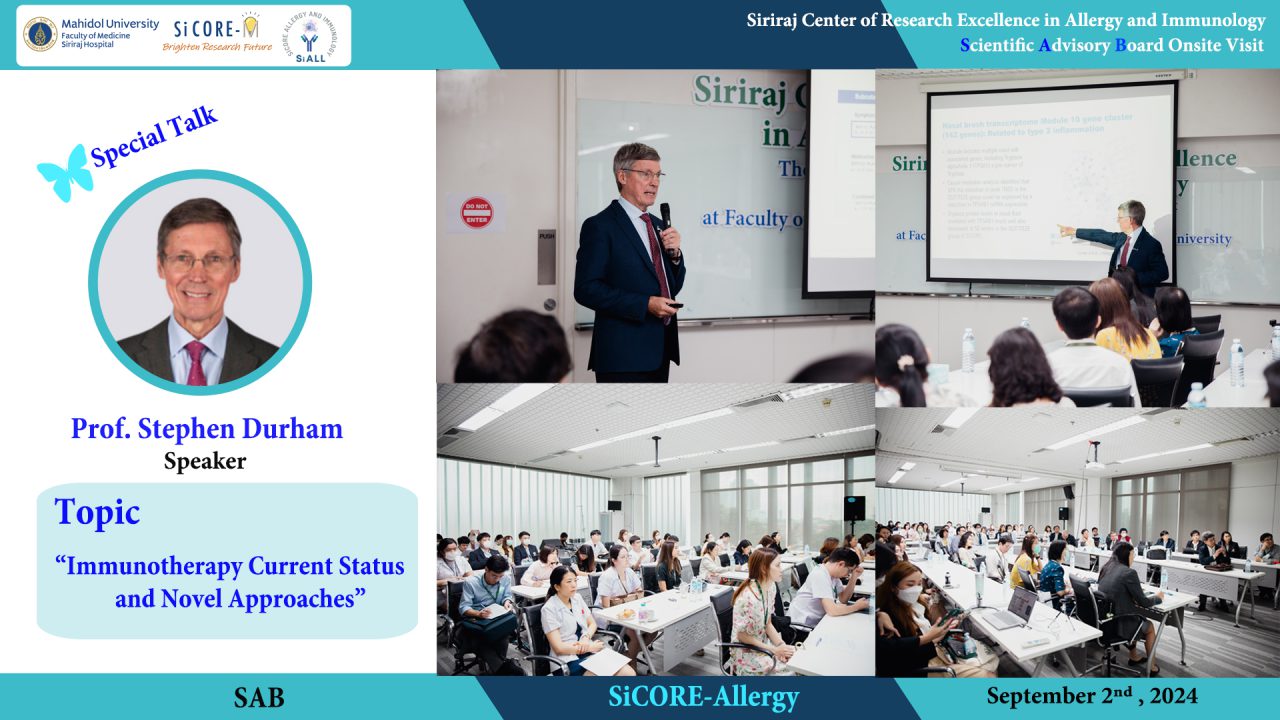
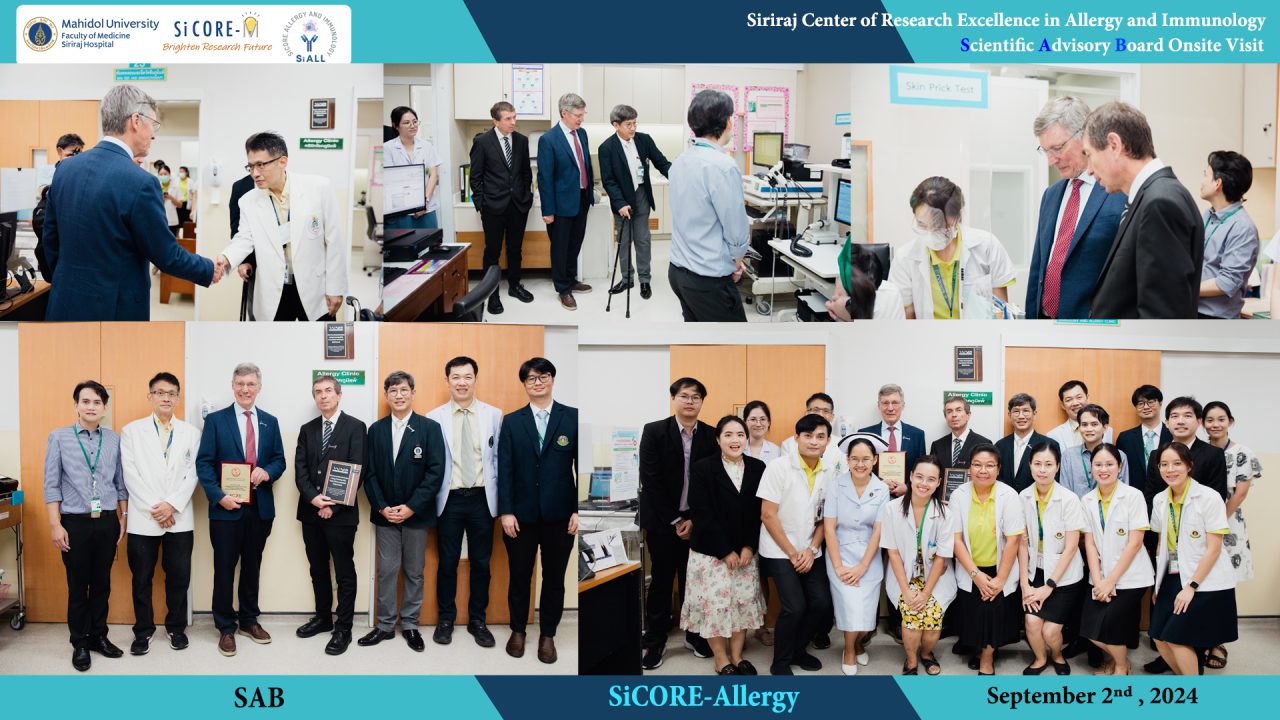
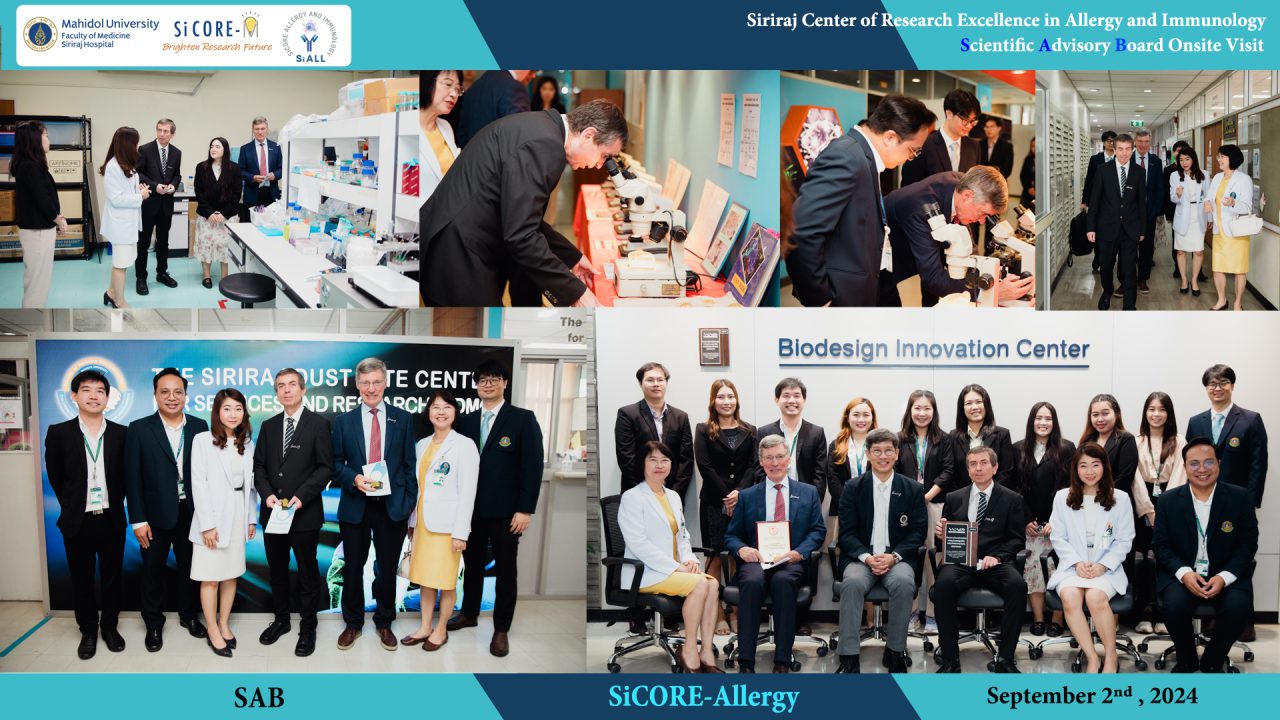
On September 1st and 2nd, 2024, SiCORE-M and SiCORE-Allergy jointly hosted the Scientific Advisory Board (SAB) ‘s onsite meeting at the Siriraj Medical Research Building (SiMR), Faculty of Medicine, Siriraj Hospital. The event began with a guided laboratory visit and a comprehensive discussion of the current Allergy projects.
The meeting was graced by the presence of Prof. Apichat Asavamongkolkul, Dean of the Faculty of Medicine, Siriraj Hospital, who extended a warm welcome to the visiting renowned experts, Prof. Rudolf Valenta from the Medical University of Vienna and Prof. Stephen Durham from Imperial College London. Their guidance and special lectures added immense value to the discussions.

Assoc. Prof. Pongsakorn Tantilipikorn, Director of SiCORE-Allergy, along with Assoc. Prof. Nitaya Indrawattana, Dr. Dichapong Kanjanawasee, and Dr. Nathachit Limjunyawong presented the progress and challenges in developing intranasal allergen preparations. The discussions focused on the strategic transition from cockroach to house dust mite intranasal immunotherapy based on unmet needs and initial research findings. As the team prepares for the first human trials under Thai FDA product registration, the SAB’s full approval for the shift was a significant validation, noting the significant prevalence and impact of house dust mite allergies in Thailand. Additionally, the meeting highlighted the molecular analysis of cockroach allergens and their cross-reactivity with house dust mites, marking important directions for future research.

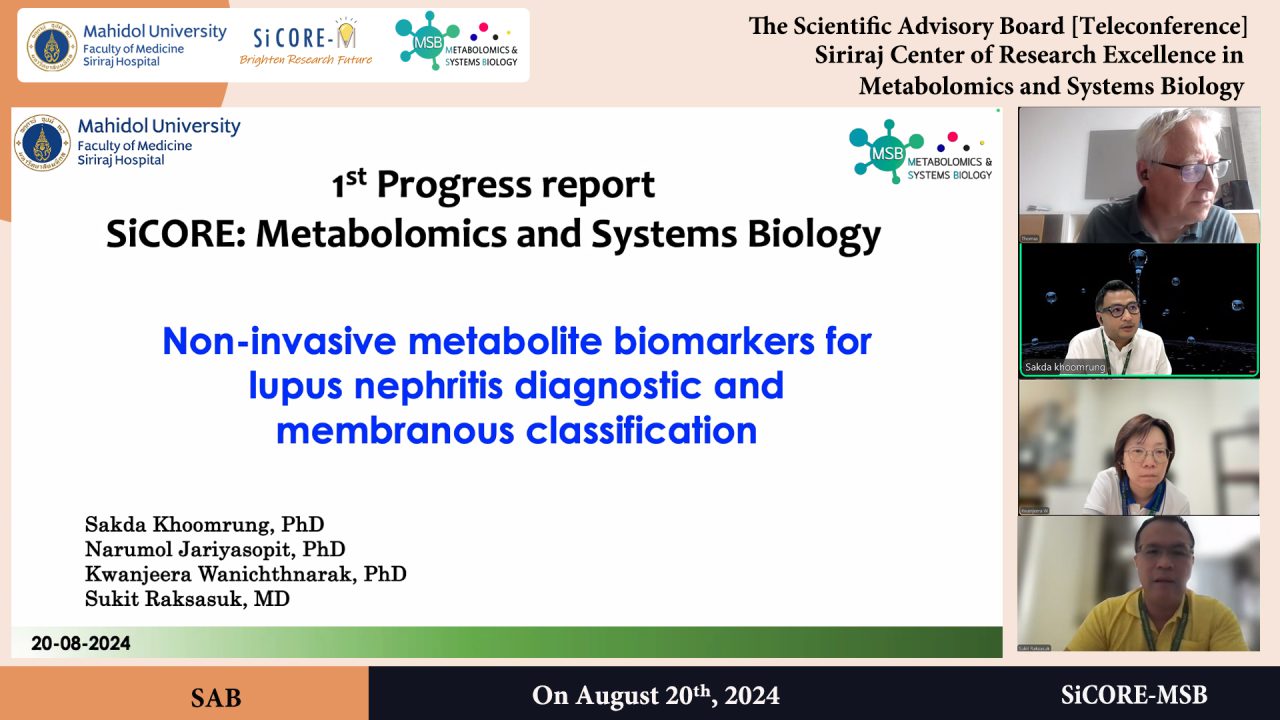
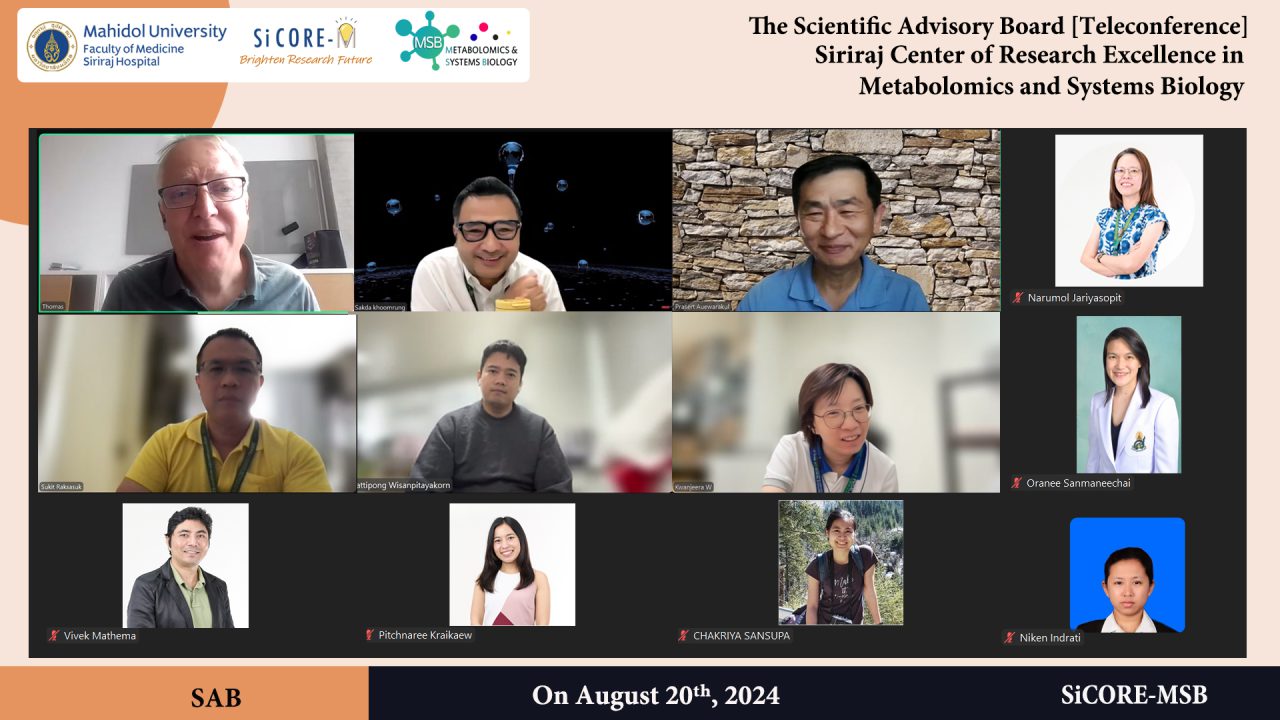
On August 20th, 2024, the SiCORE-M team welcomed the Scientific Advisory Board (SAB) of SiCORE-MSB for a teleconference to review the first-year progress in Phase 1. The meeting began with opening remarks by Prof. Oranee Sanmaneechai, Deputy Head of the Center of Research Excellence (SiCORE), extended a warm welcome to Prof. Thomas Moritz from the University of Copenhagen for the first year’s research progress evaluation.

Assoc. Prof. Dr. Sakda Khoomrung, Director of SiCORE-MSB, along with Assist. Prof. Sukit Raksasuk, Dr. Kwanjeera Wanichthanarak, Dr. Narumol Jariyasopit, and Dr. Pattipong Wisanpitayakorn, presented significant advancements in metabolomics and systems biology, with a focus on biomarker research.

The discussion included a proposal to expand kidney biopsy research with a larger cohort to validate previous findings. The team also introduced a new imaging protocol for small molecules using mass spectrometry and shared insights on metabolomics data for identifying biomarkers in kidney disease.

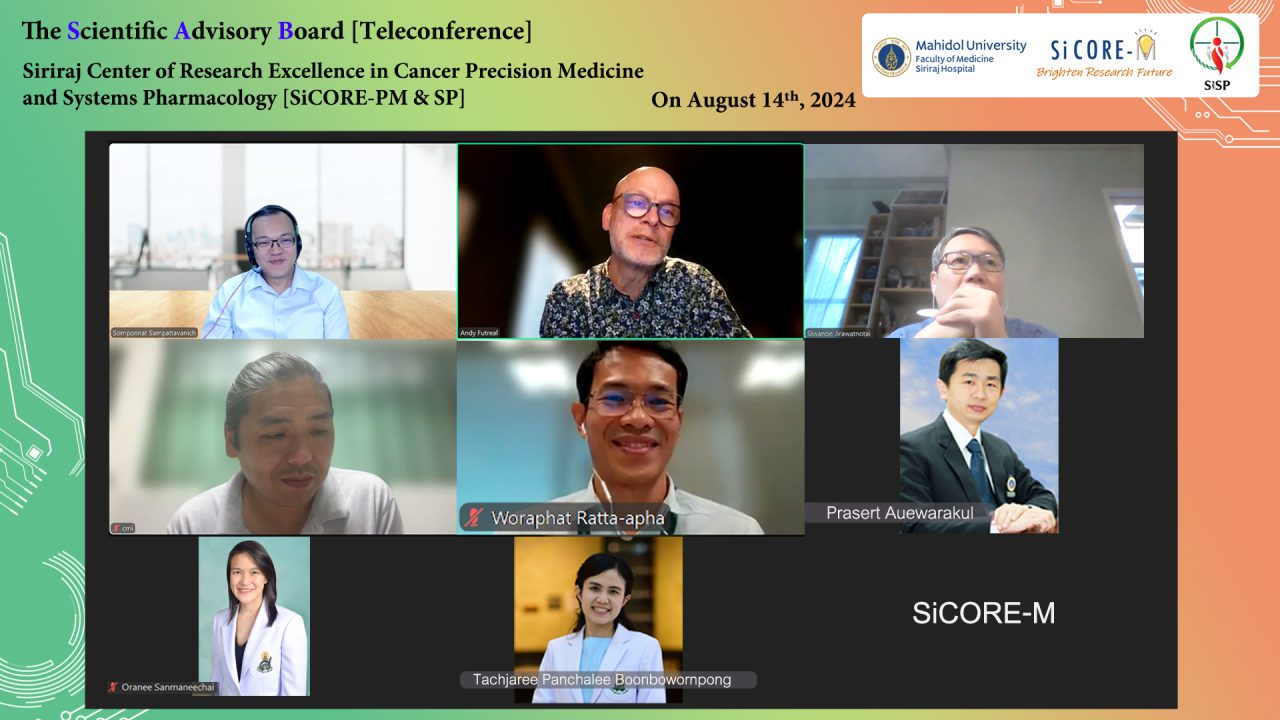
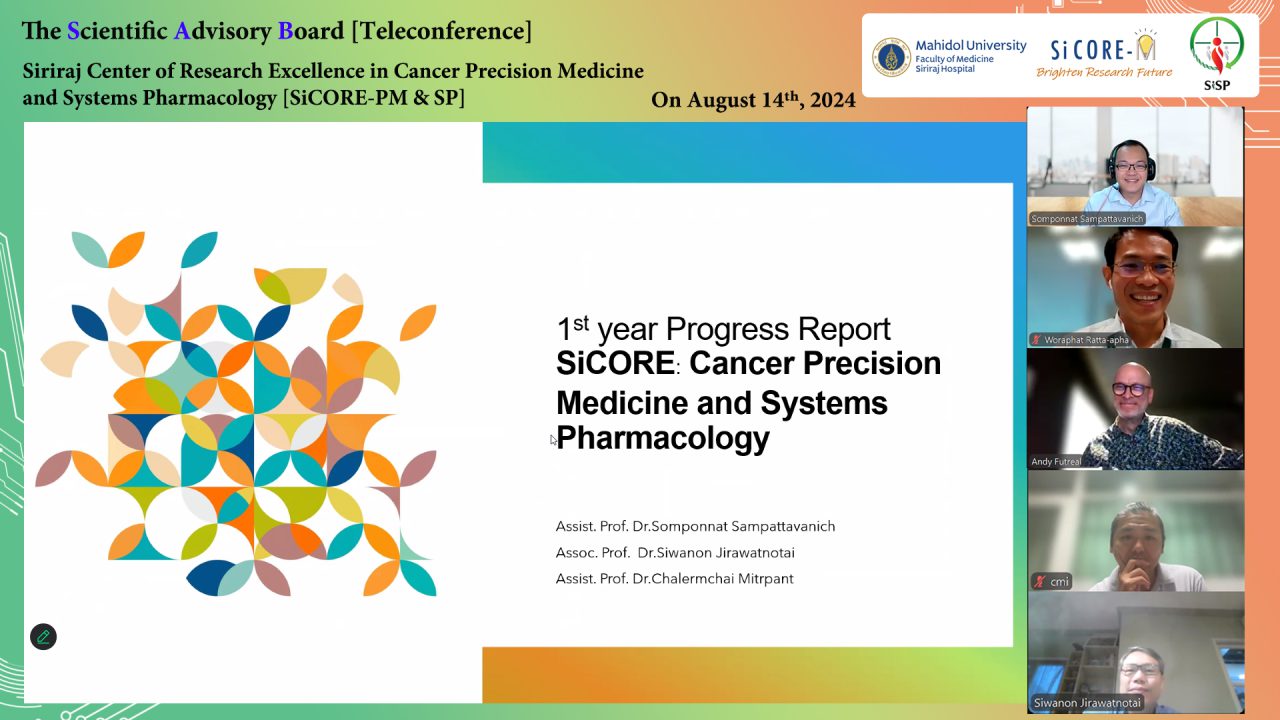
On August 14th, 2024, the SiCORE-M Team and SiCORE-PM&SP conducted a formal teleconference with the Scientific Advisory Board (SAB) to discuss the ongoing research’s progress and future direction. The esteemed SAB member in attendance was Prof. Andrew Futreal, Professor of Genomic Medicine at the University of Texas, MD Anderson Cancer Center, Houston, US.

The teleconference commenced with a warm welcome from Assist. Prof. Woraphat Ratta-apha, Head of the Center of Research Excellence (SiCORE). The meeting featured a comprehensive presentation by Asst. Prof. Somponnat Sampattavanich, Director of SiCORE-PM&SP, alongside Assoc. Prof. Siwanon Jirawatnotai and Assist. Prof. Chalermchai Mitrpant. The presentation highlighted strategic approaches to cancer research and commercialization in Asia, emphasizing the importance of collaboration and internationalization. Updates on research activities were shared, including developing organoids and PDX models with a specific focus on KRAS mutant subtypes. The discussion also addressed the challenges and opportunities in cancer research, such as the complexities of the granting system in Thailand and the need for mixed organoid cultures. The potential of lipidomics in cancer treatment and the optimization of epigenetic therapy for sarcoma were also explored.

This productive teleconference underscored our unwavering commitment to advancing cancer research, inspiring us to continue our collaborative efforts to achieve significant breakthroughs.