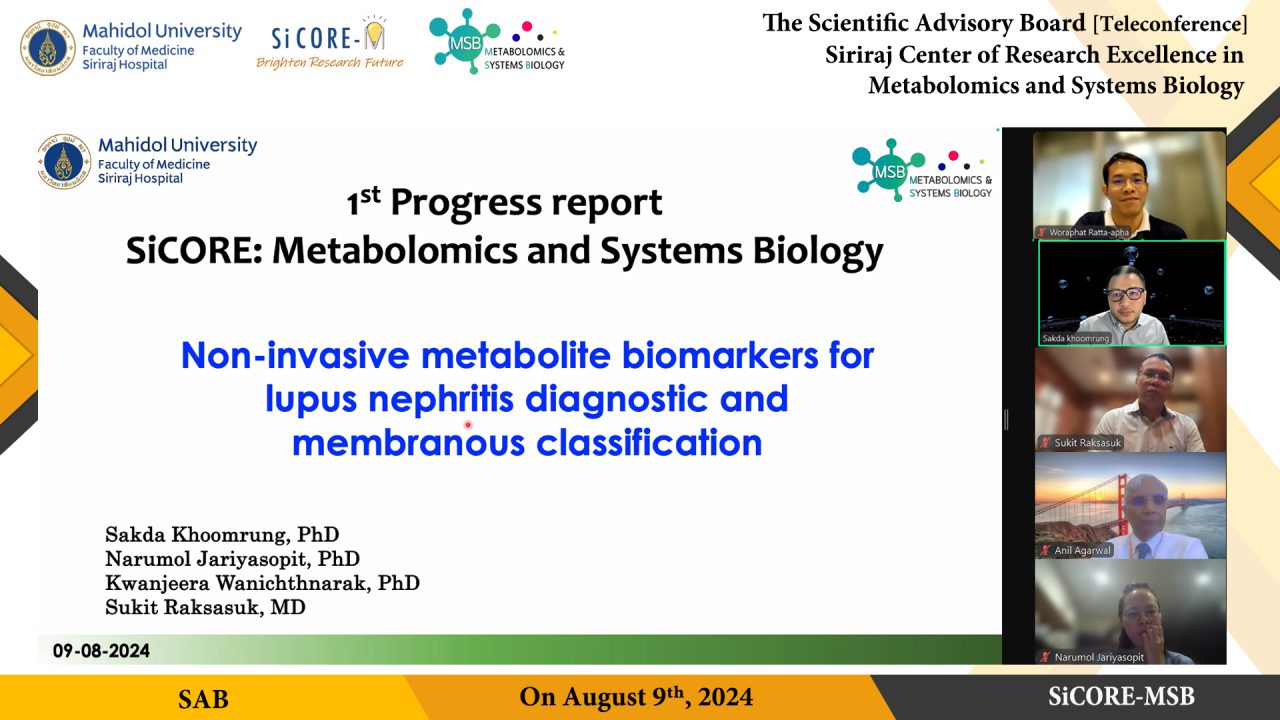
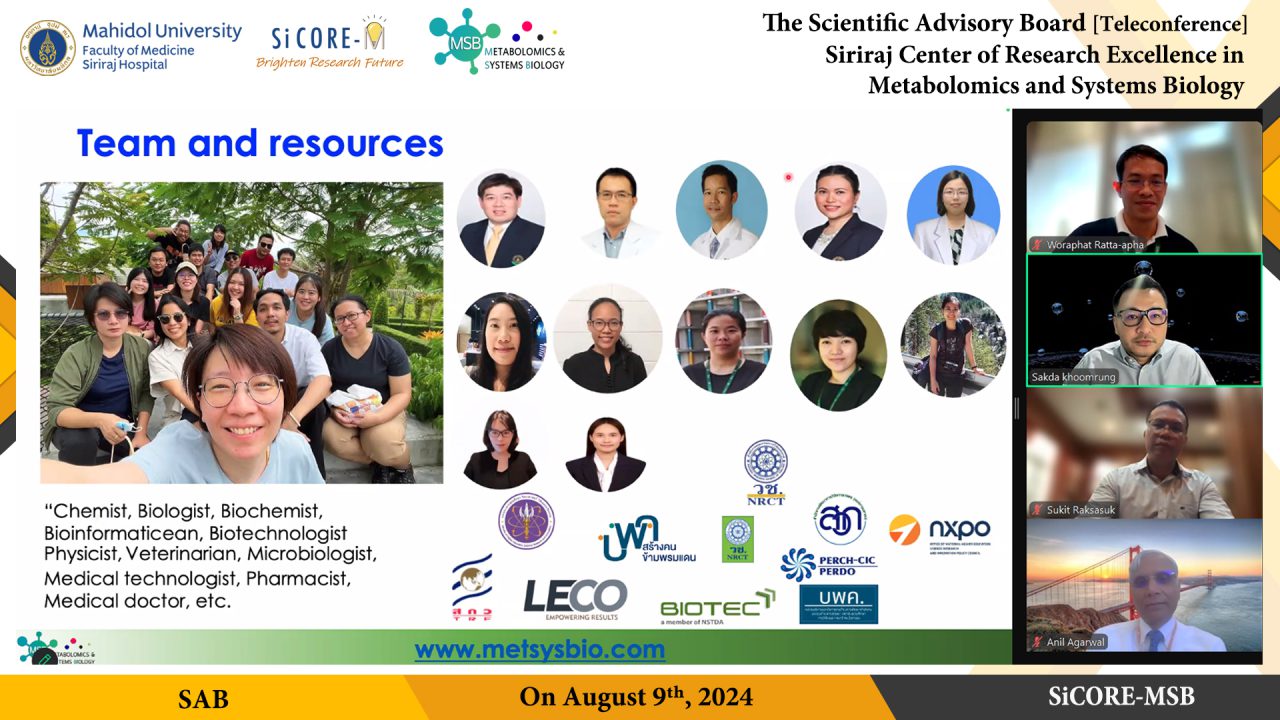
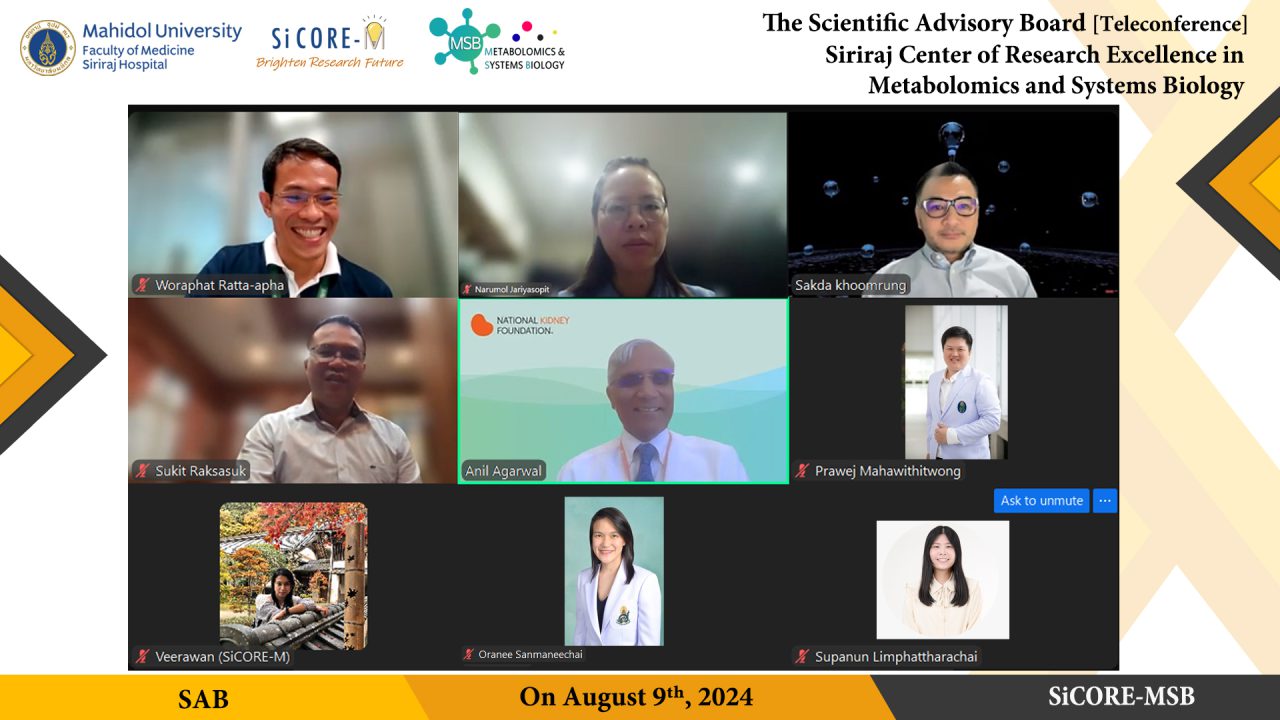
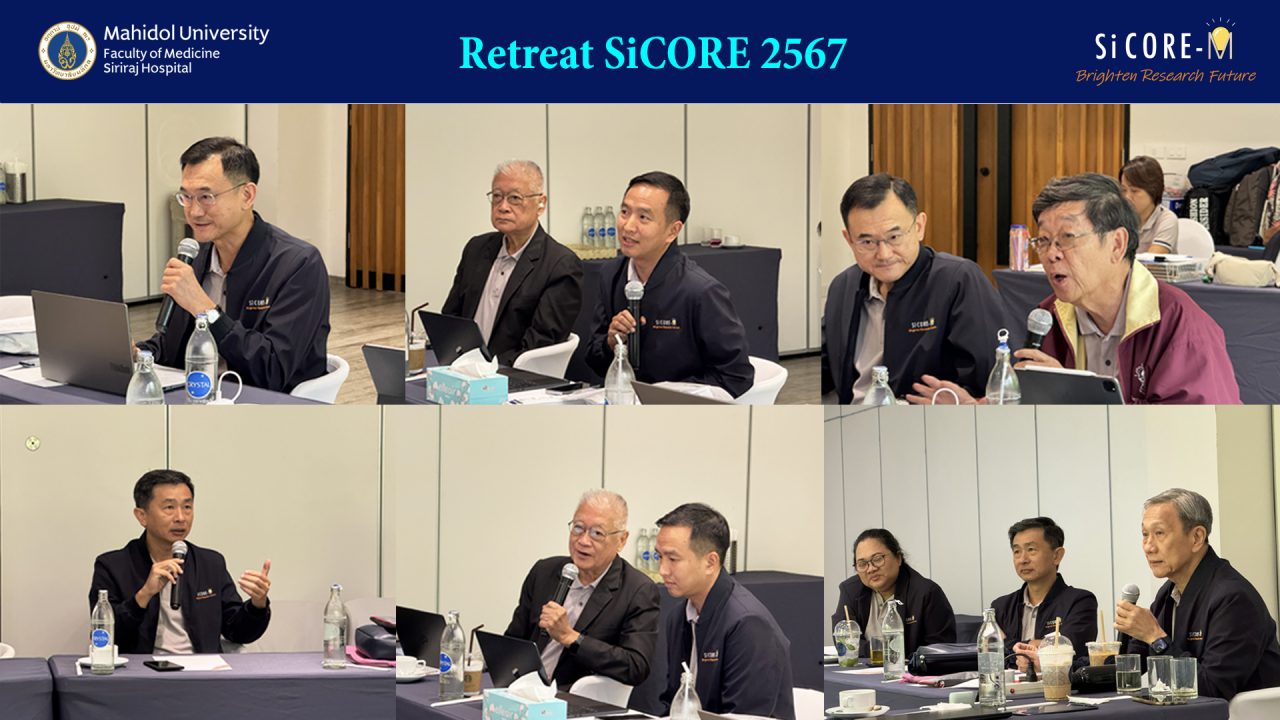
On August 9th, 2024, the SiCORE-M team, led by Assist. Prof. Woraphat Ratta-apha, Head of the Center of Research Excellence (SiCORE), warmly welcomed the esteemed Scientific Advisory Board (SAB) of SiCORE-MSB. The SAB, including Prof. Anil K. Agarwal, Chief of Medicine at VA Central California Health Care System and Professor of Medicine at the University of California, San Francisco, was integral to our first-year progress evaluation.

The main speaker, Assoc. Prof. Dr. Sakda Khoomrung, Director of SiCORE-MSB, presented the research progress on developing metabolomic biomarkers for lupus nephritis and innovative metabolomics and mass spectrometry analysis methods, in line with our project’s goals. The meeting also involved discussions on the development and applications of bioinformatics tools for biomedical research, focusing on integrating Size Exclusion Chromatography (SEC) data and analyzing clinical parameters.

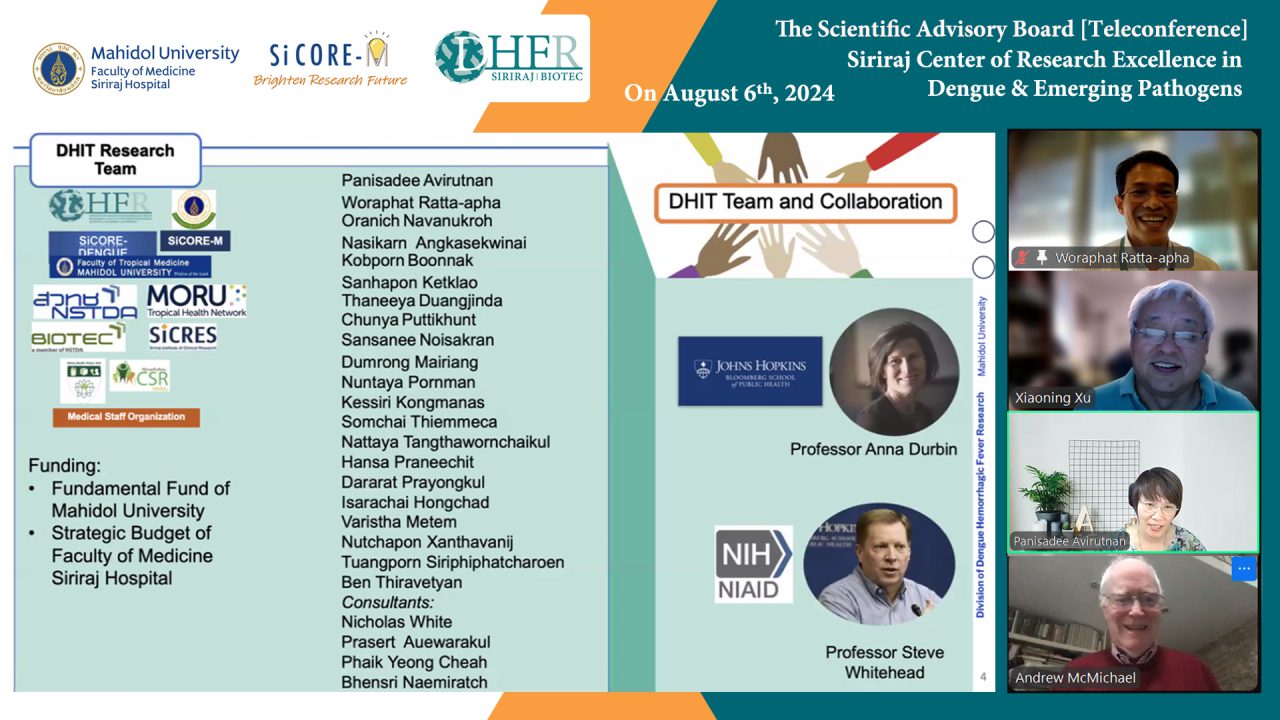
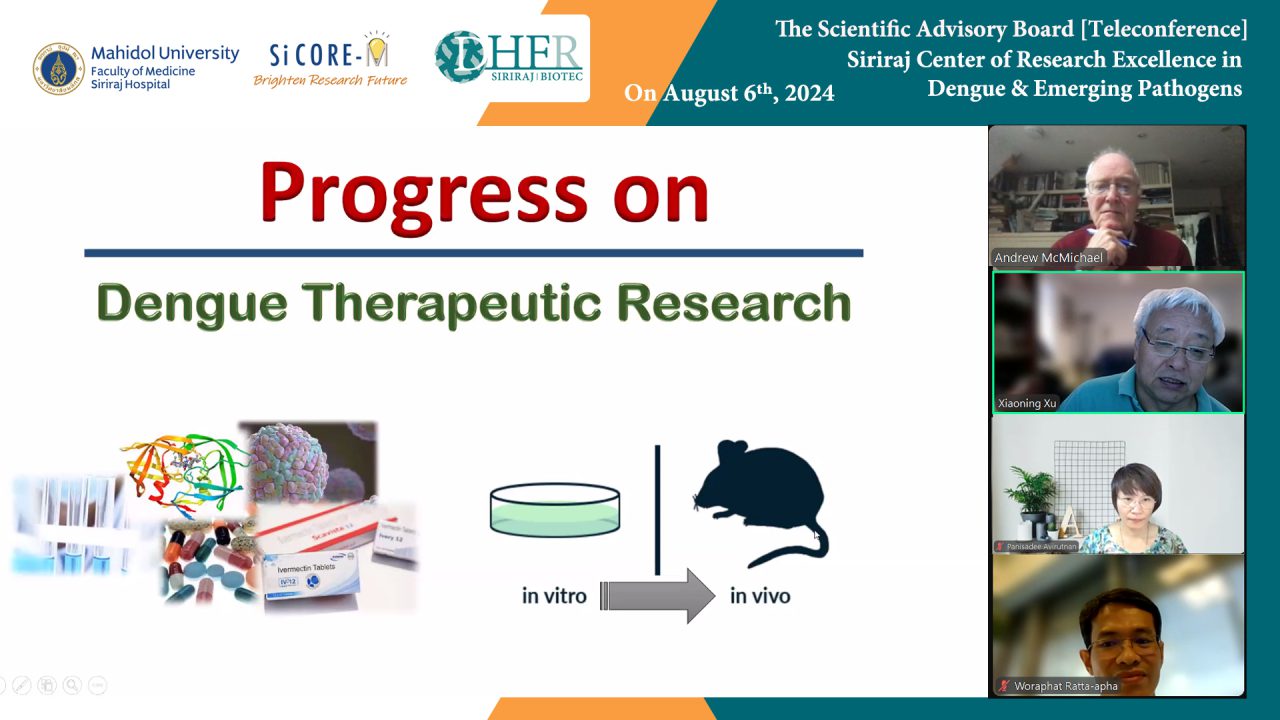
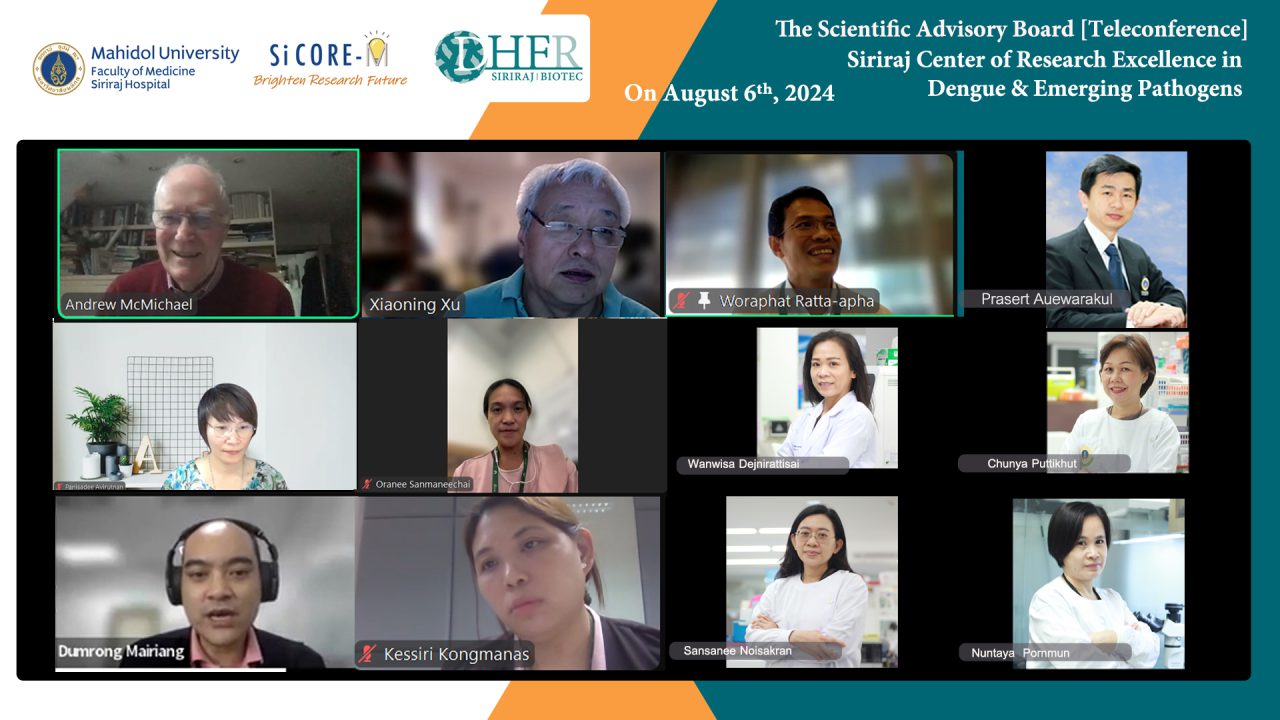
On August 6th, 2024, the SiCORE-M Team and SiCORE-Dengue conducted a significant teleconference with the Scientific Advisory Board (SAB). The distinguished SAB members included Prof. Xiao-Ning Xu, Chair in Human Immunology and Head of the Centre for Immunology and Vaccinology at Chelsea & Westminster Hospital, Imperial College London, and Prof. Sir Andrew J. McMichael, Professor of Molecular Medicine at the Nuffield Department of Medicine, University of Oxford.

The teleconference began with a warm welcome from Assist. Prof. Woraphat Ratta-apha, Head of the Center of Research Excellence (SiCORE). The primary focus of the meeting was a comprehensive presentation by Assoc. Prof. Panisadee Avirutnan, Director of SiCORE-Dengue, delivered an in-depth report on the first year’s progress in Phase 2 of the project. The presentation sparked productive discussions with the SAB on the research outcomes, future directions, and potential challenges in the ongoing fight against dengue.

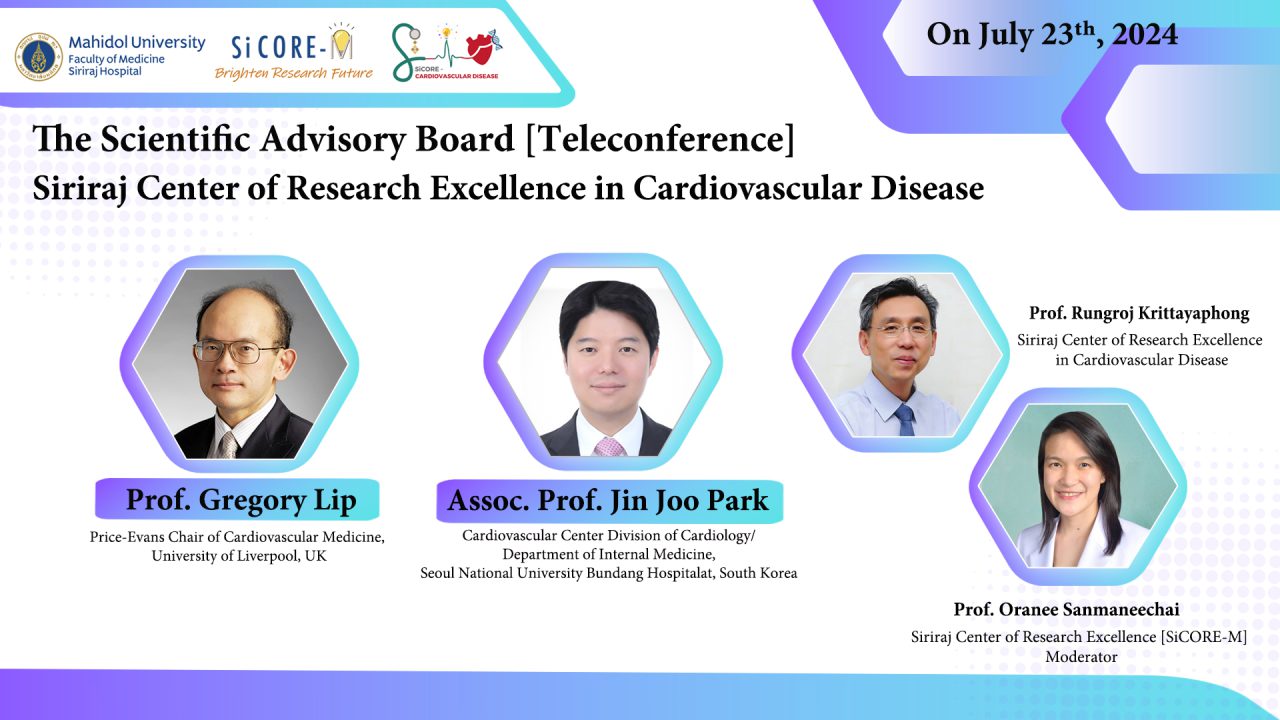
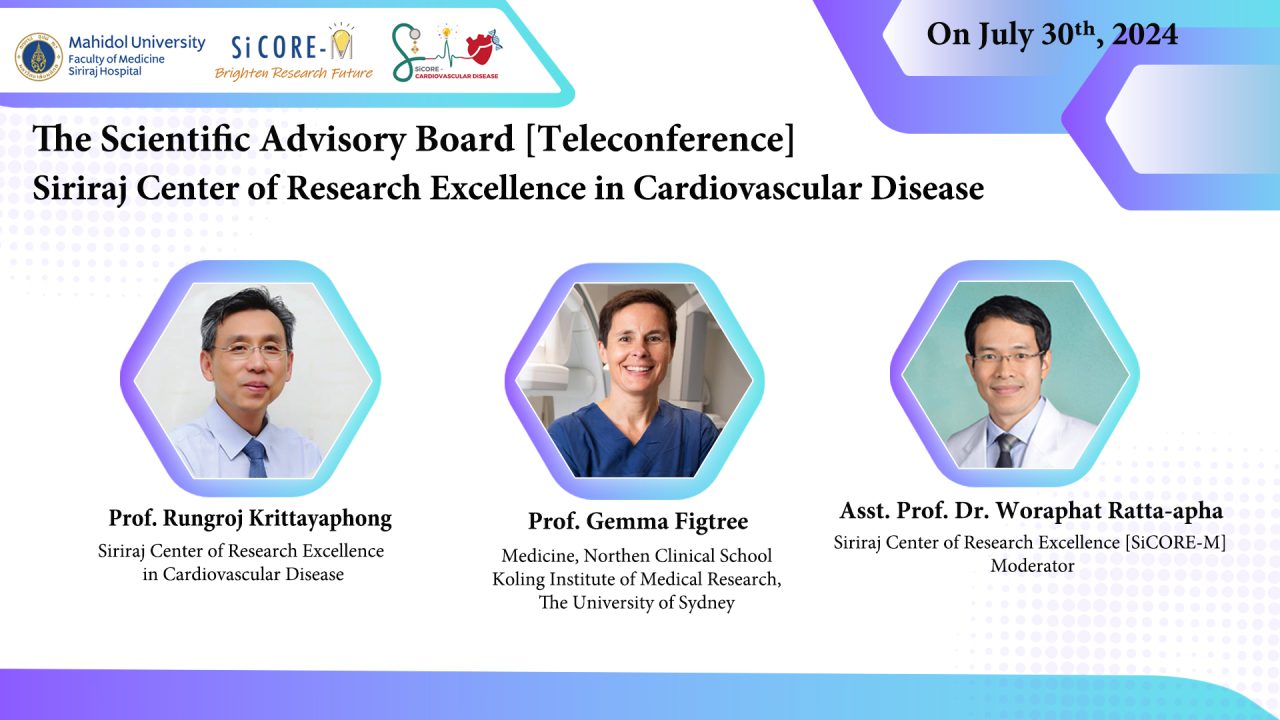
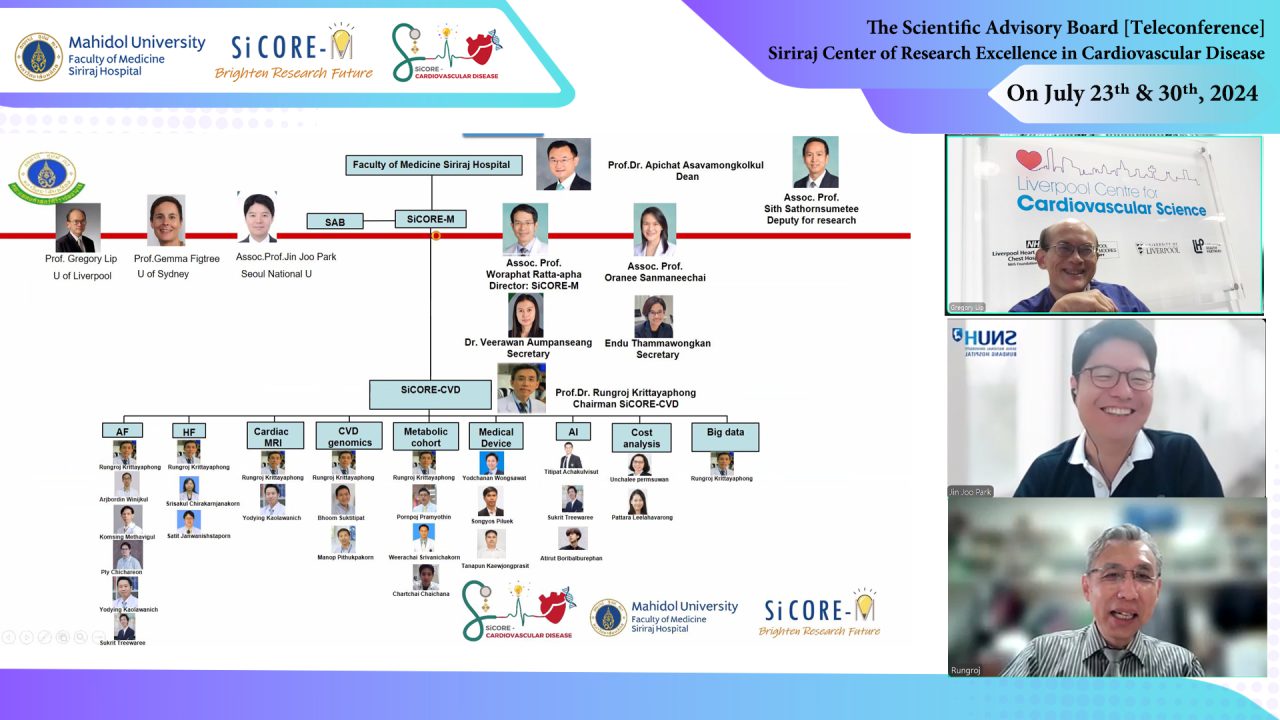
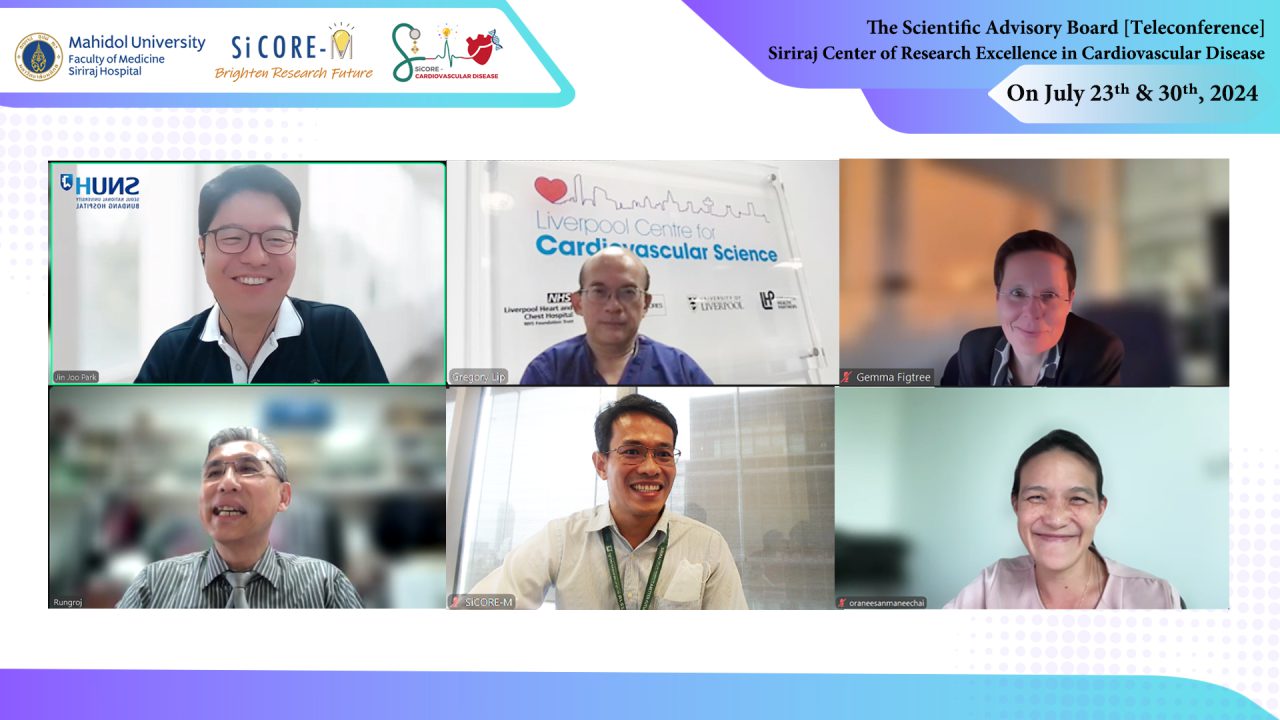
The SiCORE-M team, along with Prof. Rungroj Krittayaphong, Director of SiCORE-CVD, concluded this year’s Scientific Advisory Board (SAB) meeting with significant progress and actionable outcomes. The SAB teleconference lasted two days: July 23rd and July 30th, 2024.

On July 23rd, 2024, the meeting featured Prof. Gregory Lip from the University of Liverpool, United Kingdom, and Assoc.Prof. Jin Joo Park from Seoul National University Bundang Hospital, South Korea. Prof. Rungroj Krittayaphong presented the final progress of the atrial fibrillation (AF) research, discussing advancements, future directions, and potential areas of investigation. The overview of AF research trends in Thailand highlighted the importance of collaboration and involving young researchers in the field. The discussion delved into the potential of genomic research in the Thai population, a promising avenue that could revolutionize cardiovascular research. The importance of managing acute heart failure was also underscored, and the potential for developing a new ECG monitoring system was explored.

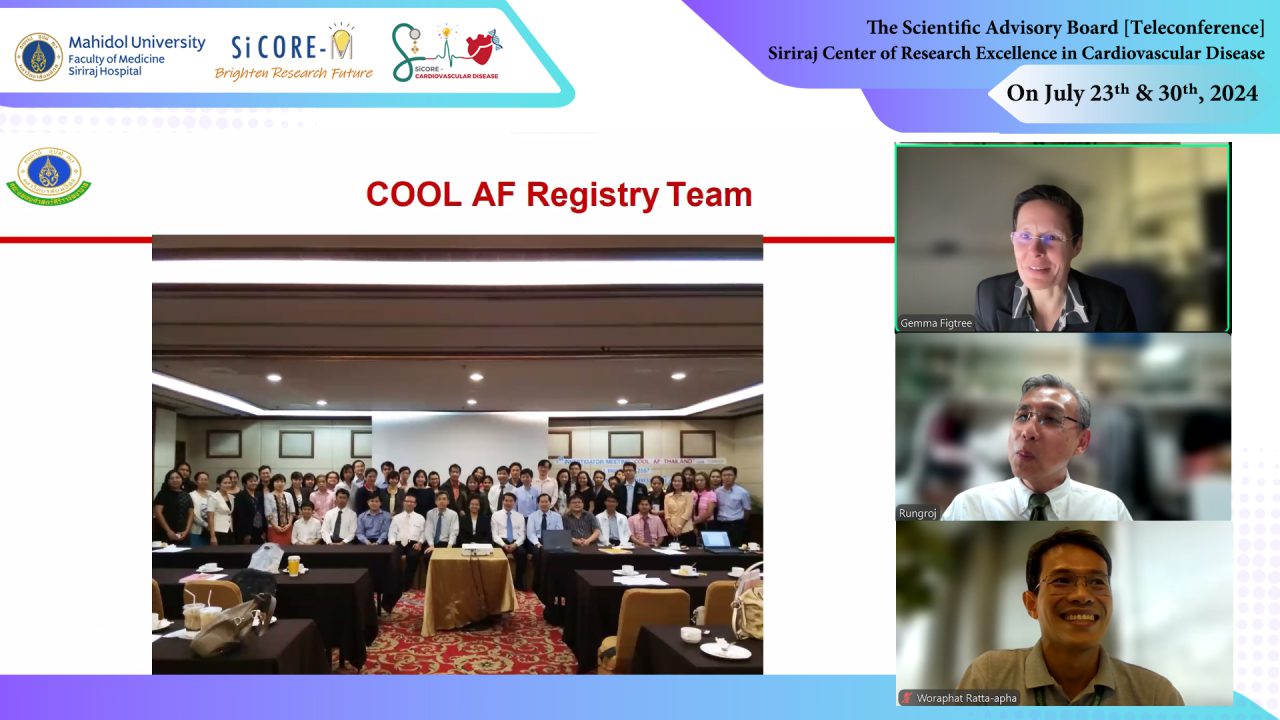
On July 30th, 2024, the meeting included Prof. Gemma Figtree from Sydney Medical School (North), Kolling Institute of Medical Research, University of Sydney, Australia. Prof.Rungroj presented highlights of the progress made by the Cardiovascular Research Program, including creating a national database of atrial fibrillation patients and submitting grant proposals for the next phase of the registry. Discussions also focused on advancing cardiac imaging and health economics research, emphasizing international collaboration, impact assessment, and the potential benefits of investing in metabolomics. Challenges in preventing cardiovascular disease, particularly in young patients without apparent risk factors, were addressed, emphasizing the crucial role of biobanking and imaging data in cardiovascular research.

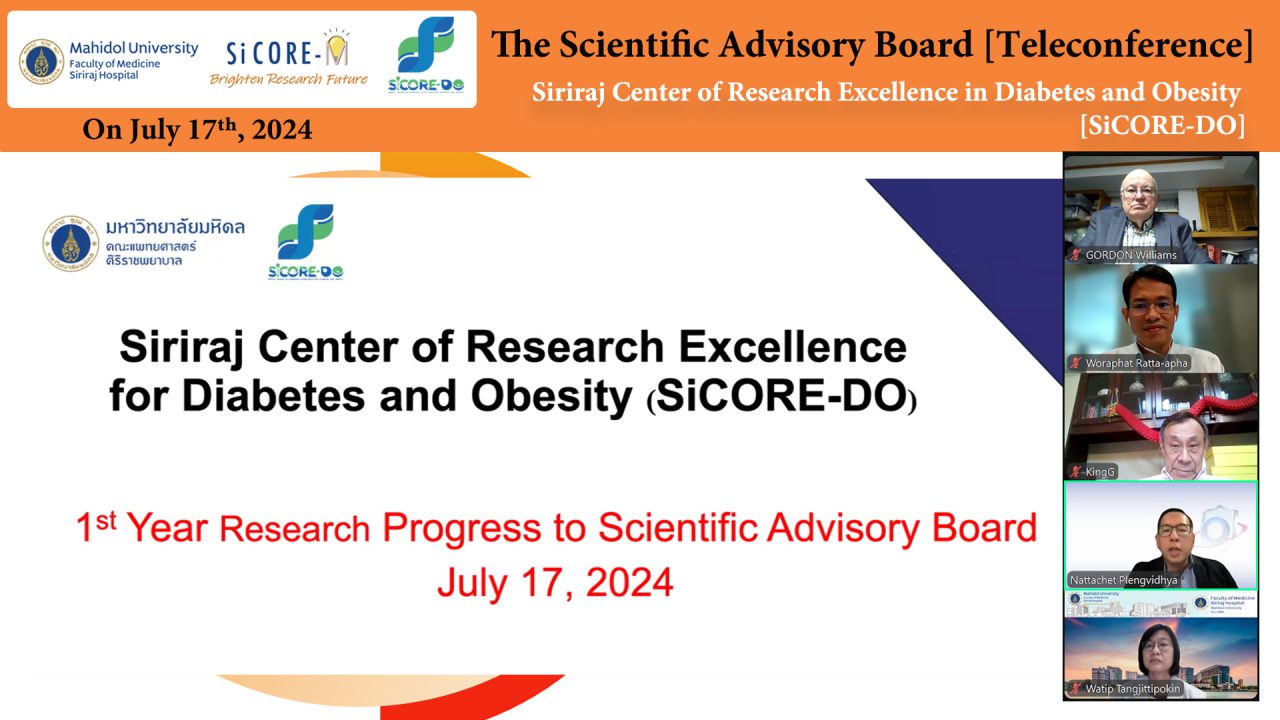
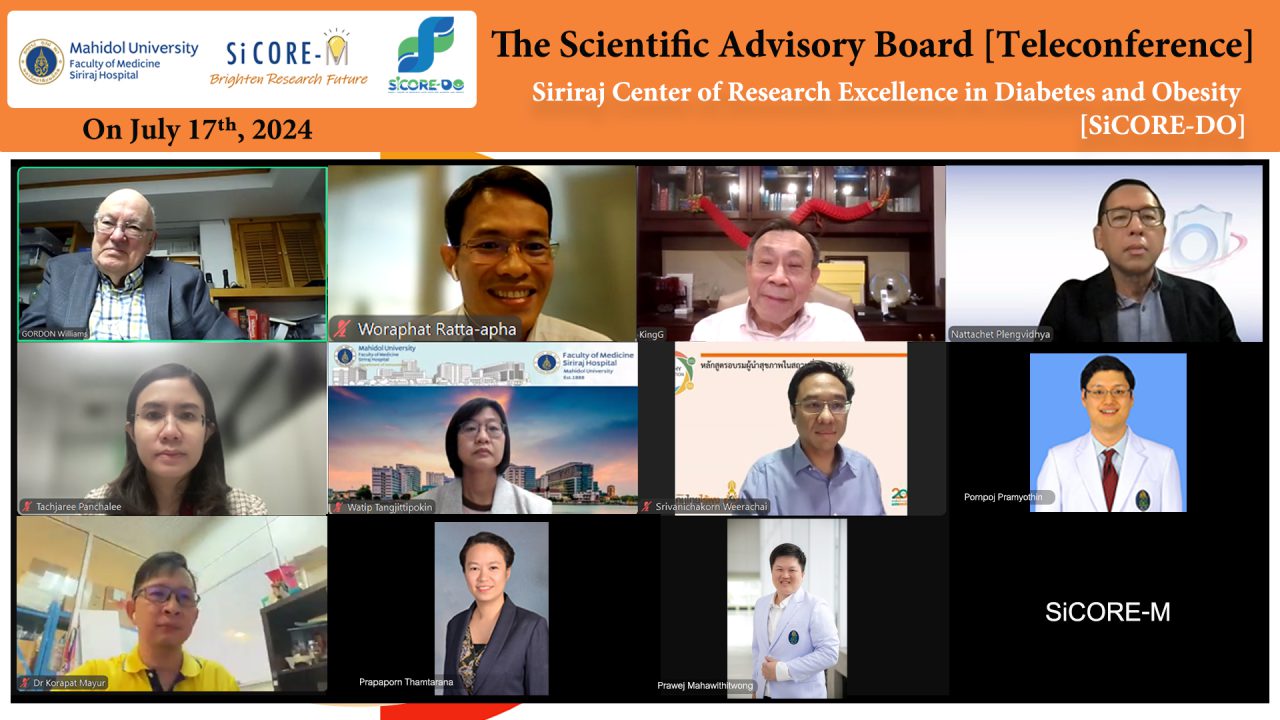
On July 17th, 2024, the SiCORE-M team, led by Assist. Prof. Woraphat Ratta-apha,Head of the Center of Research Excellence (SiCORE), and Assoc. Prof. Tachjaree Panchalee Boonbowornpong, Deputy Head of SiCORE, presented the working process of SiCORE-DO. The meeting commenced with the esteemed Scientific Advisory Board (SAB) of SiCORE-DO, which included Prof. Gordon H. Williams and Prof. George L. King, specialists in diabetes and obesity from Joslin Diabetes Center, Harvard Medical School.

The main speaker, Prof. Nattachet Plengvidhya, Director of SiCORE-DO, presented the research progress in precision medicine for type 2 diabetes, prediabetes, and obesity in Thailand. The presentation highlighted genomic research in Thai populations, addressing challenges such as limited resources and sample size, and identifying potential candidate genes.

The meeting also covered the prevalence of gestational diabetes in Thai populations and genetic research in Thailand’s ethnic Chinese population. Emphasis was placed on the importance of studying induced pluripotent stem (iPS) cells and considering both genetic and environmental factors in pre-diabetes research. Additionally, the limitations of current genetic studies were discussed.

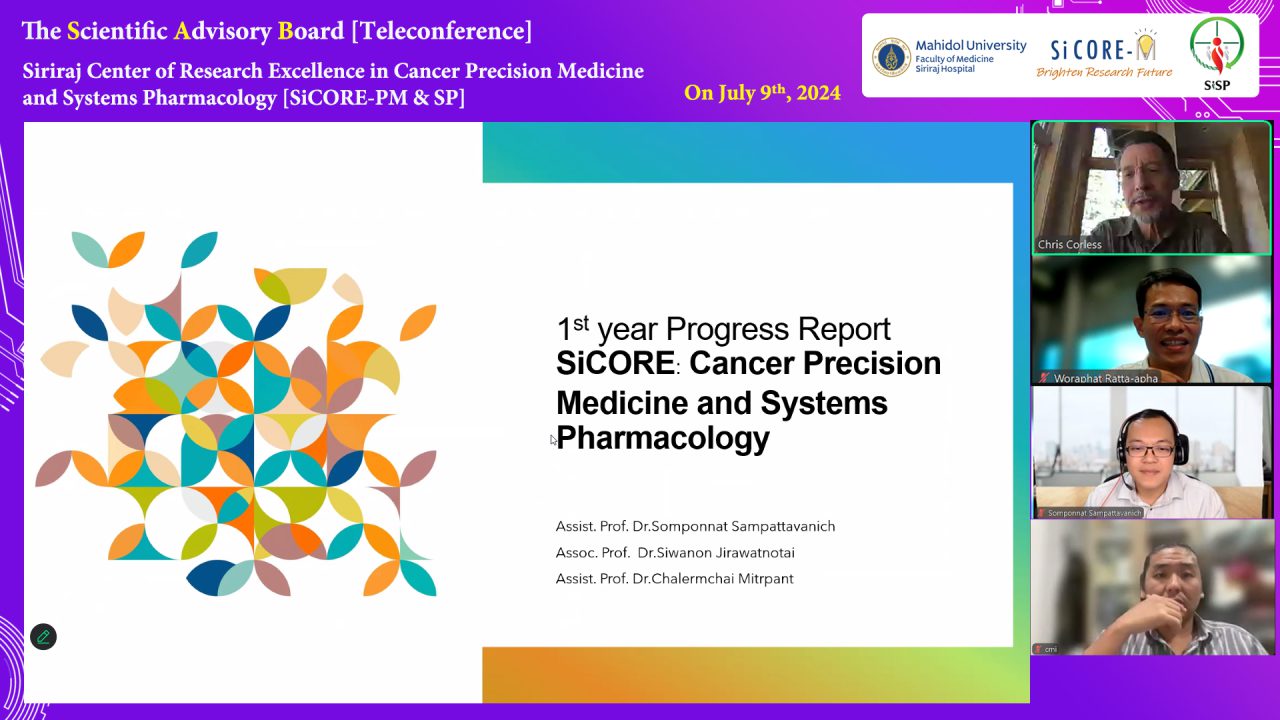
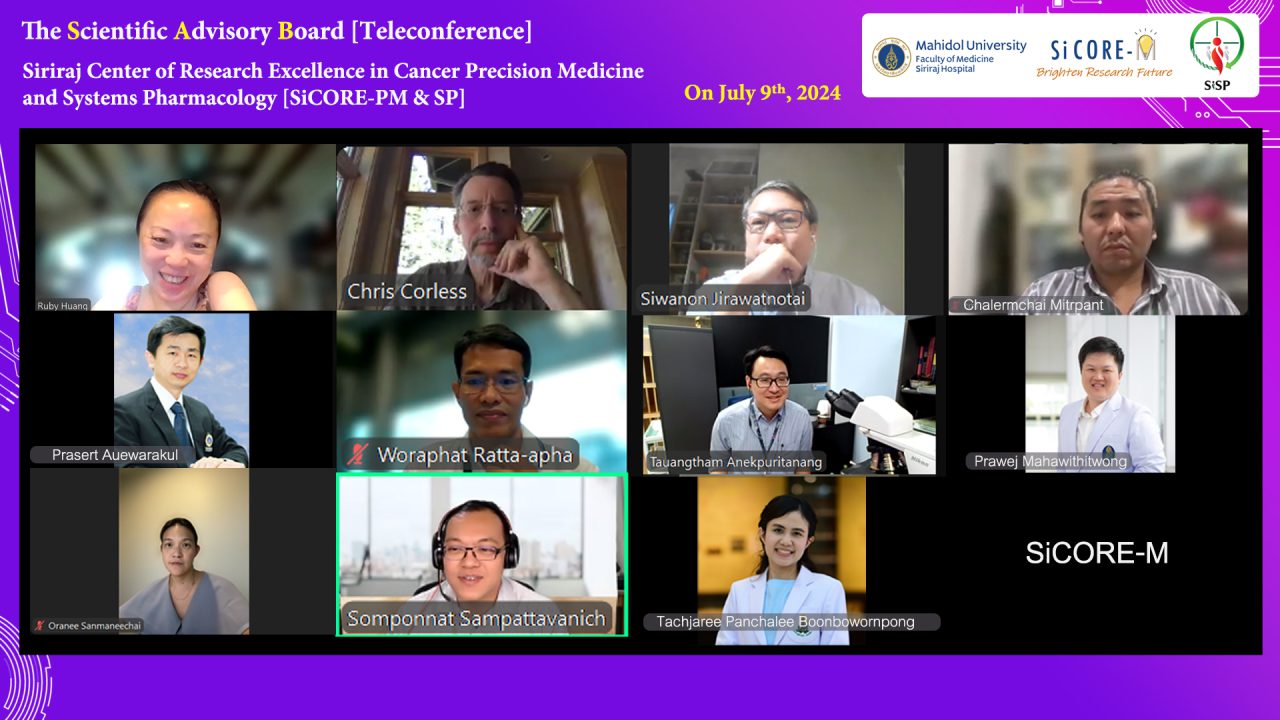
On July 9th, 2024, the SiCORE-M Team and SiCORE-PM&SP convened a formal teleconference with the esteemed Scientific Advisory Board (SAB) of SiCORE-PM&SP. The SAB members included Prof. Christopher L. Corless, from Oregon Health and Science University, and Prof. Ruby Huang from the National Taiwan University (NTU).

The meeting commenced with a warm welcome from Assist. Prof. Woraphat Ratta-apha, Head of the Center of Research Excellence (SiCORE). The primary speaker, Assist. Prof. Somponnat Sampattavanich, Director of SiCORE-PM&SP, presented a detailed progress report and engaged in discussions with the committee on various aspects of cancer research, including precision medicine, biosensors, and commercialization strategies.

The teleconference also reviewed ongoing research projects, such as cancer biomarker discovery and the application of spatial biology and single-cell analysis. Furthermore, strategies for commercializing research in the life sciences were explored, covering areas like staff training, securing research funding, and fostering international collaboration.

       Please join us in congratulating Narumol Jariyasopit, Kwanjeera Wanichthanarak, and Assoc. Prof. Dr. Sakda Khoomrung, from the Siriraj Center of Research Excellence in Metabolomic and Systems Biology (SiCORE-MSB), Faculty of Medicine, Siriraj Hospital, Mahidol University, for presenting posters at the 20th Annual Conference of the Metabolomics Society – Metabolomics 2024 in Osaka, Japan. https://www.metabolomics2024.org/session-schedule


4 Poster Presentations:

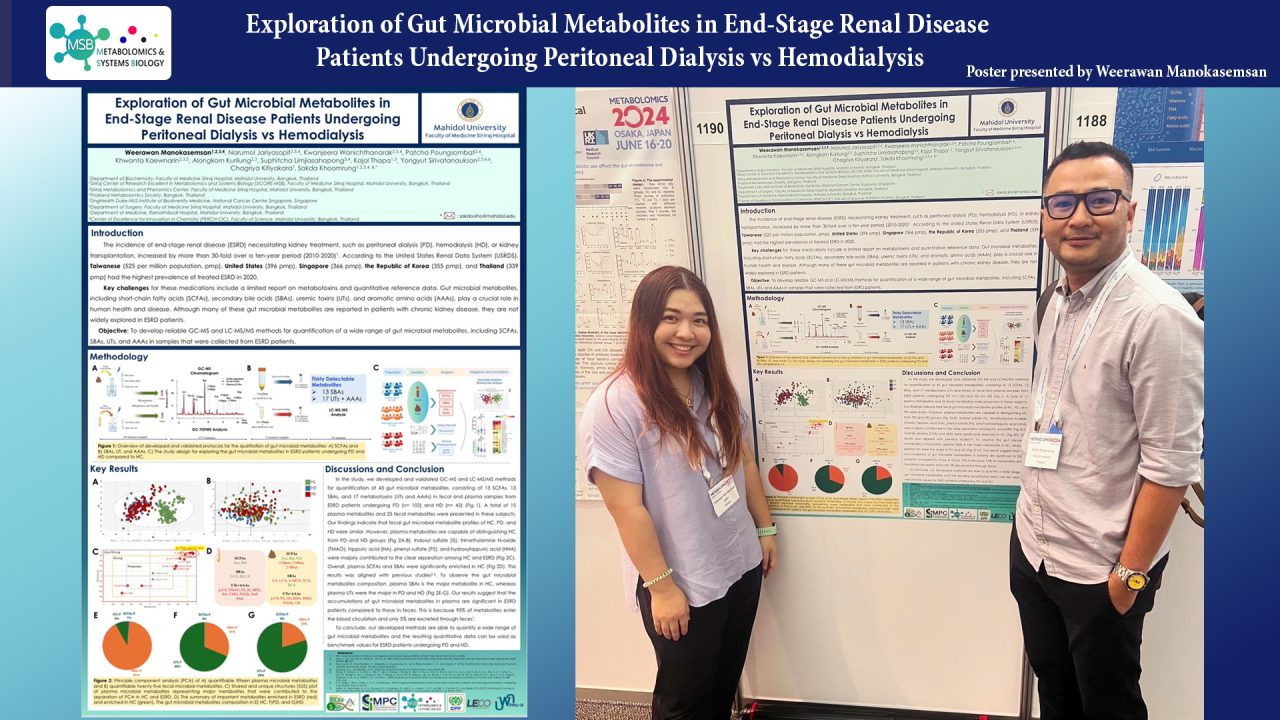
  1. Exploration of Gut Microbial Metabolites in End-Stage Renal Disease Patients Undergoing Peritoneal Dialysis vs Hemodialysis. Poster presented by Weerawan Manokasemsan

       In this study, we developed and validated GC-MS and LC-MS/MS methods for quantifying 43 gut microbial metabolites, including 13 SCFAs, 13 SBAs, and 17 metabotoxins (UTs and AAAS), in fecal and plasma samples from ESRD patients. Our findings indicate that fecal gut microbial metabolite profiles of HC, PD, and HD were similar. However, plasma metabolites can distinguish HC from PD and HD groups. Indoxyl sulfate (IS), trimethylamine N-oxide (TMAO), hippuric acid (HA), phenyl sulfate (PS), and hydroxyhippuric acid (HHA) were major contributors to the clear separation among HC and ESRD. Our results suggest that the accumulation of gut microbial metabolites in plasma is significant in ESRD patients compared to feces, as 95% of metabolites enter the bloodstream, and only 5% are excreted through feces.
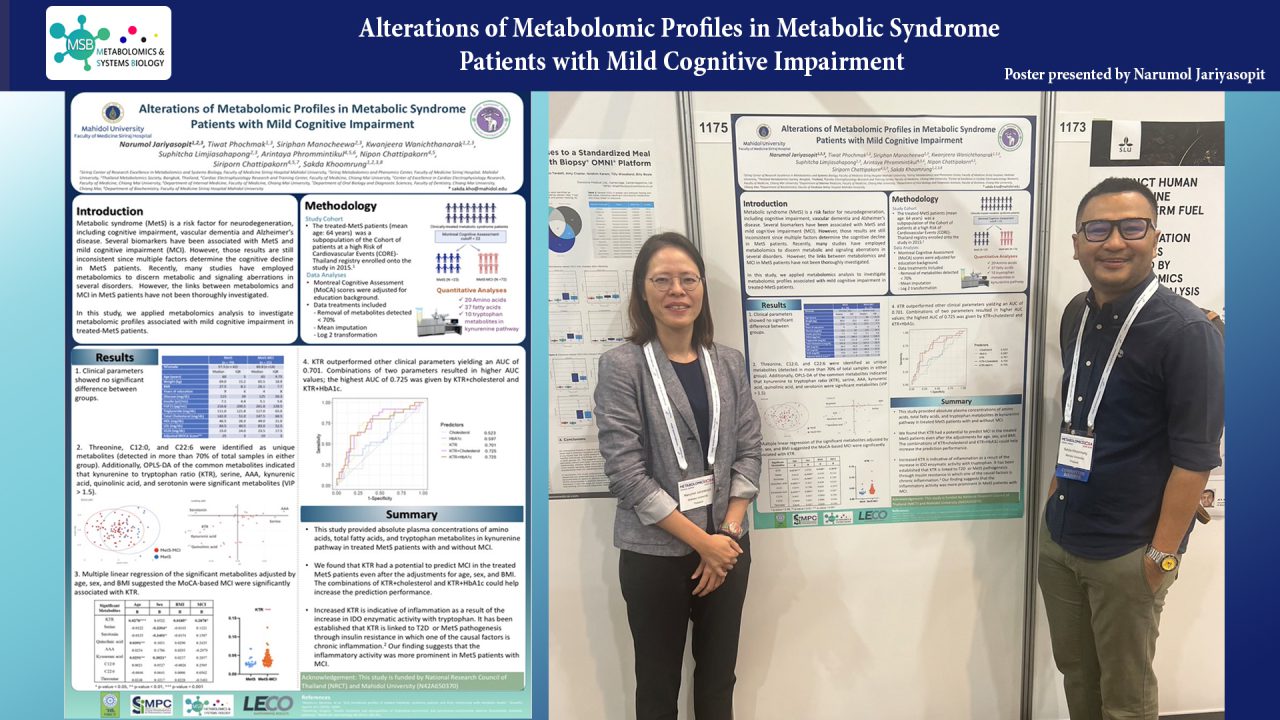
  1. Alterations of Metabolomic Profiles in Metabolic Syndrome Patients with Mild Cognitive Impairment. Poster presented by Narumol Jariyasopit 

       In this study, we provided absolute plasma concentrations of amino acids, total fatty acids, and tryptophan metabolites in the kynurenine pathway in treated MetS patients with and without MCI. We found that KTR has the potential to predict MCI in treated MetS patients, even after adjusting for age, sex, and BMI. Combinations of KTR + cholesterol and KTR + HbA1c could improve prediction performance. Increased KTR indicates inflammation due to increased IDO enzymatic activity with tryptophan. Our findings suggest that inflammatory activity is more prominent in MetS patients with MCI.
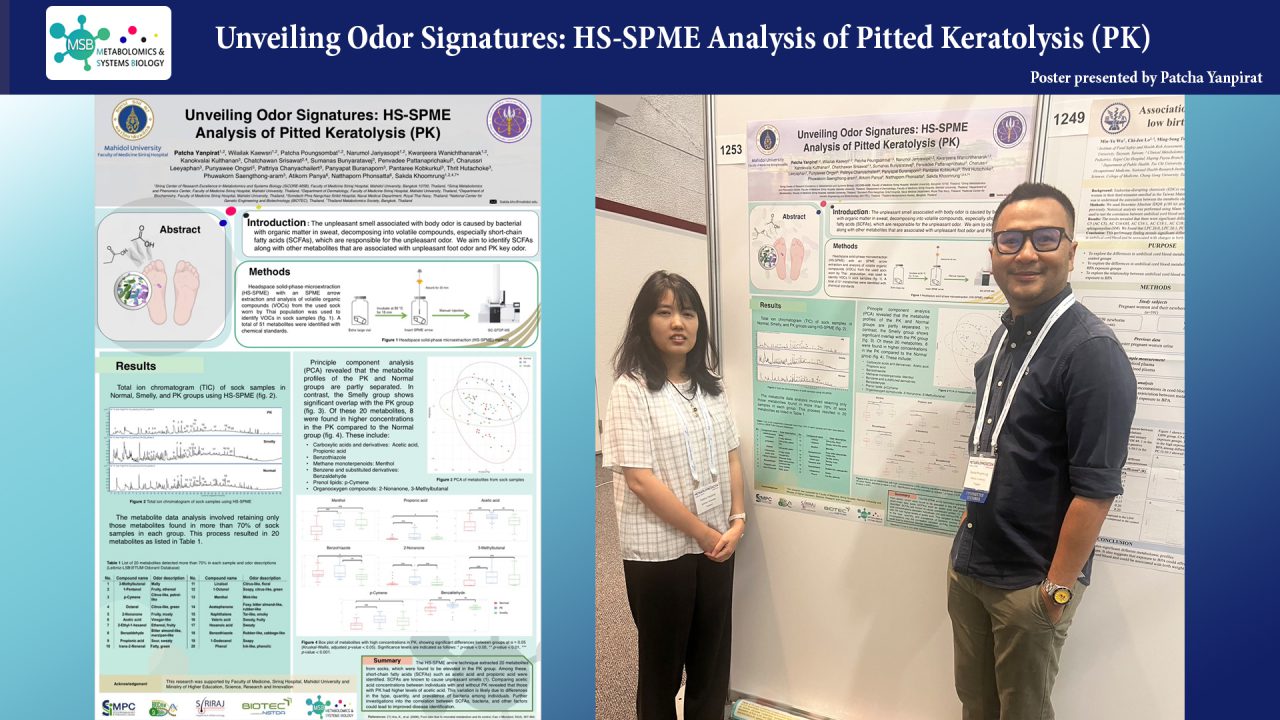
  1. Unveiling Odor Signatures: HS-SPME Analysis of Pitted Keratolysis (PK). Poster presented by Patcha Yanpirat

      In this study, the HS-SPME arrow technique extracted 20 metabolites from socks, which were found to be elevated in the PK group. Short-chain fatty acids (SCFAs) such as acetic and propionic acids were identified among these. SCFAs are known to cause unpleasant odors (1). Comparing acetic acid concentrations between individuals with and without PK revealed higher levels in those with PK, likely due to differences in bacteria type, quantity, and prevalence among individuals. Further investigation into the correlation between SCFAs, bacteria, and other factors could improve disease identification.
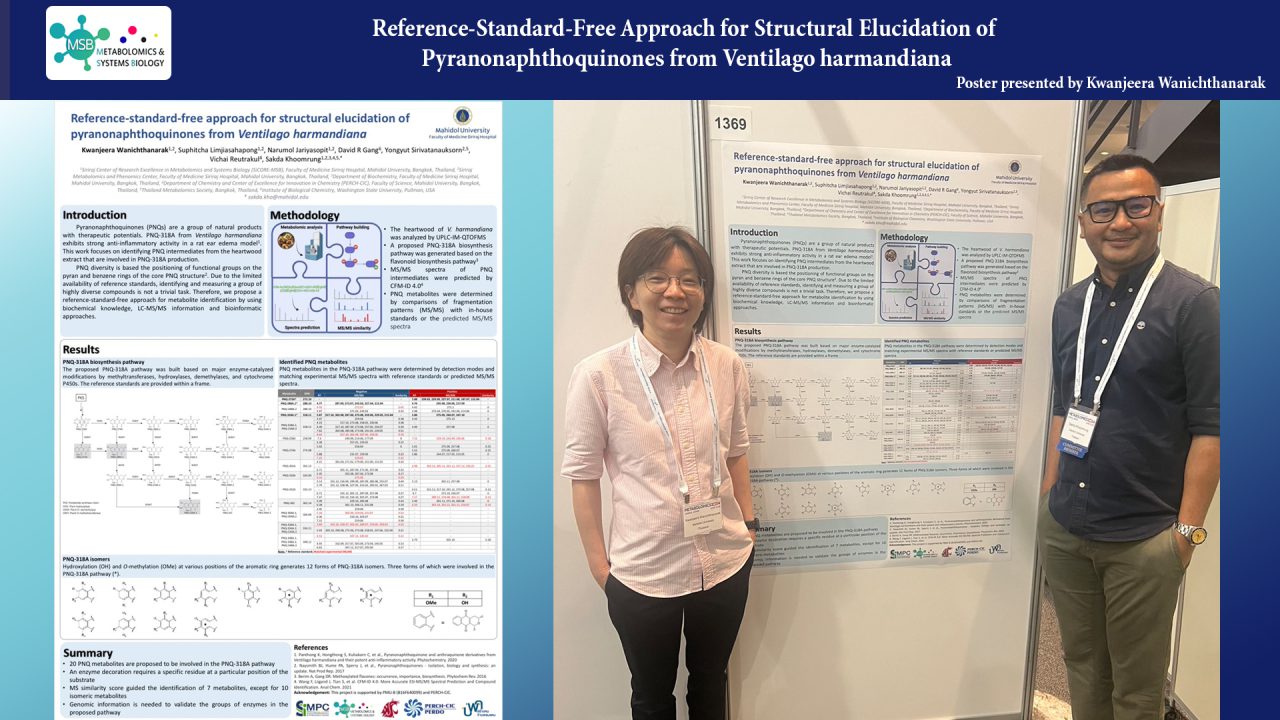
  1. Reference-Standard-Free Approach for Structural Elucidation of Pyranonaphthoquinones from Ventilago harmandiana. Poster presented by Kwanjeera Wanichthanarak.

       In this study, 20 PNQ metabolites are proposed to be involved in the PNQ-318A pathway. An enzyme decoration requires a specific residue at a particular position of the substrate, and the MS similarity score guided the identification of 7 metabolites, except for 10 isomeric metabolites and Genomic information.
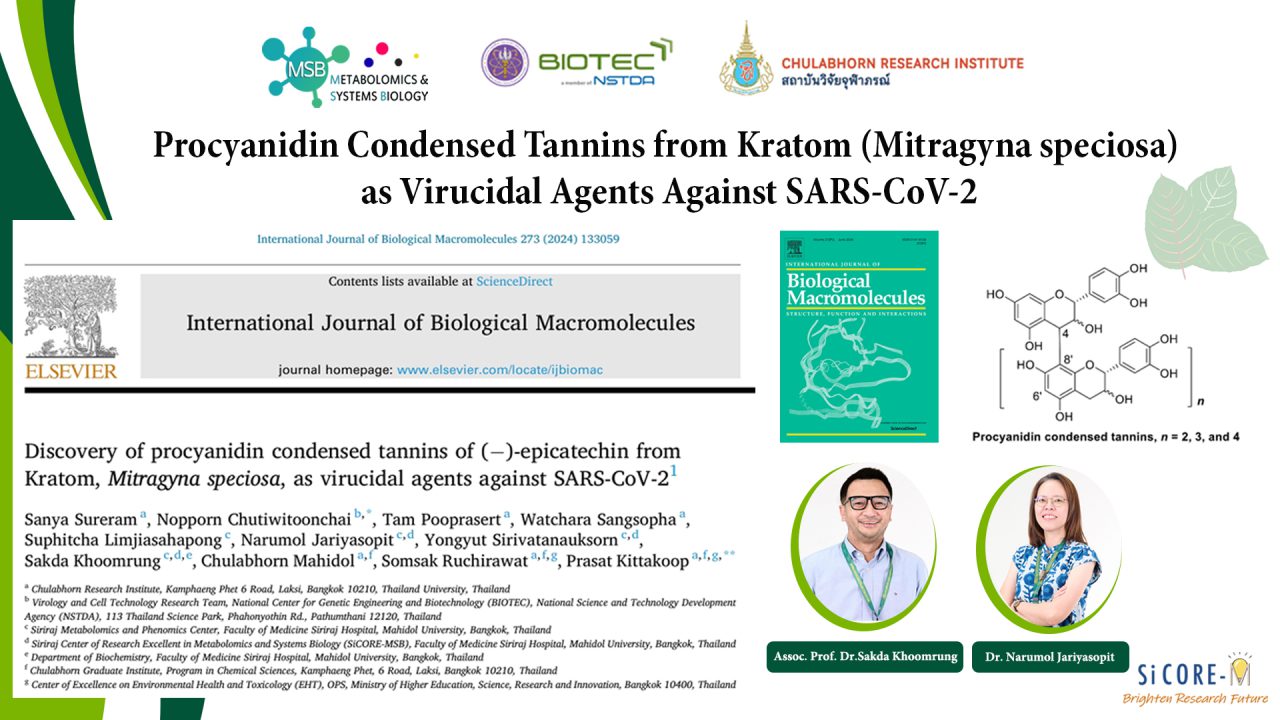
We are delighted to share the publication of groundbreaking research by Assoc. Prof. Dr. Sakda Khoomrung (co-author) from the Siriraj Center of Research Excellence in Metabolomic and Systems Biology (SiCORE-MSB), Faculty of Medicine, Siriraj Hospital, Mahidol University. This research, published in the International Journal of Biological Macromolecules on June 10, 2024, unveils the discovery of virucidal agents against SARS-CoV-2 in Kratom. The publication is available for access via the following link: https://www.sciencedirect.com/science/article/pii/S0141813024038649?via%3Dihub

This research paper represents a collaboration between the Siriraj Center of Research Excellence in Metabolomic and Systems Biology (SiCORE-MSB) and the Virology and Cell Technology Research Team at the National Center for Genetic Engineering and Biotechnology (BIOTEC) and Chulabhorn Research Institute. Their collaborative efforts were instrumental in advancing our understanding of the virucidal properties of Kratom (Mitragyna speciosa) compounds against SARS-CoV-2.

Previous studies have primarily focused on bioactive alkaloids in Kratom, but non-alkaloid compounds have yet to be extensively explored for their biological activities. In this study, antiviral and virucidal assays of a methanol leaf extract of Kratom, M. speciosa, demonstrated significant virucidal activity against SARS-CoV-2. Activity-guided isolation of the methanol leaf extract identified B-type procyanidin condensed tannins of (—)-epicatechin as potent virucidal compounds. The fraction containing condensed tannins exhibited virucidal activity with an EC50 value of 8.38 μg/mL and a selectivity index (SI) value >23.86. Structural analysis using LC-MS/MS and MALDI-TOF MS confirmed the presence of B-type procyanidin condensed tannins in Kratom. At the same time, gel permeation chromatography (GPC) revealed an average molecular weight of 238,946 Da for high molecular-weight condensed tannins. Although (—)-epicatechin, a major component in Kratom leaves, did not exhibit virucidal activity, its macromolecules, procyanidin condensed tannins, displayed potent activity against SARS-CoV-2. This finding highlights the significance of high molecular weight polyphenols in the virucidal activity of Kratom compounds.

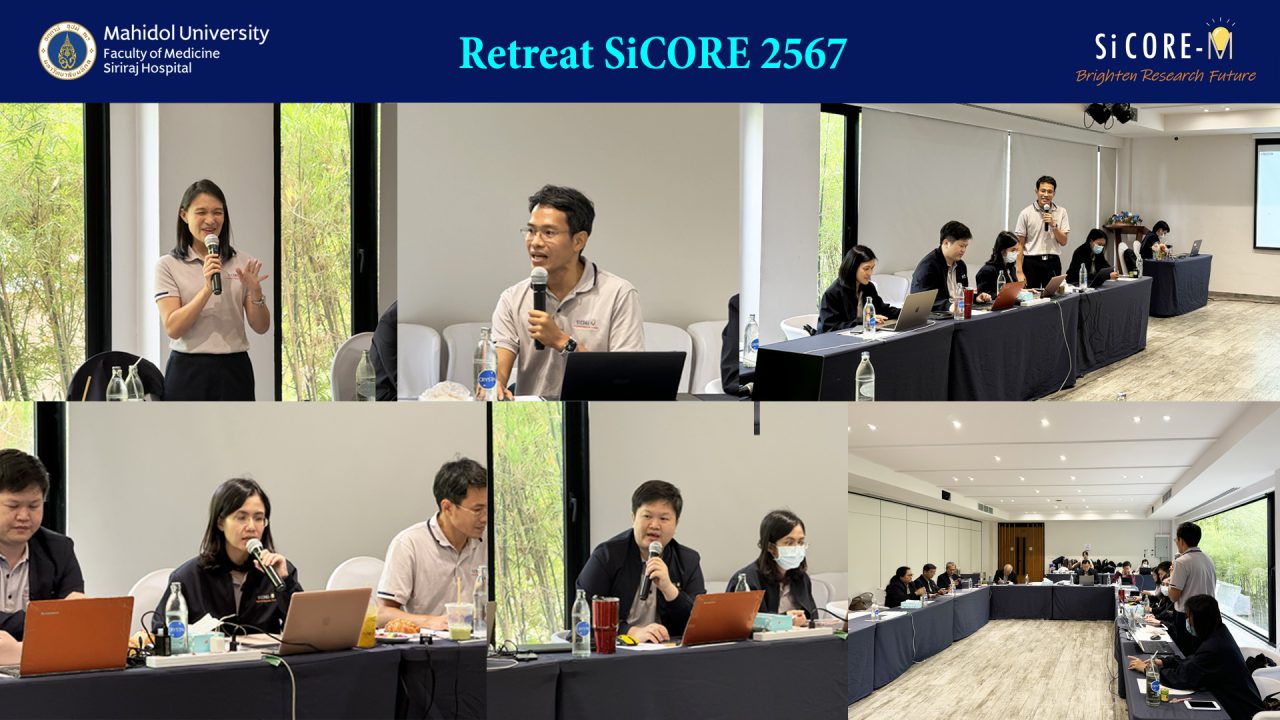
On Saturday, May 18th, 2024, the Center of Research Excellence (SiCORE-M) had the honor of hosting the Retreat 2024 at the Grace Aumphawa Resort, Samut Songkhram, with Prof. Apichat Asavamongkolkul, M.D., the Dean of the Faculty of Medicine at Siriraj Hospital, serving as the chairman. The meeting was dedicated to discussing the direction and support mechanisms of the Center of Research Excellence in the Research Excellence Development Program (RED).

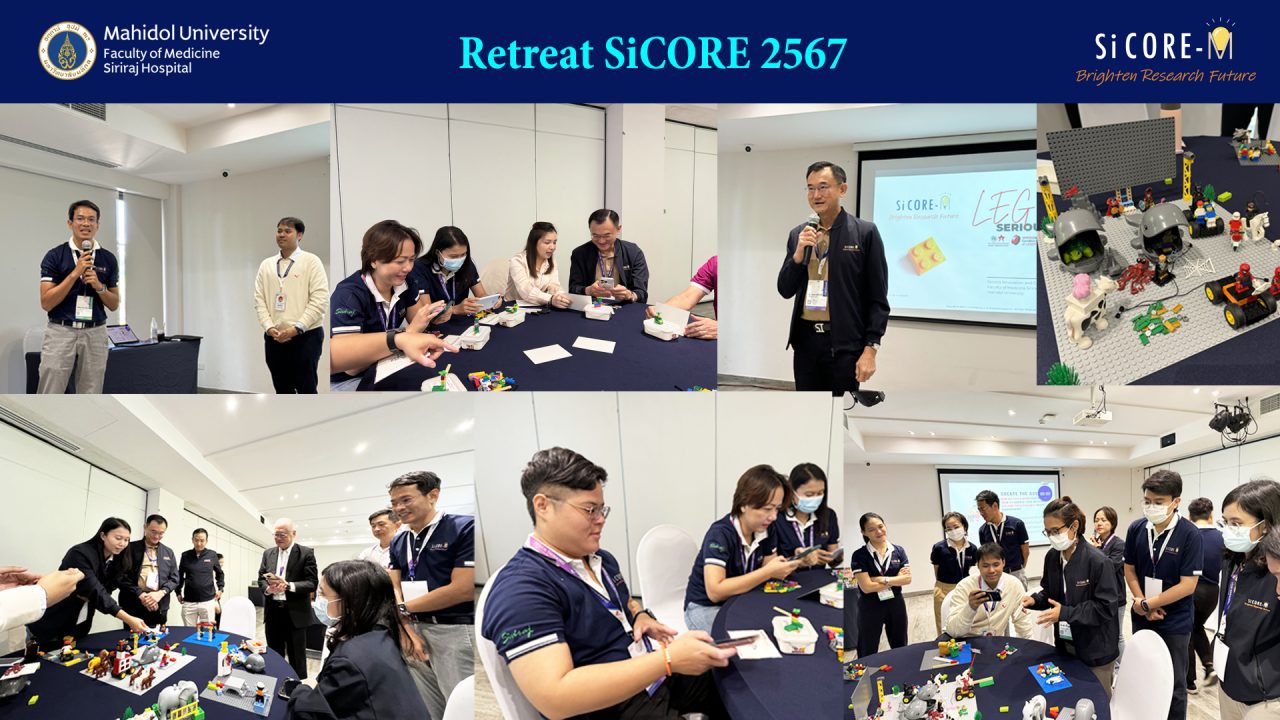
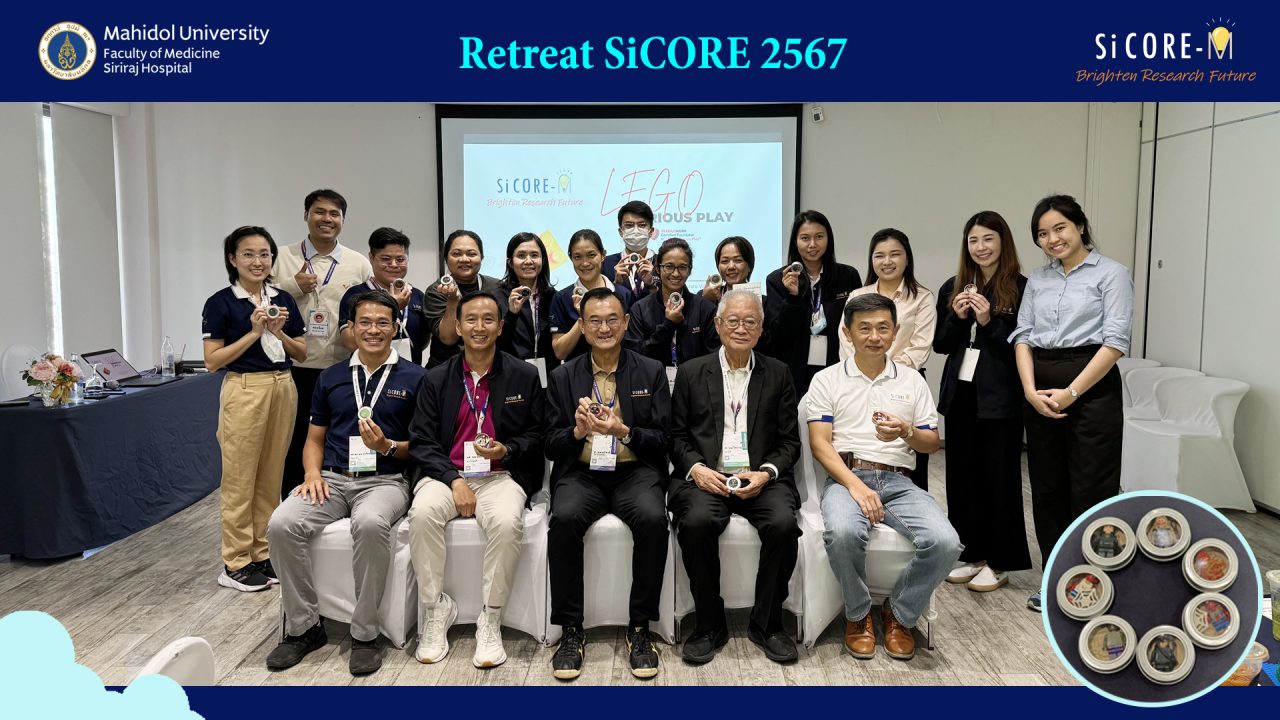
On Sunday, May 19th, 2024, we were privileged to receive a lecture and team-building session from the Value Driven Unit (VDU), led by Dr. Sichon Luerithiphong, aimed at fostering a solid team within SiCORE-M and among the executives through LEGO Serious Play.

On this significant occasion, SiCORE-M extends heartfelt gratitude to the Dean and Executives within the Faculty of Medicine Siriraj Hospital for their unwavering support and active participation. We are enthusiastic about furthering our cooperation and pursuing Faculty research endeavors in the upcoming year.

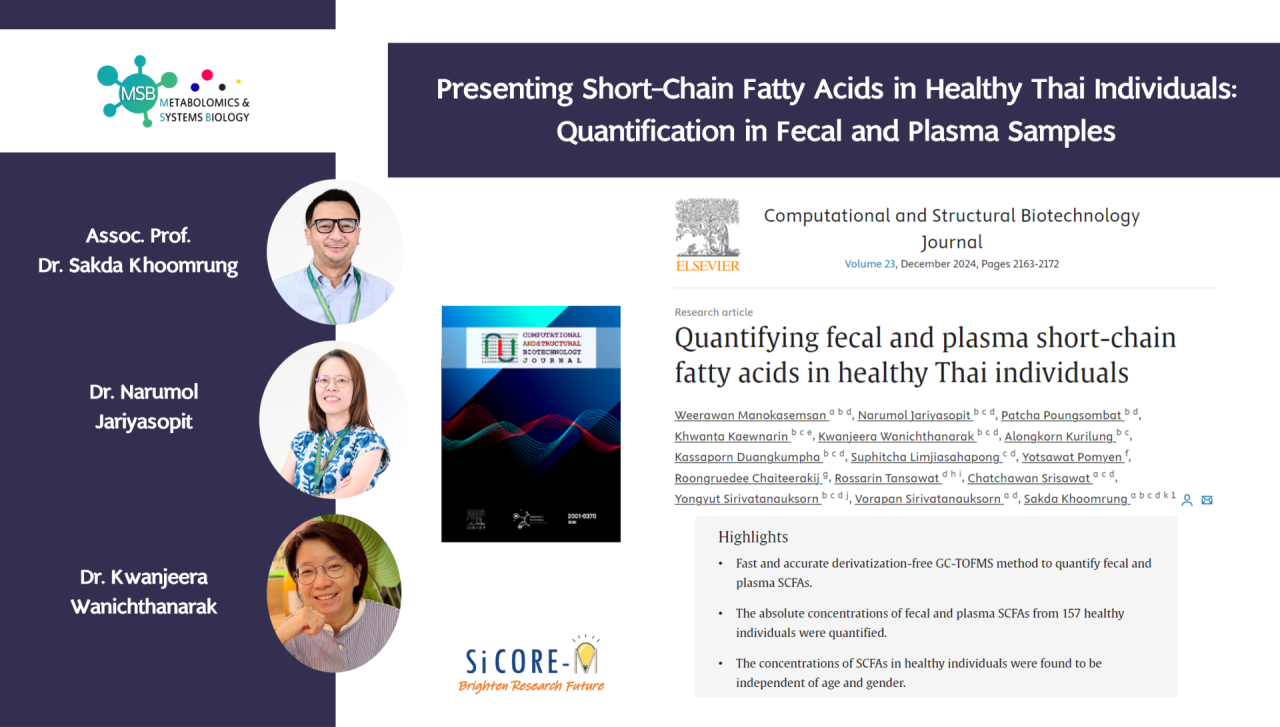
We are excited to announce the publication of groundbreaking research by Assoc. Prof. Dr. Sakda Khoomrung (Corresponding author) from the Siriraj Center of Research Excellence in Metabolomic and Systems Biology (SiCORE-MSB), Faculty of Medicine, Siriraj Hospital, Mahidol University, in the Computational and Structural Biotechnology Journal on May 8, 2024. For those interested in this publication, please access via the following link: https://www.sciencedirect.com/science/article/pii/S2001037024001533?__cf_chl_tk=1Imkemndfujss_Lappc4CaRwf39XvoFMHevm0jjx6cc-1716456031-0.0.1.1-1386

In this study, we developed a simple and reliable derivatization-free GC-TOFMS method for quantifying fecal and plasma Short-Chain Fatty Acids (SCFAs) in healthy individuals. Targeting six linear- and seven branched-SCFAs, we achieved method recoveries of 73–88% and 83–134% in fecal and plasma matrices, respectively. These developed methods offer simplicity, speed, and sensitivity superior to previously published methods, making them well-suited for large-scale studies. Analysis of samples from 157 medically confirmed healthy individuals revealed that total SCFAs in feces and plasma averaged 34.1 ± 15.3 µmol/g and 60.0 ± 45.9 µM, respectively. Notably, acetic acid (Ace), propionic acid (Pro), and butanoic acid (But) were significant contributors in fecal samples, collectively constituting 89% of total SCFAs. At the same time, Ace predominated in plasma samples, accounting for 93% of total plasma SCFAs.

Interestingly, there were no statistically significant differences in total fecal and plasma SCFA concentrations between sexes or age groups. However, the findings revealed positive correlations between several nutrients, including carbohydrates, fats, iron from vegetables, and water, and the most targeted SCFAs.

This study represents the first large-scale investigation reporting SCFA reference intervals in the plasma and feces of healthy individuals, providing valuable insights for microbiome, metabolomics, and biomarker research.

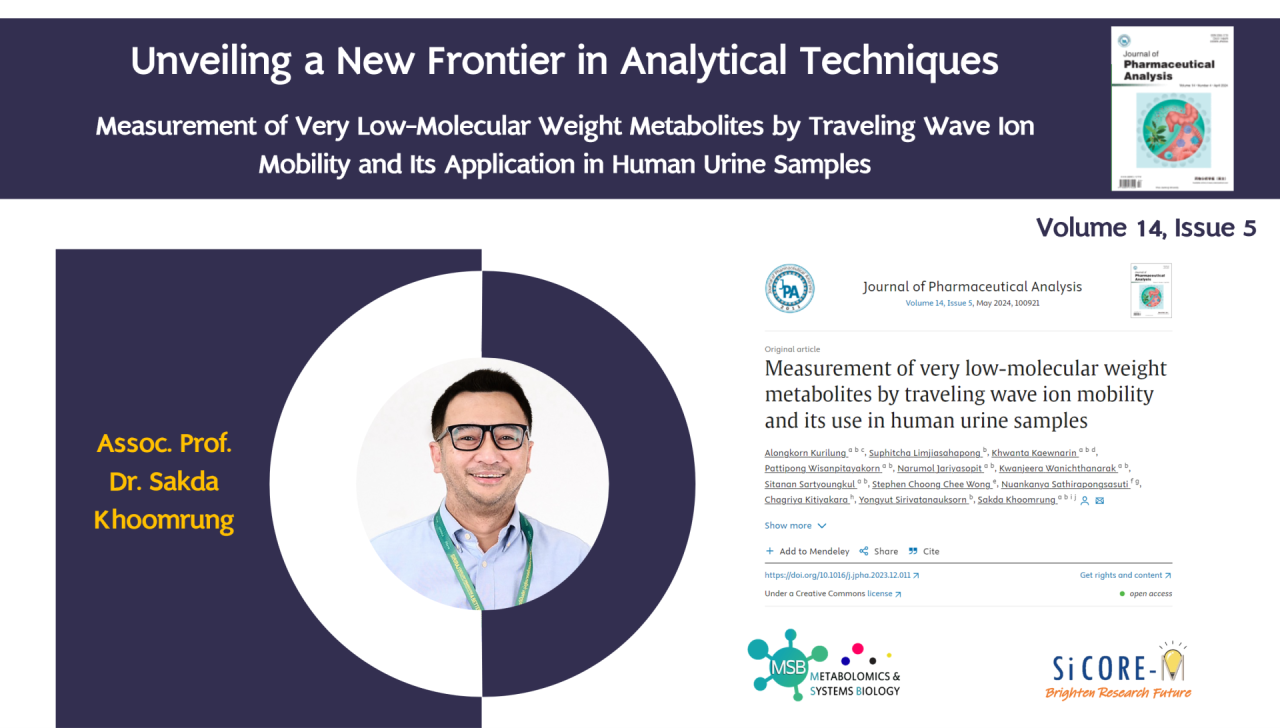
We are thrilled to share the publication of groundbreaking research by the esteemed Assoc. Prof. Dr. Sakda Khoomrung, a leading figure from the Siriraj Center of Research Excellence in Metabolomic and Systems Biology (SiCORE-MSB), Faculty of Medicine, Siriraj Hospital, Mahidol University. The research was published in the Journal of Pharmaceutical Analysis on December 16, 2023. The publication can be accessed via the following link:https://www.sciencedirect.com/science/article/pii/S2095177923002940.

In this study, we present an innovative analytical method utilizing ultrahigh-performance liquid chromatography (UPLC) coupled with traveling wave ion mobility-quadrupole-time-of-flight mass spectrometry, optimized for the measurement of Very Low-Molecular Weight Metabolites (VLMs) in human urine samples. The experimental dataset includes mass-to-charge ratio (m/z), retention time (RT), tandem MS (MS/MS) spectra, and traveling wave ion mobility spectrometry (TWIMS)-derived Collisional Cross Section (TWCCSN2) values. Notably, 263 TWCCSN2 values were reported for the first time, with over 70% corresponding to VLMs. The TWCCSN2 values exhibited high repeatability, with inter-day variations of <1% relative standard deviation (RSD). Moreover, the method demonstrated excellent TWCCSN2 accuracy, with a Collisional Cross Section (CCS) difference (DCCS) within ±2% of reported drift tube ion mobility spectrometry (DTIMS) and TWIMS CCS values. Significantly, the complexity of the urine matrix did not compromise the method’s precision. Utilizing the Metabolomics Standards Initiative guidelines, we identified 55 urinary metabolites with a confidence level of 1, of which 53 (96%) were VLMs. The enhanced confidence in metabolite identification was attributed to the inclusion of TWCCSN2 values, significantly increasing the number of confirmed compounds.

This research marks a significant advancement in analytical techniques, paving the way for improved metabolite measurement and identification in human urine samples.